Table of Contents
- Continental Powerhouses Ready for North America
- Morocco Leading the African Charge
- Nigeria and Senegal in the Spotlight
- Group Stage Dynamics and Key Matchups
- The Cultural Impact Beyond the Pitch
- Looking Ahead to Summer 2026
The 2026 FIFA World Cup promises to be a watershed moment for African football, with the continent’s representatives poised to make unprecedented waves across the United States, Canada, and Mexico. As the tournament expands to 48 teams for the first time in history, African nations have secured more slots than ever before, setting the stage for what could be the most competitive showing from the continent in World Cup history. The excitement surrounding these teams extends far beyond the football pitch, intertwining with the broader cultural renaissance that African music, fashion, and entertainment continue to experience on the global stage.
Continental Powerhouses Ready for North America
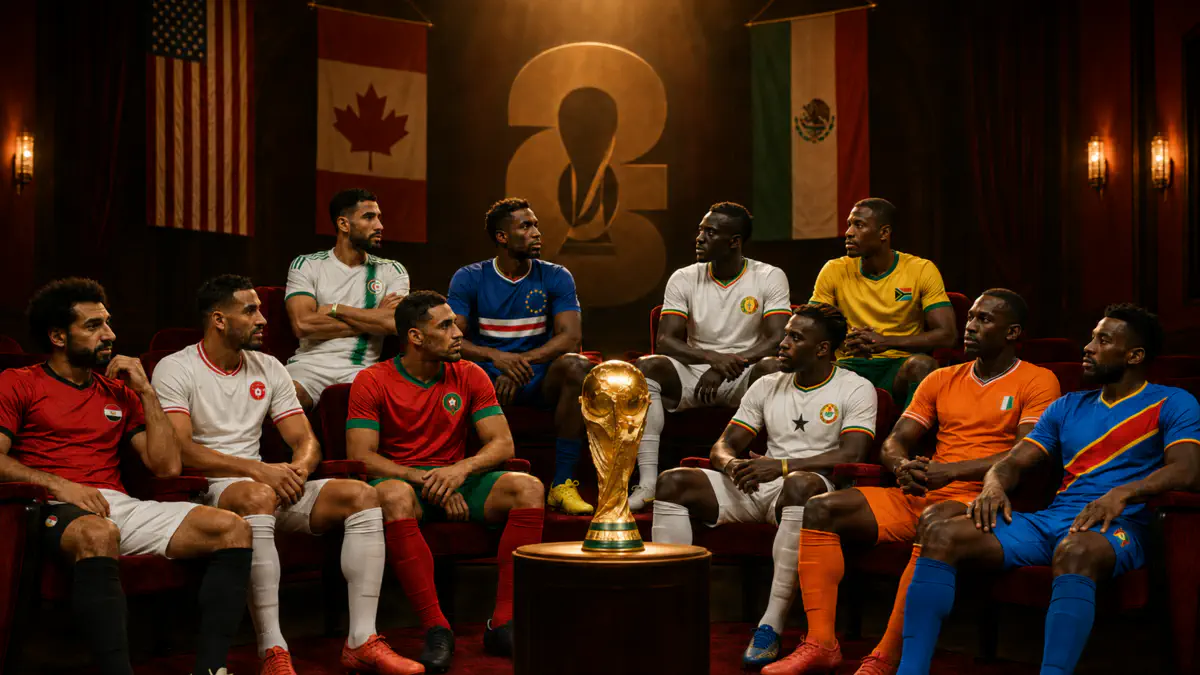
The African contingent heading to the 2026 World Cup represents a fascinating blend of established powers and emerging forces that have been making noise both on and off the field. Morocco, fresh off their historic semi-final run in Qatar 2022, leads a group that includes traditional heavyweights Nigeria and Senegal, alongside several nations looking to establish themselves as the new guard of African football. This diverse representation mirrors the continent’s current entertainment boom, where artists like Burna Boy, Wizkid, and Davido have proven that African talent can dominate global stages just as effectively as these football teams are preparing to do in North America.
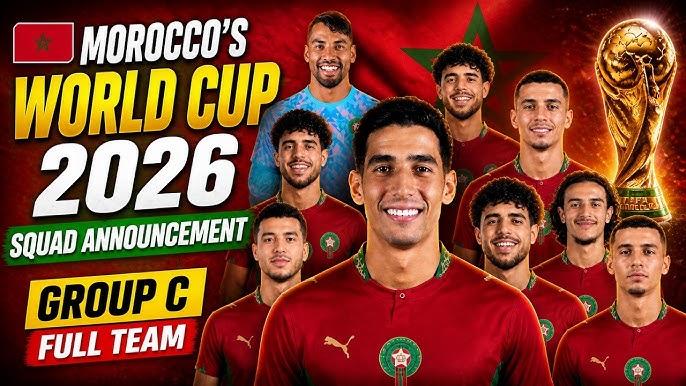
The qualification process itself has been a spectacle worthy of the continent’s growing entertainment profile, with matches drawing massive television audiences and social media engagement that rivals major music festivals and movie premieres. Each qualifying match has been accompanied by elaborate pre-game celebrations featuring local musicians, dancers, and cultural displays that showcase the rich heritage these teams carry with them. The intersection of football and entertainment culture has never been more pronounced, with many African celebrities becoming unofficial ambassadors for their national teams and using their platforms to rally support across the diaspora.
Morocco Leading the African Charge
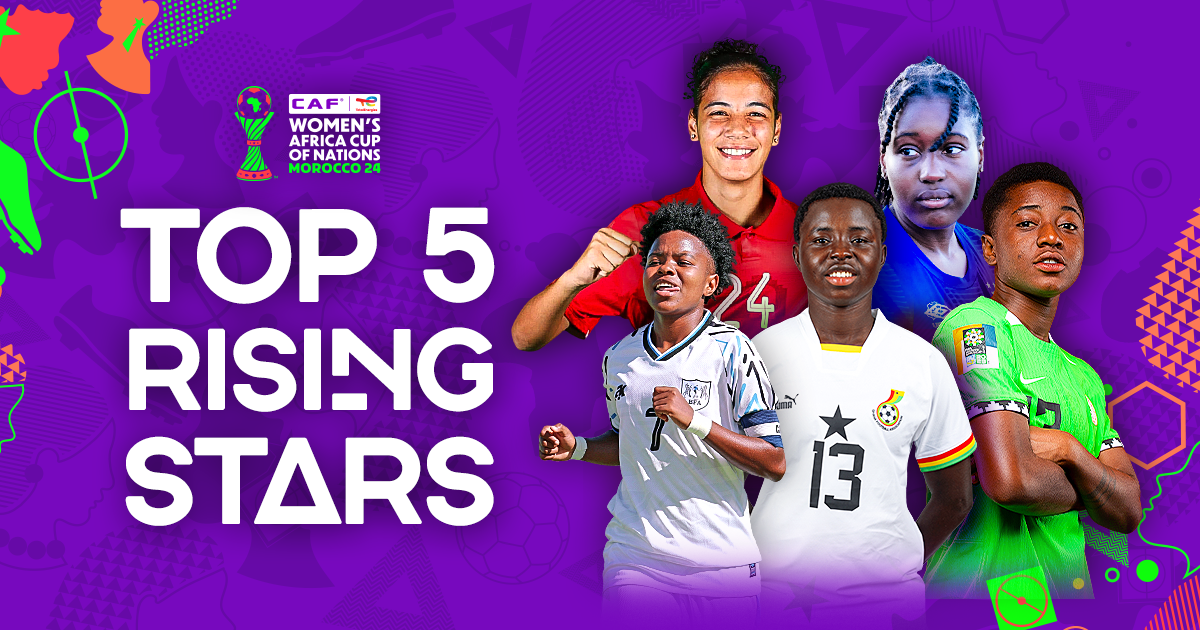
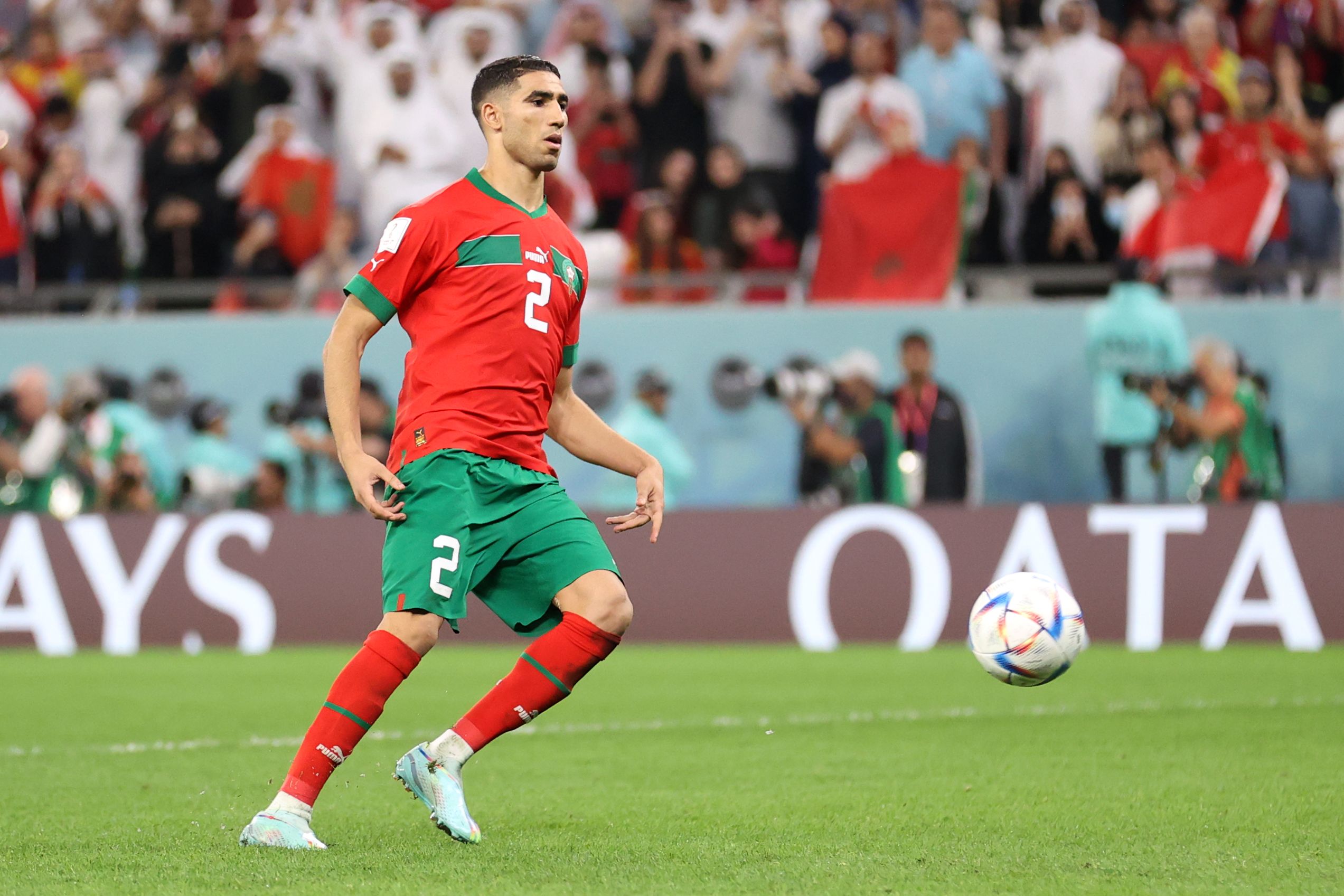
Morocco’s Atlas Lions have transformed from tournament underdogs to genuine contenders, carrying the hopes of not just their nation but the entire African continent. Their squad combines the tactical sophistication of European club football with the raw passion and creativity that defines African football culture. Players like Achraf Hakimi and Youssef En-Nesyri have become household names, transcending sports to become cultural icons whose influence extends into fashion, social media, and lifestyle trends across North Africa and beyond. The team’s success has coincided with Morocco’s growing prominence in the global entertainment industry, from hosting major film productions to becoming a hub for African fashion weeks.
The Atlas Lions’ preparation for 2026 has been nothing short of cinematic, with their training camps resembling the production sets of major blockbuster films. The Moroccan Football Federation has embraced modern media strategies, creating behind-the-scenes content that rivals the production value of major streaming series. This approach has helped build a global fanbase that extends far beyond traditional football supporters, attracting followers from the worlds of music, fashion, and entertainment who are drawn to the team’s style both on and off the pitch.
Nigeria and Senegal in the Spotlight
Nigeria’s Super Eagles bring their own unique flavor to the 2026 World Cup conversation, backed by one of Africa’s most vibrant entertainment industries and a diaspora that spans every corner of the globe. The team’s connection to Afrobeats culture runs deep, with several players maintaining close friendships with major music stars and often featuring in music videos and cultural events. Their matches have become must-see events not just for football fans but for anyone interested in contemporary African culture, as the games often feature performances from top Nigerian artists and showcase the country’s incredible creative energy.
Senegal’s Lions of Teranga continue to ride the wave of their Africa Cup of Nations triumph, with a squad that embodies the country’s rich musical heritage and cultural sophistication. The team’s style of play mirrors the rhythmic complexity of Senegalese music, featuring intricate passing patterns and explosive moments of individual brilliance. Led by players who have become ambassadors for African excellence, Senegal approaches the 2026 World Cup with the confidence of a nation that has consistently punched above its weight in both sports and entertainment. Their preparation has included collaborations with local artists and cultural figures, creating a holistic approach to representing Senegalese culture on the world stage.