The Reality Check: What Pro Gaming Actually Looks Like
Before diving into how to become a professional gamer, you need an honest picture of what the professional gaming landscape actually looks like in 2026. The global esports industry is valued at approximately $5.3 billion, the Esports World Cup distributed over $70 million in prize money in 2025, and major tournaments fill arenas with tens of thousands of spectators. The global average professional gamer salary reached roughly $138,000 in 2025. These facts are real - but they paint an incomplete picture that leads many aspiring gamers to make poor decisions about their futures.
The complete picture includes some less glamorous realities. Around 70% of professional gamers earn between $12,000 and $60,000 annually - frequently in smaller titles, regional circuits, or mobile markets where prize pools are thin and sponsorships are scarce. Of the millions of people who play competitive games seriously, only a few thousand earn enough from competition alone to call it a full-time career. The professional lifespan of most competitive gamers peaks between ages 18 and 25, with reaction times and sustained focus beginning to decline for many players after that. Burnout is rampant - the practice hours required to stay competitive are grueling, and the pressure of high-stakes competition takes a measurable toll on mental health.
None of this means you should not pursue a career in professional gaming. It means you should pursue it with clear eyes, realistic expectations, and a backup plan. The smartest aspiring pro gamers treat competitive gaming like any other high-risk athletic career: they train seriously, they compete with full commitment, and they simultaneously build transferable skills and alternative income streams that will serve them whether they make it to the top or not.
This guide is designed to give you the honest, practical advice you need at every stage of the journey. We cover everything from choosing the right game to building a team, from realistic earnings breakdowns to content creation as a parallel career. If you are serious about learning how to become a professional gamer, this is your roadmap - warts and all.
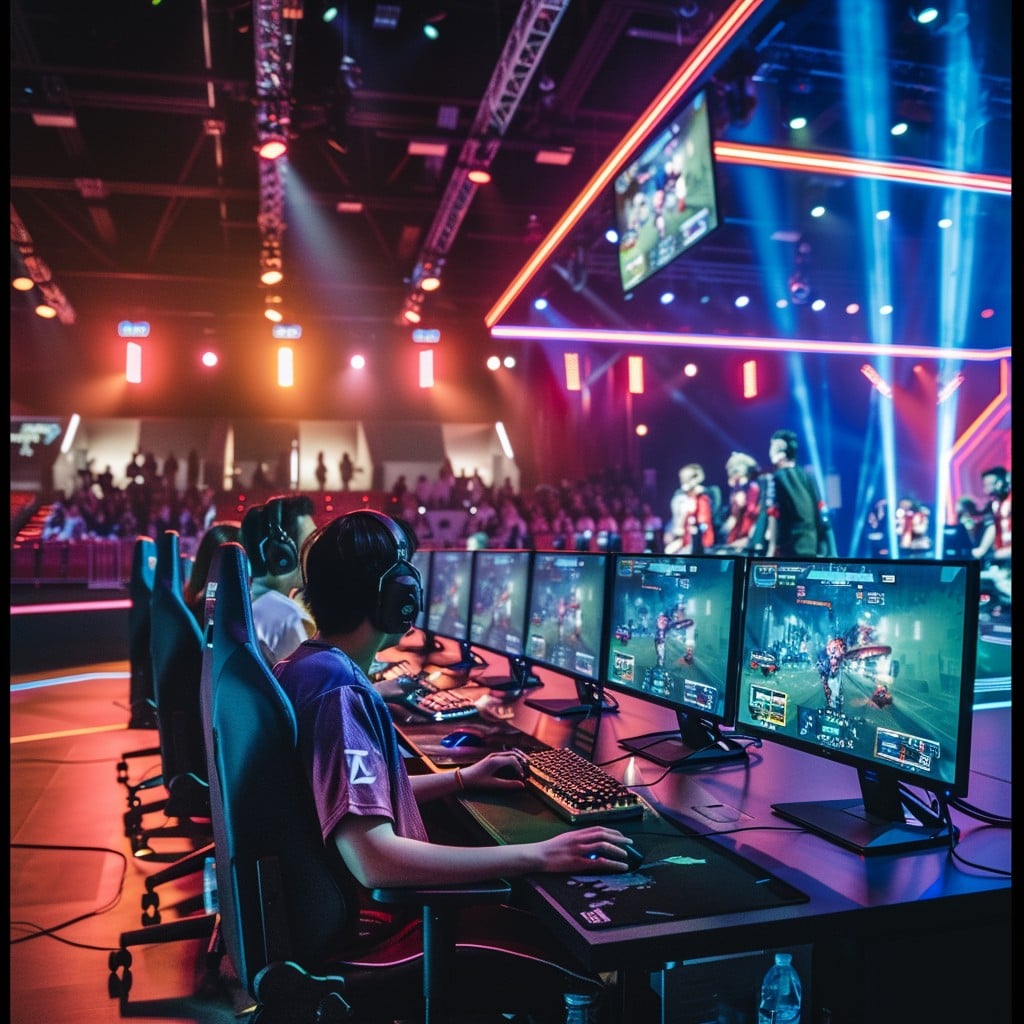
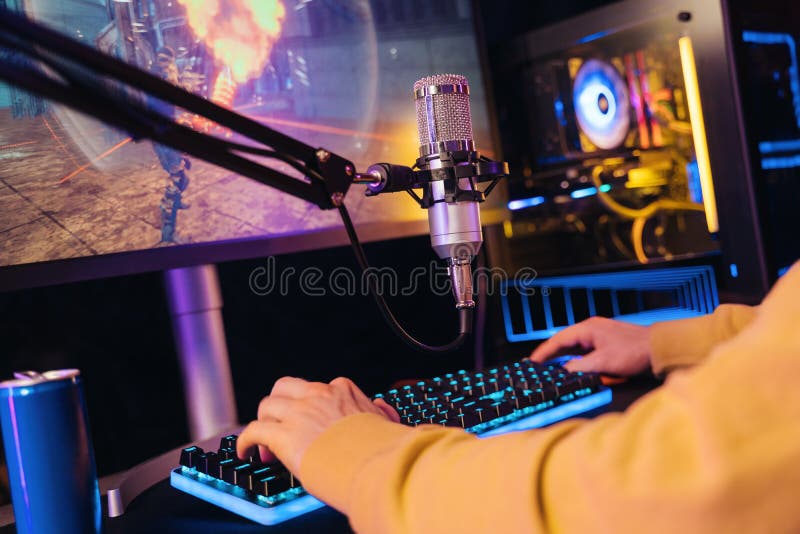
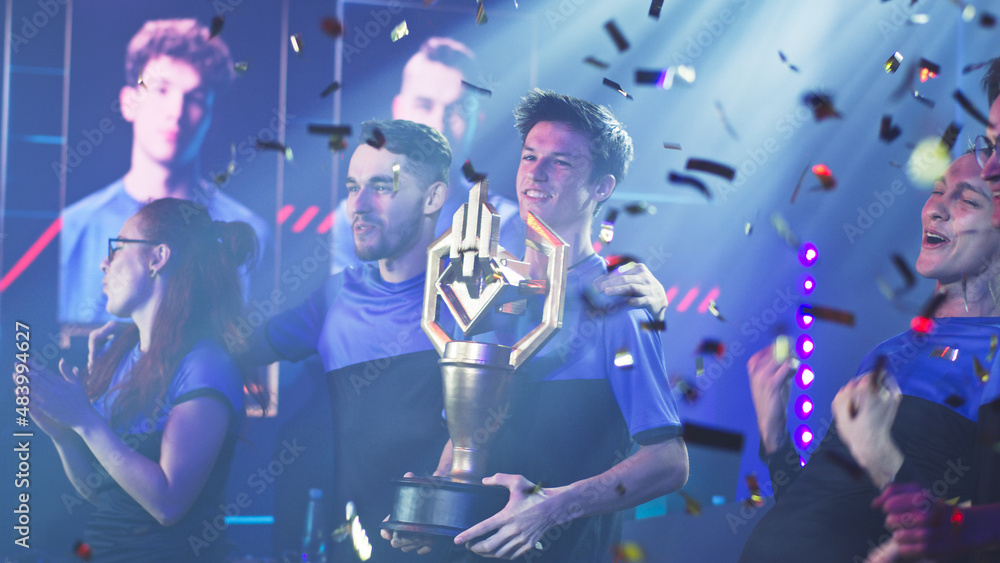
Image: Red Bull
Choosing Your Game Wisely
The most consequential decision you will make on the path to becoming a professional gamer is which game to commit to. Not all competitive games offer the same career opportunities, and the game you choose determines your earning potential, the size of the competitive community, and how long your career might last.
In 2026, the games with the largest and most established esports ecosystems include League of Legends (the world’s most-watched esport with over 650 million hours watched in 2026, a structured franchise league system, and nearly $15 million in annual prize money), Valorant (Riot’s tactical shooter with the VCT circuit and the most stable salary structure in esports - the Americas League guarantees a minimum salary of $50,000), Counter-Strike 2 (the longest-running major esport with a deep competitive tradition, Valve-sponsored Majors with $1.25 million prize pools, and top-tier salaries up to $480,000 annually), and Dota 2 (home to The International, which has distributed over $300 million across its history). Fortnite continues to distribute tens of millions in competitive prize money annually through open-format competitions.
Mobile esports deserves special attention in 2026. Mobile Legends: Bang Bang has emerged as one of the most-watched esports titles globally, dominating viewership in Southeast Asia. PUBG Mobile and Free Fire have built massive competitive scenes in Southeast Asia, India, and Latin America. If you are based in these regions, mobile esports can offer a more accessible path to professional competition than PC titles.
When choosing your game, consider several factors beyond just what you enjoy playing. First, examine the competitive infrastructure - does the game have organized leagues, regular tournaments, and a clear path from amateur to professional competition? Second, evaluate the financial ecosystem - are there salaries for professional players, substantial prize pools, and sponsorship opportunities? Third, assess the game’s longevity - is the developer actively supporting the esports scene, or is competitive interest declining? Games that lose developer support quickly lose their professional scenes.
Also consider your natural strengths. If you have exceptional reaction times and hand-eye coordination, first-person shooters like Valorant or Counter-Strike 2 might be your best fit. If you excel at strategic thinking, resource management, and team coordination, MOBAs like League of Legends or Dota 2 may suit you better. If you thrive in one-on-one competition and can master complex input sequences, fighting games like Street Fighter 6 and Tekken 8 offer a path.
One important caution: avoid constantly switching games. The temptation to chase whichever game is currently trending is strong, but professional-level skill requires thousands of hours of focused practice in a single title. Spreading your time across multiple games means you will be average at several instead of exceptional at one. Choose a game, commit to it for at least 12 to 18 months, and only reconsider if the competitive scene genuinely collapses or you hit an unbreakable skill ceiling after years of dedicated practice.
Practice Routines That Actually Work
Understanding how to become a professional gamer means understanding that professional-level practice is fundamentally different from how casual players spend their time. Simply playing a lot of games will not make you a professional any more than shooting baskets in your driveway for hours will make you an NBA player. Deliberate, structured practice is what separates those who improve rapidly from those who stagnate at intermediate levels.
A professional-level practice routine typically involves six to ten hours per day, split between different types of training. Mechanical drills focus on fundamental skills like aim, movement, and character control. In shooter games, this might mean 30 to 60 minutes daily in an aim trainer like Aim Lab or Kovaak’s, practicing tracking, flick shots, and target switching at specific difficulty settings. In MOBAs, it means practicing last-hitting, ability combos, and specific micro-mechanical skills in isolated training modes. These drills are boring - that is the point. They build muscle memory that becomes automatic during the pressure of competition.
VOD (video-on-demand) review is the practice equivalent of studying game film in traditional sports. Record your competitive matches and review them critically. Watch for positioning errors, poor decision-making, missed opportunities, and moments where you died or lost fights that could have gone differently. Also watch professional players’ VODs and tournament broadcasts, paying attention to how they approach the same situations you encounter. Many professionals spend one to two hours daily reviewing footage - their own and others’.
Scrimmaging - organized practice matches against other competitive teams or high-ranked players - is where you test strategies and build team coordination. Scrims are typically scheduled at regular times, run for two to four hours, and focus on specific tactical objectives rather than simply trying to win. After scrims, the best teams review the session together, discussing what worked, what failed, and what adjustments to make. This team review process is often where the most significant improvement happens.
Solo ranked play fills the remaining practice time and serves a different purpose than scrims. Ranked queue helps you maintain mechanical sharpness, experiment with techniques in a competitive environment, and track your improvement through your ranking. However, do not mistake ranked play for comprehensive practice - it tests your skills but does not develop them as efficiently as targeted drills and structured scrims.
Create a weekly practice schedule and stick to it. A sample day might look like: 30 minutes of mechanical drills, one hour of VOD review, three to four hours of scrims or ranked play, 30 minutes of post-session review, and one hour of educational content (streams, tutorials, patch analysis). Build in at least one full rest day per week - professional practice is mentally exhausting, and without recovery, performance degrades.
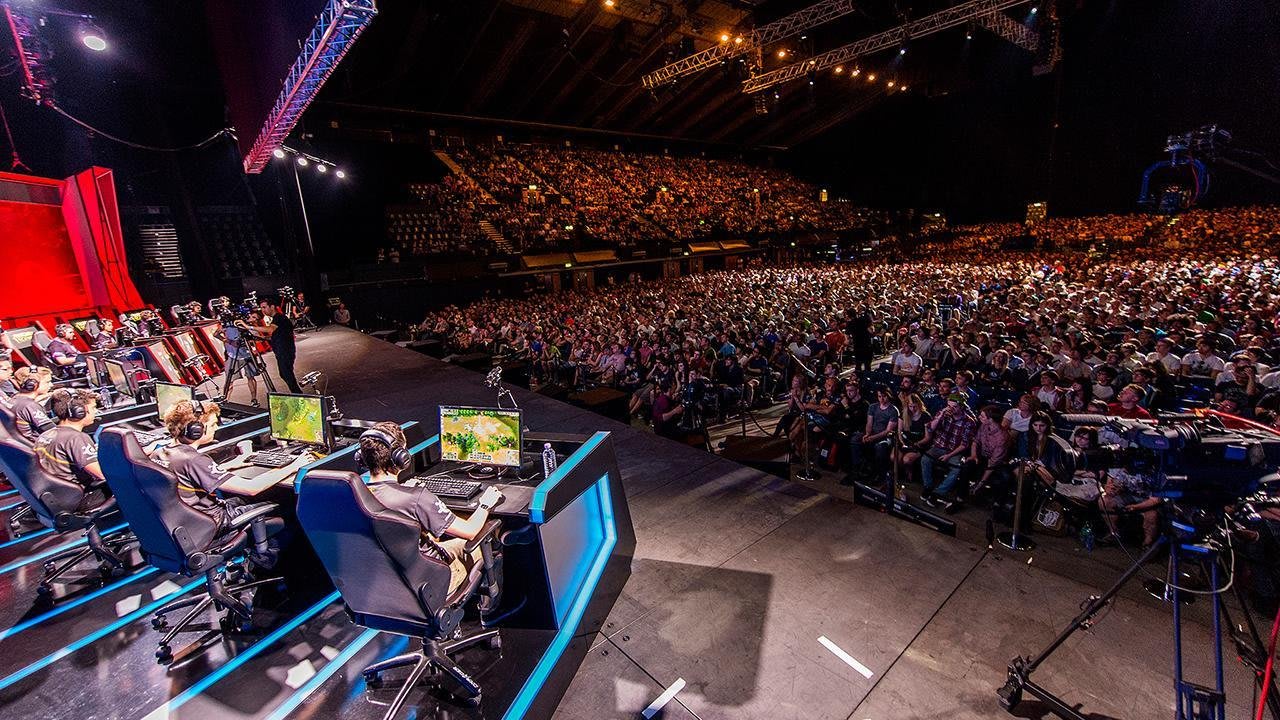
Image: Dreamstime.com
Joining Amateur Tournaments
Competitive tournament experience is essential for anyone learning how to become a professional gamer. Performing well in ranked play is not the same as performing under tournament conditions where stakes are real, pressure is intense, and eliminating opponents has consequences beyond a number on a leaderboard.
Start with online amateur tournaments. Platforms like Battlefy, FACEIT, ESEA, Start.gg, and GameBattles host thousands of tournaments weekly across virtually every competitive game. Many are free to enter with small prize pools ($50 to $500), providing a low-pressure environment to gain tournament experience. These platforms also track your competitive results, building a verifiable record of your performance that teams and organizations can evaluate later.
As your skills and confidence grow, enter larger online tournaments with bigger prize pools and stronger competition. Many game publishers run grassroots competitive programs - Riot’s Valorant Challengers Open Qualifiers, Valve’s Counter-Strike open qualifiers, and Epic’s Fortnite Champion Series open rounds all allow amateur players to compete against each other and potentially qualify for higher-level events. Even if you do not advance far, the experience of competing in these official circuits is invaluable for your development.
Local LAN (local area network) events provide a different competitive experience. Playing on stage in front of even a small audience introduces psychological pressures that online play does not - the noise, the crowd, the physical proximity of opponents, and the lack of the comfort of your home setup all affect performance. Many cities have gaming cafes or community centers that host regular LAN tournaments. Attending these events also puts you in physical proximity with other competitive players, which is crucial for networking and potential team formation.
Track your tournament results meticulously. Create a spreadsheet or document that records every tournament you enter, your placement, notable wins, and statistics. This becomes your competitive resume when approaching teams and organizations. Consistent top placements in amateur tournaments - even if you never win - demonstrate the reliability and competitive temperament that teams value.
Building and Joining a Team
Most major esports are team-based, which means your path to becoming a professional gamer almost certainly involves finding the right teammates. The quality of your team often matters more than your individual skill level - a coordinated team of good players will consistently beat a disorganized team of great individuals.
If you are starting from scratch, build connections through ranked play and amateur tournaments. When you encounter players whose skill level, communication style, and attitude impress you, add them and play together again. Team chemistry takes time to develop, so do not rush into forming a permanent roster. Play with potential teammates for several weeks before committing to a team structure.
When forming a team, look beyond raw mechanical skill. Communication is arguably more important - players who make clear, concise callouts and remain composed under pressure are worth their weight in gold. Attitude matters enormously too. Players who blame teammates, rage after losses, or refuse to adapt their playstyle are toxic to team development regardless of their individual talent. Reliability is another critical factor - players who consistently show up for scheduled practice on time and prepared signal that they take the commitment seriously.
Alternatively, you can apply to join existing teams. Many amateur and semi-professional teams recruit through X (formerly Twitter), Discord servers dedicated to their game’s competitive scene, and team recruitment platforms. Prepare a brief application that includes your rank, tournament results, available practice hours, and a link to a highlight reel or recent competitive VOD. Be honest about your current level while expressing clear ambition to improve.
Once you have a team, establish clear practice schedules, team roles (including an in-game leader who makes strategic calls during matches), and communication norms. Set goals together - perhaps qualifying for a specific tournament or reaching a certain team rank within three months. Teams that have shared objectives and clear structure outperform those that exist without direction.
Streaming as Secondary Income
Streaming on platforms like Twitch, YouTube, and Kick has become an important secondary income source for aspiring and established professional gamers alike. Even before you are earning tournament winnings, a streaming presence can generate revenue, build your personal brand, and attract attention from teams and sponsors.
The streaming landscape has shifted significantly. Twitch still holds about 54% of the gaming streaming market but faces growing competition from YouTube Gaming (24%) and Kick (11%). Each platform offers different advantages: Twitch has the largest existing gaming audience, YouTube offers unmatched discoverability and passive VOD revenue, and Kick offers the best revenue split at 95/5 on subscriptions. Many aspiring pros now multistream to Twitch and Kick simultaneously while posting highlights to YouTube - a strategy that became viable after Twitch dropped its exclusivity requirement in October 2023.
Start streaming with whatever equipment you already have. A gaming PC capable of running your competitive game can typically handle streaming simultaneously using hardware encoding (NVENC on NVIDIA GPUs, AMF on AMD). A decent USB microphone ($50 to $100), a webcam ($50 to $100), and free streaming software like OBS Studio (currently version 32.1.2) are all you need to begin. Upgrade equipment as your channel grows and generates income - do not invest thousands of dollars before you have an audience.
Consistency is the most important factor in building a streaming audience. Stream on a regular schedule - the same days and times each week - so viewers know when to find you. Three to four streams per week of three to four hours each is a sustainable starting point that balances content creation with competitive practice. Many aspiring pros stream their ranked play sessions, which serves the dual purpose of practice and content creation.
Streaming income comes from several sources. Platform subscriptions (typically $4.99 per month, with streamers receiving 50% on Twitch or 95% on Kick) require at least a modest following. Donations and tips from viewers can be significant even for smaller streamers. Ad revenue becomes meaningful once you reach several hundred concurrent viewers. YouTube’s VOD monetization is uniquely valuable - every past broadcast and highlight continues earning ad revenue long after upload, providing passive income that neither Twitch nor Kick can match. As your audience grows, brand deals and sponsorships become the most lucrative income source, often exceeding all other streaming revenue combined.
Ad SpaceIn-Article - 300x250
Advertisement
The strategic value of streaming extends beyond direct income. A strong streaming presence makes you more attractive to esports organizations because you bring an existing audience. Sponsors prefer players who can promote their products to viewers. And if your competitive career stalls or ends, a streaming audience provides a financial bridge to whatever comes next. Think of streaming as career insurance that also happens to pay rent.
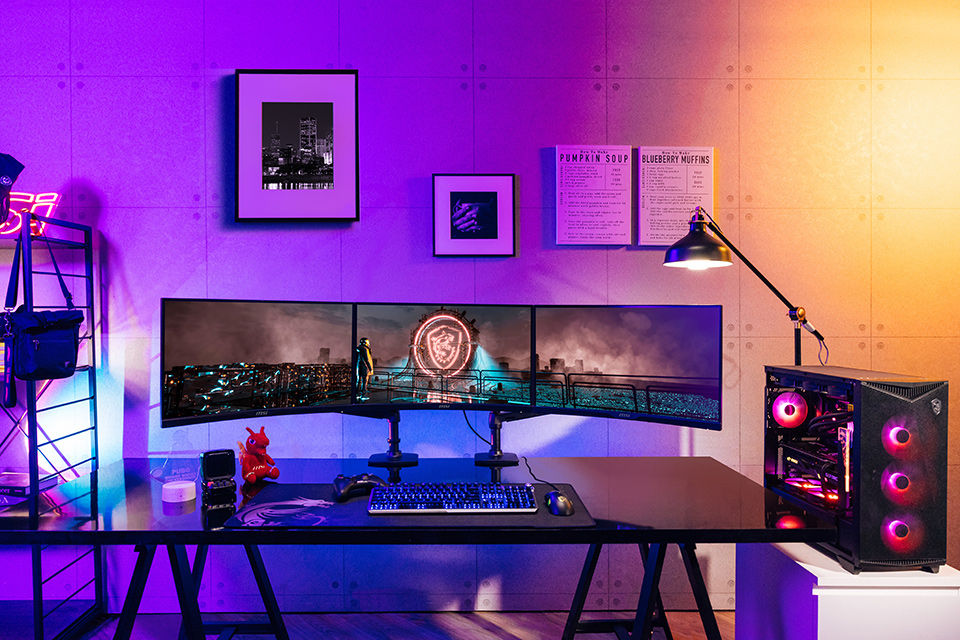
Image: MSI
How Esports Organizations Work
Esports organizations are the professional infrastructure of competitive gaming. They sign players to contracts, provide salaries, cover travel and equipment costs, arrange sponsorships, and manage the business side of a player’s career. Understanding how these organizations operate is crucial for anyone figuring out how to become a professional gamer at the highest level.
Major organizations like T1, Cloud9, Team Liquid, Fnatic, G2 Esports, and Sentinels operate across multiple games and function similarly to traditional sports franchises. They employ coaches, analysts, sports psychologists, content managers, and support staff alongside the players themselves. Being signed to one of these organizations means a guaranteed salary (ranging from $3,000 to $15,000+ monthly depending on game and region), access to professional training facilities (many have gaming houses or offices where teams practice together), and the marketing power of a recognized brand behind you.
Smaller organizations operate at various levels - from funded startups with genuine resources to essentially volunteer operations run by enthusiastic community members. When evaluating offers from smaller organizations, look carefully at the contract terms. Key questions include: Is there a guaranteed salary, and how much? Who owns your competitive slot or franchise spot? What are the content creation requirements? What is the contract duration, and what are the exit clauses? Many aspiring pros have signed contracts that locked them into unfavorable terms because they were too excited about the opportunity to read the fine print.
Organizations make money through several channels: sponsorship deals (the largest revenue source for most orgs), merchandise sales, content revenue from players’ streams and social media, tournament prize money (usually split between the organization and players), and in some franchised leagues, revenue sharing from the league itself. Understanding these business dynamics helps you negotiate better terms because you can articulate the value you bring - whether through competitive results, streaming audience, or social media following.
Getting noticed by organizations requires a combination of competitive results, online presence, and professional behavior. Organizations scout through tournament placements, ranked leaderboards, social media activity, and community reputation. Having a professional-looking online presence - clean social media profiles, a highlight reel, and verifiable competitive statistics - makes you a more attractive prospect than a player with identical skill but no public profile.
Physical and Mental Health for Gamers
Professional gaming is far more physically and mentally demanding than outsiders realize. The stereotype of gamers as sedentary and unhealthy is increasingly outdated - top organizations now invest heavily in player health because the evidence is clear that physical fitness and mental wellness directly improve competitive performance.
The physical risks of professional gaming are real and well-documented. Repetitive strain injuries (RSI) in the wrists, hands, and forearms are the most common occupational hazard, with carpal tunnel syndrome affecting a significant percentage of professional players. Back and neck pain from prolonged sitting, eye strain from extended screen time, and poor cardiovascular health from a sedentary lifestyle are also prevalent. Prevention is far easier than treatment - take breaks every 60 to 90 minutes, perform hand and wrist stretches before and after practice sessions, invest in an ergonomic chair and desk setup, and exercise regularly.
Regular physical exercise is not optional if you want to sustain a long competitive career. Cardiovascular exercise improves blood flow to the brain, enhancing reaction time and decision-making. Strength training builds the endurance to maintain focus during long tournament days. Many professional teams now include mandatory physical training in their practice schedules. Even 30 minutes of moderate exercise five days per week - a brisk walk, a bodyweight workout, a cycling session - produces measurable improvements in cognitive performance and gaming-relevant reaction times.
Mental health deserves equal attention. The pressure of competitive performance, the public nature of wins and losses, the intensity of online communities, and the social isolation that can come from spending most of your time in front of a screen all contribute to anxiety, depression, and burnout among professional gamers. Take your mental health seriously: maintain social connections outside of gaming, set clear boundaries between practice time and personal time, and seek professional support if you experience persistent anxiety, depression, or loss of motivation. Many esports organizations now provide access to sports psychologists, and using these resources is a sign of professionalism, not weakness.
Sleep is perhaps the single most underrated performance factor in competitive gaming. Studies consistently show that sleep deprivation degrades reaction time, decision-making, and emotional regulation - exactly the skills that competitive gaming demands. Aim for seven to nine hours per night on a consistent schedule. The late-night gaming sessions that are culturally normalized in gaming communities are actively harmful to competitive performance. The best professional players treat sleep as a non-negotiable part of their training regimen.
Realistic Earnings by Tier
One of the most important aspects of understanding how to become a professional gamer is knowing what you can realistically earn at each stage of the journey. The headline numbers - million-dollar tournament wins, six-figure streaming incomes - are real but represent the extreme top of the pyramid. Here is what the earnings landscape actually looks like across different competitive tiers in 2026.
Amateur and semi-professional (ranked play and small tournaments): Most players at this level earn little to no money from gaming. Small online tournament winnings might total $500 to $5,000 per year. Streaming income at this level is typically under $500 per month. The vast majority of players at this tier have full-time jobs or are students. This stage typically lasts one to three years for those who eventually turn professional.
Tier 2 professional (signed to a smaller organization, competing in minor leagues): Players at this level might earn salaries of $1,000 to $5,000 per month from their organization, supplemented by tournament winnings of $5,000 to $30,000 per year and modest streaming income. Total annual earnings typically range from $20,000 to $60,000. This is where approximately 70% of professional gamers fall. This is the level where gaming can become a full-time pursuit, though financial stability is limited and contracts are often short-term.
Tier 1 professional (signed to a major organization, competing in top leagues): Salaries at this level range from $5,000 to $40,000 per month depending on the game and region. North American professionals averaged $210,000 in base compensation in 2025, with elite Valorant performers earning $35,000 to $40,000 monthly before tournament winnings and sponsorships. Counter-Strike 2 and Valorant offer top-tier salaries reaching $480,000 annually. Tournament winnings can add $50,000 to $500,000 or more per year for players on top-placing teams. Total annual earnings typically range from $100,000 to $500,000. This tier represents perhaps the top one to two percent of competitive players.
Elite professional (top players in major esports): The very best players in the biggest esports earn $500,000 to several million dollars annually through combined salary, tournament winnings, streaming revenue, and personal sponsorships. Players like s1mple in Counter-Strike, Faker in League of Legends, and top Fortnite competitors have earned millions from competition alone. The Esports World Cup’s Club Championship awarded $7 million to the winning organization in 2025. However, this tier represents a few hundred individuals worldwide across all esports titles.
Landing Sponsorships and Brand Deals
Sponsorships become relevant once you have either competitive credentials, a meaningful online following, or ideally both. Brands invest in gamers to reach the gaming audience - a demographic that is young, engaged, and notoriously difficult to reach through traditional advertising. Esports sponsorship is the fastest-growing revenue category in the industry, with a compound annual growth rate of 45%.
The most common sponsorship categories in gaming include peripheral companies (keyboards, mice, headsets, monitors), energy drink and supplement brands, gaming chair manufacturers, software and subscription services, and increasingly, non-endemic brands like automotive companies, fashion labels, and financial services that want access to the gaming demographic. The Esports World Cup 2025 attracted major global brands across all these categories, reflecting the maturation of esports as a marketing channel.
Your sponsorship value is determined by several factors: your competitive results and rank, your streaming audience size and engagement rate, your social media following, your content quality, and your personal brand’s alignment with the sponsor’s target market. A player with 5,000 Twitch followers who creates high-quality content and has a professional image may be more attractive to sponsors than a player with 50,000 followers who rarely streams and has an inconsistent brand.
When pursuing sponsorships, start with smaller brands that specifically target the gaming community. Reach out with a professional media kit that includes your competitive achievements, audience demographics, engagement metrics, and examples of previous content. Clearly articulate what you can offer - social media posts, stream shout-outs, product reviews, tournament jersey placement - and be realistic about your rates. For players with smaller followings (under 10,000 across platforms), product-only deals (free gear in exchange for promotion) are common and still valuable for building your setup and establishing sponsor relationships.
As your career progresses, sponsorships can become a major revenue stream. Mid-tier professional players with moderate streaming audiences often earn $10,000 to $50,000 annually from sponsorships alone. Top players and popular streamers can earn six figures or more from brand partnerships. Having an agent or manager to negotiate these deals becomes worthwhile once your sponsorship value reaches a level where professional negotiation could meaningfully increase your earnings.
Image: Adobe Stock
Content Creation as a Backup Career
The smartest approach to learning how to become a professional gamer includes building a content creation portfolio alongside your competitive career. This is not a consolation prize or an admission of failure - it is a strategic decision that provides financial stability, extends your career longevity, and creates opportunities that pure competition cannot.
Many of the highest-earning people in gaming are not professional competitors at all - they are content creators. Popular gaming YouTubers and Twitch streamers often earn more than all but the very top competitive players. Content creation allows you to monetize your gaming knowledge and personality regardless of your competitive ranking, and it does not have the same age-related decline as competitive play.
Start building your content portfolio early. Create a YouTube channel for edited gaming content - tutorials, analysis videos, highlights, and entertainment content related to your competitive game. These videos work for you 24 hours a day, generating views, subscribers, and ad revenue long after you upload them. A well-optimized tutorial video might generate passive income for years. YouTube’s VOD monetization is particularly powerful - it offers a revenue stream that neither Twitch nor Kick can match for archival content. Complement YouTube with a regular streaming schedule on Twitch, YouTube Live, or Kick, and maintain active social media profiles where you share clips, thoughts, and engage with the gaming community.
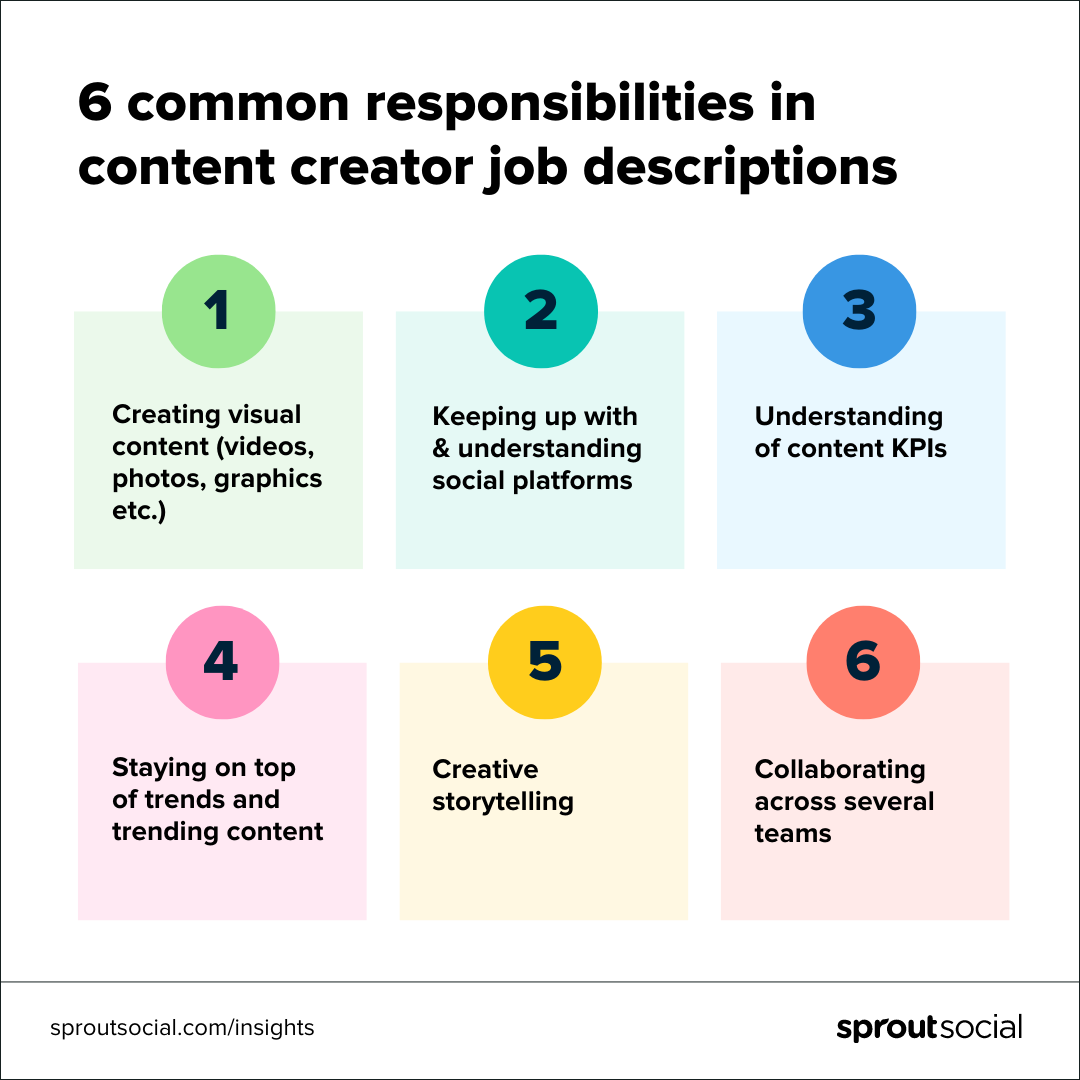
The skills you develop through content creation - video editing, audience engagement, brand building, marketing, and business management - are highly transferable to careers both inside and outside the gaming industry. Former professional players have leveraged their content creation skills into careers as esports commentators, coaches, analysts, content producers for gaming organizations, marketing professionals, and media personalities. The content creation infrastructure you build during your competitive career becomes the foundation for whatever comes after.
Think of content creation as your career safety net with unlimited upside. In the best case, it supplements your competitive income and helps you build a massive audience. In the worst case - if injuries, burnout, or skill ceiling end your competitive aspirations - you have an established platform and transferable skills that keep you employed in an industry you love. Every hour invested in content creation is an investment in your long-term career security.
Key Takeaways
Learning how to become a professional gamer requires realistic expectations - around 70% of pros earn $12,000-$60,000 annually, while only the top 1-2% reach six-figure incomes
Choose one competitive game and commit fully - League of Legends, Valorant, Counter-Strike 2, Dota 2, and Fortnite offer the strongest career ecosystems in 2026
Professional practice routines of six to ten hours daily should include mechanical drills, VOD review, structured scrims, and ranked play in a deliberate schedule
Build tournament experience through free amateur events on platforms like Battlefy and FACEIT before entering larger, higher-stakes competitions
Team chemistry, communication, and reliability matter as much as individual skill when building or joining a competitive roster
Streaming provides secondary income - Twitch (54% market share), YouTube (discoverability and VOD revenue), and Kick (95/5 revenue split) each offer unique advantages
Physical health directly impacts competitive performance - regular exercise, proper sleep, and ergonomic setups are competitive advantages, not luxuries
Realistic earnings range from near-zero for amateurs to $20,000-$60,000 for tier 2 pros, $100,000-$500,000 for tier 1, and $500,000+ for elite players
Content creation alongside competitive gaming is the smartest career strategy - it provides financial stability, career longevity, and transferable skills regardless of competitive outcomes
Frequently Asked Questions
What age is too old to become a professional gamer?
There is no hard age limit, but the statistical reality is that most professional players in the biggest esports are between 17 and 25 years old. Reaction times peak in the early 20s and decline gradually afterward, though strategic thinking and game sense can compensate for slower reflexes in many titles. Some games - particularly strategy and fighting games - have professional players well into their 30s. If you are starting competitive gaming after age 25, your path to the highest levels of competition in reflex-intensive games is statistically more challenging, but not impossible. Content creation and coaching offer viable career alternatives in gaming that have no age ceiling.
How many hours per day do professional gamers practice?
Most professional players practice six to ten hours per day during active competitive seasons. This includes individual practice (mechanical drills, VOD review), team scrims, and ranked play. Some players push beyond ten hours during tournament preparation periods, though this level of practice is unsustainable long-term and increases injury and burnout risk. Quality of practice matters more than raw hours - a focused six-hour session with deliberate practice structure produces better results than ten hours of unfocused ranked play. Rest days are important and most professional teams schedule at least one per week.
Do I need expensive equipment to go pro?
You need a setup that does not actively hold you back, but you do not need the most expensive gear available. A PC or console that runs your game at stable framerates is essential - screen tearing and frame drops are genuinely competitive disadvantages. A 144Hz or higher monitor provides a real advantage in fast-paced games. A good mouse and keyboard or controller that feels comfortable and responds reliably matters. Beyond these basics, the returns on equipment investment diminish rapidly. A $50 gaming mouse is negligibly different from a $150 one for most players. In 2026, a capable competitive gaming setup (PC with RTX 5060 Ti, 144Hz monitor, quality peripherals) can be assembled for around $1,200-1,500 total. Invest in fundamentals first and upgrade incrementally as your career justifies the expense.
Is it better to be a streamer or a competitive player?
Financially, streaming is more stable and accessible - far more people earn a living from streaming than from competitive play. However, the two paths are not mutually exclusive, and the most successful gaming careers combine both. Competitive credentials give your stream credibility and attract viewers who want to learn from high-level play. A streaming audience gives you financial stability and makes you more valuable to organizations. With Twitch’s removal of exclusivity requirements, you can now multistream to Twitch and Kick simultaneously while posting highlights to YouTube, maximizing your reach. The ideal approach is to pursue competition seriously while building a content creation presence simultaneously, then adjust the balance as your career develops.
What happens when a professional gamer retires?
Career transitions vary widely. Common paths after competitive retirement include coaching (helping current players improve using your experience), commentating and analysis for esports broadcasts, content creation full-time (many retired pros see their streaming audiences grow after retirement because they can focus more on content), roles within esports organizations (management, scouting, business development), and careers in the broader gaming industry (game design, community management, marketing). Players who build transferable skills during their competitive careers - content creation, business relationships, communication - have the smoothest transitions. Those who focused exclusively on competing often struggle, which is why building parallel skills during your playing career is so important.
Ad SpaceIn-Article - 300x250
Advertisement
Share
Get the recap
Loved this story? Get more like it.
Join readers who get our weekly entertainment recap - the stories worth your time, delivered every Friday.
No spam. Unsubscribe anytime. By signing up you agree to our Privacy Policy.