Table of Contents
- Why Your Headshot Is Your Most Important Marketing Tool
- What Casting Directors Actually Look For
- Choosing the Right Headshot Photographer
- What to Wear for Acting Headshots
- Hair and Makeup Guidelines
- How to Pose for Natural, Compelling Shots
- Planning Multiple Looks
- Technical Specifications and Formatting
- Common Headshot Mistakes to Avoid
- Key Takeaways
- Frequently Asked Questions
Why Your Headshot Is Your Most Important Marketing Tool

In the acting industry, your headshot is the first - and sometimes only - thing that determines whether you get an audition. Casting directors for a single project might review hundreds or even thousands of submissions, spending an average of three to five seconds on each one. In those few seconds, your headshot needs to accomplish something extraordinary: it needs to make someone stop scrolling and think, “I want to see this person read for the role.”
Great acting headshots tips always start with this fundamental truth - your headshot is not a glamour photo. It is not a beauty shot. It is a marketing tool designed to get you in the audition room. It must accurately represent what you look like today, convey your type and castable range, and project the kind of energy and confidence that makes casting directors believe you can carry a scene.
The investment in professional headshots pays for itself many times over. According to industry surveys, actors with professional, up-to-date headshots receive three to five times more audition requests than those with amateur or outdated photos. A quality headshot session costs between $300 and $1,200 depending on your market, and it is one of the best investments you can make in your acting career.
What Casting Directors Actually Look For
To get the most useful acting headshots tips, you need to understand what the people reviewing your photos actually want. Casting directors have been remarkably consistent about their preferences, and ignoring their input is a guaranteed way to waste your headshot investment.

Authenticity above all. The number one complaint from casting directors is headshots that do not look like the actor who walks into the audition room. Heavy retouching, glamour lighting that erases all character from the face, and photos taken five years and 30 pounds ago are the fastest way to lose credibility. Your headshot should look like you on your best day - well-rested, well-groomed, and confident - but it must look like you.
Eyes that tell a story. Casting directors consistently cite the eyes as the most important element of a headshot. Your eyes should be sharp, in focus, and conveying an emotion or intention. A blank stare is forgettable. Eyes that suggest curiosity, warmth, intensity, humor, or vulnerability - depending on your type - are what make a headshot memorable. The best headshot photographers know how to draw out genuine emotion during the session rather than asking you to simply “look serious” or “smile.”
Clear sense of type. Every actor has a “type” - the kinds of roles you are most likely to be cast in based on your appearance, age range, energy, and vibe. Your headshot should clearly communicate your primary type. If you are a warm, approachable leading lady type, your headshot should reflect that warmth. If you play edgy, complex characters, your headshot should convey that intensity. Trying to be everything to everyone results in a headshot that reads as nothing to nobody.
Professional quality. This seems obvious, but casting directors still receive submissions with poorly lit photos, distracting backgrounds, visible selfie arms, and group photos with other people cropped out. A professional headshot has clean, non-distracting backgrounds, flattering and consistent lighting, sharp focus on the eyes, and a composition that draws attention to the actor’s face and expression.
Choosing the Right Headshot Photographer
Not all photographers are headshot photographers, and not all headshot photographers are good at actor headshots specifically. The right photographer makes the difference between a session that produces usable marketing materials and one that produces pretty pictures that do not get you auditions.
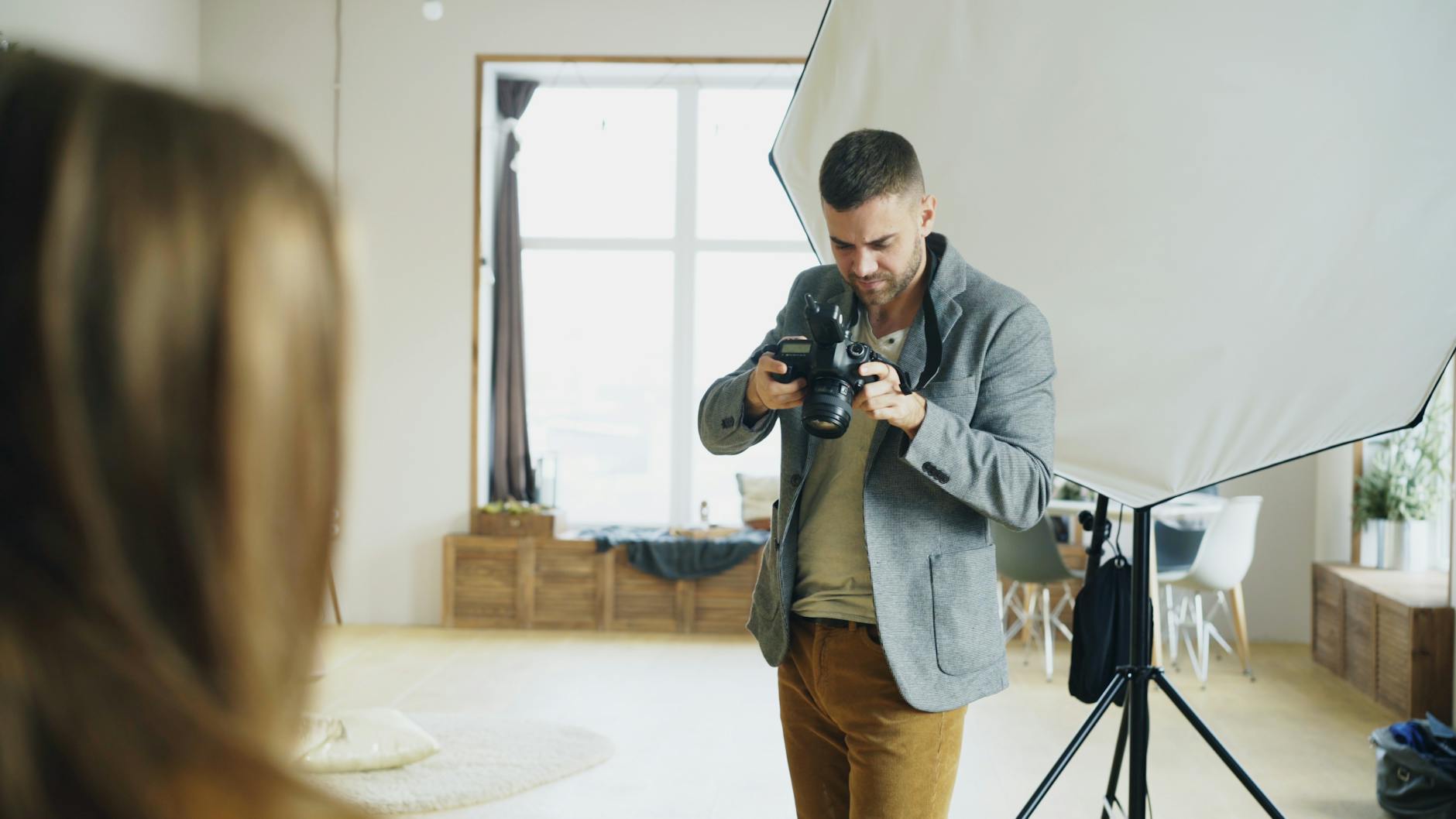
Look for entertainment industry specialization. A photographer who shoots corporate headshots for LinkedIn profiles uses different techniques than one who shoots actor headshots for casting submissions. Actor headshot photographers understand types, know what casting directors want, and can direct you to produce expressions and energy appropriate for the entertainment industry.
Review their portfolio carefully. Look at the photographer’s recent work - not just the best five photos on their homepage, but a broader sample. Do the actors look natural and approachable? Are the eyes consistently sharp and engaging? Is there variety in expressions and energy across different subjects, or does every headshot look the same? Avoid photographers whose work has a heavy, overly stylized look - casting directors want to see you, not the photographer’s artistic vision.
Ask about their process. Good headshot photographers offer pre-session consultations where they discuss your type, goals, wardrobe, and the kinds of roles you are pursuing. They should ask about your acting career, not just your photography preferences. During the session, they should direct you - giving you scenarios, emotions, and adjustments to produce varied and authentic expressions.
Budget considerations. In major markets like Los Angeles and New York, quality headshot sessions range from $400 to $1,200. In smaller markets, $200 to $600 is typical. Most sessions include 2 to 3 hours of shooting time and a selection of retouched final images (usually 2 to 4 final selects). Be wary of photographers who charge significantly below market rate - quality lighting equipment, studio space, and retouching skill cost money. Also be cautious of packages that seem excessively expensive unless the photographer has a strong reputation and demonstrable results.
What to Wear for Acting Headshots
Wardrobe is one of the most overthought aspects of headshot sessions, but following a few key acting headshots tips for clothing will keep you on track.
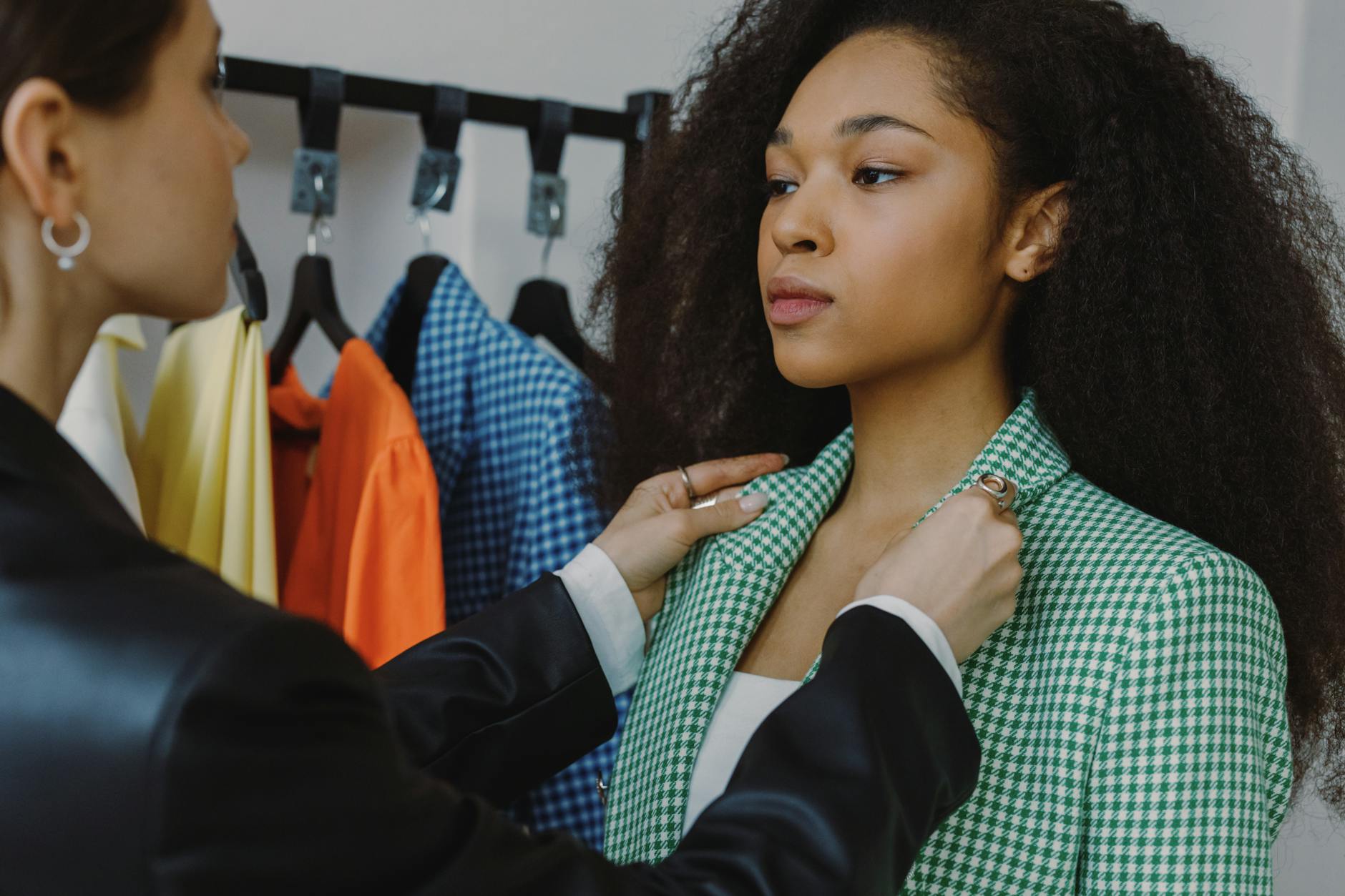
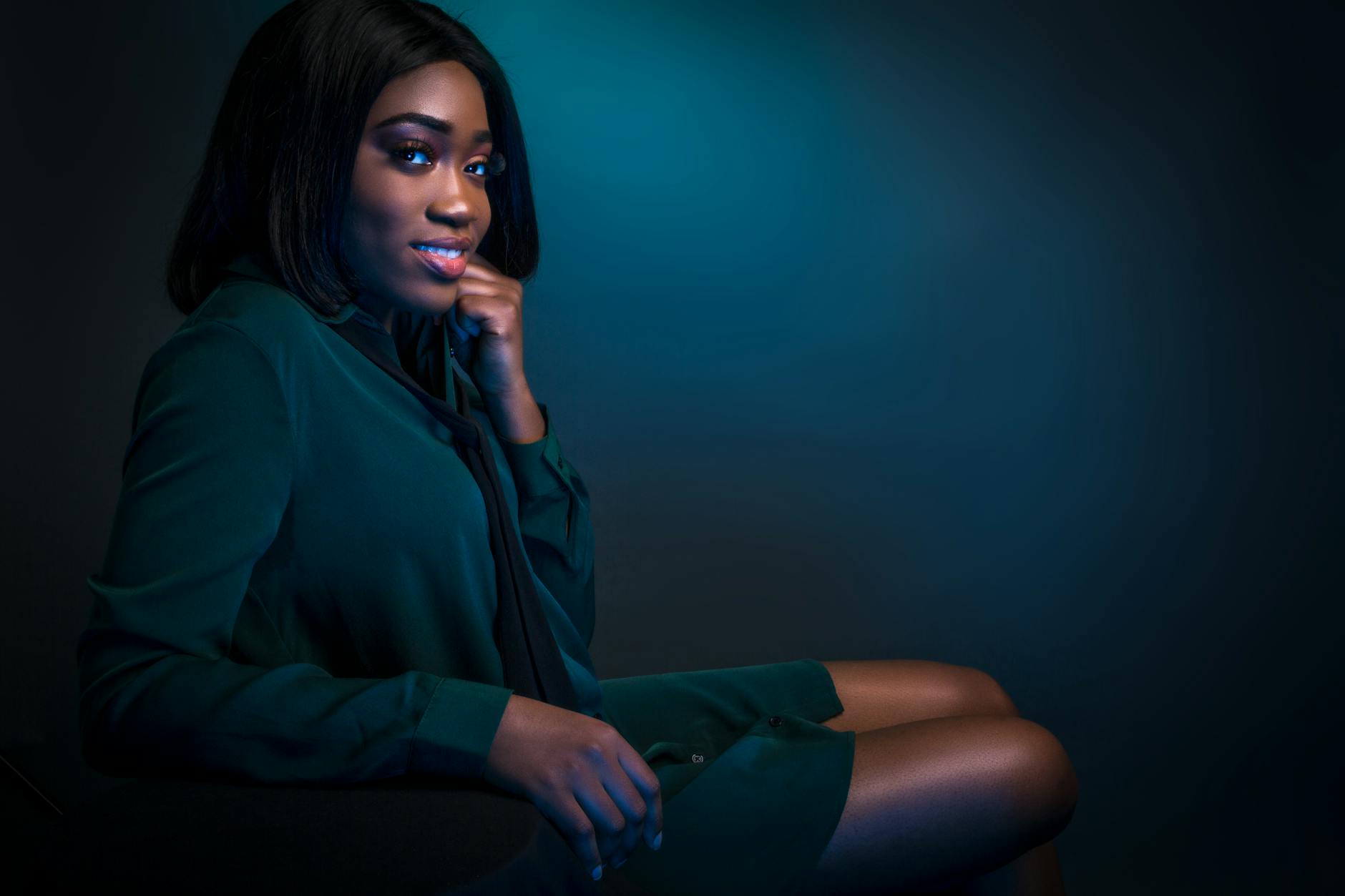
Solid colors work best. Rich, saturated solid colors in jewel tones - deep blue, burgundy, forest green, plum, charcoal - photograph beautifully and draw attention to your face rather than your clothing. Avoid busy patterns, logos, and graphics, which distract the eye. Thin stripes and small patterns can create visual “buzzing” on camera.
Neckline matters more than you think. For women, v-necks and scoop necks are universally flattering on camera and draw the eye upward toward the face. High necklines and turtlenecks can make the head appear to float without a body. For men, a well-fitted crew neck t-shirt, henley, or button-down shirt with the top button undone all photograph well.
Fit is everything. Clothing should fit your current body - not too tight, not too loose. Ill-fitting clothes look sloppy on camera and undermine the professional impression you are trying to create. If your go-to audition shirt is slightly too big, get it tailored before the session.
Layer for variety. Bring four to six tops to your session so you can create different looks without a full wardrobe change. A simple blazer over a t-shirt completely changes the vibe of a shot. A leather jacket suggests a different type than a cardigan. These small changes let you create multiple usable headshots that represent different aspects of your castable range.
Avoid all-black and all-white. Solid black absorbs light and can create a hole in the image where your torso should be. Solid white can blow out under studio lights and compete with your face for attention. If you love black, pair it with a colored accent or choose charcoal gray instead.
Hair and Makeup Guidelines
Your hair and makeup for headshots should enhance your natural appearance, not transform it. Remember the cardinal rule: you need to look like your headshot when you walk into the audition room.
Hair: Style your hair the way you normally wear it to auditions. If you regularly change your hairstyle, go with the look you wear most often. Hair should be neat and away from the face so both eyes are clearly visible. Avoid dramatic updos, excessive volume, or styles that feel costume-like unless that is genuinely how you present yourself in professional settings.
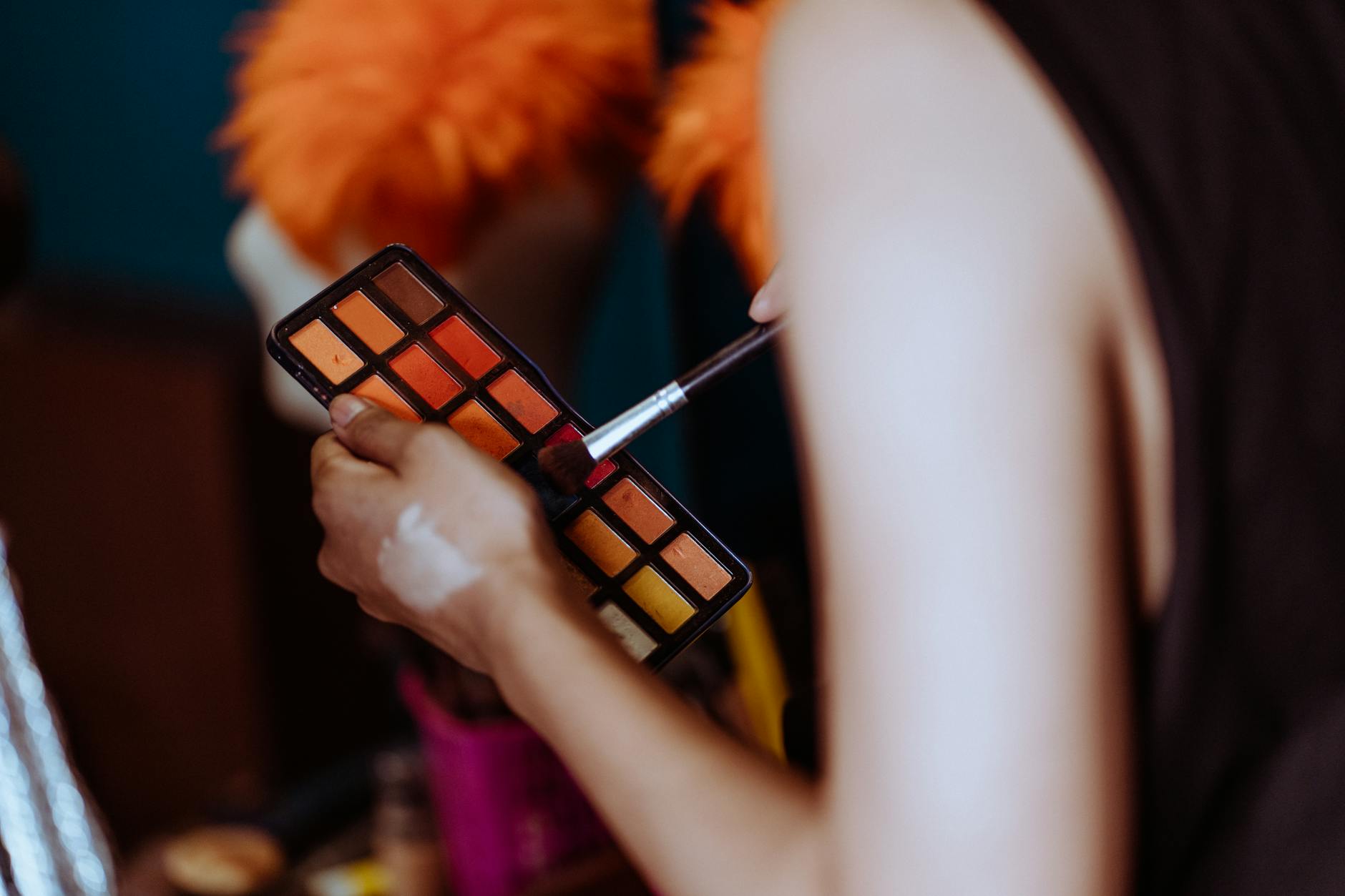
Makeup for women: Less is more. The goal is to look like a polished version of yourself, not a made-up version. A natural makeup look - even skin tone, defined eyes, groomed brows, and a neutral lip color - photographs well and does not date your headshot. Avoid heavy contouring, dramatic eye makeup, and bold lip colors unless they are integral to your type. Many headshot photographers recommend hiring a professional makeup artist for the session, which typically costs $75 to $200 and is well worth it for camera-ready application.
Makeup for men: At minimum, use a light powder or oil-absorbing sheets to reduce shine on the forehead, nose, and chin. Studio lights amplify oil and sweat, and shiny spots on the face create distracting hot spots in photos. If you have uneven skin tone, dark circles, or blemishes, a light application of tinted moisturizer or concealer is perfectly acceptable and common practice for male actors getting headshots.
Facial hair: If you typically have a beard or stubble, keep it for your headshots. If you are clean-shaven, stay clean-shaven. Consider shooting one look with facial hair and one without to give yourself options for different types of roles. Just make sure whatever look you use for submissions matches how you present yourself at auditions.
How to Pose for Natural, Compelling Shots
The word “pose” is somewhat misleading for actor headshots. Casting directors do not want posed, model-like photos - they want shots that capture a genuine human moment. The best acting headshots tips for posing focus on energy and intention rather than physical positioning.