Zendaya's Style, Stardom and What Nigerian Gen Z Fans See in Her
Entertainment

Zendaya's Style, Stardom and What Nigerian Gen Z Fans See in Her

Miki AndersonMiki Anderson··10 min read
Advertisement

A wet leather gown clung to her frame on the Venice Film Festival carpet in 2021, slicked back as though she had just stepped out of the lagoon, and the photographers froze. It was not a dress that asked to be admired. It demanded it. The look became a screenshot passed around group chats in Lagos and London and Atlanta within hours, less a fashion moment than a statement of intent. The woman in the gown had been a Disney teen idol a few years earlier. Now she was rewriting what a red carpet could mean. That gap between where she started and where she stood is the whole story, and it is why so many young people across Africa keep their eyes on Zendaya Maree Stoermer Coleman.

She tends to go by one name. The mononym fits, because she has built something that operates less like a celebrity and more like a carefully run institution. Her work spans prestige television, billion-dollar film franchises, luxury fashion campaigns and beauty contracts, and almost none of it leaks at the seams. For a generation of Nigerian Gen Z fans raised on a steady diet of Hollywood imports and homegrown Afrobeats glamour, she represents a specific kind of aspiration. Polished but reachable. Famous but private. Glamorous without ever looking like she is trying.

The Disney kid who refused to stay small
Zendaya Style, Stardom and What - The Disney kid who refused to stay small

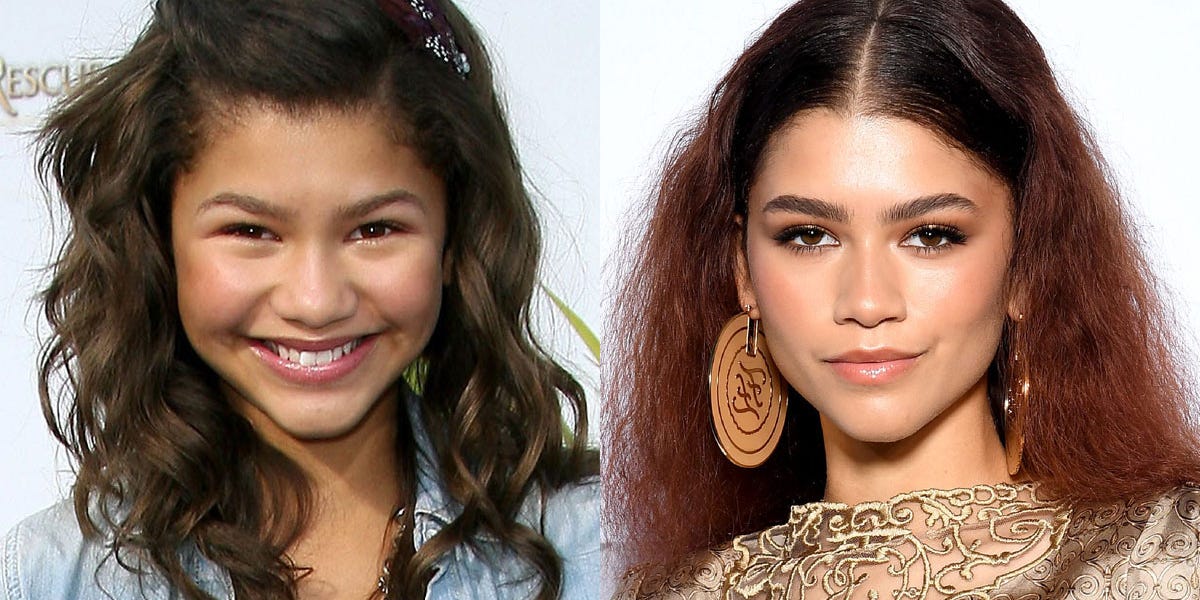
Zendaya was born on September 1, 1996, in Oakland, California, and grew up in a city with its own fierce cultural identity. Her break came in 2010 on the Disney Channel series “Shake It Up,” where she played Rocky Blue opposite Bella Thorne. She was thirteen when it started filming. The show made her famous among a tween audience, and Disney kept her busy with the kind of wholesome, brightly lit projects that built a fanbase but also boxed in the actors who fronted them. She later headlined “K.C. Undercover,” a spy comedy she helped shape, reportedly pushing for her character to be smart and athletic rather than boy-obsessed.

The Disney machine has minted plenty of stars who never escaped it. The trap is well documented. Audiences struggle to take a former child star seriously, and the actor often struggles to find anyone who will cast them against type. Zendaya watched that happen to others and moved deliberately. She built her early credibility carefully, kept her public image clean, and waited for the role that would let her cross over. The patience is part of what makes her story instructive. She did not lurch from squeaky-clean to scandalous to prove she had grown up. She simply graduated.

Euphoria and the pivot nobody saw coming
Zendaya Style, Stardom and What - Euphoria and the pivot nobody saw coming

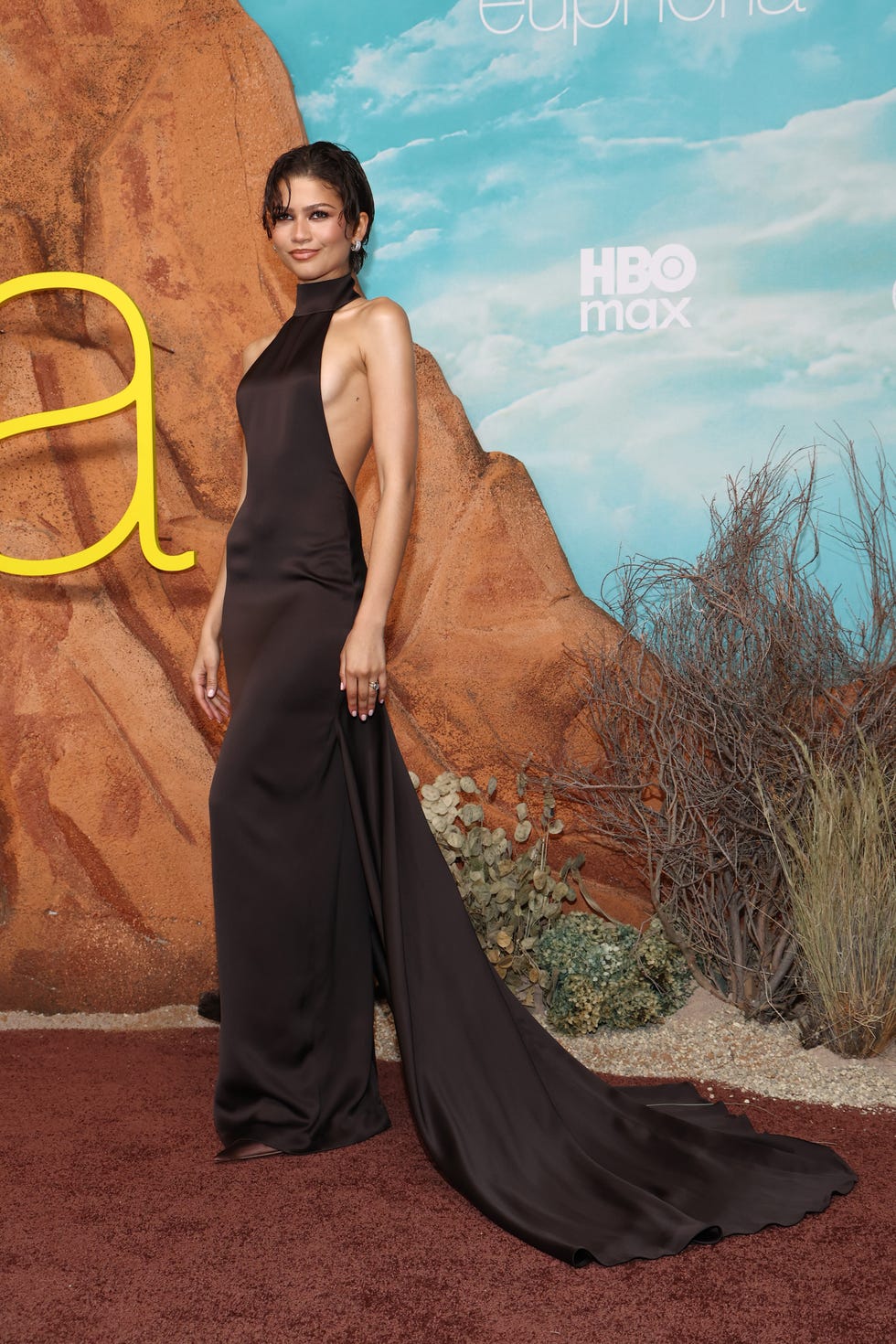
That graduation arrived in 2019 with “Euphoria,” the HBO drama in which she plays Rue Bennett, a teenager wrestling with addiction. The role was raw, unglamorous and emotionally punishing, the opposite of everything Disney had asked of her. Critics noticed immediately. So did the industry.

In 2020, Zendaya won the Primetime Emmy for Outstanding Lead Actress in a Drama Series for the role, becoming the youngest winner ever in that category. She won it a second time in 2022, at the age of twenty-six, which made her the youngest performer to win two acting Emmys and the first Black woman to win the lead drama actress award twice. For an actress whose first job had been a kids’ dance show, the leap was staggering. It announced that she was not a teen idol playing at being a serious actor. She was a serious actor who happened to have started young.

The performance mattered for reasons beyond the trophies. Rue is not a likeable character in any conventional sense, and Zendaya played her without vanity or softening. That choice signaled to casting directors and audiences alike that she was willing to disappear into difficult work, which is exactly the credential that opens the door to everything else.

The blockbuster era
Zendaya Style, Stardom and What - The blockbuster era

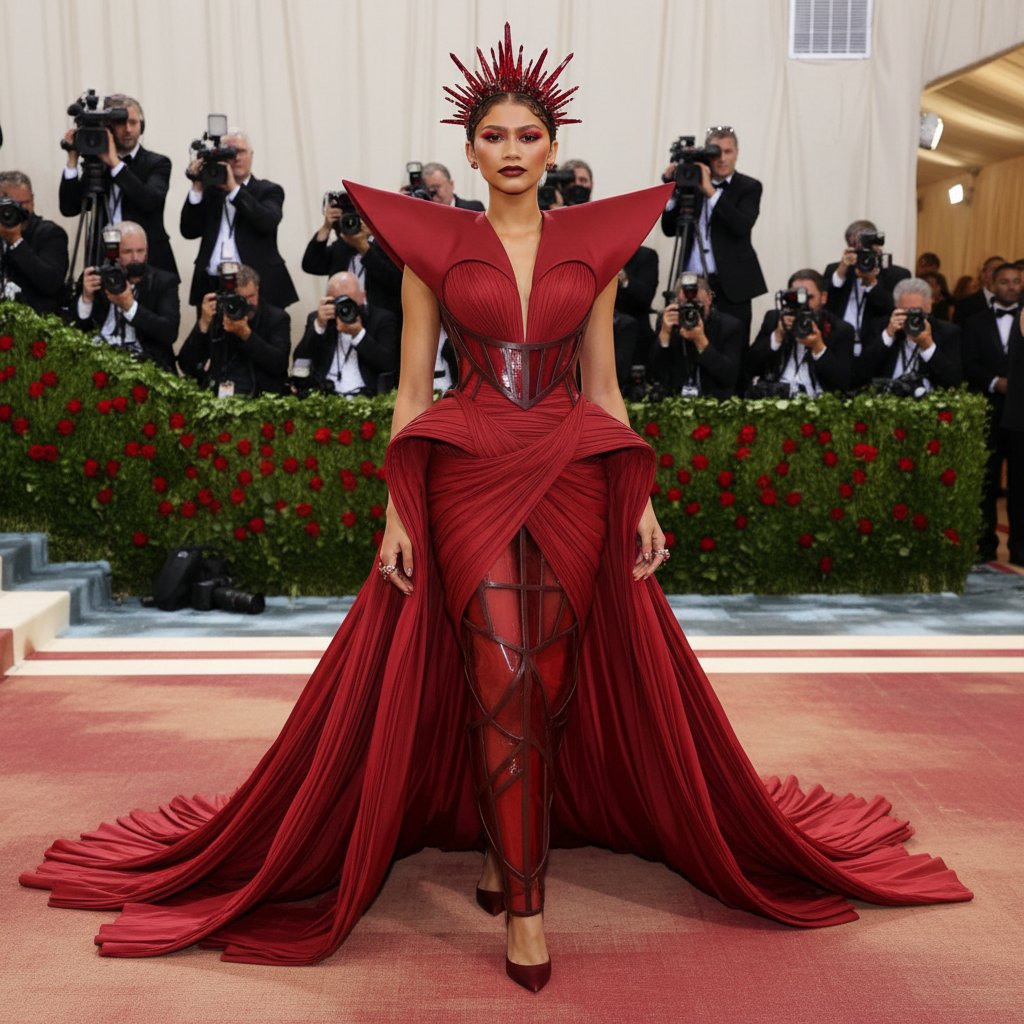
The door opened wide. Zendaya joined the Marvel Cinematic Universe as MJ in the Spider-Man films alongside Tom Holland, anchoring one of the most commercially successful franchises of the era. She then stepped into Denis Villeneuve’s “Dune” as Chani, the Fremen warrior, appearing in the 2021 original and taking a far larger role in “Dune: Part Two” in 2024. The same year she led “Challengers,” Luca Guadagnino’s sweaty, stylish tennis drama, in a performance that proved she could carry a film as its undisputed center of gravity rather than a member of an ensemble. She had earlier appeared in “The Greatest Showman” and in the pandemic-era two-hander “Malcolm & Marie.”

What is striking about this run is the range of registers it covers. A studio tentpole, an arthouse-adjacent prestige epic, a provocative auteur sports film. She moves between the popcorn and the prestige without losing her footing in either, which is a rare and valuable thing in a film economy that usually forces actors to pick a lane. For viewers in Lagos or Accra who follow both the multiplex releases and the awards-season conversation, she shows up in both worlds, and that ubiquity builds a particular kind of loyalty. It also makes her financially formidable in a quiet way. Franchise leads who can also draw a prestige crowd command both the upfront paychecks of a Marvel set and the credibility that prestige directors pay for in different currency, namely awards buzz and critical seriousness. Few actors of her generation hold both cards. Fewer still play them as patiently as she has, taking franchise money when it suits the larger plan and turning it down when a smaller, riskier project promises something the blockbusters cannot.

The fashion machine and the art of method dressing
Zendaya Style, Stardom and What - The fashion machine and the art of method dressing

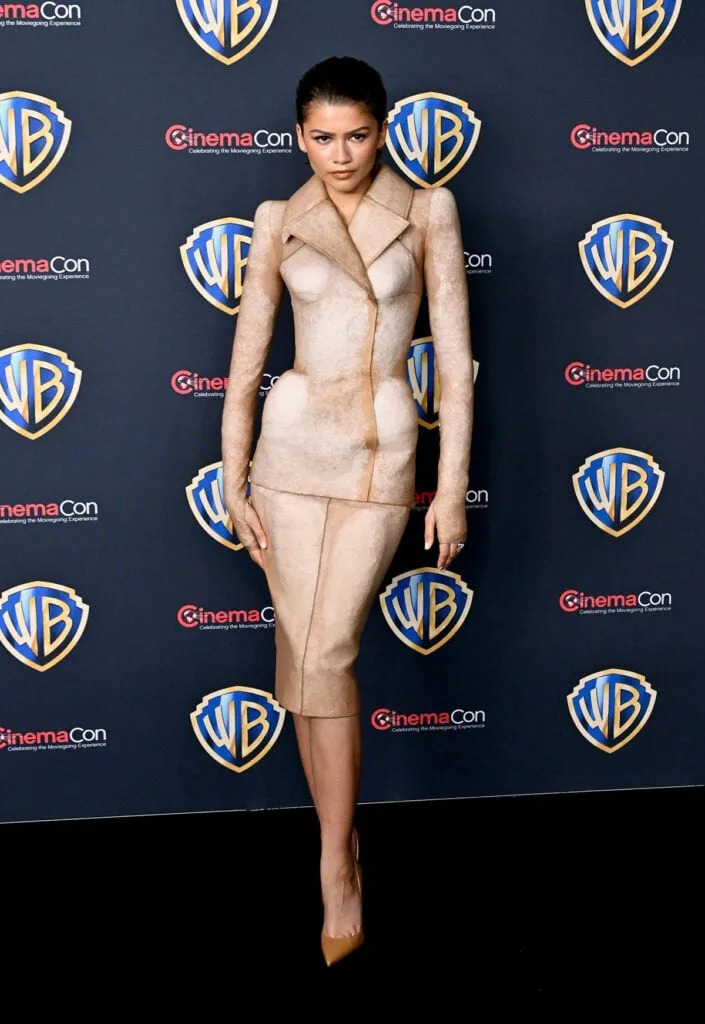
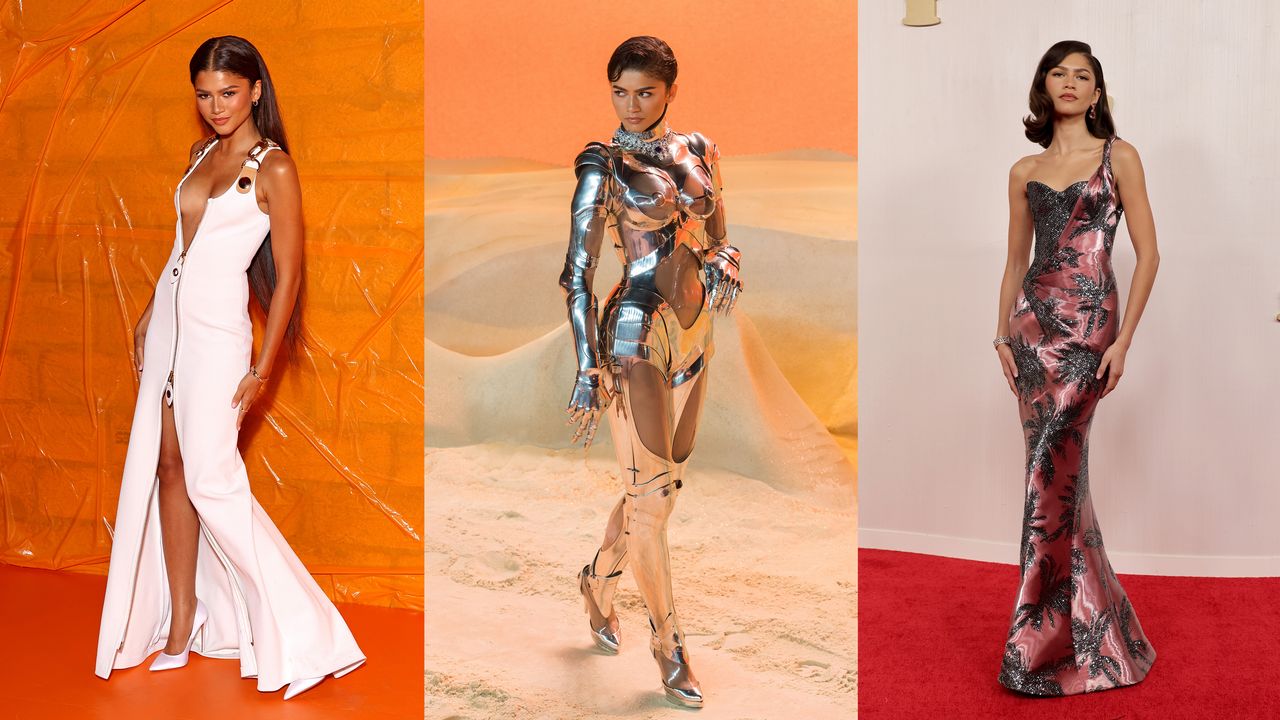
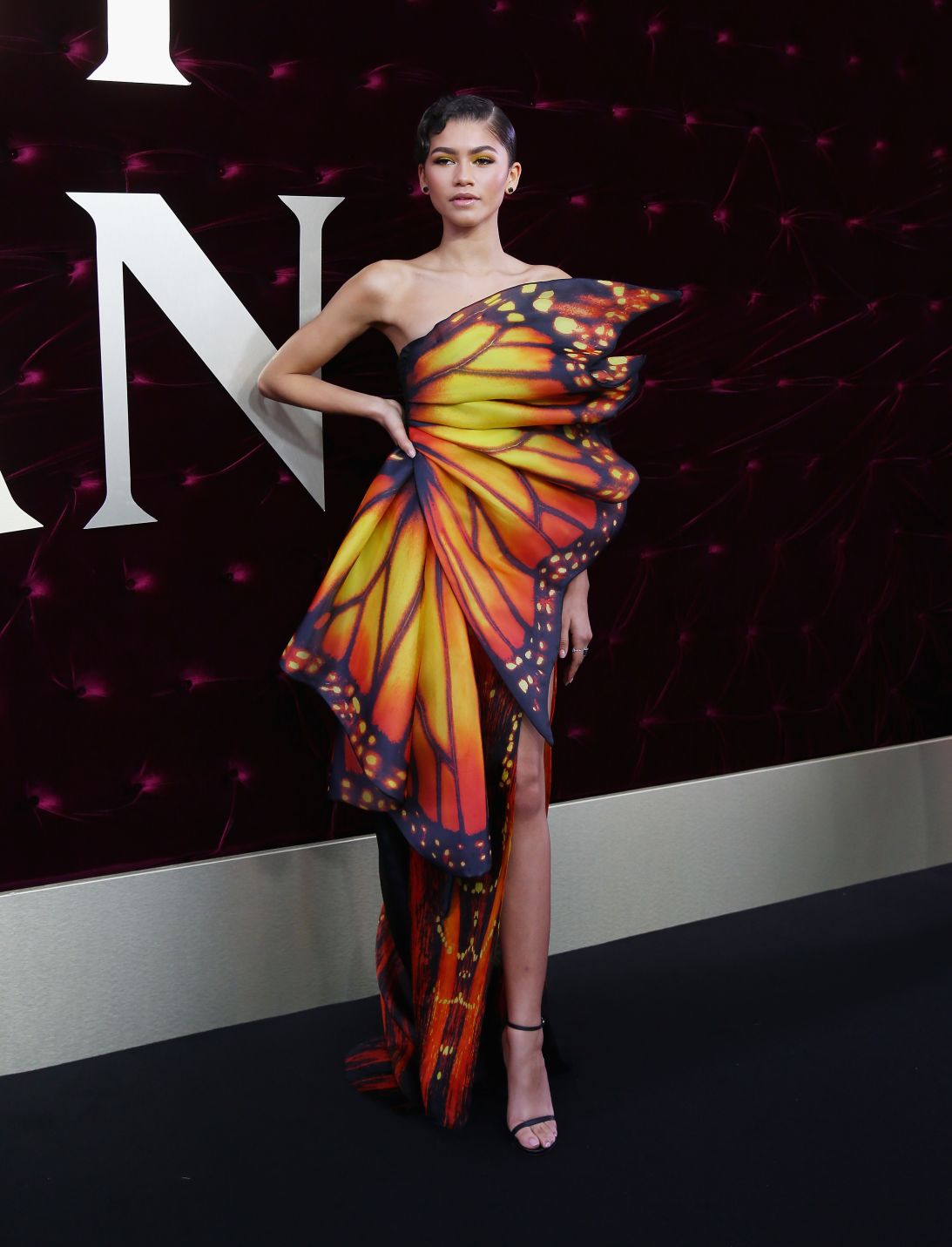
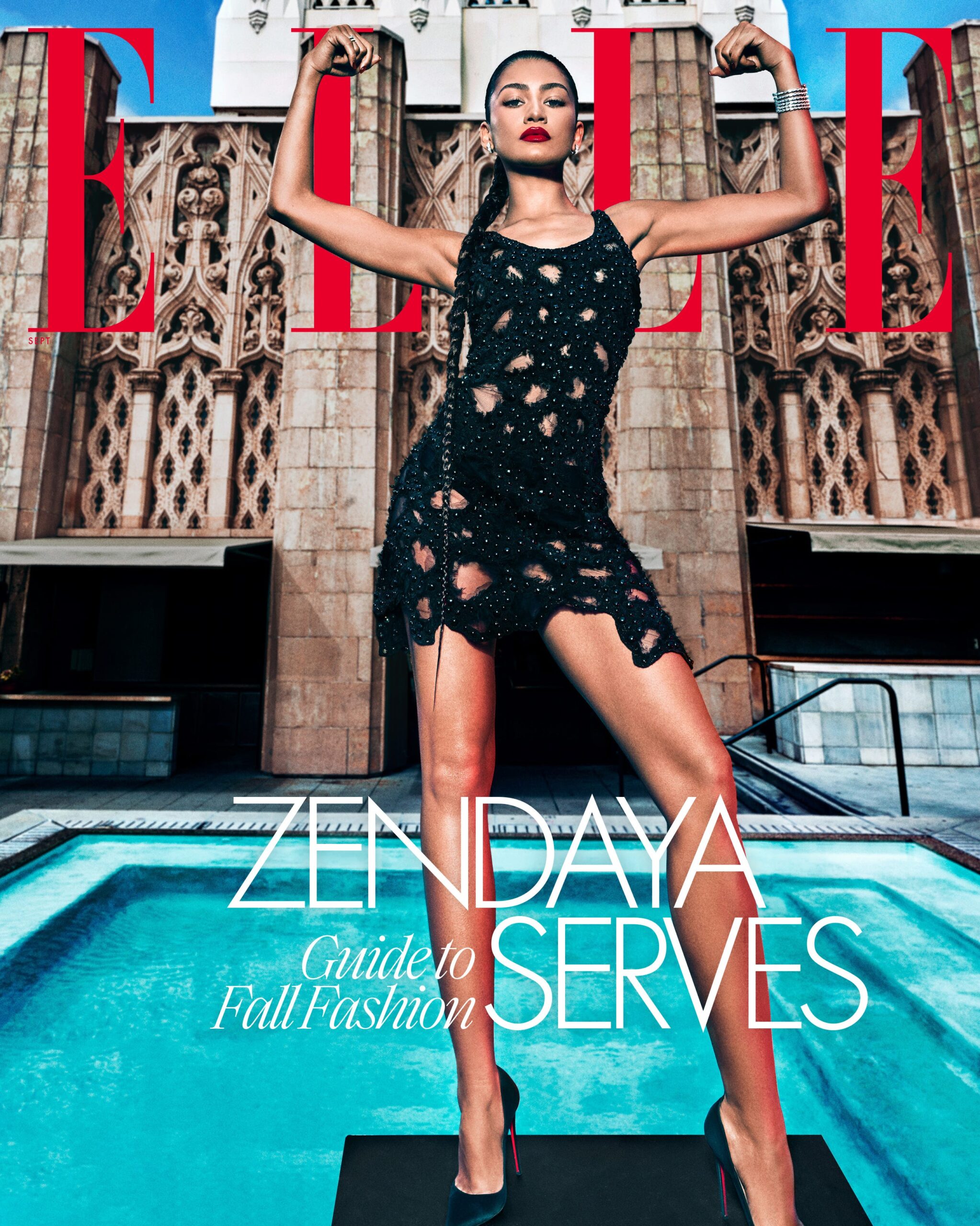
If the acting built her credibility, the fashion built her cultural footprint. Almost every defining red carpet look Zendaya has worn was orchestrated by her longtime stylist Law Roach, who she has called her “image architect” rather than simply a stylist. Their partnership is one of the most consequential creative pairings in modern celebrity fashion.

Together they popularized what the industry now calls method dressing, the practice of building a press-tour wardrobe around the film being promoted so that every appearance reads as a chapter in a single visual story. For “Dune: Part Two,” that meant a sculptural metallic robot suit at the London premiere that looked engineered rather than sewn. For “Challengers,” it meant a run of tennis-coded looks, including a custom dress detailed with the sport’s aesthetic, that turned a movie about tennis into a fashion event. Roach has been careful not to claim he invented the technique, but he has acknowledged that the Zendaya era is when it crossed over into the mainstream. The 2025 Met Gala, themed around tailoring and Black style, saw her arrive in a sharp cream suit and matching hat, a quieter look that still dominated the coverage.
Advertisement

The genius of the approach is that it gives each appearance a reason to exist beyond looking good. There is a concept, an argument, a wink. That intentionality is exactly what travels well on social media, where a single image has to carry meaning on its own. A look that merely flatters gets a passing glance. A look that decodes into a story gets shared, debated and pinned, which is why her carpets generate the kind of free, organic reach that money cannot reliably buy. For young African fashion lovers who scroll those images and immediately start asking how the references connect, the appeal is partly intellectual. The outfit is a puzzle as much as a flex.

The brand ambassadorships

Zendaya Style, Stardom and What - The brand ambassadorships

The fashion authority converted into commercial power. Zendaya has been a Lancome beauty ambassador since 2019, one of her longest-running partnerships. She serves as a Bulgari ambassador, fronting the Italian house’s jewelry. In February 2026, Louis Vuitton named her the face of a year-long Monogram campaign marking 130 years of the Speedy bag, a campaign directed by Roman Coppola, which cemented her status at the very top tier of luxury endorsement. She has also been closely associated with Valentino and joined Rolex as a global ambassador.

The notable thing is the restraint. She does not stack endorsements the way some celebrities do, slapping their face on whatever pays. She favors a small number of long-term, prestige relationships, which keeps each partnership feeling deliberate rather than transactional. Various 2026 outlets estimate her net worth in the region of forty million dollars, with some placing it lower depending on how brand equity is counted, a figure built less on volume than on selectivity. For young Nigerian readers watching local stars chase quick brand deals, the model she demonstrates, of saying no often in order to make each yes count, reads as a kind of strategy worth studying.

The carefully managed privacy

Zendaya Style, Stardom and What - The carefully managed privacy

For someone this visible, Zendaya tells the public remarkably little. Her relationship with Tom Holland, which the two acknowledged in 2021, was conducted almost entirely away from cameras. They reportedly became engaged in late 2024, with Zendaya appearing at the 2025 Golden Globes wearing a ring that set off weeks of speculation she declined to feed. In June 2026, Holland confirmed in an interview that the two had married, closing the chapter on his own terms after months of quiet.

The discipline is the point. In an era when oversharing is the default and access is currency, Zendaya treats her private life as genuinely private, releasing information slowly and on her own schedule. She rarely addresses rumors, rarely posts the kind of personal content that fuels gossip cycles, and almost never explains herself. That restraint preserves the mystery that makes the public moments land harder. It is a masterclass in controlling a narrative by refusing to participate in most of it.

Why Nigerian Gen Z connects with her

For young Africans, the connection runs deeper than admiration for a pretty dress. Zendaya is a dark-skinned Black woman occupying the absolute center of Hollywood, fronting the whitest luxury houses in fashion, winning the awards, leading the franchises. For a Nigerian Gen Z audience that has grown up insisting their features and their style belong on the global stage, her presence there is its own argument. Representation is not an abstraction when the person representing looks like you and refuses to be sidelined.

There is also the style aspiration, which maps neatly onto a Nigerian youth culture obsessed with fashion as self-expression. The method-dressing ethos, where every outfit is a deliberate statement rather than an afterthought, mirrors the way young Lagosians treat their own owambe looks and Instagram fits as carefully composed events. And there is the balance she strikes between relatable and untouchable. She seems like someone you could talk to, grounded and dryly funny in interviews, yet she remains entirely out of reach. That tension, the warmth without the access, is exactly the register Gen Z responds to. It rewards loyalty without ever feeling needy for it.

Her career also models patience in a culture that prizes overnight virality. She built slowly, refused shortcuts, and let the work accumulate. For young creatives across the continent trying to turn talent into something lasting, that trajectory offers a more durable blueprint than any flash of sudden fame. She also carries herself with a composure that reads as self-respect rather than coldness, declining to perform her personal life for engagement metrics even when the algorithm rewards those who do. In a media landscape where young African celebrities are often pressured to overshare, to feud publicly, to turn every relationship into content, her example offers a different path. Dignity scales too, it turns out, and it ages far better than virality. That lesson lands particularly hard with a generation old enough to have watched several quick-burning local stars flame out by giving away too much, too fast.

What is next

The year ahead is the busiest of her career. “Euphoria” returned for its long-delayed third season in 2026, jumping the story forward several years into the characters’ adult lives. She reprises MJ in “Spider-Man: Brand New Day,” set for a 2026 theatrical release, and returns as Chani in “Dune: Part Three,” the conclusion of Villeneuve’s trilogy, scheduled for December 2026. She has also taken a role in Christopher Nolan’s adaptation of “The Odyssey,” placing her inside yet another of the most anticipated productions of the decade.

That slate would exhaust most performers, and Zendaya has spoken about wanting to step back and disappear for a while once it lands. The instinct fits everything else about how she operates. She gives the public an enormous amount on her own terms, then withdraws to protect the part of herself she has never put up for sale. For the young fans watching from across the world, including the many across Nigeria who see something of their own ambitions reflected back, that combination of generosity and guardedness is precisely the appeal. She shows them the heights are reachable, then reminds them the climb is theirs to control.

Advertisement
Share
Get the recap

Loved this story? Get more like it.

Join readers who get our weekly entertainment recap - the stories worth your time, delivered every Friday.

No spam. Unsubscribe anytime. By signing up you agree to our Privacy Policy.

Zendaya's Style, Stardom and Wha... | Sidomex Entertainment