What "Pepper Dem" Really Means: Nigerian Celebrity Culture Phrases Explained
Miki Anderson··11 min read
Ad SpaceArticle Top - 728x90
Advertisement
Scroll through any Nigerian celebrity’s Instagram comments for ten seconds and you meet a vocabulary no dictionary prepared you for. Davido posts a yacht photo and the replies stack with “e choke,” “pepper dem,” and “we move.” Tiwa Savage drops a video in head-to-toe Schiaparelli and someone writes “Mr Money With The Vibe sister edition, no be lie.” A BBNaija housemate cries on live television and the timeline calls it “yawa” within minutes.
These phrases are not random street slang. They are a working language with rules, lineage, and an unmistakable celebrity flavour, built from Pidgin English, Yoruba, Hausa, Big Brother house drama, Afrobeats lyrics, and TikTok. Each one carries a small history and tells you something about who said it.
Pepper Dem, Soft Life, and the Flex Vocabulary
The single most important phrase in modern Naija celebrity culture is “pepper dem.” Translated from Pidgin, it means “pepper them,” a culinary verb pressed into service as social warfare. To pepper dem is to show off in a way that makes onlookers sting. New Range Rover at your in-laws’ house, designer shoes worn to a function where no one will recognise the brand, a birthday cake the size of a doorway, all of these are pepper dem moves.
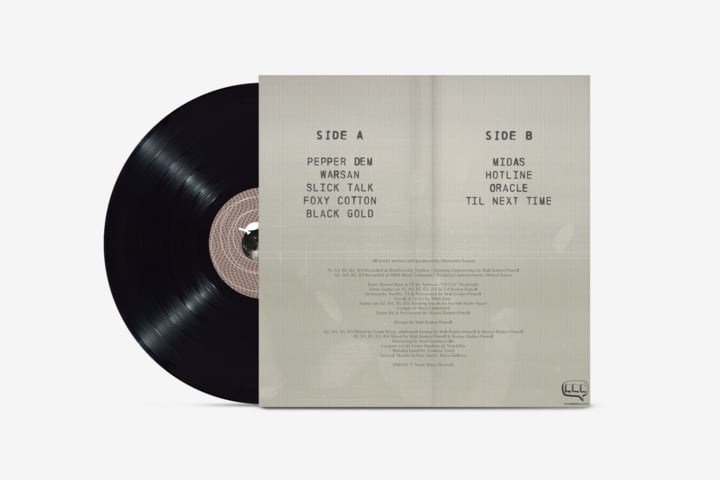
The phrase predates Big Brother Naija, but the 2019 season cemented it forever. Producers named the edition “BBNaija: Pepper Dem,” and from that moment the term moved out of street usage into corporate captions, magazine headlines, and luxury brand activations. Mercy Eke, the season winner, used “pepper dem gang” as a personal brand. Now you see it stamped on cake toppers and gele headwraps for engagement parties.
Right next to pepper dem in the flex hierarchy sits “soft life,” less aggressive and more aspirational. Soft life is the lifestyle of a woman who refuses to suffer, the man who declines stress as a principle. Brunch in Lekki, spa in Dubai, no DM left on read past two days. Toke Makinwa built a whole content lane around documenting it. Hedonism rebranded as self respect.
“Big boy” is the older cousin. Before pepper dem had a name, the big boy was already running Allen Avenue in the early 2000s in a Lexus he could not really afford. Today the big boys are Cubana Chief Priest, E Money, and the new wave of crypto and forex personalities who turn up to weddings in convoys. Calling someone a big boy now is half compliment, half raised eyebrow.
“Mr Money With The Vibe” is a recent entry, lifted from Asake’s 2022 debut album. The phrase functions as a celebrity nickname people borrow for Instagram captions. Post a photo at a luxury hotel infinity pool, caption it “Mr Money With The Vibe,” and the comment section understands the assignment.
The Detty December Economy
December in Lagos has its own dialect. “Detty December” is the umbrella term, a mangled spelling of “dirty December” that signals the wild, no-rules party season running from mid December to the first week of January. Diaspora Nigerians fly home in waves. Beach parties in Lekki blend into nightclub bookings in Victoria Island that blend into white parties in Ikoyi.
The phrase exploded around 2017 and 2018 when celebrities like Tiwa Savage, Davido, and Wizkid began openly using it on social media to announce return-to-Naija plans. By 2022, “Detty December” had become a tourism category of its own. Burna Boy’s homecoming concerts, Wizkid’s Made in Lagos shows, and Davido’s December AWAY festival are the spine of the season.
Sitting inside Detty December is “owambe,” the older, more dignified ancestor. An owambe is a society party, almost always Yoruba in flavour, where aso ebi is mandatory, jollof rice is served by ladles, and the live band knows your praise names. Mo Abudu’s family weddings are owambe. Funke Akindele’s movie premieres often spill into owambe energy.
A successful Detty December is described as “lit” or full of “cruise.” Cruise here does not mean a boat trip. It means easy fun, vibes without stress. When a comedian like Mr Macaroni posts a skit and the comments say “pure cruise,” it is the highest praise.
Trouble Words: Wahala, Yawa, Jagajaga, Sapa
Every flex vocabulary needs its opposite, and Naija has a deep bench of trouble words.
“Wahala” is the foundation. Borrowed from Hausa, wahala means trouble. The phrase “no wahala” might be the single most-used response in Nigerian conversation, signalling everything from genuine reassurance to polite dismissal. When a celebrity posts something controversial and adds “no wahala,” they know about the backlash and are choosing not to engage.
“Yawa” is wahala’s chaotic sibling, specifically a scandal that has spilled into public view. “Yawa don gas” means the trouble has now exploded. When BBNaija housemates fight on live feed, Nigerian Twitter posts “yawa don gas” within seconds.
“Jagajaga” pushes further into chaos, meaning a complete mess. Its modern usage comes from Eedris Abdulkareem’s 2004 protest song “Jaga Jaga,” which used the term to describe the state of Nigeria itself. The song was so radioactive that then-President Olusegun Obasanjo personally condemned it on radio. Two decades later, when a celebrity event runs off the rails, people still say “the thing scatter jagajaga.”
“Sapa” sits on the wallet side of trouble. Sapa is broke. Not just low on cash, but the specific Nigerian flavour of brokeness where you politely decline group dinners and pretend your phone is charging when friends suggest splitting an Uber. Celebrities use sapa ironically. A musician who just dropped a hit will post a private jet photo captioned “sapa don leave my matter.” Humble bragging at its most precise.
Movement Words: Carry Go, We Move, Oya, Japa
Naija slang has a whole vocabulary for momentum.
“Carry go” is the classic, meaning keep going, do not let anything stop you. When 2Baba sings “carry go,” he is encouraging persistence. When a Naija celebrity faces online dragging and posts “carry go” the next day, they are publicly refusing to be derailed.
“We move” is the Gen Z update. Shorter, sharper, with a built-in shrug. “Heartbreak no kill me, we move.” It became inescapable around 2019 and now lives in every other celebrity Instagram story. Every BBNaija star past or present has used “we move” as motto and merchandise.
Ad SpaceIn-Article - 300x250
Advertisement
“Oya” is the imperative, lifted from Yoruba. It means “let’s go.” A photographer setting up a shoot says “oya pose.” A wedding MC says “oya, time for the cake.”
“Japa” is the most consequential movement word in the modern Nigerian lexicon. Yoruba in origin, it literally means to flee. Since 2021 it has come to mean specifically emigrating from Nigeria, usually to Canada, the UK, the US, or Australia. When a major celebrity quietly moves their family abroad, the headlines read “Japa.” Naira Marley’s “Japa” song and references in tracks by Burna Boy and Asake have made it inescapable in Afrobeats.
Conversation Starters and Filler Phrases
A lot of Naija celebrity language lives in the small connective tissue, words that signal “I am one of you.”
“How far?” is the universal Nigerian greeting. Literally “how far have you gone,” functionally “what’s up.” International journalists who try to begin formally are often met with “ah, how far first?” as a way to relax the room.
“Shey una dey see me?” translates as “are you all seeing me?” and operates as a flex framed as a question. Performative humility with a wink. The “shey” particle, borrowed from Yoruba, signals a yes/no question and is one of the most distinctly Nigerian sounds in casual conversation.
“No be lie” is agreement and confirmation, literally “it is not a lie.” Comedy skits live and die on “no be lie” reaction beats.
“E choke” is the newer cousin. Popularised by Davido around 2020 and 2021, it means “that is a lot” in the most flattering possible sense. Davido posts a photo of his Banana Island mansion and the captions flood in: “e choke.” A bride enters her wedding venue in a fifteen-foot train, e choke.
“Vibes and inshallah” started as a Naija Muslim casual expression and grew into a Gen Z philosophy. Vibes for the planning, inshallah for the execution. Adekunle Gold, Falz, and a long list of younger artists drop it in interviews when asked about long-term plans.
“Aboki,” borrowed from Hausa where it literally means “friend,” is the casual address Naija celebrities throw at the gateman, the suya seller, even close mates. It carries warmth in the right mouth and condescension in the wrong one.
“Naija no dey carry last” is the national chest-thump. Tems wins a Grammy, Naija no dey carry last. Burna Boy sells out a stadium in London, Naija no dey carry last. Collective pride compressed into six syllables.
Texture Words and Quick Hits
“Razz” means tacky in a loud, unmissable way. A wedding with mismatched decor is razz. A jacket carrying four visible logos is razz. “Local” is the heavier insult sitting just behind it, implying provincialism and an embarrassing ignorance of how the bigger world works. A celebrity caught in fake designer might be dragged as local, and unlike razz, that label attaches to the person rather than to the object. Nigerian celebrities spend real money staying on the correct side of both words, which is part of why the styling budget for a Lagos red carpet often runs higher than the event itself would seem to justify.
The connective vocabulary is smaller and does more work. “Lit” crossed over from African-American English and settled comfortably into Naija celebrity discourse. “Plenty” stretches quantity into emotional weight: plenty money, plenty fans, plenty yawa. “Sote” is Pidgin for until, useful when a story needs to run long. “Sef” is the emphasis filler that lands at the end of a sentence and underlines whatever came before it. None of these carry a story the way pepper dem does, but strip them out of a Nigerian celebrity interview and the whole thing starts to sound translated.
“Big yansh” is the body description that never quite leaves Naija pop culture. In the right rap verse it is praise. In the wrong meeting it is harassment. “Gist” is gossip, the latest hot piece of information, and Linda Ikeji built a media empire on it. The word works as a verb too, as in “we dey gist,” which is how two people describe an hour spent doing nothing but talking. “Oga at the top” entered the language through a 2013 Channels Television interview in which an NSCDC officer kept fumbling his own agency’s website address and deferred instead to the “oga at the top.” More than a decade later it is shorthand for any boss whose word is final and whose reasoning nobody bothers to question.
Glossary Table: Quick Reference for Naija Celebrity Slang
Phrase
Meaning
Origin or notable use
Pepper dem
To show off, outshine others
BBNaija 2019 season title
Soft life
Leisure-focused, stress-free lifestyle
Lagos lifestyle blogging, mid-2010s
Detty December
The Lagos party season, mid-December to early January
Diaspora celebrity social media, around 2017
Japa
To flee, to emigrate from Nigeria
Yoruba, post-2021 emigration wave
Sapa
Broke, financial hardship
Pidgin, popularised on Naija Twitter
No be lie
It is not a lie, agreement
Pidgin English staple
Shey una dey see me?
Are you all seeing me?
Yoruba “shey” particle plus Pidgin
Carry go
Keep going, proceed
Classic Pidgin, used by 2Baba
We move
Keep it pushing, moving on
BBNaija housemates, around 2019
Wahala
Trouble
Hausa origin, absorbed into Pidgin
Jagajaga
Chaotic mess
Eedris Abdulkareem, 2004
Cruise
Casual fun, vibes
Naija Gen Z
Yawa
Scandal, trouble in public view
Pidgin, as in “yawa don gas”
Sote
Until
Pidgin
Gist
Gossip, news
Naija colloquial
Owambe
Society party, usually Yoruba
Yoruba, traditional
Aboki
Friend
Hausa, literal meaning “friend”
Oga at the top
The boss whose word is final
Television interview meme, 2013
How far?
What is up, hello
Universal Naija greeting
Naija no dey carry last
Nigeria does not come last
National pride phrase
Mr Money With The Vibe
Wealthy, stylish person
Asake album title, 2022
Big boy
Wealthy man about town
Lagos, 2000s
Local
Unsophisticated, provincial
Naija peer judgment
Razz
Tacky, loudly unrefined
Naija peer judgment
Lit
Exciting, excellent
Crossover from African-American English
Vibes and inshallah
Vibes and God willing
Gen Z Naija philosophy
Plenty
Many, much
Pidgin
Sef
Even, also (emphasis filler)
Pidgin
Oya
Let’s go, come on
Yoruba imperative
E choke
That is a lot, overwhelming
Davido, around 2020
Big yansh
Big bottom
Pidgin body description
How TikTok Rewrote the Naija Slang Cycle
Before TikTok, a Naija slang phrase needed a song, a movie, or a Big Brother house to go mainstream. A street word from Lagos might take two years to reach Abuja, and another year to reach diaspora vocabulary in Houston or London.
That timeline has collapsed. A phrase coined in a Surulere skit on Tuesday can be on the lips of a Nigerian American teenager in Atlanta by Friday. A phrase like “vawulence,” coined online as a joke about Nigerian Twitter’s appetite for conflict, can run its entire life cycle in under a month. The “Oga at the top” meme took years to peak; the equivalent today would peak in seven days.
This speed has changed who gets to coin slang. Comedians like Layi Wasabi and Taoma drive phrases that older A-list musicians adopt later. Korty EOD’s interviews seed words into the celebrity ecosystem before they reach the Punch or Premium Times. The street still leads, but the street now lives on a vertical video app.
The Shey Question Particle
The Yoruba question particle “shey” deserves a final note because it shapes so much Naija celebrity talk. “Shey you dey come?” “Shey una dey see me?” The particle softens a question into a confirmation request, the way a Briton tags “innit.” When a Nigerian celebrity uses “shey” in an interview with a foreign press outlet, it plants a small flag in the conversation. It says, this is still our language, even when the microphone is foreign.
Mercy Eke walks into a Lagos boutique on a Saturday afternoon. The sales assistant turns, recognises her, and says only one word with a wide smile: “pepper.” Mercy answers, “dem.” The whole greeting takes two seconds. Nobody else in the shop would understand exactly what just happened, and that is the entire point.
Ad SpaceIn-Article - 300x250
Advertisement
Share
Get the recap
Loved this story? Get more like it.
Join readers who get our weekly entertainment recap - the stories worth your time, delivered every Friday.
No spam. Unsubscribe anytime. By signing up you agree to our Privacy Policy.