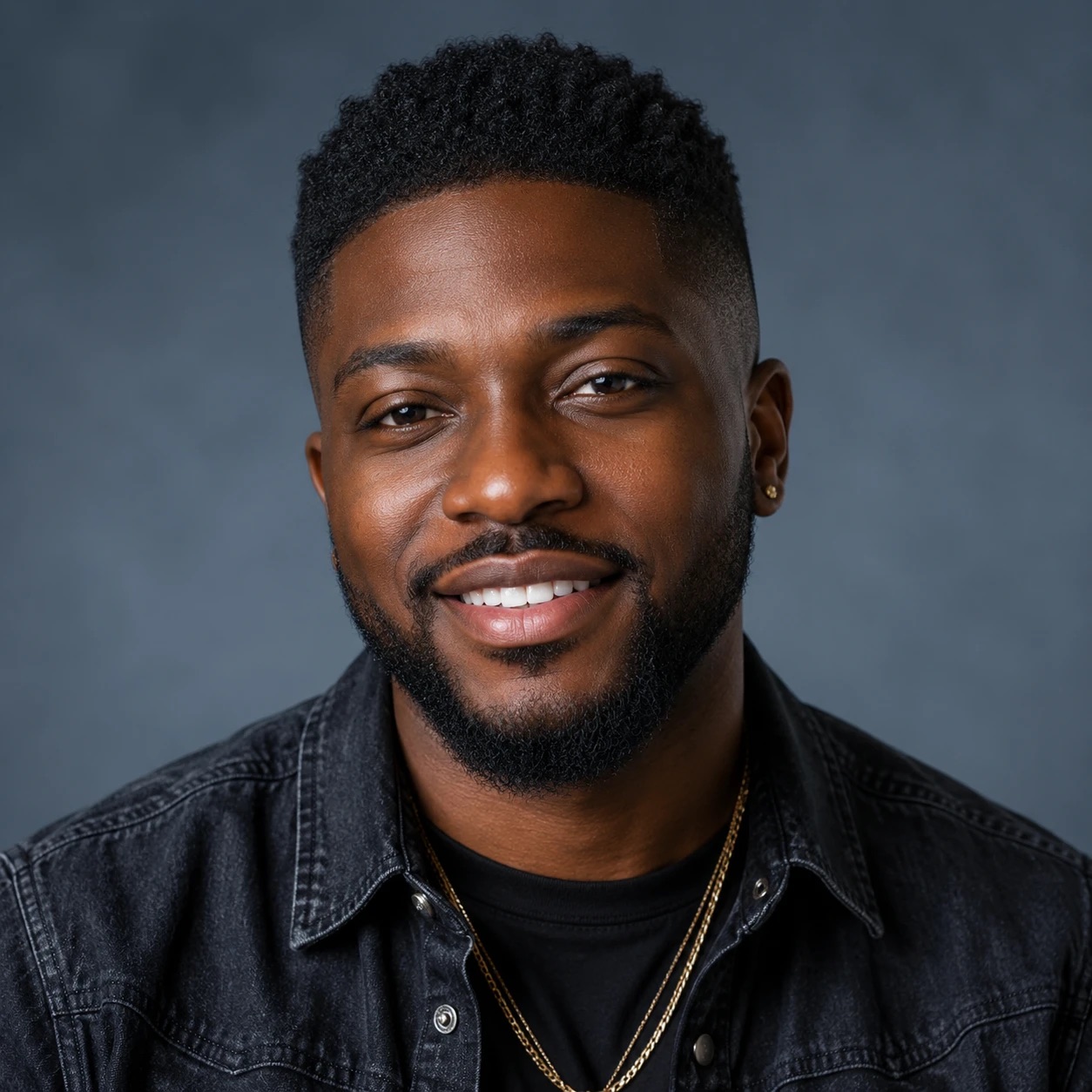
Walk into any Lagos studio, any Afrobeats listening party, any DJ booth in Houston or London playing African records, and one trophy will come up faster than almost any other in the conversation. The Headies. Mention it to a Nigerian artist trying to break through, and you will see their shoulders straighten a little. Mention it to an established star, and you will get a smirk, a story, or both. For close to two decades, this single award show has shaped the careers, the rivalries, the rumors, and the rankings of African popular music.
For new fans pulled into Afrobeats through Wizkid, Burna Boy, Tems, Rema, Ayra Starr, or Asake, the Headies is the institution that was there long before the Grammys started paying attention. Understanding it is a shortcut to understanding how the genre actually built itself.
The Origin Story: From Hip Hop World Magazine to a National Institution
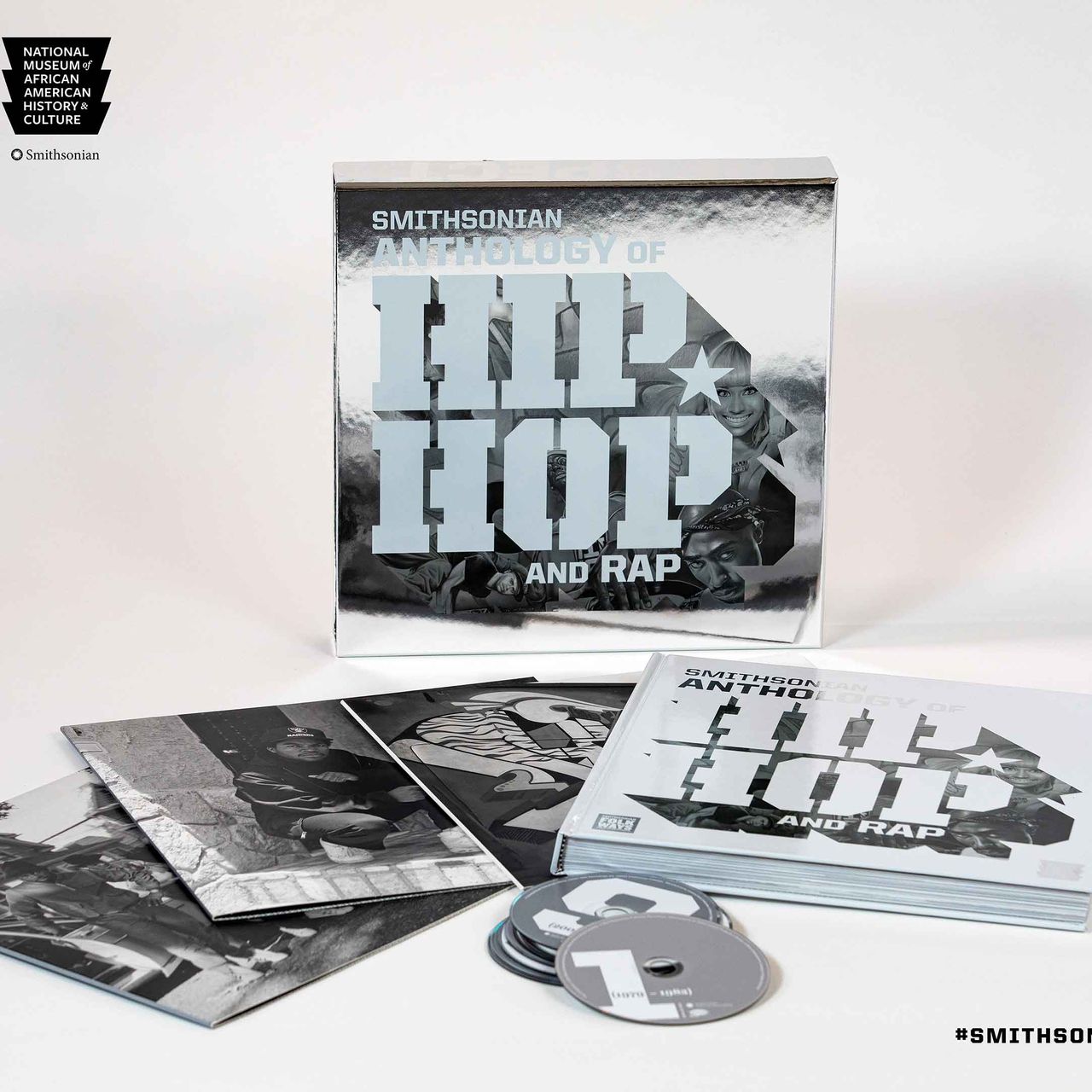
The Headies started in 2006 under a different name. It was called the Hip Hop World Awards, and it was an extension of Hip Hop World Magazine, the publication Ayo Animashaun founded and ran through his company Smooth Promotions. At the time, Nigerian hip hop and R&B were starting to find a commercial footing after years of being treated as imitation American music. Artists like 2Baba (then 2Face Idibia), Eedris Abdulkareem, Sound Sultan, and the early Mo’Hits camp were proving that local audiences wanted local stars. Animashaun and his team saw what was missing. There was no industry-recognized awards ceremony built specifically for this new sound, voted on by people who actually lived inside the culture. So they built one. The first edition was small, scrappy, full of energy, and rooted in the same Lagos scene that produced the magazine. It rewarded the artists everyone was already arguing about in record shops, on radio, and in early music blogs.
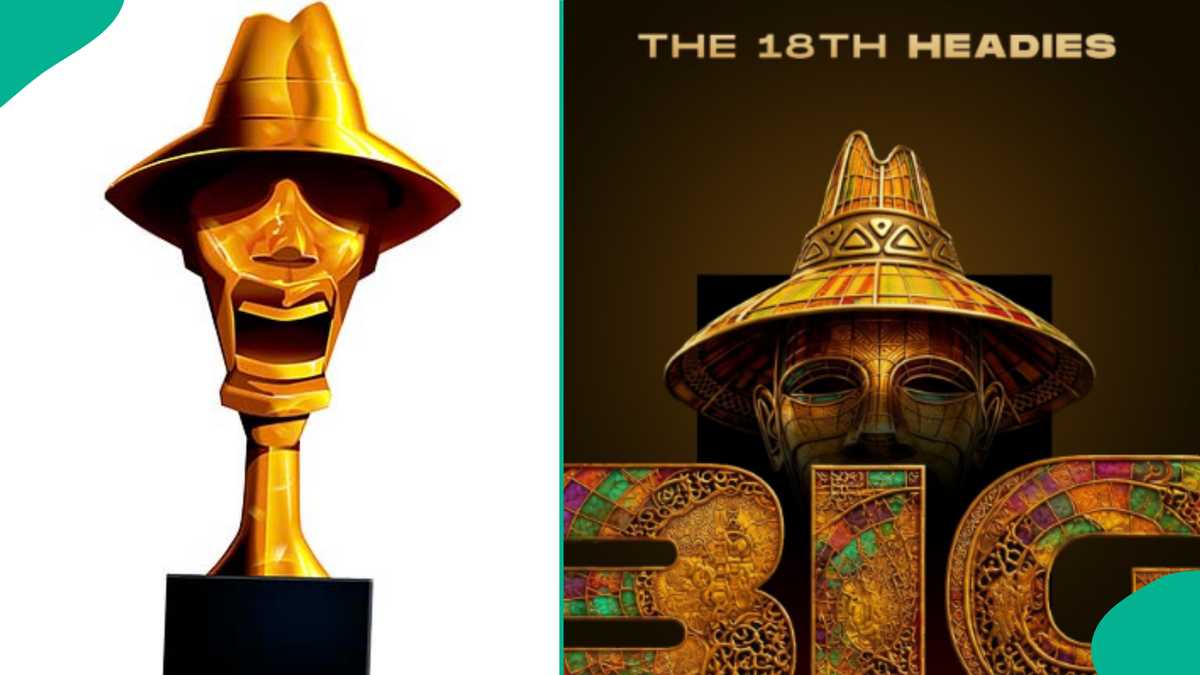
Over the following years the show rebranded from Hip Hop World Awards to The Headies, a name taken from the “Headie”, the gold-plated plaque handed to winners. Published records place the official change at the start of the 2010s, with the 2011 ceremony usually cited as the point the new name stuck. The name was sharper, broader, and signaled what was already happening inside the room. The ceremony was no longer just about hip hop. It was about the whole sound coming out of Nigeria, which had started absorbing dancehall, fuji, highlife, R&B, gospel, and the early shapes of what the world would later call Afrobeats.
How the Headies Actually Works
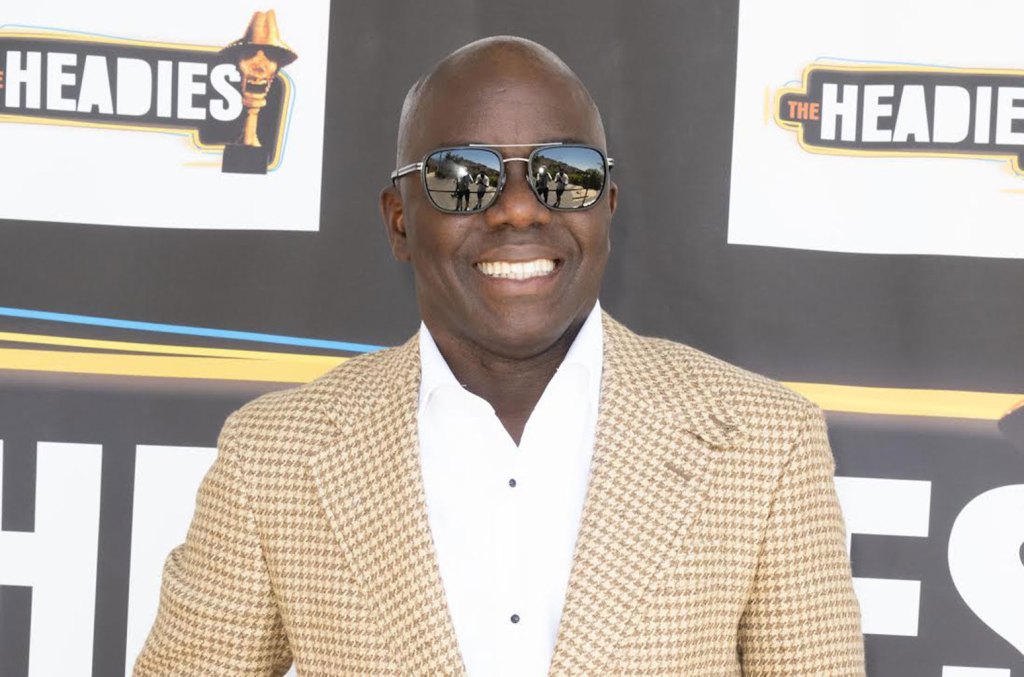
The Headies runs as an annual ceremony, although delays between editions have happened more than once. Some years it lands cleanly, some years it slides by twelve or eighteen months while the team negotiates venues, sponsors, and broadcast deals. The waiting only makes the anticipation louder. Sponsorship has shifted over the years across major Nigerian banks and telecommunications companies. Different editions have carried different headline sponsors, but the funding model has always leaned on big corporate names that want association with youth culture.
The Voting Process
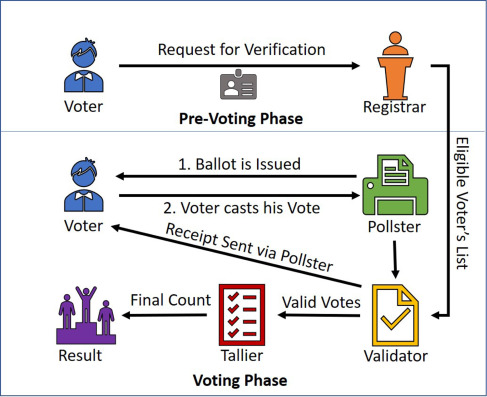
Winners are picked through a hybrid system. A jury made up of music industry professionals, journalists, and senior figures inside the Nigerian recording business handles the technical and creative categories. Popular vote handles the categories where fan power is the point, with online voting opened to the public in the weeks leading up to the ceremony. This hybrid is the reason debates about the Headies never end. Fans who feel their favorite was robbed point to the jury. Critics who feel an unworthy commercial darling won point to the popular vote. The truth is that both inputs feed the final outcome, and the balance shifts by category.
The Categories That Matter Most
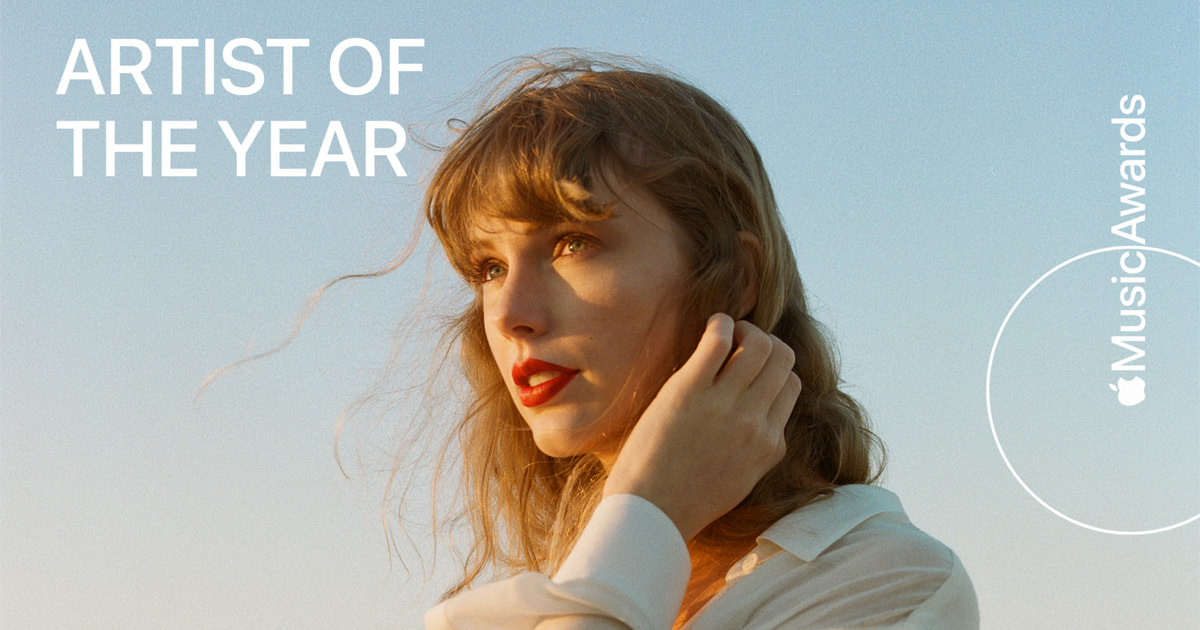
The Headies hands out many trophies across a single night, but a handful of categories carry the weight that shapes a legacy, and the industry reads them in a rough hierarchy. Artist of the Year is the headline statement: winning it means the jury and the public agreed that you ran the calendar year inside Nigerian music, and the list of past winners reads like a roll call of the artists who defined their eras. Album of the Year rewards the long format in an industry that runs on singles, and taking it is treated as proof that an artist built something holding together front to back rather than one hit with filler around it. Song of the Year is the radio and street champion, the track that owned the year inside cars, danfo buses, weddings, beach parties, and DJ sets from Surulere to Sandton.
Below those sit the awards the industry cares about more than the headlines suggest. Best Recording of the Year is a craft prize for production, engineering, and sonic identity, and producers treat it as the only category that speaks to them directly. Best R&B Single has anchored the show through the genre’s drift toward Afro-fusion, keeping a lane open for vocalists who lean melodic and intimate rather than club-ready. The Headies Hall of Fame is the lifetime honour, reserved for the artists who built the foundation everyone else now stands on, and receiving it is the closest the Nigerian industry comes to canonising one of its own. Then there is Next Rated, a breakthrough award that matters far more than its name implies, because the winner is handed the keys to a brand new car on stage and that car has become one of the most photographed objects in African pop culture.
The Next Rated Car: A Trophy You Can Drive Home
Few awards on the continent carry the same mythology as the Headies Next Rated car. Past winners read like a forecast of Afrobeats’ future, often before the rest of the world caught on. The roll of Next Rated winners reads, in retrospect, like a forecast of who would carry Nigerian music for the following decade, and several of the names on it were headlining arenas within three or four years of collecting the keys. The full list is worth checking against the Headies’ own records rather than against memory, because the category has been awarded in most but not every edition and the year-by-year attributions circulating online do not always agree.
What is not in dispute is what the category does. The Next Rated trophy, when the jury gets it right, doubles as a tipping-point marker. By the time the keys are handed over, the winner is usually already on the verge of crossing from buzz act to headline act, and the car is the visual confirmation that the industry has cosigned the artist in public. That is also why losing it stings enough to have caused the show’s most notorious scene.
The Atlanta Era: 2022 and the Move Abroad
For most of its run, the Headies was a Lagos institution. Eko Hotel, Landmark, the Convention Centre, various venues across the city took turns hosting. The audience was almost entirely domestic, the broadcast was carried by Nigerian networks, and the show felt, by design, like a family argument. That changed in 2022. The 15th edition of the Headies moved to Atlanta, holding the ceremony at the Cobb Energy Performing Arts Centre. The 2023 edition stayed in Atlanta as well. The decision was framed as a recognition of Afrobeats’ global expansion and a play for the diaspora audience that had become impossible to ignore.
The move split opinion sharply. Some saw it as a power move, planting the flag of Nigerian music on American soil and forcing the US industry to come to the genre rather than the other way around. Others felt the soul of the show belonged in Lagos, in front of the audience whose taste built it. Both sides had a point. The Atlanta editions delivered viral moments and brought international press attention the Lagos editions had never pulled, but they also created travel barriers for nominated artists, producers, and presenters who suddenly needed visas to attend their own industry’s biggest night.
The Snub Tradition: Controversy as Tradition
No conversation about the Headies is complete without acknowledging that every single edition produces a controversy. This is not a bug. It is a feature.
Davido at the Headies
Davido’s history with the Headies has been a long, public push and pull. He has won major categories. He has also, in multiple years, made his frustration with the show audible, either through social media, interviews, or notable absences. Few artists generate as much debate inside the Headies room when their names appear on the ballot.
Wizkid’s Complicated Relationship
Wizkid’s trajectory with the Headies is its own saga. He has taken home some of the show’s biggest honors in years where his dominance was undeniable. In other years, he has simply not shown up, treating the ceremony as optional rather than obligatory. That distance has become part of his persona. The Big Wiz does not need a Lagos stage to confirm what stadium tours in London and New York already proved.