
What Is "Naija Time" and How It Shows Up in Nigerian Entertainment Culture?
Lifestyle

What Is "Naija Time" and How It Shows Up in Nigerian Entertainment Culture?

Miki AndersonMiki Anderson··10 min read
Ad SpaceArticle Top - 728x90
Advertisement

Somewhere in Lagos, a wedding invitation says 12pm sharp. The bride will arrive at 2:15. The high table will be seated by 3. Lunch will be served at 4. And nobody, absolutely nobody at that hall, will be surprised. This is Naija Time, the unwritten clock that runs parallel to whatever the printed program claims, and it shapes Nigerian entertainment culture more than any sponsor logo, dress code, or guest list ever could.

The Unwritten Rule Behind Every Nigerian Event

What - The Unwritten Rule Behind Every Nigerian Event

Naija Time is the cultural understanding that the time printed on an invitation, a concert ticket, or a flyer is a suggestion. The real event begins one to three hours after the stated start, and everyone who matters already knows this. Showing up at the printed time marks a person as either a foreigner, a newcomer, or someone who has not yet figured out the social code.

The math is simple and brutal. A wedding card says 12pm. The bride arrives at 2pm. A concert ticket says doors open at 7pm. The headliner walks out at 11pm or later. A church service is scheduled to end at 1pm. People stroll out at 3pm. None of this is failure. It is, for millions of Nigerians, just how time works at scale.

Where the Term Came From
What - Where the Term Came From

The phrase exists in conversation with a broader idea called “African time,” used across the continent to describe the same flexible relationship with the clock. Naija Time is the Nigerian dialect of that larger pattern, sharpened by Lagos traffic, owambe culture, religious tradition, and the simple fact that hosts and performers have learned that showing up early to an empty room is worse than showing up late to a packed one.

The phrase is used both as a complaint and a joke. A friend texts that they will be there in ten minutes and another friend replies, “Ten minutes Naija Time or actual ten minutes?” That single question carries the whole cultural weight.

The Owambe Blueprint
What - The Owambe Blueprint

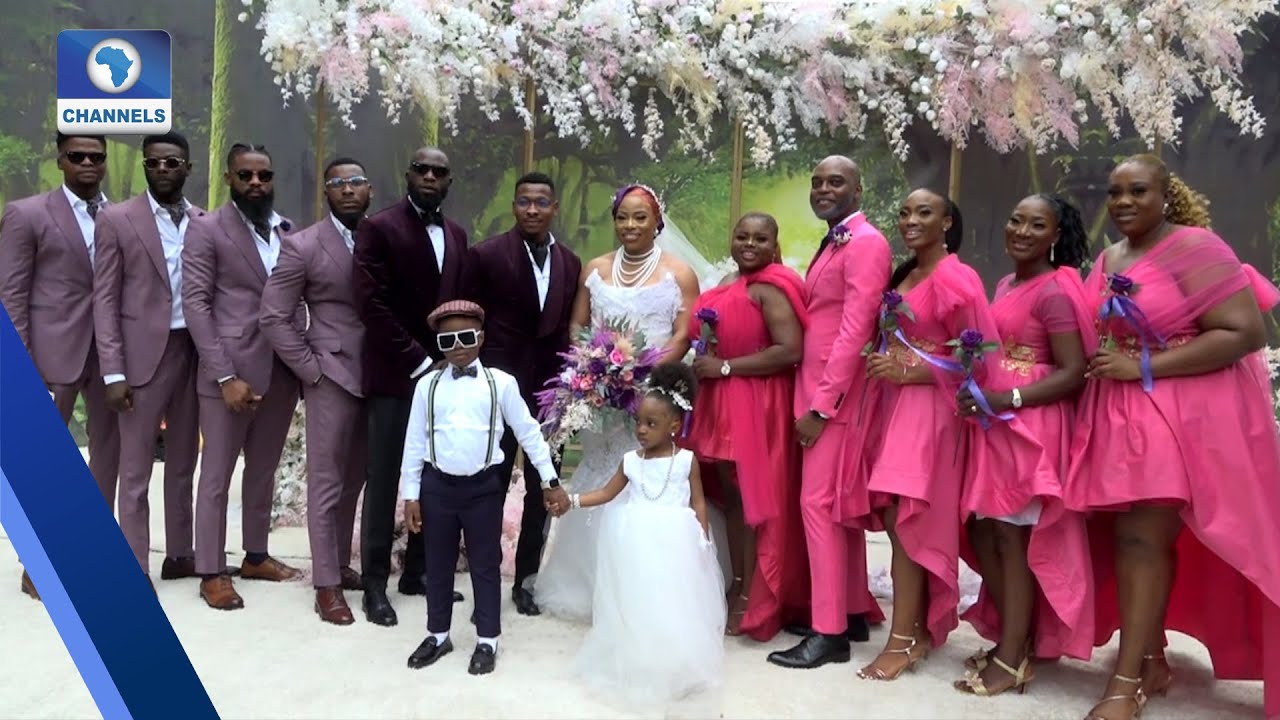
Owambe, the Yoruba word for big lavish parties, is where Naija Time was perfected. A traditional wedding, a 60th birthday, a chieftaincy installation, all of these run on a choreography that demands lateness.

High Table Arrives Last
What - High Table Arrives Last

There is a status hierarchy baked into Nigerian event timing. Regular guests are expected to arrive somewhere in the first hour after the stated time. Important guests, the high table, arrive last. The bigger your title, the later you walk in. A chief who shows up at noon for a noon event is signaling either humility or a misreading of the room. The same chief arriving at 2:30 to applause and a dedicated MC announcement is performing exactly the role the culture has scripted.

The “high table arrives last” rule means that the entire program waits for the most senior guests. If a traditional ruler is expected, the food will not be served until he is seated. If the celebrant’s mother is delayed in traffic, the DJ keeps spinning. Everyone understands that the program follows the people, not the clock.

Fashion as Filler

What - Fashion as Filler

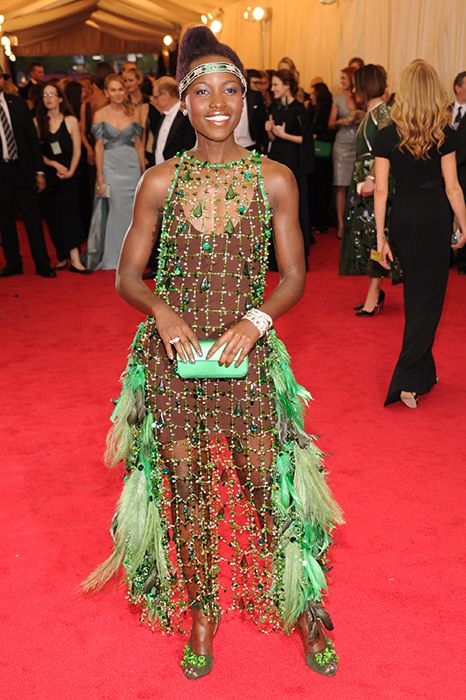
The hours of waiting are not empty. They are the fashion show. Aso ebi, the matching fabric worn by the bride’s family and the groom’s family and the friends and the in-laws, only works if there is enough time for everyone to see it. The slow trickle of arrivals between the printed time and the real start time is when guests parade their gele, their agbada, their lace and beads and tailored two-pieces.

A wedding that started on time would rob the guests of that runway. The two hour gap is, in part, the runway. Phones come out, short videos roll, and outfits that took weeks to plan get their moment.

The MC as Time Manager
What - The MC as Time Manager

Every Nigerian wedding has an MC whose job is, in large part, to make the waiting feel intentional. He cracks jokes, he calls families to the floor, he stalls with prayers and announcements and shoutouts. He fills the gap between the program and the reality with patter. A bad MC makes the wait feel like a wait. A good MC makes the wait feel like the party already started.

The DJ does the same job at concerts. A DJ set before a Burna Boy or Davido headline slot is not a warmup. It is a controlled holding pattern designed to keep ten thousand people patient while the artist is still at home, in traffic, or finishing a private meeting backstage.

Concert Culture and the Late Headliner

Nigerian entertainment, the live music side of it, runs on a system that Western promoters find baffling. A concert ticket states a door time and an event time. Both are fiction.

The Standard Concert Math

Doors open at 7pm on paper. Gates actually open closer to 9pm because the venue staff know nobody will be there at 7. Opening acts roll out around 10. The headliner is announced for 10:30 and walks on stage somewhere between 11:30 and 1am. This is not an accident. It is a calibrated system. The artist, the promoter, the venue, the ticket holder, the security team, the food vendors outside. The whole apparatus has agreed that the headline performance happens in the small hours.

The Big Three and Their Lateness Reputations

Burna Boy has been late to enough of his own shows that the lateness is part of the brand. He has walked on stage two hours after the printed time at festivals abroad and at home, and the reaction inside Nigeria is a shrug. Outside Nigeria, it has produced refund demands, social media storms, and venue bans. Inside Nigeria, his crowd waits and screams when he finally arrives.

Davido has built a signature late entrance. He arrives, the crowd already exhausted from waiting, and the energy he brings reads as a reward for endurance. The lateness becomes the drama. The longer the wait, the bigger the eruption when the spotlight finds him.

Wizkid is, by reputation, the most consistent latecomer of the three. Stories of his own headline slots starting after 1am are part of his myth. His fans complain. They also keep buying tickets. The complaint and the loyalty live in the same household, on the same phone, in the same Twitter thread.

Asake, who broke through in 2022, has been pulled into the same gravity. His shows in Lagos run on schedules that the printed start times do not predict. The audience that lines up for an Asake set knows it might be a five hour wait before he walks on. They buy tickets anyway.

The “Lagos Traffic” Defense

Lagos traffic is the universal excuse. It is also, often, the truth. A 90 minute trip across the lagoon can become a 4 hour ordeal on a Friday evening. Artists, promoters, and high table guests use traffic as both a real reason and a polite cover for any other delay. The phrase “I am in traffic” can mean someone is genuinely stuck on Third Mainland Bridge, or it can mean someone is finishing a shower, or it can mean someone is taking a meeting and does not want to say so. The cover works because the underlying reality is so credible. Nobody who has lived in Lagos will challenge the excuse.

Churches, Conferences, and the Long Service

Naija Time is not just an entertainment phenomenon. It runs through religious life and professional life with the same authority.
Ad SpaceIn-Article - 300x250
Advertisement

Pentecostal Sunday

Pentecostal services in Nigeria are famous for running long. A 9am service that promises an 11am close will routinely end at 1pm. Worship goes deeper than the bulletin allows. The pastor catches the spirit and the sermon stretches. Testimonies extend. The offering takes longer because the offering basket has to circulate through a packed auditorium twice. By the time the benediction is pronounced, the morning is gone.

Members do not complain because the cultural expectation is that the Spirit cannot be rushed. The few churches that strictly time their services often promote that punctuality as a feature, advertising “service ends by 11am” the way other businesses advertise free parking.

The NBA Conference

The Nigerian Bar Association annual conference is a long-running case study in Naija Time. Lawyers, whose entire profession is measured in billable units of time, fill ballrooms an hour or two after each session is scheduled to begin. Keynote speakers arrive late. Panels stretch and overflow. The pattern repeats at tech conferences, oil and gas summits, and fashion week openings. The professional class that runs Nigeria operates on its own clock once the gathering crosses a certain size.

Award Shows

The AMVCAs, the Headies, the Soundcity MVP Awards. All of them have, at some point, run late enough to push the ceremony into the next day’s news cycle. Red carpets that should close by 7pm are still active at 9pm. Opening monologues happen well after 9pm. Categories that should have been called by 11pm get called near 1am. The producers, the broadcasters, the artists, all of them are running on the same clock as the wedding hall in Lekki and the concert venue in Eko Hotel.

The exception that proves the rule is BBNaija. The Big Brother Naija live eviction shows, broadcast on a hard satellite feed, actually start on time. The pressure of a live international broadcast schedule overrides the cultural default. The moment the cameras must roll, the clock straightens out.

The Class Layer

Naija Time has a class dimension that does not get talked about as honestly as it should.

Rich Man’s Time

The richer you are, the later you can arrive. A regular guest at a billionaire’s birthday will be seated by 4pm for a 4pm event. The billionaire’s friends roll in around 6pm. The billionaire himself, if he is hosting at a venue he does not own, arrives whenever the moment feels right.

Status and lateness travel together in many cultures. What is unique here is the visibility and the acceptance. The whole room reads the entrance order as a status map. The MC will literally announce the arrival of the most senior guests in escalating tones of reverence.

Press Conferences

Nigerian press conferences are routinely delayed. Reporters arrive at the stated time, set up cameras, and wait. The official walks in late, often with a brief mention that traffic was bad. The press accepts this because antagonizing the official costs more than the lost hour. Experienced reporters now build the delay into their own schedules.

The Pushback

Not everyone is comfortable with the system. Naija Time has its critics, and the critics are getting louder.

The “I Am Not On Naija Time” Badge

A small but growing group of Nigerians wear punctuality like a badge. They post invitations that say “12pm prompt” and mean it. They start meetings on time even when the room is half empty. They tell guests, often in private, that the event will start at the printed time regardless of who is missing.

This is most common in younger corporate spaces, in startup culture, in tech-adjacent industries where Western clients and remote work have rewired expectations. Founders coming back from London or San Francisco bring punctuality with them like an imported good. Their teams follow.

The badge is a form of identity. To say “I am not on Naija Time” is to claim a particular kind of professionalism, sometimes with an undertone of “I am not like the others.” That undertone is part of why the badge generates pushback of its own.

Generational Split

The younger generation is split. Some of them, especially those working remotely for foreign companies, run on strict clock time. They show up at 7pm when the invitation says 7pm and feel personally offended by the empty room. Others, deep in the music and nightlife scenes, embrace Naija Time as part of the cultural fabric. The wait is part of the experience.

Corporate Frustration

Multinationals operating in Nigeria deal with the time gap as an operational problem. Western expats arrive expecting meetings to start when calendars say they will start. They learn quickly. Some adapt, and some never do. Foreign concert promoters who book Nigerian artists now write penalty clauses into contracts. Curfews in European cities have cost Nigerian artists shows, and a few high profile cancellations have begun to nudge habits.

The Detty December Pressure Test

Every December, Nigerians in the diaspora fly home for what is called Detty December, a month of weddings, concerts, parties, and homecomings. The volume of events compresses the calendar. Burna Boy, Davido, Wizkid, Asake, Rema, Tems, all of them book Lagos shows. Wedding halls book out a year in advance. Restaurants stop taking reservations.

Naija Time, under that pressure, does not break. If anything, it intensifies. A concert promoter trying to keep four major artists on schedule across two weekends learns that the artists themselves will not bend the clock. The guests will not arrive earlier just because the calendar is tight.

December also creates the cleanest diaspora comparison. Nigerians flying in from London, Toronto, Houston, and Atlanta come back with shorter patience. They complain on Twitter when shows run three hours late. The complaints fade by the second weekend, by which point most of them have stopped checking the time on their phones at all.

What Naija Time Actually Is

Strip away the jokes and the frustration, and Naija Time is a coordination system. It tells everyone in the room when the real event is going to happen, and it does that more accurately than the printed time on the card. A guest who arrives at 2pm to a 12pm wedding is not late. They are exactly on time, on a clock that the printed invitation refused to admit existed.

At the front of a Lagos church hall on a Saturday afternoon, the bride is sitting on a high-backed chair in white lace, the DJ is winding down a Fela track, the MC is calling the in-laws to the floor, and the smell of jollof is already drifting in from the kitchen. The card said 12pm. The clock on the wall says 3:47pm. The hall is full. The party is exactly where it is meant to be.

Ad SpaceIn-Article - 300x250
Advertisement
Share
Get the recap

Loved this story? Get more like it.

Join readers who get our weekly entertainment recap - the stories worth your time, delivered every Friday.

No spam. Unsubscribe anytime. By signing up you agree to our Privacy Policy.