Timothee Chalamet's Rise to Hollywood Royalty: From Indie Darling to Box Office King
Nova Patricks··9 min read
Ad SpaceArticle Top - 728x90
Advertisement
Twenty-two. That was his age when the Academy read his name out as a Best Actor nominee in early 2018, which made Timothee Chalamet the third-youngest contender ever in that category, behind only nine-year-old Jackie Cooper from 1931 and a teenage Mickey Rooney. Eight years on, that number reads less like a fluke and more like an opening statement. By January 2026 he had collected three Best Actor nominations, becoming, per Deadline, the youngest male performer to reach three Oscar nods in the category since Marlon Brando. Few careers move from prestige curiosity to bankable franchise lead this quickly, and fewer still manage it without trading craft for spectacle. Chalamet has done both at once, and the receipts now sit in the hundreds of millions.
The story of how a theatre kid from a New York walk-up became the rare young actor who can personally open a film says a lot about where Hollywood stardom is heading in this decade. It is a story about choices as much as talent, and about a generation of moviegoers who decided, somewhere between an Italian peach orchard and a chocolate factory, that they would buy a ticket simply because his face was on the poster.
The New York theatre kid
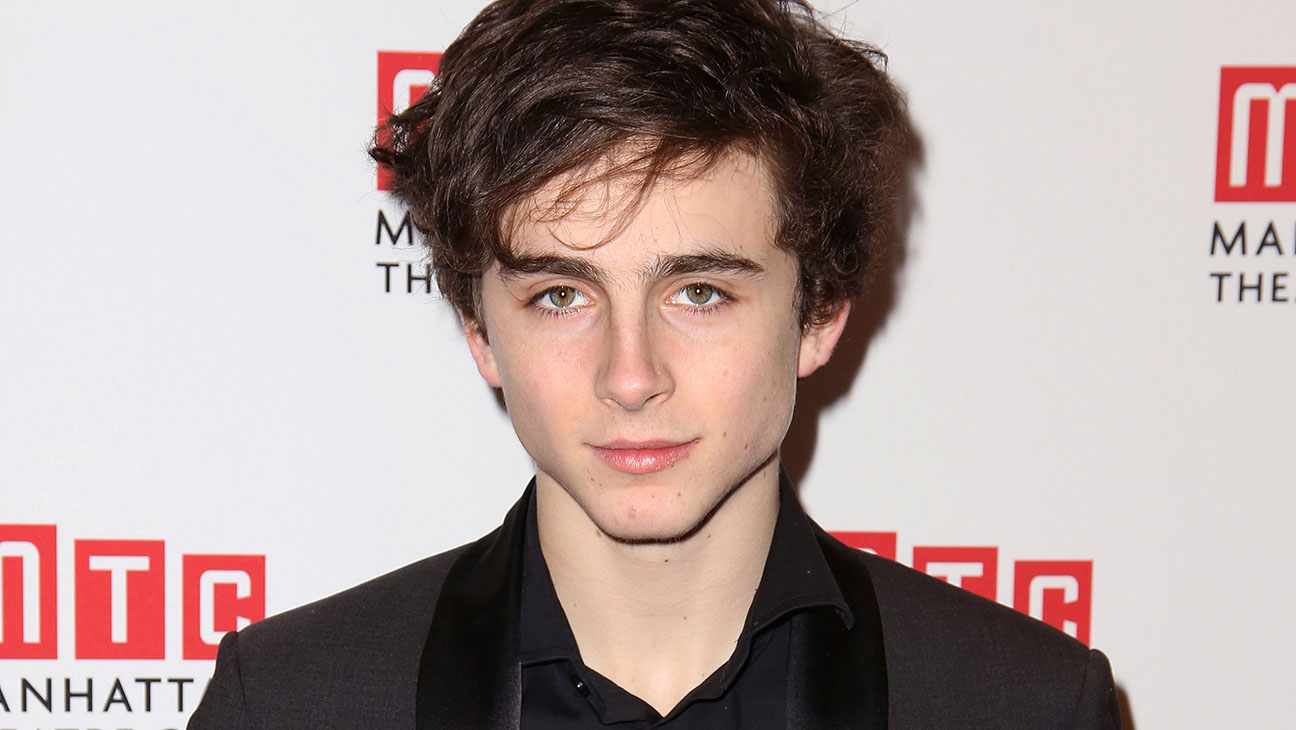
Timothee Hal Chalamet was born on December 27, 1995, and raised in Hell’s Kitchen, the slice of Manhattan that has always carried a certain working-actor mythology. His French father edited for UNICEF and his American mother danced on Broadway, a French-American household that gave him fluent French and a passport-thin sense of belonging to two places at once. That dual identity would later make him a genuine global figure rather than just an American export, a point not lost on audiences from Lagos to Paris.
He attended the Fiorello H. LaGuardia High School of Music and Art and Performing Arts, the institution that inspired the film “Fame.” The often-repeated detail is that his middle-school academic record nearly kept him out, and that a drama teacher, floored by his audition, pushed for his admission anyway. It is the kind of origin story that sounds polished in retrospect, but it tracks with everything that followed: a performer whose instinct for a room outran the paperwork. Small television roles and a supporting part in Christopher Nolan’s “Interstellar” in 2014 kept him visible without making him a name. The name came later, and it arrived almost all at once.
Call Me by Your Name and overnight
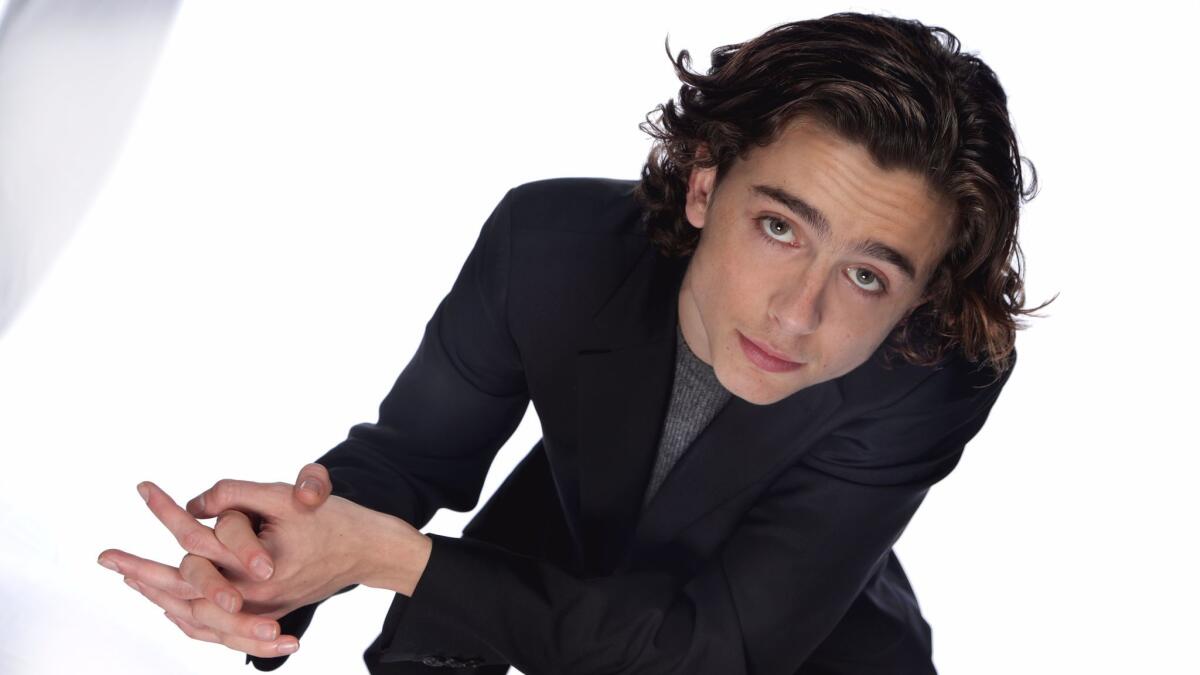
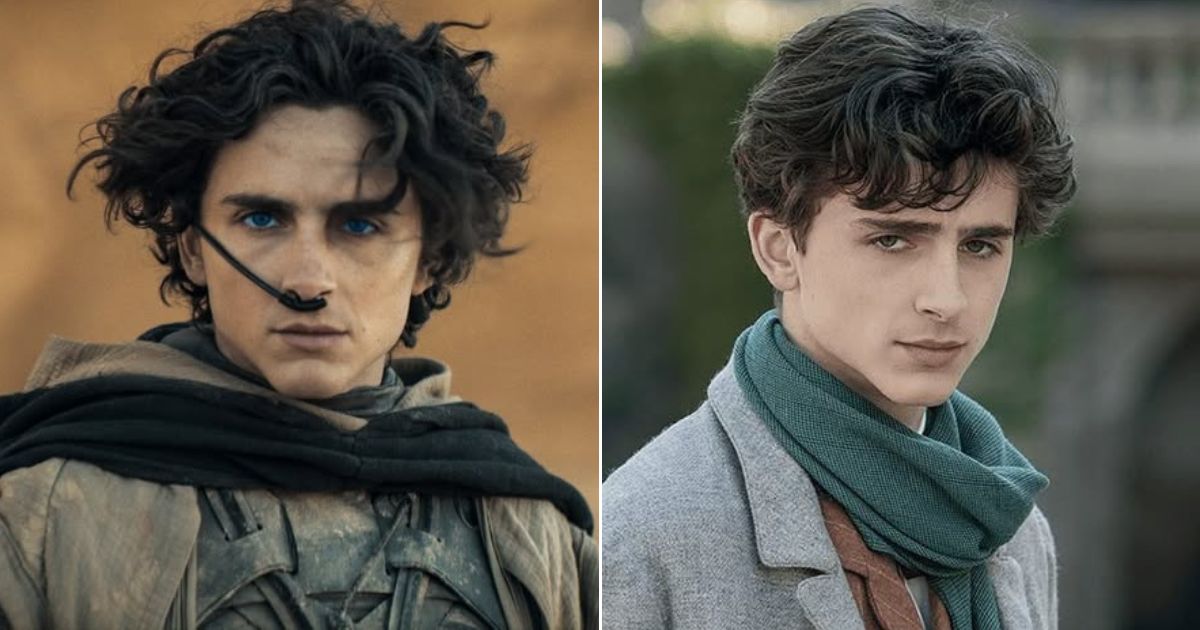
In 2017, Luca Guadagnino’s “Call Me by Your Name” placed Chalamet in the role of Elio, a 17-year-old falling into a first love across a sun-drenched Italian summer. The performance was all restraint and overflow at the same time, capped by a final unbroken shot of his face by a fireplace that critics spent the rest of awards season quoting. The film earned four nominations at the 90th Academy Awards, including Best Picture, and Chalamet’s Best Actor nod made the headlines that mattered for a 22-year-old: he had not just been noticed, he had been ranked among the youngest ever to compete for the prize.
What separated him from other one-hit breakouts was timing and density. That same season he turned up as the feckless boyfriend in Greta Gerwig’s “Lady Bird,” a small role he used to show range in the opposite direction, charm curdling into selfishness. Two performances, two registers, one calendar year. The industry took the hint.
The indie-to-prestige run
Rather than cash the breakout in for a paycheck blockbuster, Chalamet spent the next stretch building a resume that read like a syllabus. He played a young man lost to addiction opposite Steve Carell in “Beautiful Boy” in 2018, drawing a Golden Globe nomination and a reputation for raw, unguarded work. He reunited with Gerwig for “Little Women” in 2019, his Laurie a study in boyish longing that gave the period drama much of its ache. The pattern was deliberate. He chose directors before he chose genres, and he chose the kind of films that win respect from the people who hand out trophies.
It was a strategy with a built-in ceiling, though. Prestige actors can be admired for years without ever being asked to carry a tentpole. The question hanging over Chalamet around 2020 was whether the boy who could break your heart in an art-house drama could also stand at the center of a film engineered to gross a billion dollars. He answered it in the desert.
Dune and proving he could open a tentpole
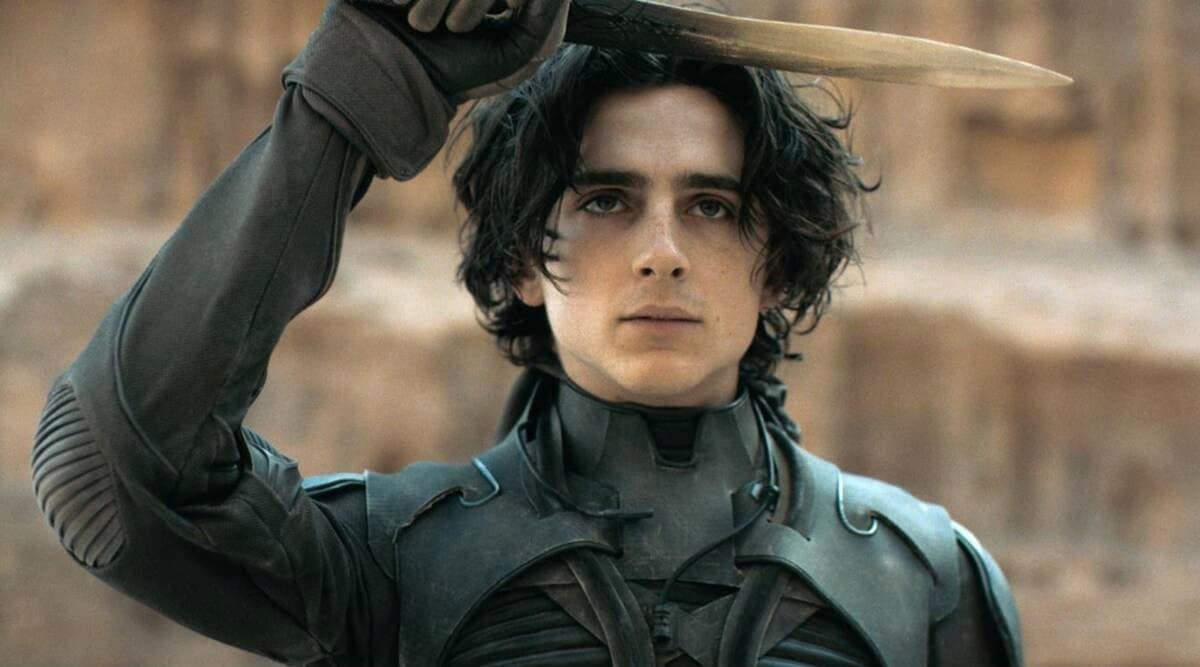
Denis Villeneuve’s “Dune” landed in 2021 after pandemic delays, with Chalamet as Paul Atreides, the reluctant heir at the heart of Frank Herbert’s sprawling science-fiction epic. The role asked for something his earlier work had not: stillness at scale, a quiet center holding together a loud and enormous machine. He delivered it, and the film became a critical and commercial success that justified its sequel. The follow-up, “Dune: Part Two,” arrived in 2024 and was the bigger event, a global box-office hit that cemented the franchise as one of the few original-IP blockbusters audiences would reliably leave the house for.
Crucially, the “Dune” films proved Chalamet could anchor spectacle without being swallowed by it. Studios noticed that the marketing leaned on his face as much as on the sandworms. He was no longer the indie find. He was an asset a major studio could build a $200 million bet around. The casting also placed him at the center of an ensemble stacked with established stars, from Zendaya and Rebecca Ferguson to Javier Bardem and Josh Brolin, and he held the frame against all of them. For a generation of younger viewers, particularly across Africa and the wider global south where the franchise played strongly, Paul Atreides became their entry point to him, the role that turned a name whispered in awards circles into one shouted in multiplex queues.
Ad SpaceIn-Article - 300x250
Advertisement
Wonka and the box-office turn
If “Dune” proved he could lead a franchise, “Wonka” in 2023 proved he could carry a movie that was almost entirely his to charm or sink. Paul King’s musical origin story for Willy Wonka was a risk dressed as a crowd-pleaser, and it leaned hard on Chalamet’s ability to sing, dance, and hold the whimsy together. It worked, and then some. “Wonka” grossed more than $634 million worldwide against a reported $125 million budget, per Variety, a holiday-season juggernaut that turned a beloved but tricky character into a personal showcase.
The film mattered beyond its numbers. It widened his audience from cinephiles and franchise fans to families and casual moviegoers, the kind of broad reach that separates a respected actor from a genuine movie star. It also seeded a piece of pop-culture lore: a year later, the man who would win a real-life Chalamet lookalike contest would do it dressed as Wonka.
Becoming Dylan in A Complete Unknown
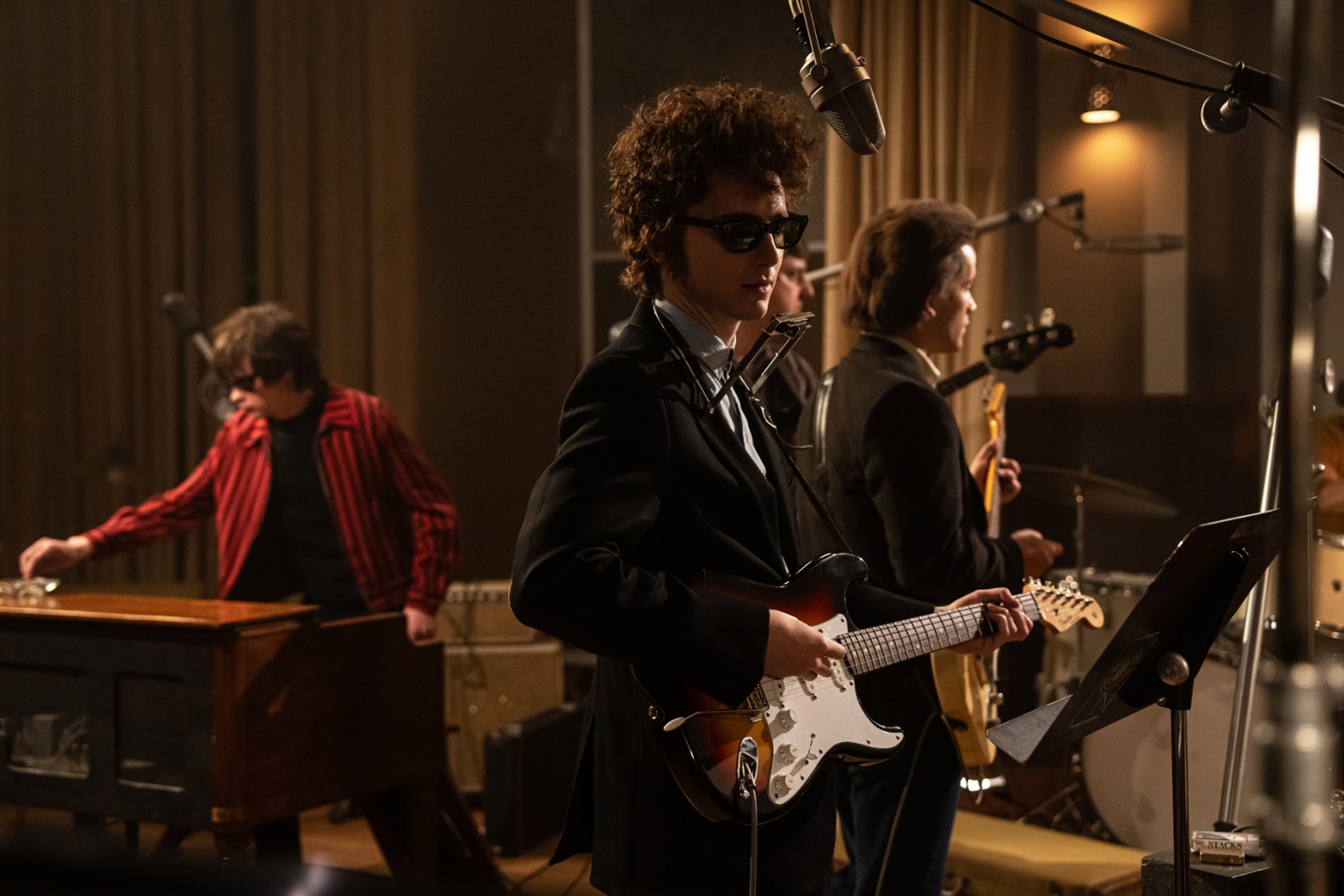
In 2024, Chalamet took on the assignment that doubled as a dare. James Mangold’s “A Complete Unknown” cast him as Bob Dylan across the singer’s electric, mythology-making mid-1960s pivot. The catch was that Chalamet sang and played the songs himself, performing roughly 40 Dylan numbers on guitar and harmonica rather than miming to a soundtrack. Embodying one of the most studied figures in American music, in his own voice, is the sort of swing that ends careers as often as it crowns them.
It crowned this one. The performance brought him a second Best Actor Oscar nomination, which made him, per The Hollywood Reporter, the youngest two-time Best Actor nominee since James Dean. At the 2025 Screen Actors Guild Awards he won Best Actor, becoming at 29 the youngest person ever to take that prize, and he punctuated the moment with a much-discussed speech about wanting to be counted among the greats. He also earned a Grammy nomination for the film’s soundtrack. The kid who broke through on restraint had become an actor willing to risk everything in public, and audiences rewarded the nerve.
Marty Supreme and the box-office king
The clearest proof of his pull arrived at the end of 2025. “Marty Supreme,” directed by Josh Safdie and released by A24 on Christmas Day, cast Chalamet as a hungry table-tennis hustler chasing greatness. The film premiered at the New York Film Festival in October 2025 and opened to the best per-screen average A24 had ever recorded, then kept climbing. It grossed roughly $191 million worldwide, becoming A24’s highest-grossing release ever and overtaking the studio’s previous champion, the Oscar-winning “Everything Everywhere All at Once.” Critics were largely won over, with the National Board of Review and the American Film Institute both naming it among the year’s ten best.
Much of that came down to Chalamet himself, who co-engineered a run of viral marketing stunts that turned an arthouse studio’s sports drama into a genuine event. The performance brought him Best Actor wins at the Golden Globes and the Critics’ Choice Awards, and in January 2026 it delivered his third Oscar nomination, the one that placed him in Brando territory for youngest in the category. An A24 film does not gross $191 million on a niche premise unless the name above the title sells tickets on its own. By that measure, the box-office king title is no longer hype.
The persona and the fan culture
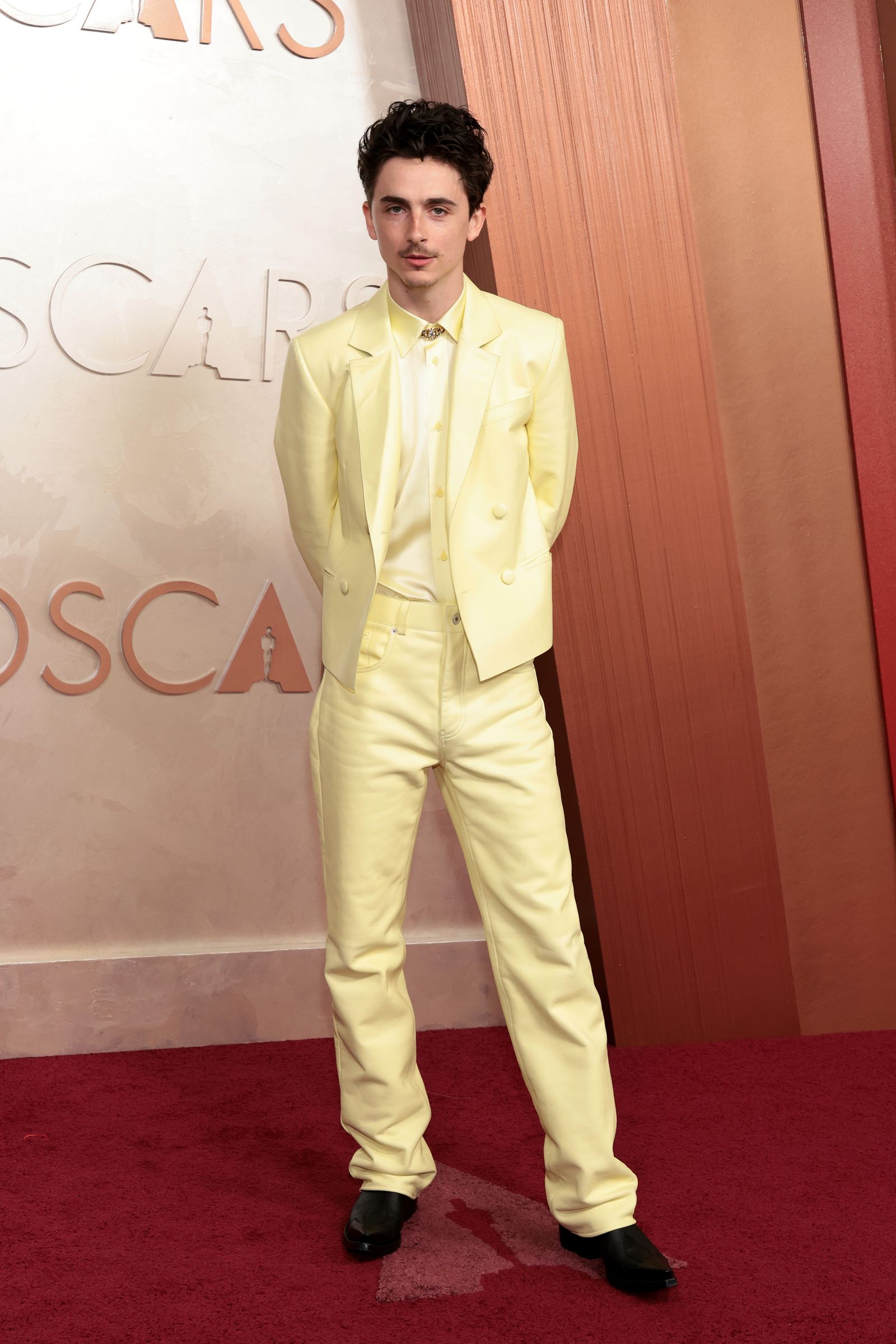
Chalamet’s stardom lives as much in image as in performance, and he has been unusually deliberate about both. His red-carpet fashion, often genderless, frequently backless, regularly the most photographed look of any given night, made him a fixture of style coverage long before some of his films opened. He turned the press tour into a form of art, and the audience treated him less like a working actor than a generational figure to rally around.
The clearest symptom was the lookalike contest. In October 2024, a crowd of several hundred packed Washington Square Park for a Timothee Chalamet lookalike competition that grew so large police shut it down and moved it to a nearby playground. The man himself showed up briefly to pose with his imitators, and a 21-year-old named Miles Mitchell, cosplaying as Wonka, took the crown. It was a piece of internet absurdity, but it doubled as data: no actor inspires a flash mob of lookalikes without occupying a strange, devoted corner of the culture. His relationship with Kylie Jenner, which he publicly described in early 2026 as a partnership of three years while accepting an award, only kept the spotlight warm. The films make the money. The persona makes the noise.
Where he sits in the new Hollywood firmament
As of 2026, the trajectory shows no sign of leveling. “Dune: Part Three,” the trilogy’s conclusion based on “Dune Messiah,” wrapped principal photography in November 2025 after a Budapest shoot and is set for theatrical release in December 2026, returning Chalamet to the role that proved he could open a tentpole. A James Mangold-directed heist film has been reported as his next major payday, a sign that his quote has caught up to his stature. Estimates of his net worth in 2026 land in the modest tens of millions relative to his box-office footprint, a gap that the coming slate looks likely to close.
What makes him singular is the rare overlap he occupies. He is an awards-circuit fixture with three Oscar nominations before 31, and he is a commercial draw whose name personally moved an A24 drama past nine figures. Plenty of actors manage one of those things. Almost none hold both at once this young, and almost none did it while becoming a fashion icon and the subject of a police-dispersed lookalike contest along the way. The theatre kid from Hell’s Kitchen turned a single Oscar nomination at 22 into a place very few performers ever reach, the spot where prestige and box office stop being a choice. That is the territory Hollywood reserves for its royalty, and right now he is sitting comfortably in it.
Ad SpaceIn-Article - 300x250
Advertisement
Share
Get the recap
Loved this story? Get more like it.
Join readers who get our weekly entertainment recap - the stories worth your time, delivered every Friday.
No spam. Unsubscribe anytime. By signing up you agree to our Privacy Policy.