T.I. and Tiny's $18 Million Cap Is Actually a Victory Hiding in Plain Sight
Miki Anderson··7 min read
Advertisement
Here is a question worth sitting with: what does it actually mean to win a lawsuit four times and still walk away frustrated? That is essentially the position Clifford “T.I.” Harris and his wife Tameka “Tiny” Harris find themselves in after the latest chapter in one of the most exhausting legal battles in recent entertainment memory. A jury at the fourth trial in their ongoing lawsuit against toy giant MGA Entertainment has awarded them up to $18 million in damages – but denied punitive damages entirely, meaning the couple cannot extract the kind of financial punishment from MGA that would have truly stung the corporation. To understand why this matters beyond the headline figure, you have to go back to where this whole saga started: a group of young Black girls with a vision, a record label, and a look that somebody else allegedly monetized without permission.
The OMG Girlz and the Doll That Started a War
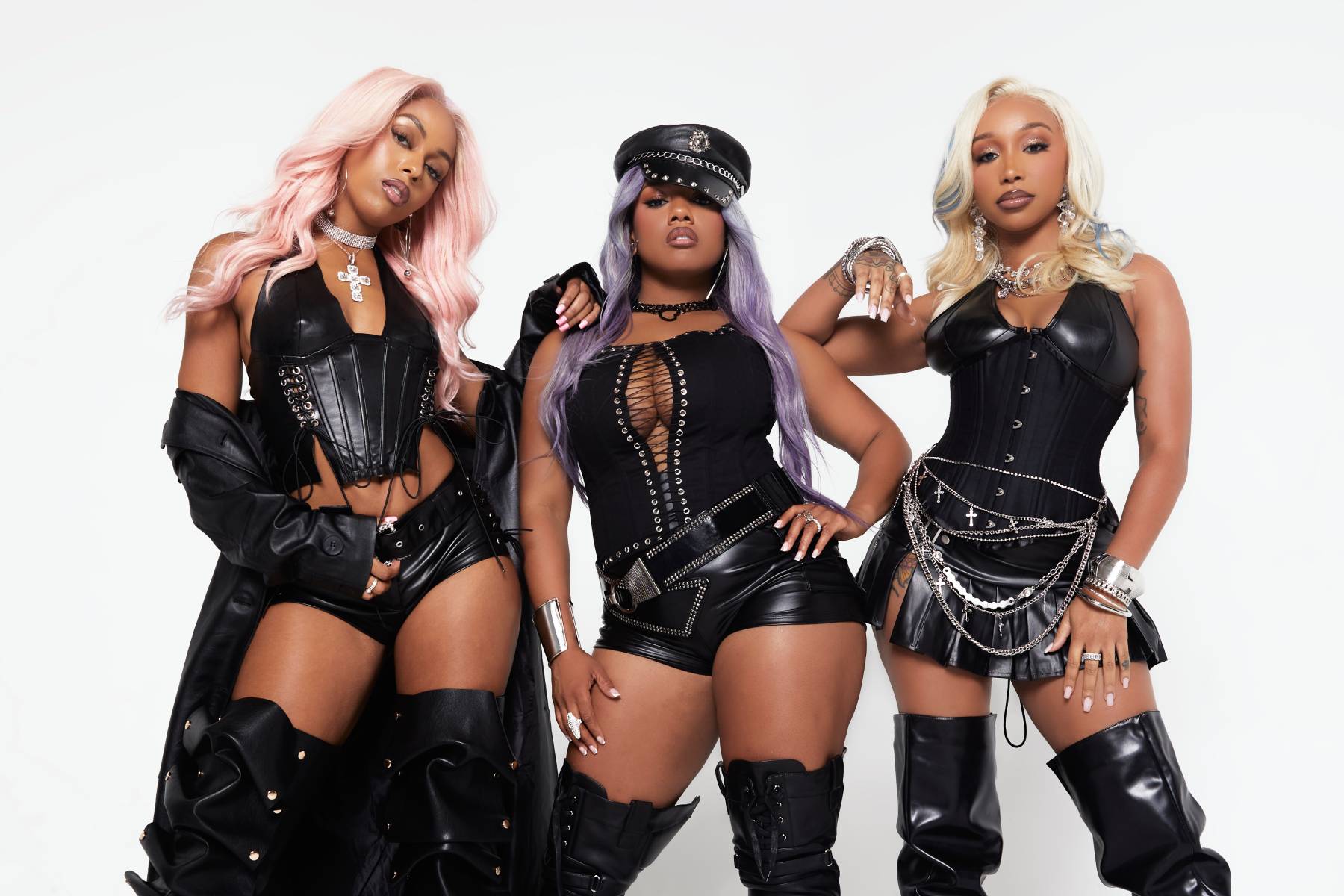
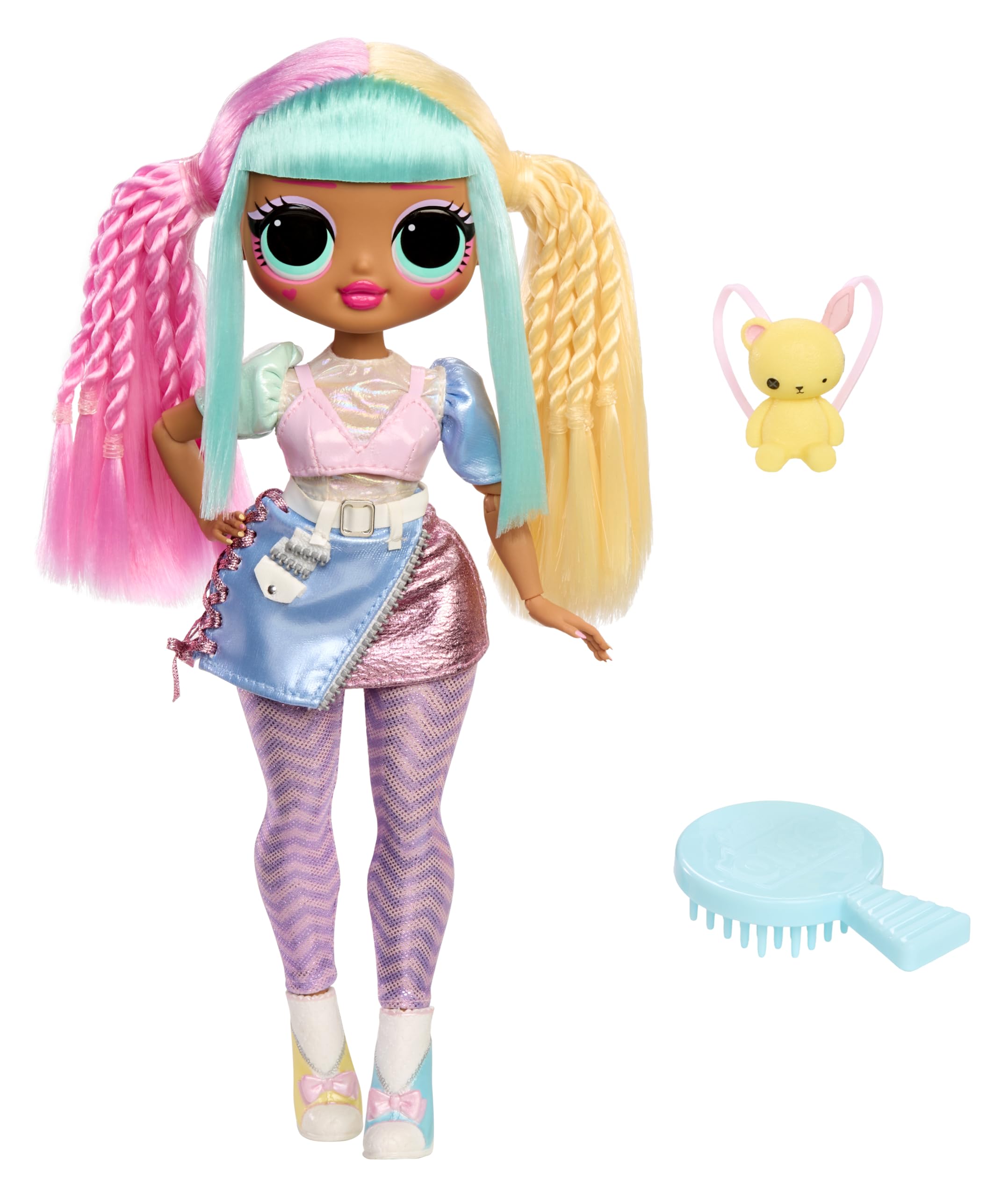
The OMG Girlz were a teen girl group founded in Atlanta around 2009, assembled under the Harrises’ Grand Hustle umbrella and mentored closely by Tiny herself. The group – which at various points included Tiny’s daughter Zonnique Pullins – built a loyal fanbase through their colorful, high-fashion aesthetic and youthful energy. They released music, toured, appeared on television, and cultivated a very specific image: bold hair, layered streetwear, and a distinctive style that blended urban fashion with pop-girl flair. Then, in 2013, MGA Entertainment – the same company behind the massively successful Bratz doll franchise – launched a line of fashion dolls called “OMG” as part of its L.O.L. Surprise! brand. The Harrises took one look at those dolls and saw something uncomfortably familiar staring back at them.
Image: Rolling Stone
The lawsuit, filed in 2020, alleged that MGA had essentially lifted the OMG Girlz’s look, name, and fashion aesthetic to build a billion-dollar toy line – all without compensating or crediting the group. The L.O.L. OMG dolls became one of the best-selling toy lines in America, generating hundreds of millions in revenue. MGA denied the allegations entirely, arguing the similarities were superficial and that the “OMG” name was a natural abbreviation used in pop culture broadly. What followed was not one trial, not two, but an extraordinary four rounds of litigation – a legal marathon that speaks to just how aggressively both sides have fought and how genuinely contested the underlying facts have been.
Four Trials Later: What Actually Happened in Court
The sheer number of trials in this case is worth pausing on, because it is genuinely unusual. The first few proceedings were marked by mistrials, retrials, and procedural battles that kept resetting the legal clock. Each time the Harrises appeared to gain ground, the litigation found a way to stretch further. The fourth trial – the one that has now delivered an $18 million compensatory damages cap – was meant to resolve the question of punitive damages, the kind of penalty designed to punish a defendant for especially egregious or willful misconduct. Punitive damages are, by nature, the nuclear option in civil litigation; they can multiply a final award dramatically and send a message far louder than any compensatory figure. The jury’s decision to deny them entirely is a significant blow to the Harrises’ position, even if the underlying compensatory award remains intact.
Image: Amazon.com
What this means practically is that MGA escapes the trial without facing the kind of additional financial penalty that would have set a legal precedent punishing corporations for lifting from Black creatives. The $18 million figure is not nothing – it is real money, and it represents a legal acknowledgment that the Harrises had a legitimate grievance. But for a toy line that MGA has reportedly built into a multi-billion-dollar franchise, eighteen million is closer to a rounding error than a reckoning. T.I. and Tiny’s legal team had reportedly sought significantly higher damages, making the punitive denial the sharpest edge of an otherwise complicated outcome.
Why This Case Matters Beyond Celebrity Drama
It would be easy to file this story under “celebrity lawsuit” and move on. That would be a mistake. The Harris versus MGA case sits squarely inside a much larger and more uncomfortable conversation about the relationship between Black creative culture and the corporations that profit from it. The OMG Girlz were not a major-label act with an army of intellectual property lawyers. They were a small group of young Black girls from Atlanta whose style, identity, and creative output – by their account – was absorbed into a product line worth billions, without their consent and without compensation. That story is older than the entertainment industry itself, and it does not get less relevant just because a jury stopped short of punitive damages.
Advertisement
This dynamic resonates loudly in African contexts too. Across Nigeria, Ghana, South Africa, and the wider African diaspora, creators – particularly young ones working in fashion, music, and digital content – routinely watch their aesthetics, sounds, and ideas get appropriated by larger brands without credit or compensation. The legal infrastructure to fight back is often weaker, the costs are higher, and the institutional support is thinner. What the Harrises did – taking a toy company all the way through four trials rather than accepting an early settlement – is the kind of sustained creative self-advocacy that many African artists and entrepreneurs simply cannot afford. Their fight, imperfect outcome and all, is a data point in an ongoing argument about who gets to own culture.
T.I. and Tiny: A Power Couple Still Standing
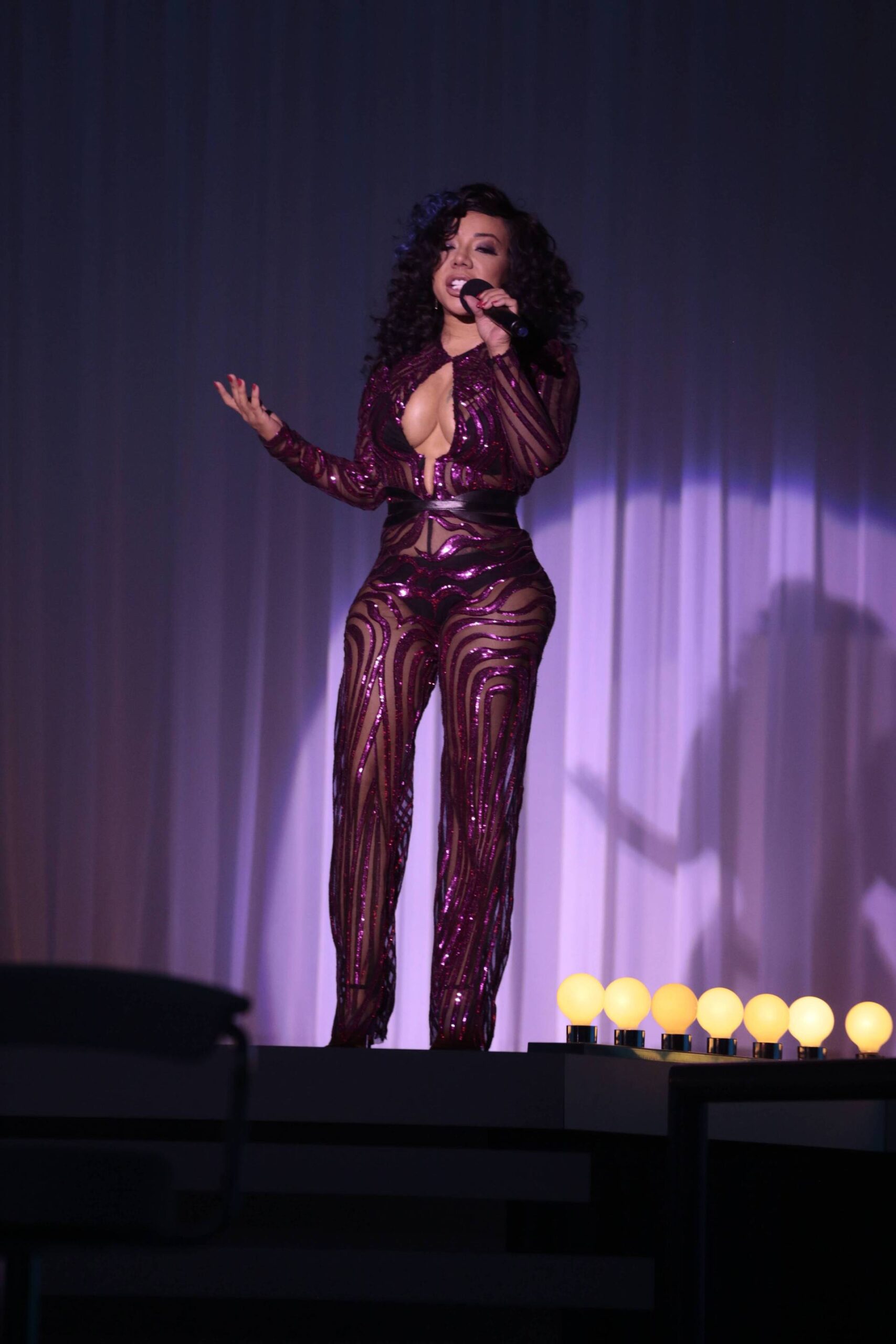
It is worth remembering who these two people are outside of this lawsuit. T.I. – real name Clifford Joseph Harris Jr. – is one of Atlanta’s most commercially successful rappers, with a discography that includes certified classics like “Trap Muzik,” “King,” and “Paper Trail,” the last of which debuted at number one on the Billboard 200 in 2008. He is widely credited as one of the architects of trap music, the genre that went on to reshape global hip-hop and directly influence the sound of Afrobeats production in the late 2010s and into the 2020s. Tiny, born Tameka Cottle, is a Grammy-winning songwriter who penned “No Scrubs” for TLC – a song that reached number one in multiple countries and remains one of the most recognizable R&B records of the 1990s. These are not peripheral industry figures; they are foundational to the culture in ways that make their legal fight feel weighted with significance.
Image: Atlanta News First
Their marriage has also weathered its own very public storms – from T.I.’s legal troubles over the years to the couple’s separation and reconciliation – and yet they have remained a fixture in Black American entertainment, reality television, and business. The Harris family starred in the VH1 reality series “T.I. and Tiny: The Family Hustle” for years, giving audiences a detailed look at their household, their children, and their various business ventures. Tiny’s advocacy for the OMG Girlz throughout this legal battle is, in many ways, an extension of the same maternal and entrepreneurial energy the show documented – a mother who built something for young women in her orbit and refused to let it be taken without consequence.
The Broader Legal Precedent – and Its Limits
Legal analysts watching this case have noted that while the compensatory award represents a meaningful recognition of the Harrises’ claims, the denial of punitive damages limits its impact as a deterrent. In intellectual property disputes – especially those involving fashion, aesthetics, and cultural identity rather than a patent or a written lyric – proving the kind of deliberate, willful theft required for punitive damages is extremely difficult. Courts tend to give corporations the benefit of the doubt when it comes to creative inspiration versus creative theft, a standard that arguably reflects structural biases in how intellectual property law was built and who it was built to protect. The Harrises’ case tested those limits and found them – at least in this courtroom, at this moment – largely intact.
MGA Entertainment, for its part, has maintained throughout the proceedings that its L.O.L. OMG line was developed independently and that any resemblance to the OMG Girlz is coincidental. The company’s legal team has been aggressive and well-resourced across all four trials, and the denial of punitive damages will undoubtedly be framed internally as a vindication of their position. Whether the $18 million cap survives any further appeals or post-trial motions remains to be seen – this case has surprised observers at every stage, and there is no particular reason to assume it has found its final form quite yet.
Eighteen Million, Four Trials, and What the OMG Girlz Actually Left Behind
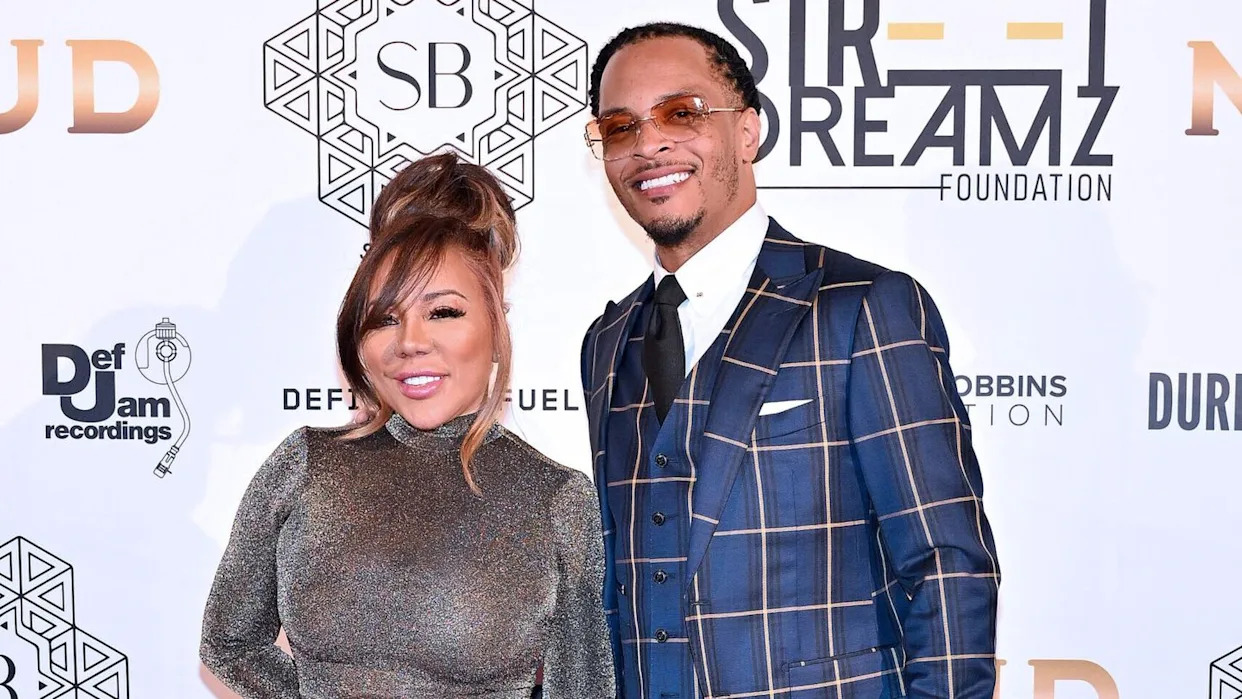
Strip away the legal language and the courtroom drama, and what you have at the center of this story is a group of young Black girls from Atlanta who created something real – a look, a sound, an identity – and fought, through the adults who believed in them, to make sure the world could not simply absorb it and move on. The OMG Girlz disbanded years ago, but their legacy now includes a multi-year legal fight that forced one of the world’s largest toy companies to sit across from a jury and account for itself. That is not nothing. The $18 million cap is imperfect, the punitive denial stings, and the fight cost the Harrises more years and energy than any compensation can fully address. But Tiny Harris – Grammy winner, songwriter, and fiercely protective creative force – ensured that this particular act of cultural borrowing did not go uncontested. In an industry and a legal system that has historically made that very hard to do, that counts for something specific and concrete, even when the number on the check falls short of the principle at stake.
Image: IMDb
Advertisement
Share
Get the recap
Loved this story? Get more like it.
Join readers who get our weekly entertainment recap - the stories worth your time, delivered every Friday.
No spam. Unsubscribe anytime. By signing up you agree to our Privacy Policy.