Maya Joint: Everything You Need to Know About the Rising Tennis Star
Tristan Melo··9 min read
Ad SpaceArticle Top - 728x90
Advertisement
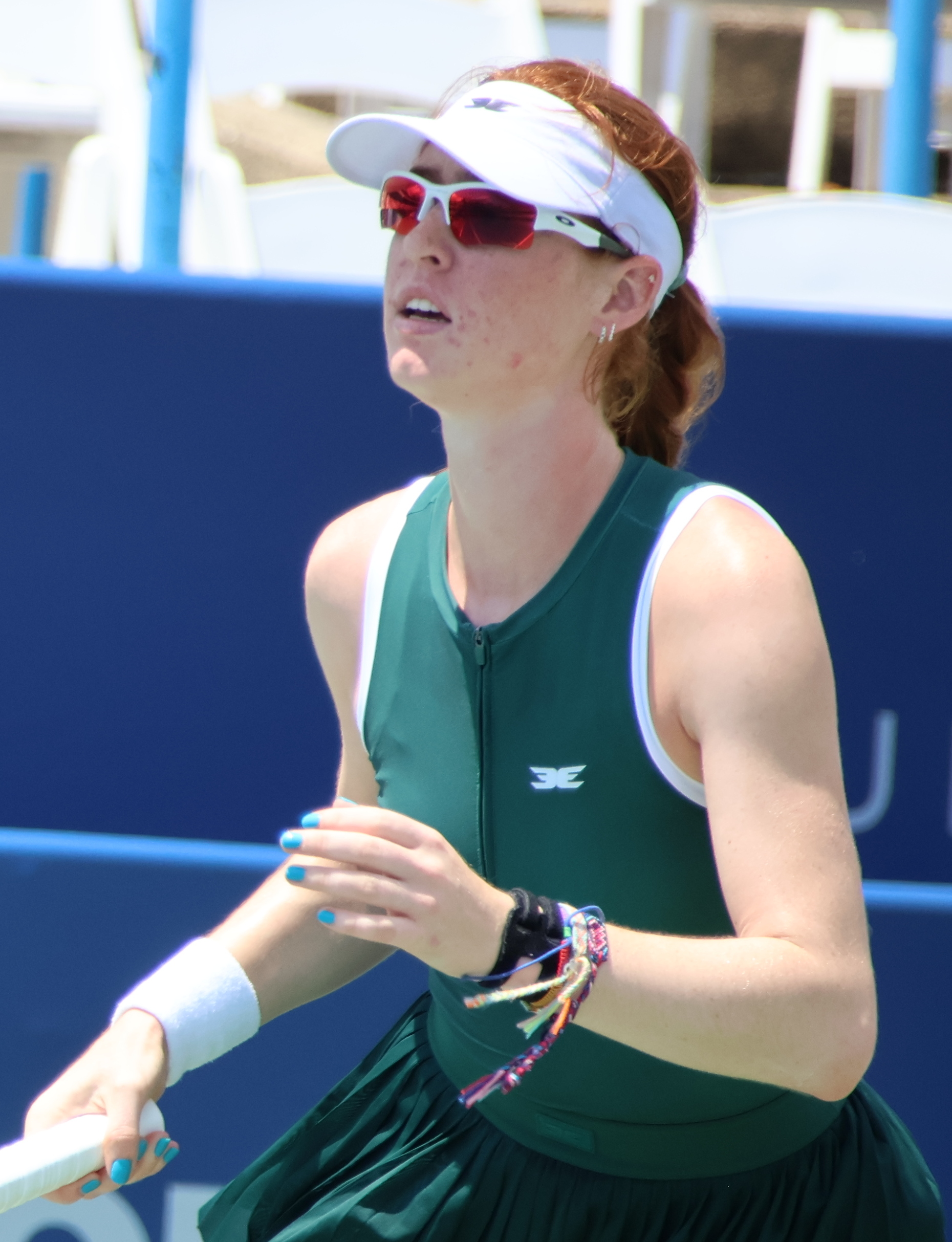
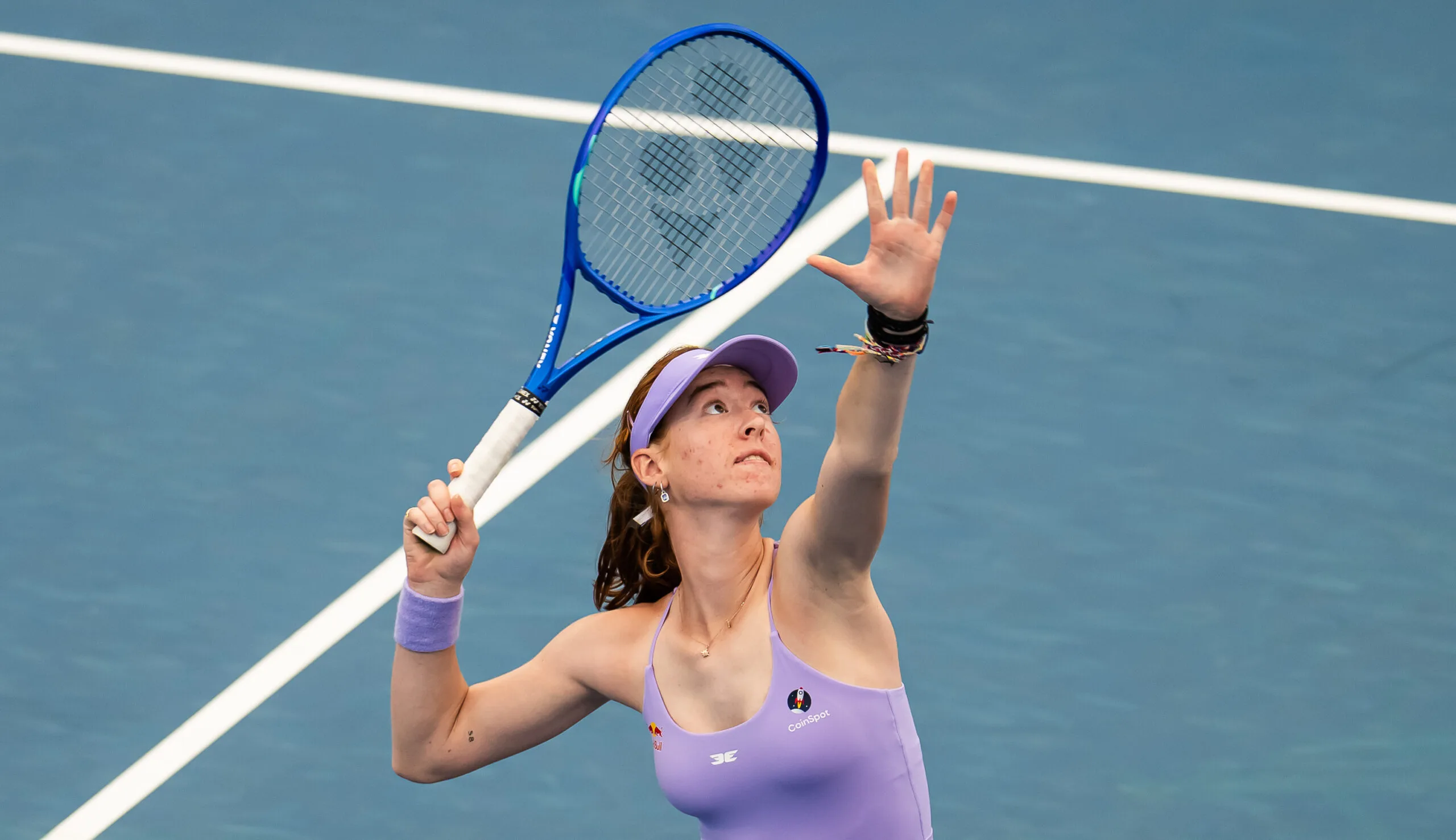
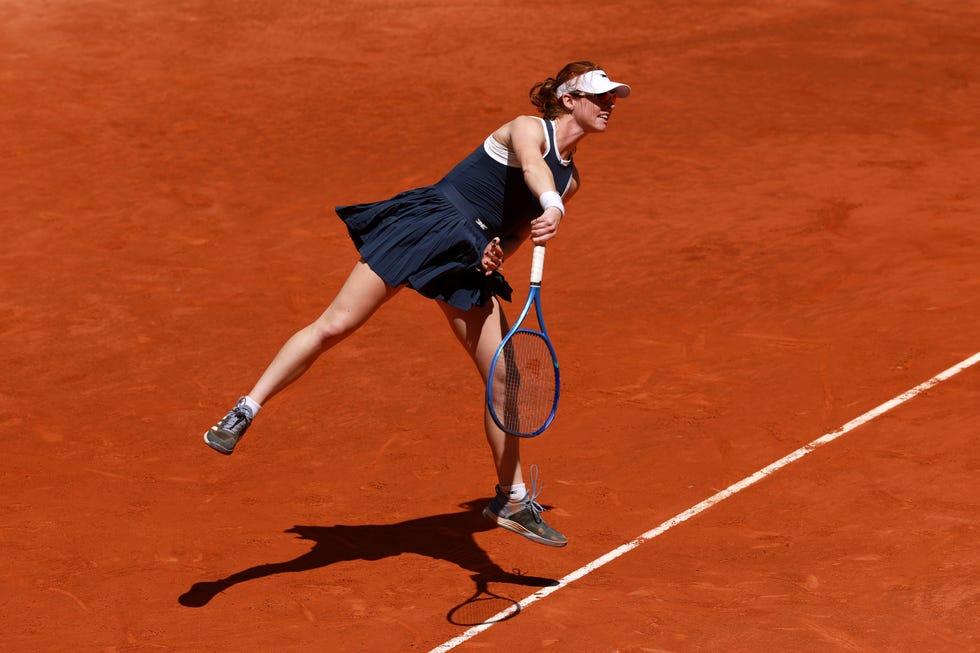
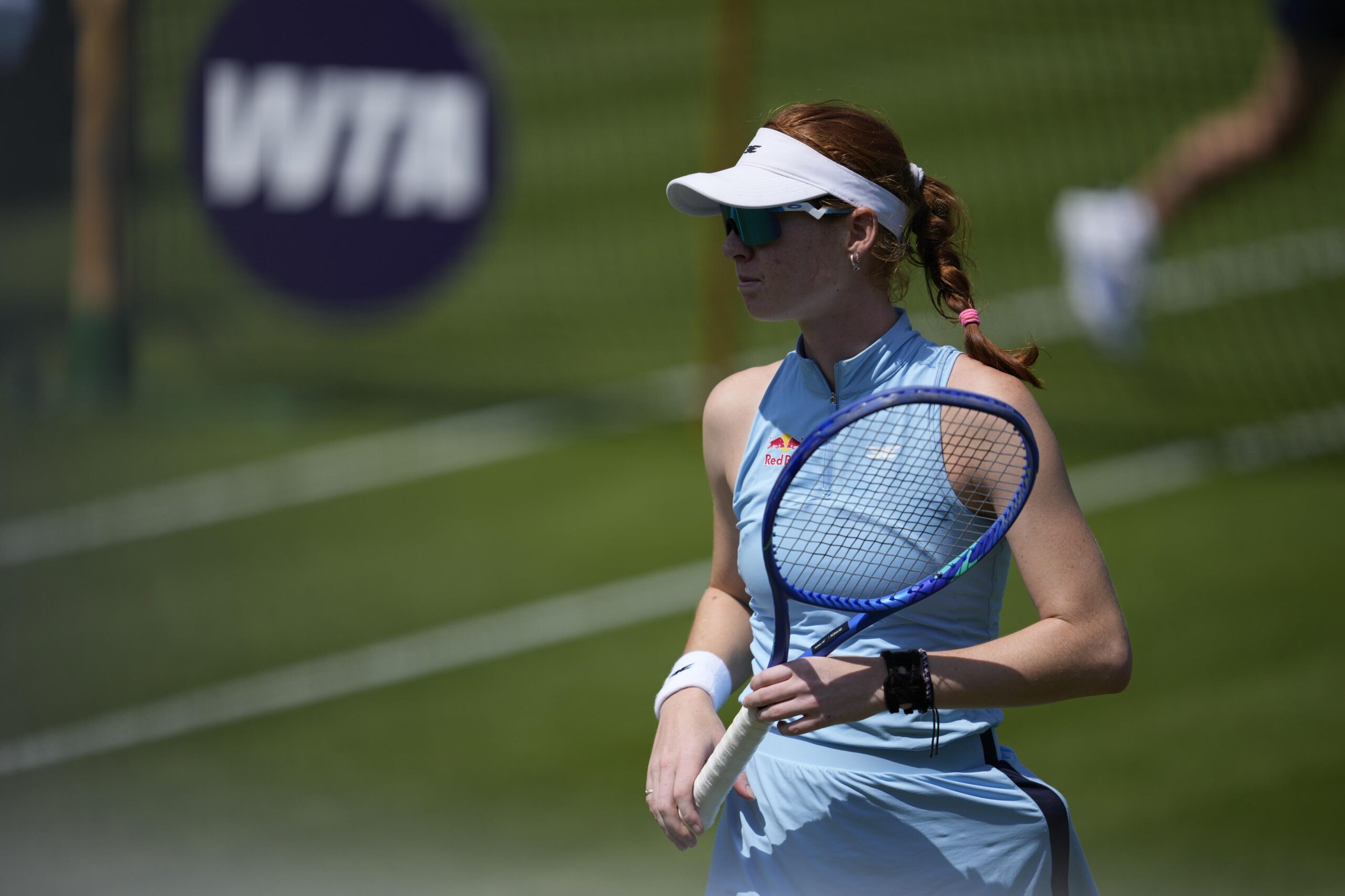
Few young players have crammed as much drama into their first full seasons on the professional circuit as the Australian who now sits among the sport’s most talked-about prospects. Maya Joint has gone from a teenager weighing a college scholarship in Texas to a Grand Slam seed, a two-time WTA Tour singles champion, and, on one Centre Court afternoon in 2026, the player who ended Serena Williams’ singles comeback. Her story blends an American childhood, a German mother, an Australian father, and a decision that reshaped which flag she plays under. Here is a grounded look at where she came from, how she broke through, and why her name keeps surfacing in conversations about the next generation.
From Grosse Pointe to Brisbane
Born on 16 April 2006 in Grosse Pointe, Michigan, Joint grew up with a genuinely international backstory. Her father, Michael, known as Mick, is Australian and left home at 19 to chase a professional squash career that took him through Argentina, Canada, and Germany. It was in Germany that he met Katja, who competed in squash, tennis, and badminton, and the couple settled in the Detroit area in 2004, two years before Maya was born.
That mix of racquet-sport DNA showed up early. By her own account, she first hit tennis balls in kindergarten on local Michigan courts, swinging at them with her father using a squash racquet before she ever picked up a proper tennis frame. A dual citizen of both Australia and the United States from birth, she carried two sporting identities into her teenage years, and the question of which one to commit to would become one of the defining choices of her early career.
The decision to represent Australia
While competing on the ITF junior circuit, Joint began weighing her options at around 15, looking for the pathway that offered the strongest support and development. In mid-2023, still a teenager, she made it official: she would represent Australia, her father’s country, and she relocated to Brisbane to train at Tennis Australia’s national academy in Queensland.
The move put her alongside experienced tour players such as Kim Birrell and Ajla Tomljanovic, as well as the highly rated junior Emerson Jones. It was a deliberate bet on structure and coaching over familiarity. Reports on her decision framed it as a search for greater support at a stage when junior players often stall for want of resources, and switching allegiance let her tap into a national programme with a clear development pathway. Within the space of a couple of seasons it had repositioned her as an Australian prospect rather than an American one. She later moved on to Melbourne in 2025, shortly after her nineteenth birthday, as her professional schedule expanded and her base of operations shifted with it.
The NCAA prize-money controversy
Before turning fully professional, Joint had a foot in the American college system. In November 2023 she committed to the University of Texas women’s tennis team, planning to start in the 2024/25 academic year. That path collided with the rules of amateurism in a way that drew unusually loud criticism.
After a strong run at the 2024 US Open as a qualifier, she was required to forfeit a reported 140,000 US dollars in prize money in order to protect her NCAA eligibility. The ruling was widely panned. American tennis great Andy Roddick publicly called it “absurd,” and the episode became a talking point in the broader debate about how governing bodies treat young athletes who succeed early. By late December 2024, Joint had made her call: she announced she would turn professional and give up the college route entirely. The gamble, in hindsight, looks well timed.
A junior-to-pro rise built on records
Joint did not arrive on tour out of nowhere. She played her first professional event at just 14, in an Orlando W25 tournament in early 2021, and returned to the circuit as a 16-year-old in late 2022, qualifying into a W25 in Waco, Texas, and winning her first professional main-draw match there.
The results then accelerated. In November 2023 she reached her first professional singles semifinal at a W60 challenger in Sydney as a wildcard. In February 2024, still 17, she became the youngest Australian ever to win an ITF W75 singles title, at Burnie. That summer she reached a WTA 125 final in Poland, and by August she had qualified into the main draw of the 2024 US Open ranked as the highest-placed 18-year-old at the time. There she beat the experienced Laura Siegemund for her first Grand Slam win before running into 14th seed Madison Keys.
Those milestones marked her out as an accelerator, a player whose ranking and results tended to jump rather than climb in small steps. That pattern carried straight into 2025.
The 2025 breakthrough
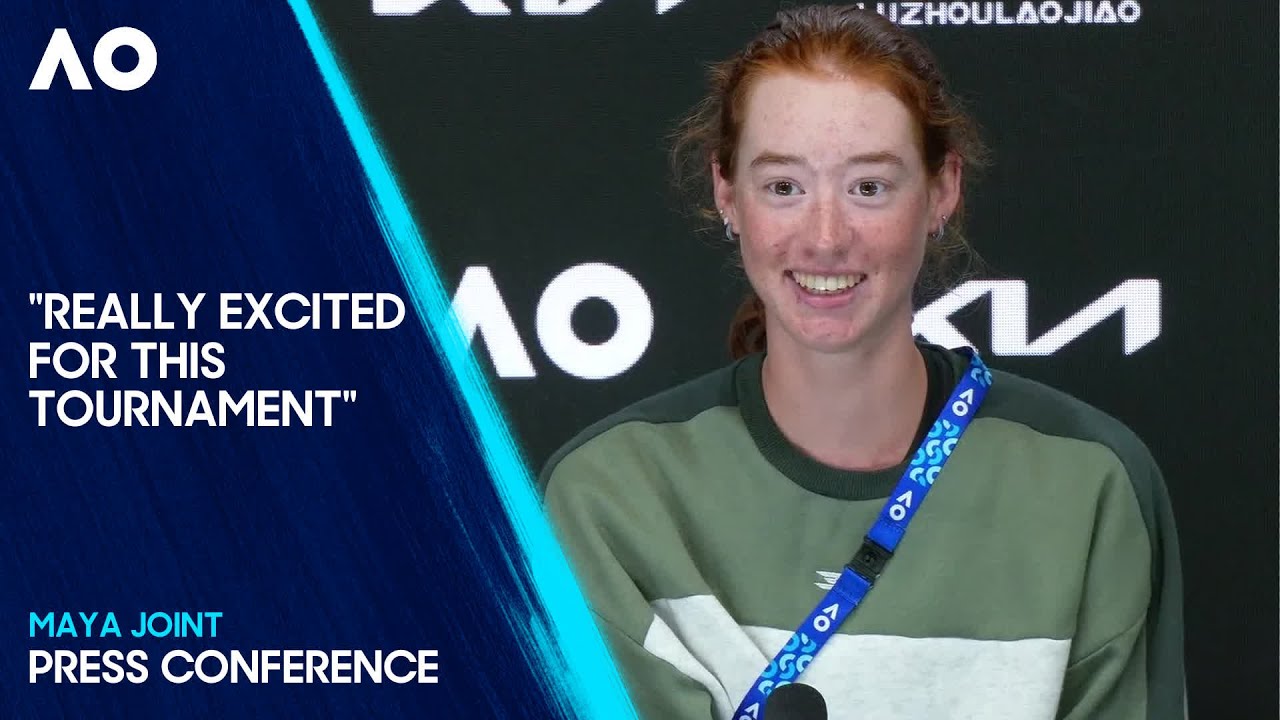
Her first full season as a professional turned into the kind of year most young players only sketch out as ambitions. At the Australian Open press conference the previous summer, she had reportedly set two goals: crack the top 100, and play the main draw at all four majors. She achieved both.
The season opened with a run to the semifinals at the Hobart International, where she recorded her first win over a top-50 player by beating Magda Linette. In early March, after a strong showing at the Merida Open in Mexico, she broke into the top 100 for the first time, becoming one of the very few teenagers inside that bracket. At the Madrid Open in April, aged 19 years and five days, she won her first WTA 1000 main-draw match and, in doing so, became the youngest Australian to win a WTA 1000 match, breaking a record previously held by Ashleigh Barty.
Ad SpaceIn-Article - 300x250
Advertisement
Then came the titles. In May, at the Morocco Open in Rabat, Joint won her first WTA Tour singles crown, beating Jaqueline Cristian in straight sets in the final, and she took the doubles title at the same event alongside Oksana Kalashnikova. The grass-court season delivered the second and more theatrical singles title. At the Eastbourne Open she beat a string of established names on her way to the final, including Ons Jabeur and Emma Raducanu, then edged Alexandra Eala in a three-set final, saving four match points before closing it out in a marathon final-set tiebreak. Two WTA 250 singles titles, on two different surfaces, in a single season is a serious statement from a first-year professional.
By the end of 2025 she had reached a career-high ranking in the low 30s, finished as the top-ranked Australian woman, and played the main draw at all four Grand Slams, exactly as she had set out to do. She also picked up further deep runs, reaching semifinals at events in Seoul and Hong Kong and testing top players such as Iga Swiatek along the way.
The hard-court autumn added more evidence. At the Cincinnati Open in August she beat 18th seed Beatriz Haddad Maia on her way to the third round, and at the US Open she reached the second round for a second straight year. In Seoul she knocked out third seed Clara Tauson before losing to Swiatek in the last four, and she made the semifinals in Hong Kong as a seeded player. Consistency at that level, week after week against ranked opponents, is what separated her 2025 from a one-off hot streak.
Playing style and what makes her hard to beat
Joint is a right-handed baseliner whose game leans on aggression and shot-making rather than pure defense. What stands out in her breakthrough results is a willingness to go after the ball in the biggest moments, the Eastbourne final being the obvious example, where saving four match points and winning a tiebreak deep into a decider requires nerve as much as technique.
Her range of surfaces is worth noting too. Her two singles titles came on clay and grass, and she has posted notable wins on hard courts, which suggests a game that travels rather than one tuned to a single setting. Observers have pointed to her competitiveness and her comfort in tight matches as defining traits, and her record in three-setters during 2025 backed that up. Her 2025 wins over the likes of Donna Vekic, then a top-20 player, and Magda Linette showed she could trouble established names rather than only clean up against lower-ranked opposition. It should be said that, as with any young player, the sample is still relatively small, and the true ceiling of her game will only become clear over more seasons. The step from beating good players on a good week to doing it consistently against the very top of the rankings is the one every prospect has to make, and it is the step still in front of her.
A difficult stretch in 2026
Progress in tennis rarely runs in a straight line, and Joint’s 2026 has illustrated that clearly. There were highlights early. She began the year at the United Cup representing Australia alongside Alex de Minaur, and she earned the 30th seeding at the 2026 Australian Open, the first Australian seed at her home major since Ashleigh Barty in 2022. In early February she reached a new peak, climbing to a career-high singles ranking of around No. 29 while also lifting her first WTA 500 doubles title in Abu Dhabi with Ekaterina Alexandrova.
The middle of the season proved harder. A prolonged losing streak in singles cost her ranking points and dropped her back down the rankings, and she arrived at the grass-court swing under pressure rather than riding momentum. Reports around the period described a lengthy run of consecutive tour-level singles defeats. For a player who had climbed so fast, the correction was a reminder of how thin the margins are once opponents have tape to study and expectations have risen.
The Serena Williams match at Wimbledon
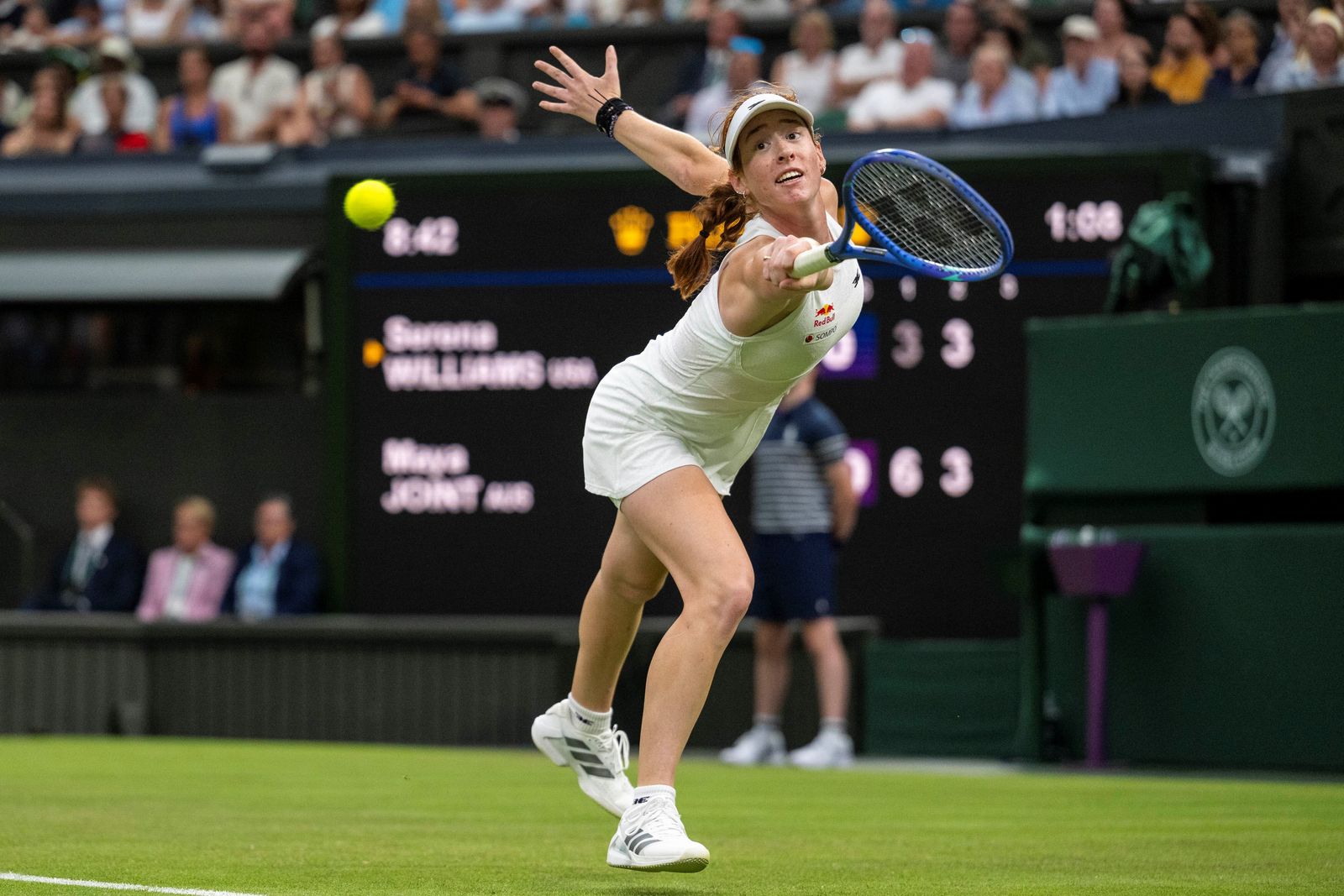
The moment that pushed Joint into headlines well beyond tennis came at Wimbledon in 2026. Serena Williams, one of the greatest players in the sport’s history, returned to singles competition on a wildcard after nearly four years away, and the draw sent her into a first-round meeting on Centre Court against the 20-year-old Australian.
Joint won it, coming through 6-3, 6-7, 6-3 in a three-set contest that Williams pushed hard, with the American’s daughters watching from the stands. The result carried obvious symbolic weight: a player who was in kindergarten when Williams was already collecting major titles ended that comeback in its opening round. Beating a legend in the twilight of her career is not the same as beating a peak rival, and it would be a mistake to read too much into a single scoreline. But for name recognition, few wins do more for a young player than one played out on the sport’s most famous court against its most famous name.
Endorsements and earnings, in context
Joint is sponsored by the Australian sportswear brand Elite Eleven, and her rise through the rankings has come with steadily growing prize money. Public tennis databases have listed her career prize money in the region of 1.5 million US dollars, a figure that reflects titles, deep runs, and Grand Slam appearances across her breakthrough seasons. Any figure quoted for a young player’s total earnings should be treated as an estimate rather than a precise, audited number, and endorsement income in particular is rarely disclosed in full. What is clear is that her commercial profile has room to grow, especially given her marketability as a young Australian at a time when the country is short on singles stars at the top of the women’s game.
Why the tennis world keeps watching her
Strip away the noise and a simple picture remains. Here is a player who, before turning 21, has won two tour-level singles titles on different surfaces, broken a national record once held by a former world No. 1, become her country’s leading woman, and beaten an all-time great at Wimbledon. She has also already tasted the harder side of the sport, a long losing run and a ranking slide that will test her resilience and her team’s ability to reset.
That combination is exactly what makes her worth following. The early-career trajectory shows genuine ceiling, the 2026 slump shows the work still ahead, and the Australian tennis system has invested in her as a long-term project rather than a passing story. Joint’s next stretch, how she rebuilds after a bruising middle season, will say more about her than any of the highlight-reel wins that first put her name in lights.
Ad SpaceIn-Article - 300x250
Advertisement
Share
Get the recap
Loved this story? Get more like it.
Join readers who get our weekly entertainment recap - the stories worth your time, delivered every Friday.
No spam. Unsubscribe anytime. By signing up you agree to our Privacy Policy.