Table of Contents
- The Case That Refused to Die
- What the Fourth Trial Actually Decided
- Who Are the OMG Girlz - and Why Did It Matter?
- A Bigger Battle: Black Artists and Intellectual Property
- MGA Entertainment’s Side of the Story
- What $18 Million - and No More - Says About T.I. and Tiny’s Long Fight
The Case That Refused to Die
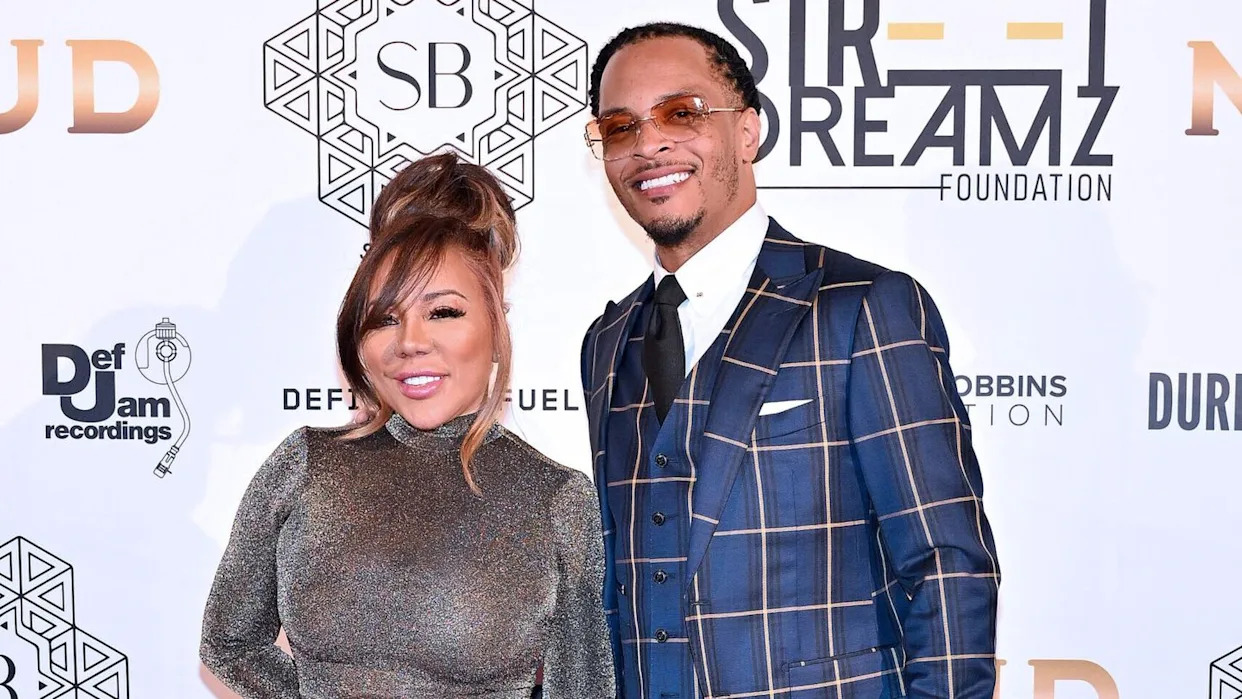
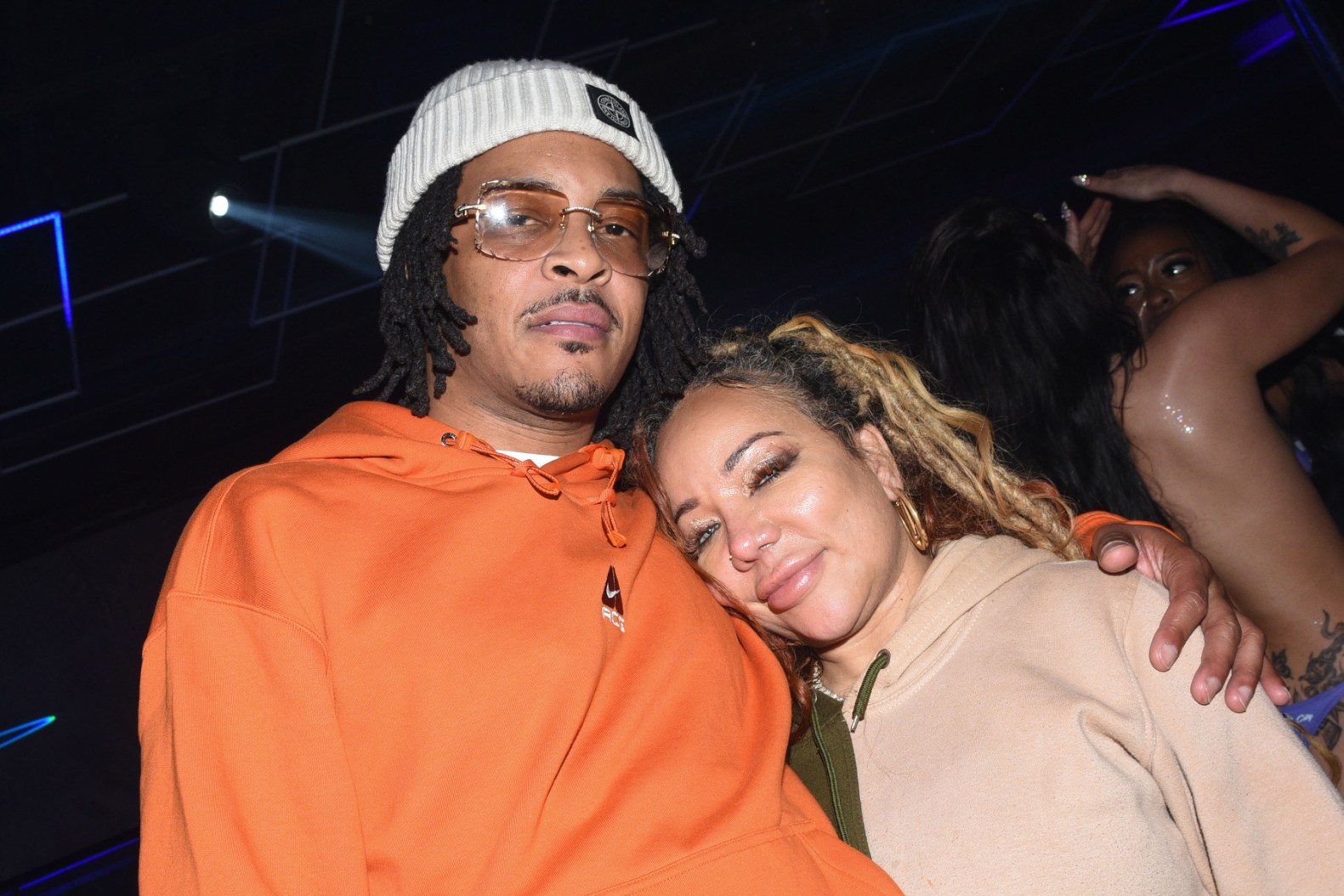
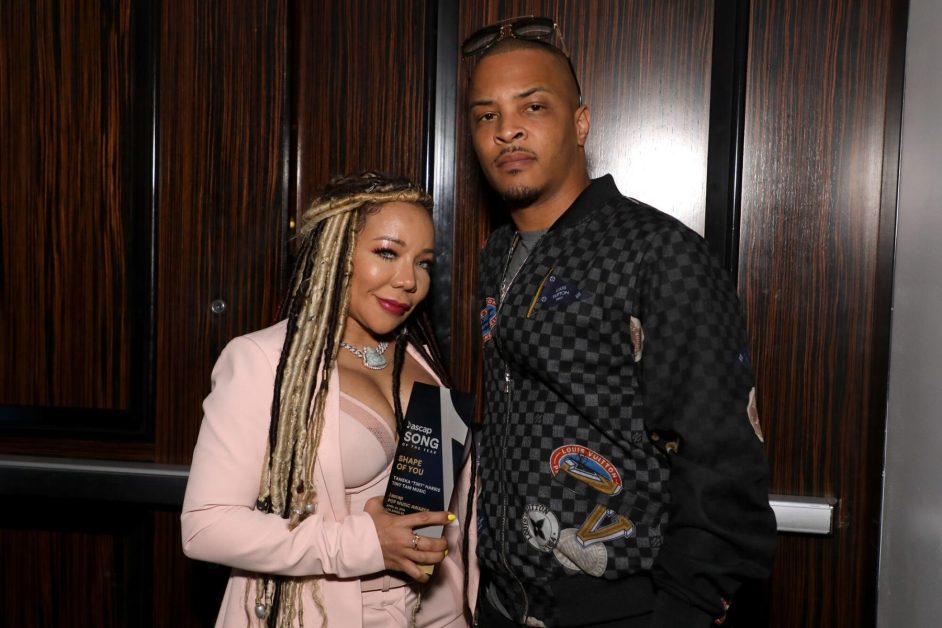
There is something almost cinematic about the fact that it took four separate trials to resolve a dispute between a hip-hop power couple and a toy company over a line of fashion dolls. When most people hear the names Clifford “T.I.” Harris and Tameka “Tiny” Harris, their minds go immediately to banger records, reality television, or the couple’s long and complicated public life. Very few people outside of entertainment law circles were watching this particular legal saga closely enough to understand what was genuinely at stake - not just for the Harrises, but for Black creators who build cultural products that get absorbed into billion-dollar commercial pipelines without credit, compensation, or even acknowledgment. The latest ruling in the T.I. and Tiny versus MGA Entertainment lawsuit has capped their potential damages at $18 million after a jury declined to award punitive damages, closing one of the more unusual intellectual property battles in recent celebrity legal history. But calling this story simply a win - or a loss - misses the point entirely.
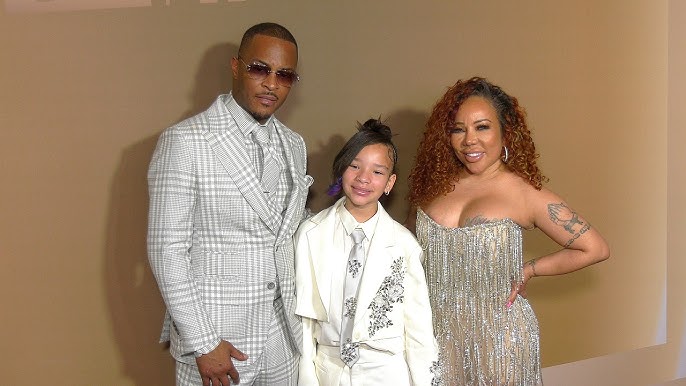
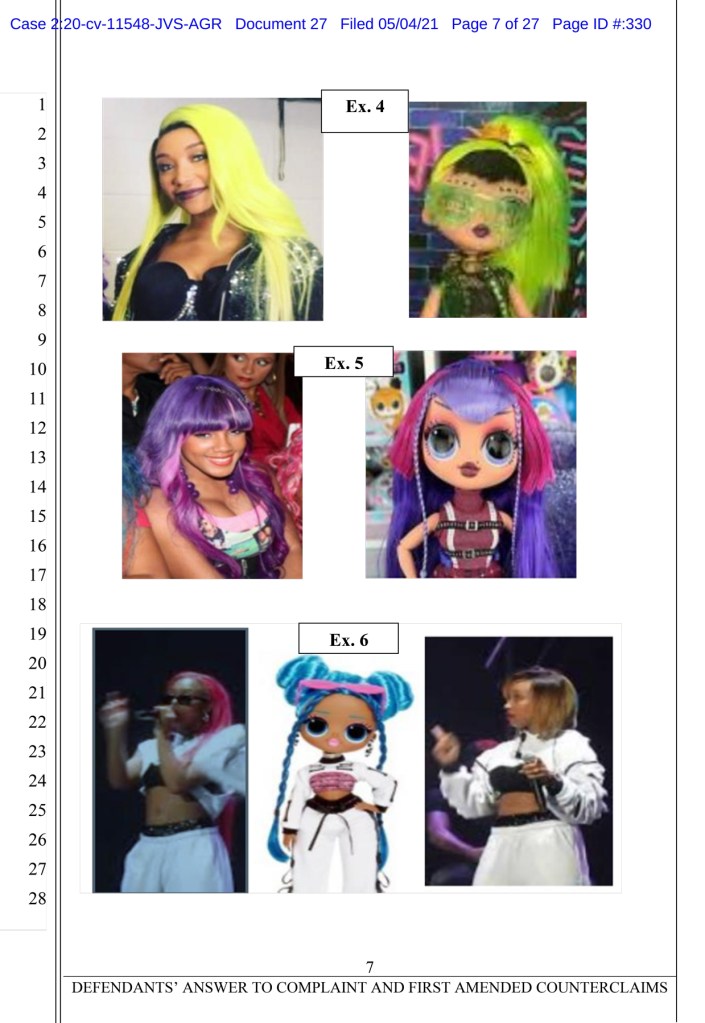
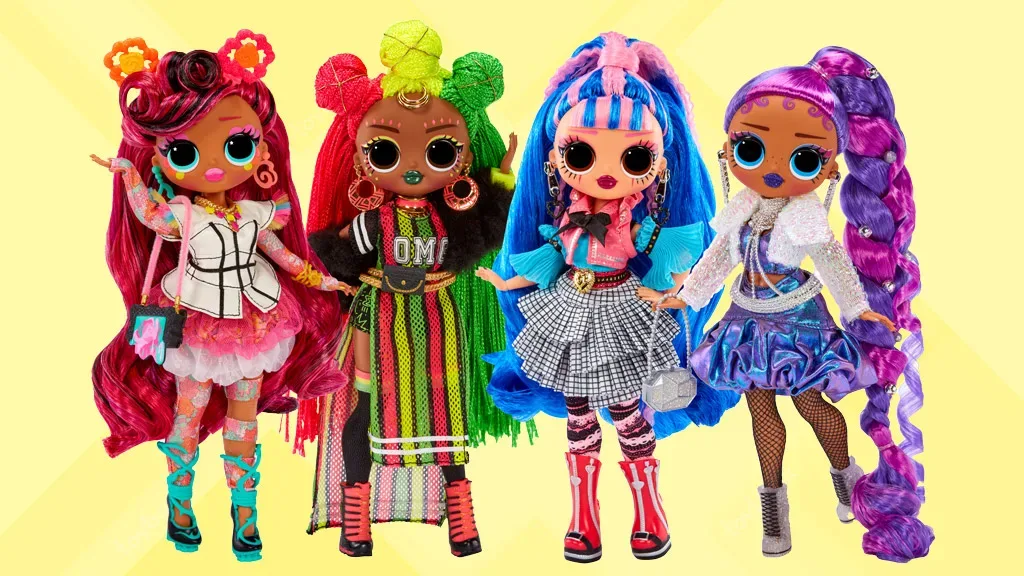
The lawsuit stretches back years and centers on a claim that MGA Entertainment, the Los Angeles-based toy giant behind the Bratz doll franchise, allegedly modeled its “OMG” fashion doll line after the aesthetic and identity of the OMG Girlz, a real girl group that Tiny Harris managed and that included the couple’s own daughter, Zonnique Pullins. The accusation was not a small one. The Harrises argued that the dolls’ signature look - bold, colorful, fashion-forward styling - was lifted directly from the group’s distinctive brand identity, a brand they had carefully cultivated over several years in the entertainment industry. MGA denied the claims, and what followed was a legal marathon that tested both sides’ patience, resources, and resolve across nearly half a decade of courtroom battles.
What the Fourth Trial Actually Decided
By the time the fourth trial wrapped, the jury had made a crucial distinction that legal observers will be dissecting for some time. While the Harrises were not denied compensation entirely - the $18 million figure remains on the table as compensatory damages from earlier proceedings - the jury specifically rejected the request for punitive damages, which are the kind of penalties courts award when they want to send a message to a defendant that their behavior was not just harmful but deliberately, egregiously wrong. Punitive damages in cases like this can multiply the total payout significantly, sometimes by several times the compensatory figure. Losing that element means the final amount the Harrises receive, while still substantial by any ordinary measure, falls well short of what their legal team had been pursuing through years of litigation.
The cap at $18 million is not a formal ceiling set by statute in this context but rather a reflection of what the jury was willing to validate based on the evidence presented. Courts apply different standards for punitive awards, and the jury’s refusal here suggests they were not convinced that MGA’s conduct met the threshold of malice or deliberate misconduct that punitive damages require. From a legal standpoint, that is a meaningful distinction - it means the jury believed harm may have occurred without necessarily concluding that MGA set out with the specific intention of stealing from the OMG Girlz. Whether that reading of the evidence is accurate or fair is a separate conversation, but it is the one the courtroom delivered.
Who Are the OMG Girlz - and Why Did It Matter?
The OMG Girlz were a girl group formed around 2009 that operated in the intersection of teen pop, R&B, and hip-hop aesthetics. Managed by Tiny Harris, the group included Zonnique Pullins (T.I. and Tiny’s daughter), Bahja Rodriguez, and Breaunna Womack, and they built a following through their vibrant, high-fashion, pop-art-influenced styling long before that aesthetic became as commercially dominant as it is today. They released music, toured, and cultivated a very specific visual identity - one that the Harrises argue was not accidental but deliberately designed, maintained, and commercially marketed. The group was never a mainstream chart phenomenon in the traditional sense, but they had a loyal fanbase and a recognizable visual signature that set them apart from typical teen acts of that era.
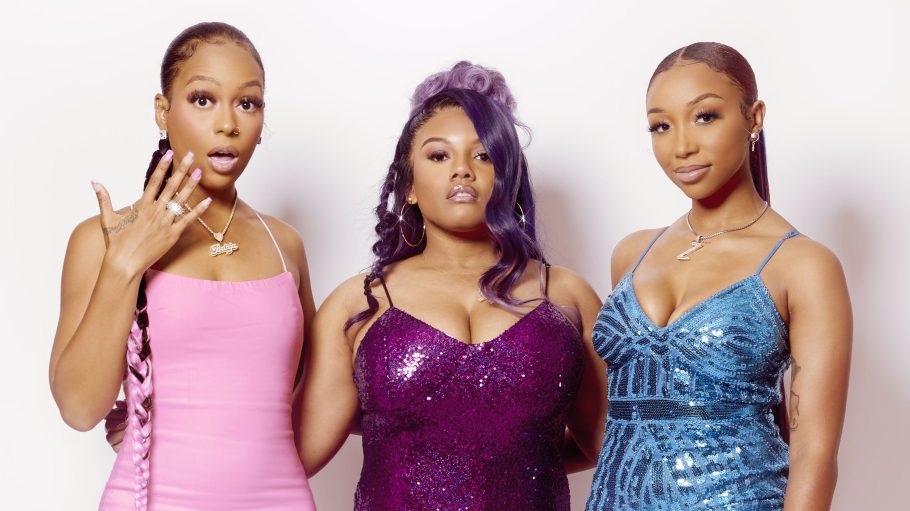
That specificity is exactly what made the lawsuit compelling. This was not a vague claim about general style inspiration - the Harrises presented arguments grounded in the documented timeline of the group’s aesthetic development, the commercial rollout of MGA’s OMG doll line, and the market similarities between the two. Whether or not a court ultimately validates that argument to the full financial extent the plaintiffs sought, the underlying question - can a Black-owned entertainment brand successfully argue that a major toy company appropriated its identity for profit - is one that resonates far beyond this single case. The OMG Girlz represented something real, and the legal fight to protect that reality played out across years of contested courtrooms.