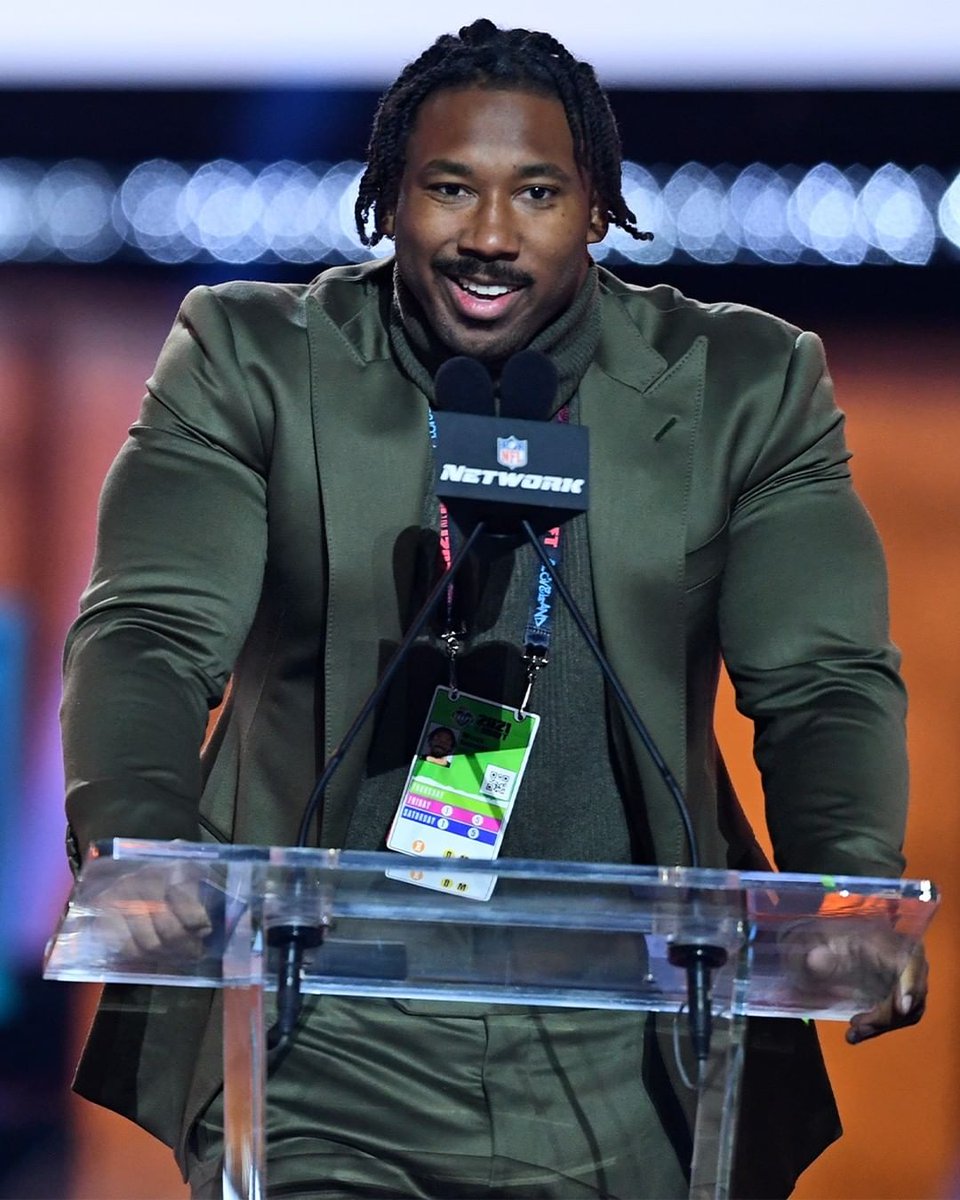

Twenty-three sacks in a single season is the kind of number that breaks spreadsheets before it breaks quarterbacks. That was Myles Garrett in 2025, a campaign that ended with his second Defensive Player of the Year trophy and reset what a pass rusher is allowed to be worth. Then, on June 2, 2026, the math changed again. The Cleveland Browns - the only NFL franchise Garrett had ever known - shipped him to the Los Angeles Rams in the most stunning trade of the offseason, sending the league’s most feared defender to a roster built to chase a Super Bowl. The man at the center of all of it carries a reported net worth in the neighborhood of $60 million, a figure that already feels stale given the contracts and commercials piling up around his name.
This is the story of how a kid from Arlington, Texas, who would rather talk about fossils than film study, became the highest-paid non-quarterback in football history, and what that fortune actually looks like when you separate the documented contracts from the estimated wealth.
The number that reset the market
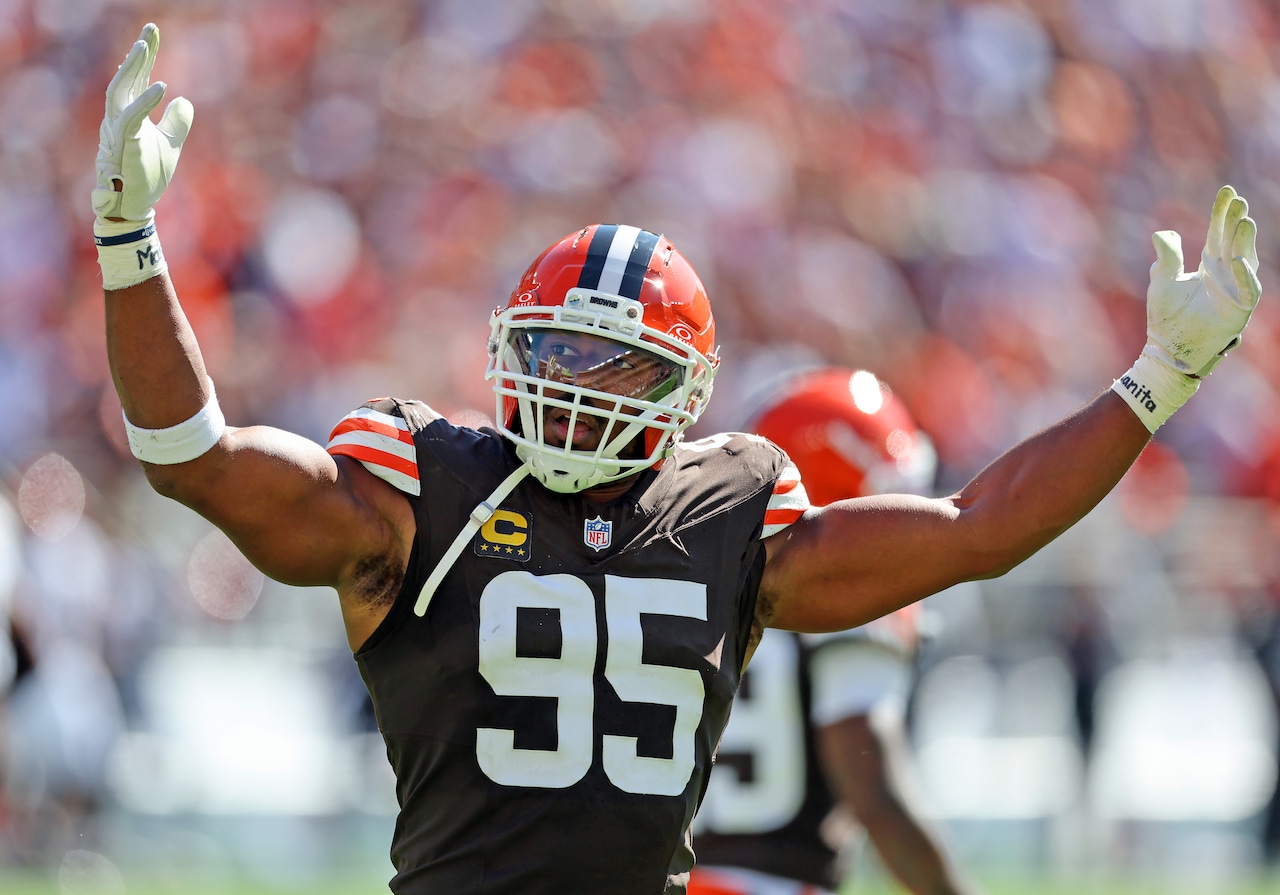
Start with the contract, because the contract is the part nobody has to guess about. In March 2025, Garrett signed a four-year, $160 million extension with the Browns. Per Spotrac and Over The Cap, the deal included roughly $123.5 million in guarantees and an average annual value of $40 million. At the moment of signing, it made him the highest-paid non-quarterback in NFL history and the highest-paid defensive player the league had ever produced.
That distinction matters. For decades, the financial ceiling in football belonged almost entirely to quarterbacks, with the occasional left tackle sneaking into the conversation. Pass rushers, no matter how dominant, were paid like luxuries rather than necessities. Garrett’s $40 million per year cracked that ceiling. He became the proof of concept that a defender who reliably collapses an offense’s protection is worth quarterback-adjacent money, and every elite edge rusher who negotiates after him will quietly thank him for it.
Contract value and net worth are two different animals, though, and the distinction is worth holding onto throughout this piece. A contract is a public, verifiable document tracked by sites like Spotrac and Over The Cap. Net worth is an estimate - an outside calculation of assets minus liabilities, built on incomplete information about taxes, agent fees, spending, and investments. When outlets such as Celebrity Net Worth peg Garrett at around $60 million, that is an informed guess, not an audited statement. Keep that in mind every time a round number appears.
Arlington and the Texas A&M pedigree
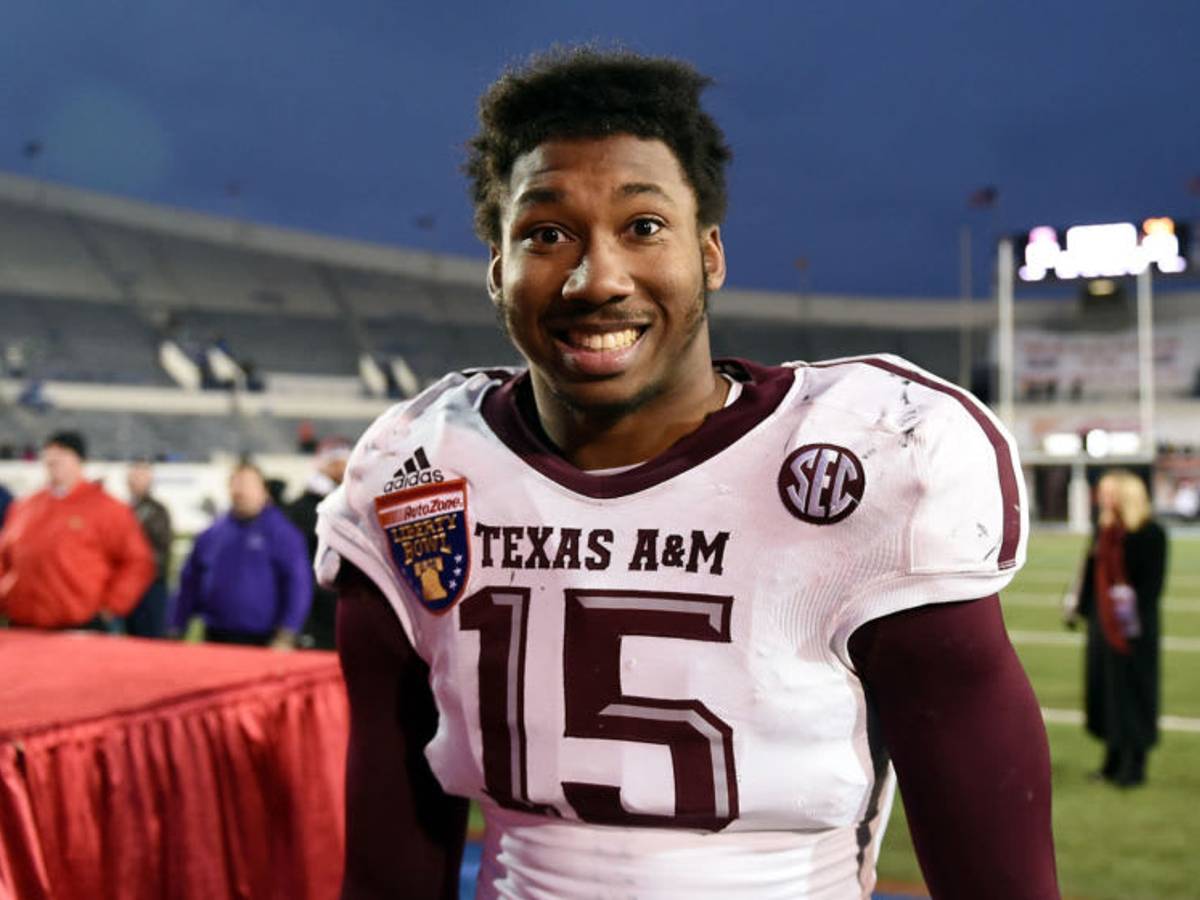
Myles Garrett was born December 29, 1995, in Arlington, Texas, a city that sits in the heart of a region obsessed with football. He was big early, fast early, and disruptive early, the kind of high school prospect college recruiters circle years in advance. He stayed close to home, choosing Texas A&M, and by his sophomore season he led the Southeastern Conference with 12.5 sacks while piling up nearly 20 tackles for loss and a fistful of forced fumbles.
College production like that does not stay quiet. Garrett entered the professional ranks as the rare prospect with almost no real flaws on tape - a combination of length, explosiveness, and bend that NFL scouts described in superlatives they normally reserve for fiction. He became the highest draft pick in Texas A&M history, which in a state where football borders on religion is a legacy line all its own. The Aggie pedigree gave him a platform before he had ever taken a professional snap, and that early brand value would compound for the rest of his career.
Going first overall

In April 2017, the Cleveland Browns selected Garrett with the first overall pick of the NFL Draft. The Browns were, at the time, a franchise synonymous with losing, and the first pick was a familiar piece of furniture for them. Garrett was supposed to be the cornerstone who changed that.
His first contract was fully guaranteed: a four-year deal worth roughly $30.41 million, anchored by a signing bonus of about $20.25 million, with the standard team option for a fifth year. For a 21-year-old, it was generational money. In hindsight, it was also a bargain. Rookie contracts in the NFL are deliberately cost-controlled, which means the league’s best young players spend their first several seasons producing at a level that vastly outpaces their pay. Garrett spent those years becoming the most disruptive defender in football while earning a fraction of what he would later command. The wealth came later. The leverage was being built the whole time.
What “Defensive Player of the Year” added to his value
There is a difference between being very good and being the consensus best, and that difference is measured in dollars. Garrett crossed it. He is a two-time Associated Press Defensive Player of the Year, first for the 2023 season and again for 2025, the second award arriving on the back of a historic year.
The 2025 season was the kind of statistical outlier that anchors a negotiation. Garrett recorded 23 sacks, one of the most prolific single-season totals the league has ever seen. He also became the first player since 1982 to register at least 12 sacks in six consecutive seasons, a run of sustained dominance from 2020 through 2025 that turned a great player into a historically reliable one. By the time the trade dust settled, his career sack total sat at 125.5.
Awards and records are not just trophies. They are leverage. Every honor Garrett collected tightened his grip in contract talks and widened his appeal to sponsors. A two-time award winner is not selling potential anymore. He is selling certainty, and certainty is the most expensive thing in professional sports.
The 2025 trade standoff and the record extension

The path to that record contract was not smooth, and it is worth telling honestly. In early 2025, Garrett publicly requested a trade out of Cleveland, frustrated with a franchise that kept losing around him. It was a jarring moment - the face of the defense asking to leave - and it set off weeks of speculation.
The Browns refused. Then they did the only thing that could realistically end the standoff: they paid him. The four-year, $160 million extension in March 2025 was, in effect, the price of keeping a generational talent who had made it clear he wanted to win. Browns general manager Andrew Berry called the idea of trading him a waste of breath. Garrett, in turn, was publicly cast as a “career Brown.”