African Nations at the 2026 FIFA World Cup: The Complete Guide to Groups, Squads and Star Players
Tristan Melo··10 min read
Ad SpaceArticle Top - 728x90
Advertisement
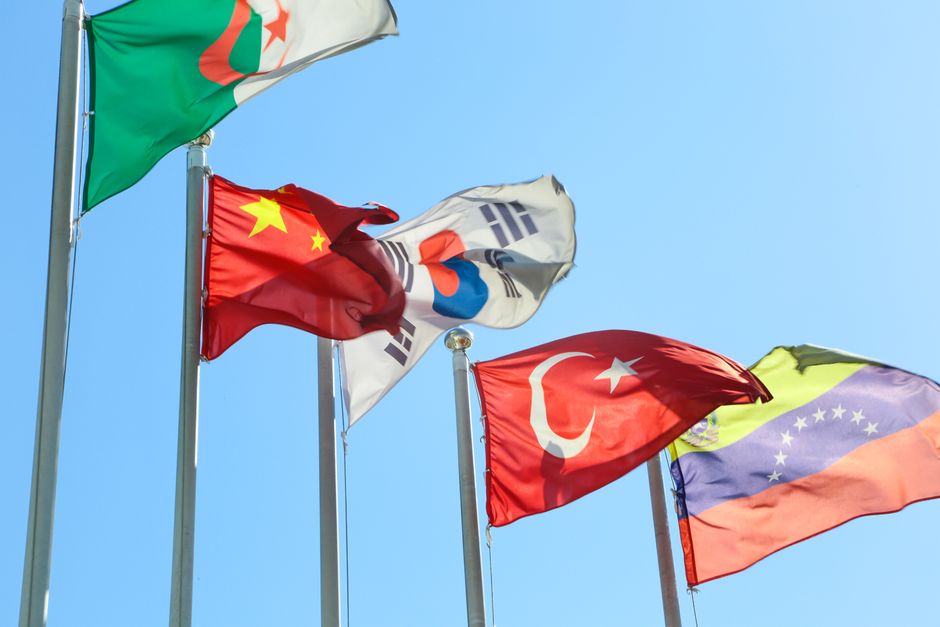
Ten flags will fly for the continent when the 2026 FIFA World Cup unfolds across the United States, Canada and Mexico. Never before has Africa sent so many teams to the same finals, and that single number tells a bigger story. The tournament expanded to 48 teams, CAF’s allocation jumped from five guaranteed slots to nine, and a tenth nation forced its way through the global play-off back door. For a continent that has long argued its football deserves more room at the top table, this edition is the closest thing to proof.
Below is a definitive, evergreen breakdown of every African side at the finals: how they got there, which group they landed in, the players who carry their hopes and what each can realistically chase once the whistle blows. Squad details, market values and form references should be treated as snapshots rather than fixed facts, since rosters and fitness shift right up to kickoff. What is locked in is the qualification picture and the draw, both confirmed before the tournament began.
How Africa Earned 10 Places
CAF redesigned its qualifying format once the expanded slots were confirmed. Fifty-three nations were sorted into nine groups of six, with each group winner booking a direct ticket. That produced nine automatic qualifiers. The four best group runners-up then entered a mini play-off staged in Morocco, and the winner of that bracket advanced to the inter-confederation play-off for one final shot at a global slot.
The nine direct qualifiers were Morocco, Tunisia, Egypt, Algeria, Ghana, Cape Verde, South Africa, Senegal and Ivory Coast. DR Congo completed the set. The Leopards finished as the strongest runner-up, won the CAF play-off in Morocco, then came through the intercontinental play-off to claim the tenth and final African berth. Nigeria, a perennial heavyweight, did not make it. The Super Eagles reached the CAF play-off final but lost to DR Congo on penalties, ending their campaign one round short. It is the cleanest illustration yet that qualification can no longer be assumed for any African name, however storied.
Morocco - Group C
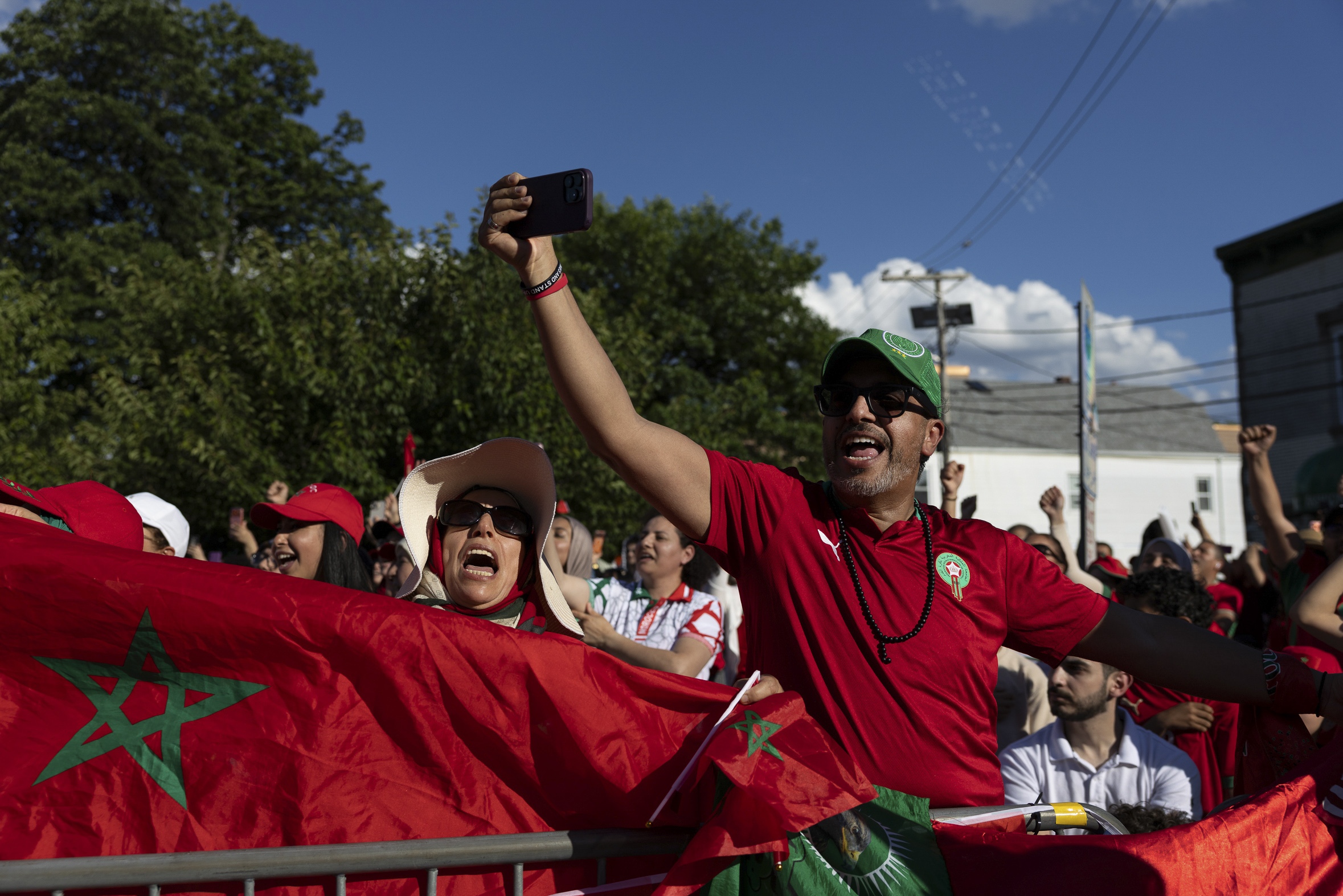
No African nation arrives with higher expectations. Morocco reached the semi-finals in 2022, the first African or Arab team ever to go that deep, and the core of that side remains intact and battle-hardened. Captain Achraf Hakimi, the marauding right-back who plays his club football at Paris Saint-Germain, is the engine and emblem of this generation. Around him sit Real Madrid’s Brahim Diaz, who switched his international allegiance and has flourished in red, plus the midfield craft of Azzedine Ounahi and the emerging Bilal El Khannouss. Up front, Youssef En-Nesyri carries the memory of the header that knocked out Portugal four years ago.
Morocco landed in Group C alongside Brazil, which guarantees a marquee fixture and a genuine test of where they stand against the global elite. Realistic ambition here is not just survival. This is a team that believes it can reach the latter stages again, and given the depth and tournament scar tissue they carry, that belief is grounded rather than romantic.
Senegal - Group I
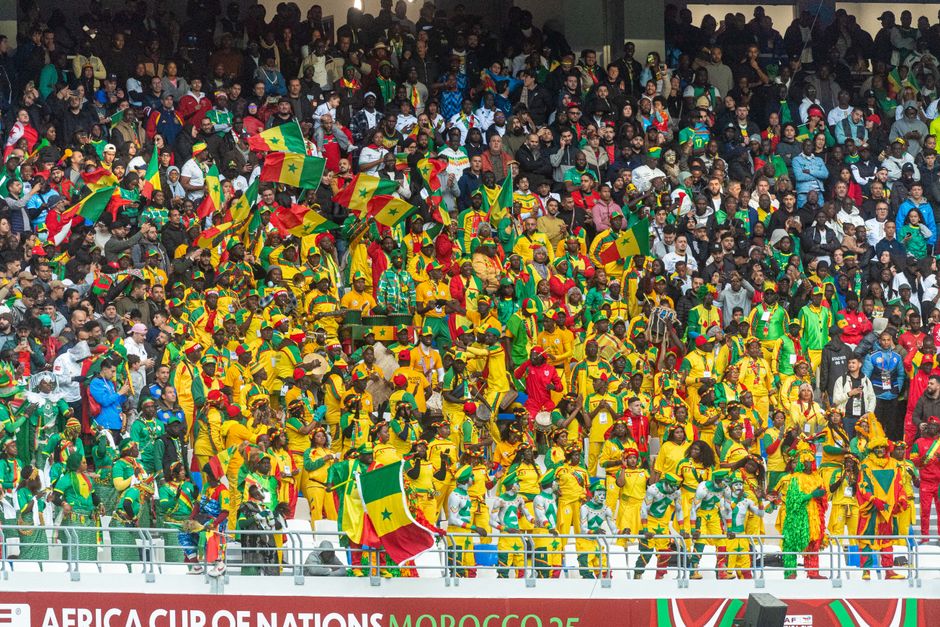
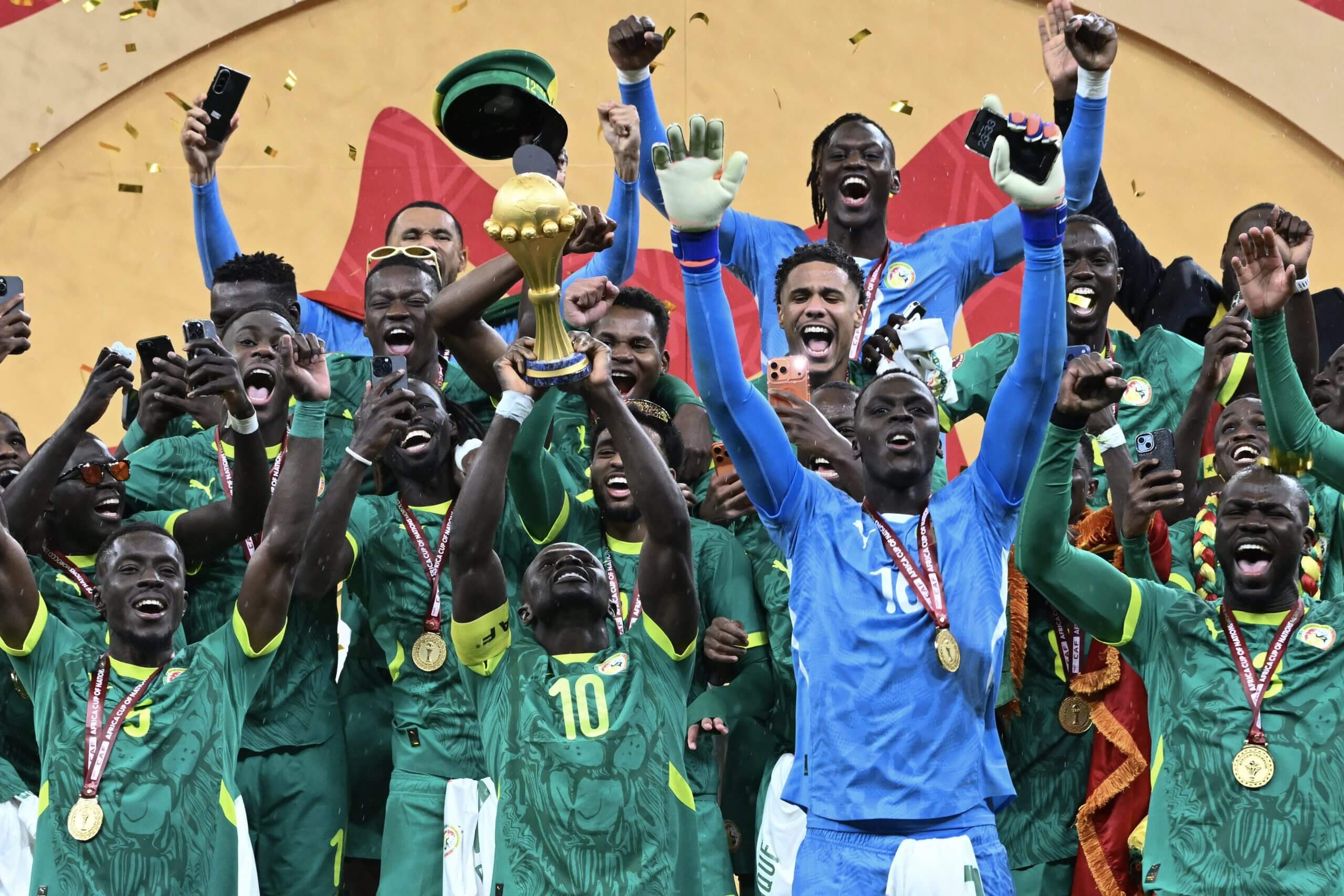
Senegal travel as one of Africa’s most complete squads, blending experience with a wave of Premier League talent. Sadio Mane, the country’s all-time leading scorer and now playing in Saudi Arabia, remains the spiritual leader. The supporting cast is deep: Crystal Palace’s Ismaila Sarr, Tottenham’s Pape Matar Sarr in midfield, Bayern Munich’s Nicolas Jackson leading the line, and the goalkeeping experience of Edouard Mendy behind them. Few African nations can match that spread of top-flight pedigree across every line.
The draw was unkind in one sense and poetic in another. Senegal share Group I with France, the former colonial power and a fixture loaded with dual-heritage storylines, since several Senegalese-born or Senegalese-descended players have represented France over the years. Senegal won the Africa Cup of Nations in 2021 and have reached a World Cup knockout round before. A repeat run to the last 16, with an outside shot at going further, is a fair measure of what this group can achieve if the pieces hold together.
Egypt - Group G
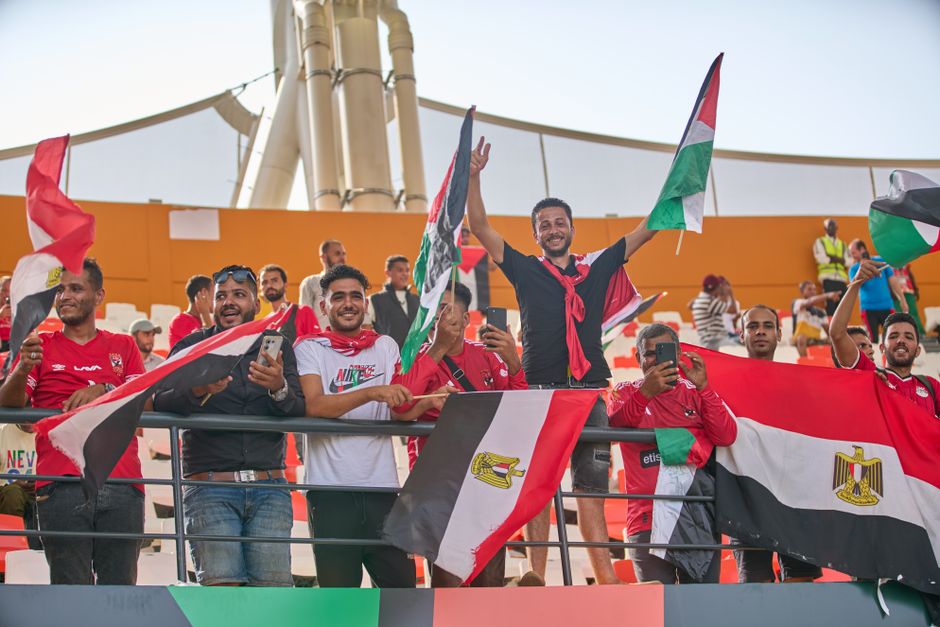
For Egypt, qualification ended a long and painful wait. The Pharaohs are record seven-time African champions, yet World Cup appearances have been rare and often brief. This time they topped their qualifying group with authority, and the reason is not hard to find. Mohamed Salah, the Liverpool forward and one of the most recognisable footballers on the planet, finally has the supporting structure to make a tournament count. Manchester City’s Omar Marmoush adds a second genuine attacking threat, which Egypt have historically lacked when Salah was marked out of games.
Egypt drew into Group G. The challenge for them is converting individual brilliance into the kind of collective resilience that World Cup knockout football demands. A place in the round of 32 would represent solid progress; anything beyond that would be a genuine landmark for a football nation that has waited a long time to make noise on this stage.
Algeria - Group J
Algeria return to the World Cup after missing the previous two editions, a drought that stung a country with one of the proudest footballing histories on the continent. The Desert Foxes won AFCON in 2019 and produced the top scorer of the entire African qualifying campaign in Mohamed Amoura, the Wolfsburg forward whose goals were central to their group win. Amine Gouiri of Olympique Marseille gives them a second sharp attacking option, while veterans such as Riyad Mahrez bring tournament know-how and a sense of occasion.
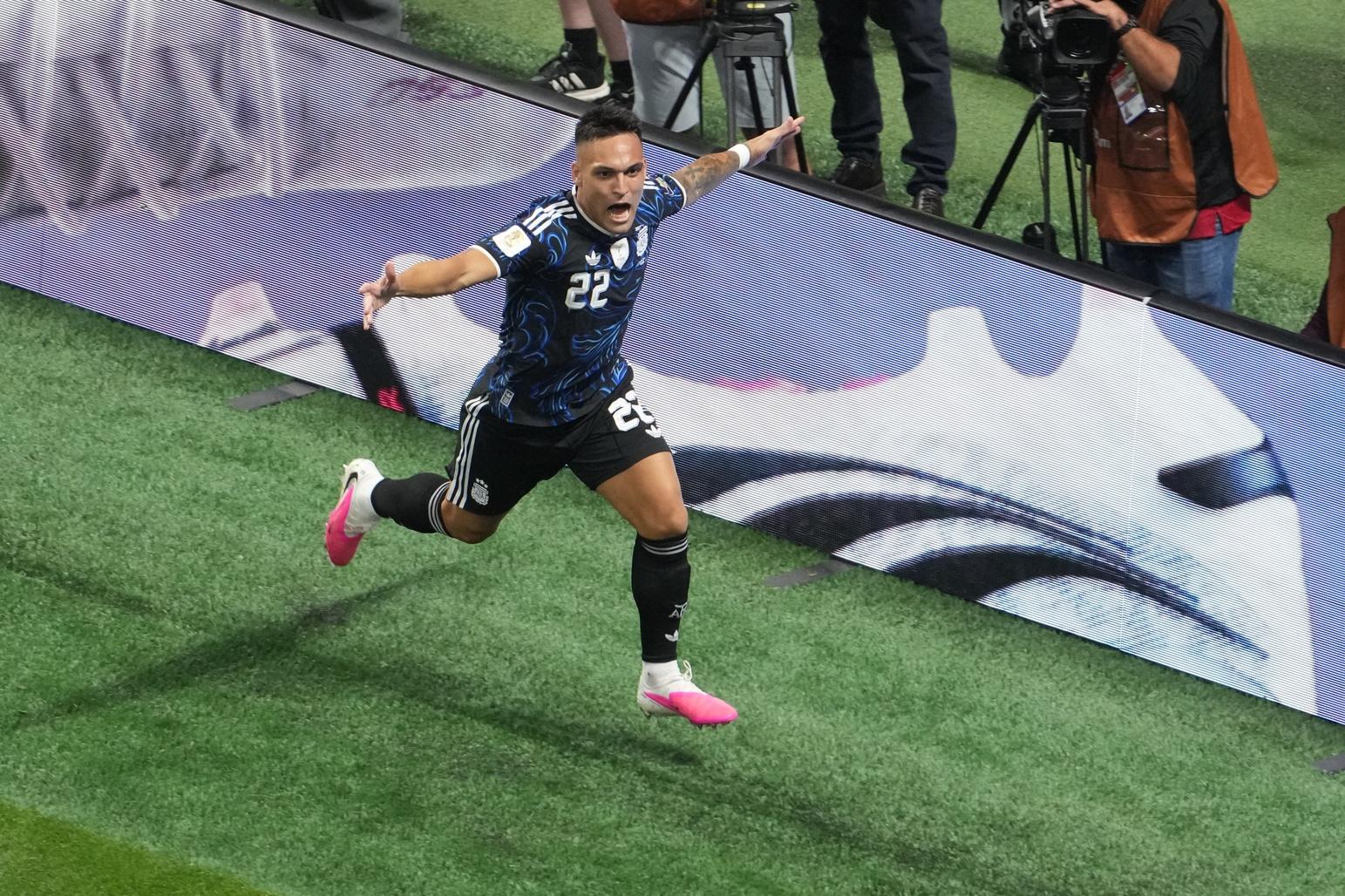
The draw handed Algeria a daunting headline fixture: Group J pairs them with Argentina, the reigning world champions. That is the kind of stage Algerian football lives for, given the country’s famous 1982 win over West Germany and a long memory of upsetting bigger names. Reaching the knockout phase would feel like a redemption after years on the outside, and this squad has the firepower to make it competitive.
Tunisia - Group F
Tunisia are veterans of this tournament, qualifying for a seventh appearance overall. They rarely arrive as favourites and rarely embarrass themselves either, and that steady, organised identity defines them again. Captain Ellyes Skhiri of Eintracht Frankfurt anchors the side with experience and discipline, while Burnley’s Hannibal Mejbri brings Premier League energy and creativity to the engine room. The squad leans on structure, work rate and set-piece threat rather than individual superstardom.
Ad SpaceIn-Article - 300x250
Advertisement
Tunisia were drawn into Group F. Their historic problem has been the same one many African sides face: solid in the group, but rarely able to translate organisation into the goals needed to advance. The honest target is to be hard to beat, take points off a fancied opponent and give themselves a live final group game. A first run past the group stage would be a real breakthrough for the Carthage Eagles.
Ivory Coast - Group E
Ivory Coast arrive as reigning African champions, having lifted AFCON on home soil in a dramatic 2023 edition (played in early 2024) that captured the continent. That triumph rebuilt belief in a nation that had underachieved relative to its talent for years. The current squad blends defensive solidity with pace in wide areas. Evan Ndicka anchors the back line, Wilfried Singo offers athleticism, and captain Franck Kessie remains the midfield heartbeat. Younger attackers, including Bundesliga breakout Yan Diomande, give the side a fresh edge.
The Elephants were placed in Group E. As continental champions they carry weight and confidence, but the World Cup is a different examination from AFCON, and Ivory Coast have historically flattered to deceive at this level despite their golden generations. Escaping the group would validate the momentum from their AFCON triumph and silence the old criticism that Ivorian football peaks at home but stumbles abroad.
Ghana - Group L
Ghana’s qualification was a relief and a reset. The Black Stars had endured a rough few years, including a group-stage exit at the previous World Cup and turbulence around their federation. Under an experienced coaching hand, they topped their group and restored a measure of pride. Thomas Partey, the Villarreal midfielder with years of Premier League service, gives them control in the middle, while captain Jordan Ayew led the way in qualifying goals. Antoine Semenyo and Inaki Williams add Premier League and elite-level attacking quality.
There is one caveat worth flagging honestly: Ghana’s most gifted individual, attacking talent Mohammed Kudus, faced a fitness question around the squad announcement, and his availability for the finals was uncertain at the point of selection. Reports differed, so his status is best treated as unconfirmed rather than assumed either way. Ghana were drawn into Group L. With four World Cup appearances behind them, including a famous quarter-final run in 2010, the Black Stars know how to spring a surprise. A knockout-stage place would feel like genuine redemption.
Cape Verde - Group H
No story at this World Cup is more remarkable than Cape Verde’s. The Blue Sharks, representing an island nation of roughly half a million people, qualified for the first time in their history and rank among the smallest countries ever to reach a World Cup. Their rise has been a slow, deliberate climb up the African ladder, built on a tight-knit squad and a diaspora that stretches across Europe. Captain and all-time top scorer Ryan Mendes leads a group that mixes veteran resolve with younger talent, including midfielder Jamiro Monteiro and forward Dailon Livramento.
Cape Verde drew one of the hardest possible routes in Group H, where they face Spain among others. For them, the realistic ambition is not measured in points alone. Simply being there, on the same pitch as the game’s giants, is already a victory that will inspire a generation of small footballing nations. Anything they take from the group stage would be pure history.
South Africa - Group A
South Africa return to the World Cup for the first time since they hosted it in 2010, ending a long absence that frustrated a nation with deep football culture. Bafana Bafana qualified through a disciplined, well-organised campaign under a coach who has rebuilt the side around a clear identity. Captain and goalkeeper Ronwen Williams is the heartbeat, a shot-stopper who has produced decisive moments at continental level. In front of him, midfielder Teboho Mokoena and Burnley striker Lyle Foster carry the attacking responsibility, supported by a strong domestic-league core from Mamelodi Sundowns and Orlando Pirates.
South Africa were drawn into Group A alongside host nation Mexico, which guarantees a charged atmosphere and a high-profile opening stage. Their squad is less star-studded than the North African heavyweights, but their cohesion and structure make them awkward opponents. Reaching the knockout stage, something they have never done, is the dream this generation openly chases.
DR Congo - Group K
DR Congo wrote the most dramatic qualification chapter of all. The Leopards returned to the World Cup for the first time in over half a century, last having appeared in 1974 under the name Zaire. They earned it the hard way: a runner-up finish, victory in the CAF play-off, and then a nerve-shredding run through the intercontinental play-off to grab Africa’s tenth slot. Experienced defender Chancel Mbemba, nicknamed the Minister of Defence by supporters, leads the side, while Newcastle forward Yoane Wissa gives them genuine cutting edge up front.
DR Congo were placed in Group K. As the lowest-profile of the African qualifiers in betting terms, they carry little pressure and a great deal of freedom. That combination has historically made teams dangerous. Few will expect them to advance, which is precisely the kind of underdog framing that has fuelled surprise runs before. Their presence alone, ending a 52-year wait, is already a triumph for Congolese football.
What This Many African Flags Really Means
Strip away the group draws and the squad lists and a deeper point remains. Ten African teams at one World Cup is not just a quota expansion; it is a recalibration of where the continent sits in the global game. The talent has been there for decades, scattered across the best leagues in Europe. What changed is the room to show it on the sport’s biggest stage all at once. Morocco’s 2022 semi-final run cracked the ceiling that always seemed to hang over African football at the World Cup, and this expanded field gives nine other nations the chance to push against it together.
The spread of stories matters too. You have heavyweights like Morocco, Senegal and Egypt arriving with realistic knockout ambitions, returning giants like Algeria, Ghana and South Africa chasing redemption, and the pure fairy tales of Cape Verde and DR Congo, who turned long odds into history. For Sidomex readers across Nigeria and the diaspora, the absence of the Super Eagles will sting, a reminder that no place is guaranteed anymore and that the competition within Africa has never been fiercer. That sting is part of the same story: a continent whose football has grown strong enough that even its biggest names can be left behind. When the tournament unfolds across North America, every one of those ten flags carries the weight of a continent that has waited a long time to be counted this fully.
Ad SpaceIn-Article - 300x250
Advertisement
Share
Get the recap
Loved this story? Get more like it.
Join readers who get our weekly entertainment recap - the stories worth your time, delivered every Friday.
No spam. Unsubscribe anytime. By signing up you agree to our Privacy Policy.