
2026 FIFA World Cup Round of 32: Everything You Need to Know About the New Knockout Format
Entertainment

2026 FIFA World Cup Round of 32: Everything You Need to Know About the New Knockout Format

Miki AndersonMiki Anderson··7 min read
Advertisement

Table of Contents

The Biggest World Cup Ever

2026 FIFA World Cup Round - The Biggest World Cup Ever

When FIFA officially confirmed the expanded format for the 2026 World Cup back in 2017, football fans had mixed feelings. Some were thrilled at the idea of more nations getting a seat at the grandest table in global sport. Others worried the tournament would be diluted, bloated, and stripped of the dramatic tension that made previous editions so iconic. Fast forward to now, and with the 2026 edition – jointly hosted by the United States, Canada, and Mexico – genuinely on the horizon, the conversation has shifted from debate to excitement. The Round of 32 is no longer a theoretical concept. It is becoming a reality, and the fixtures are beginning to take shape in ways that have football fans absolutely glued.

This will be the first World Cup to feature 48 national teams, up from the 32 that competed at Qatar 2022. That single change has an enormous ripple effect on every aspect of the tournament – from the group stage structure to the knockout rounds, from the number of host stadiums required to the sheer volume of matches fans will have the privilege of watching. The 2026 edition is set to feature 104 matches in total, compared to the 64 played in Qatar. For context, that is a tournament roughly 60 percent larger in scope than anything the world has seen before. That is not just a number. That is a statement about where football is heading as a truly global sport.

How the Round of 32 Actually Works
2026 FIFA World Cup Round - How the Round of 32 Actually Works

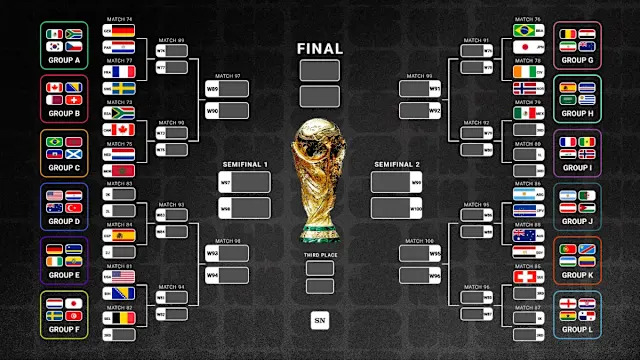
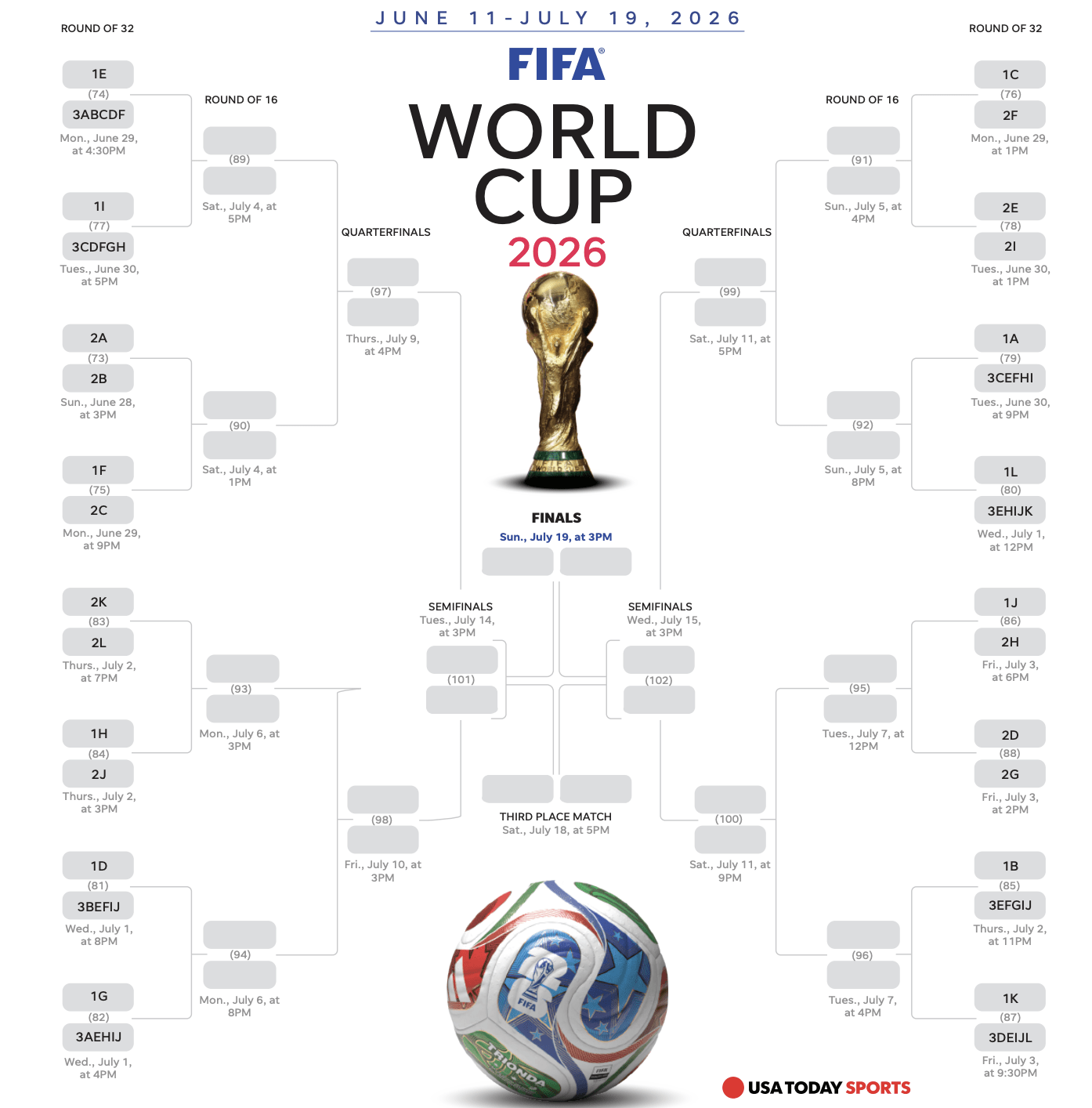
The introduction of the Round of 32 is the structural change that has generated the most curiosity among casual supporters and tactical analysts alike. Under the new format, the 48 teams are divided into 12 groups of four, with each group playing a round-robin schedule. The top two teams from each group advance automatically to the Round of 32, and that accounts for 24 spots. The remaining eight spots are filled by the best third-placed teams from across all 12 groups, which brings the total to 32 teams heading into the first knockout round. It is a system borrowed loosely from how UEFA handles its European Championship format, and it means that finishing third in your group is not necessarily a death sentence – though you will need a strong goal difference and disciplined defensive record to make the cut.
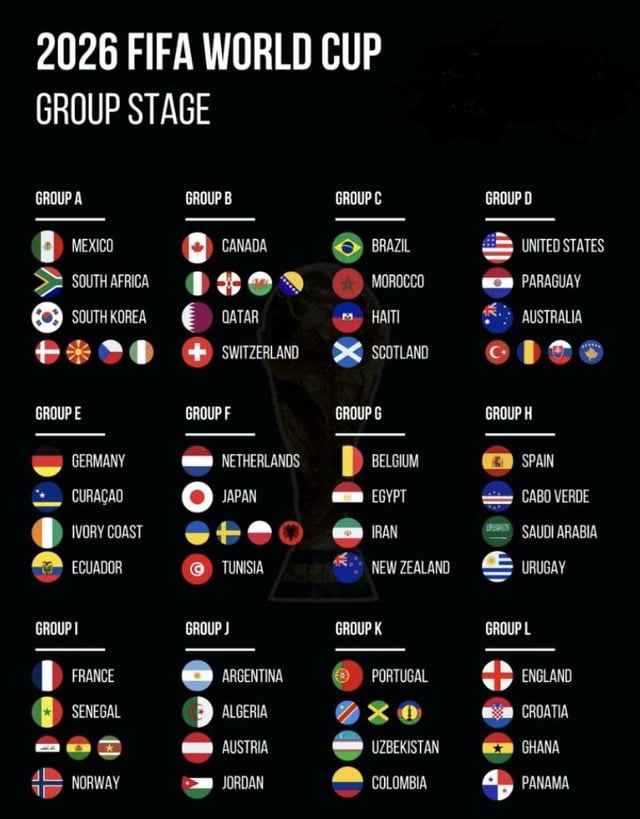
FIFA 2026 World Cup group stage draw ceremony
Image: Reddit

What makes this format particularly compelling from a fan perspective is the unpredictability it introduces. Teams that might have been eliminated at the group stage under the old 32-team setup now have a legitimate path to the knockout rounds. That means more nations with genuine stakes heading into final matchdays. It means fewer dead rubbers. It means more moments where a single goal can change everything – for a player, for a nation, for an entire generation of football fans watching back home. The Round of 32 fixtures, as they are confirmed, will match group winners and runners-up in ways designed to keep the bracket competitive and geographically interesting across the three host countries.

Teams Already Punching Their Tickets

2026 FIFA World Cup Round - Teams Already Punching Their Tickets

Several nations have already secured their places at the 2026 World Cup through their respective continental qualification campaigns, and the list is a fascinating mix of perennial powerhouses and exciting rising forces. From South America, Brazil and Argentina – the reigning world champion – have confirmed their spots, as expected. Europe’s qualification groups have produced their usual cast of major contenders, with nations like Germany, Spain, France, England, and Portugal all on course. But perhaps the more interesting stories are coming from the edges of the traditional football world, where nations in Asia, the Caribbean, and the Pacific are securing historic first or rare appearances on football’s biggest stage.
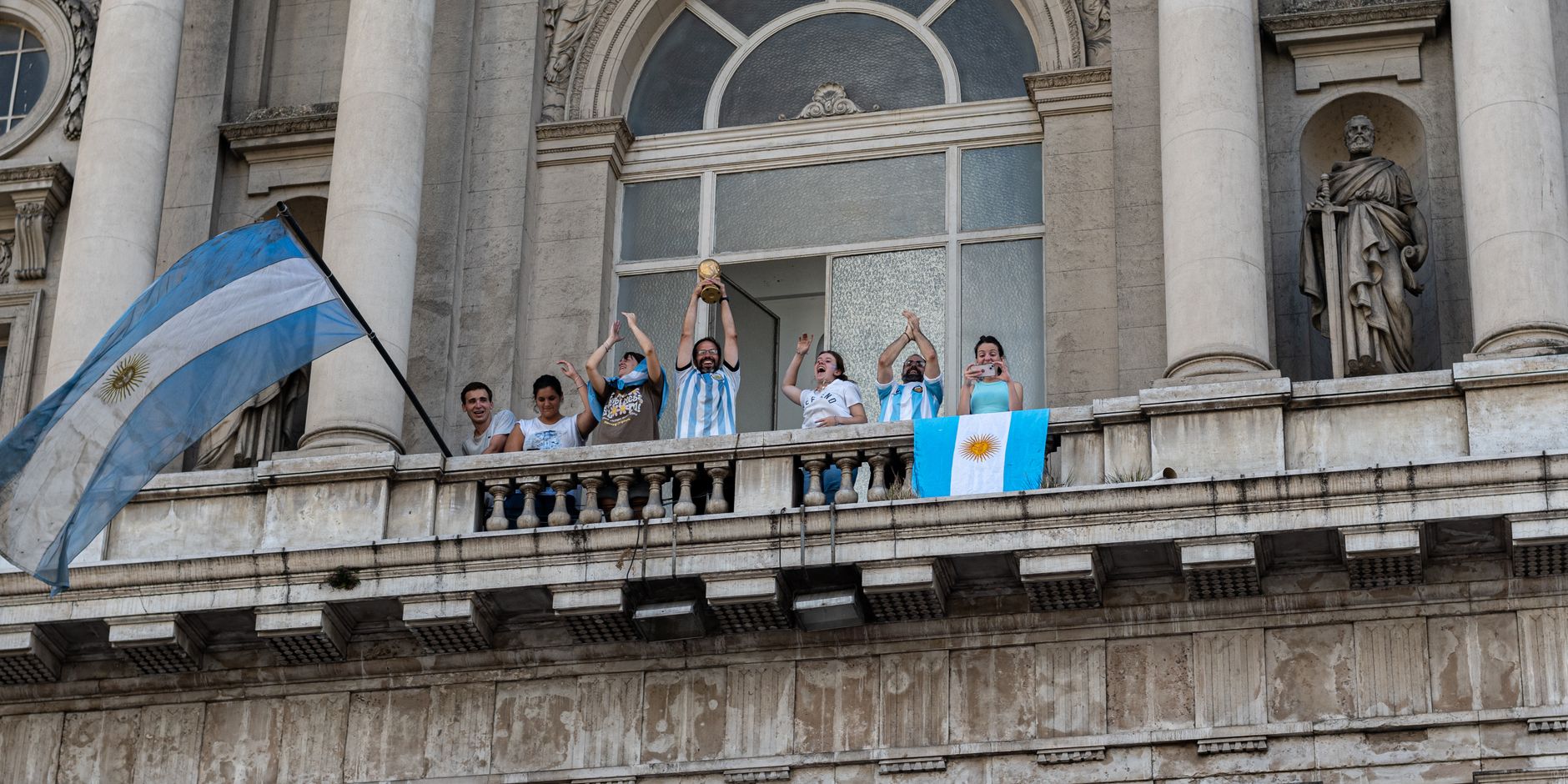
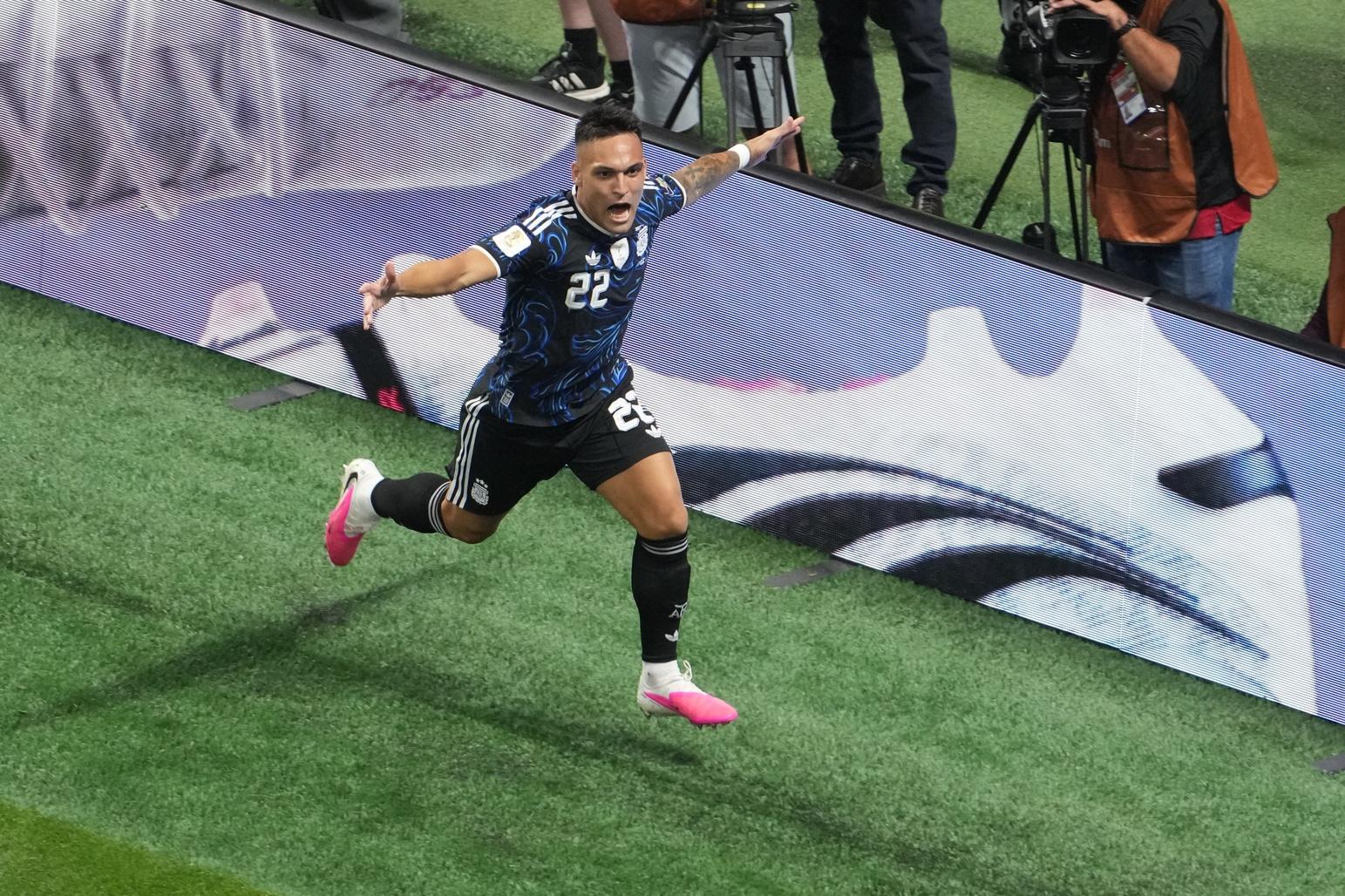
Argentina national football team celebrating World Cup qualification
Photo by Fabrizio Velez / Pexels

The expanded 48-team format means that CAF (the Confederation of African Football) now has nine guaranteed spots, up from five at Qatar 2022. CONCACAF receives 6.5 spots (with a potential intercontinental playoff slot on top), and AFC (Asian Football Confederation) gets 8.5 spots. These expanded allocations are already producing qualification races of intense drama across every confederation. The point is simple: 2026 will see a genuinely more diverse field than any World Cup before it, and that diversity will make the Round of 32 draw a global event in itself – one that fans from Lagos to Los Angeles will be staying up to watch.
Advertisement

USA, Canada, and Mexico – The Host Nations Factor

2026 FIFA World Cup Round - USA, Canada, and Mexico - The Host Nations Factor

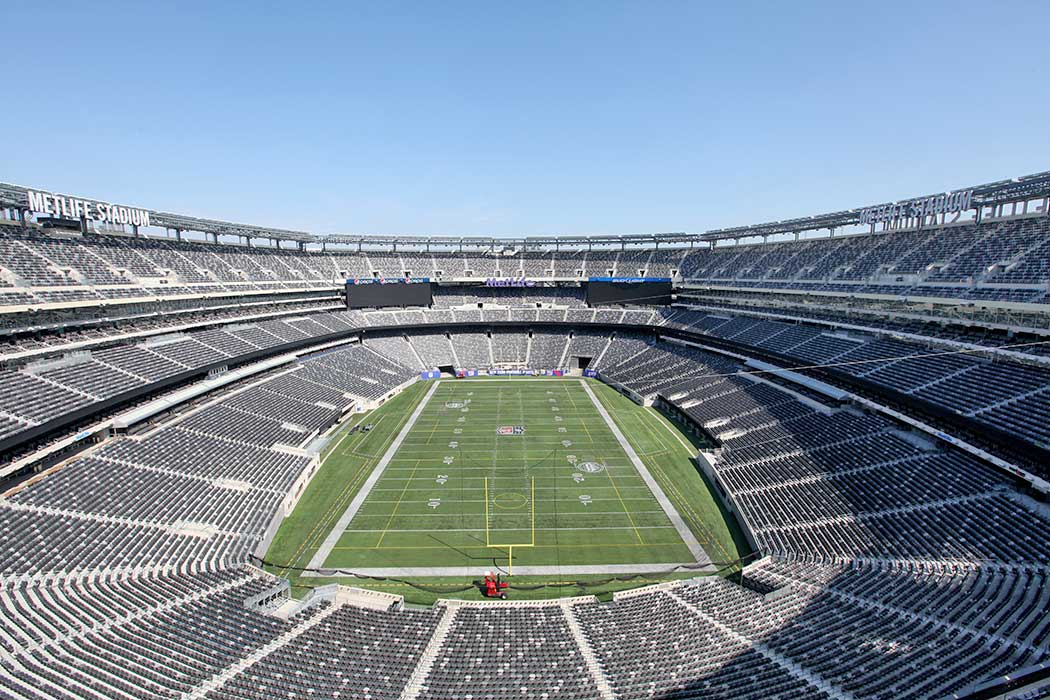
As co-hosts, the United States, Canada, and Mexico all receive automatic qualification, bypassing the need to earn their spots through CONCACAF’s competitive qualifying rounds. For the USMNT (United States Men’s National Team), this is a significant relief given the embarrassment of missing the 2018 World Cup entirely after failing to qualify from CONCACAF. Head coach Gregg Berhalter guided a young American squad to the Round of 16 at Qatar 2022, and playing on home soil in 2026 – in front of massive crowds at iconic venues like MetLife Stadium, AT&T Stadium, and the Rose Bowl – raises the expectation levels considerably. Home crowd energy is a genuine variable in tournament football, and the Americans know they need to deliver.

MetLife Stadium set to host 2026 FIFA World Cup matches including the final
Image: Thornton Tomasetti

Mexico’s footballing culture makes them a fascinating home host. El Tri have a complicated relationship with tournament expectations – they famously reached the Round of 16 at seven consecutive World Cups before crashing out in the group stage at Qatar 2022 under Gerardo Martino. The 2026 edition represents not just a chance to perform on home soil, but an opportunity for a national footballing reset in front of some of the most passionate supporters on the planet. Canada, meanwhile, made their first World Cup appearance since 1986 at Qatar 2022 and are building genuine momentum with a generation of talented players including Alphonso Davies and Jonathan David. For the Canucks, 2026 is about proving that Qatar was just the beginning.

Africa’s Golden Generation and the 2026 Dream

2026 FIFA World Cup Round - Africa's Golden Generation and the 2026 Dream

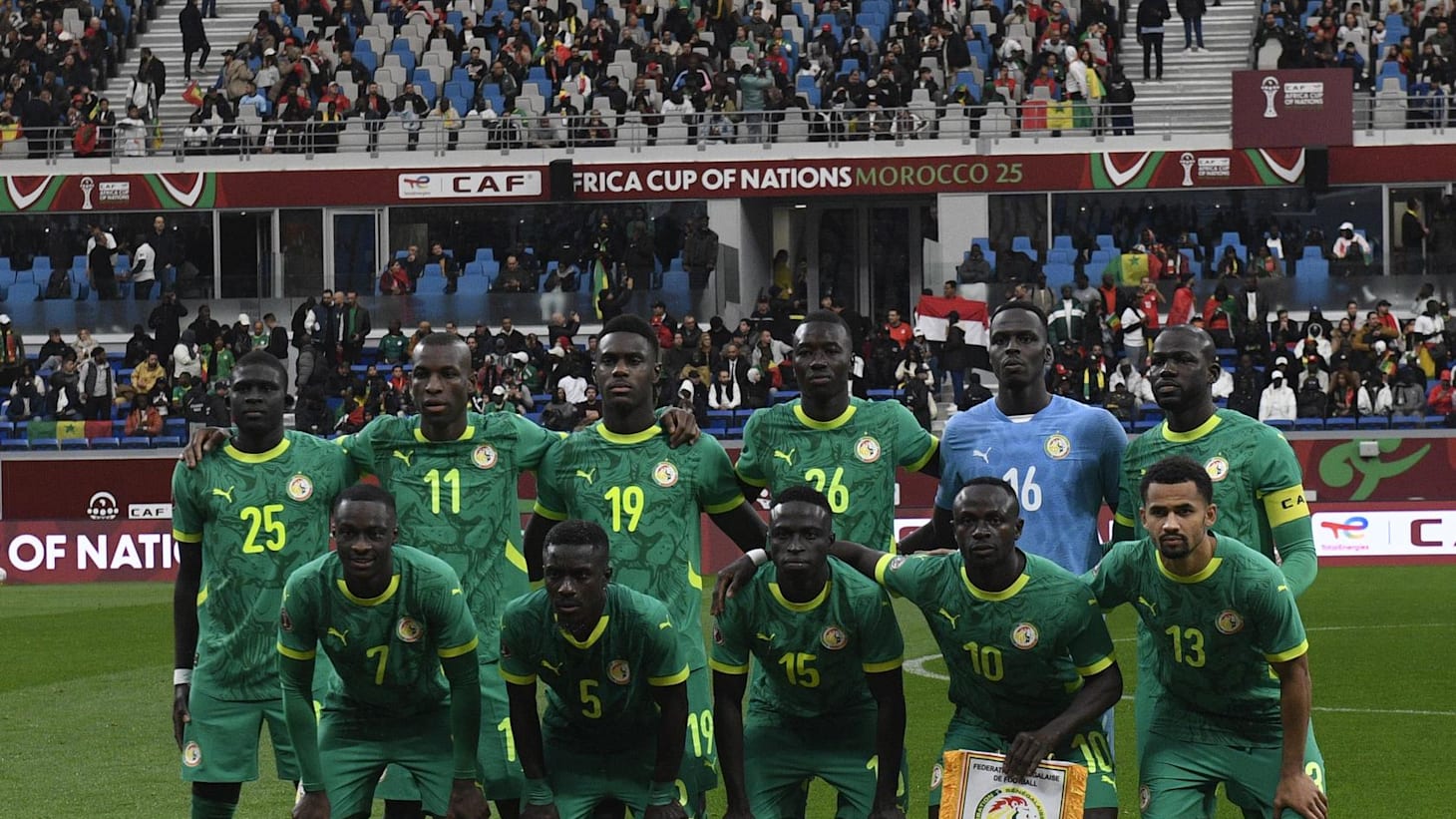
From an African football perspective, the 2026 World Cup could not be arriving at a better time. The continent is producing some of the most technically gifted and physically complete footballers in the world right now, and nine qualification spots mean that the best of African football will be properly represented on the global stage. Nigeria’s Super Eagles, Senegal’s Lions of Teranga, Morocco’s Atlas Lions, Ivory Coast, Egypt, Cameroon, Ghana, and South Africa are among the nations in qualification contention, and the battles across the AFCON qualification groups have been nothing short of thrilling. Morocco in particular, fresh off their historic semi-final run at Qatar 2022 where they became the first African nation to reach that stage, carry the continent’s hopes for something even bigger.

For African football fans – and given Sidomex’s readership, that means a massive community of passionate supporters across Nigeria, Ghana, Senegal, and beyond – the expanded format is genuinely good news. Nine spots means that a bad result in a single AFCON qualifying group match is less likely to be catastrophic. It means more African football on the world stage, more African players getting the exposure that can define careers, and more moments for the continent to celebrate collectively. The question for Africa going into 2026 is not just about qualifying – it is about finally going deep. Morocco showed it is possible. Now the rest of the continent wants to follow their footsteps.

48 Teams, One Winner – What the Math Really Means for Football’s Grandest Prize

Here is the thing that gets lost in all the structural conversation: at the end of 104 matches across three countries and dozens of stadiums, there is still only one trophy. One champion. The math of the expanded tournament does not dilute that. If anything, it makes the journey to lifting the World Cup more grueling and more meaningful than it has ever been. A nation that wins the 2026 World Cup will have played seven matches in the knockout rounds alone (Round of 32, Round of 16, Quarter-finals, Semi-finals, and the Final), on top of three group-stage matches. That is ten games of World Cup football to reach the summit. No flukes. No shortcuts. Just the best team in the world, proven across the longest World Cup campaign in history.

The Round of 32 is not just a new round – it is a philosophical shift in what the World Cup means as a competition. It is FIFA’s acknowledgment that football belongs to the whole world, not just its historically powerful nations. And as the fixtures continue to be confirmed and the brackets begin to solidify, one thing is crystal clear: the 2026 FIFA World Cup is already shaping up to be the most anticipated, most watched, and most globally representative sporting event ever staged. The world is watching, and the whistle has not even blown yet.

Advertisement
Share
Get the recap

Loved this story? Get more like it.

Join readers who get our weekly entertainment recap - the stories worth your time, delivered every Friday.

No spam. Unsubscribe anytime. By signing up you agree to our Privacy Policy.

2026 FIFA World Cup Round of 32:... | Sidomex Entertainment