
Table of Contents
- The End of an Era for Jackass
- What to Expect from Best and Last
- The Jackass Legacy: From MTV to the Big Screen
- New Stunts, Old Faces, and a Lot of Heart
- Why Jackass Matters More Than People Think
- Final Verdict: A Worthy Goodbye
The End of an Era for Jackass
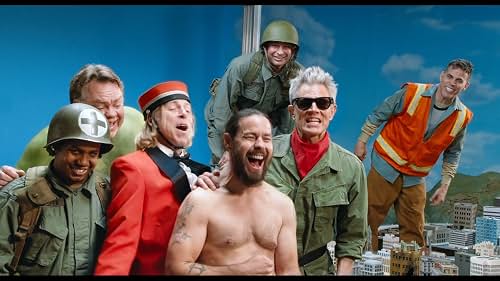
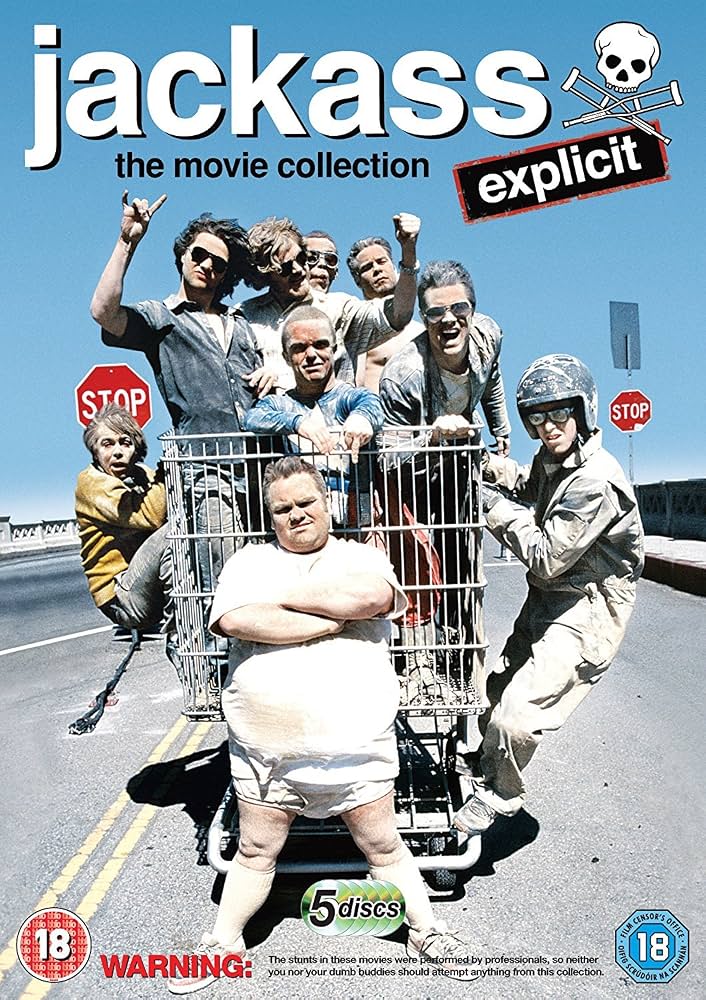
There are very few entertainment franchises in modern pop culture that have managed to stay both culturally relevant and gloriously, stubbornly themselves across more than two decades - and Jackass is one of them. What started as an MTV sketch show in 2000 featuring a group of grown men doing increasingly dangerous and absurd things to each other has now reached its official conclusion with Jackass: Best and Last, the fifth and reportedly final film in the franchise. It is a strange and genuinely emotional thing to type, because for all the broken bones and bodily fluids that have defined this series, Jackass has always been, at its core, a show about friendship. And saying goodbye to that, even in the messiest way imaginable, carries real weight.
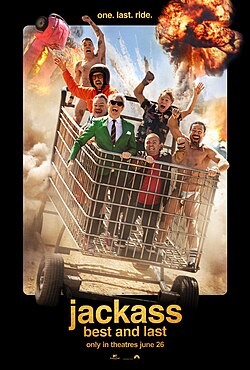
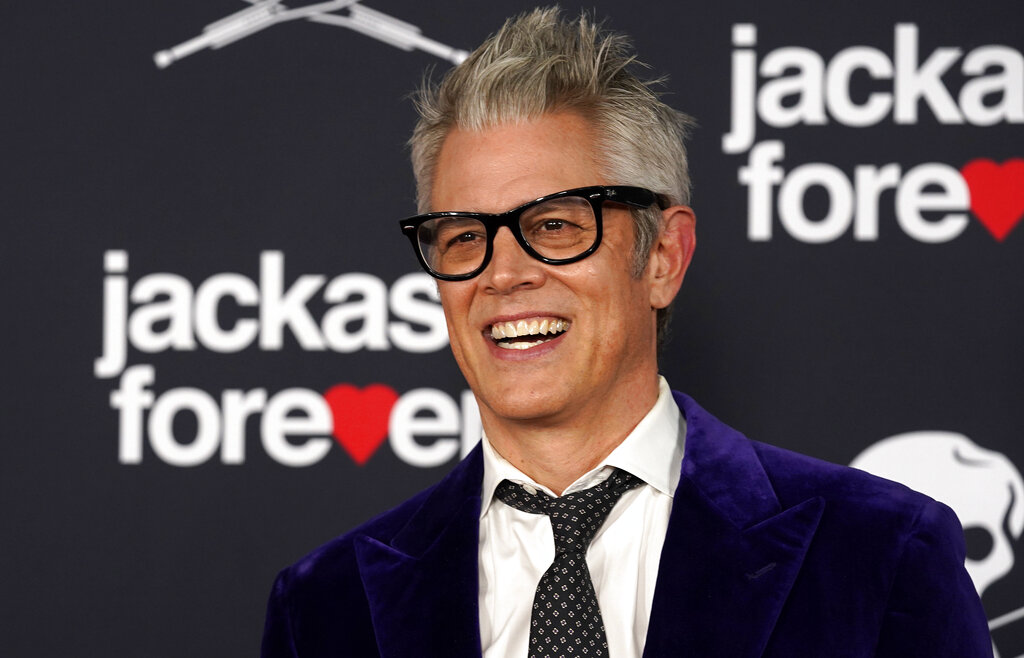
The announcement that Best and Last would close the book on the franchise came alongside growing recognition that the crew - many of them now in their 40s and 50s - had simply pushed their bodies about as far as human physics will allow. Johnny Knoxville, the unofficial ringmaster of the entire operation, made headlines after Jackass Forever in 2022 when he suffered a serious brain injury during filming that ultimately led him to step back from performing the most dangerous stunts. That film was already being discussed as a likely finale, but Best and Last makes it official, and it does so with a combination of new material and the kind of retrospective warmth that acknowledges the audience has grown up alongside these guys.
What to Expect from Best and Last
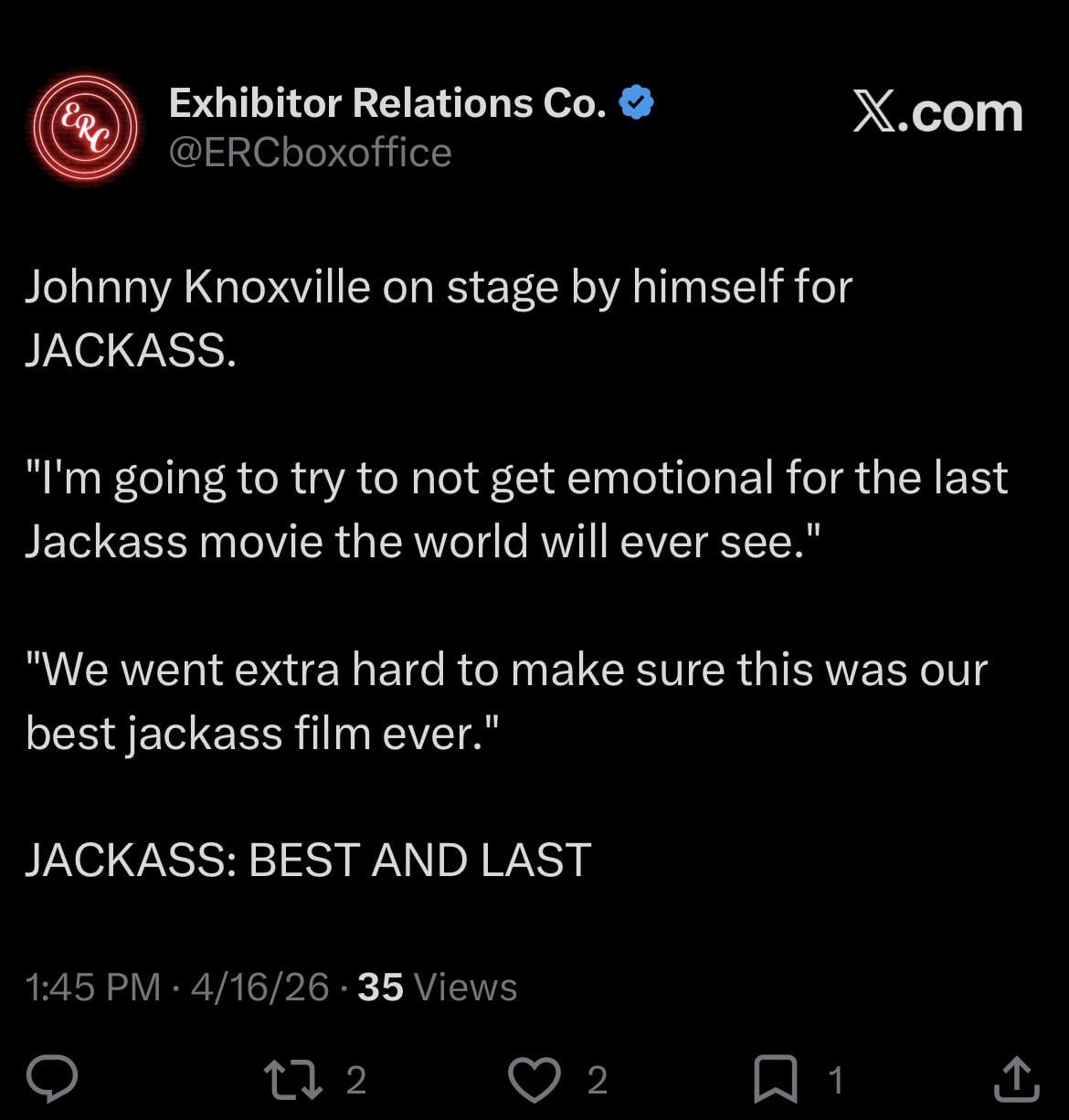
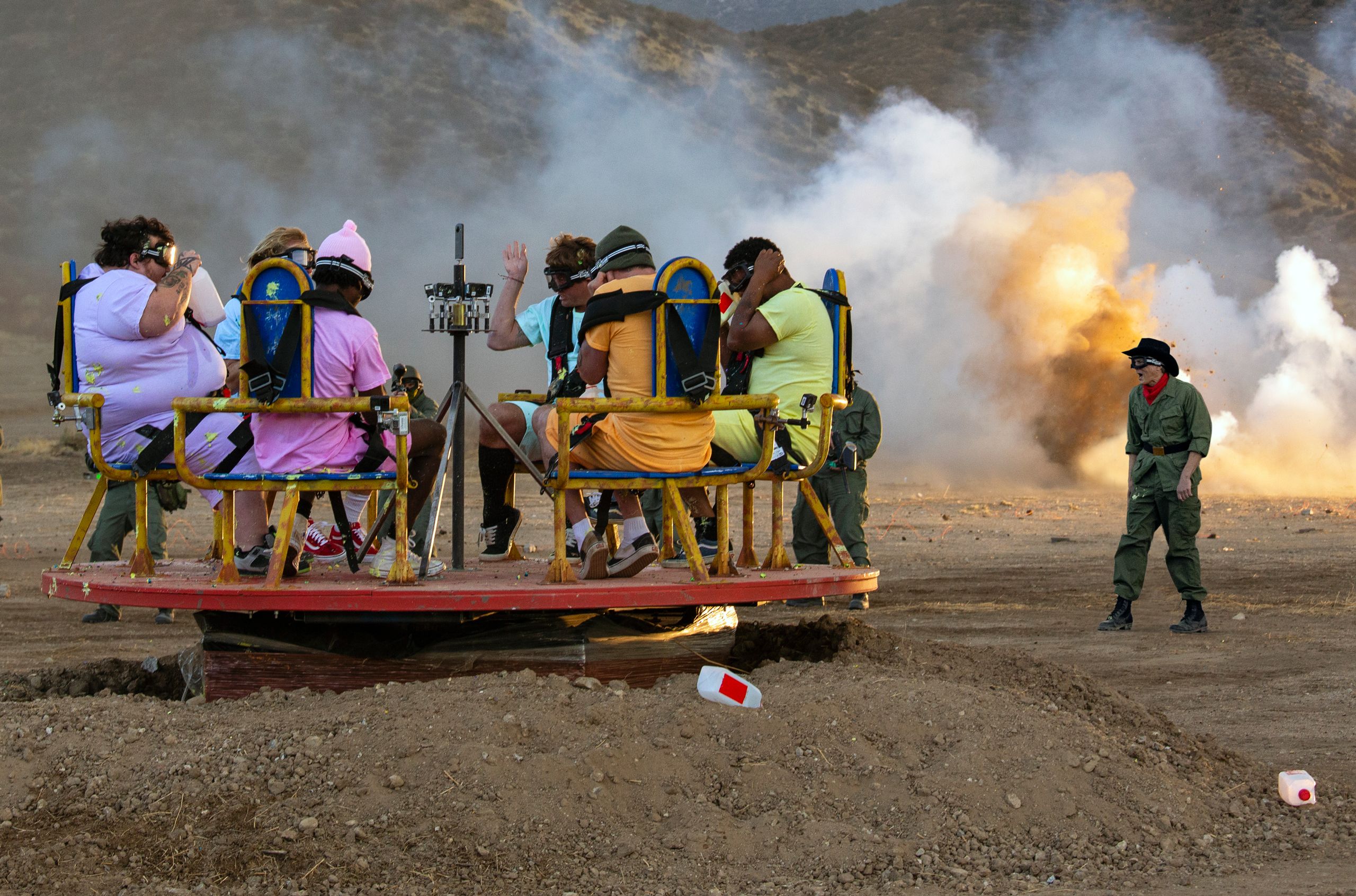
Walking into a Jackass film with expectations about narrative structure is, of course, a fool’s errand. The format has always been deliberately loose - a rapid-fire collection of bits, pranks, and stunts stitched together by the energy of the group rather than any traditional story arc. Best and Last follows that same template, blending never-before-seen footage with carefully selected moments from across the franchise’s long history. Think of it less as a movie in the conventional Hollywood sense and more as a greatest hits concert with an encore that genuinely surprises you. The pacing keeps things moving, and the editing team deserves credit for making something that feels cohesive rather than like a glorified clip show.
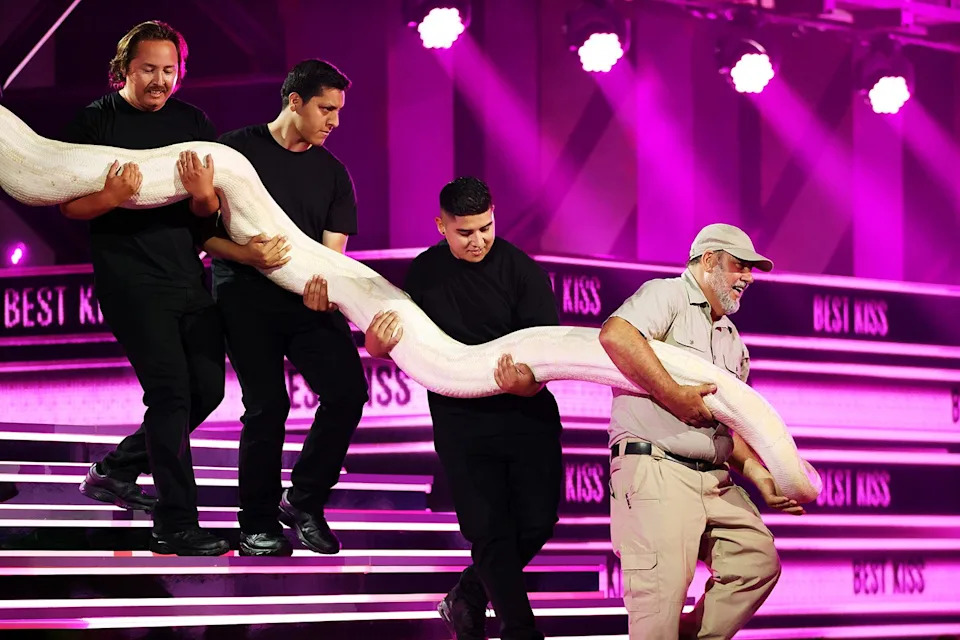
The new material featured in the film does what Jackass has always done best - it finds ways to raise the stakes while also finding comedy in the mundane. There is something uniquely satisfying about watching people who have been doing this for 25 years still manage to catch each other completely off guard. The chemistry between the core group, which includes longtime members like Steve-O, Chris Pontius, Dave England, Jason Acuña (better known as Wee Man), and Preston Lacy alongside newer additions introduced in Forever, remains the franchise’s greatest special effect. No CGI budget in Hollywood can manufacture the kind of genuine, chaotic camaraderie on display in these films.
The Jackass Legacy: From MTV to the Big Screen
To understand why this final film matters, you have to appreciate just how improbable the entire Jackass story actually is. When Jeff Tremaine, Johnny Knoxville, and Spike Jonze - yes, the Oscar-winning director of Her and Being John Malkovich - developed the show for MTV, few people expected it to last beyond a single season. Critics dismissed it as juvenile and irresponsible, parents protested, and regulatory bodies in multiple countries flagged episodes for content warnings. And yet the show ran for three seasons, spawned four theatrical films before this one, and generated a cultural footprint that influenced an entire generation of internet content creators long before YouTube even existed. The Jackass DNA runs through everything from early viral video culture to the current golden age of stunt content online.
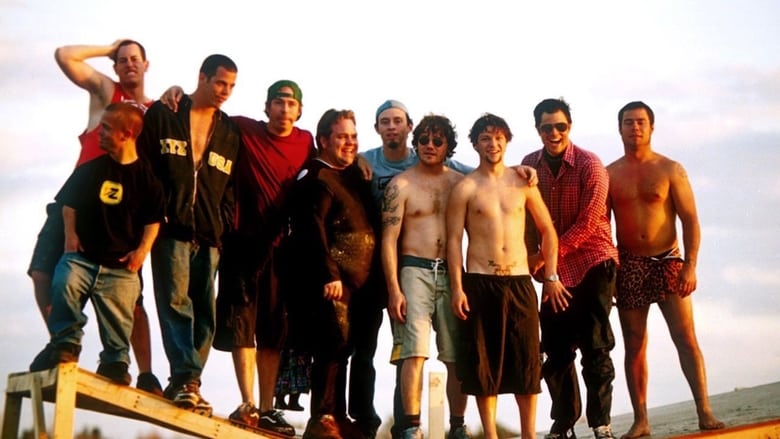
The theatrical films in particular represent a remarkable run of commercial success that the Hollywood establishment never quite knew how to categorize. Jackass: The Movie in 2002 opened to $22 million domestically in its first weekend against a tiny production budget, essentially printing money for Paramount Pictures. Jackass Number Two, Jackass 3D, and the 2022 comeback Jackass Forever all followed similar patterns - modest budgets, massive returns, and critical responses that ranged from reluctant admiration to outright bafflement. The franchise sits in a category almost entirely its own, which makes it genuinely difficult to compare to anything else in cinema history.