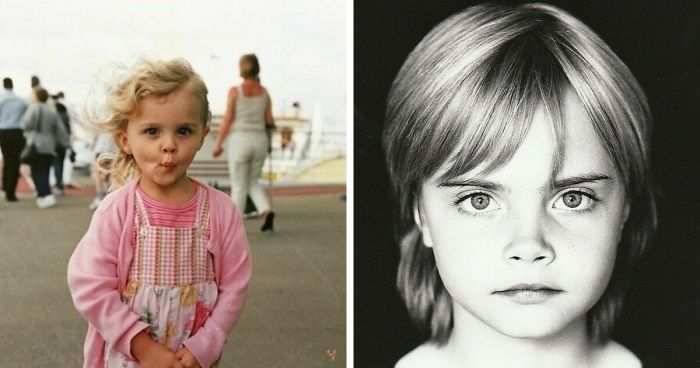
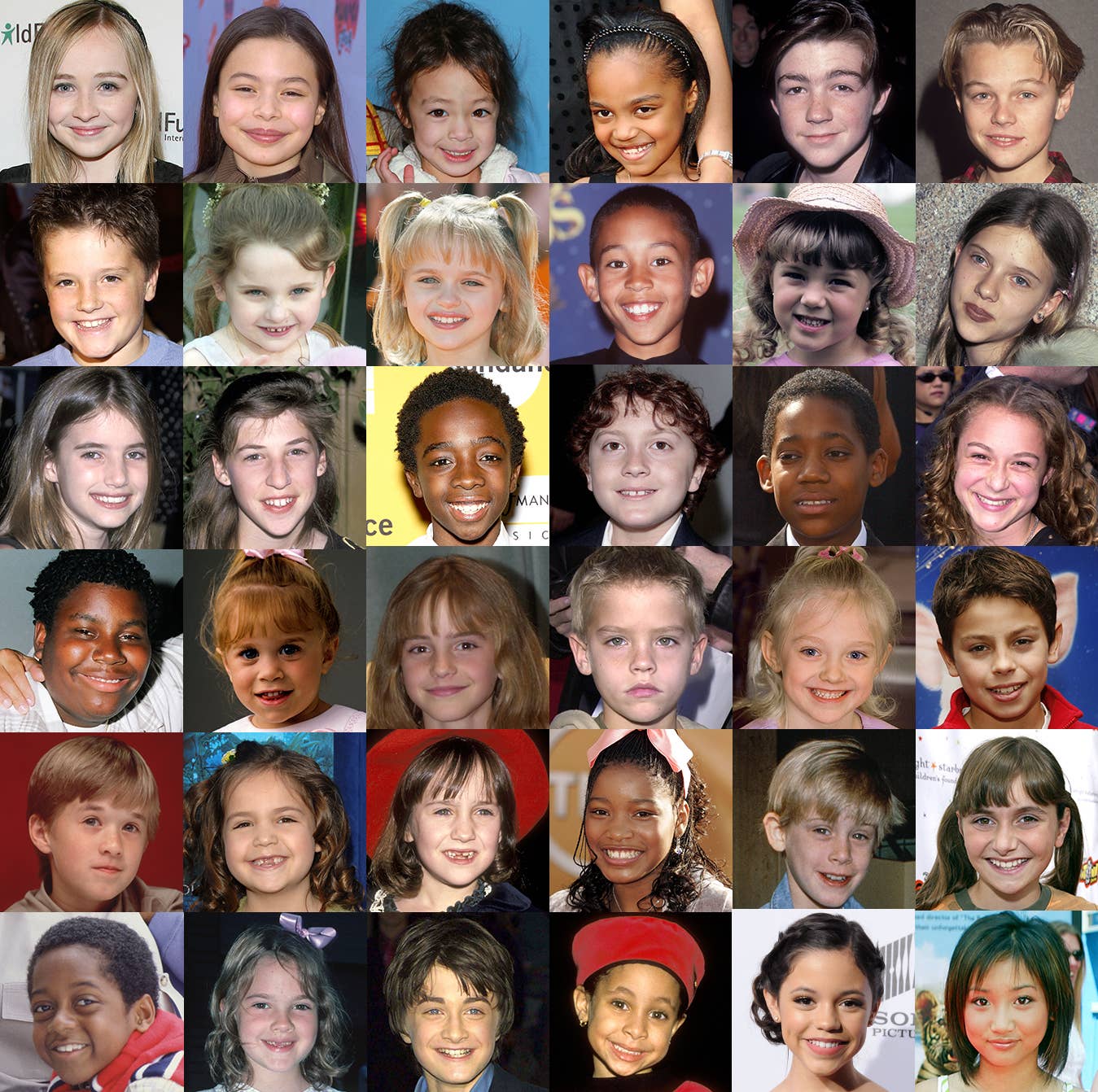
In the vast landscape of entertainment trivia, few challenges capture the public imagination quite like identifying celebrities from their childhood photographs. This fascinating exercise in visual memory and pattern recognition has become a cultural phenomenon, with millions of fans worldwide testing their ability to spot tomorrow’s superstars in yesterday’s school portraits. The practice taps into something deeper than mere curiosity - it represents our collective desire to trace the origins of fame and find the seeds of stardom in the most ordinary moments of childhood.
Image: BuzzFeed
What makes this challenge particularly intriguing is how it reveals the varying degrees of facial recognition abilities among the general population. While some individuals can effortlessly identify a celebrity from a grainy kindergarten photo, others struggle to recognize even the most obvious features that would later become iconic. This disparity isn’t just about being a dedicated fan; it touches on fundamental differences in how our brains process and store facial information, particularly when it comes to tracking how features change over time.
The entertainment industry has embraced this fascination, with talk shows regularly featuring segments where hosts and guests attempt to match baby photos with current celebrities. These segments consistently rank among the most popular content, suggesting that our interest in celebrity origins runs deeper than casual entertainment. There’s something profoundly humanizing about seeing a global superstar as a gap-toothed child, reminding us that even the most seemingly untouchable celebrities once navigated the universal experiences of childhood.
The Science Behind Facial Recognition Abilities
The ability to recognize faces from childhood to adulthood involves complex neurological processes that scientists are still working to fully understand. Research in cognitive psychology has shown that facial recognition relies on specific areas of the brain, particularly the fusiform face area, which specializes in processing facial features and expressions. When we attempt to identify someone from their childhood photos, our brains must perform the sophisticated task of accounting for decades of physical development, weight changes, hairstyle modifications, and the natural aging process.
Interestingly, studies have found that certain facial features remain remarkably consistent throughout a person’s life, even as others change dramatically. The spacing between eyes, the basic bone structure of the face, and certain proportional relationships tend to remain stable from childhood through adulthood. Individuals with superior facial recognition abilities - sometimes called “super-recognizers” - appear to be naturally attuned to these unchanging elements, allowing them to make connections that others miss entirely.
This scientific understanding explains why some celebrity identifications seem impossible while others feel obvious in hindsight. Features that develop or change significantly during adolescence and early adulthood, such as jawlines, cheekbones, and overall facial proportions, can make recognition more challenging. Conversely, distinctive features present from birth - unique eye shapes, ear positioning, or smile patterns - often serve as the key identifiers that allow skilled observers to make accurate connections across decades of physical development.
From Child Stars to Global Icons
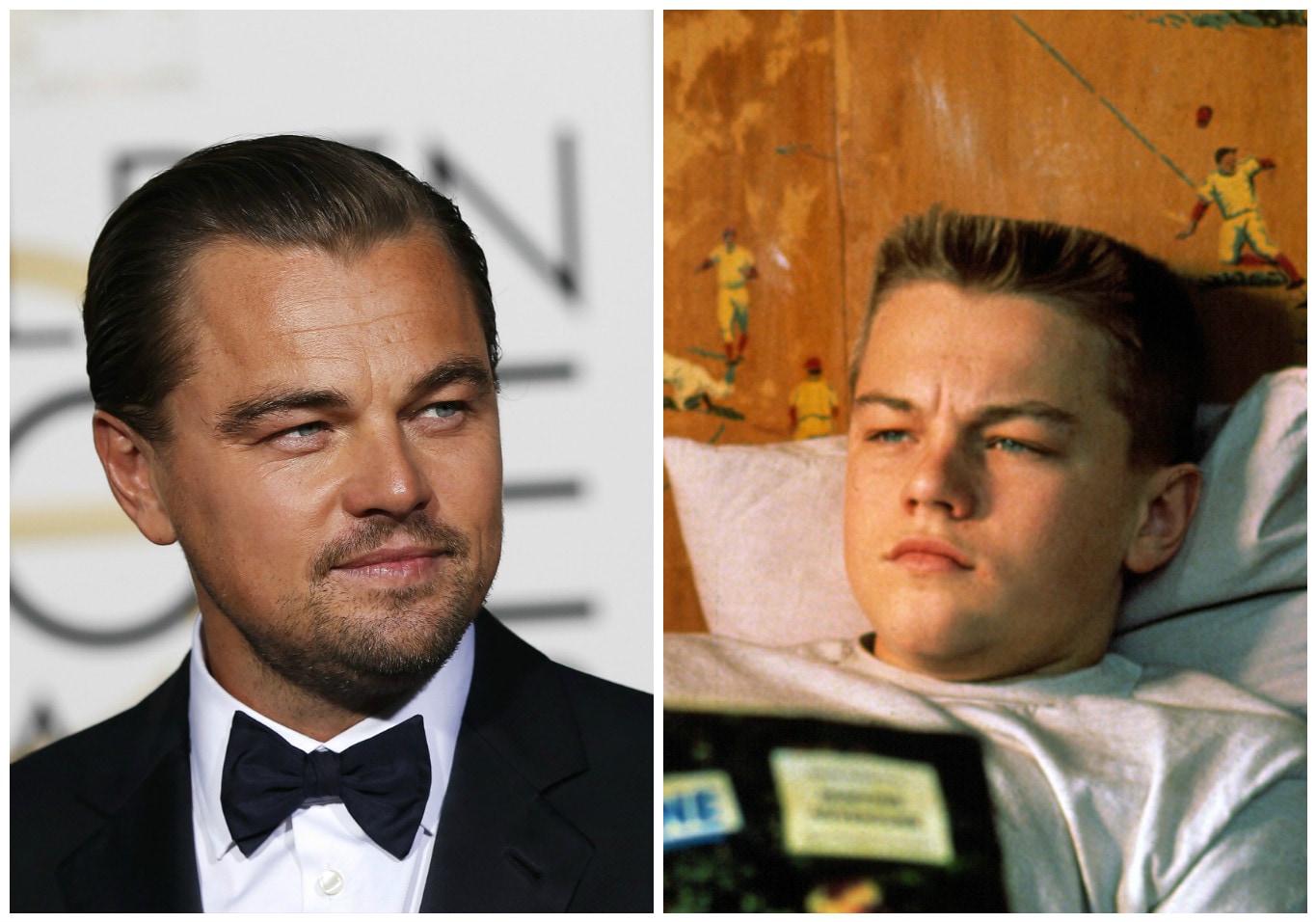
The journey from childhood to celebrity status often involves dramatic physical transformations that make retrospective identification particularly challenging. Consider the evolution of someone like Leonardo DiCaprio, whose cherubic childhood features gradually developed into the sharp, mature characteristics that made him a Hollywood heartthrob. Similarly, Taylor Swift’s transformation from a curly-haired child in Pennsylvania to the global pop icon we know today represents the kind of dramatic change that tests even the most dedicated fans’ recognition abilities.
Image: The Washington Post
Former child stars present unique cases in this phenomenon, as their public transformations have been documented in real-time throughout their careers. Stars like Drew Barrymore, who began acting as a toddler, or the cast of “Harry Potter,” who literally grew up on screen, offer fascinating studies in how childhood features can predict or completely diverge from adult appearances. These documented transformations provide valuable insights into the predictability - or lack thereof - of how childhood features will develop over time.
The fashion and styling choices that accompany celebrity status also complicate identification efforts. Professional styling, cosmetic procedures, and carefully curated public images can dramatically alter how we perceive a celebrity’s natural features. This means that identifying celebrities from childhood photos often requires looking beyond the glamorous public persona to find the underlying bone structure and natural features that remain consistent throughout their lives.
Ad SpaceIn-Article - 300x250
Advertisement
The Psychology of Super-Fan Recognition
The phenomenon of exceptional celebrity face recognition often correlates with deeper levels of fan engagement and emotional investment in particular stars or the entertainment industry as a whole. Psychological research suggests that individuals who form strong parasocial relationships with celebrities - one-sided emotional connections that feel personal despite the lack of actual interaction - tend to develop enhanced abilities to recognize and remember details about their favored stars. This heightened attention to detail extends beyond current appearances to include historical photos, family resemblances, and childhood images.
Image: YouTube
The motivation behind developing these recognition skills varies among individuals, but often stems from a desire to feel closer to admired figures by understanding their origins and development over time. Some fans report that successfully identifying childhood photos provides a sense of insider knowledge or special connection that enhances their enjoyment of the celebrity’s current work. This psychological reward system can drive fans to study extensive archives of childhood photos, family images, and early career appearances until pattern recognition becomes almost automatic.
Social media has amplified this phenomenon by creating communities where fans can share and discuss childhood photos of celebrities, turning recognition into a competitive social activity. These communities often develop sophisticated knowledge bases about celebrity families, childhood friends, and early life experiences that provide additional context clues for identification beyond pure facial recognition. The social aspect of sharing successful identifications and challenging others with difficult photos has transformed what was once a private curiosity into a public display of fan dedication and expertise.
How Social Media Changed the Game
The digital revolution has fundamentally transformed how we access and engage with celebrity childhood photos, making what was once rare insider knowledge available to anyone with an internet connection. Social media platforms like Instagram and Twitter have become treasure troves of throwback content, with celebrities themselves often sharing childhood photos that would have been impossible for fans to access in previous decades. This democratization of celebrity history has raised the bar for what constitutes impressive recognition skills, as the most obvious childhood photos become widely circulated and recognized.
Image: Reddit
The algorithmic nature of social media also means that childhood celebrity photos can suddenly go viral, reaching millions of viewers and creating shared cultural moments around recognition challenges. When a particularly surprising or unrecognizable childhood photo of a major celebrity surfaces, it often becomes the subject of widespread discussion and speculation across multiple platforms. These viral moments have elevated celebrity face recognition from a niche fan activity to mainstream entertainment consumed by casual observers who might never have sought out such content otherwise.
Additionally, the rise of user-generated content has led to the creation of increasingly sophisticated recognition challenges, with fans creating elaborate quizzes, comparison videos, and interactive content that tests viewers’ abilities in new and creative ways. The gamification of celebrity recognition has introduced elements like scoring systems, time limits, and difficulty rankings that appeal to competitive instincts and encourage repeated engagement with this type of content.
The Cultural Impact of Celebrity Childhood Reveals
Beyond mere entertainment, the fascination with celebrity childhood photos reflects broader cultural themes about identity, transformation, and the American Dream narrative that suggests anyone can achieve stardom regardless of their origins. When fans successfully identify a global superstar from their elementary school photo, it reinforces the idea that extraordinary potential can exist in the most ordinary circumstances. This connection between humble beginnings and eventual success resonates particularly strongly in cultures that value upward mobility and self-transformation.
Image: The Scroller
The practice also serves as a form of cultural archaeology, preserving and celebrating the personal histories of individuals who have shaped popular culture. In many cases, childhood photos of celebrities become historical documents that provide insights into different eras, fashion trends, and social contexts. The hairstyles, clothing, and backgrounds visible in these photos often evoke nostalgia for specific time periods and create additional layers of cultural meaning beyond simple identification challenges.
Perhaps most significantly, the humanizing effect of childhood photos helps maintain emotional connections between celebrities and their audiences in an era of increasing media sophistication and celebrity brand management. Seeing a perfectly styled pop star as a awkward teenager or a serious dramatic actor as a grinning child creates moments of genuine relatability that cut through the manufactured aspects of celebrity culture. These connections ultimately strengthen the emotional investments that drive continued engagement with celebrity content and contribute to the enduring power of star culture in contemporary society.
Ad SpaceIn-Article - 300x250
Advertisement
Share
Get the recap
Loved this story? Get more like it.
Join readers who get our weekly entertainment recap - the stories worth your time, delivered every Friday.
No spam. Unsubscribe anytime. By signing up you agree to our Privacy Policy.