
Table of Contents
- The Moment That Stopped Timelines Cold
- A Ten-Year Journey From Zero to Fluent
- The Nigeria-China Academic Pipeline Nobody Talks About Enough
- Why This Hits Different in the Age of African Excellence Discourse
- The Nnabuike Chisom Standard
The Moment That Stopped Timelines Cold
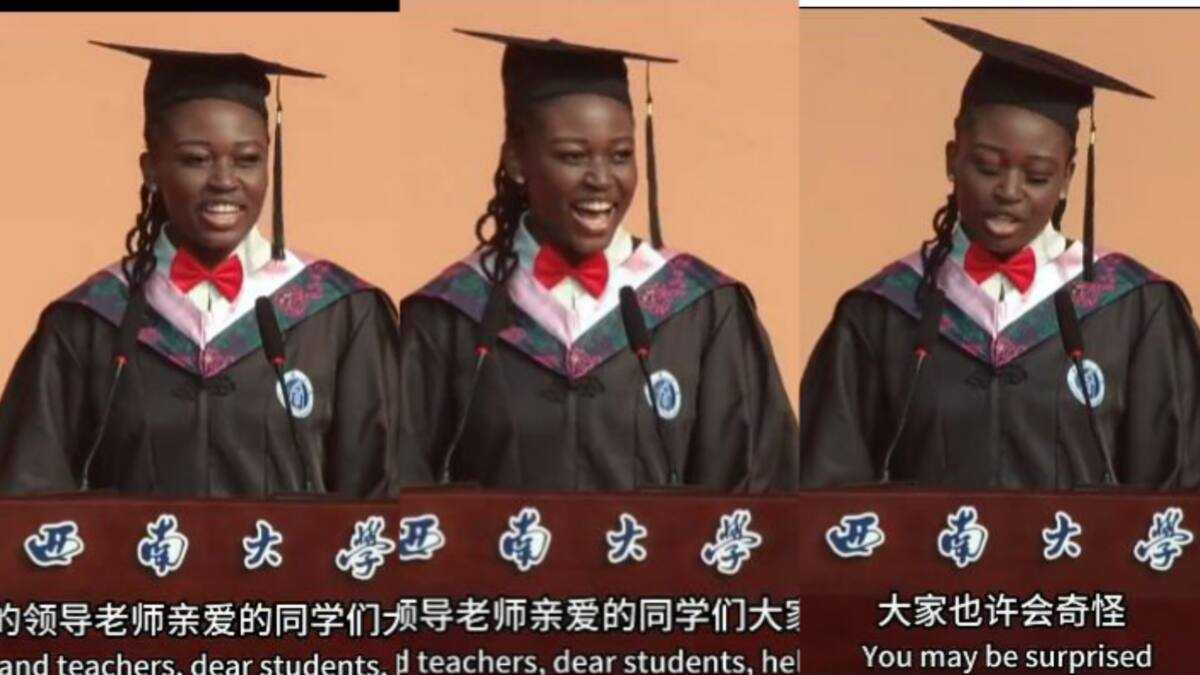
There is a very specific kind of video that cuts through the noise of social media - not because of a dramatic reveal or a viral stunt, but because of the quiet, almost disarming weight of earned achievement. The footage of Nnabuike Chisom standing at a podium inside Zhongnan University of Economics and Law in Wuhan, China, delivering a full graduation address in fluid, confident Mandarin, is exactly that kind of video. He was not reading phonetically from a script while the audience politely waited for him to finish. He was speaking, fully present, in front of close to 4,000 people, representing every international student at the institution. The applause that followed was not courtesy. It was recognition.
The clip spread quickly across Nigerian social media and beyond, drawing reactions that ranged from pure pride to outright disbelief. Many viewers had to watch it more than once simply to confirm what they were seeing - a young Nigerian man, in full academic regalia, commanding a Chinese-language ceremony with the kind of composure that comes only from years of disciplined work. The video arrived at a moment when conversations about Nigerian and African talent on the global stage are louder than ever, and it landed like a precisely timed exclamation mark.
A Ten-Year Journey From Zero to Fluent
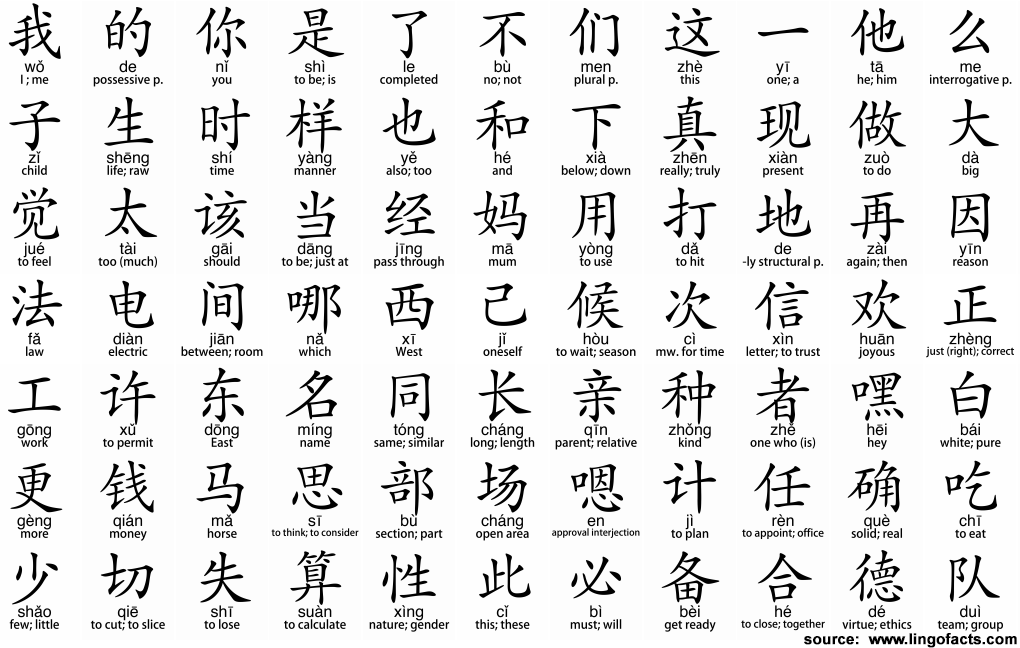
What makes Chisom’s achievement more than a feel-good clip is the timeline behind it. A decade ago, by his own account, he did not know a single word of Mandarin Chinese - one of the most structurally complex and tonally demanding languages on the planet. Mandarin uses four distinct tones, meaning the same syllable spoken in different pitches carries entirely different meanings. Linguists at the Foreign Service Institute in the United States classify it as a Category IV language, the hardest tier for English speakers to acquire, typically requiring over 2,200 hours of study to reach professional working proficiency. Chisom did not just reach proficiency. He reached the level where he could represent an entire cohort of international scholars at a formal, high-stakes academic ceremony without a bilingual safety net.
His path ran through Zhongnan University of Economics and Law, a well-regarded institution in Wuhan’s Hongshan District that consistently ranks among China’s top universities in law and economics disciplines. Wuhan, the sprawling capital of Hubei Province, is a city of over 12 million people and one of China’s major academic hubs - home to dozens of universities and a sizable international student community. For a young Nigerian arriving there and committing not just to a degree but to total linguistic immersion, the environment is both demanding and, for those who embrace it, genuinely transformative. Chisom clearly fell into the latter category.
The Nigeria-China Academic Pipeline Nobody Talks About Enough
Nigeria and China have quietly built one of the most significant bilateral education relationships on the African continent, and it deserves far more mainstream attention than it receives. The Chinese government’s scholarship programs - most notably the Chinese Government Scholarship administered through the China Scholarship Council - have funded thousands of Nigerian students at universities across the country, from Beijing and Shanghai to Wuhan, Chengdu, and beyond. Between 2000 and the early 2020s, the number of African students in China grew from a few thousand to well over 80,000 annually, with Nigeria consistently ranking among the top sending countries on the continent. Many of those students arrive with little to no Mandarin, take a mandatory preparatory language year, and then complete full degree programs in Chinese.