Senegal at the World Cup: How the Lions of Teranga Became Africa's Most Consistent Football Superpower
Miki Anderson··10 min read
Ad SpaceArticle Top - 728x90
Advertisement
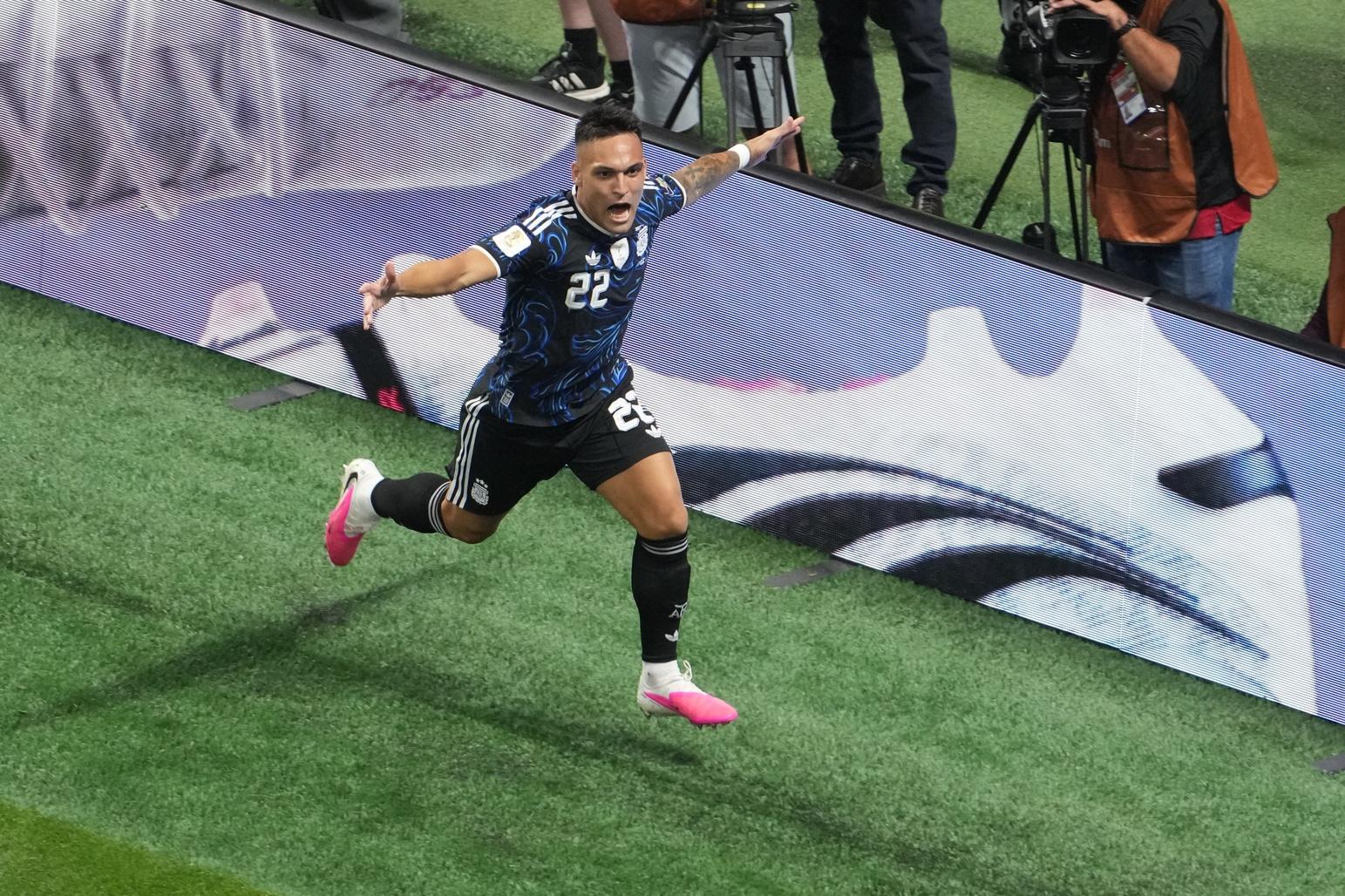
Seoul, late spring of 2002. The reigning world champions walk out for the opening match of a World Cup they are expected to win again, and ninety minutes later they walk off having lost to a country that had never played at a World Cup before. Papa Bouba Diop wheels away after bundling the ball over the line, peels off his shirt, lays it on the turf and dances around it with his teammates. France, the holders, the favourites, the team of Zidane and Henry and Thierry, have just been beaten 1-0 by a side of unknowns. That single afternoon announced a footballing nation to the world. More than two decades on, the story it started has not slowed down. It has compounded.
What followed that opening shock is the through-line of everything that has happened since. The country that gatecrashed in 2002 did not flame out as a novelty. It built. It produced. It kept coming back. And by the middle of the 2020s, the conversation around African football had quietly reordered itself around a simple, durable truth: when the continent’s giants are ranked by reliability rather than by one good year, the team from the western tip of the map tends to sit near the very top.
The Summer That Changed Everything
The 2002 run was not a fluke wrapped in one result. Senegal opened that World Cup by beating defending champions France 1-0 through Papa Bouba Diop’s goal, then drew with Denmark and Uruguay to finish second in the group, sending France home without a single goal scored. In the round of 16 they faced Sweden and won through a golden goal from Henri Camara in extra time, a finish that no longer exists in the modern game and that made the moment feel even more like a relic of pure drama. That victory carried them into the quarterfinals, only the second time an African nation had reached that stage of a World Cup after Cameroon’s run at Italia 1990.
The quarterfinal itself ended in heartbreak. Turkey edged them, again on a golden goal, this one struck by Ilhan Mansiz in extra time, and the dream was over. Yet the manner of the exit barely dented the legacy. A debutant nation had reached the last eight on its first attempt, beaten the world champions along the way, and done it with a swagger that announced a generation of players who would go on to long careers in Europe’s biggest leagues. El Hadji Diouf, Khalilou Fadiga, Camara, Diop and the rest became reference points, the names older Senegalese fans still measure every new wave against.
That tournament mattered for a reason that goes beyond the scoreline. It planted the expectation. For a smaller footballing country, the hardest thing is not winning once. It is convincing the next generation that winning is normal, that the shirt carries weight, that an opening-day upset of a European superpower is something to repeat rather than to marvel at forever. The class of 2002 handed down that belief, and the team has spent the years since trying to live up to it.
The Long Road Back
The honest part of the story is the gap. After 2002, Senegal did not qualify for another World Cup for sixteen years. The wait stretched across the tournaments of 2006, 2010 and 2014, a long stretch in the wilderness for a side that had set such a high bar so early. It is a useful corrective to the “always there” myth. Consistency, for Senegal, was earned through a barren patch as much as through the highlights.
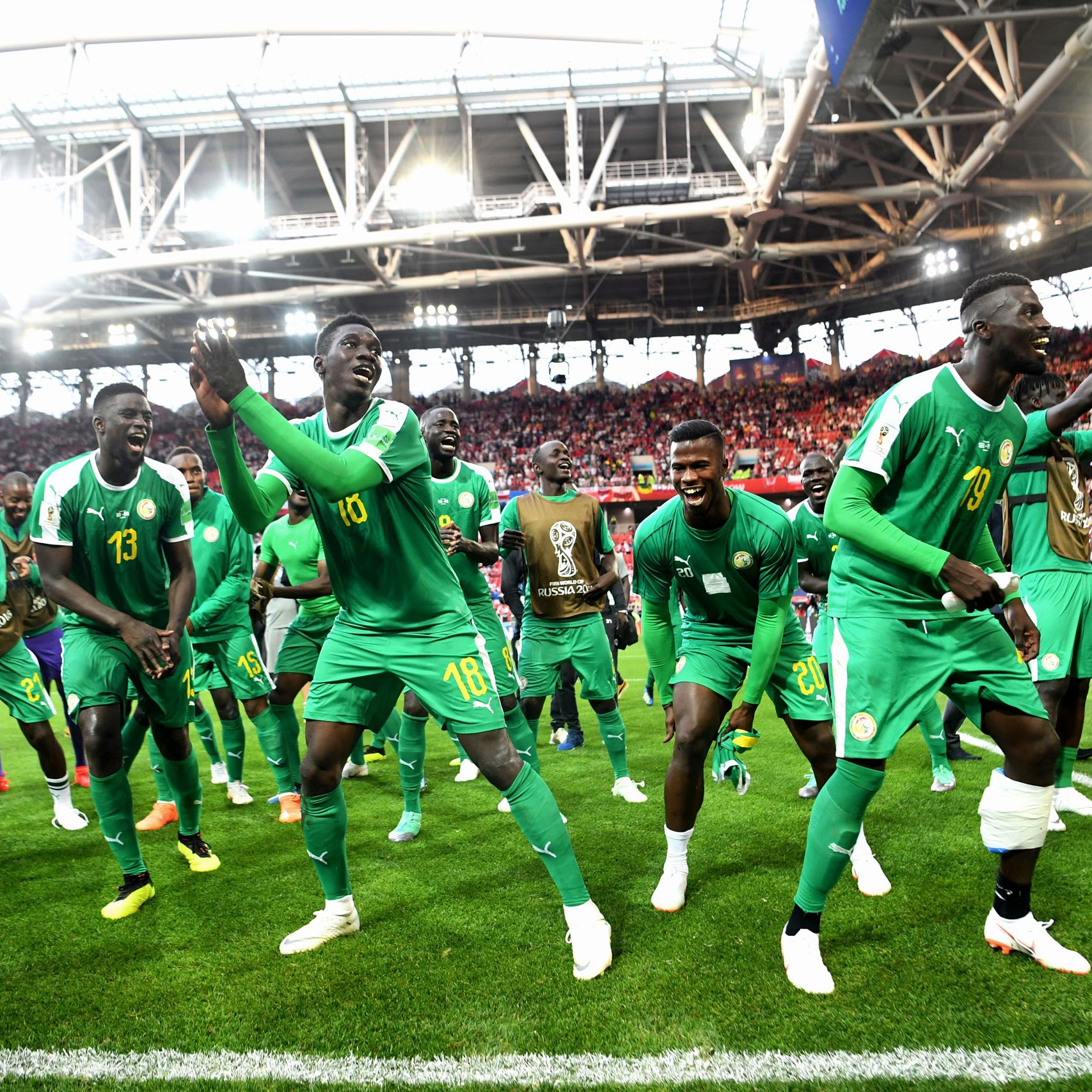
The return came in 2018 in Russia, and it carried its own cruelty. Senegal opened with a win over Poland and looked, for a while, like one of the stories of the group stage. They then drew with Japan and lost narrowly to Colombia, and found themselves tied with Japan on points, goal difference, goals scored and even the head-to-head result. For the first time in World Cup history, the tie was broken by the fair play rule, the count of yellow cards across the three matches. Senegal had collected more bookings than Japan, and on that thread alone they were eliminated. They became the last African team knocked out of that tournament, which meant the round of 16 in Russia featured no African side at all for the first time since that stage was introduced in 1986. Few exits in the modern game have felt as arbitrary, and the sting of it lingered.
If 2018 was elimination by paperwork, what came next was the period that defined the team’s reputation for hardness. Senegal reached the final of the 2019 Africa Cup of Nations and lost it to Algeria, another near miss in a growing collection of them. The pattern, by then, was clear. This was a team that reached the business end of tournaments more reliably than almost anyone on the continent, and that kept finding new ways to fall at the final hurdle. The question hanging over them was whether they could close.
Lifting the Trophy at Last
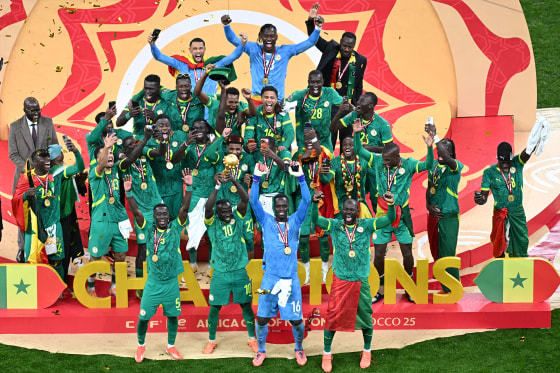
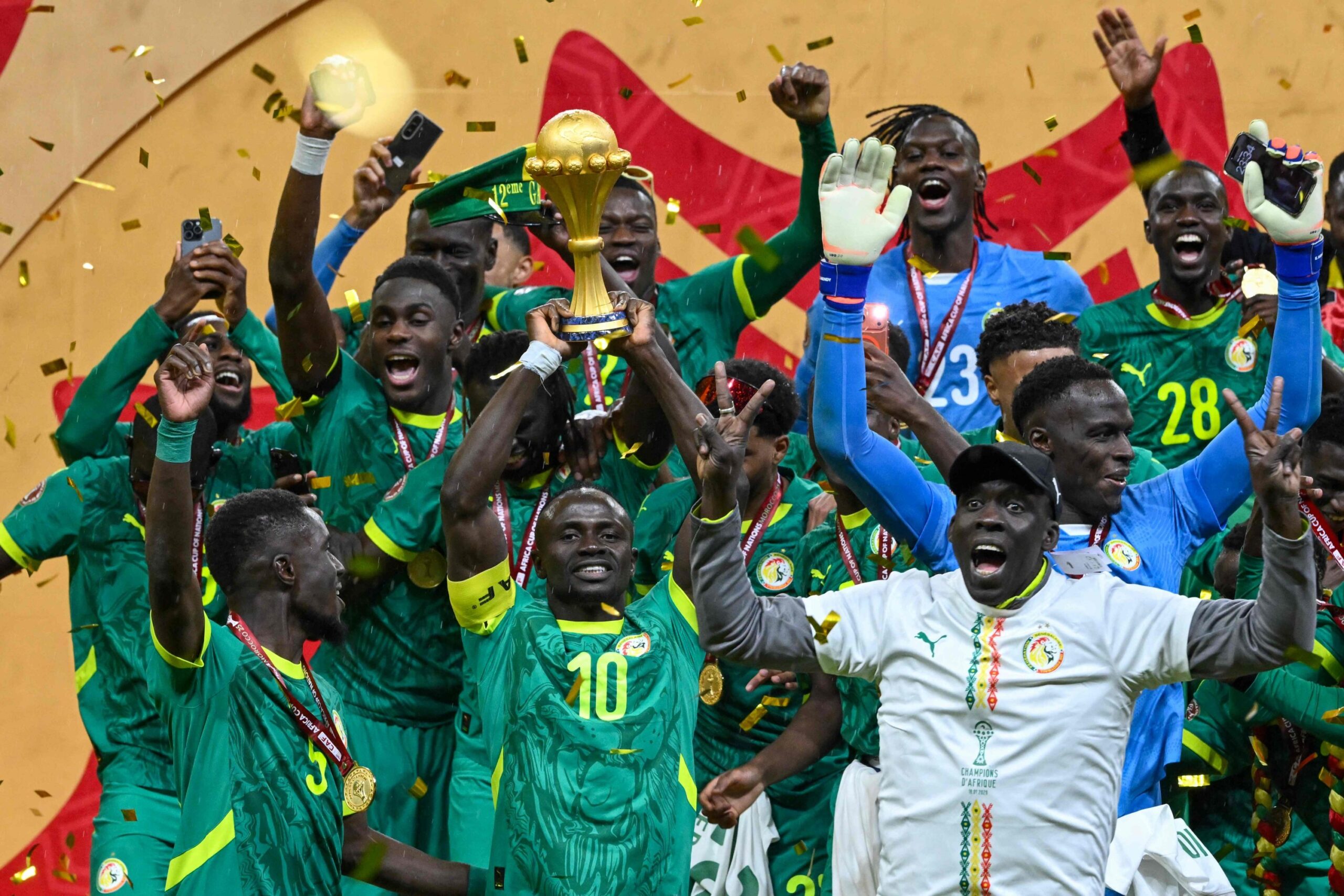
The answer arrived in February 2022, in Yaounde, against Egypt. The 2021 Africa Cup of Nations final, played that year because the tournament had been delayed, was a tense, grinding affair that finished goalless after extra time and went to penalties. The narrative wrote itself around Sadio Mane. He had missed a penalty inside the opening ten minutes, saved by Egypt’s goalkeeper, and for long stretches it looked as though that miss might define the night. Instead, when the shootout reached its decisive kick, Mane stepped up again and scored, low and to the corner, and Senegal won the shootout 4-2 to claim their first ever African title.
The weight of that moment is hard to overstate. A nation that had reached a World Cup quarterfinal, played in two AFCON finals, and produced a steady stream of elite players had never actually won the thing that mattered most on its own continent. The 2021 title closed that wound. Mane was named the tournament’s best player and goalkeeper Edouard Mendy its best goalkeeper, a double honour that captured how complete the squad had become at both ends of the pitch. For the players who had carried the burden of the near misses, it was vindication. For the country, it was a release of decades of pressure in a single shootout.
Ad SpaceIn-Article - 300x250
Advertisement
Crucially, the title did not soften them. Months later in Qatar at the 2022 World Cup, Senegal advanced from a group containing the Netherlands and reached the round of 16, even without Mane, who had been ruled out by injury before the tournament. They were beaten there 3-0 by England, a sobering result against a side that pressed their limits, but the qualification to the knockout rounds confirmed something. The AFCON win had not been a ceiling. It was a platform.
The Spine of a Golden Generation
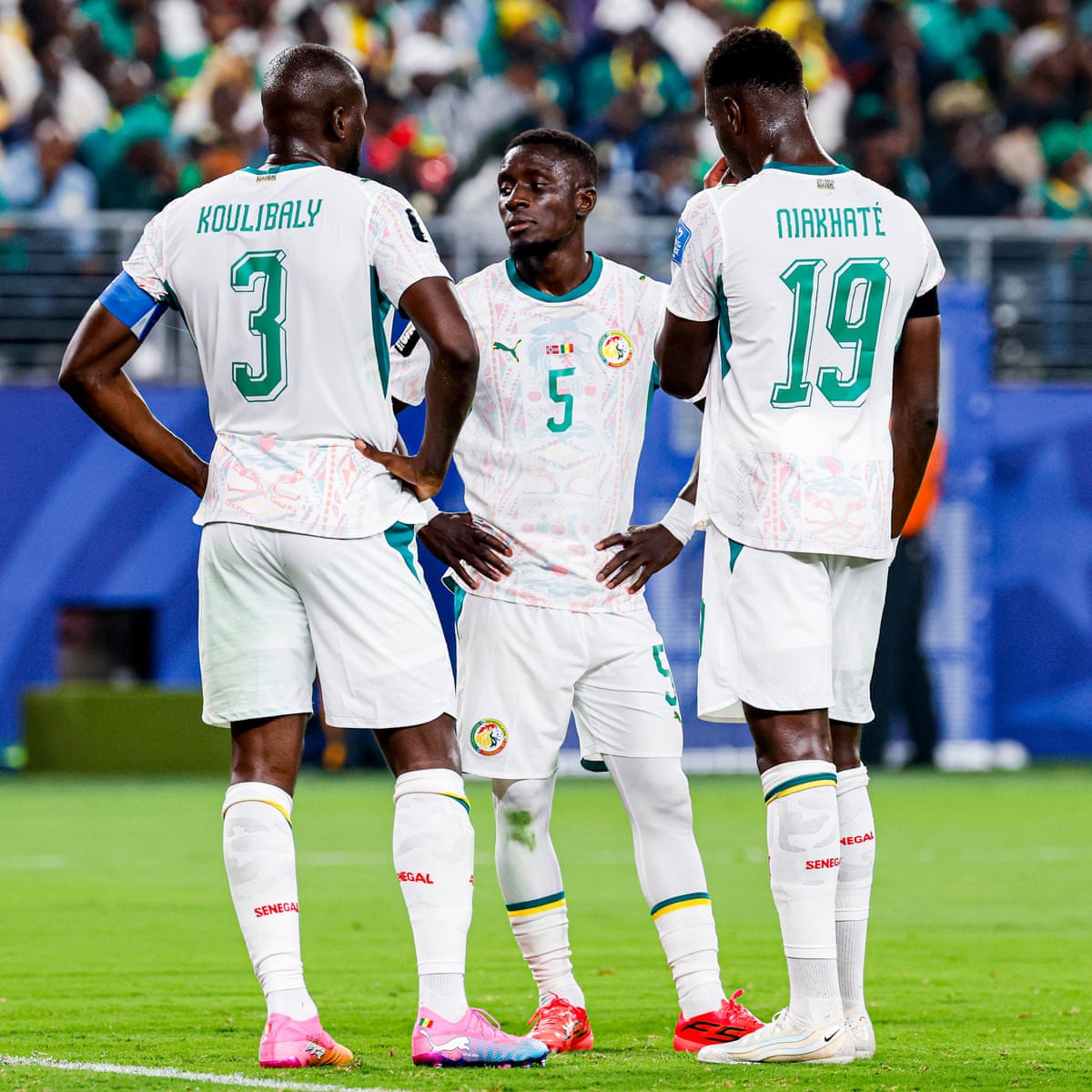
What sets this Senegal apart from the one-tournament wonders of African football history is the depth and quality of the core that has carried it. Mane, even in the later stage of his career playing club football in Saudi Arabia at Al-Nassr alongside Cristiano Ronaldo, remains the emotional centre of the team and one of the most decorated African footballers of his generation. Kalidou Koulibaly, long one of the most respected defenders in world football during his years in Italy and England, anchors the back line and the dressing room, also now plying his trade in the Saudi Pro League. Edouard Mendy, a Champions League winner during his time at Chelsea, gives the side a goalkeeper of genuine elite pedigree, likewise based in Saudi Arabia.
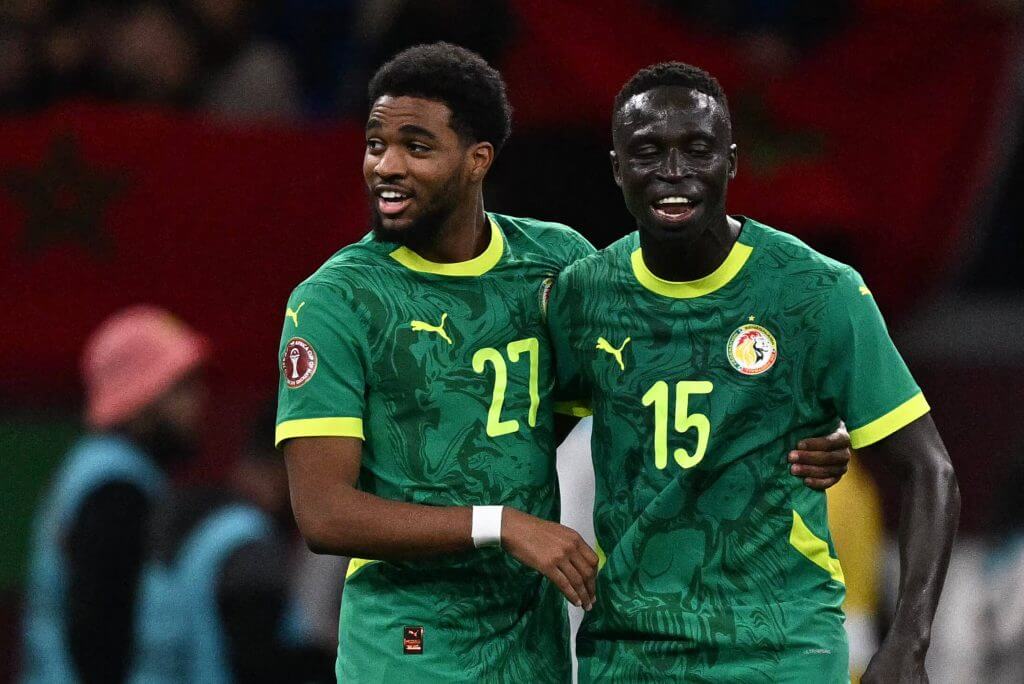
Around that experienced spine sits a younger band that has kept the production line moving. Pape Matar Sarr, a midfielder at Tottenham, has become one of the team’s most important engines and scored a decisive goal during the most recent qualifying campaign. Nicolas Jackson, the striker contracted to Chelsea and who spent time on loan at Bayern Munich, gives Senegal a physical, mobile forward option for the post-Mane attacking era. Iliman Ndiaye, Ismaila Sarr, Habib Diarra and a clutch of other players across Europe’s leagues round out a squad that, by most accounts, is overwhelmingly UEFA-based, a marker of how thoroughly Senegalese talent has been absorbed into the top tier of the club game.
That last point is the quiet engine of the whole phenomenon. Senegal’s academies and the well-worn pathways from Dakar to European football have produced a volume of professionals that few African nations can match. The feeder structures, combined with a diaspora that spans France and beyond, mean the talent does not arrive in a single golden cohort and then dry up. It refreshes. When one generation ages, another is already in the Premier League, Serie A or the Bundesliga waiting to step in. Market values quoted for these players run high, though such figures are best treated as estimates that shift with form and transfer windows rather than as fixed facts.
When the Scoreboard Stops Cooperating
No honest account of this team can skip the bruises, and the most recent one is sharp. As reigning African champions at the 2023 Africa Cup of Nations, held in early 2024 in Ivory Coast, Senegal won all three of their group games and looked, on paper, like the most convincing side in the tournament. Then in the round of 16 they ran into the host nation. Senegal led through an early goal, Ivory Coast equalised late from a penalty, and after the sides could not be separated in extra time, the hosts won the shootout 5-4. The defending champions were gone before the quarterfinals, beaten by a team that would, improbably, go on to win the entire tournament.
That defeat matters because it complicates the superpower label in a useful way. Consistency is not the same as invincibility, and Senegal’s record is studded with knockout-round exits decided by the finest margins. A golden goal in 2002. A yellow-card count in 2018. A penalty shootout in 2024. The team that reaches the latter stages more dependably than almost any other African nation has also, repeatedly, been the team that loses the coin-flip moments when the football itself could not decide. Reliability gets them deep. The final step has often been the cruelest.
There has also been turbulence off the pitch. Aliou Cisse, the captain of the 2002 side who later coached the team to the 2021 AFCON title, was dismissed as head coach in 2024, ending one of the longest managerial tenures in international football. Pape Thiaw was appointed to replace him in December of that year and led the side through the campaign that secured a place at the 2026 World Cup. Reporting has also pointed to administrative and payment frictions between the coaching staff and the federation, the kind of background noise that can either be smoothed over or can fester. How that is managed will shape whether the current group fulfils its potential or fractures under the weight of expectation.
Why the Lions Keep Roaring
Strip away the individual results and a structural picture emerges that explains the durability better than any single trophy. Senegal qualified directly for the 2026 World Cup by topping their CAF qualifying group, a campaign whose turning point was a 3-2 away win over DR Congo in Kinshasa, sealed by Pape Matar Sarr near the end, and capped by a comfortable final-day victory over Mauritania with Mane among the scorers. That qualification is confirmed. What the team does at the tournament itself is, sensibly, not something to predict here, and anyone asserting a specific finish or a final squad before the event is guessing.
The deeper case for Senegal as the continent’s most consistent force rests on three things that do not depend on any one tournament going their way. First, the pipeline of players, which keeps stocking the squad with footballers operating at the highest club level rather than relying on a single irreplaceable star. Second, a competitive temperament forged through years of near misses that finally produced silverware, so that the squad now carries the memory of winning rather than only the memory of falling short. Third, a footballing culture in Dakar and across the country that treats the national team as a genuine source of pride and identity, the kind of backing that sustains a programme through the lean stretches as much as the triumphant ones.
There is a version of African football history written around explosions of brilliance that burned bright and faded, the single quarterfinal, the one unforgettable summer. Senegal began as exactly that kind of story in 2002. What makes the team different is that it refused to stay a story. It turned a shock into a standard. The shirt that Papa Bouba Diop laid on the grass in Seoul now belongs to a programme that expects to be at every World Cup, expects to challenge for every AFCON, and has the players, the history and the hunger to make those expectations look less like hope and more like a habit. That, in the end, is what consistency actually means, and it is why the Lions of Teranga keep roaring long after the rest of the continent’s roars have faded into memory.
Ad SpaceIn-Article - 300x250
Advertisement
Share
Get the recap
Loved this story? Get more like it.
Join readers who get our weekly entertainment recap - the stories worth your time, delivered every Friday.
No spam. Unsubscribe anytime. By signing up you agree to our Privacy Policy.