How Reality TV Voting Systems Shape Modern Celebrity Culture
Nova Patricks··9 min read
Ad SpaceArticle Top - 728x90
Advertisement
Roughly 240 million votes poured in during a single three-month run of Big Brother Naija in 2019, a figure organisers later confirmed when a viral claim tried to attach a fake price tag to it. That number is not a typo and it is not an outlier. It is the clearest snapshot of something that has quietly rewired how fame works in the streaming era. Somewhere along the way, the audience stopped watching the show and started running it, one tap at a time, and the celebrities who emerge from these programmes owe their careers less to a judge’s verdict than to a mobilised crowd with a phone and a free evening.
That shift, from spectator to decision-maker, sits at the heart of nearly every interactive entertainment format on air today. Love Island, Big Brother and its global franchises, the talent-show dynasties of American Idol and The X Factor, and the continent-spanning theatre of Eurovision all share one engine: the public vote. Understanding how that engine works, and what it does to the people caught inside it, explains a great deal about why modern celebrity feels so participatory, so volatile, and so easy to weaponise.
From Passive Viewer to Kingmaker
For most of television history, the audience had exactly one lever to pull, which was the off switch. Fame was handed down by gatekeepers, the network executive, the record label, the casting director. Reality voting inverted that hierarchy. When a show hands the public a direct line to the outcome, it converts viewers into stakeholders, and stakeholders behave very differently from spectators. They form opinions, defend favourites, recruit friends, and treat each eviction or elimination as a referendum they personally helped settle.
This is not a small psychological adjustment. A vote creates investment, and investment creates loyalty that lingers long after the season ends. The contestant a viewer fought to save becomes “their” star, a personal project whose later singles, brand deals, and tabloid dramas carry an emotional stake. That is the raw material of the parasocial economy, the one-sided bond between a fan and a figure they will never meet, now supercharged by the sense that the fan had a hand in the figure’s rise.
How Love Island Weaponized the Live Vote
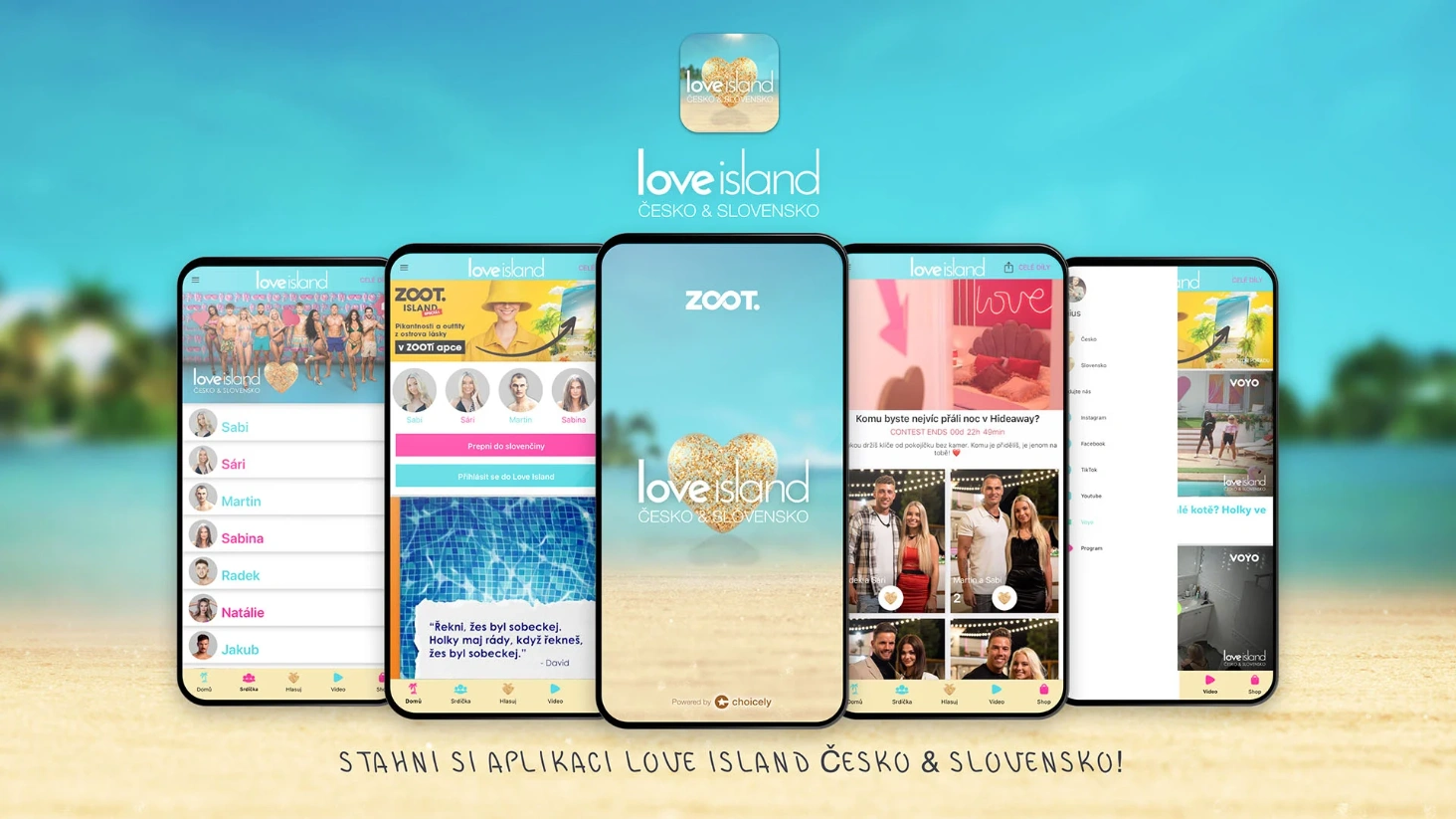
Love Island turned the public vote into a continuous nervous system rather than a once-a-week formality. According to ITV’s published voting terms, the show’s producers can trigger a vote at any moment to settle who gets dumped from the villa, who pairs with whom, or who goes on a date. Voting runs through a free in-app system, and each registered mobile number generally receives one vote per voting event, at the producers’ discretion.
The mechanics carry a built-in twist that keeps audiences on edge. In votes designed to keep islanders in the show, the contestant with the fewest votes can be sent home. In votes designed to eliminate, the one with the most votes leaves. That inversion means a careless tap can do the opposite of what a fan intends, and producers lean into the confusion with formats like “save and dump,” where the most-voted couples are safe and the rest face the axe.
The fine print also reveals how much control stays behind the curtain. ITV’s terms state that producers reserve the right to vary the format of a voting event at any time, and that if an outcome cannot reasonably be determined because of a technical failure, a tie, or any circumstance beyond their control, they may cancel and reopen the vote or simply determine the result themselves. The audience holds real power, but it is power exercised inside a frame the producers built and can quietly adjust.
Big Brother Naija and the Nigerian Voting Machine
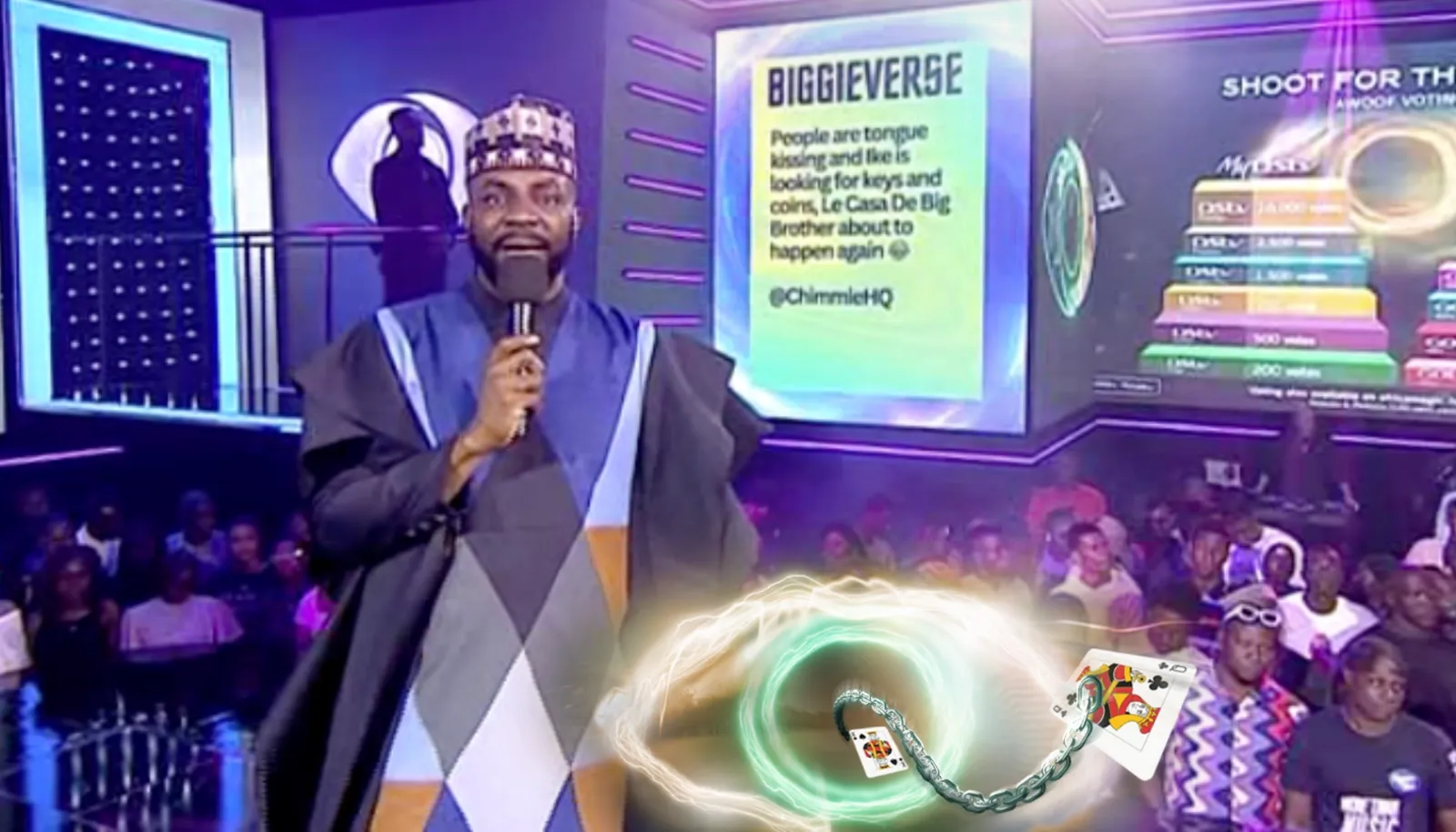
Nowhere is the scale of audience power more visible than in Big Brother Naija, the show that has become a national pastime and a cultural institution across Nigeria. The voting architecture is deliberately wide. Viewers cast ballots through the Africa Magic website, the mobile site, and the MyDStv and MyGOtv apps, and those routes are free apart from the data charges levied by service providers. A paid SMS option has historically existed at a per-message fee, sitting alongside the free digital channels rather than replacing them.
The numbers this machine generates are staggering. Organisers reported around 170 million votes in the 2018 season and roughly 240 million in 2019, gathered across all platforms combined. Voting rules have allowed each user a substantial allocation per platform per round, meaning a single dedicated fan can pour dozens of votes toward a favourite by spreading effort across the apps and the website. When a viral claim circulated that Nigerians had spent billions of naira casting those 240 million votes, fact-checkers at Daily Trust knocked it down, noting that the bulk of voting happened on free platforms and that organisers had never disaggregated paid from free tallies.
The stakes are concrete. For its ninth season in 2024, the show retained a grand prize package reported at 100 million naira, with winner Kellyrae taking roughly 35.95 percent of the final vote ahead of runner-up Wanni’s 32.48 percent, as covered across Nigerian outlets including Vanguard and Legit.ng. Those percentages are the whole story in miniature. A career-altering windfall hinges on a margin decided by millions of taps, and the housemates spend weeks performing not for judges but for an electorate they cannot see.
The Global Pantheon
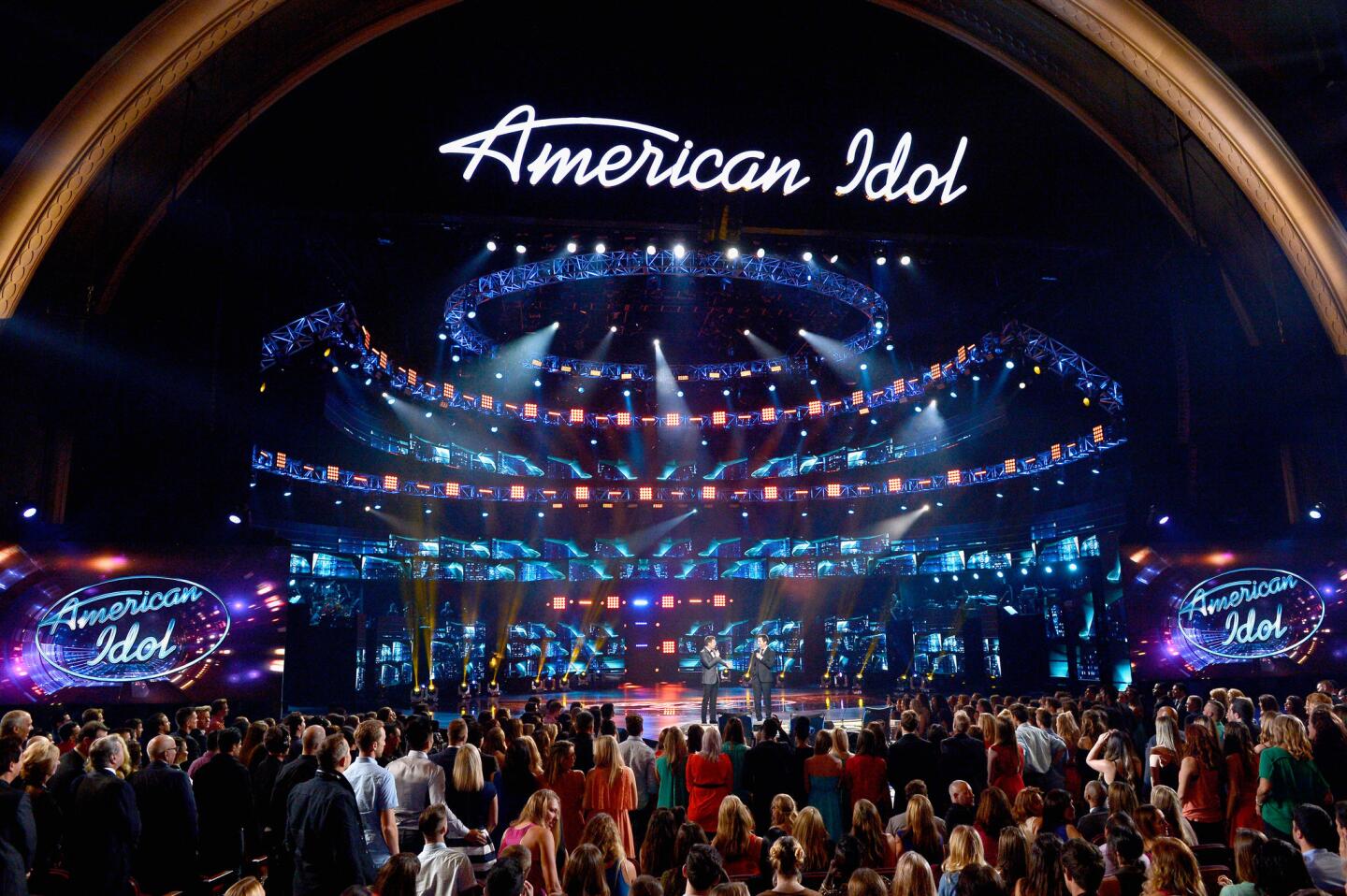
The talent-show format built the template that Love Island and Big Brother later refined. American Idol made the public vote appointment television, and it also exposed the format’s wildest vulnerability. During the show’s sixth season in 2007, contestant Sanjaya Malakar advanced week after week despite withering judge reviews, propelled in part by the satirical website Vote for the Worst and by radio host Howard Stern, who urged listeners to back Malakar specifically to needle the show’s traditionalists. Malakar later told Jimmy Kimmel that his own aunt had voted 1,100 times, a detail that captured how easily organised enthusiasm could overwhelm the intended meritocracy.
Ad SpaceIn-Article - 300x250
Advertisement
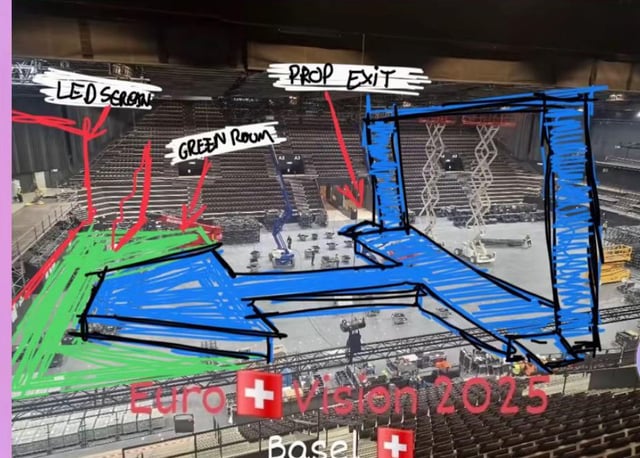
Eurovision shows the same dynamic playing out across borders. The contest splits its result between professional juries and public televoting, and the gap between the two has become its defining drama. In 2023, Finland’s Käärijä won the public vote comfortably with “Cha Cha Cha,” yet Sweden’s Loreen took the trophy on jury strength, prompting roughly three minutes of crowd chants in the Liverpool arena. According to reporting compiled on the contest’s voting history, professional juries were reintroduced in 2009 partly because organisers worried that televoting alone amplified “friends and neighbours” or diaspora bloc voting, where countries reward their neighbours and expatriate communities rally behind a homeland entry. The jury-versus-public split is a structural confession that the crowd and the experts increasingly want different things.
The Stan Economy and Fandom Labour
The most consequential by-product of all this voting is the rise of organised fandom as a form of unpaid labour. Researchers studying K-pop and similar fan ecosystems describe how supporters coordinate voting, streaming, and engagement campaigns with the discipline of a workplace. Academic work on fan platforms documents how stans learn the mechanics of each system, track records of who has voted, organise giveaways to fund participation, and push content toward virality, mastering the attention economy rather than resisting it.
That labour transfers directly into reality voting. A modern contestant with an active fanbase is not relying on casual viewers to remember to vote. They are backed by coordinated blocs who set alarms, distribute step-by-step voting guides, split votes across platforms to maximise allocations, and police rival fandoms online. The parasocial bond is the fuel. Fans pour genuine emotional energy into a figure they feel they helped create, and entertainment companies have learned to design structures that reward and intensify that devotion, because devoted fans vote, stream, and spend. The work is real, the hours are real, and the compensation flows almost entirely to the star and the broadcaster.
When the Vote Gets Gamed
Every system that distributes power invites attempts to capture it, and reality voting is no exception. The Sanjaya episode was an early proof of concept that a motivated minority could steer a national vote toward an outcome the format never intended. Eurovision’s diaspora and bloc-voting accusations represent a subtler version, where shared identity rather than mischief drives coordinated support, and where political feeling can surge through the televote in ways juries do not mirror. Reporting on recent contests has flagged sharp divergences between strong public scores and far weaker jury scores for politically charged entries, fuelling ongoing debate over whether the televote measures musical quality or sheer mobilisation.
The vulnerabilities are baked into the design. Multi-vote allowances reward whoever can organise hardest rather than whoever is most widely liked. Free voting lowers the cost of brigading. Cross-platform voting multiplies the ceiling for a committed bloc. None of this is necessarily fraud, and most of it operates within the published rules, but it does mean that a “public” verdict often reflects the intensity of a few rather than the preference of the many. The crowd is sovereign, but the most organised slice of the crowd tends to rule.
What Producers Do With the Power
Producers are not passive referees in this arrangement, and the rulebooks make that explicit. Love Island’s terms reserve the right to reshape a voting event mid-flight and to decide outcomes in edge cases, which is a polite way of saying the format bends toward the story the show wants to tell. Twist votes, surprise dumps, and inverted save-or-eliminate mechanics are engineered to keep results unpredictable and audiences anxious, because anxiety drives engagement and engagement drives the votes, the app downloads, and the sponsorship value that fund the whole enterprise.
This is the quiet bargain at the centre of interactive television. The audience receives genuine influence over who stays and who goes, and in exchange the broadcaster receives a continuously engaged, continuously measurable, continuously monetisable crowd. Each vote is also a data point, a confirmed viewer, a marketing asset. The free app that feels like a gift to fans is simultaneously the most efficient engagement-harvesting tool the format has ever produced.
What Audience Power Built and Broke
The ledger cuts both ways. Audience voting democratised stardom in a way the old gatekeeper system never could, opening a path for performers who would never have survived a closed-door casting process. It built fiercely loyal fanbases that follow their chosen stars across careers, and it gave ordinary viewers a sense of authorship over the culture they consume. Big Brother Naija alumni routinely convert their visibility into music, acting, and endorsement careers precisely because millions of people already feel personally invested in their success.
What it broke is subtler. The same systems that reward likability can reward notoriety just as readily, since a vote counts whether it is cast in love or in mischief. The pressure of performing for an invisible electorate has well-documented consequences for contestants’ wellbeing, a concern that has shadowed the Love Island franchise in particular. And the manufactured intimacy of the parasocial bond can curdle, leaving stars exposed to the volatility of crowds that giveth and taketh away with equal speed. Fame won by vote is fame that can be revoked by vote.
Where Interactive Fame Goes Next
The trajectory points toward more interaction, not less. Second-screen voting, live in-show polling, and real-time audience steering have already collapsed the distance between watching and participating, and each new format tightens that loop further. The frontier questions are about control and trust. As coordinated blocs grow more sophisticated and as debates over bloc voting and vote manipulation intensify, broadcasters face a recurring choice between honouring the raw public tally and protecting the credibility of the result, the same tension that pushed Eurovision back toward juries years ago.
What will not change is the underlying truth those 240 million Nigerian votes revealed. The audience is no longer outside the show looking in. It is inside the machinery, pressing the buttons that decide who becomes a star, and that single fact has remade celebrity into something the public now builds with its own hands, one free tap at a time.
Ad SpaceIn-Article - 300x250
Advertisement
Share
Get the recap
Loved this story? Get more like it.
Join readers who get our weekly entertainment recap - the stories worth your time, delivered every Friday.
No spam. Unsubscribe anytime. By signing up you agree to our Privacy Policy.