
Table of Contents
- Why Personal Care Has Become a Cultural Conversation in Nigeria
- Skincare Essentials Built for the Nigerian Climate
- Hair Care Must-Haves That Actually Work for African Hair
- Body Care: Beyond the Basics
- Grooming for the Nigerian Man: It Is Long Overdue
- How to Build a Routine That Sticks
Why Personal Care Has Become a Cultural Conversation in Nigeria

There was a time when the idea of a “personal care routine” in Nigeria was largely considered a luxury reserved for the wealthy or the overly vain. Fast forward to 2025, and the conversation has shifted dramatically. Nigeria’s booming middle class, its globally connected Gen Z population, and the explosive rise of beauty and wellness content on platforms like TikTok and Instagram have collectively pushed personal care from a niche topic into everyday discourse. Celebrities like Tiwa Savage, Ini Dima-Okojie, and Toke Makinwa have openly championed self-care as part of a broader lifestyle philosophy, and their audiences have been listening. The message is simple - taking care of yourself is not vanity, it is a form of self-respect.

What makes this cultural shift even more significant is how it intersects with Nigeria’s entertainment and pop culture landscape. Nollywood productions now routinely feature characters with polished grooming and thoughtful aesthetics, reinforcing the idea that looking after yourself is aspirational. Meanwhile, the Afrobeats scene - with its globally recognised stars constantly in front of cameras and on international stages - has helped normalise a high standard of personal presentation. The result is a new generation of Nigerians who understand that a well-maintained appearance and a consistent self-care routine are not extras. They are fundamentals. If you have been putting off upgrading your routine, consider this your official nudge.
Skincare Essentials Built for the Nigerian Climate
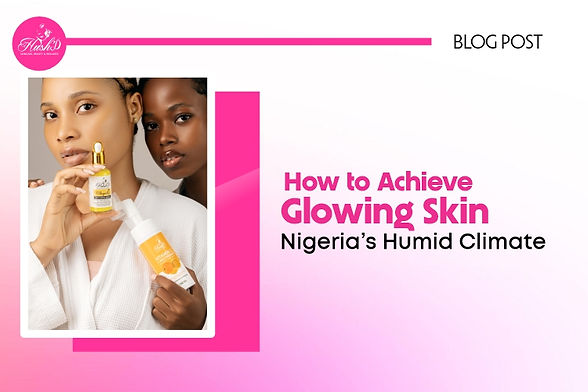
Nigeria’s climate is no joke. Between the intense harmattan season that strips moisture from your skin and the humid, sweat-inducing heat of the rainy season, Nigerian skin faces a unique set of challenges year-round. Building a skincare routine that actually works here means understanding your skin’s specific needs rather than blindly copying routines designed for temperate climates. The essentials start with a good cleanser - one that removes sweat, dust, and excess oil without stripping your skin’s natural barrier. A gentle, pH-balanced face wash used twice daily is the non-negotiable foundation of any functional routine.
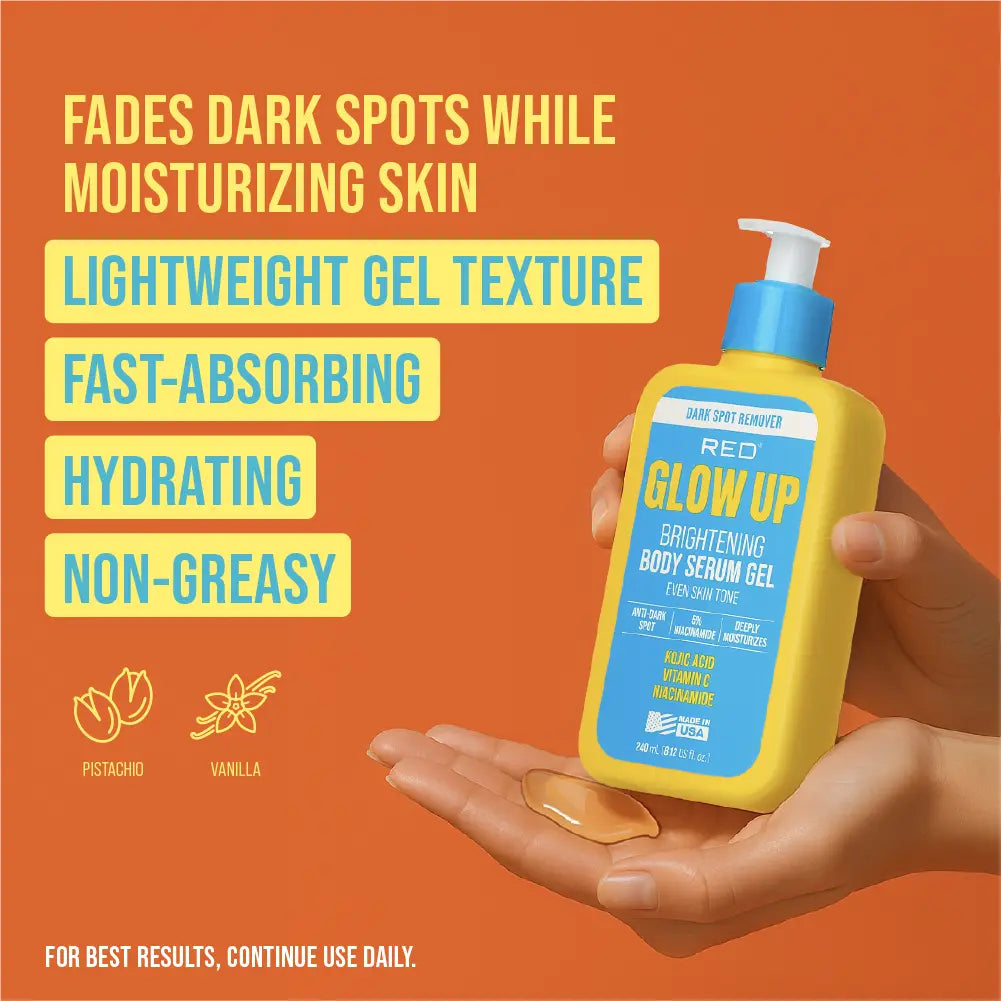
Sunscreen deserves special mention, because despite Nigeria sitting in a high UV index zone for much of the year, it remains one of the most underused products in the average Nigerian’s bathroom. Dermatologists and beauty professionals consistently recommend a broad-spectrum SPF 30 or higher for daily use, regardless of skin tone. The myth that darker skin tones do not need sun protection has been thoroughly debunked - hyperpigmentation, dark spots, and uneven skin tone are all accelerated by unprotected sun exposure, and these are concerns that affect a significant number of Nigerians. Rounding out the core skincare kit should be a good moisturiser suited to your skin type, a vitamin C serum for brightening, and a gentle exfoliant used two to three times a week to keep skin clear and smooth.
Hair Care Must-Haves That Actually Work for African Hair
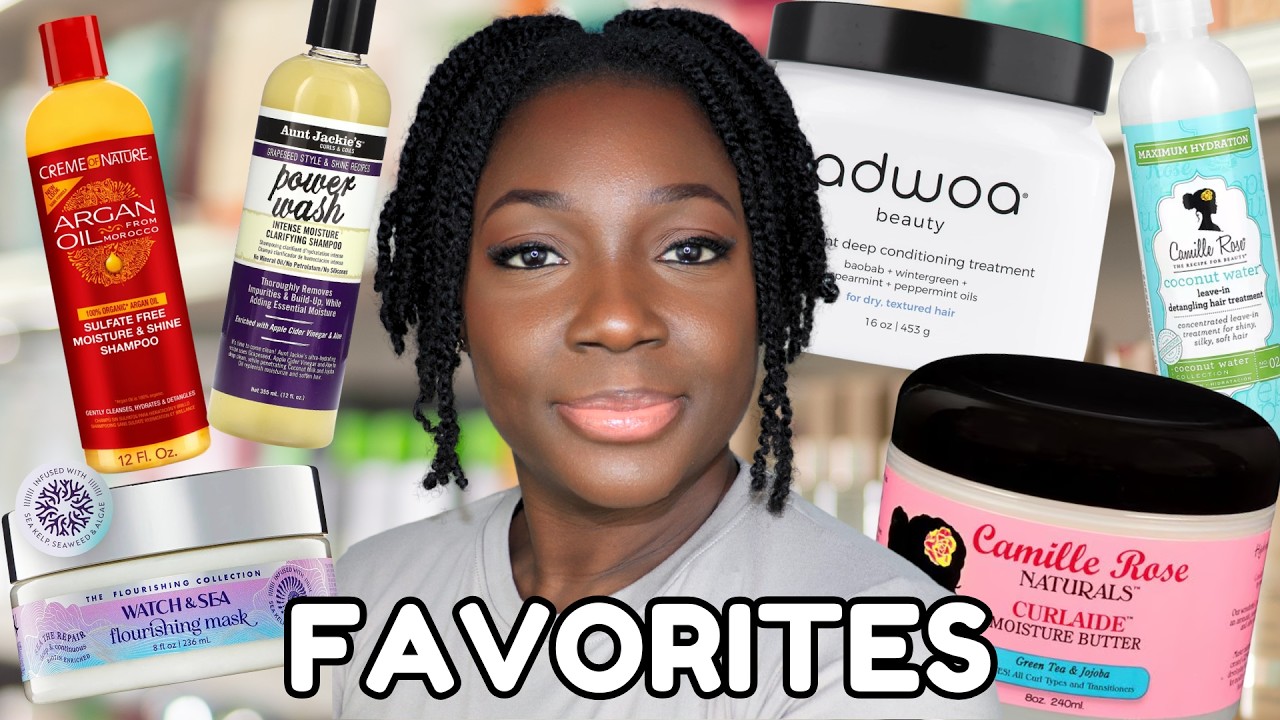
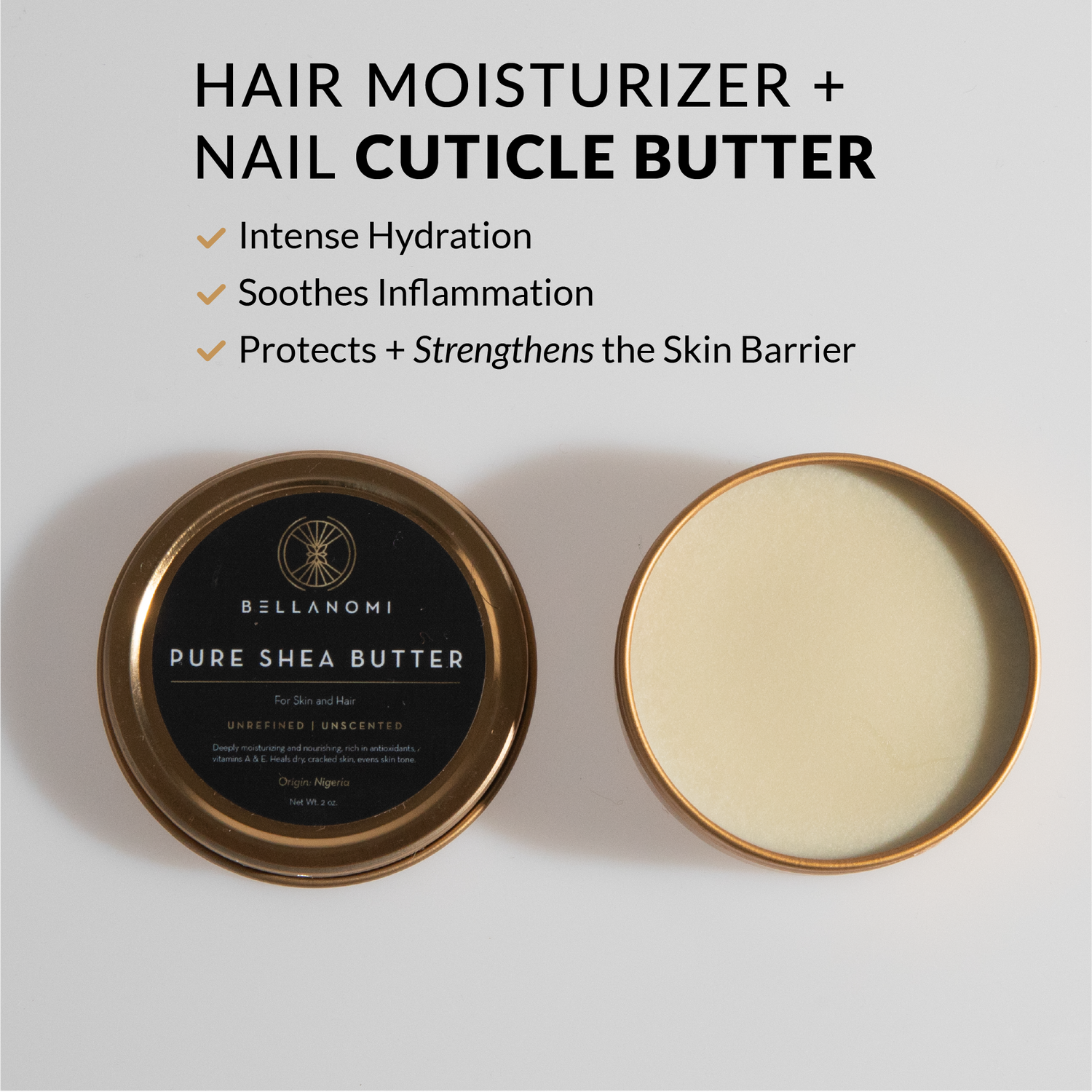
Nigerian hair - whether natural, relaxed, loc’d, or somewhere in between - is textured, resilient, and absolutely stunning when properly cared for. The natural hair movement, which gained serious momentum across the African continent throughout the 2010s, has fundamentally changed how Nigerians think about their hair. Rather than defaulting to chemical relaxers as the standard option, more people are embracing their natural curl patterns and investing in products designed specifically for high-porosity, tightly coiled hair. The basics of a solid hair care routine for Nigerian hair include a sulphate-free shampoo, a deeply moisturising conditioner, and a leave-in treatment or hair butter to seal in hydration.
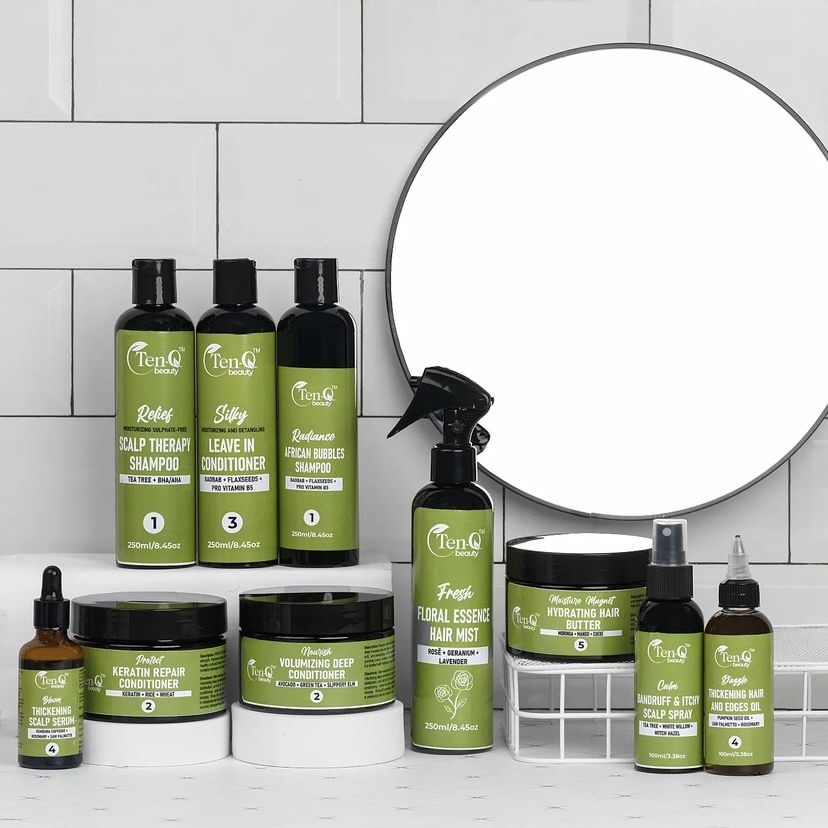
Protective styling has also become a cornerstone of modern Nigerian hair care culture, with braids, twists, and wigs serving both aesthetic and practical purposes. But protective styles only work in your favour if the hair and scalp underneath are being maintained properly. A lightweight scalp oil applied regularly, combined with periodic deep conditioning treatments, can make the difference between hair that grows and thrives versus hair that breaks and thins over time. For those who prefer relaxed hair or weaves, the same principle applies - the health of your natural hair beneath the style is what determines your long-term results. Investing in quality hair products is one of the highest-return upgrades you can make to your personal care routine.