Morocco's National Football Team: Africa's Most Exciting Squad and the Stars Driving Their World Cup Rise
Miki Anderson··9 min read
Ad SpaceArticle Top - 728x90
Advertisement
Inside the Al Thumama Stadium in Doha, the penalty spot felt a mile away from a country that had never tasted a World Cup quarterfinal. Spain had passed the ball more than 1,000 times across 120 goalless minutes, suffocating possession the way they always do, and still the score read 0-0. Then came the shootout. Yassine Bounou guessed right twice, Spanish nerves frayed, and when Achraf Hakimi strolled up and dinked a Panenka straight down the middle, the goalkeeper diving away helplessly, an entire continent rose off its feet. That single chipped penalty in December 2022 was the moment Morocco stopped being a plucky underdog and announced itself as a genuine force. The Atlas Lions had just knocked the 2010 world champions out of the World Cup.
What followed over the next two weeks rewired what African football believed was possible, and the squad carrying that legacy into the summer of 2026 is arguably the most thrilling collection of talent the continent has ever assembled.
The Run in Qatar That Broke the Ceiling
Morocco arrived in Qatar with respectable expectations and left having rewritten the record books. Drawn into a brutal Group F alongside 2018 finalists Croatia, world No. 2 Belgium and Canada, they were widely tipped to finish third. Instead they topped the group. A disciplined goalless draw with Croatia set the tone. Then came a 2-0 dismantling of Belgium, with Abdelhamid Sabiri curling a free kick past Thibaut Courtois and Zakaria Aboukhlal adding a late second. A 2-1 win over Canada sealed first place and seven points from a possible nine.
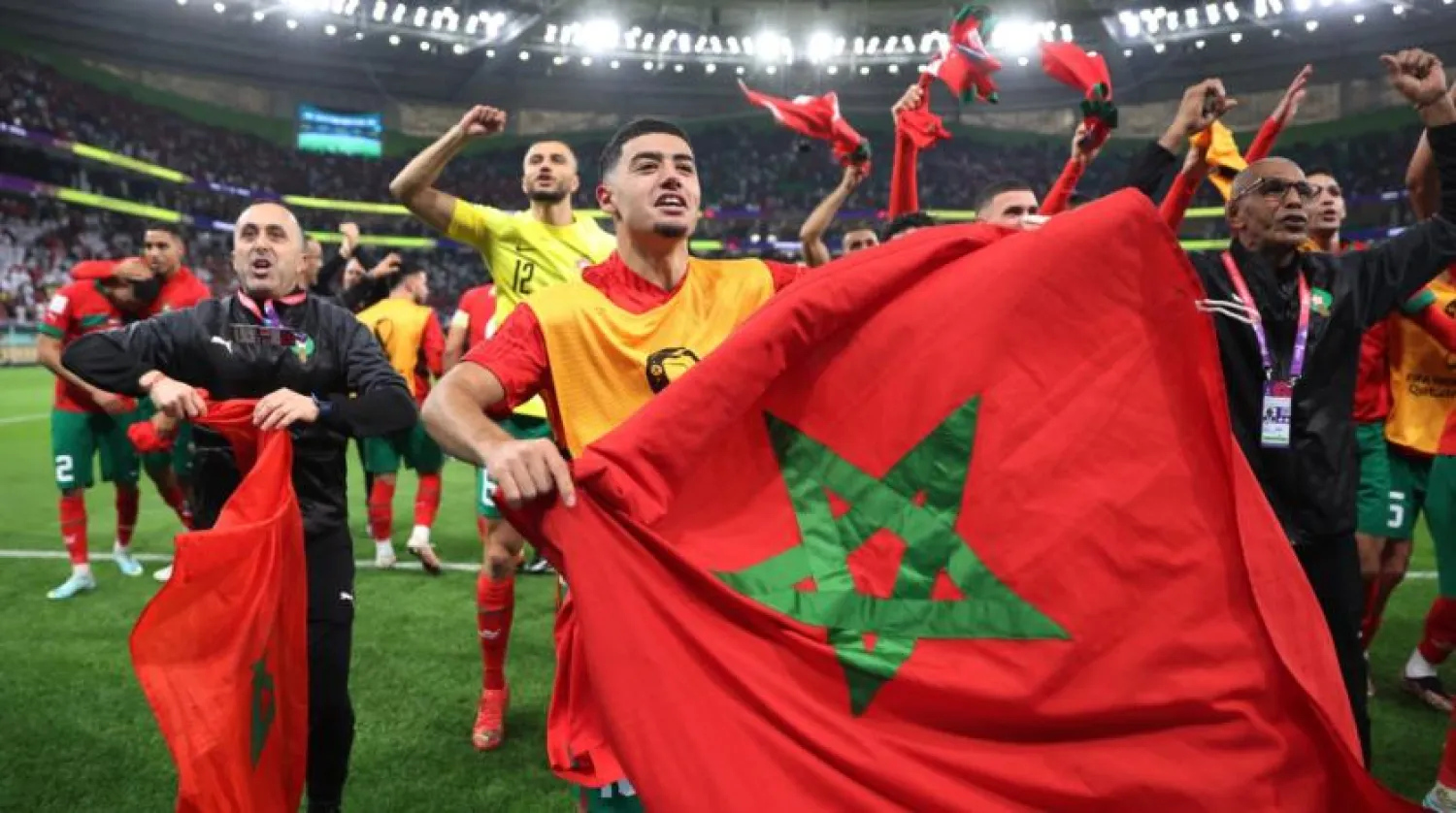
The knockout rounds turned the campaign into folklore. Spain were beaten on penalties in the round of 16. Then, in the quarterfinal, Youssef En-Nesyri climbed impossibly high above the Portuguese defence to head home the only goal, sending Cristiano Ronaldo home in tears and putting Morocco where no African or Arab nation had ever stood: a World Cup semifinal.
The fairytale did not quite reach the final. France, the defending champions, won the semifinal 2-0, and Croatia edged a pulsating third-place playoff 2-1, a game in which Achraf Dari briefly leveled before the European side reclaimed the lead. Fourth place in the world. For context, no African team had previously gone beyond the quarterfinals in nearly a century of trying. Morocco had not just broken the ceiling, they had blown the roof off.
Building an Identity, and Then Losing the Architect
For most of that run, the man on the touchline had been in the job barely three months. Walid Regragui was appointed on 31 August 2022, parachuted in just weeks before the tournament after the federation parted ways with Vahid Halilhodzic. A former Morocco international who had won the CAF Champions League with Wydad Casablanca, Regragui rebuilt belief at lightning speed.
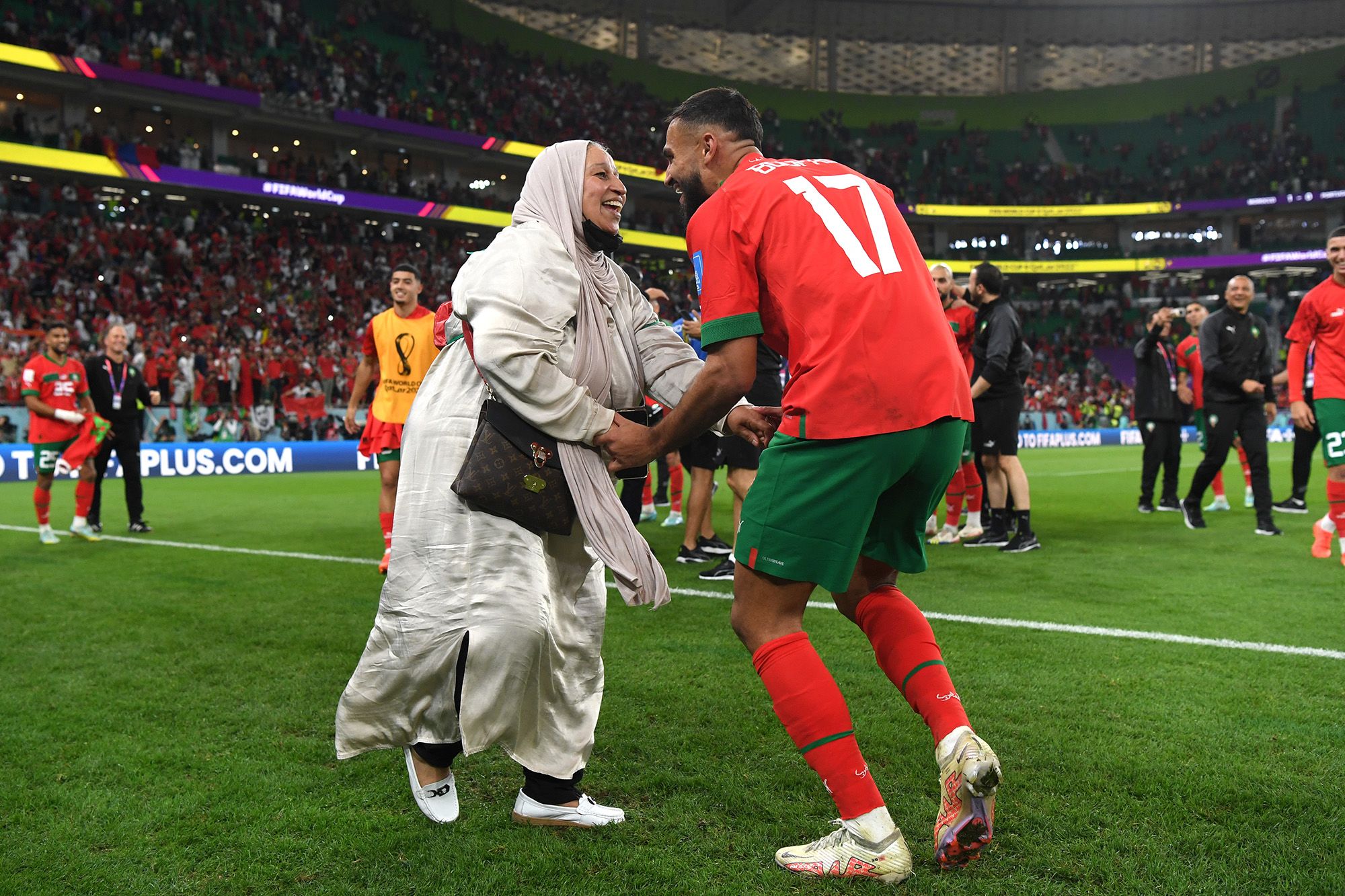
His football was not built on flair for its own sake. It was built on organization, a back line that conceded only once from open play in seven matches in Qatar, and a ferocious collective spirit that turned a roster of stars into a unit willing to run through walls. Regragui sold the players a story about playing for their mothers and for the millions of Moroccans across the diaspora, and they bought it completely.
That partnership, though, did not survive into the 2026 World Cup. After Morocco hosted the 2025 Africa Cup of Nations and stumbled at the final hurdle, the federation made a stunning call. On 6 March 2026, just three months before the World Cup, Regragui left the role. In his place came Mohamed Ouahbi, a 49-year-old Belgian-Moroccan coach who had spent much of his career developing youth talent at Anderlecht and had just delivered Morocco its first ever FIFA U-20 World Cup. It was a bold, even risky, handover so close to the biggest tournament on earth, and it set the stage for one of the most fascinating subplots heading into the summer.
A Squad Built by the Diaspora
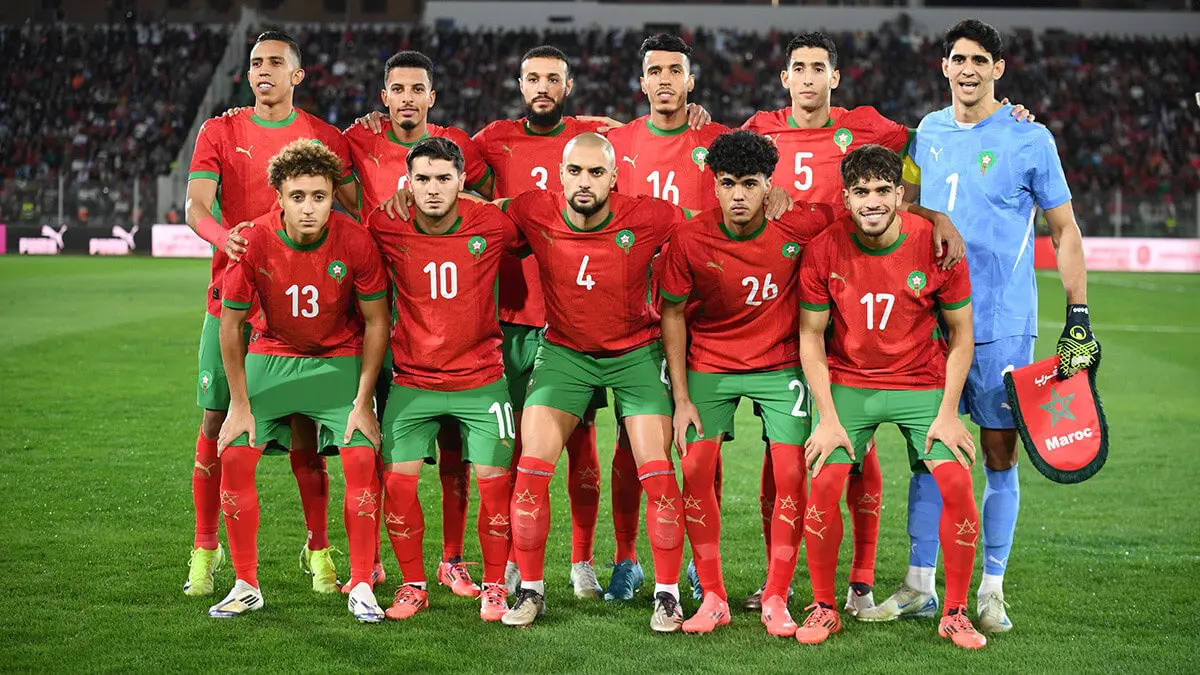
The defining feature of this Moroccan team is where its players grew up, and it is not Morocco. The squad is the purest expression yet of football’s great migration story. Captain Achraf Hakimi was born in Madrid to Moroccan parents who had emigrated from the north of the country. Goalkeeper Yassine Bounou was born in Montreal. Across the roster, you find players raised in the suburbs of Paris, the academies of Amsterdam and Rotterdam, the youth pipelines of Belgian clubs and the streets of southern Spain.
For the 2026 finals, around 20 of the 26-man squad were born outside Morocco. France alone has supplied dozens of players to the Moroccan setup over the years, with the Netherlands and Belgium close behind. These are footballers who, in many cases, could have chosen to represent their country of birth and instead pledged themselves to the nation of their parents and grandparents.
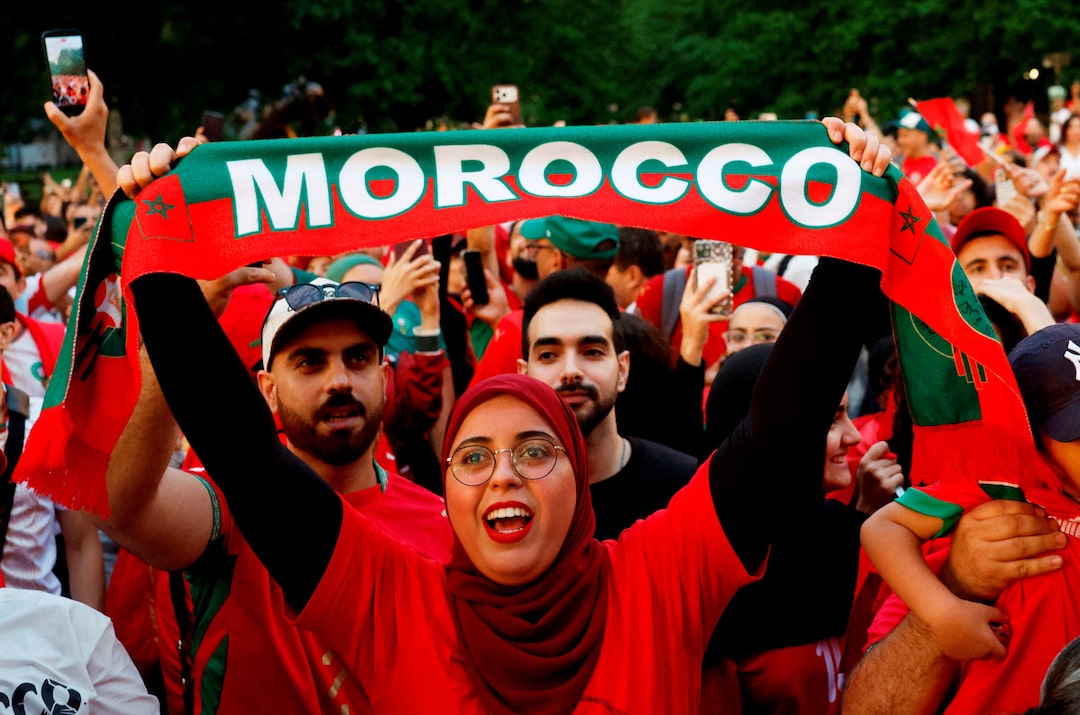
That choice is the emotional engine of the whole project. It is one thing to be eligible for Morocco. It is another to turn down France or the Netherlands to wear the red shirt, to learn the anthem, to absorb the weight of representing a homeland you may have only visited on summer holidays. When this team plays, it is carrying the pride of millions of Moroccans who left for Europe in search of work and never stopped feeling Moroccan. The diaspora did not just supply the squad. The diaspora became the squad.
The Spine: Hakimi and the Stars
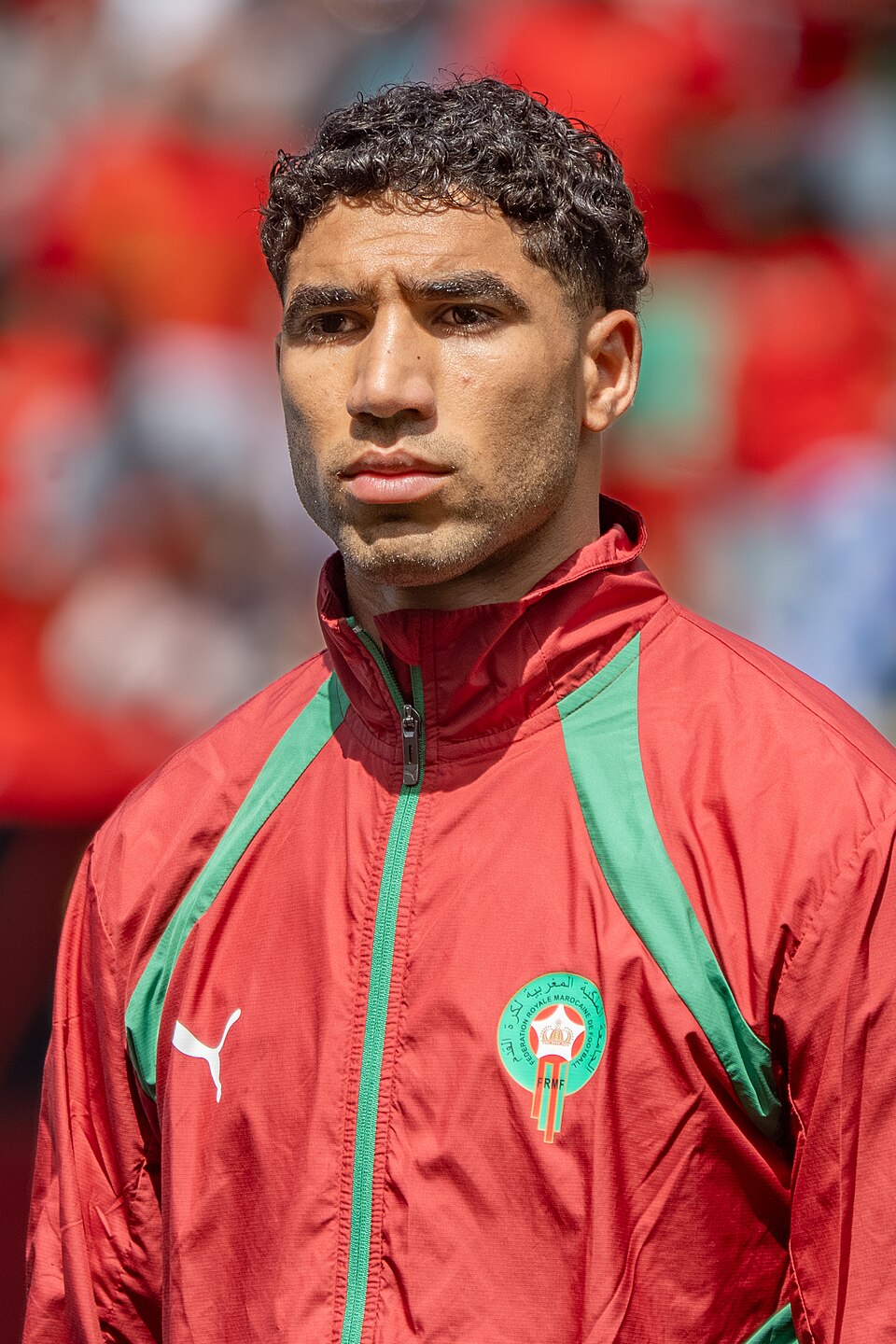
Every great team has a heartbeat, and Morocco’s runs through Achraf Hakimi. The Paris Saint-Germain right back is among the finest in the world in his position, a player who defends like a full back and attacks like a winger, capable of overlapping runs that terrorize defences and of producing moments of pure ice in the biggest games. He is the captain, the talisman and the symbol of everything this team represents.
Around him stand seasoned operators. Bounou, long one of the most reliable goalkeepers in European football, remains a calming presence between the posts. Nayef Aguerd anchors the defence. Sofyan Amrabat, now at Real Betis, is the midfield destroyer who shielded that back line so heroically in Qatar, breaking up attacks and carrying the ball out of trouble. Noussair Mazraoui of Manchester United gives the team versatility and quality across the back line.
Ad SpaceIn-Article - 300x250
Advertisement
The most intriguing new pillar is Brahim Diaz. The Real Madrid attacker, born in Malaga, spent years in Spain’s youth system before committing his international future to Morocco, a switch that handed the Atlas Lions a genuine match-winner in the final third. His arrival adds a layer of creativity and unpredictability that the 2022 vintage, for all its grit, sometimes lacked. With Diaz drifting between the lines, this Morocco can hurt opponents in ways that go beyond their famous defensive resilience.
The New Generation Coming Through
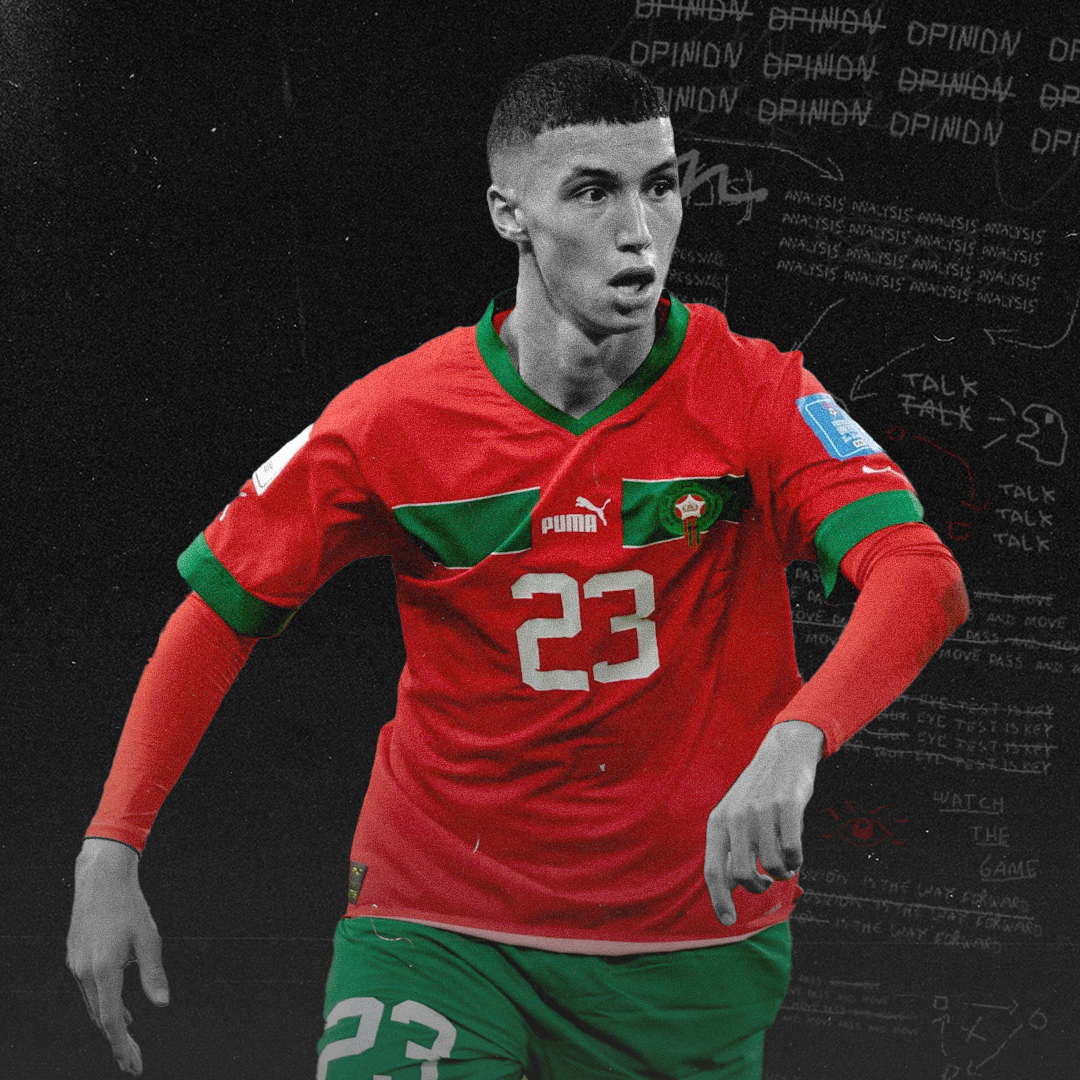
What makes Morocco genuinely frightening is not just the established names. It is the conveyor belt of young talent rising behind them. Bilal El Khannouss, the silky Stuttgart playmaker, has been capped more than 30 times before the age of 22 and represents the new creative heart of the team. He is the kind of player who can unlock a packed defence with a single pass, and he is only getting started.
The U-20 World Cup triumph in Chile in 2025 supercharged the optimism. Under Ouahbi, that young side beat Spain, Brazil, France and then Argentina in the final, with Yassir Zabiri scoring twice in the showpiece and finishing as the tournament’s top scorer. Othmane Maamma was named the best player of the entire competition. These are not distant prospects. They are the proof that Morocco’s investment in academies, infrastructure and youth development is producing world-beaters at every level, not a one-off golden generation but a sustainable pipeline.
Of course, transition brings hard choices. Several heroes of 2022 did not make the cut for the 2026 squad. Hakim Ziyech, whose left foot defined so much of the Qatar run, was left out as Ouahbi leaned into youth. Youssef En-Nesyri, the scorer of that iconic header against Portugal, also missed the final 26. Even Eliesse Ben Seghir, one of the brightest young attackers in Europe, found himself on the outside. The depth is now so vast that genuine stars are being left at home. That is the mark of a footballing nation that has truly arrived.
The Trophy Question and a Painful Host Year
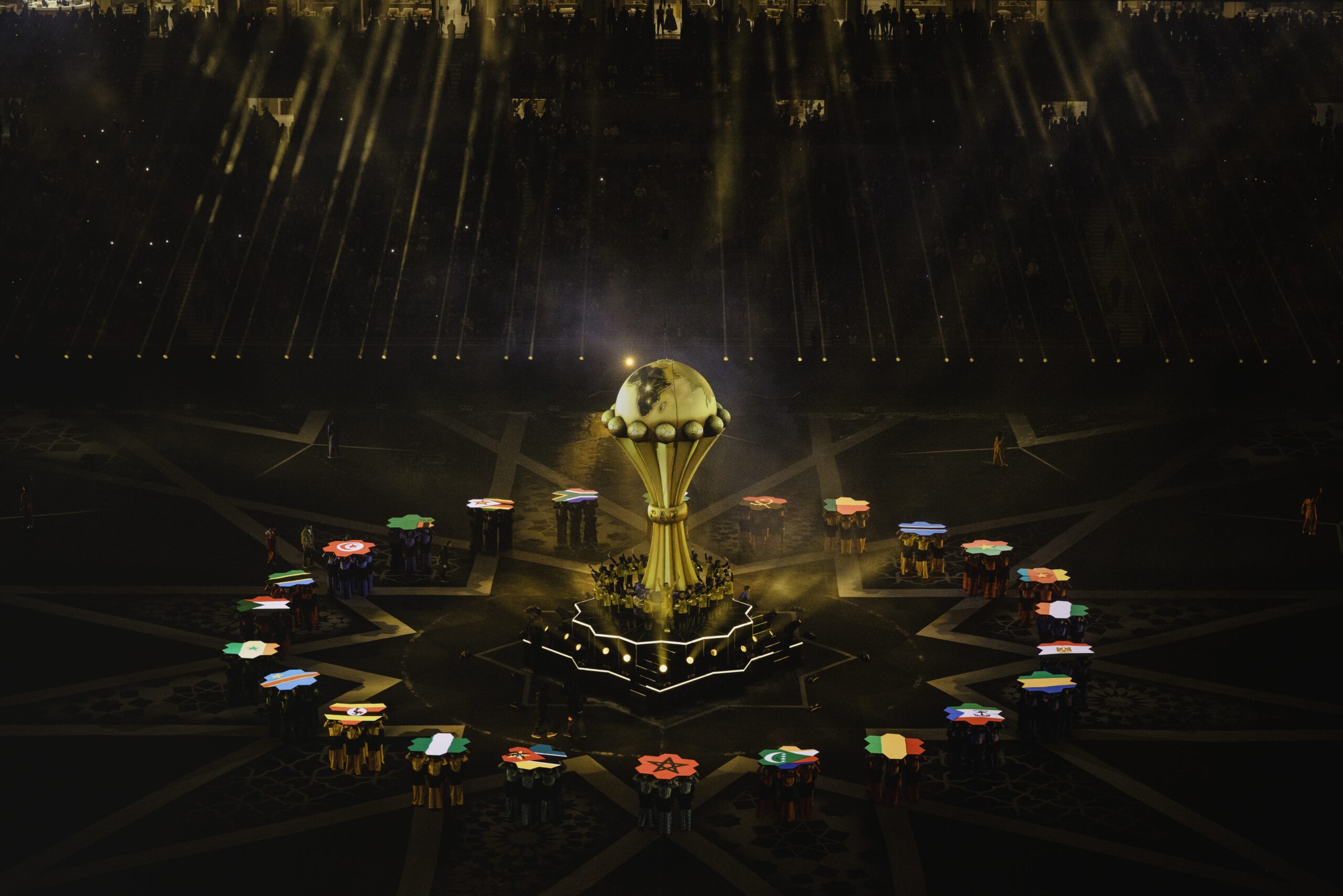
For all the World Cup heroics, one prize had stubbornly eluded Morocco: the Africa Cup of Nations, which they last won back in 1976. The 2025 edition, which Morocco hosted on home soil, was supposed to be the coronation. It became one of the strangest chapters in the team’s recent history.
Morocco powered through to the final in Rabat, beating Nigeria on penalties in the semifinal, and looked set to lift the trophy in front of their own people. The final against Senegal descended into chaos. Senegal won 1-0 on the night through a stunning late strike, a result made more bitter by extraordinary scenes that included a player walk-off in protest after a Morocco penalty award. Brahim Diaz then missed the resulting spot kick. It looked like heartbreak for the hosts.
The story did not end there. In March 2026, the CAF Appeal Board overturned the final result, citing the conduct of the Senegal side during the match, and awarded Morocco a retrospective 3-0 victory and the title. It was a deeply controversial way to end a trophy drought, and it left a strange aftertaste rather than the pure joy a home triumph should have brought. The episode also cost Regragui his job. The trophy is in the cabinet, but the manner of winning it ensured the conversation around this team remained complicated heading into the World Cup.
Hosting the Continent, Co-Hosting the World
Whatever happens on the pitch, Morocco’s standing in global football has never been higher off it. Hosting the 2025 AFCON was a statement of ambition and organizational capability, with new and refurbished stadiums showcasing a country investing heavily in the sport.
The bigger prize is still to come. Morocco will co-host the 2030 World Cup alongside Spain and Portugal, with a handful of centenary matches also staged in Argentina, Paraguay and Uruguay to mark 100 years since the first tournament. For a nation that bid for the World Cup multiple times and was repeatedly rejected, securing co-hosting rights for the sport’s centenary edition is a watershed. It guarantees Morocco a place at the 2030 finals and cements its role as the bridge between African and European football, a country with one foot on each continent in every sense.
Why They Are Genuine Contenders in 2026
Morocco’s 2026 World Cup campaign sits in Group C, and the draw has been anything but kind. They share the group with five-time champions Brazil, plus Scotland and Haiti. As confirmed facts on the calendar, Morocco face Brazil in the New York-New Jersey area on 13 June 2026, meet Scotland in the Boston area on 19 June, and close the group against Haiti in Atlanta on 24 June. The top two in the group advance to the round of 32 in the expanded 48-team format.
A group with Brazil would frighten most nations. Morocco are not most nations. This is a team that has already beaten Spain, Portugal and Belgium on the World Cup stage and held its nerve when everything was on the line. The blend is rare: elite defensive structure, a world-class spine, genuine creativity through Diaz and El Khannouss, and a fearless young core fresh off a U-20 world title. The uncertainty around a new coach so close to the tournament is the obvious risk, and a poor start against Brazil could pile pressure on Ouahbi quickly. But the talent is undeniable, and the belief, hardened in Qatar, has not gone anywhere.
A deep run would carry meaning far beyond Morocco’s borders. In 2022, the Atlas Lions became the team that the whole of Africa and the Arab world adopted as their own, the side that proved the old hierarchy of world football could be torn up. Should this squad go even further in 2026, reaching a first final or lifting the trophy itself, it would not simply be a Moroccan achievement. It would be the clearest signal yet that the center of gravity in global football is shifting, that a nation built by its diaspora and its academies can stand toe to toe with anyone, and that the ceiling broken in Doha was never the limit at all. Africa has waited a long time for a team to carry that flag. Right now, no one carries it more thrillingly than Morocco.
Ad SpaceIn-Article - 300x250
Advertisement
Share
Get the recap
Loved this story? Get more like it.
Join readers who get our weekly entertainment recap - the stories worth your time, delivered every Friday.
No spam. Unsubscribe anytime. By signing up you agree to our Privacy Policy.