
Lionel Messi at 38: Legacy, Net Worth and Why Africa Still Loves the GOAT
Entertainment

Lionel Messi at 38: Legacy, Net Worth and Why Africa Still Loves the GOAT

Miki AndersonMiki Anderson··9 min read
Advertisement

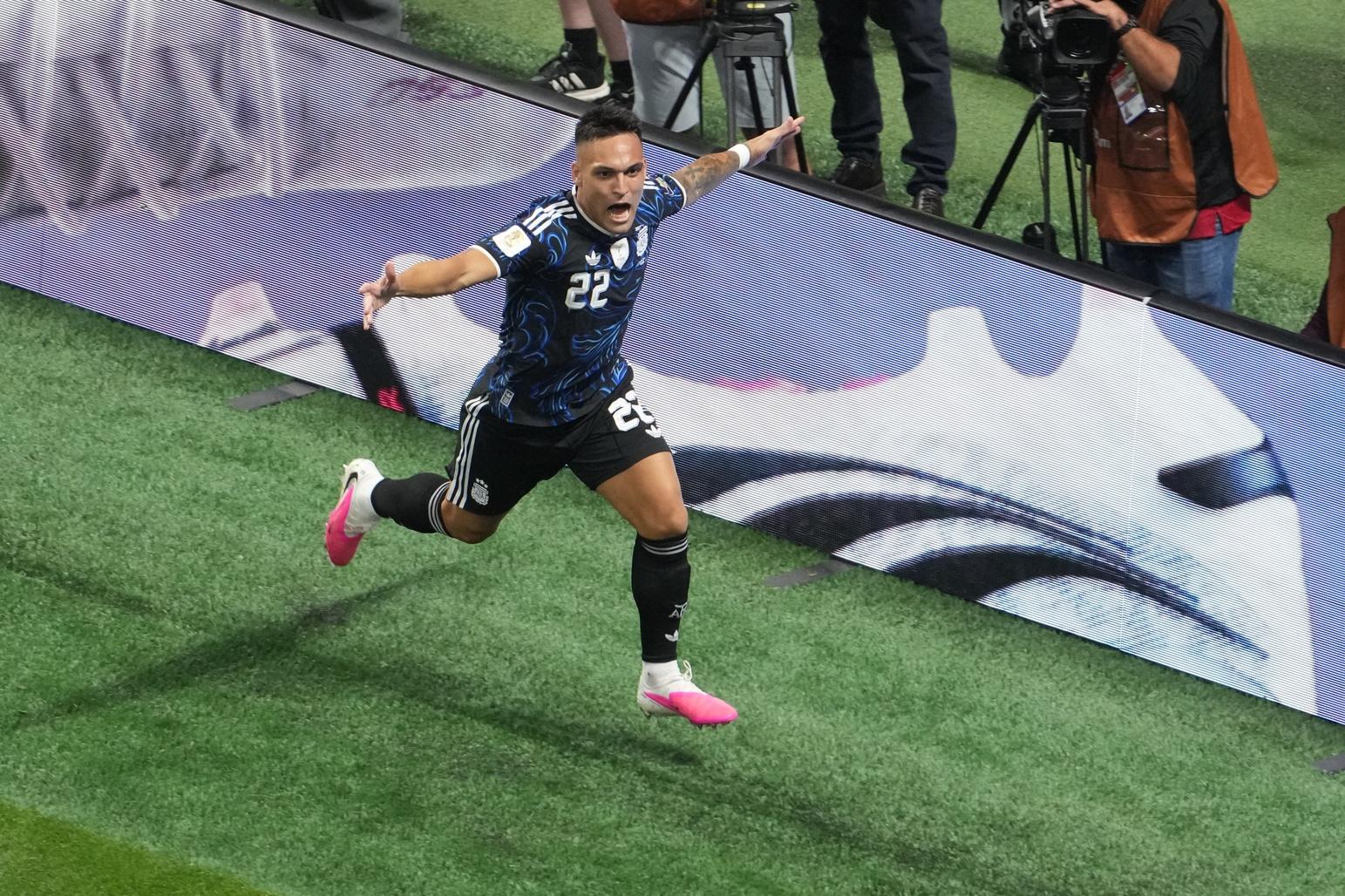
Lusail Stadium had stopped breathing. December 18, 2022, deep in the second half of extra time, and a small figure in the sky-blue and white number ten shirt stood over the ball at the penalty spot with the whole of Argentina’s history pressing on his shoulders. He took three short steps, sent Hugo Lloris the wrong way, and ran toward the corner flag with his arms spread wide. Moments later he would lift the trophy that had eluded him for a lifetime, kissing the gold under a black ceremonial cloak. Across Lagos, Nairobi, Accra and Dakar, viewing centres erupted as if the goal had been scored for a home nation. For millions of Africans who had never been to Argentina, that night felt personal.

Now, as June 2026 arrives and the small magician from Rosario prepares to mark another birthday, the conversation has shifted from what he might still win to what he has already become. On June 16, 2026, Lionel Messi captained Argentina as the reigning world champions opened their FIFA World Cup title defence against Algeria at a packed stadium in the United States, his record 27th World Cup appearance and around his 200th cap for the Albiceleste. The opponent was an African nation. The watching audience, once again, was global. And the man at the centre of it remains the most beloved footballer the continent of Africa has perhaps ever embraced.

The Rosario kid and the napkin that changed everything
Lionel Messi at 38 - The Rosario kid and the napkin that changed everything

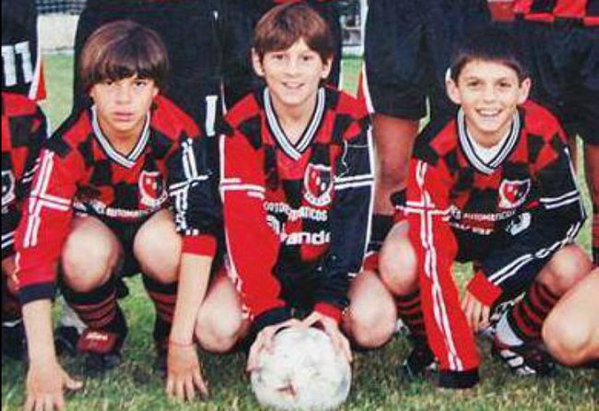
Lionel Andres Messi was born on June 24, 1987, in Rosario, a working-class river city in central Argentina. He turns 39 this June, though the football he played through the season just gone belonged to a man who refuses to act his age. From the moment he could walk he was kicking a ball, turning streets and backyards into private stadiums, dribbling past cousins and neighbourhood boys who were bigger and older than he was.

The bigness was the problem. At 11, after more than a year of tests, doctors in Rosario diagnosed him with growth hormone deficiency. Without treatment, they warned, he might top out at well under five feet. The injections he needed every night were expensive, and his family could not afford them long-term. Argentine clubs admired the boy but balked at the medical bill.

Barcelona did not. In 2000, the 13-year-old travelled to Catalonia for a trial at La Masia, the club’s famed youth academy. He was so dazzling that sporting director Carles Rexach, terrified of losing him, reportedly scribbled a contract offer on a paper napkin so the family would have something binding in hand. The agreement carried one life-altering clause: Barcelona would pay for the growth hormone treatment. A boy who might have stayed small enough to be overlooked instead grew into the player who would redraw the sport.

The Barcelona dynasty
Lionel Messi at 38 - The Barcelona dynasty

What followed at Barcelona was less a career than a rewriting of the record books. Messi rose through La Masia, debuted as a teenager, and over the next decade and a half became the spine of one of the greatest club sides ever assembled. Under coaches who built their philosophy around his gifts, Barcelona won La Liga titles and Champions League crowns, and Messi piled up individual honours at a rate the game had never seen.

He became the club’s all-time leading scorer by a distance that still looks unreal. He won Ballon d’Or after Ballon d’Or, eventually holding eight of the awards, the most in history, claimed in 2009, 2010, 2011, 2012, 2015, 2019, 2021 and 2023. His tally of career trophies across club and country runs to roughly 47, a number that includes domestic leagues, cups, continental titles and the prizes that come with being repeatedly named the best player alive.

What set him apart was never just the volume. It was the style: the low centre of gravity, the close control at speed, the sense that the ball was tied to his laces by an invisible thread. Defenders knew exactly what he intended to do and still could not stop it. For a generation of African children playing barefoot on dusty pitches, the appeal was obvious. Messi did not win with brute power or imposing height. He won with intelligence, balance and an unteachable touch, the qualities a small boy anywhere in the world could dream of owning.

The one that completed him
Lionel Messi at 38 - The one that completed him

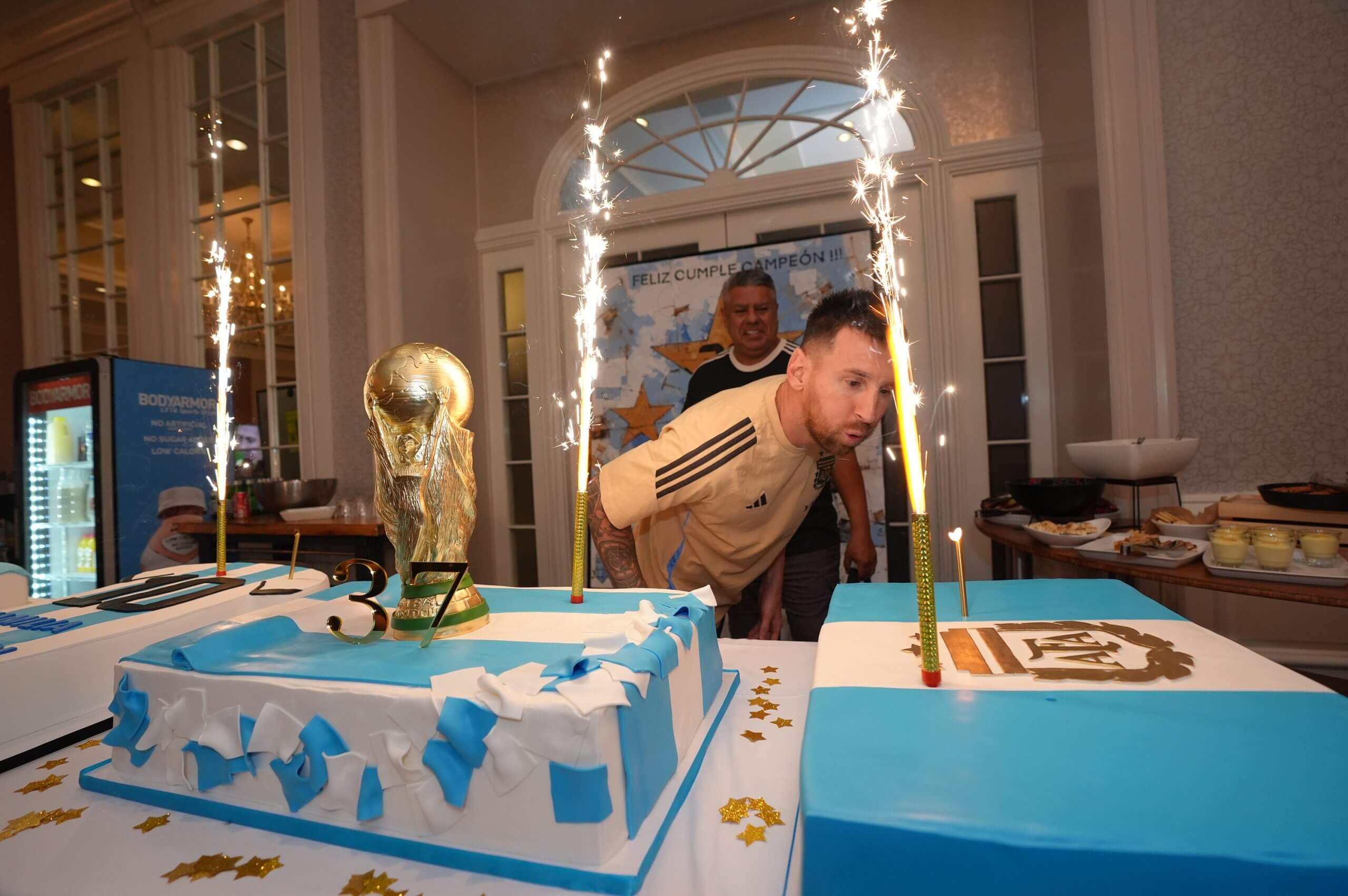
For all the club silverware, one prize stayed out of reach long enough to become a source of national anguish. Argentina, a country that treats football as something close to religion, had not won a World Cup since 1978. Messi carried that weight through a series of near-misses, including a painful final defeat in 2014. Critics who measured him only against the senior international trophy used its absence as a weapon.

The first crack came in 2021, when Messi finally led Argentina to the Copa America, ending a long drought in continental competition and taking the Golden Ball as the tournament’s standout. Then came Qatar. At the 2022 World Cup, Messi scored seven goals and provided three assists across the tournament, dragging his side to the final and converting in the penalty shootout that delivered the title against France. He is Argentina’s all-time leading scorer with more than 100 international goals, the country’s most-capped player, and its top scorer at World Cups.

The 2022 triumph did more than complete a resume. It settled an argument that had followed him for years and turned grudging admirers into believers. The image of Messi hoisting the trophy in a Qatari bisht is now one of the most reproduced photographs in sporting history.

The Miami chapter
Lionel Messi at 38 - The Miami chapter

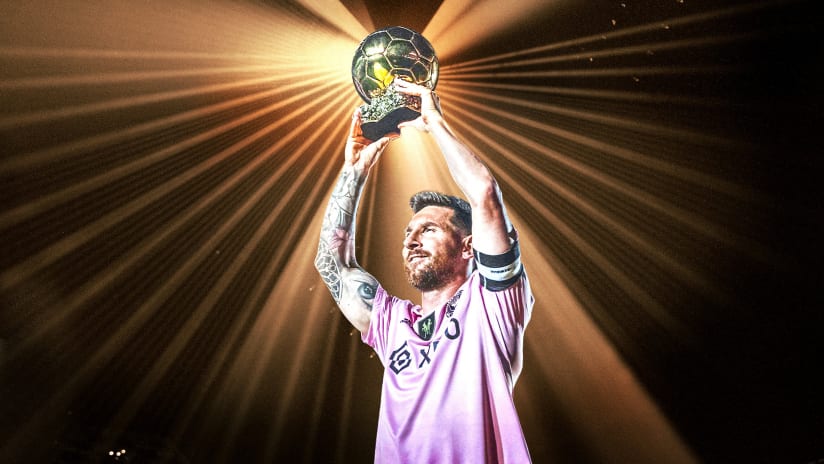
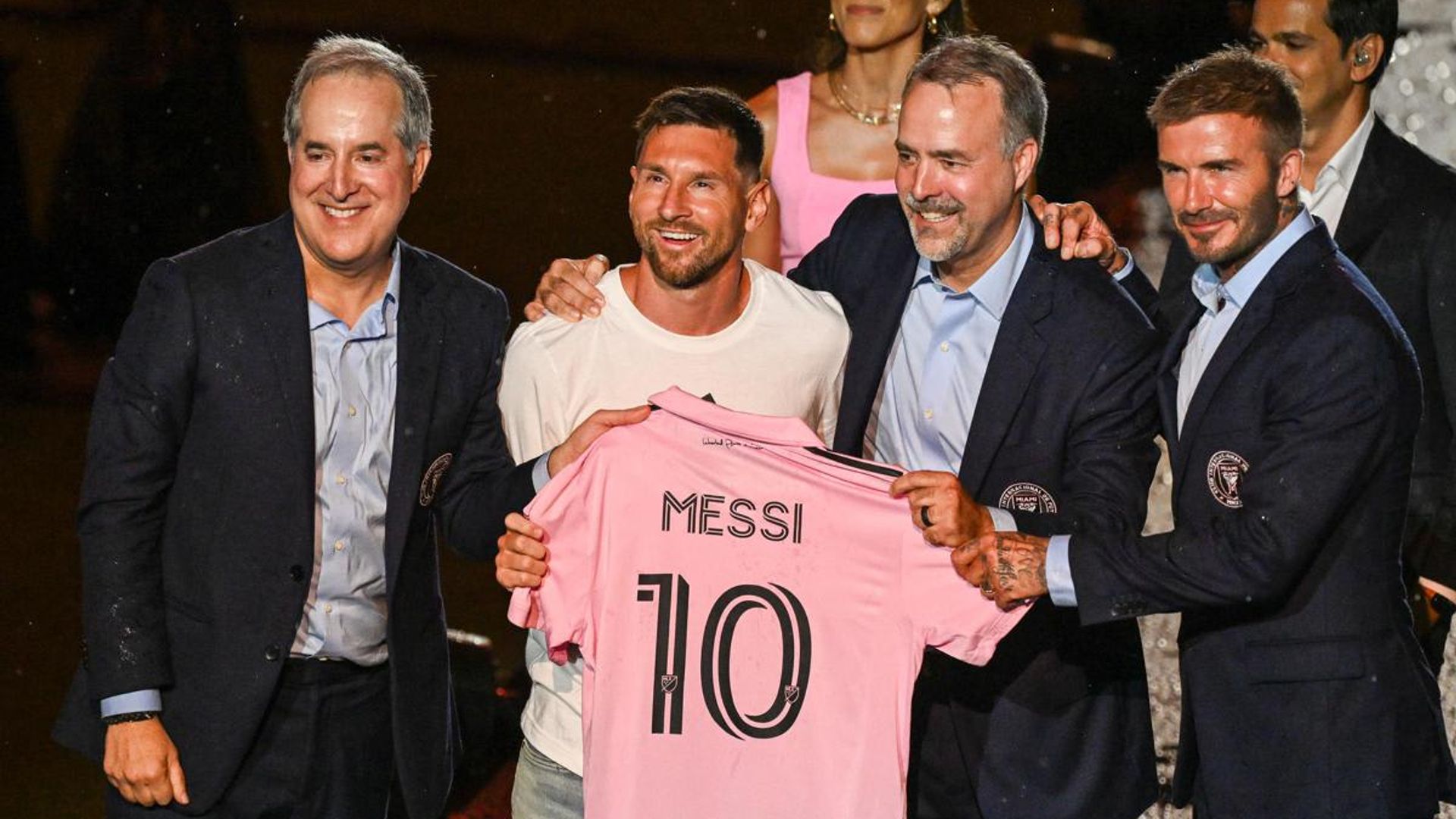
In 2023, Messi made the move few expected. Rather than chase one more European campaign, he signed for Inter Miami in Major League Soccer, joining the American league at a moment when it badly wanted a global headline act. The arrival was seismic. Ticket prices soared, shirt sales exploded, and matches that once drew modest crowds became hot tickets across the United States.

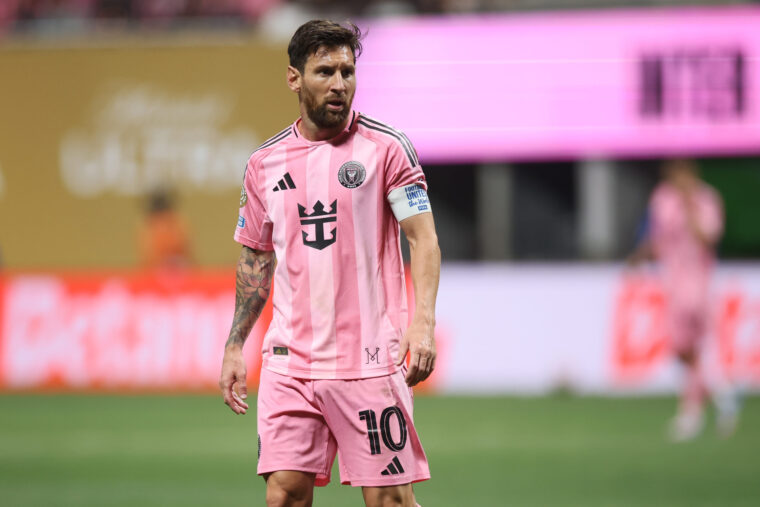
He has not coasted. In the 2025 season Messi won the league’s Golden Boot with 29 goals and 19 assists and helped Inter Miami lift its first MLS Cup, having already been named the league’s Most Valuable Player. In October 2025 the club announced a contract extension that keeps him with Inter Miami through the 2028 season. As of June 2026 he remains the club’s captain and central figure, his form healthy enough that Argentina built its World Cup defence around him.
Advertisement

The Miami years have reframed the late stage of his career. This is no quiet farewell tour. It is a continuation, in a new league and a new country, of a player still capable of deciding matches on his own.

The money, estimated and attributed

Lionel Messi at 38 - The money, estimated and attributed

The wealth Messi has accumulated is staggering, and worth stating with care. As of June 2026, Forbes reported his net worth at roughly 1.1 billion dollars, which by their accounting made him one of only a handful of athletes to reach billionaire status while still actively competing. Other outlets such as Celebrity Net Worth have placed the figure around 1 billion dollars, with more conservative estimates closer to 850 million. These are reported and estimated numbers, not audited disclosures, and they vary by source.

His Inter Miami contract is the highest in MLS by a wide margin. Public figures released through the players’ association put his 2026 salary at around 28 million dollars, and his extension reportedly carries roughly 75 million dollars across its remaining years. Beyond the base wage, Messi negotiated unusual revenue-sharing arrangements tied to his arrival in America, reportedly including a slice of subscriber and merchandise revenue connected to the league’s media and apparel partners.

Then there are the endorsements. His relationship with Adidas dates back to 2006, and the lifetime deal he signed in 2017 is widely reported to be worth an estimated 1 billion dollars over its lifespan, including a share of jersey sales tied to his name. Add long-running partnerships with brands such as PepsiCo, Mastercard and others, and his off-field income has been reported in the region of 70 million dollars a year. The picture, taken together, is of a player who turned generational talent into a generational fortune.

Why Africa adores him

Lionel Messi at 38 - Why Africa adores him

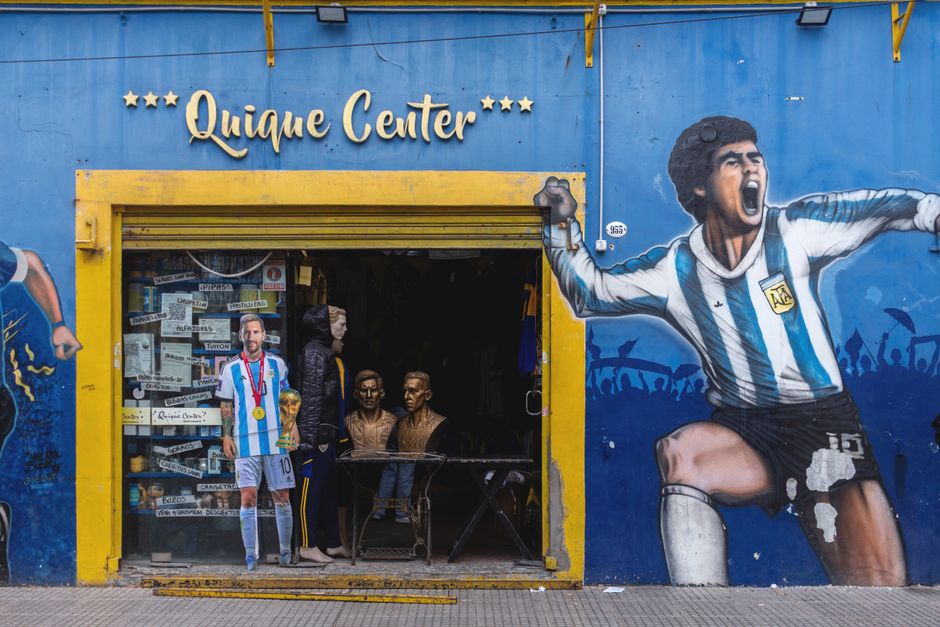
Africa’s love for Messi is not a marketing statistic. It is something you can hear in the roar of a Lagos viewing centre and see in the replica number ten shirts worn on streets from Kano to Kampala. Part of it is the football itself, the artistry that translates across every language. Part of it is the underdog arc, the small boy who needed medical help just to grow, which resonates deeply in places where talent has to fight circumstance to be seen.

But the affection is also rooted in something concrete. Through the Leo Messi Foundation, founded in 2007 to protect the health and education of vulnerable children, Messi has put resources into the continent. In 2019 his foundation donated 200,000 euros to UNICEF projects in Kenya, helping thousands of people gain access to food and water. Years earlier, in partnership with the Aspire Academy, the foundation backed a campaign against malaria in Senegal, supporting awareness efforts and the distribution of mosquito nets. These are documented initiatives, not vague gestures, and they have helped cement a sense across parts of Africa that Messi’s greatness is matched by a measure of conscience.

There is also the simple matter of representation. When Argentina opened its 2026 World Cup defence against Algeria, African fans found themselves caught happily between loyalties, cheering a continental side while still adoring the man in the opposing number ten shirt. Few footballers in history have managed to be both the rival and the favourite in the same stadium.

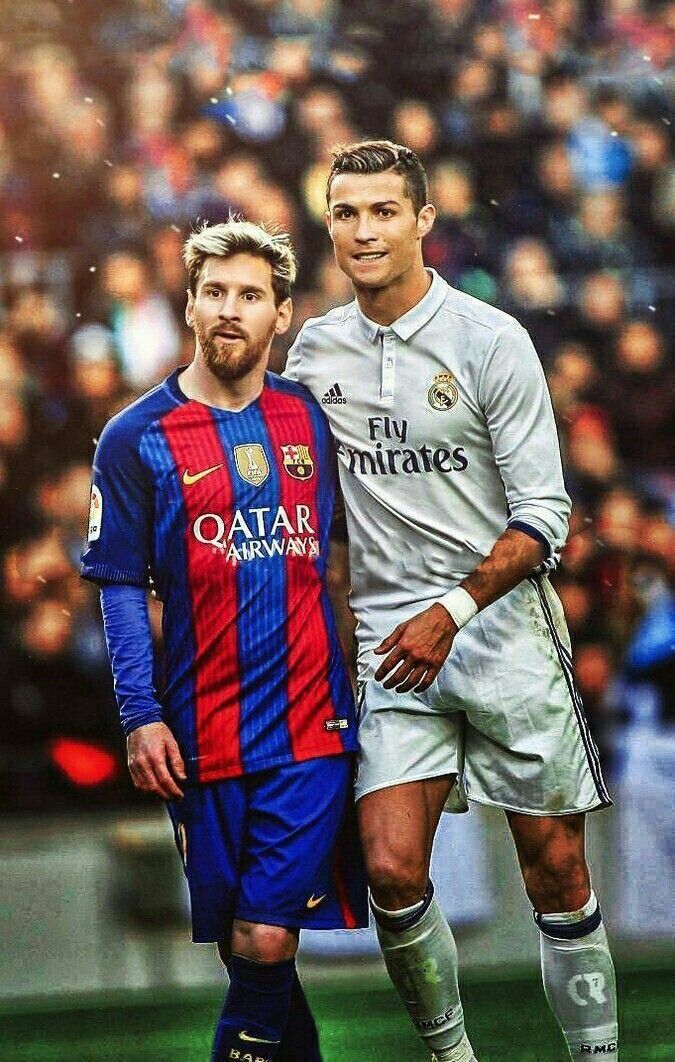
Messi versus Ronaldo, the great African debate

No conversation about Messi in African football culture lasts long before the other name arrives. For nearly two decades, Lionel Messi and Cristiano Ronaldo have split barbershops, classrooms, offices and WhatsApp groups across the continent into rival camps. In Nigerian street football, choosing a side is almost a rite of passage, and the arguments are passionate, endless and gloriously unresolved.

The numbers feed the debate. Messi’s eight Ballon d’Or awards now sit three clear of Ronaldo’s five, the last of which the Portuguese won in 2017. Messi’s 2022 World Cup gave his supporters the trophy they had long been denied as a debating point. Ronaldo’s backers counter with goals, longevity across multiple leagues, and Champions League hauls. Neither side ever truly wins, which is precisely why the argument has survived so long.

What the rivalry has done, more than settle anything, is enrich African football discourse. It has given two generations a shared language, a way of arguing about greatness that crosses borders and tribes. To debate Messi and Ronaldo is, for many young Africans, to belong to global football itself.

Where the legacy stands

So where does the legacy sit as another birthday arrives? It sits about as high as a footballer’s can. Eight Ballons d’Or. A World Cup that erased the only real question mark against his name. A Copa America. A trophy collection that runs to dozens of titles. A late-career chapter in America that has proved he can still dominate a league rather than merely decorate it. And a fortune that, by reported estimates, crossed into ten figures while he was still scoring goals.

But the part that travels furthest from Rosario is harder to weigh on a ledger. It is the boy who needed injections to grow becoming the player who made smallness look like a superpower. It is the foundation that reached children in Kenya and Senegal. It is the night in Lusail that a continent away felt like a victory of its own.

When the final whistle eventually goes on this career, the records will be quoted and the net worth recalculated. Yet in the viewing centres of Lagos and the dusty pitches where barefoot children still pretend to be number ten, the verdict is already in. The small magician from Rosario gave the world something it could not stop loving, and Africa, more than most, loved him back.

Advertisement
Share
Get the recap

Loved this story? Get more like it.

Join readers who get our weekly entertainment recap - the stories worth your time, delivered every Friday.

No spam. Unsubscribe anytime. By signing up you agree to our Privacy Policy.

Lionel Messi at 38: Legacy, Net... | Sidomex Entertainment