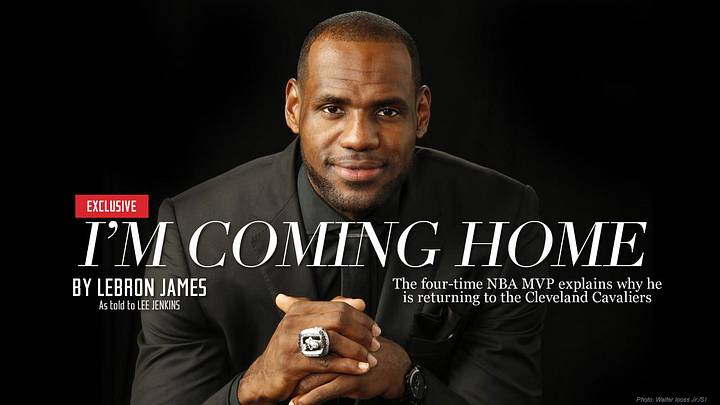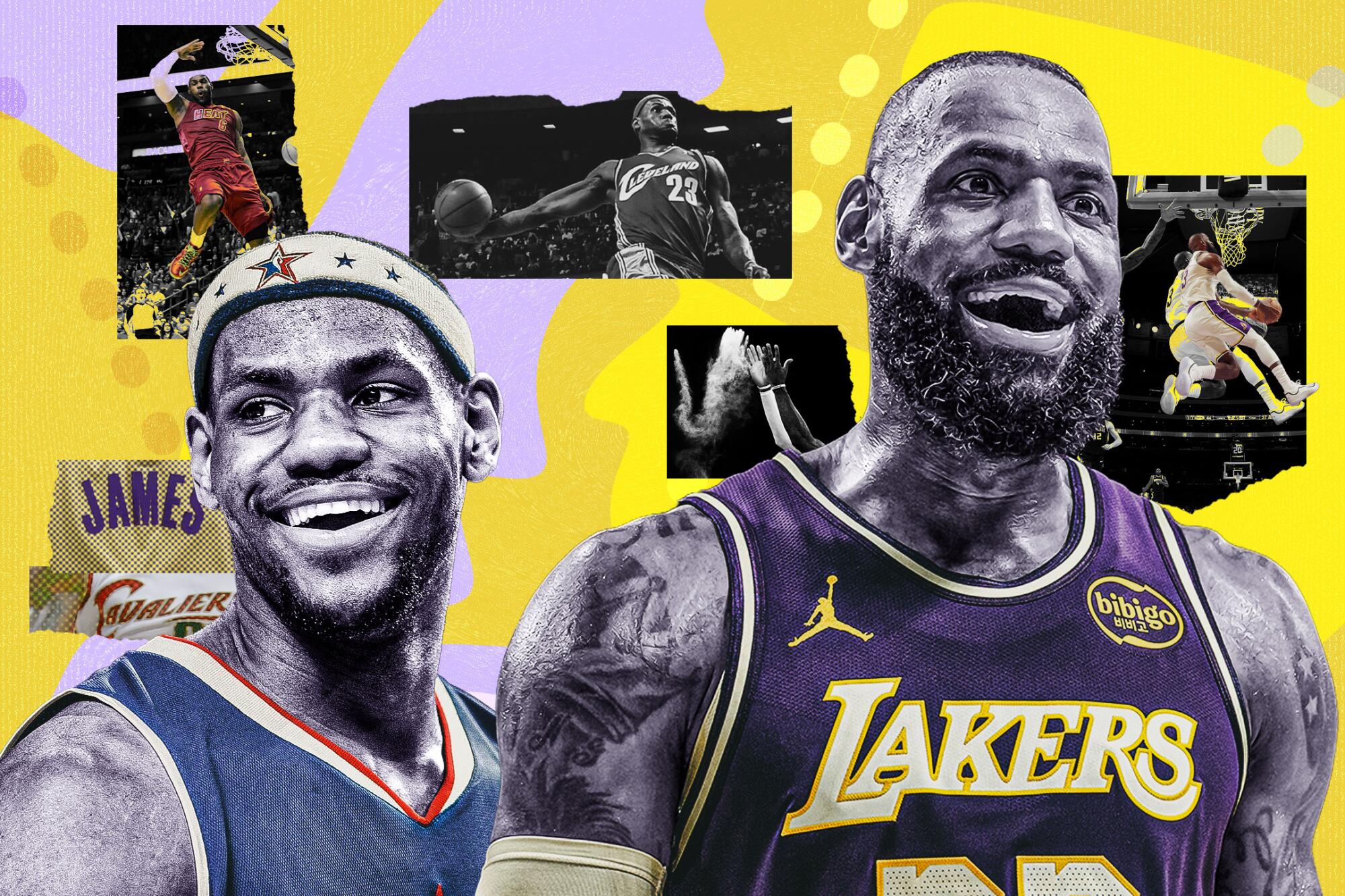
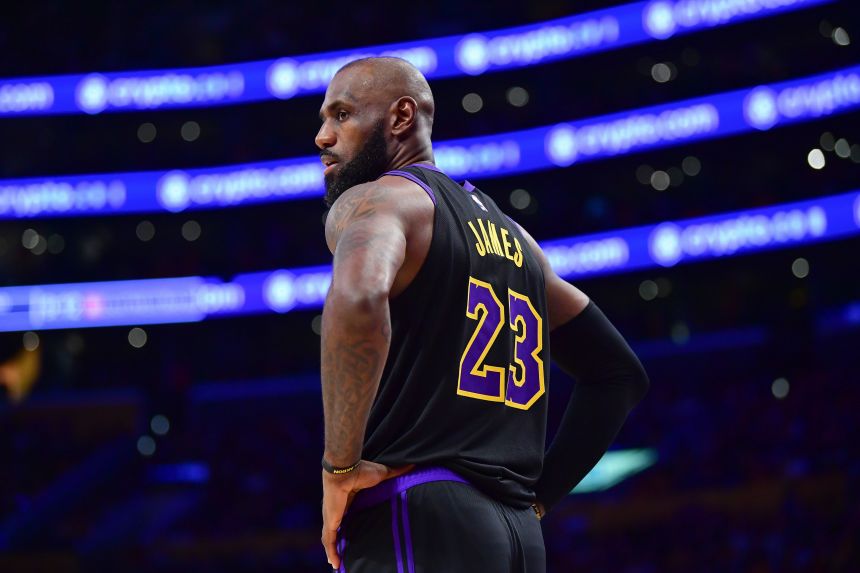

Forty-three thousand points. That number, give or take, sits at the top of the NBA’s all-time scoring list in 2026, and it belongs to a man who arrived in the league straight out of an Akron, Ohio high school with the weight of a nation’s expectations already stacked on his teenage shoulders. Passing Kareem Abdul-Jabbar in February 2023 was supposed to be the ceiling. Instead it became a milestone in the middle of a career that keeps refusing to end. When the news broke on the last day of June 2026 that this same player had informed the Los Angeles Lakers he would suit up elsewhere for a 24th season rather than retire at 41, it confirmed something the numbers had been whispering for years. The story on the court has always been remarkable. The story off it may end up being the one that studies best.
For African and Nigerian entrepreneurs watching from Lagos, Accra, Nairobi, or anywhere the hustle runs deep, the temptation is to reduce this to another rich-athlete profile. That would be a mistake. The path from a single mother’s apartment in a housing complex to a diversified fortune Forbes now estimates in the region of a billion dollars is not a story about basketball. It is a story about ownership, patience, and refusing to let a talent expire the moment the body does. Those lessons translate anywhere, and for a continent full of gifted athletes, creators, and founders who too often trade their peak years for a paycheck and walk away with nothing, they translate urgently.
The Record That Rewrote What Longevity Means

Longevity is the quiet superpower underneath everything. Players are supposed to decline. The knees go, the explosion fades, and the highlight reels start living in the past tense. What makes the scoring record so staggering is not just the total but the arithmetic behind it. Becoming the first player in league history to cross 40,000 career points in 2024, then continuing to climb past 43,000, required staying elite across two decades, three franchises, and generational shifts in how the game is even played. He entered the league when the internet was still dial-up in many homes and remained a genuine force into an era of load management and analytics-driven rosters.
That durability was never accidental. Reporting over the years has pointed to enormous personal investment in the maintenance of the body itself, a recognition that the athlete is the asset and the asset has to be protected. For any entrepreneur, the analogy is direct. The founder who burns out at 35 leaves value on the table the way an injured star does. Sustainability is not the boring cousin of ambition. It is the thing that lets ambition compound. A Nigerian creative who guards their health, their reputation, and their focus across a twenty-year arc will out-earn the flash-in-the-pan who blazes for three seasons and vanishes. The record is a monument to showing up, again and again, long after the applause would have excused an exit.
Turning a Paycheck Into an Ownership Stake
The pivot that separates the wealthy from the merely well-paid is ownership, and this is where the athlete-to-mogul transformation becomes a genuine case study rather than a highlight package. NBA earnings across the career are estimated at well over 500 million dollars before taxes, a figure that would define most careers entirely. Yet Forbes has consistently noted that the larger share of the fortune was built off the court. The salary was the seed. The equity was the harvest.
The clearest early example is the sneaker relationship. In 2015, Nike offered a lifetime endorsement contract, reported at the time to be worth more than a billion dollars over its full span. What matters is not the headline number but the structure. This was not a one-off appearance fee. It was a long-horizon partnership with a company whose products would carry the brand for decades. The distinction between renting your image for a season and tying it to an enterprise for life is the distinction between income and wealth. Many African athletes and entertainers sign endorsement deals that pay well in the moment and end the day the contract does. The blueprint here argues for the opposite instinct: wherever possible, negotiate for a piece of the thing you are helping to build.
That instinct showed up again with Blaze Pizza. Rather than simply lending a name to the fast-casual chain, he took an equity position and, by various accounts, owns a substantial number of franchises within it. Reports have valued that stake at figures that dwarf the endorsement fee he reportedly turned down from a fast-food giant to pursue it. He is said to have walked away from a guaranteed marketing check because ownership offered upside a check never could. For a Lagos founder weighing a safe consulting fee against a smaller stake in a growing venture, that is the entire lesson in a single decision. The reasoning holds even when the equity looks unglamorous at signing. A pizza chain and a headphone startup were hardly obvious billion-dollar bets when the checks were first cut, and that is precisely the point. Ownership is a claim on the future value of something, and the future is rarely legible in advance. The founders who win big are usually the ones who were willing to take a piece of a modest thing and hold on while it grew into something the market had not yet learned to price.
The Fenway Bet and the Power of Patient Capital
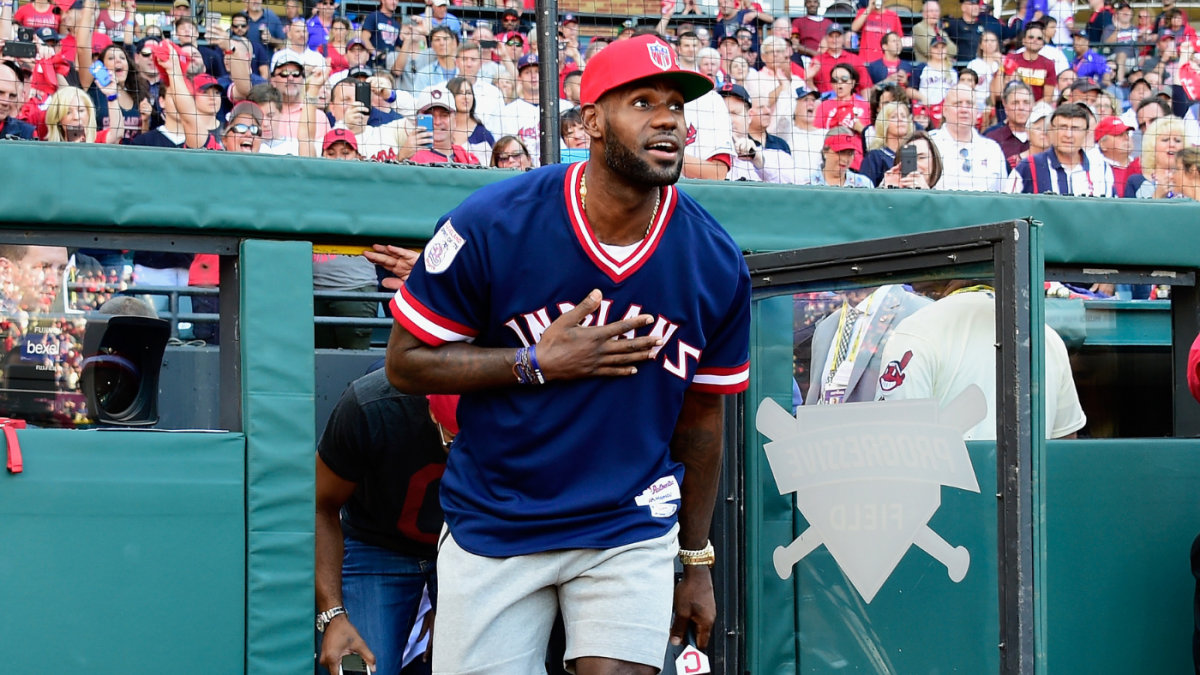
If the sneaker deal shows the value of long partnerships and the pizza stake shows the value of equity over fees, the sports-investment story shows the value of patience. Back in 2011, a roughly two percent stake in Liverpool Football Club was acquired for a reported sum in the single-digit millions, at a time when the English club’s valuation was a fraction of what it would become. That position was later converted into an ownership share in Fenway Sports Group, the parent company that also holds the Boston Red Sox and other assets.
The math on that patience is the kind that makes financial advisers pause. Fenway Sports Group has been cited among the most valuable sports empires in the world, with valuations reported in the tens of billions of dollars, and Liverpool alone has grown into a franchise estimated to be worth billions on its own. An initial outlay reported in the neighborhood of six and a half million dollars is now estimated by outlets tracking it to be worth well over a hundred million. Every figure here should be read as an estimate, because private-company valuations shift and much of this wealth exists on paper rather than in a bank account. But even the conservative version of the story is extraordinary.
The African entrepreneurial takeaway is not “buy a football club.” Most people cannot. The takeaway is that transformational returns almost always require capital that is willing to sit still. The pressure across many emerging markets is to flip fast, to chase the quick trade, to pull money out at the first sign of profit. This story is a fourteen-year hold that turned a modest position into a fortune precisely because it was left alone to grow. Patient capital is a discipline more than a resource, and it is available to anyone willing to think in decades instead of quarters. It also requires the psychological strength to ignore the noise. There were surely quarters over that long hold when selling early would have felt smart, when the valuation dipped or a rival deal looked shinier. The refusal to blink is what separated a good return from a life-changing one. Any Nigerian investor who has watched a promising asset wobble and panicked out of it early knows the cost of the opposite instinct.