How Lagos Fashion Week Is Changing the Conversation About African Style Globally
Miki Anderson··12 min read
Ad SpaceArticle Top - 728x90
Advertisement
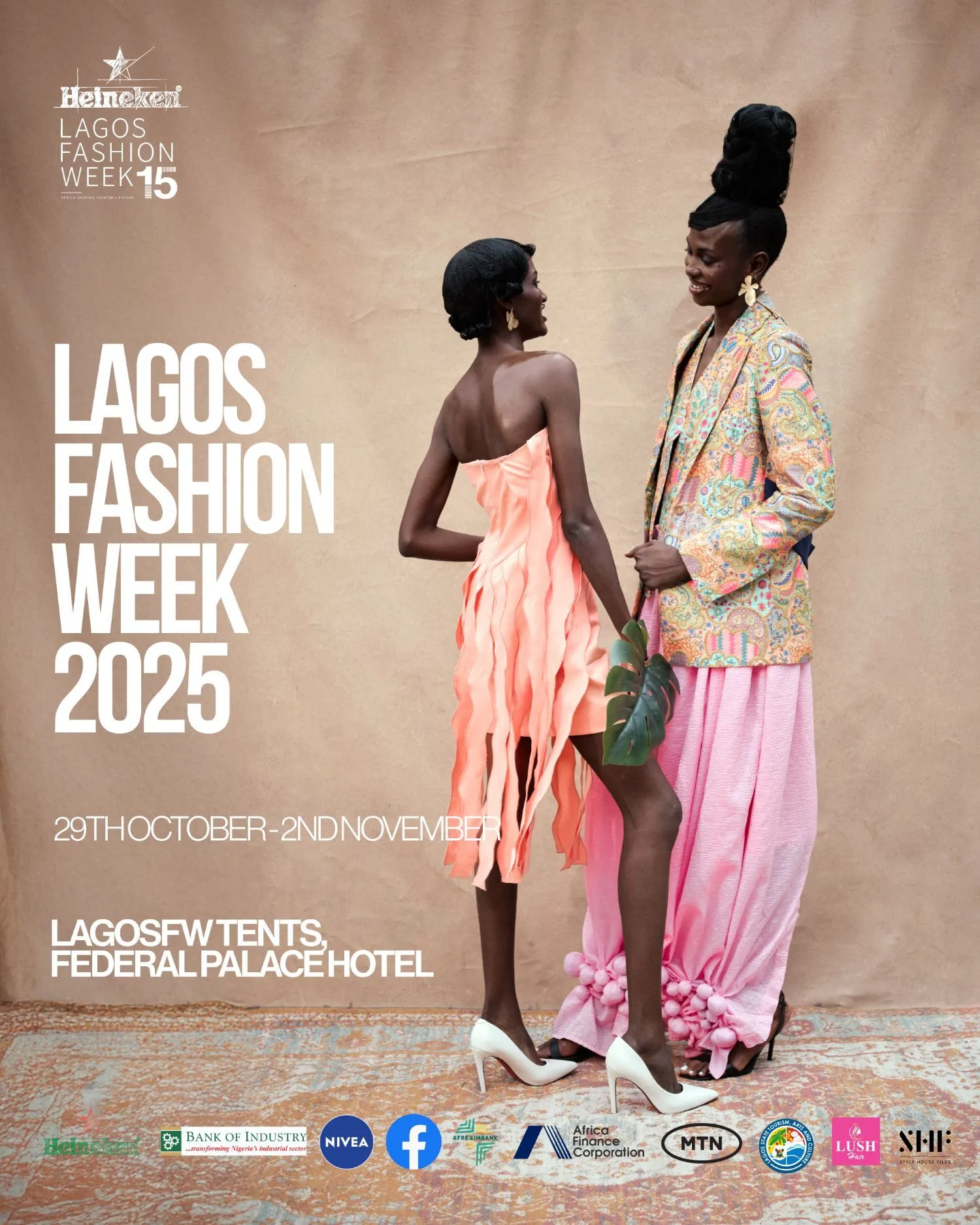
Somewhere between the parking lot of the Federal Palace Hotel and the front row of Paris Fashion Week, a quiet rearrangement has been happening for over a decade. The buyers who once flew to Milan without a thought about Lagos now block out late October on their calendars. The editors who used Africa as a shorthand for “emerging” now use it as a shorthand for “next.” And the designers who used to send lookbooks to publications hoping for a sentence of acknowledgment now have those same publications flying writers in to cover their shows in person.
Lagos Fashion Week did not arrive at this moment by accident. It was built, deliberately and stubbornly, by a small team led by Omoyemi Akerele, who launched the first edition in 2011 through her fashion business agency Style House Files, with the specific intention of giving Nigerian and African designers a platform that did not require validation from elsewhere. More than a decade on, the validation comes anyway, but it arrives on terms set in Lagos rather than borrowed from Paris or New York.
The Founding Bet That Looked Naive in 2011
When Akerele launched the first edition, the fashion calendar was a closed loop. Four cities mattered. Everything else was either provincial or aspirational. Even within Africa, the idea that Lagos could become a fashion capital, rather than simply a market for imported design, was treated as ambitious in a way that bordered on delusional. What Akerele understood early was that the conversation about African fashion globally had been almost entirely controlled by people who did not live in Africa. Trend pieces about “Afro chic” or “tribal prints” came from London style desks. African designers themselves were often filed under crafts coverage or development reporting rather than fashion. The first move was not to chase those publications. It was to build something worth covering and let the coverage catch up.
Style House Files as Infrastructure, Not Just an Event
The structural choice that separated Lagos Fashion Week from a one-off showcase was Akerele’s decision to treat Style House Files as a year-round operation. Designer mentorship runs continuously. Buyer relationships are nurtured between seasons. The runway week itself is the visible product of an invisible scaffolding that includes production training, business consulting, and matchmaking with retailers in Nigeria, the United States, the United Kingdom, France, and increasingly the Middle East. That scaffolding is why a young designer who shows at Lagos Fashion Week is not just getting a runway slot. They are getting access to a network that has, in recent years, produced placements at Selfridges, Browns, Net-a-Porter, and direct purchase orders from buyers who would once have ignored a cold email from a Lagos studio.
The Designers Who Made the Bridge
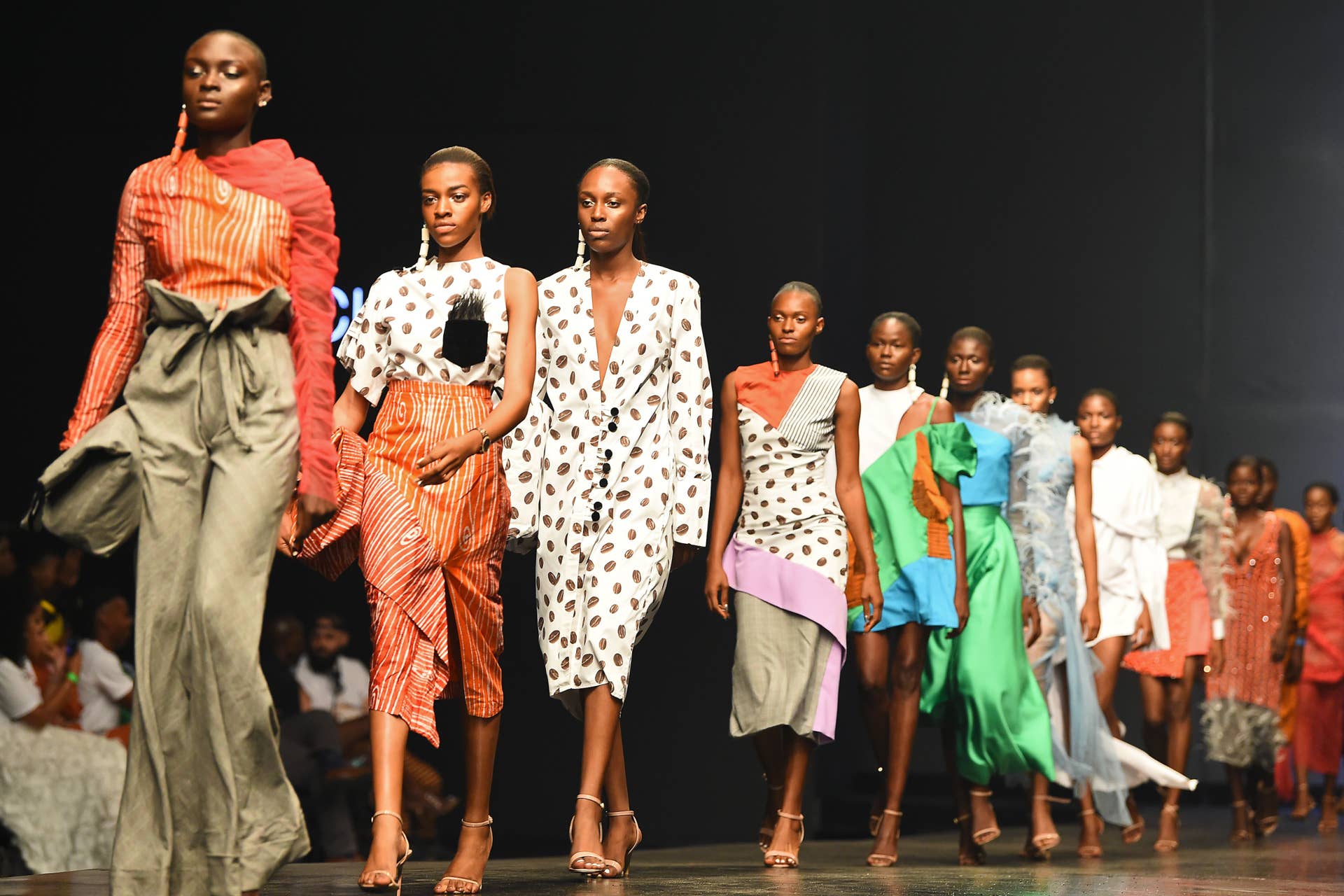
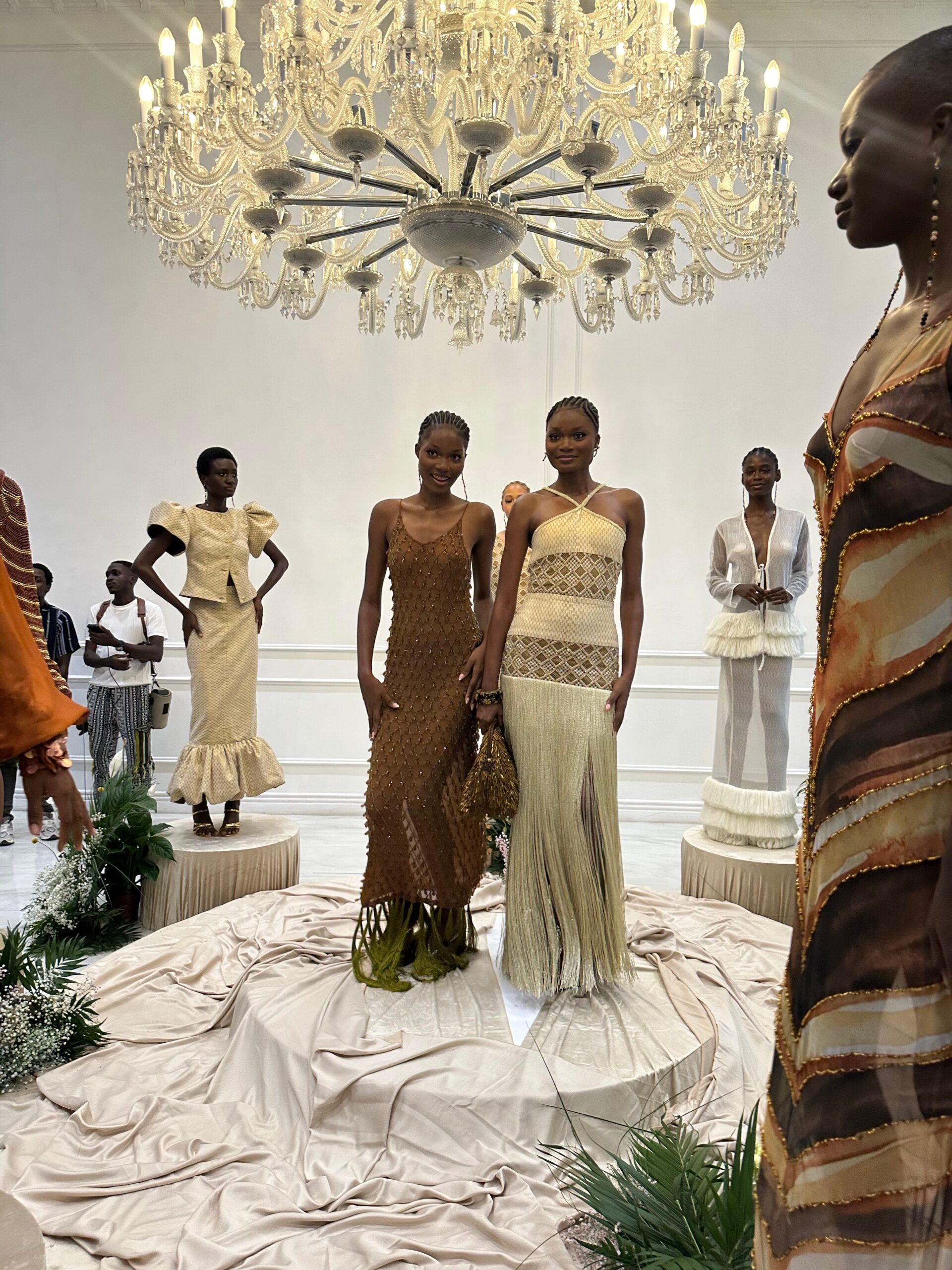
The clearest argument for Lagos Fashion Week’s impact is the roster of names that used its runways as a launchpad. Kenneth Ize, who showed his aso oke reinterpretations in Lagos before becoming an LVMH Prize finalist in 2019 and then the first Black designer to collaborate with the Karl Lagerfeld label, is the most cited example, but he is not alone. Tokyo James moved from Lagos showrooms onto the European menswear circuit, showing in Milan and at Pitti Uomo, and the diaspora press that follows Lagos collections has become a route to American and British stockists for designers who never left Nigeria. Andrea Iyamah, who built a swim and ready-to-wear label that now sells across the United States and Europe, used Lagos Fashion Week as the institutional credibility her business required. Maxivive, Tiffany Amber, Orange Culture and Banke Kuku each have versions of the same arc, where Lagos provided the platform and international retail followed.
Why the Pipeline Matters More Than Any Single Star
It would be tempting to read Kenneth Ize’s international breakthrough as the one moment that defined the platform. That reading misses the point. A single designer breaking out can happen anywhere. What Lagos Fashion Week built is a pipeline, where each cohort produces several names that move beyond the local market, which in turn validates the next cohort and attracts the buyers and editors who make the cohort after that possible.
Orange Culture’s Adebayo Oke-Lawal has been quietly important here in a different way. His menswear, which complicated Nigerian ideas about gender and clothing well before that conversation became globally fashionable, gave Lagos Fashion Week a critical edge that a purely commercial showcase would not have claimed. The week was not only a sales platform. It was a place where ideas about identity, masculinity, and Africanness could be argued in fabric.
The Front Row Tells the Story
Walk into a Lagos Fashion Week show now and the front row reads differently than it did in the platform’s first years. Nigerian music and film figures bring the crossover power of a celebrity culture that travels globally through Afrobeats and Nollywood. Mo Abudu, whose EbonyLife operation has done for Nigerian film something close to what the week has done for fashion, anchors the cultural authority end of the row. International models and designers with a record of championing African design have turned up across editions, and in Lagos their attendance is read as a signal rather than a favour.
Beyond the names familiar to Nigerian audiences, the front row now includes international buyers, editors from Vogue’s various editions, writers from Business of Fashion and reporters from Women’s Wear Daily who would not have been on a flight to Lagos in the week’s first years. The week became something worth flying into, which then made it something worth flying back into.
What Editorial Coverage Actually Looks Like Now
The expansion of Africa-focused coverage at titles like Vogue, including dedicated content streams and editorial hires oriented to the continent, did not happen because the publications suddenly developed an interest in African creativity. It happened because the audience was demonstrably there, searching for African designers, African models and African shows. Lagos Fashion Week sat at the center of those searches because it was the most consistently produced, most professionally documented, and most internationally accessible week on the continent.
The Business of Fashion treatment shifted in the same period. Where the publication once covered African fashion as a vertical curiosity, it now files Lagos Fashion Week dispatches that read like its coverage of any major market, with attention to retail, buying patterns, sponsor activations and designer business health. The reporting elsewhere in the trade press has followed similar lines. The shift in tone, from anthropological to industrial, is the shift Akerele bet on in 2011.
The Sponsor History Reveals the Commercial Logic
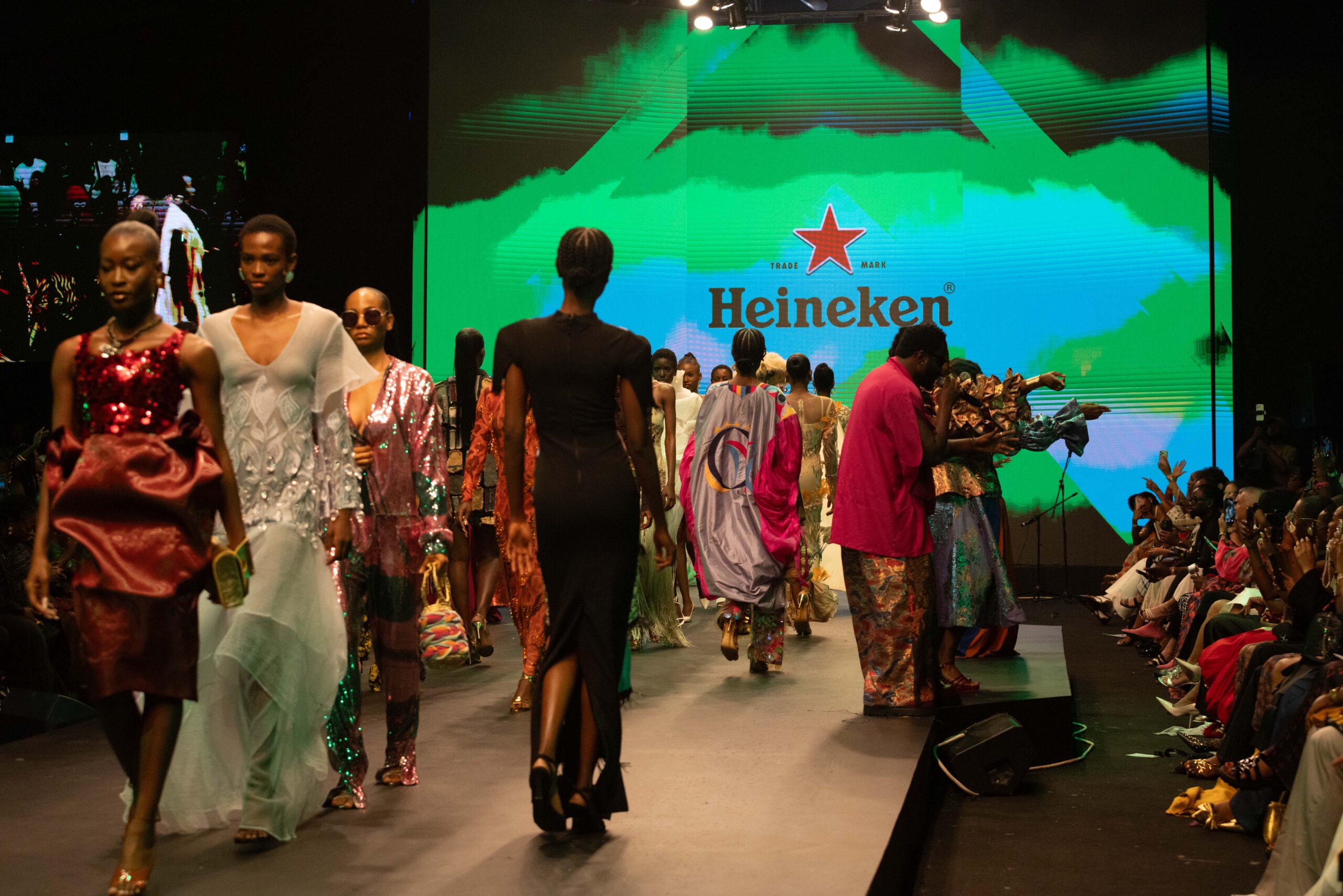
Heineken’s long sponsorship of Lagos Fashion Week was not a charity placement. The brand needed access to a cultural audience that mattered to its African business, and the week delivered an aspirational consumer in a way that football sponsorships and music festivals could not match. Nigerian media groups followed with sponsorships that aligned the runway with their own broadcast ambitions across Africa and the diaspora.
The pattern of sponsors that have moved through Lagos Fashion Week, including financial services brands, telecoms, automotive companies, and beauty groups, tracks closely with the commercial verticals that wanted access to Nigeria’s growing middle class and the international audience that follows Nigerian cultural exports. The week became, for those brands, a more efficient buy than scattered campaigns, because it concentrated the audience and the press in one venue across one weekend.
Ad SpaceIn-Article - 300x250
Advertisement
Federal Palace as the Soft Power Anchor
The choice of the Federal Palace Hotel as the recurring venue across many editions was itself a soft power decision. The hotel, built on Victoria Island for the 1960 independence celebrations and long a meeting point for the city’s elite, gave the week a setting that read as serious without reading as foreign. Other African fashion weeks have rotated venues, sometimes outdoors and sometimes in modern convention centers, but the Federal Palace association gave Lagos Fashion Week a recognizable backdrop that international media could photograph and contextualize quickly. The week has also expanded into pop-up venues, designer showrooms in Ikoyi and Lekki, and increasingly the streets surrounding the runway, but the central hotel remained the symbolic spine of the operation for years.
The Comparison Frame: Dakar, Accra, Joburg, Nairobi
To understand what makes Lagos Fashion Week different, the other African fashion weeks are useful reference points rather than rivals. Dakar Fashion Week, founded by Adama Paris, has carved out a strong cultural and pan-African positioning, with strong relationships across Francophone Africa and a longer history of working with the French press. Accra Fashion Week has grown rapidly and benefits from Ghana’s recent moment as a return destination for the diaspora. Johannesburg’s South African Fashion Week has the deepest retail infrastructure on the continent, with department stores like Woolworths and a domestic buying market that no other African city matches. Nairobi’s fashion ecosystem, while smaller, has produced some of the most editorially celebrated designers, including those working in sustainable production.
What Lagos Fashion Week consolidated, that none of the others have matched at the same scale, is the combination of three things: a domestic consumer market large enough to support designers between international moments, a global cultural export economy through Afrobeats and Nollywood that pulls press attention regardless of the fashion content, and an institutional operator in Akerele who has stayed focused on the platform for over a decade without diluting it.
Why Scale Alone Did Not Win the Race
Nigeria’s population and consumer market would have created some kind of fashion week eventually. What Lagos Fashion Week did was capture that potential before a less rigorous operation could, and then build the international relationships that scale alone would not have produced. The week is not the biggest in raw attendance numbers. South African events often draw larger crowds. What it became is the most strategically positioned, with the clearest path from runway to global retail.
Green Access and the Sustainability Argument
One of the most quietly important Lagos Fashion Week initiatives is Green Access, a sustainability program that pairs designers with mentors, materials suppliers, and education resources oriented around lower-impact production. The conversation about sustainable fashion globally has been dominated by European brands making claims about supply chain reform. Green Access positioned African designers in that conversation as practitioners rather than subjects, with traditional production methods reframed as inherently lower-waste systems that deserved investment rather than reform. The program also became a useful piece of editorial real estate. Magazines and platforms looking for sustainable fashion stories found that Lagos Fashion Week had ready-made narratives, with named designers, named programs, and named outcomes. That accessibility for press, more than the program’s environmental impact in absolute terms, helped reframe how African fashion was discussed.
Mentorship as Compounding Infrastructure
The mentorship side of Style House Files, including its Fashion Focus Africa fund and its various capacity-building partnerships, does not produce immediate headlines. Its impact shows up two and three seasons later, when a designer whose early collection looked uneven returns with a polished business and a buy-ready collection. The compounding effect is why Lagos Fashion Week has been able to keep producing breakout designers without the pipeline drying up. Each cohort feeds the next.
The Pivot to Consumer-Facing Weekends
The early Lagos Fashion Week was largely press-only, with industry-restricted access designed to mirror Paris and Milan conventions. That choice made sense when the goal was institutional credibility. As the platform matured, the team made a deliberate pivot toward consumer access on certain days, including weekend programming, pop-up shopping experiences, and influencer-driven content moments that opened the week to a broader audience.
The trade-off was real. Pure press exclusivity creates a particular kind of luxury positioning. Consumer access creates a different kind of cultural relevance. Lagos Fashion Week’s bet was that, for African design at this stage of its global trajectory, cultural relevance produces more long-term value than luxury exclusivity. The Afrobeats audience, the diaspora audience, the social media audience were the engines that would carry African designers into closets globally, and that audience needed to be invited in.
The Parking Lot Became the Show
Anyone who has covered Lagos Fashion Week in recent years can describe a phenomenon that is now central to its identity. The street style outside the venue, with attendees often dressed more daringly than the looks walking the runway, has become its own cultural event. Photographers position themselves before the runway shows begin specifically to capture the arrivals. The dress code outside the venue is not just inspiration content. It is the proof that the week’s influence has saturated the city. Lagosians who never attend a show participate by dressing for the weekend as if they might. Brands that never sponsor the runway buy outdoor advertising along Akin Adesola Street. Bars and restaurants in Victoria Island plan menus and pop-ups around the week’s calendar. The cultural footprint extends well beyond the ticketed events.
The Buying-Show Ambition
The most contested question inside Lagos Fashion Week’s leadership has been whether to lean into its identity as a cultural showcase or evolve more aggressively into a buying show on the model of Copenhagen or Pitti Uomo. The cultural showcase identity is what produced the editorial reputation and the global cultural permission slip. The buying-show identity is what produces sustainable designer businesses and the orders that keep studios open between seasons. Akerele’s team has, by all evidence, refused to pick one. The week now operates as both, with dedicated showroom days, buyer appointments, and trade infrastructure layered onto the runway-and-press calendar that produced its original reputation. Whether that dual identity holds as the week scales further is the strategic question that defines its next chapter.
Where the Orders Are Actually Going
The retail destinations for Lagos Fashion Week designers have widened considerably, from London department stores and international e-commerce platforms to American luxury retail and Paris. Buyers from the Gulf have become a more visible presence at the showrooms, which is a market that barely featured in the week’s early calculations. The diaspora retail channel, which includes Black-owned boutiques across the United States and the United Kingdom, was the early buyer base for many Lagos Fashion Week alumni. That channel has not gone away. It has been joined by mainstream retail, and that is the shift which defines the most recent stretch of the platform’s commercial story.
What the Conversation Sounds Like Now
The most concrete measure of Lagos Fashion Week’s impact is how the global fashion conversation references African design today versus a decade ago. A trend piece from the platform’s early years would have flattened African fashion into prints, colours and a vague gesture toward cultural inspiration. A recent one names designers, references specific collections, distinguishes between the aesthetic universes of Tokyo James and Orange Culture, treats Andrea Iyamah’s resort wear and Banke Kuku’s interiors-influenced prints as distinct commercial categories, and assumes the reader has a baseline literacy in African fashion that did not exist before the platform forced it into being.
That literacy is the deepest shift. Lagos Fashion Week did not just produce designers. It produced an audience capable of taking those designers seriously, and a press corps trained to write about them with the same vocabulary used for designers from any other major market. The conversation moved, and Lagos moved it. Outside the Federal Palace on a show night, the car park fills with guests who have spent more on their outfits than on their flights in, and the photographers run short of memory card space before the first show of the evening has begun. That is where the week’s influence is easiest to measure, in the clothes that nobody was paid to wear.
Ad SpaceIn-Article - 300x250
Advertisement
Share
Get the recap
Loved this story? Get more like it.
Join readers who get our weekly entertainment recap - the stories worth your time, delivered every Friday.
No spam. Unsubscribe anytime. By signing up you agree to our Privacy Policy.