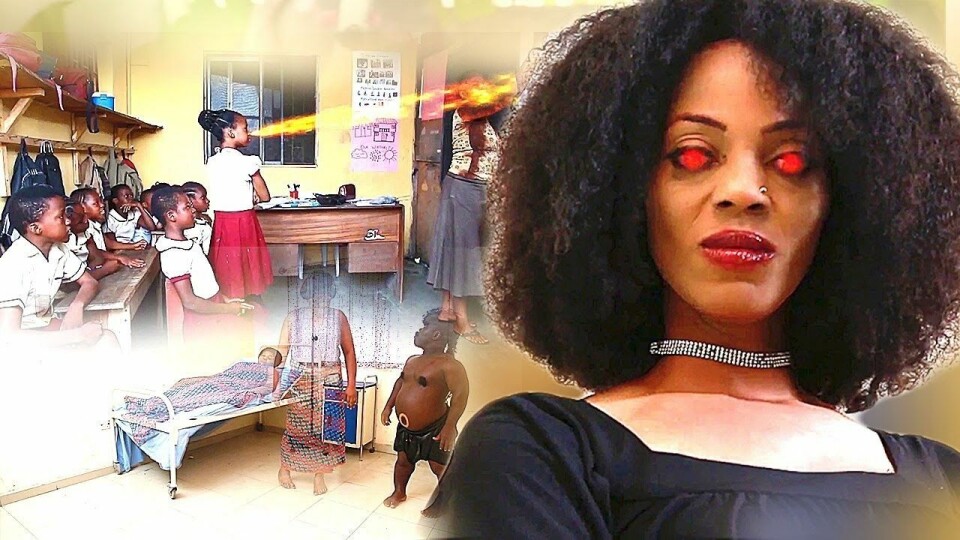

Best Nollywood Thriller and Horror Movies That Actually Scared Audiences
Image: OkayAfrica
Movies

Best Nollywood Thriller and Horror Movies That Actually Scared Audiences

Nova PatricksNova Patricks··12 min read
Ad SpaceArticle Top - 728x90
Advertisement

Dread sits differently in Nigerian cinema. Where Hollywood horror leans on jump scares and synthesized strings, Nollywood pulls its fear from somewhere older. A masquerade glimpsed through a curtain at the wrong hour. A wealthy uncle whose money smells of something the family does not name out loud. A figurine pulled from a forest shrine that begins to collect debts. The Nigerian thriller tradition has always operated on a different frequency than its Western counterpart, less interested in monsters in basements than in the monstrous things ordinary people agree to do for power, money, and survival.

The genre is also still being built. For much of the 1990s and 2000s, Nigerian horror was largely an evangelical project, with witches, juju men, and demonic husbands serving as moral cautionary tales rather than cinematic threats. The shift toward genuine psychological thriller filmmaking, toward stories that respect audience intelligence and resist tidy spiritual resolutions, is recent and uneven. What follows is a working canon of films and series that have actually unsettled Nigerian audiences, from the foundational supernatural texts to the streaming-era crime thrillers reshaping the entire conversation.

Living in Bondage (1992)
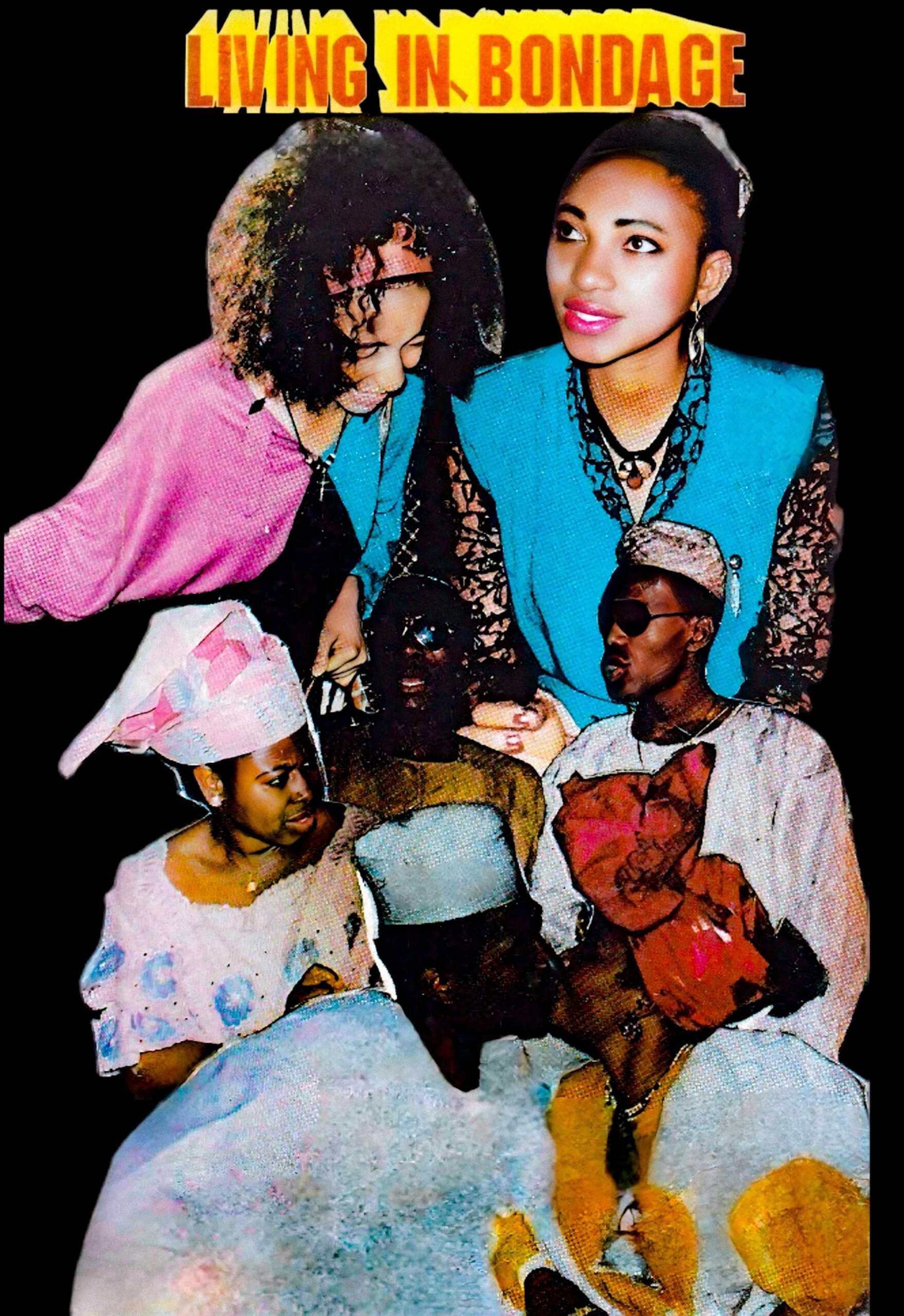
Best Nollywood Thriller and Horror - Living in Bondage (1992)

Few films carry the weight that this one does, not just as a thriller but as the picture credited with launching the entire Nollywood industry. Kenneth Nnebue wrote and produced the straight-to-VHS feature, which was directed by Chris Obi Rapu under the pseudonym Vic Mordi. It follows Andy Okeke, a struggling Lagos businessman who joins a secret cult and sacrifices his wife Merit in exchange for wealth. What he gains in money he loses in sleep, as Merit’s ghost begins visiting him in increasingly devastating ways.

The film terrified a generation precisely because it did not feel like fiction. The fear of ritual money, of cults that drain the soul of anyone who joins them, of returning ancestors and unsettled spirits, mapped directly onto anxieties Nigerian families already carried. Andy’s torment and eventual unravelling were rendered with a moral seriousness that made the supernatural feel like consequence rather than spectacle. Decades later, the film still appears on lists of the scariest Nigerian movies ever made.

Living in Bondage: Breaking Free (2019)
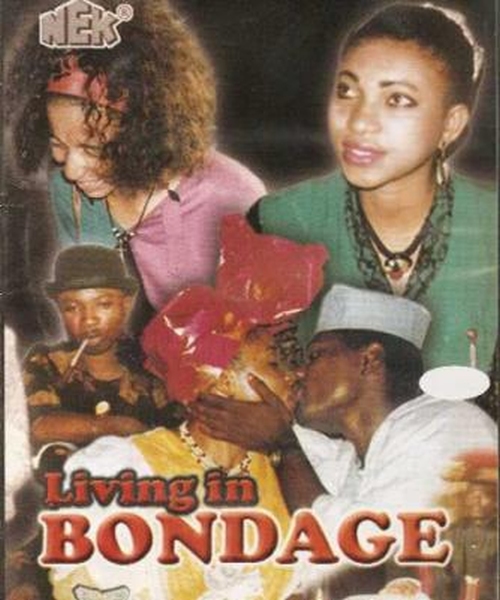
Best Nollywood Thriller and Horror - Living in Bondage: Breaking Free (2019)

The sequel arrived twenty-seven years after the original, directed by Ramsey Nouah, and it took on the impossible task of updating a foundational text without betraying it. Nnamdi, the son of the original protagonist, finds himself drawn into the same fraternity that destroyed his father, lured by the same promise of effortless wealth.

What makes the sequel work is its refusal to treat the supernatural as quaint. The cult scenes are shot with genuine menace, the rituals are restrained where lesser filmmakers would have indulged in spectacle, and the central question, whether Andy’s curse has truly ended or simply lain dormant across a generation, gives the film a haunted-house quality even when no ghost is on screen. The reveal of Andy himself, broken and prophetic, is one of the most quietly devastating moments in recent Nollywood.

The Figurine (2009)
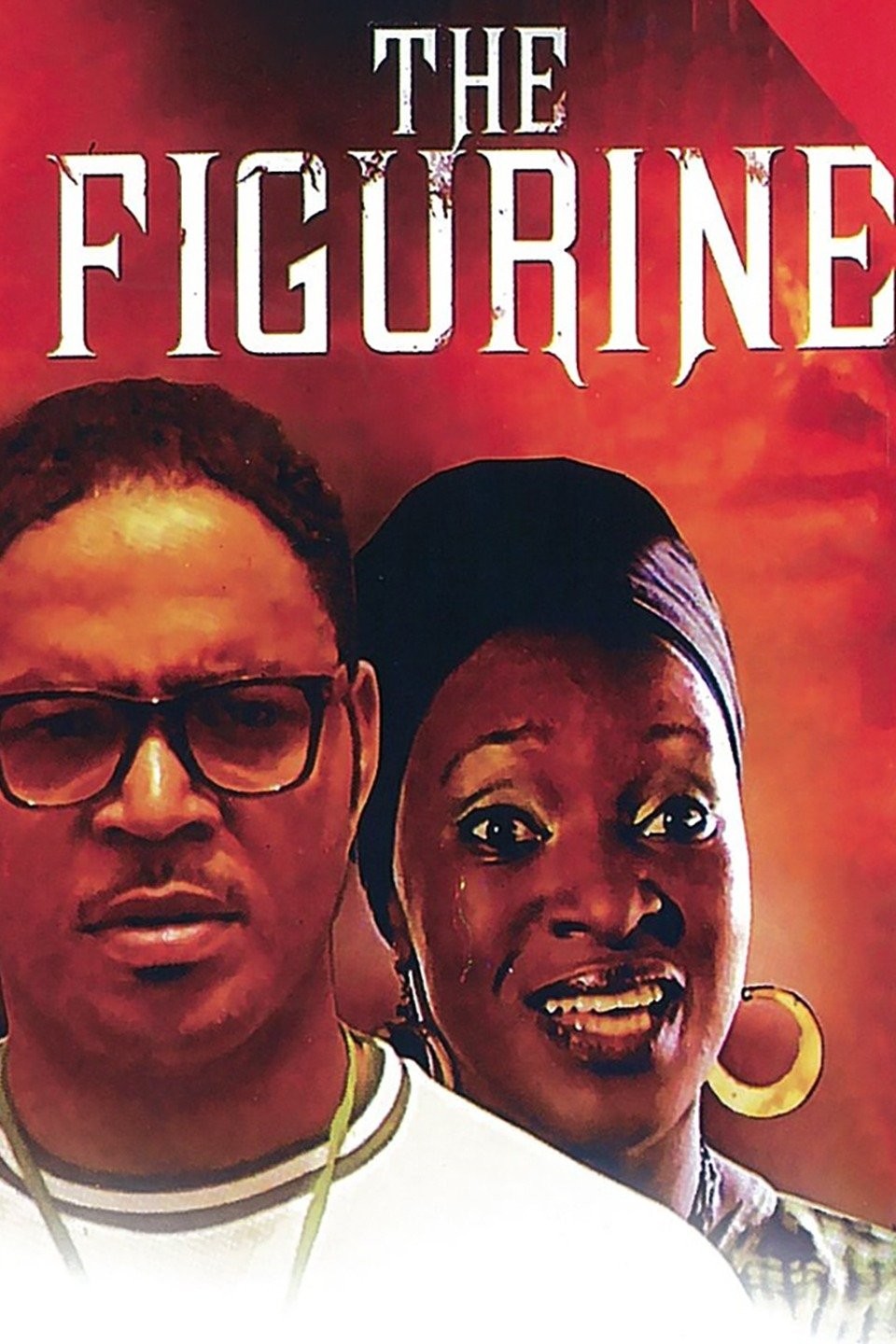
Best Nollywood Thriller and Horror - The Figurine (2009)

Kunle Afolayan’s breakthrough is the film most often credited with proving that Nollywood could make a supernatural thriller that operated at international festival standards. Two friends, Sola and Femi, stumble upon a wooden figurine of the goddess Araromire in an abandoned shrine deep in the forest. Legend says the figurine grants seven years of good fortune followed by seven years of misery. They take it home.

What follows is less a straightforward curse narrative than a slow psychological unraveling. Marriages strain. Fortunes inexplicably climb and then crater. The film resists telling you whether the figurine actually carries power or whether the men have simply willed their own destruction by believing in it. That ambiguity, rare in Nigerian genre cinema at the time, is what made the film feel revolutionary. Afolayan also shot the forest sequences with a patience that produced genuine dread, treating Yoruba folklore with the cinematic seriousness Western directors reserve for Greek myth.

Domitilla (1996)

Best Nollywood Thriller and Horror - Domitilla (1996)

Zeb Ejiro’s portrait of a Lagos prostitute trying to escape the trade is technically a drama, but it functions as a thriller in the way it builds suffocation. Anne Njemanze plays Domitilla with a hard-eyed exhaustion that refuses sentimentality. The men around her are predators, customers, pimps, dirty police officers, and the city itself becomes the antagonist, closing in from every direction.

The fear here is not supernatural but structural. Domitilla cannot leave because every door she pushes against has been bolted shut by poverty, family obligation, or violence. The film lingers because it does not lie about how little room for escape the city allows her. Audiences in 1996 understood they were watching a horror film of a particular kind, one set in the houses next door.

Confusion Na Wa (2013)
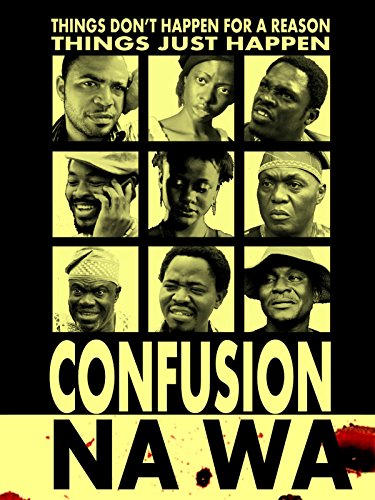
Best Nollywood Thriller and Horror - Confusion Na Wa (2013)

Kenneth Gyang’s low-budget Lagos puzzle-box thriller follows a lost cellphone as it passes through the hands of a half-dozen strangers across a single day, each transaction triggering escalating consequences. The structure is closer to Iñárritu than to traditional Nollywood, and the film made critics pay attention precisely because it refused the genre conventions audiences expected.

The dread is generated by accumulation. Small bad decisions stack into catastrophic ones. A confrontation between a cuckolded husband and his wife’s lover spirals into something irreversible. A pair of opportunistic thieves discover that the phone they stole knows things they wish they did not know. By the time the threads converge, the film has made a quiet argument that Lagos itself runs on a kind of low-grade malevolence, and that any given Tuesday could become the worst day of your life through nothing more than proximity to the wrong stranger.

76 (2016)
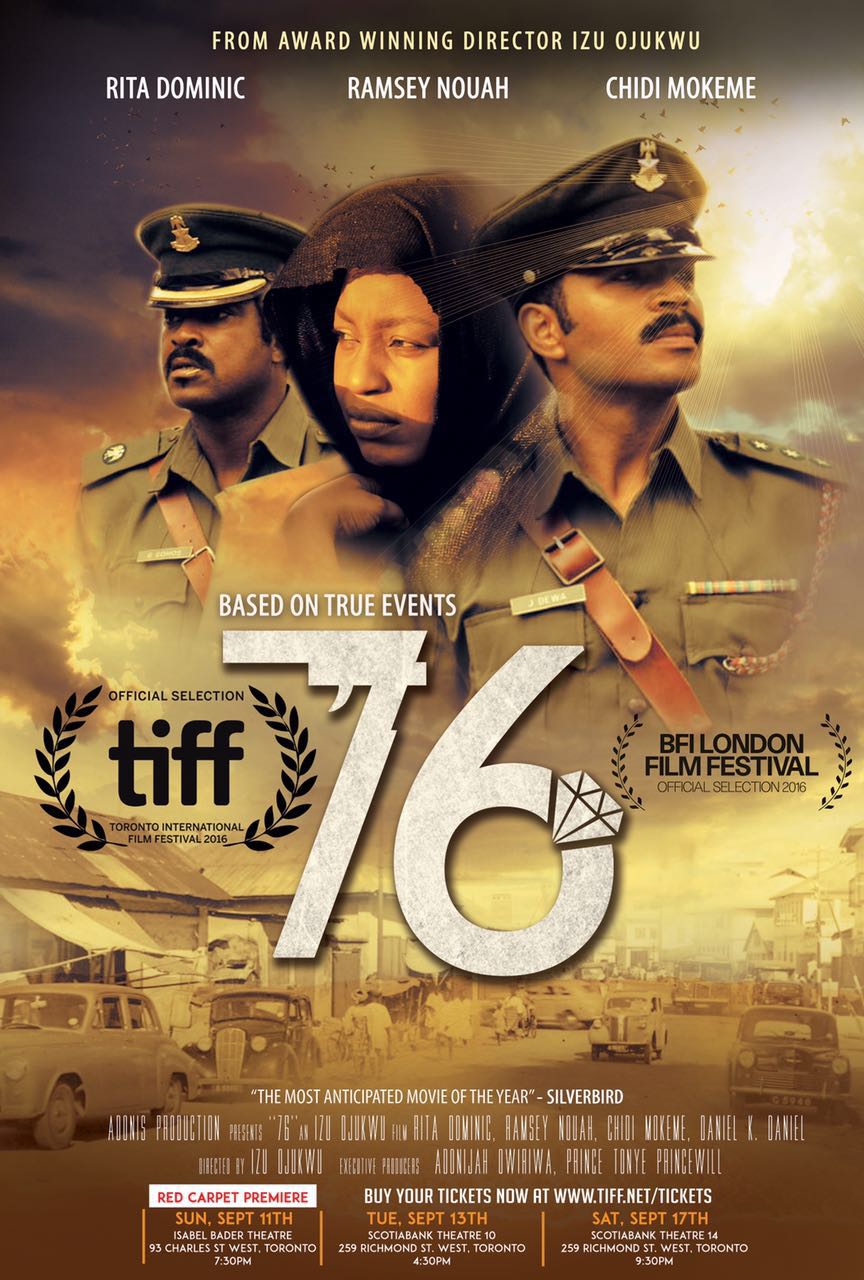
Best Nollywood Thriller and Horror - 76 (2016)

Izu Ojukwu spent years on this period thriller, set against the failed 1976 coup in which General Murtala Mohammed was killed, and the craft shows. Ramsey Nouah plays a young military officer married to a pregnant Igbo woman, caught between his loyalty to friends planning the coup and his refusal to participate. The film moves with the deliberate menace of a procedural, every scene tightening the noose.

The fear is political and intimate at once. Soldiers vanish into interrogation rooms. Wives are surveilled. A knock on the door at the wrong hour means everything. Ojukwu shot the film with a period authenticity that gives every uniform and every barracks corridor the texture of memory, and the closing stretch carries the suffocation of a man watching the state decide whether he lives or dies.

King of Boys (2018)

Kemi Adetiba’s political thriller did something Nigerian cinema had rarely attempted at this scale, which was to make a woman the genuine apex predator of the narrative. Alhaja Eniola Salami, played with terrifying control by Sola Sobowale, is a Lagos businesswoman, philanthropist, political fixer, and the boss of a criminal empire that reaches into every chamber of power. Watching her dismantle enemies across the film’s three-hour runtime is closer to watching a chess match than a shoot-out.

What makes the film unsettling is its refusal to moralise. Salami is not punished into redemption, and the system she navigates is not presented as a deviation from the way power actually works. Adetiba lets her be calculating, tender, vain and lethal in the same scene, which is the kind of cold-blooded character work Nollywood had long been told it could not produce.

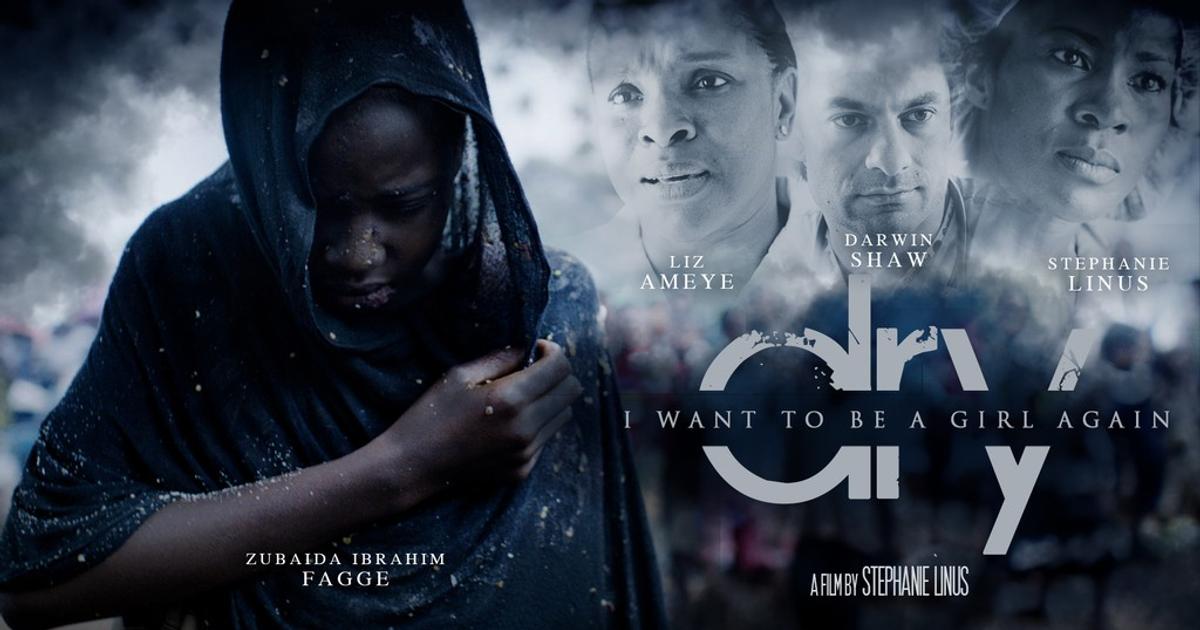
Òlòturé (2019)

Kenneth Gyang directs Sharon Ooja as a young investigative journalist who goes undercover inside a Lagos human trafficking network to expose how Nigerian women are funneled into European sex work. The film operates as both procedural thriller and slow-motion horror, and Mo Abudu’s EbonyLife production refused to flinch.

The terror builds through small accommodations. Òlòturé maintains her cover too long. She develops fragile bonds with the other women. She begins to understand that the police, the priests, the embassy officials, the influential men at hotel bars, are all part of the same machinery. The closing stretch, as the network’s plans for her become unavoidable, plays like a slowly closing trap. The film reached a wide audience through Netflix, and its refusal of a rescue ending is a large part of why it unsettled viewers who expected one.

Ad SpaceIn-Article - 300x250
Advertisement

Lockdown (2021)

Moses Inwang’s psychological thriller, released in Nigerian cinemas in May 2021, was widely assumed to be a COVID story and is not one. Inwang has said he began developing it from the Ebola outbreak that reached Lagos, and the film builds around a hospital, a quarantine decision and the pressure brought to bear on the doctor who makes it. Omotola Jalade-Ekeinde leads an unusually large ensemble that includes Tony Umez, Sola Sobowale, Chioma Chukwuka Akpotha and Jide Kene Achufusi.

The dread is procedural rather than supernatural. What the film understands is that a public health emergency is decided in corridors, by people weighing one life against a city, under pressure from parties who want the inconvenient patient released. Reviews were mixed on the execution, but the central squeeze, a doctor holding a line while everyone above her looks for a way around it, is genuine thriller material and it is rooted in something Nigerians actually lived through.

Brotherhood (2022)

Loukman Ali directs this crime thriller, produced by Jade Osiberu, and it puts brothers played by Tobi Bakre and Falz on opposite sides of the law in a Lagos overrun by armed robbery crews. The premise is genre formula, but the execution carries a weight that earlier Nollywood crime films rarely achieved. Action sequences are staged with kinetic clarity. The emotional collisions between the brothers, particularly in the back half, are written with restraint.

The fear here is the fear of inheritance. The film argues that the systems that produced the violent twin produced the police-officer twin, and that the distance between them was a single decision made in childhood by someone other than themselves. The Lagos depicted is a city where the line between criminal and law enforcement is porous, and where brotherhood itself becomes the most dangerous loyalty in the room.

Anikulapo (2022)

Kunle Afolayan’s mystical epic, set in the Oyo Empire of pre-colonial Yorubaland, is not a horror film in the conventional sense, but it is one of the most genuinely uncanny works in modern Nollywood. Saro, a wandering weaver, dies and is resurrected by a spirit-bird called Akala, gaining the power to bring others back from death. The price, as in every story of this kind, is steeper than he understands.

Afolayan shot the film with operatic patience. The palace scenes feel ceremonial. The bush sequences feel haunted. The eventual reckoning, when Saro misuses his gift and Akala returns to collect, carries the weight of folkloric inevitability. The film argues that the old gods have not gone anywhere, they have simply grown tired of being summoned by men who do not respect the terms.

Blood Sisters (2022)

Netflix’s first Nigerian original series, produced by EbonyLife and directed by Biyi Bandele and Kenneth Gyang, opens with a wedding-day murder and never lets the tension drop. Sarah and Kemi, lifelong friends, are forced to flee Lagos after a confrontation with Sarah’s abusive fiancé ends in his death. What follows is a four-episode chase across class lines, family loyalties, and police corruption.

The series understands that the most frightening Nollywood thriller is often the one set inside a wealthy compound. The fiancé’s family, the Ademolas, are not gangsters, they are a respected Lagos dynasty whose pursuit of the women is conducted through lawyers, bribes, and quiet phone calls to powerful friends. The horror is institutional. The series also gave Genoveva Umeh a star-making turn as the unravelling sister-in-law, a performance reviewers singled out repeatedly and one that pointed to a new generation of Nigerian screen talent.

Shanty Town (2023)

Dimeji Ajibola’s six-episode Netflix series is the most ambitious crime thriller Nollywood has produced for streaming, a sprawling Lagos saga of trafficked women, political godfathers, and the brothel-district kingpin who controls them. Chidi Mokeme, as Scar, delivers the most genuinely menacing villain performance in recent Nollywood, a man whose intelligence is matched only by his capacity for cruelty.

The series earned criticism for its violence, and the criticism is fair, but the show also refuses the moral sanitization that older Nollywood would have imposed. Politicians are not redeemed. Pimps are not redeemed. The women fighting their way out are given the dignity of agency without the lie of an easy victory. The final episode’s set pieces, particularly the confrontation inside Scar’s compound, play with the rhythm of genuine thriller filmmaking.

Mami Wata (2023)

C.J. Obasi’s black-and-white folkloric horror, set in a fictional West African coastal village and shot in Benin Republic, premiered at Sundance in 2023 and won the festival’s Special Jury Award for Cinematography for Lílis Soares. Two sisters, Zinwe and Prisca, navigate the collapse of their mother’s spiritual authority as a charismatic outsider tries to reshape the village along modern, militarized lines. The water goddess of the title hovers over every frame.

What makes the film genuinely frightening is its visual restraint. Obasi refuses CGI almost entirely. The horror is generated by faces, by stillness, by the inky black saltwater pressing against everything. The film is also a political thriller in disguise, a meditation on what happens when communities are forced to choose between ancestral practice and the violent new order arriving with guns. The closing sequence, set entirely on the shoreline at night, is among the most beautiful and unsettling images Nollywood has produced this decade.

The Black Book (2023)

Editi Effiong’s Netflix release climbed to number three on the platform’s global chart, according to trade reporting at the time, the strongest showing a Nigerian film had managed there. Richard Mofe-Damijo plays a retired enforcer who returns to violence after his son is framed for a kidnapping by a corrupt police unit working for a powerful political family. The premise is genre, but the execution is sharper than Nigerian audiences had come to expect from a streaming title.

The film moves with the discipline of a thriller that understands its own machinery. Sam Dede gives the bureaucratic villain a quiet terror that lingers. The political backdrop, an electoral cycle in which the powerful are weaponizing the police against ordinary families, was uncomfortably close to the news cycles audiences were already living through. The film proved a Nigerian thriller could compete with international action cinema on craft, not just energy.

Origin: Madam Koi-Koi (2023)

Jay Franklyn Jituboh’s Netflix series finally gave the Madam Koi-Koi urban legend, the ghost of a brutal teacher said to haunt Nigerian boarding schools, a serious cinematic treatment. The two-part series follows a new student at a 1990s secondary school whose arrival coincides with a string of violent deaths.

The series leans into the texture of Nigerian boarding school life, the strict hostels, the senior-junior power dynamics, the dormitory whispers passed down for generations, and uses that authentic setting as the foundation for genuine horror. The titular ghost is rendered with restraint, glimpsed in corridors and stairwells more often than fully shown. The series is uneven, but it represents the most serious attempt yet to build a Nollywood horror franchise rooted in folklore audiences actually grew up fearing.

Where the Genre Stands

Nigerian horror, in the pure sense of the word, is still a genre under construction. The supernatural thriller tradition is rich and old. The political and crime thriller is enjoying a streaming-era renaissance. But the dedicated horror film, the kind built around dread as its primary engine, remains rare. Mami Wata and Origin: Madam Koi-Koi suggest the form is finding its footing, but the catalogue is thin compared to the depth Nollywood has built in drama, romance, and family epic.

What the films above share is a willingness to take Nigerian fear seriously. The cults that destroyed Andy Okeke. The figurines pulled from forbidden forests. The Lagos compounds where powerful families decide which women live. The boarding school corridors where something is walking that should not be walking. These are not borrowed terrors. They are the specific shadows of Nigerian life, given the cinematic respect they deserve, and watching them in a darkened room with the volume turned up remains one of the most honest pleasures the industry offers.

Ad SpaceIn-Article - 300x250
Advertisement
Share
Get the recap

Loved this story? Get more like it.

Join readers who get our weekly entertainment recap - the stories worth your time, delivered every Friday.

No spam. Unsubscribe anytime. By signing up you agree to our Privacy Policy.

Best Nollywood Thriller and Horr... | Sidomex Entertainment