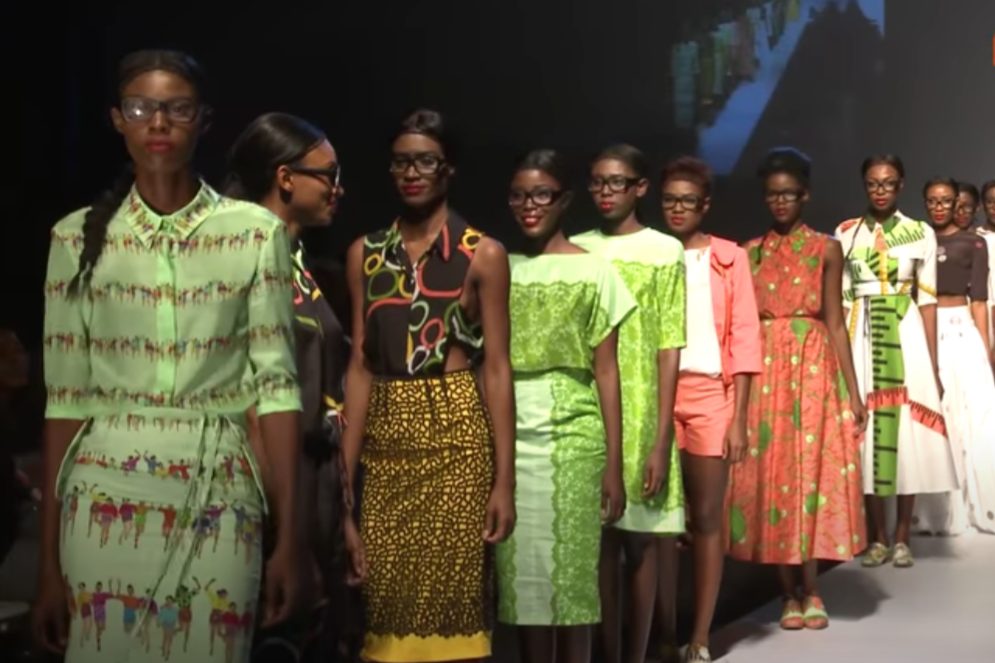

Lagos Fashion Week is Nigeria’s best-known fashion week and one of the main runway platforms for African designers. It was founded in 2011 by Omoyemi Akerele and is produced by Style House Files, the fashion business development agency she set up in Lagos in 2008. Until 2018 it was called Lagos Fashion and Design Week, often shortened to LFDW, and Heineken’s name has been attached to it as title sponsor since at least 2015.
The runway shows are the part most people see, but they are only one piece of the operation. Around them sit year-round programmes for designers: Fashion Focus, a talent scouting and incubation scheme that began as Young Designer of the Year; Green Access, an accelerator built around sustainable design that started in 2018; and Woven Threads, a platform for craft and circular fashion that first ran in April 2020. This explainer covers who runs the event, how it is organised, what each programme does and which designers have come through it.
Who Founded Lagos Fashion Week
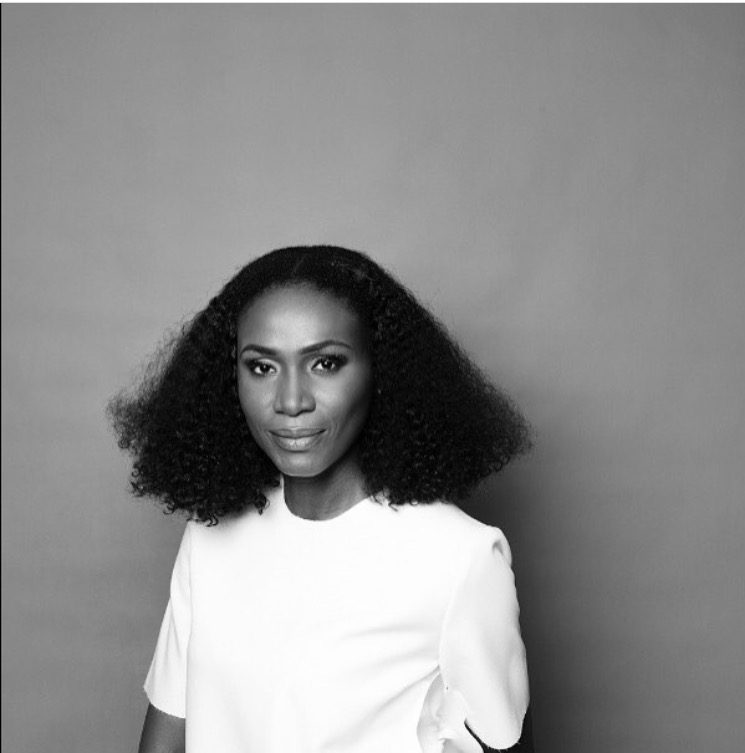
Omoyemi Akerele trained as a lawyer. She studied law at the University of Lagos and later took a master’s degree in international economic law at the University of Warwick, according to her profile on StateCraft. She has said in interviews that she left legal practice in 2004 because the work did not suit her. She moved into styling and fashion journalism, and worked as fashion editor of True Love magazine from about 2005, a role confirmed both in her interview with System magazine and in her StateCraft profile. In 2008 she founded Style House Files, which describes itself as a fashion business development agency for Nigerian and African designers.
Three years later, in October 2011, Style House Files staged the first Lagos Fashion and Design Week. Akerele has described the aim in plain terms: to develop Nigerian design talent and give it a professional platform at home. She remains the event’s founder and executive director, and she also runs Style House Files, which the event’s own materials and Nigerian fashion press consistently name as its parent company. In November 2021, during that year’s edition, the Nigerian Export Promotion Council named her Nigeria’s Zero Oil Ambassador, an appointment reported by BellaNaija and listed in her StateCraft profile.
From Lagos Fashion and Design Week to Lagos Fashion Week
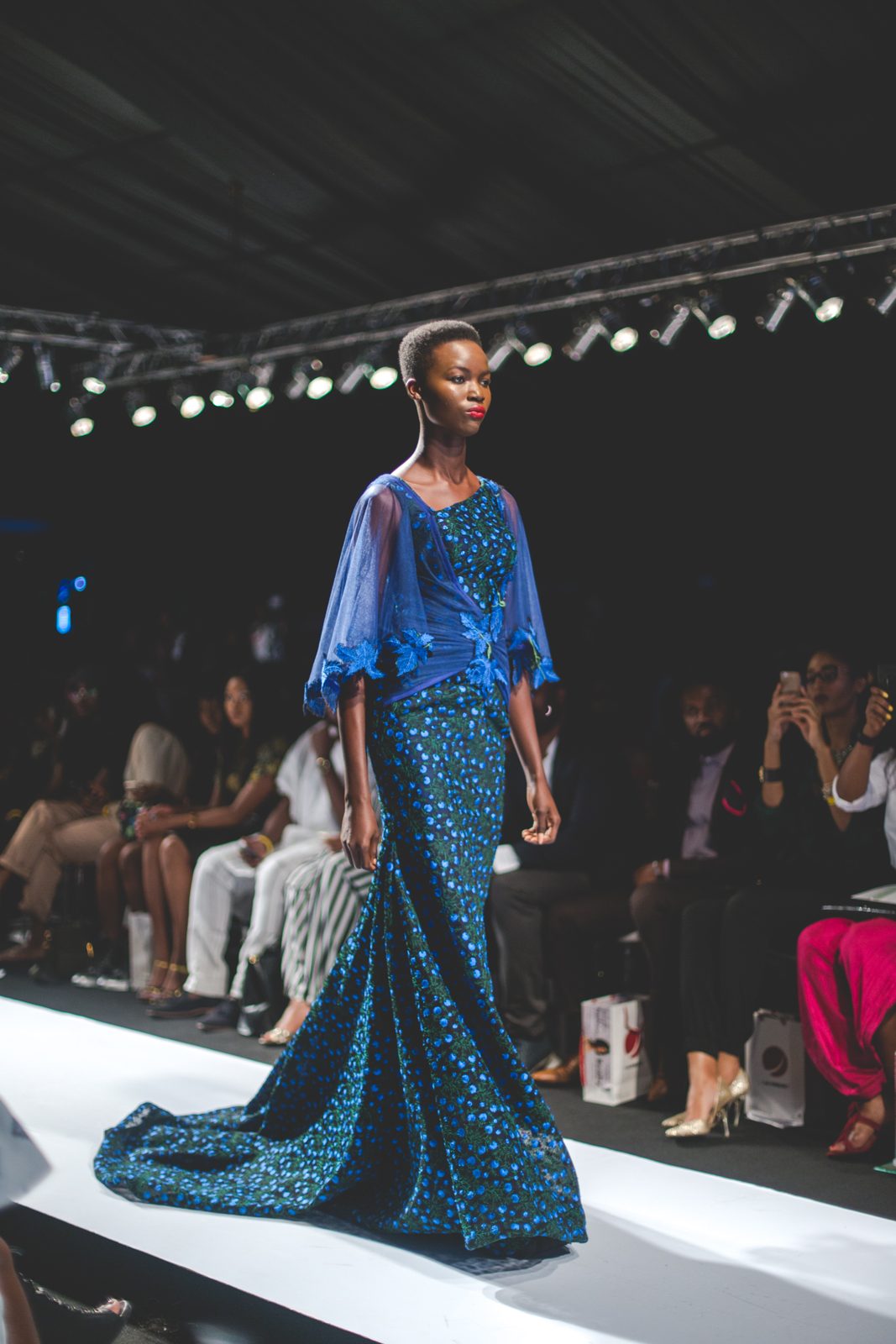
For its first seven years the event ran as Lagos Fashion and Design Week. In March 2018, when it staged a three-day autumn and winter presentation series called Seasons, Style Rave and The Guardian Nigeria both reported that it was now Lagos Fashion Week, with the hashtag #LFWNG. The October edition that year was billed as Heineken Lagos Fashion Week. The change dropped the word “Design” from the name but did not change the organiser, the founder or the basic format.
Older coverage, designer biographies and runway archives still use the LFDW name, which is why both versions turn up in searches. The event’s own designer pages, for example, list shows under labels such as “Heineken LFDW 2016” alongside newer seasons under the shorter name. If you are researching a designer’s history with the event, it is worth searching both names.
How the Week Is Organised
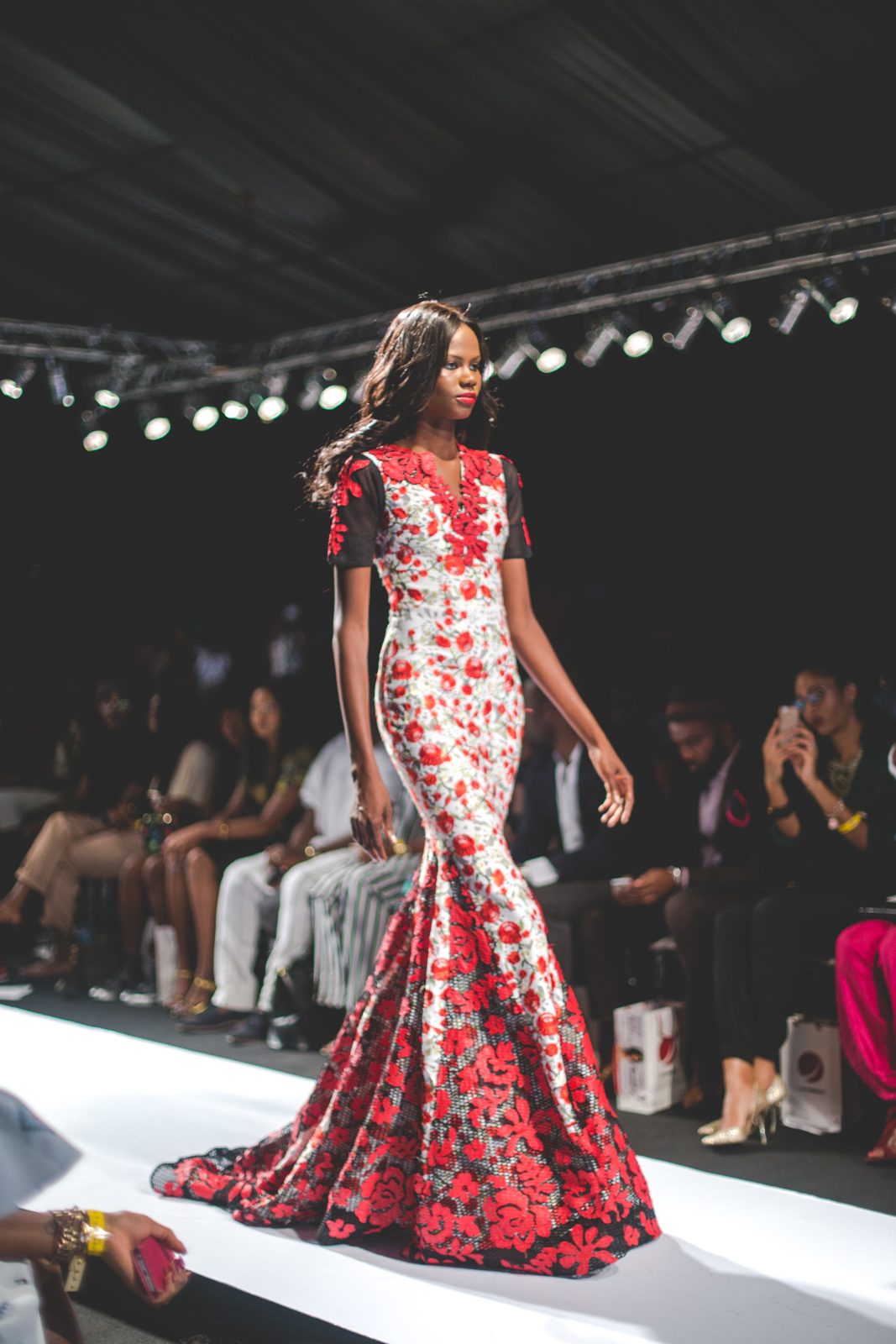
The main event is a multi-day programme of runway shows and presentations held in Lagos, traditionally in late October. Style House Files describes it, in its listing with the United Nations Sustainable Development Goals partnership platform, as a four-day event that brings buyers, consumers and media together, with runway shows featuring more than 60 African designers each year. The 2018 edition ran from 24 to 27 October and the 2019 edition from 23 to 26 October, according to contemporary reports in ThisDay and BusinessDay.
The line-up is not limited to Nigerians. The event’s designer archive includes labels from across the continent, and its talent programmes have taken applicants from outside Nigeria since the 2018 and 2019 cycle. Exact venues, themes and schedules change from edition to edition, so anyone planning to attend should check the official Lagos Fashion Week website for the dates and guide of the edition they want, rather than relying on older reports.
The Programmes Behind the Runway
What separates Lagos Fashion Week from a straightforward showcase is the set of development programmes Style House Files runs around it. Each has a different job.
Fashion Focus
Fashion Focus is the talent discovery arm of Lagos Fashion Week. It was established in 2011, the same year as the event, under the name Young Designer of the Year, according to a 2018 programme announcement carried by Culture Custodian and to Akerele’s own account in System magazine. It offers emerging designers business and creative workshops, mentoring, the chance to show at Lagos Fashion Week and eligibility for a grant called the Fashion Focus Fund. The UN partnership listing describes it as a year-long incubator with business coaching and mentorship.
The programme was opened to designers across Africa for the 2018 and 2019 cycle, when it ran as Fashion Focus Africa. The five finalists announced in February 2019 came from Angola, Ghana, Kenya, Nigeria and Rwanda, as reported by Style Rave and The Guardian Nigeria. Earlier, the Nigerian label Emmy Kasbit received a grant of ₦5 million from the Fashion Focus Fund in partnership with FETS Wallet, a 2018 award reported by Culture Custodian and Style Rave.
Green Access
Green Access began in 2018. It was launched as a competition aimed at Nigerian students, with the stated goal of raising awareness of sustainable choices in the Nigerian fashion industry while also finding new talent. Finalists were commissioned to make an outfit each and were promoted through a fashion film and a photo shoot, according to The Guardian Nigeria’s announcement. Both the official Green Access page and the UN partnership listing give 2018 as the launch year.
The programme has since grown into what Lagos Fashion Week calls its flagship accelerator for emerging African designers. The official page describes mentoring in research, design development, circular design, craft and production, business and communications, along with workshops, visits to artisan communities and factory tours, ending with a presentation of each designer’s collection at Lagos Fashion Week. Lagos Fashion Week has run Green Access with the Bestseller Foundation, a partnership it announced for the 2022 edition.