How Jollof Rice Became a Cultural Symbol in Afrobeats Lyrics and Music Videos
Miki Anderson··11 min read
Ad SpaceArticle Top - 728x90
Advertisement
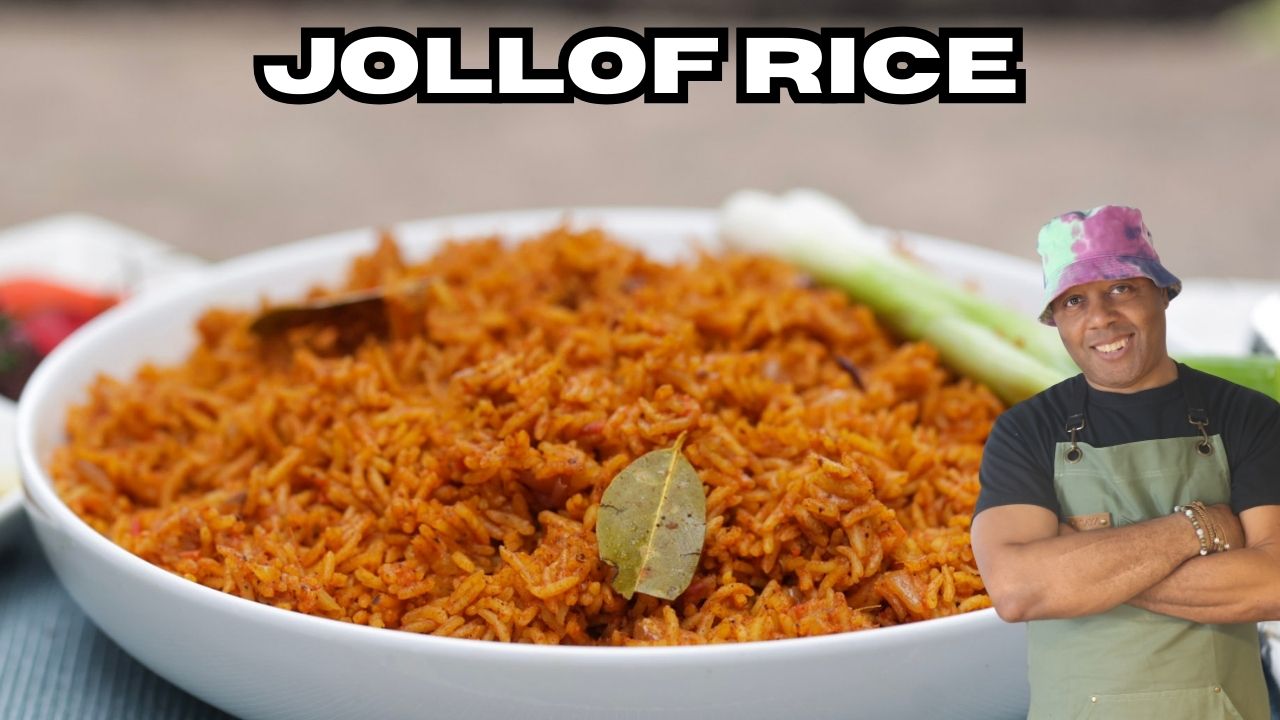
Few foods carry the kind of weight that jollof rice does inside an Afrobeats record. A guitar lick can place a song in Lagos. A talking drum can place it in Accra. But the moment an artist name-checks jollof, the song stops being just music and starts behaving like a passport. The rice has become a code, a shorthand, a wink between West Africans who recognise each other across an ocean of bass and snare.
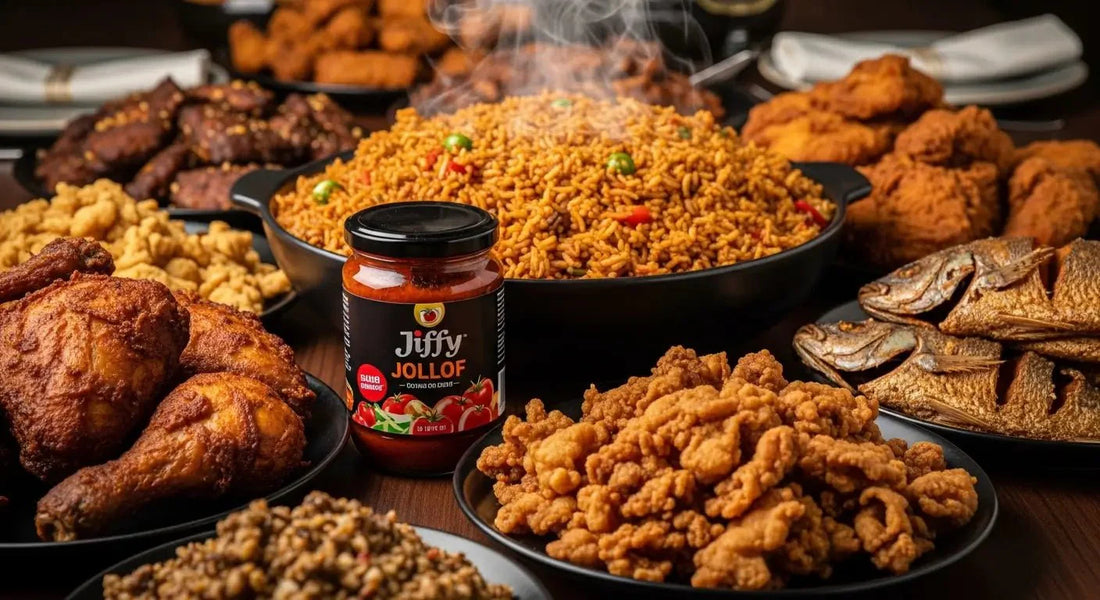
That shift did not happen overnight. Jollof has been simmering through West African kitchens for centuries, with Senegal holding the oldest receipt and Nigeria and Ghana building entire national identities around their versions. What Afrobeats did, somewhere between the mid-2010s and the streaming boom, was lift the dish out of the kitchen and place it directly inside the song, the chorus, the visual frame, the dance break. Music videos started looking like Saturday parties. Lyrics started reading like menus. And jollof, that orange-stained, smoke-kissed pot of rice, quietly turned into one of the most loaded cultural symbols in modern African pop.
The Long Backstory Before the Beat Drop
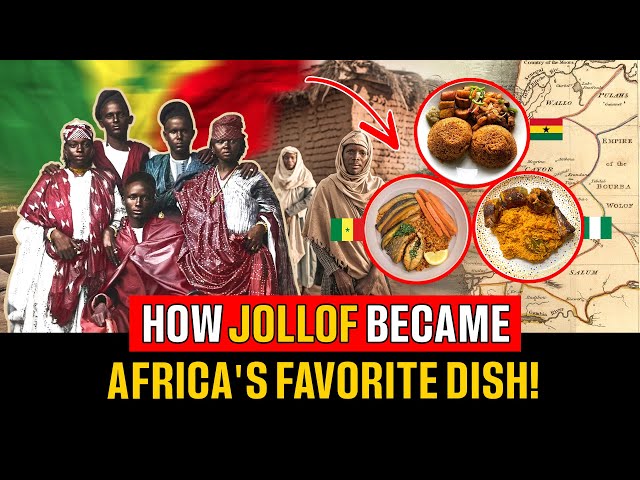
Jollof rice did not begin on a record label. Food historians trace the dish to the Wolof people of the Senegambia region, where a one-pot rice, fish and tomato preparation called thieboudienne, sometimes written ceebu jen, formed the spine of Senegalese cuisine for centuries. Thieboudienne was inscribed on UNESCO’s Representative List of the Intangible Cultural Heritage of Humanity in 2021, and Senegal uses that designation as a polite but firm reminder that jollof, in all its modern variations, descends from a Wolof grandparent.
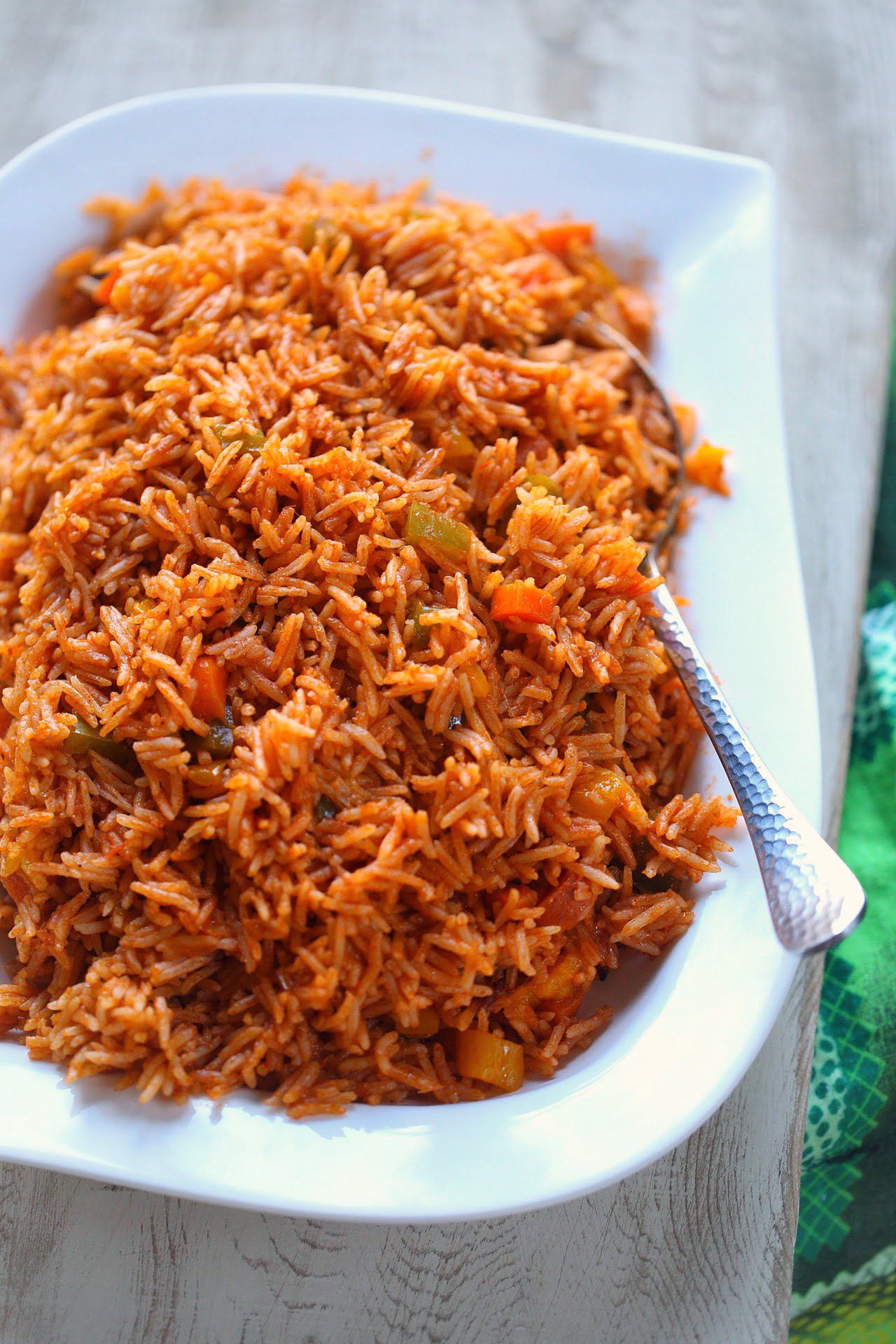
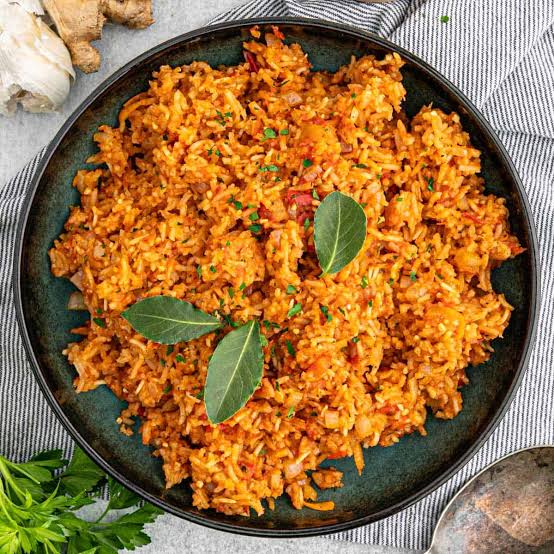
From that root, the dish migrated through trade routes, marriages, forced displacement and colonial reshufflings of borders. By the time it settled into Nigeria, Ghana, Sierra Leone, Liberia, Cameroon, Togo and Benin, every country had developed its own seasoning logic and its own ritual around the pot. The Senegalese kept fish and broken rice at the centre. The Ghanaians leaned into aromatic rice and a tomato base that runs slightly sweet. The Nigerians went with long-grain parboiled rice, scotch bonnet heat and a religious devotion to the scorched bottom layer they call bottom pot. Each version is loved with a fierceness that crosses into football-derby territory, which brings us to the Jollof Wars.
The Jollof Wars
The Jollof Wars are the most famous food rivalry in Africa, a running argument between Nigeria and Ghana about whose version reigns supreme, with Senegal occasionally cutting in to remind everyone where the dish was born. The rivalry plays out on social media, on cooking shows, at restaurant openings and increasingly inside Afrobeats music itself. When Jamie Oliver published a jollof recipe in 2014 that included cherry tomatoes and parsley, the West African internet united, briefly, to drag him. The backlash was not really about herbs. It was about authority, about who gets to define a dish that millions of people cook weekly, and that moment taught a generation of African pop artists that jollof was no longer just dinner. It was identity. It was a flag. It was the kind of thing you defended in a verse.
When Jollof Became the Compliment
For a long time jollof appeared in songs the way most foods appear in music, as scenery, a quick mention inside a love song or a party brag. Then Nigerian pop started using the dish as a romantic yardstick. Falz, on “Soupe” with Yemi Alade and Shaydee, works jollof into the song’s run of food comparisons as flattery rather than detail, the lyrical equivalent of telling someone they are the best thing on the table. The move caught on because it is instantly legible to anyone raised on the dish and completely opaque to anyone who was not, which is exactly the register diaspora pop thrives in.
Once the dish was functioning as a compliment, it was functioning as cultural property. Artists started treating jollof as a national treasure that could stand in for desire, abundance, joy and home all at once, and producers started building hooks around food imagery because food imagery travels. Naming jollof in a song stopped feeling novel. It started feeling expected, which is usually the sign that something has finished crossing over.
From Lyric to Visual Language
The music video era amplified that shift. Where a lyric mentions, a video shows. Once directors realised that a steaming pot of jollof on a wooden spoon could communicate Nigerian identity faster than any flag or skyline shot, the dish started appearing everywhere. Long banquet tables groaning under serving dishes. Aunties stirring giant aluminium pots over open flames. Plates passed across crowded courtyards. Children scolded for trying to sneak a taste. These were not just visual flourishes. They were arguments. Every frame of jollof in a video tells a viewer that the music belongs to this place, these people, this rhythm of life.
Burna Boy, the Diaspora and Food as Geography
Burna Boy built much of his career on the idea that African music is global by birthright. His songs reference Lagos traffic, Port Harcourt rain, Caribbean rum and London winters with equal ease. Inside that fluid world, food keeps showing up as a grounding device. When he drops a Nigerian dish into a verse, he is not just being colourful. He is anchoring the song to a specific place his international audience cannot otherwise access. Jollof, in that context, becomes a smell that travels through the speaker. A listener in Atlanta or Berlin who hears the reference and recognises it gets a small private nod. A listener who does not recognise it gets curious. Either reaction works in the artist’s favour. This is what makes the dish such a useful tool inside diaspora-era Afrobeats. It does double duty. It tells home listeners that the artist has not forgotten where he came from, and it tells foreign listeners there is a world here they are welcome to discover.
The UK Afroswing Wave
Nowhere is that double duty clearer than in UK afroswing, the British cousin sound that grew up next to grime and drill in London. Artists like J Hus, NSG and Not3s built entire catalogues around West African heritage, slipping pidgin into bars and naming foods the way American rappers name liquor brands. The specifics differ artist by artist. J Hus was born in London to Gambian parents and raised in Stratford, where, by his own account, African music played at family parties all night long. NSG’s members carry Nigerian and Ghanaian roots, and the group treats West African food like a recurring character, with dish references scattered across the discography and layered with London slang and Caribbean inflection.
Stormzy, while rarely rapping about food directly, has spoken often about his Ghanaian heritage and the place Ghanaian cooking holds in family life. For all of these artists, jollof in a lyric is not exotic. It is the most ordinary thing in the world, and that is precisely why it lands. It tells a generation of African kids raised between two passports that what once embarrassed them in a school cafeteria was a culture worth rapping over.
Ad SpaceIn-Article - 300x250
Advertisement
The Party Jollof Question
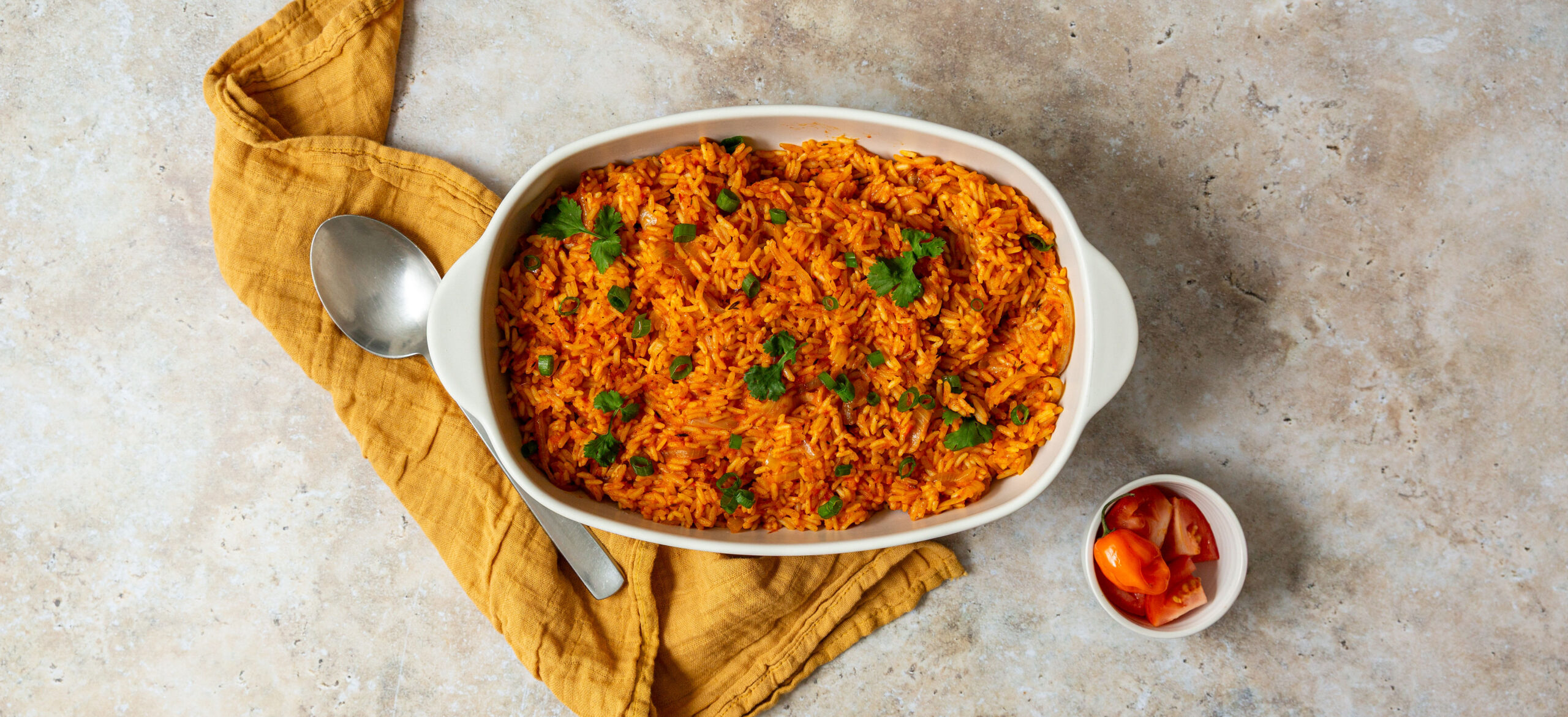
Inside Nigeria itself, jollof carries an internal class conversation that rarely gets translated for foreign listeners but shapes every food scene in every music video. Party jollof is the version cooked outdoors over firewood in enormous aluminium pots, the kind served at owambe weddings and street parties. It carries a smoky char that comes from wood smoke kissing the rice, and Nigerians will argue, with religious certainty, that no kitchen stove can replicate it. Home jollof is what your mother makes on a gas burner, cleaner, less smoky, often considered slightly inferior by the most devout party jollof loyalists.
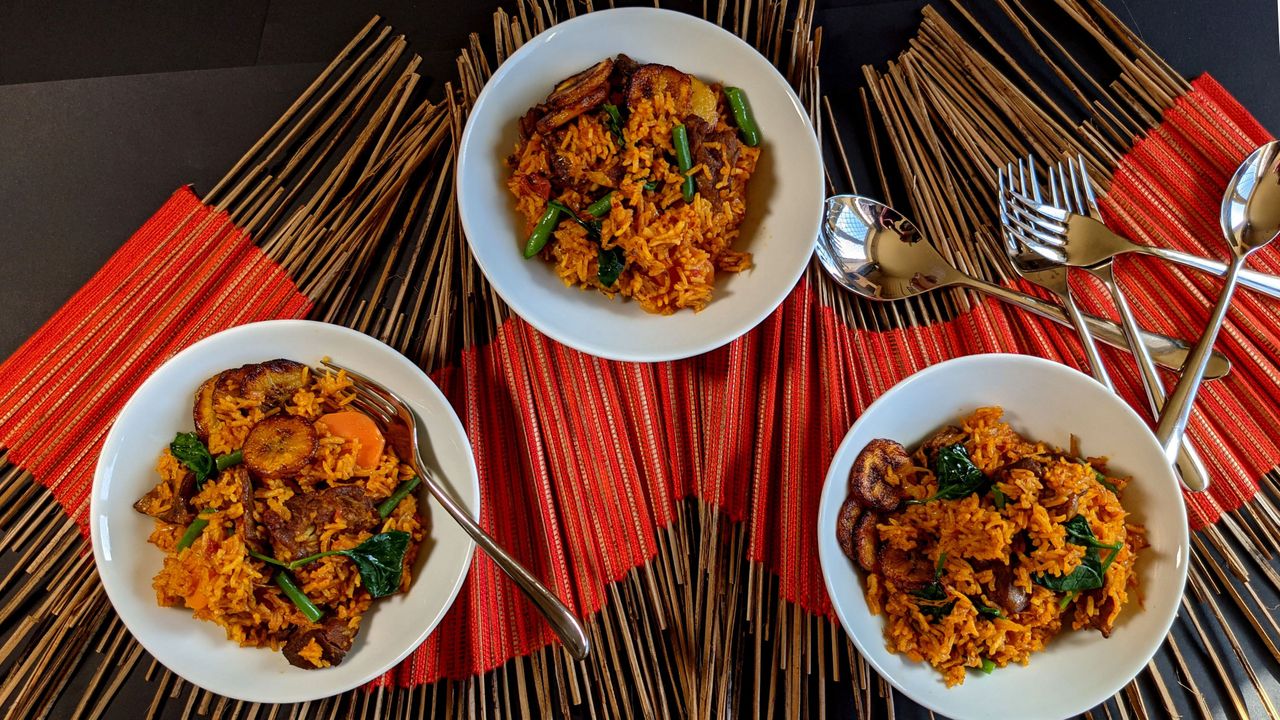
Then there is the tier Lagos catering has built over the last decade, the plated version served at high-end events, paired with seared meats and small chops and presented on white china under string lights. This is jollof as luxury good, jollof that has been to design school. Afrobeats videos use all three versions deliberately. A street video set in Surulere will show the open-pot, peppered party jollof being ladled into takeaway packs. A romance video shot in Lekki will show the plated version on a curated dinner table. A diaspora video shot in Houston or London might show an auntie hauling a covered dish through an airport, the closest a child of immigrants can get to the real thing.
Davido’s Birthday Plates
Davido has made his birthdays into national events partly because of the food. Year after year, clips from his celebrations travel less for the cake than for the catering, the long tables of jollof and asun and small chops. The parties function as live demonstrations of the catered tier, jollof presented at scale for celebrities and family alike, captured in phone videos that become unofficial music marketing. The line between his music videos and his actual life blurs in those moments, and that blurring is the whole trick. A clip from a real party can travel further than a label-funded video, and the food is doing real promotional work inside it without anyone having to pay for a product placement.
Wizkid, Outdoor Catering and the Cultural Set-Piece
Wizkid’s video aesthetic over the last several years has leaned hard into outdoor, golden-hour, beach-and-courtyard staging. “Made in Lagos,” his 2020 album, was followed by visuals that often felt like elevated documentaries of Yoruba leisure, with food as a recurring motif. A grill on a beach. A wide table set under trees. Jollof, again and again, in the background or the foreground, doing the quiet job of declaring that the song is rooted somewhere real. These are what video directors sometimes call cultural set-pieces, scenes that exist mainly to embed the song inside a specific cultural moment. Wizkid uses them like punctuation. A beach scene with grilled fish and party jollof says something a stage performance cannot. It says this is not just a song, this is a Saturday in Lagos, and you are being let in rather than sold to.
Black Sherif, Sarkodie and the Ghanaian Counter-Punch
Ghanaian artists have been just as deliberate about the dish, often as a direct counter to Nigerian dominance. Sarkodie, the country’s most decorated rapper, has referenced Ghanaian food throughout his catalogue, framing it as evidence of a culture that does not need to compete on Nigeria’s terms. Black Sherif, the breakout star of the early 2020s, carries a similar pride, with interviews and lyrics that locate his music inside specific Ghanaian neighbourhoods and kitchens. The rivalry shows up not just in songs but in the visual choices artists make. A Ghanaian video that wants to settle the argument will sometimes linger on a pot of Ghanaian jollof slightly longer than necessary, daring the Nigerian viewer to comment. Nigerian videos return the favour by treating their version as the default, with no need to acknowledge the rival at all. It is petty. It is delicious. It is exactly what national pride sounds like when it is set to a beat.
World Jollof Day and the Calendar of Pride
Every 22 August, social media lights up with World Jollof Rice Day, an informal holiday that grew out of the 2010s and now drives recipe content, restaurant promotions and a fresh round of online combat. Afrobeats artists weigh in, posting plates from their homes or restaurants, sometimes timing snippets and announcements to the date. The holiday has become a useful release window for anyone with a food-adjacent record, because a jollof song dropped near 22 August picks up free reach from hashtag traffic. That is a small, practical example of something larger. The dish now has its own media calendar, and Afrobeats knows how to read it.
2Baba and the Old Guard
The older generation of Nigerian artists, 2Baba among them, has always referenced Nigerian food in interviews and occasional lyrics, but the way they do it differs from the younger wave. For 2Baba, food references tend to feel like reminiscence, a memory of growing up, a marker of where the music came from before it became a global export. That tone matters. It reminds listeners that jollof in Afrobeats is not a marketing gimmick invented by the streaming era. It is a continuation of how Nigerian and Ghanaian musicians have always talked about home, and the younger artists are working inside a tradition rather than starting one.
Why the Dish Works as a Symbol
The reasons jollof translates so well into music are practical as much as cultural. The dish is communal, which fits the party energy of Afrobeats. It is visually striking, with a signature deep orange that pops on camera. It is contested, which keeps it newsworthy. It is portable, travelling from open-fire pots to fine dining plates without losing its essential identity. And it carries memory, summoning a grandmother in Ibadan, an auntie in Peckham and a chef in Brooklyn all at once. Few foods do all of that. Plantain comes close but lacks the rivalry. Egusi soup is beloved but visually muddier on camera. Suya is photogenic but regional. Jollof sits at the exact intersection of pan-West African familiarity and country-specific pride, the same intersection Afrobeats itself occupies. That is why the dish keeps showing up. It is doing the same work as the music.
The Family Table Scene
One of the most quietly powerful uses of jollof in Nigerian video work is the family table scene, a setup where the artist appears not as a star but as a son or a daughter, eating with relatives, laughing, scraping the bottom of the plate. The device recurs across the genre, in big-budget visuals and in phone-shot behind-the-scenes clips alike, and it works on the same logic every time. The family table puts the machinery of fame on pause and inserts a moment of stillness. The food becomes the proof that the artist is still tethered to something older and more durable than charts, which is a difficult thing to fake and an easy thing for an audience to recognise.
A Pot That Keeps Cooking
A teenager in Abule Egba spoons party jollof onto a paper plate at a neighbourhood owambe while a Wizkid track stretches across the courtyard speakers. An auntie in Tottenham reheats Saturday’s leftovers while afroswing plays from a Bluetooth speaker on the counter. A camera crew in Accra frames a wide shot of rice catching the late afternoon sun. In Brooklyn, a Nigerian chef garnishes a plated version with fried plantain crisps while an Afrobeats record plays low through the dining room. The pot keeps cooking, the songs keep dropping, and the rice keeps doing the quiet work of telling everyone exactly where the music lives.
Ad SpaceIn-Article - 300x250
Advertisement
Share
Get the recap
Loved this story? Get more like it.
Join readers who get our weekly entertainment recap - the stories worth your time, delivered every Friday.
No spam. Unsubscribe anytime. By signing up you agree to our Privacy Policy.