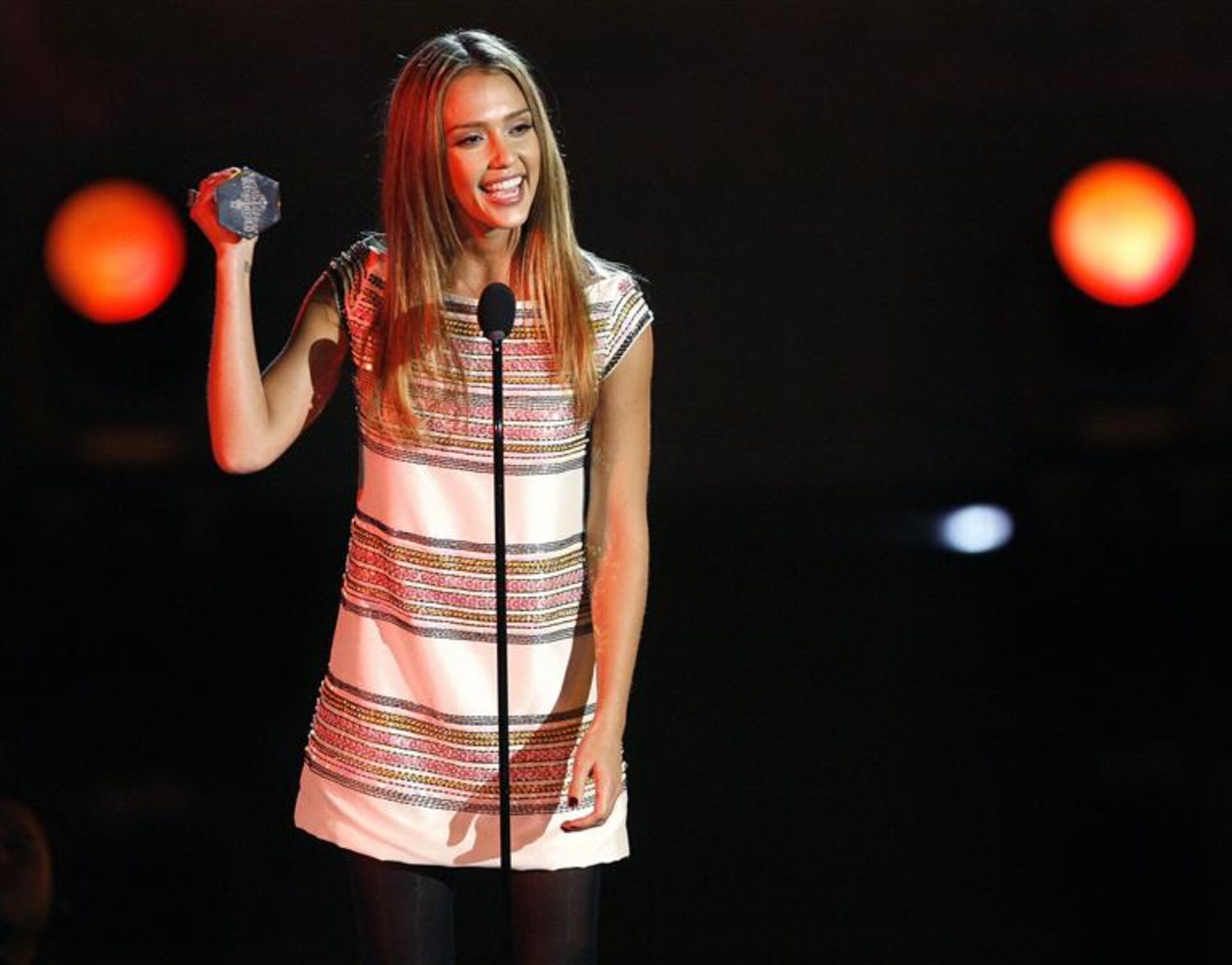
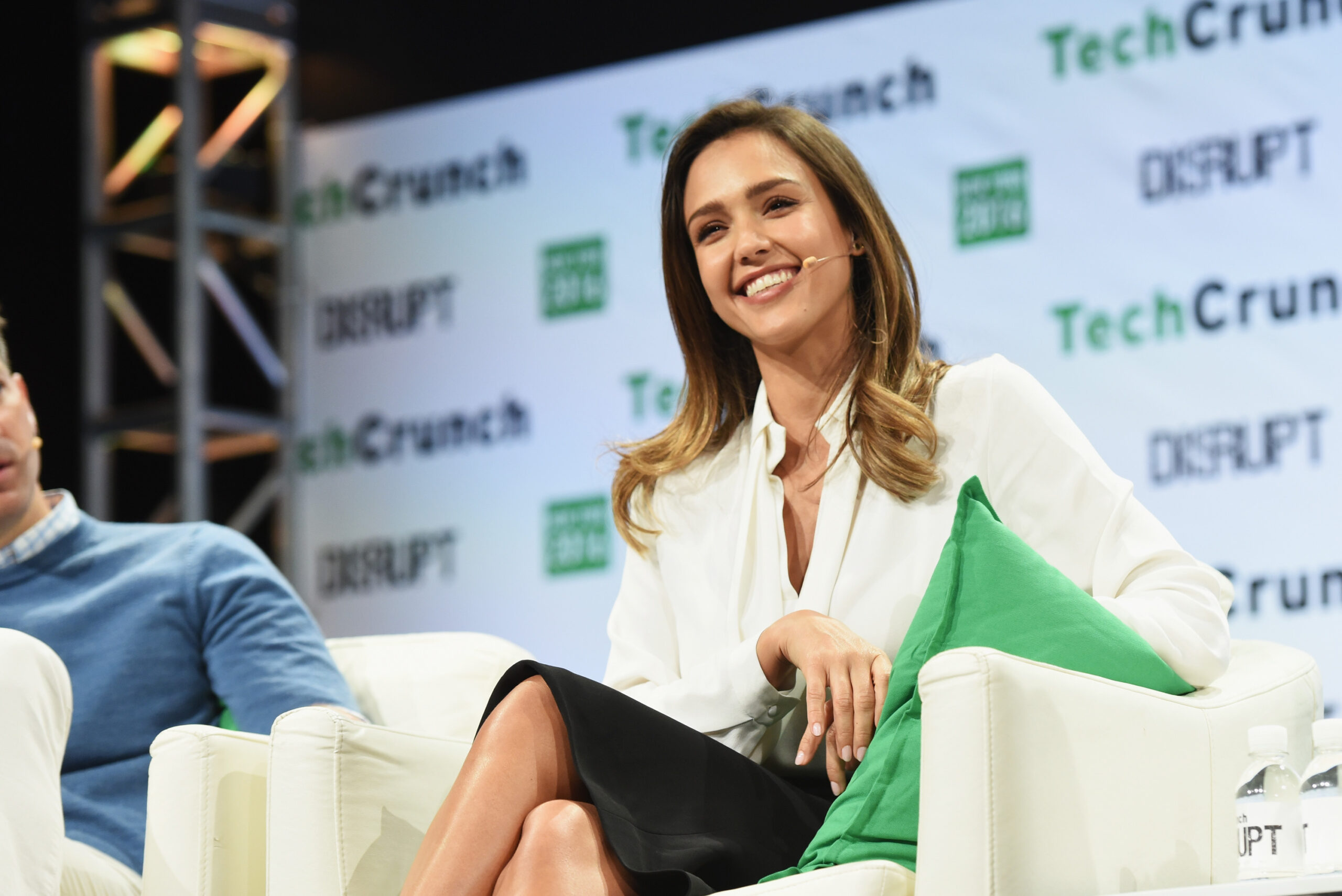
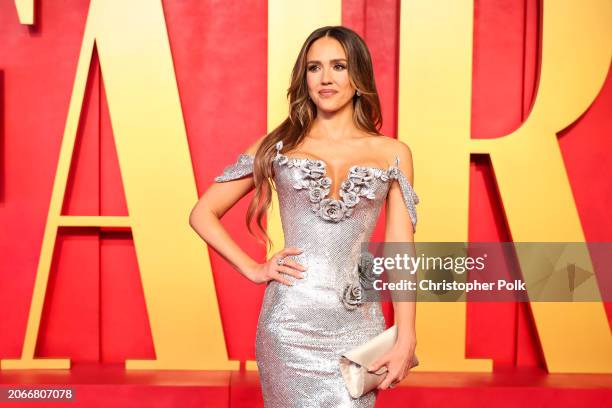
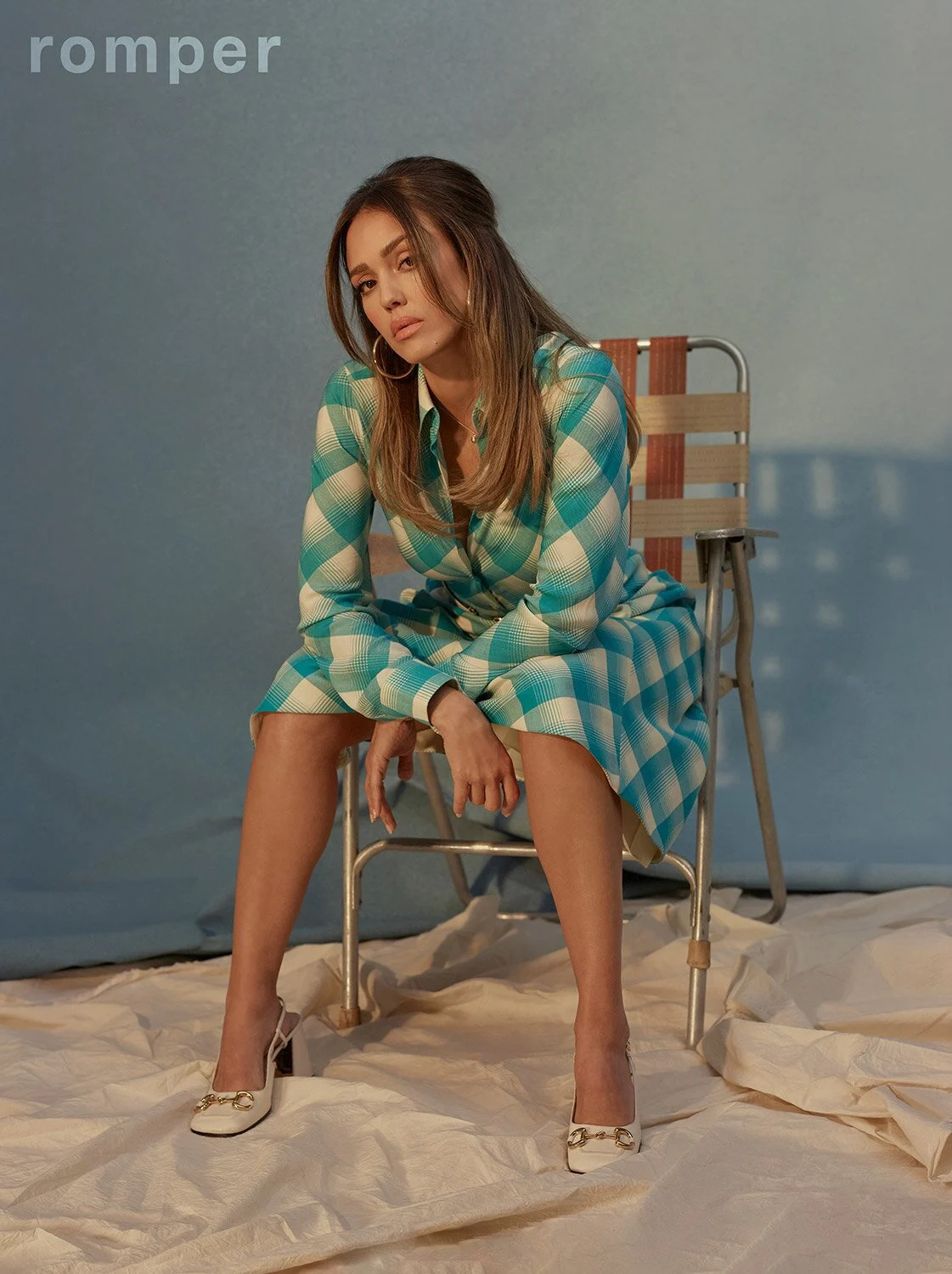
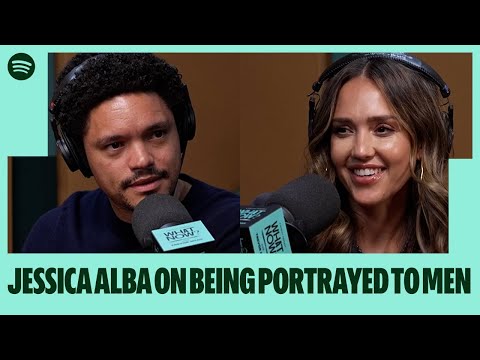
From Hollywood Star to Business Mogul: Jessica Alba's Career, Net Worth, and What Her Journey Teaches Entertainers
Miki Anderson··10 min read
Ad SpaceArticle Top - 728x90
Advertisement
Walk into almost any drugstore in America and you will pass a shelf of clean diapers, plant-based cleaning sprays, and gentle skincare carrying a leaf-shaped logo. Most shoppers reaching for those bottles never stop to think that the brand was built by a woman who first became famous fighting genetically engineered enemies on a sci-fi television show. That gap between how the public remembers a celebrity and what they actually build is exactly what makes this story worth studying. The woman behind that shelf spent the first decade of her career as a leading lady, then spent the second decade quietly turning a frustration about baby products into a publicly traded company. For entertainers everywhere, including the fast-rising stars across Nigeria and the wider African continent, the arc is a working blueprint rather than a fairy tale.
The Rise of a Reluctant Leading Lady
Born in April 1981, Jessica Alba started auditioning as a child and landed early screen credits in the mid-1990s with small roles in projects like Camp Nowhere and The Secret World of Alex Mack. The real break arrived at the turn of the millennium. Director James Cameron reportedly chose her from a pool of more than a thousand candidates to play Max Guevara, a genetically engineered super-soldier, in the FOX series Dark Angel, which ran from 2000 to 2002. The role made her a star at nineteen and earned a Golden Globe nomination, a Teen Choice Award, and a Saturn Award. For a young performer, that is an unusually strong launch, and it set the template for the kind of roles Hollywood would offer her for years.
The film career that followed leaned heavily on her status as an action-friendly leading lady. Her cinematic breakthrough came with the dance drama Honey in 2003, and 2005 turned into a defining year. She appeared in Robert Rodriguez’s stylized noir Sin City, a performance that won her an MTV Movie Award, and she stepped into the Marvel universe as Sue Storm, the Invisible Woman, in Fantastic Four. That film grossed more than 330 million dollars worldwide despite mixed reviews, and she returned for the 2007 sequel, Fantastic Four: Rise of the Silver Surfer. By her mid-twenties, she was one of the most recognizable young actresses in the world, a fixture on magazine covers and a reliable box-office draw.
What is striking in hindsight is how she has talked about that period. In interviews over the years, Alba has described feeling typecast and creatively boxed in, valued more for her image than for her range. That sense of being defined by other people’s commercial expectations is something many entertainers recognize, and it matters here because it helps explain why she went looking for a different kind of ownership. The fame was real, but so was the ceiling, and the most interesting part of her story is what she decided to do once she could feel that ceiling pressing down.
The Frustration That Became a Company
The origin of The Honest Company is one of the more believable founder stories in the celebrity-business world because it did not start with a marketing plan. It started with a rash. As Alba has told it in numerous interviews, she had an allergic reaction to a baby detergent while preparing for her first child, and the experience pushed her to start reading labels and questioning what was actually in the everyday products marketed to families. The more she dug, the more she found a gap between what consumers assumed about safety and what was really inside the bottle. That gap became a business idea: a brand of baby, personal care, and household products built around transparency and non-toxic ingredients.
She co-founded The Honest Company in 2011 alongside entrepreneur Brian Lee and others, launching the venture the following year. This is the detail that separates her from the long list of celebrities who simply license their name to a product. Alba did not parachute in as a paid face. She helped build the company from the studs, sat through investor meetings, learned the supply chain, and stayed involved in product development as Chief Creative Officer. The brand grew quickly by selling directly to consumers online and through a subscription model at a time when that approach was still novel, then expanded into major retail chains. Within a few years, Honest had become a recognizable name in the clean-living category, a label that barely existed as a mainstream consumer segment when she started.
The growth was not frictionless. The company faced lawsuits and public questions over some of its ingredient and labeling claims, the kind of scrutiny that comes with promising purity and then being held to that promise. Honest navigated those challenges, reformulated where it had to, and kept building. For an entertainer-turned-founder, that stretch is instructive on its own. A celebrity name gets a product onto the shelf, but it does not protect the business from the ordinary, unglamorous demands of running a consumer goods company. Alba’s willingness to stay in the room during the hard parts is a large reason the company survived long enough to reach the public markets.
Going Public and the Hard Truth About Paper Wealth
In May 2021, The Honest Company went public on the Nasdaq under the ticker HNST, and for a moment the headlines wrote themselves. On debut, Alba’s stake of roughly 5.56 million shares was valued at around 130 million dollars before taxes at the offering price. It was the kind of number that turns a working actress into a business-section cover story, and it validated a decade of unglamorous work that most of her fans never saw.
Then came the part that rarely makes the celebration posts. The stock struggled badly in the years after the IPO. Reporting at various points indicated her stake had fallen to roughly 25 million dollars by early 2022, and as the share price sank into the low single digits by late 2023, the paper value of her holdings dropped to an estimated 5 million dollars or so at the worst of it. The shares recovered partially through 2024 and 2025 as the company improved its margins and posted positive net income across consecutive quarters, and around the time of public filings tied to her 2025 divorce, her personal stake was estimated to be worth roughly 33 million dollars against a company valuation in the neighborhood of 615 million dollars. By early 2026, Honest reported full-year results with improved profitability and cash, no debt, and a newly launched share buyback, the marks of a business that had stabilized after a rocky public adolescence.
Ad SpaceIn-Article - 300x250
Advertisement
The lesson buried in those swings is the most useful thing in this entire story, and it deserves to be stated plainly. Equity in a company is not the same as money in a bank account. The 130 million dollar headline and the 5 million dollar trough were the same shares, just priced by a market that changes its mind. For any entertainer being courted with promises of ownership and a big exit, that volatility is the reality behind the dream. Ownership can compound into real generational wealth, but it can also evaporate on paper and then partly recover, and the founder has to be financially and emotionally built to ride that curve without panicking.
Stepping Back on Her Own Terms
In April 2024, Alba announced she was stepping down as Chief Creative Officer of The Honest Company, framing the move as a chance to redirect her focus toward new projects and passions. Crucially, the announcement came after a strong quarter rather than during a crisis, and she did not sever ties. She remained on the company’s board of directors, keeping a governance role and a financial stake while handing day-to-day creative leadership to the team she had helped build. She described Honest as a true labor of love that showed her what was possible when purpose is infused into business, language that read less like an exit and more like a graduation.
That distinction matters more than it might seem. There is a meaningful difference between abandoning a venture and transitioning out of an operating role while retaining ownership and influence. Alba did the latter. By stepping back from the grind of being the brand’s creative engine while staying on the board, she preserved her upside and her voice without being chained to the daily operation. This is the move of someone who has learned to think like an owner and a portfolio manager rather than just a founder who must be hands-on forever. It also freed her to start new things. She has spoken about pursuing fresh ventures and returning more deliberately to acting and producing on her own terms, the creative freedom she felt she lacked when she was a young star being cast for her image.
Taken together with her overall financial picture, the picture is of someone who diversified. Various outlets estimate her overall net worth in the range of around 100 million dollars, a figure that should be read as an estimate rather than an audited fact, and one that blends her Honest stake with earnings from a long acting career and other income streams. The exact number is less important than the structure behind it. She is not a person whose wealth lives or dies with a single film deal or a single product line, and that diversification is itself a deliberate achievement.
What African and Nigerian Entertainers Can Take From This
The relevance of all this stretches well beyond Hollywood, and nowhere more clearly than in the entertainment economies of Nigeria and the rest of Africa, where music, film, and creator culture are throwing off enormous cultural value while too little of it converts into durable ownership. Afrobeats has become a global export. Nollywood is one of the most prolific film industries on earth. Nigerian comedians and skit-makers command audiences that rival traditional broadcasters. Yet the dominant model still rewards performance fees, endorsement cheques, and brand-ambassador deals, arrangements where the star rents out fame and walks away when the campaign ends. Alba’s path points toward a different relationship with money, one where the celebrity owns a piece of the thing rather than simply promoting it.
The first transferable lesson is to build a real business, not a vanity logo. Honest worked because Alba solved a genuine problem she understood personally and then did the operational work, rather than slapping her name on a product someone else made. An Afrobeats artist or Nollywood star who wants lasting wealth should look for a problem they actually know and care about, whether that is distribution, fashion, food, fintech for creators, or beauty products suited to African skin and hair, and then commit to the unglamorous building. The second lesson is patience with equity. Alba spent roughly a decade between founding Honest and its IPO, and the value swung wildly even after that. Ownership pays over years, not over a single album cycle or film season, which means the entertainer has to keep enough cash flow from their craft to survive while the equity matures.
A third lesson is governance and timing. Alba stepped back from operations only after the business could run without her, and she kept her board seat and her stake. The instinct for many busy stars is either to micromanage forever or to disappear entirely once the money arrives. Neither serves the business. Learning when to delegate, who to delegate to, and how to retain influence through ownership rather than daily control is a skill worth more than any single hit. The final lesson is the soberest one, and it is the antidote to the hype that surrounds celebrity business launches. Paper wealth is not real wealth until it is realized, and even a successful company can put a founder through years of public stock pain. Any entertainer who treats an equity stake as guaranteed riches is setting up a hard education. The ones who treat it as a long, volatile, owner’s bet, the way Alba ultimately did, are the ones positioned to come out the other side with something that lasts.
The Bottle on the Shelf as a Final Word
Return to that drugstore shelf one more time. The bottle sitting there is the clearest summary of the whole journey, because it is something a person bought, used, and forgot, with no idea that a former action star designed the company behind it and rode its stock from a 130 million dollar high to a 5 million dollar low and back toward stability. That anonymity is the point. Real business success eventually stops being about the celebrity and starts being about whether the product earns its place in a stranger’s home. Jessica Alba’s career is admired for the screen work, but it will be studied for the harder thing she pulled off, which was converting fame into a functioning enterprise and then having the discipline to step back from it without giving it away. For the next generation of entertainers, in Lagos and Los Angeles alike, the bottle on the shelf is the assignment: make something useful enough that people keep it long after they have forgotten whose name got it started.
Ad SpaceIn-Article - 300x250
Advertisement
Share
Get the recap
Loved this story? Get more like it.
Join readers who get our weekly entertainment recap - the stories worth your time, delivered every Friday.
No spam. Unsubscribe anytime. By signing up you agree to our Privacy Policy.