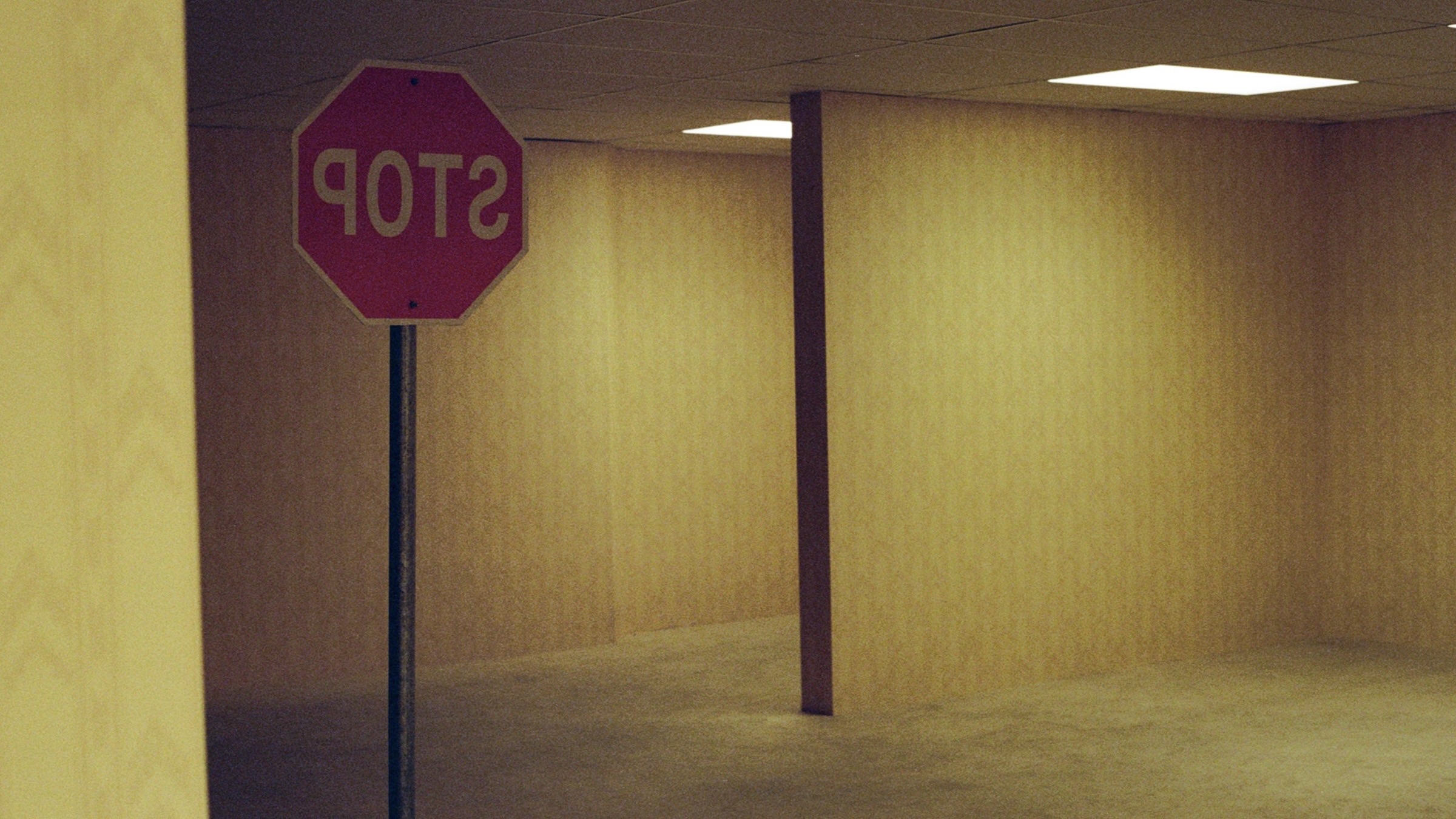

Somewhere in May 2019, an anonymous user on 4chan’s paranormal board posted a single grainy image. Yellow-tinted carpet. Damp wallpaper the colour of an old cigarette filter. Fluorescent lights humming over an office space that nobody worked in. The caption suggested that if you weren’t careful, you could “no-clip” out of reality and end up there, lost in 600 million square feet of empty rooms, with something else.
Six years later, that image is an A24 feature film directed by a kid who couldn’t legally rent a car when he signed the deal. Welcome to the strangest IP pipeline in modern Hollywood.
A 4chan Image Becomes a Studio Tentpole

The journey from an anonymous /x/ board image post to a green-lit A24 feature in under five years deserves its own case study. Internet horror, long dismissed as a juvenile internet curiosity, has quietly become one of the most active and lucrative sources of original genre IP in studio cinema. Hollywood is not just adapting these stories. It is hiring the creators.
The shift is structural. For decades, the only path into a studio horror feature ran through film school, festival shorts, and a slow climb up the agency ladder. Now a 17-year-old with After Effects and a YouTube channel can leapfrog the entire pipeline.
May 2019: The Original Backrooms Post
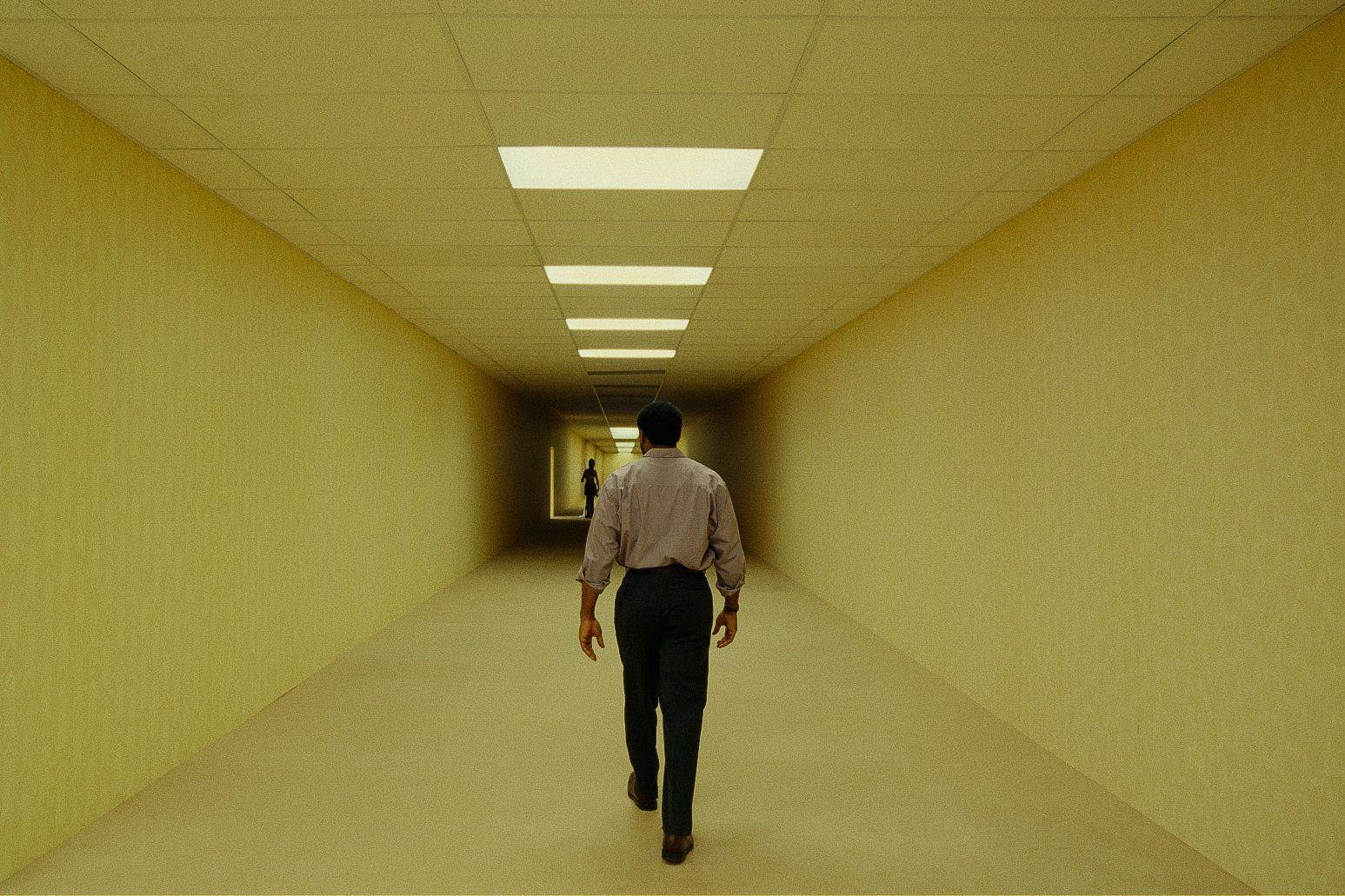
The original post is still archived in 4chan history. A thread asking users to share unsettling images. An anonymous reply with a snapshot of a yellow-walled empty office, slightly distorted, with the text underneath suggesting it depicted a space you reached by “no-clipping out of reality.” That phrase, borrowed from video game glitch terminology, did most of the heavy lifting. It implied that the place was reachable, accidentally, by anyone. Reality was the safe place. The image was what existed when reality broke.
What followed was the standard creepypasta lifecycle, except faster than any prior example. Wikis sprang up. Lore expanded. The image accumulated “levels,” entities, mythology. The aesthetic acquired a name: liminal space horror. By 2020, the Backrooms had become one of the most documented fictional environments on the internet, with thousands of contributors building out a shared world from a single uncredited photograph.
Critically, none of it had a copyright owner. No Stephen King to negotiate with. No literary estate. The Backrooms was, in legal terms, a folk myth.
Kane Pixels and the 50 Million View Short Film
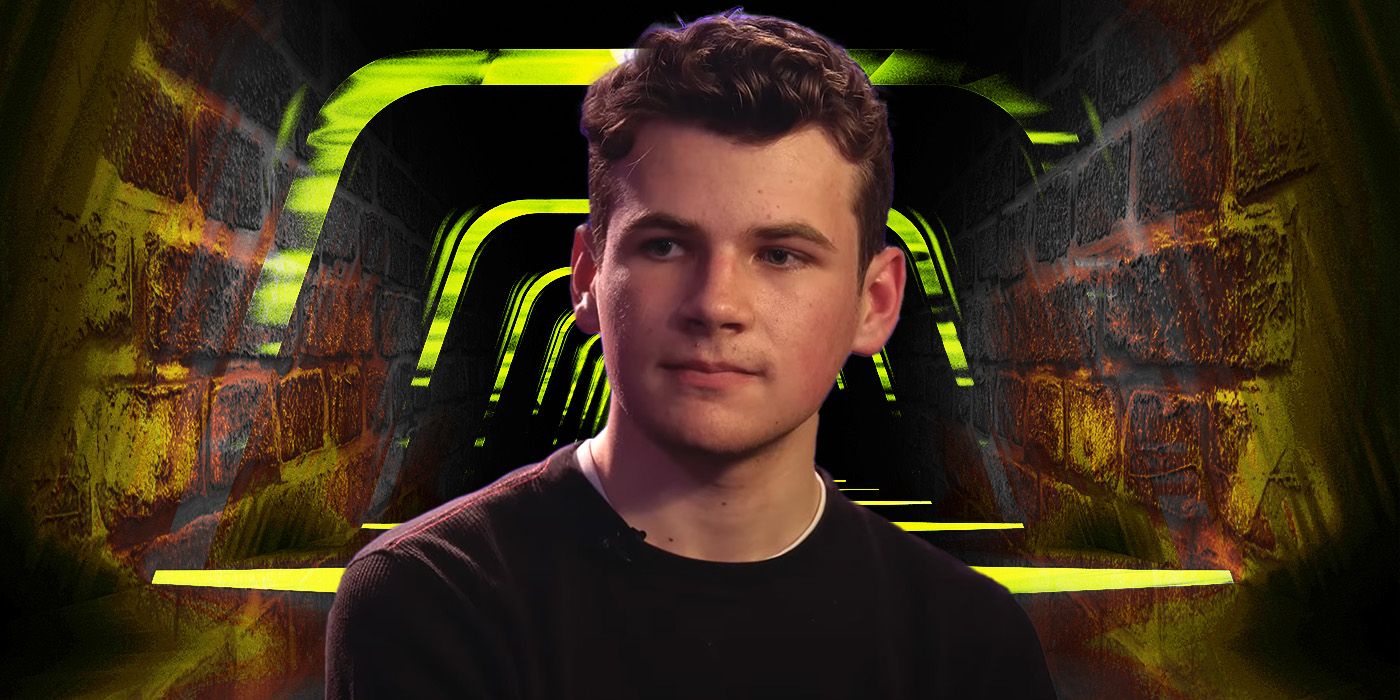
In January 2022, a YouTube creator named Kane Parsons, working under the handle Kane Pixels, dropped a short film titled “The Backrooms (Found Footage).” Parsons was 16. The video was nine minutes long. It featured a faceless cameraman wandering a CGI-rendered office space that hummed with that exact wrong-frequency dread, before something inhuman started chasing him down the corridors.
The video hit 50 million views. Then 70. The execution was startling because it didn’t read like a teenager’s project. Parsons had a genuine eye for sound design and a meta found-footage framing device that gave the videos the feel of unearthed archive material rather than fiction.
What separated Kane Pixels from the thousands of other Backrooms YouTube creators was that his videos felt like cinema, not content. By mid-2022, Hollywood agents were in his DMs.
The A24 Deal That Rewrote the Playbook
In early 2023, A24 announced that Kane Parsons would direct a feature-length Backrooms film. The studio, fresh off Talk to Me’s surprise box office breakout, was leaning harder into horror than at any point in its history. They paired Parsons with experienced producers, gave him development support, and crucially did not strip him of the directing chair. James Wan, no stranger to elevating new horror voices, joined as producer.
Parsons became one of the youngest filmmakers ever attached to direct a feature at a major American studio. The deal was announced when he was 17. Even with typical Hollywood development delays pushing the release window into the mid-2020s, the precedent was set. A YouTube short could now be a calling card for a tentpole film.
The deal worked because A24 understood something most studios still don’t quite grasp: the IP was not the asset. The maker was. Anyone could have made a Backrooms film. The point was to make Kane Pixels’ Backrooms film.
The Analog Horror Subgenre
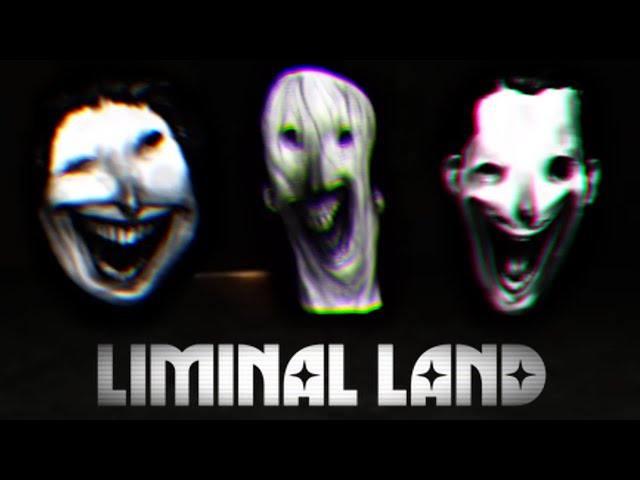
While Backrooms became the breakout, an entire subgenre had been incubating alongside it. Analog horror, as it came to be called, weaponised the visual language of degraded VHS tapes, public service announcements, emergency broadcast interruptions, and graphics that looked old in ways that felt wrong.
Kris Straub’s “Local 58” set the template starting in 2015. A fictional public television station in rural West Virginia, occasionally interrupted by something that wasn’t supposed to be on the air. The episodes were short, mostly text and static, and devastating in their patience.
Alex Kister’s “The Mandela Catalogue,” launched in 2021, took the form into mythology. Biblical entities, alternate-version replacements of humans, PSAs warning citizens about supernatural threats with the bland tone of a tornado advisory. It became one of the most-watched horror projects on YouTube within two years.
“Gemini Home Entertainment,” “The Walten Files,” “Petscop” before any of them in 2017 with its fake video game playthroughs - the subgenre had its own auteurs working in dialogue, refining a shared grammar. Hollywood scouts were paying attention.
Why Liminal Spaces Hit So Hard
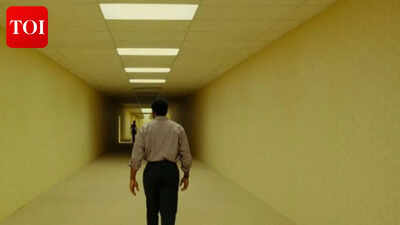
The aesthetic dimension mainstream studios initially missed was specificity. Empty pools at night with the underwater lights still on. Mall food courts after closing. Hotel hallways with patterned carpet that repeats slightly wrong. Indoor playgrounds with no children. These images bypass narrative entirely and hit something primal.
The theory is that liminal spaces invoke a kind of evolutionary unease. Humans are wired to read environments for social cues. An empty mall isn’t just empty. It signals that something happened to the people who should be there. The horror is implicit, ambient, structural. Traditional studio horror, fixated on jump scares and antagonists, had no vocabulary for this. Internet horror built one.
The Five Nights at Freddy’s Case Study
Before Backrooms made it to A24, another internet horror property quietly proved the commercial thesis. Scott Cawthon’s “Five Nights at Freddy’s,” released as an indie horror game in 2014 with creepy animatronic mascots, became a teenage obsession on YouTube via Let’s Play culture. The franchise expanded across nine main games, spin-offs, novels, and an entire mythology that fans dissected in 40-minute video essays.
In 2023, Blumhouse released the feature film. Critics dismissed it. Audiences ignored the critics. The film grossed $297 million globally on a modest budget, becoming Blumhouse’s biggest opening weekend ever. The lesson was unambiguous: a property with an obsessed online fan base could outperform Marvel content at the multiplex if the conversion respected the source. That proof point made every studio re-evaluate their relationship with internet IP.
The Slender Man Cautionary Tale
Not every internet horror to feature pipeline has worked. The Slender Man story is the genre’s clearest warning.
Eric Knudsen created the Slender Man character on Something Awful’s Photoshop forum in 2009. The figure spread across creepypasta wikis, inspired the foundational “Marble Hornets” web series (2009 to 2014), and got a 2018 Sony feature titled “Slender Man.” The film made back its budget but was widely considered a creative failure, treated as a cautionary tale of studio interference flattening source material.