
Gene Shalit (1926 - 2026): Remembering the Today Show Critic Who Made Reviewing Fun
Movies

Gene Shalit (1926 - 2026): Remembering the Today Show Critic Who Made Reviewing Fun

Nova PatricksNova Patricks··9 min read
Advertisement

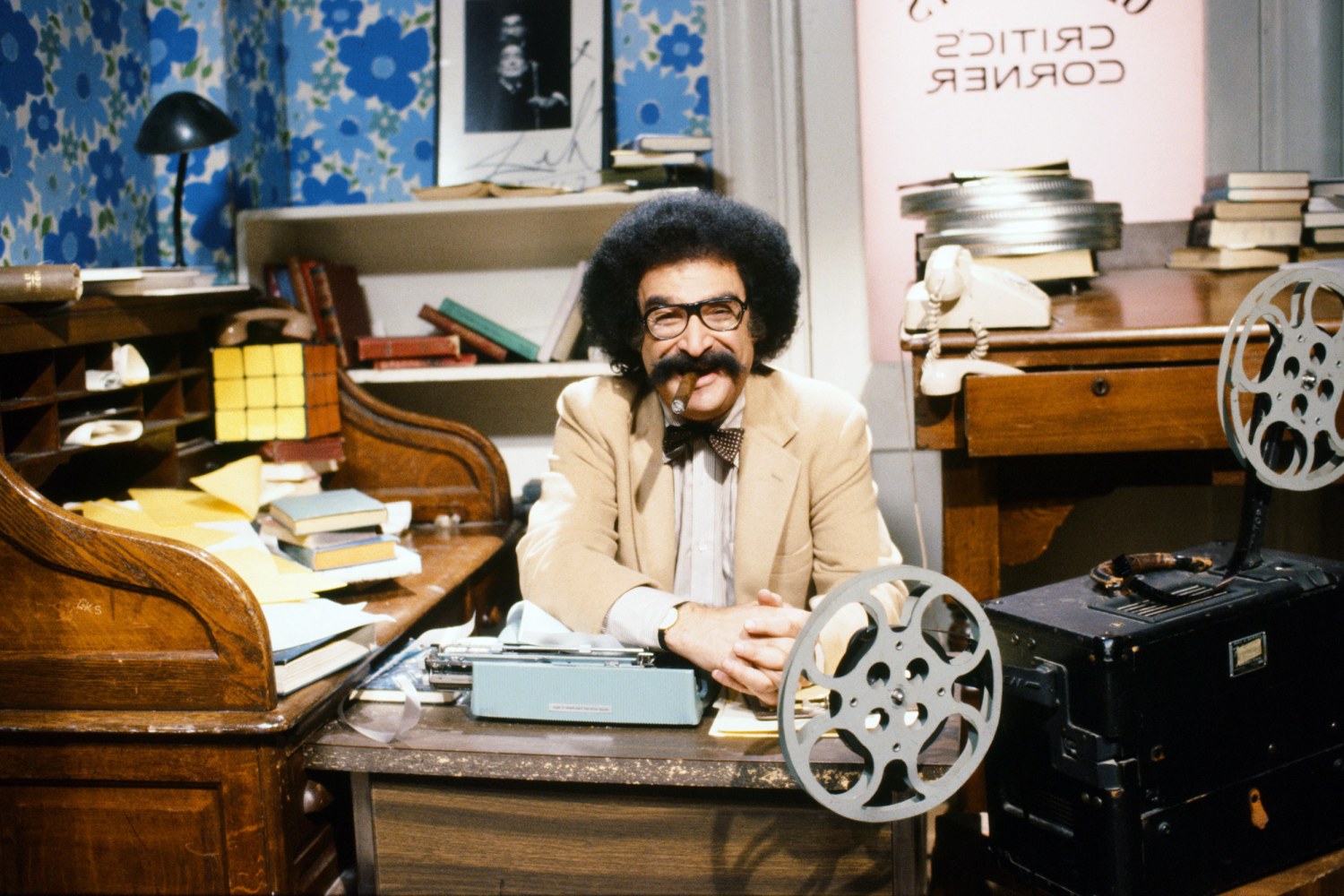
A television critic does something stranger than telling an audience whether a movie is good. The critic teaches that audience how to talk about the movie at all – which scenes to repeat at the office the next morning, which performances to argue over, which turns of phrase to borrow when describing what worked and what did not. For the better part of half a century, the person handling that quiet duty for millions of American households before they had finished their coffee was a man with a walrus mustache, a thicket of frizzy hair, oversized glasses, and a different bow tie seemingly every week. Gene Shalit did not just review films on NBC’s “Today” show. He set the breakfast-table vocabulary for how ordinary viewers discussed them.

Shalit died on Friday, June 12, 2026, at the age of 100. His family confirmed the death in a statement to NBC News, saying he “passed away peacefully today after 100 years of an amazing life.” The network and its morning program, where he spent four decades, led the tributes, with outlets including Variety, CNN, The Washington Post, The Hollywood Reporter, NPR and the Associated Press reporting his passing. He had largely retreated from public life after stepping away from broadcasting, but the news of his death drew a wave of remembrance for a figure who had been, for a generation of viewers, the friendly face of film criticism on national television.

From a New Jersey Drug Store to National Print
Gene Shalit (1926 - From a New Jersey Drug Store to National Print

Eugene Shalit was born on March 25, 1926, in New York City. He was raised in New Jersey, where his father ran a drug store, and his appetite for newspapers showed up early. According to the biography NBC published on the “Today” show website, Shalit founded his elementary school’s first newspaper, called The Spotlight, and bought himself a fedora so that he would look the part of a working reporter. In high school he graduated to writing a humor column, an early sign of the wordplay that would later become his signature.

He attended the University of Illinois at Urbana-Champaign, graduating in 1949. There he built genuine journalistic credentials, working as a sports editor, columnist and humor writer for the student paper, The Daily Illini. After college he reported for a Twin Cities daily and filed dispatches on Big Ten sporting events as a freelancer for the Associated Press out of Chicago. The path he was carving was a print-journalism path, and for years that is exactly where his career stayed.

Shalit became a fixture of American magazine writing long before he became a fixture of American mornings. He served as senior film critic for Look magazine and wrote the “What’s Happening?” page for Ladies’ Home Journal for a dozen years. His byline appeared in The New York Times, Cosmopolitan, TV Guide, Seventeen, Glamour and McCall’s. He was also, in those years, a recognizable voice on the radio: from the late 1960s through 1982 he composed and delivered a daily essay called “Man About Anything” on NBC’s coast-to-coast radio network, one of the network’s most widely carried features.

The Today Show Years
Gene Shalit (1926 - The Today Show Years

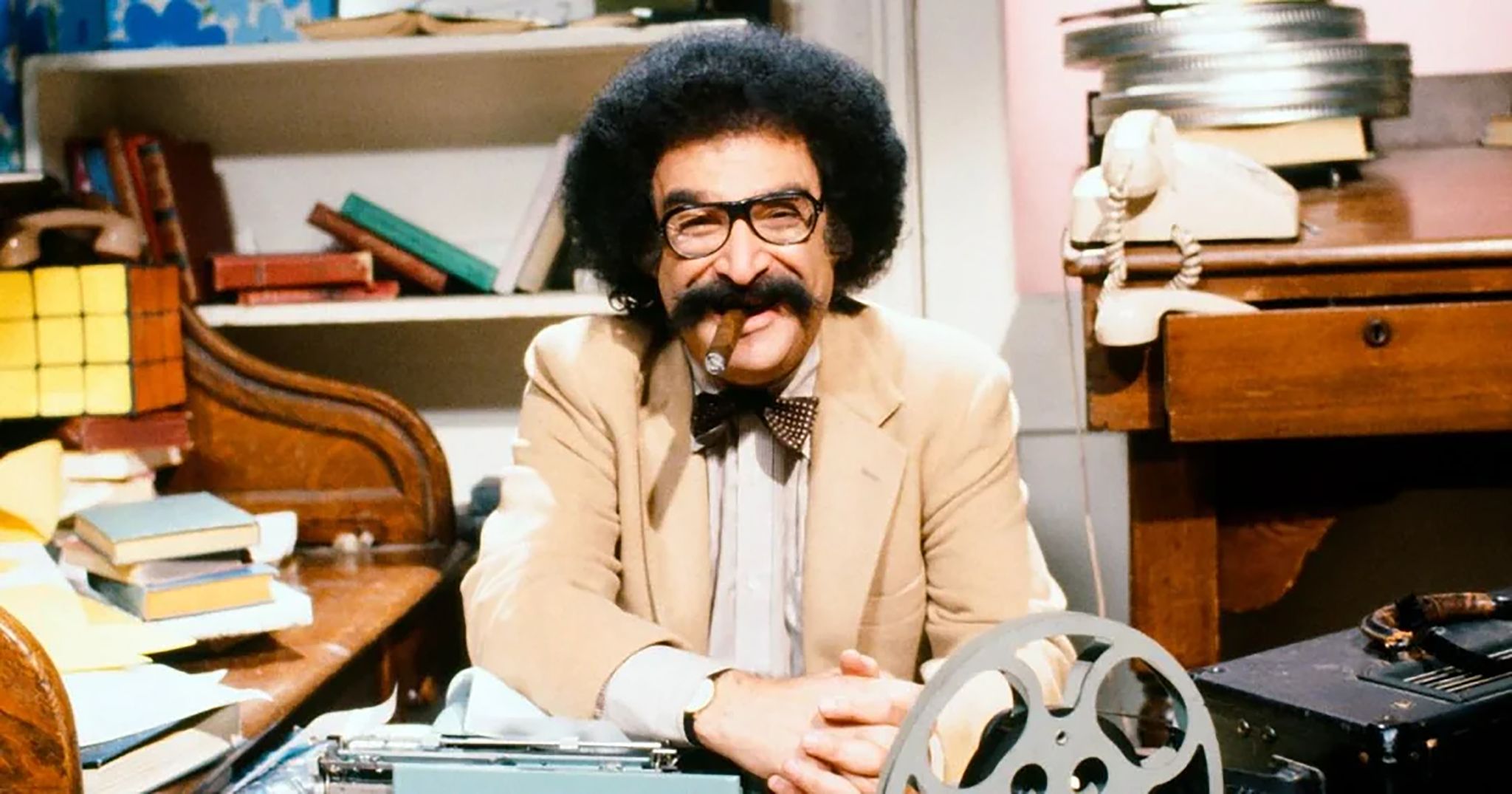
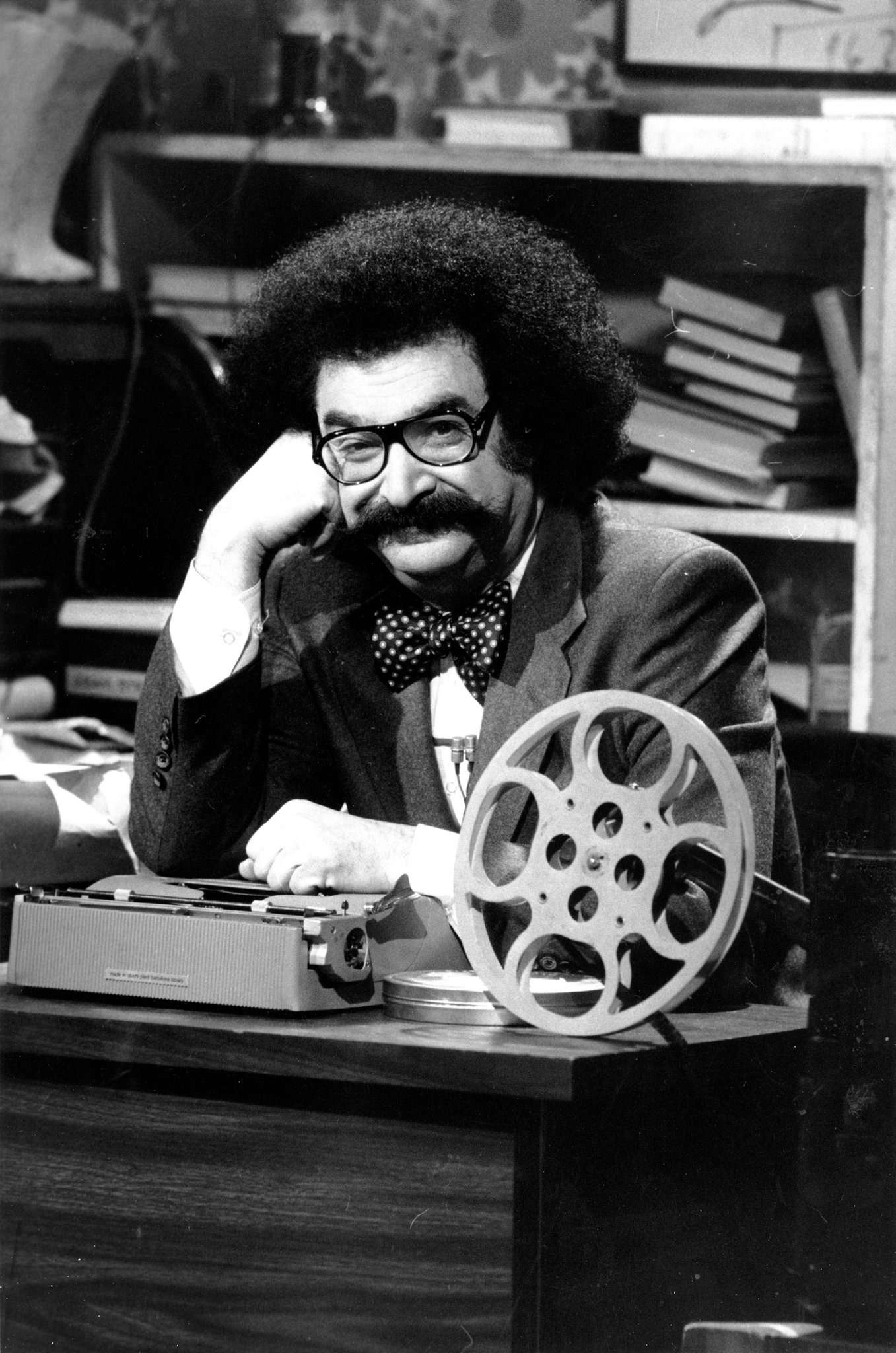
The role that made him a household name came gradually. Shalit started as a part-time contributor to “Today” in 1970, initially reviewing books. Three years later, in January 1973, he moved into the full-time critic’s chair, eventually taking over a perch that let him hold forth on the movies in a recurring segment that became known as “Critic’s Corner.” From that desk he reviewed summer blockbusters, awards-season contenders and everything in between, year after year, until his retirement.

What set Shalit apart was less the verdict than the delivery. Where contemporaries such as Roger Ebert and Gene Siskel could be cutting and combative, Shalit leaned into delight. His reviews were built around puns, alliteration and turns of phrase designed to be repeated. Praising “The Silence of the Lambs,” the 1991 thriller that went on to win the Academy Award for best picture, he declared that the film “may be all wool and a yard wide, but it makes a terrific yarn.” That was the Shalit formula in miniature: a groan-worthy pun wrapped around an opinion you could actually use.

He could pan a film with the same playfulness. Reviewing the first “X-Men,” he warned that the superhero entry “should not be taken seriously. In fact, it should be taken with two aspirin.” Of Judd Apatow’s “Funny People,” he offered that it was “passable – speaking colonically.” The jokes were the point and also the package. A viewer who could not remember a single argument about a movie’s merits could remember the line, and the line did the work of criticism: it crystallized a feeling about the film and handed it to the audience to carry around. That gift for compression mattered more on morning television than it might have in a print column. A newspaper critic could spread an argument across a thousand words; Shalit often had a few minutes between weather and the next interview, and he learned to make every sentence pull double duty as both judgment and joke. The constraint became a style, and the style outlasted the constraint.

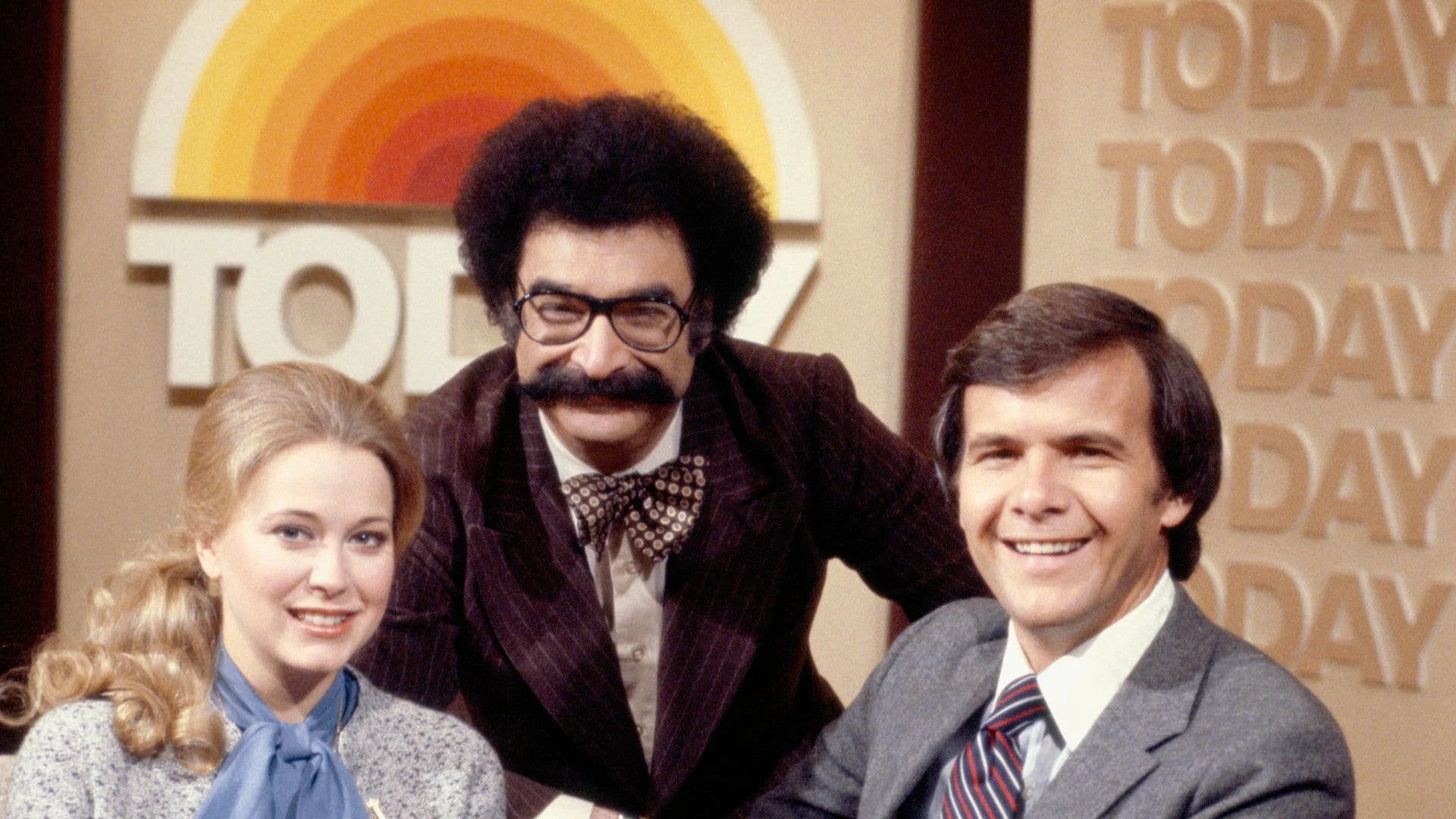
Shalit’s “Today” tenure was not confined to the reviewing desk. He interviewed many of the biggest names of his era, from Oprah Winfrey to Harrison Ford, with questions that swung from the substantive to the deliberately silly. In one celebrated moment of whimsy, he asked Kermit the Frog whether he intended to marry Miss Piggy. He filed offbeat field reports and indulged in improvised on-set hijinks, becoming part of the texture of the program rather than a guest who simply dropped in to render judgment. Across the years he shared the “Today” set with hosts and colleagues including Hugh Downs, Barbara Walters, Tom Brokaw, Bryant Gumbel, Jane Pauley and Willard Scott.

Guy Ludwig, who produced Shalit’s segments for more than 20 years, captured the appeal in an essay published on the “Today” website in 2010. “What resonated above his unusual appearance was his incredible wit, his remarkable intelligence,” Ludwig wrote. “But he didn’t pound you over the head with it. He amused you. He enlightened and amused whatever subject he was on.”
Advertisement

A Look That Became Shorthand

Gene Shalit (1926 - A Look That Became Shorthand

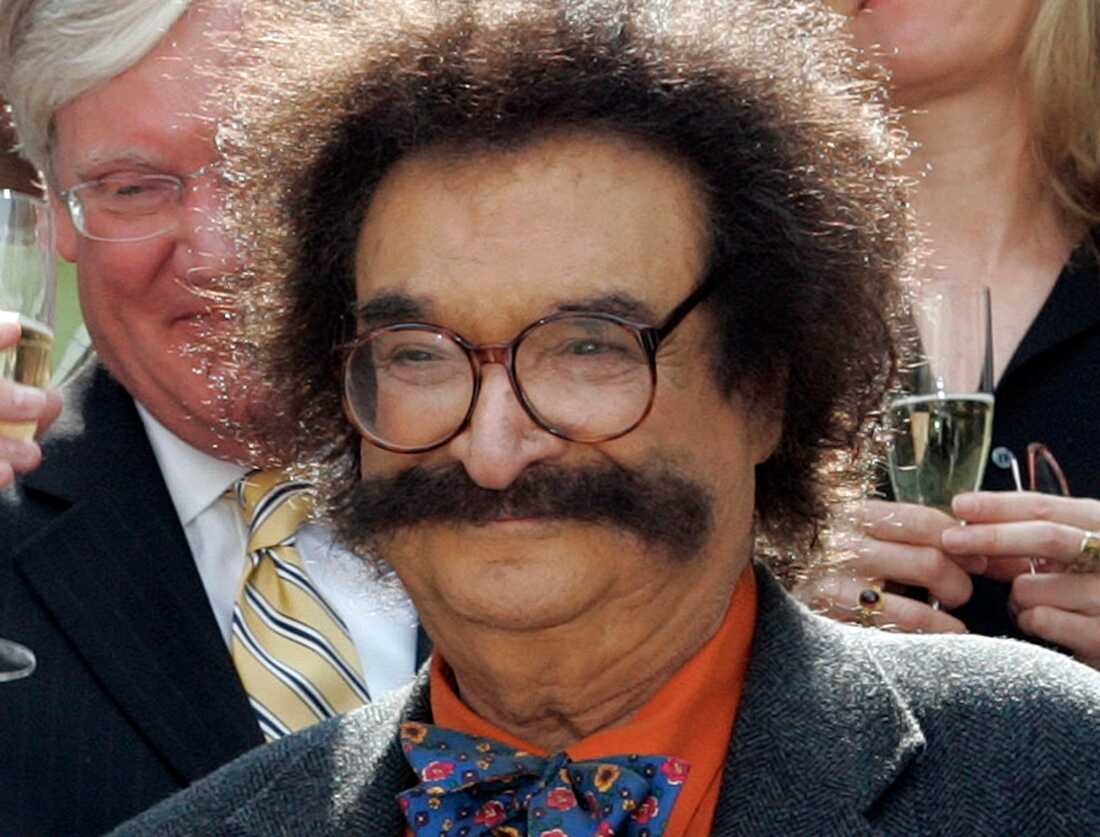
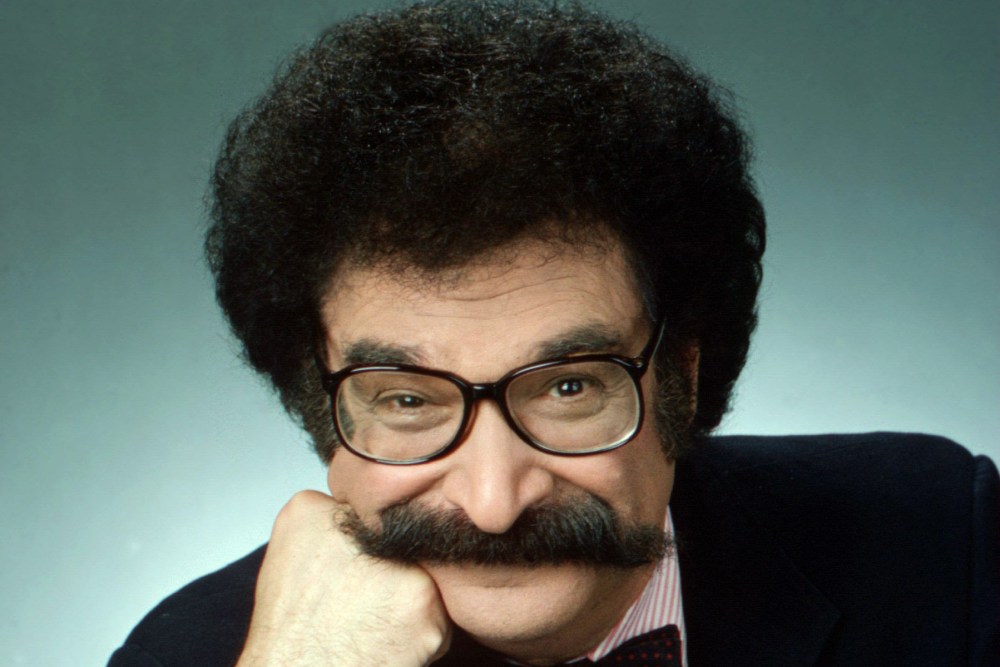
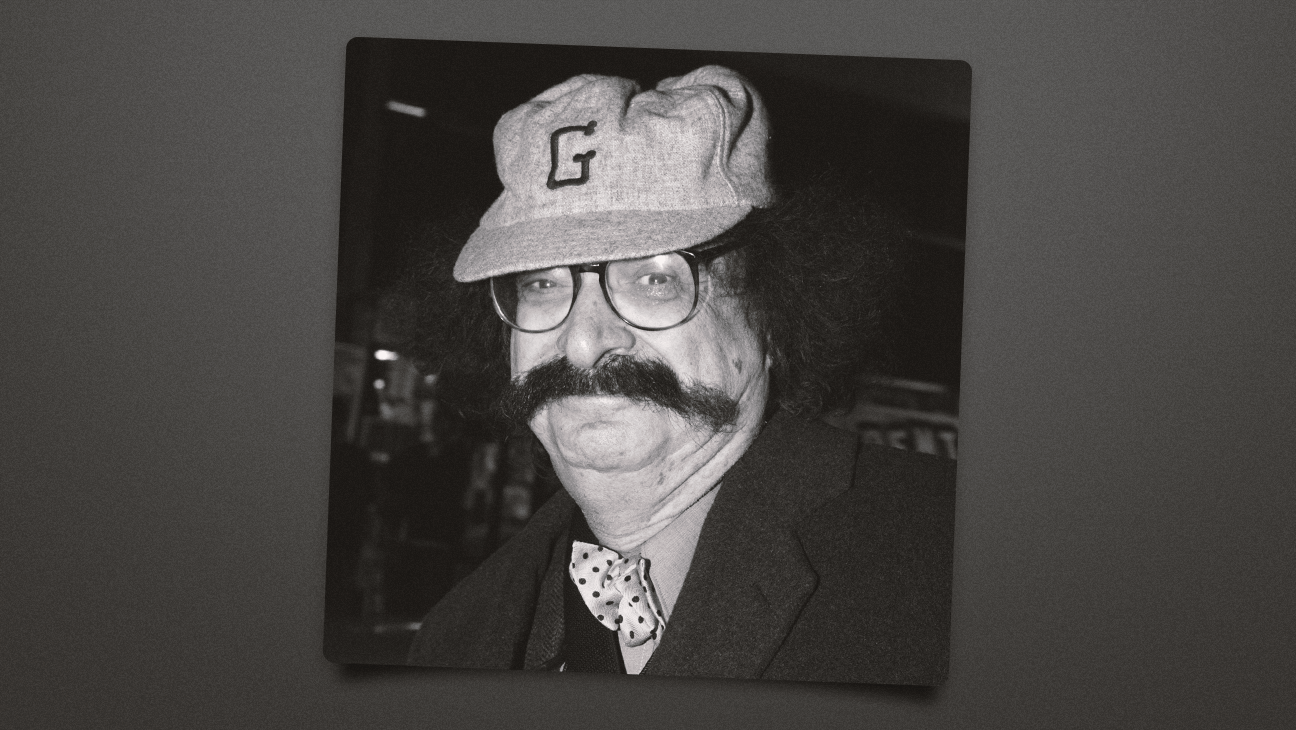
Shalit’s appearance was so distinctive that it became a kind of cultural shorthand, instantly readable even to people who could not have named a single review he had written. The handlebar mustache, the cloud of dark hair, the heavy glasses and the rotating wardrobe of bow ties added up to an “absent-minded professor” image that artists and comedians could not resist.

He was impersonated on “Saturday Night Live,” first by Jon Lovitz and later, across multiple sketches and “Weekend Update” appearances, by Horatio Sanz. Eugene Levy played a Shalit-styled critic several times on “SCTV.” His look inspired a fish food critic named “Gene Scallop” on “SpongeBob SquarePants,” a role Shalit himself voiced, and he turned up as a version of himself on the animated series “The Critic.” He was parodied in cutaway gags on “Family Guy,” and a Muppet modeled on him appeared in early Muppet material. On “Late Night,” David Letterman once had Shalit’s head comically squashed between two oversized prop hammers. The breadth of those riffs is its own measure of fame: a critic becomes a caricature only after enough of the public knows exactly what he looks and sounds like.

The Brokeback Mountain Controversy

Gene Shalit (1926 - The Brokeback Mountain Controversy

Shalit’s long run was not without friction, and a full remembrance has to note it plainly. In late 2005 and early 2006, he drew sharp criticism for his negative review of “Brokeback Mountain,” Ang Lee’s acclaimed drama about two men in a decades-long romance. In the review, Shalit described the character Jack Twist, played by Jake Gyllenhaal, as a “sexual predator” who “tracks Ennis down and coaxes him into sporadic trysts,” referring to the character played by Heath Ledger.

The Gay and Lesbian Alliance Against Defamation, known as GLAAD, objected forcefully. The organization called Shalit’s “baseless branding of Jack as a ‘sexual predator’ merely because he is romantically interested in someone of the same sex” both “defamatory, ignorant, and irresponsible,” and accused him of using a national platform to promote anti-gay prejudice. The episode took an unusual turn when Shalit’s own son, Peter Shalit, a physician who is gay, wrote to GLAAD in his father’s defense. Peter Shalit argued that his father had not defamed anyone and was not homophobic, and contended that the group had itself wronged his father by accusing him of bigotry. Gene Shalit subsequently apologized for the wording of the review. The exchange remains a documented part of his public record, reported at the time by outlets including The Advocate, and it sits alongside the lighter material as a reminder that his on-air reviews reached, and sometimes wounded, a very large audience.

A Life Beyond the Desk

Gene Shalit (1926 - A Life Beyond the Desk

Away from the camera, Shalit’s life held both accomplishment and loss. He was married to Nancy Lewis from 1950 until her death from cancer in 1978, a union of 28 years. He authored several books over his career, among them “Laughing Matters: A Celebration of American Humor” and “Great Hollywood Wit,” collections that fit naturally with the comic sensibility he brought to the screen. For much of his career he lived in Leonia, New Jersey, and in later years he settled in western Massachusetts.

He was a familiar presence on classic television panel programs as well, appearing as a regular on game shows including “What’s My Line?” and “To Tell the Truth,” where his quick humor was an asset. Those appearances underlined a point about his career that is easy to miss behind the costume: he was, at root, a working journalist who had spent decades in print and on radio before the cameras found him, and he carried that discipline onto the morning set. His family also weathered private grief: one of his daughters, Emily, died of ovarian cancer in 2012. After his retirement, Shalit stepped almost entirely out of the spotlight, surfacing only rarely, including a 2015 appearance tied to the retirement of his longtime “Today” colleague Willard Scott.

Saying Goodbye

Gene Shalit (1926 - Saying Goodbye

Shalit announced in 2010 that he would leave “Today” after 40 years, with his final appearance coming on November 11 of that year. Characteristically blunt and a little funny about it, he summed up the decision simply: “It’s enough already.” The reaction from his colleagues made clear how thoroughly he had become woven into the program’s identity. In a tribute at the time, former co-host Meredith Vieira said it was “hard to imagine not having him here,” adding, “He is the ‘Today’ show.”

That comment points to something larger than any one career. The morning-television critic was a particular kind of cultural institution, a single trusted voice arriving in living rooms at the same hour every day, helping a mass audience make sense of an enormous and ever-shifting entertainment landscape. Shalit performed that function with a generosity that was easy to underrate. He was not trying to be the smartest person in the room about a film. He was trying to give a busy viewer one good reason to see it, or skip it, and one good line to repeat about it afterward.

For audiences far beyond the United States, including across Africa where American film and its critical reputation travel widely, that approach is a useful reminder of what criticism can be when it is built for the general public rather than the specialist. It can inform without lecturing. It can be funny without being cruel, even when the verdict is harsh. Gene Shalit spent forty years proving that a review could be a small piece of entertainment in its own right, and that making people smile was not the opposite of taking the work seriously. The mustache and the bow ties were the costume. The wit, and the willingness to share it every single morning, were the legacy.

Advertisement
Share
Get the recap

Loved this story? Get more like it.

Join readers who get our weekly entertainment recap - the stories worth your time, delivered every Friday.

No spam. Unsubscribe anytime. By signing up you agree to our Privacy Policy.

Gene Shalit (1926 - 2026): Remem... | Sidomex Entertainment