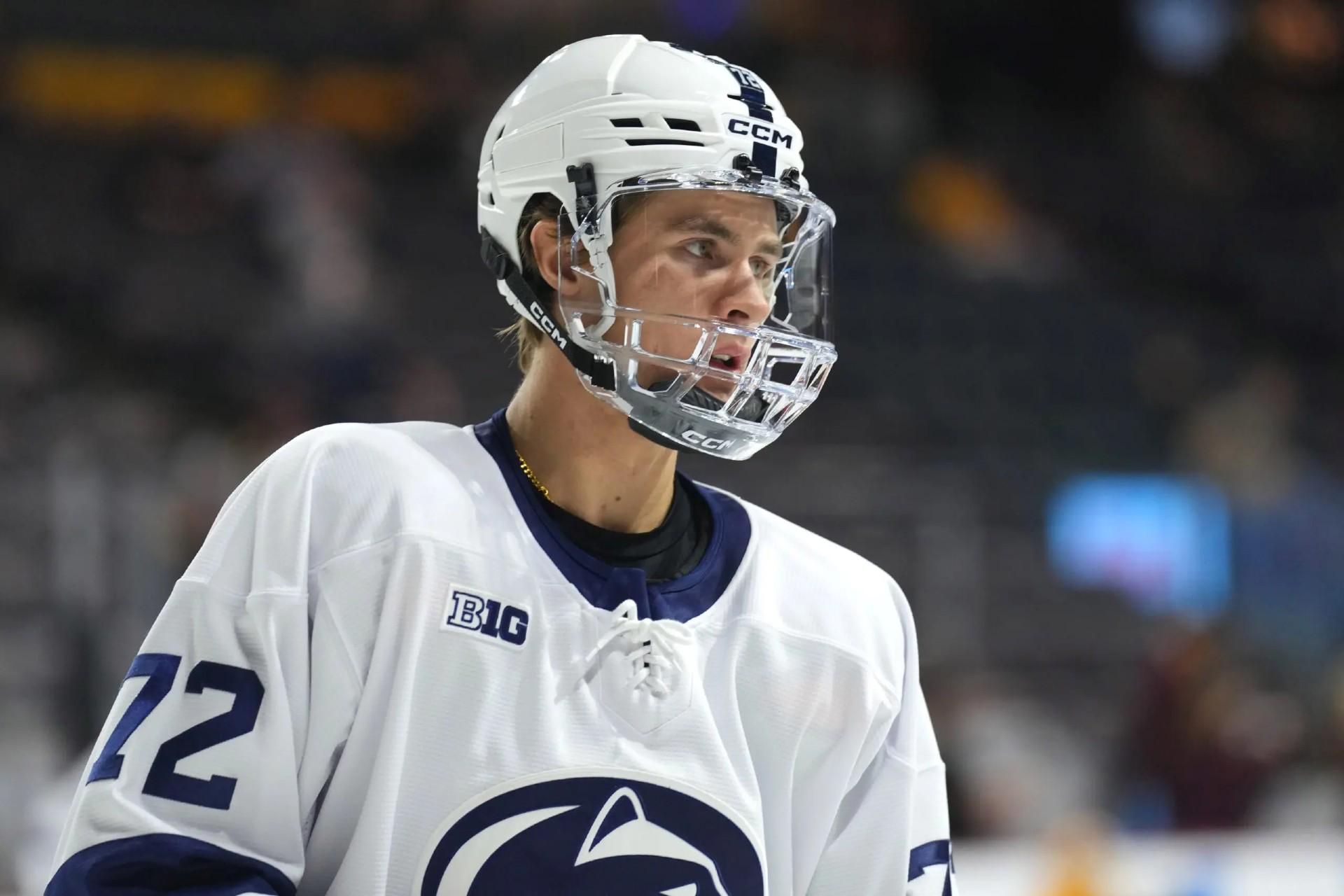
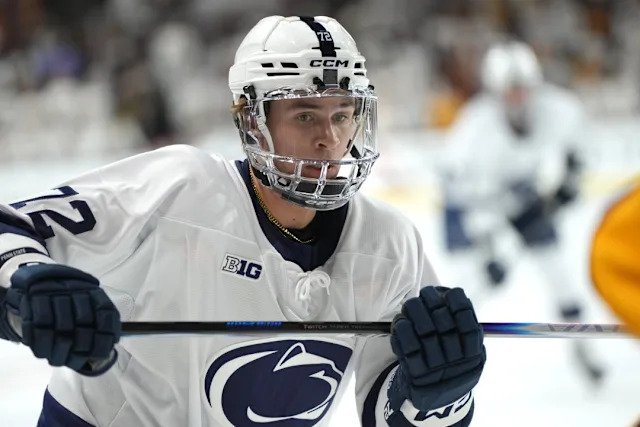
Gavin McKenna: Inside the Life of Hockey's Most Hyped Prospect Since Connor McDavid
Tristan Melo··10 min read
Ad SpaceArticle Top - 728x90
Advertisement
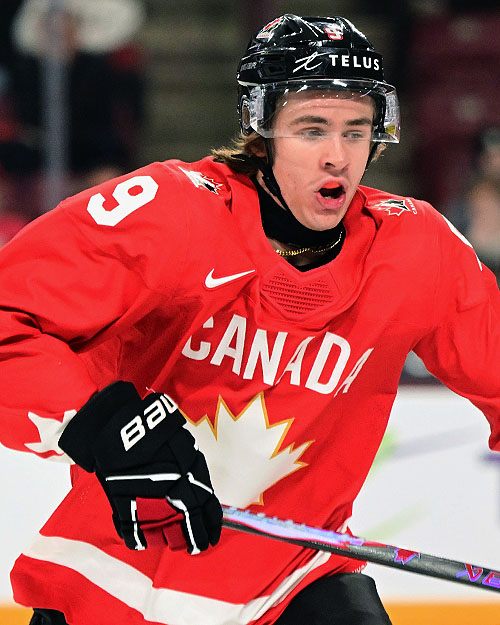
Forty to fifty hours each winter, a father in Whitehorse, Yukon would stand in the dark and flood a patch of frozen ground behind the family home until it set into a sheet of usable ice. The rule that came with that rink was simple and uncompromising: the boy would skate at least as many hours as his father spent building it. That backyard in one of the most remote corners of Canada, hundreds of kilometres from the nearest professional hockey culture, is where the story of the 2026 NHL Draft’s first overall pick actually begins. On June 26, 2026, at the KeyBank Center in Buffalo, the Toronto Maple Leafs called his name with the first selection in the entire draft, the loudest possible confirmation of a hype train that had been gathering speed for years.
For a Nigerian or wider global audience, ice hockey can feel like a foreign language. It is a sport played on frozen rinks in cold climates, with little footprint across most of Africa. Yet the shape of this particular story is one that translates anywhere football, basketball or athletics is loved. It is the story of a once-in-a-generation talent emerging from an unlikely place, of a family pouring everything into a child’s gift, and of a teenager carrying the weight of an entire region’s hopes. Strip away the ice and the sticks, and the McKenna saga rhymes with every prodigy narrative that has ever stirred a continent: the kid from nowhere who becomes the name everyone wants to claim.
From a Frozen Backyard in the Yukon
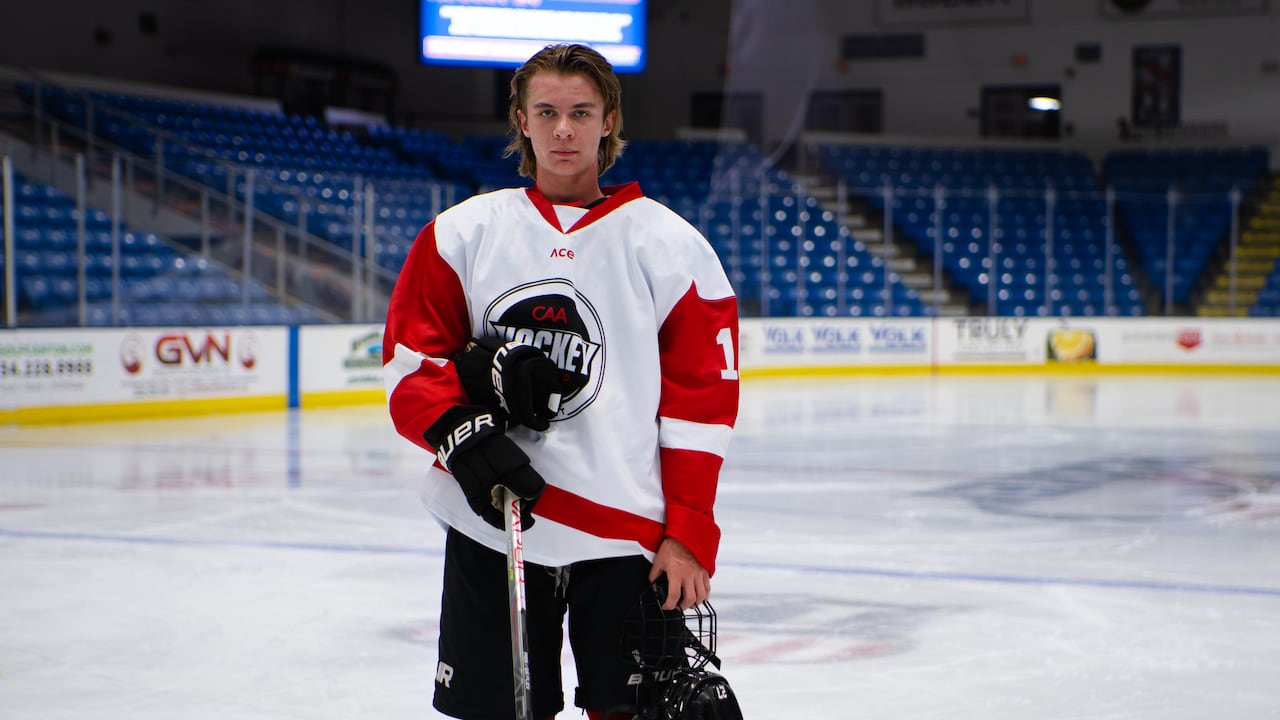
Gavin McKenna was born on December 20, 2007, in Whitehorse, the capital of Canada’s Yukon territory, which makes him 18 years old as he enters professional hockey. The Yukon is not a place that produces top hockey prospects. It is sparsely populated, far north, and geographically isolated from the major junior hockey hubs in southern Canada. For a player from there to reach the very top of the sport is, by any measure, an outlier achievement, the equivalent of a world-beating footballer emerging from a town with no proper pitches and no professional academy within a thousand kilometres.
That isolation is precisely why the backyard rink mattered so much. His father, Willy, who played the game himself, built the outdoor sheet of ice every winter so his son could practise, and the family organised much of its life around the rink and the road trips that hockey demanded. Reports describe younger and older sisters who grew up on cold bleachers and rink food while their brother chased the puck. McKenna’s grandfather Joe served as an early mentor, a man who survived Canada’s residential school system, the brutal state-and-church program that removed Indigenous children from their families for generations.
That heritage is central to who McKenna is. He is a citizen of the Tr’ondek Hwech’in First Nation, and he has spoken about being inspired by his Indigenous roots. His rise carries a layer of significance that goes well beyond points and goals. When the Maple Leafs drafted him first overall, he became, by the accounts circulating around the draft, the second Indigenous player ever taken with the top pick, after Dale McCourt went first in 1977. For Indigenous communities across the Canadian north, and for the small but proud hockey scene in the Yukon, his ascent reads as both a personal triumph and a collective one.
The Numbers That Built the Hype
Talent narratives need evidence, and McKenna’s came in the form of relentless scoring. He spent three seasons in the Western Hockey League, one of the three major junior leagues that make up the Canadian Hockey League, playing for the Medicine Hat Tigers from 2022 to 2025. In his draft-minus-one campaign in 2024-25, he produced one of the most dominant junior seasons in recent memory: 41 goals and a league-leading 88 assists for 129 points in just 56 games, an average above two points per game. That points total ranked second in the entire WHL that year.
Those numbers do not exist in a vacuum. They placed him in genuinely rare statistical company. Analysts noted that only a short list of players, Sidney Crosby, Connor McDavid and Connor Bedard among them, had matched the kind of production McKenna delivered at his age over the modern era of the league. Each of those names belongs to a player who went on to become, or is becoming, a franchise cornerstone in the NHL. To be mentioned in the same breath at 17 is the foundation on which all the hype was poured.
His trophy cabinet from junior hockey reflected the same dominance. He earned rookie-of-the-year recognition across both the WHL and the wider CHL in his first full season, and he later captured the CHL’s Player of the Year award while helping Medicine Hat to a WHL championship. Winning the top individual honour in Canadian major junior hockey, then backing it with a team title, is the kind of resume that turns a promising teenager into a consensus future number one. By the time scouts were ranking the 2026 class, McKenna had separated himself from the field.
What the Scouts Actually See
Hype can be hollow, but in McKenna’s case the scouting community has been notably specific about why he is special, and the language is worth examining because it explains both the excitement and the comparisons. One NHL Central Scouting evaluator described him as having an “elite, non-teachable gift,” pointing to the way he reads the ice, sees everything unfolding around him, and finds time and space that should not exist. That phrase, non-teachable, is the heart of it. Coaches can drill skating and shooting into a player. They cannot install vision.
Stylistically, McKenna is best understood as a craftsman rather than a battering ram. Scouting reports describe a player who treats the game like a strategy puzzle, constantly changing pace and lanes, using teammates both as passing targets and as decoys for his deception. He is a gifted passer and puck-handler, capable of slowing the game down for himself, spotting seams before opponents realise they exist, and threading the puck through traffic with feints and fakes. Off the rush he can carry the puck end to end, but his signature is creativity and manipulation rather than pure straight-line burst.
Ad SpaceIn-Article - 300x250
Advertisement
That distinction matters enormously when the McDavid comparison comes up, and it is where careful observers urge caution. Connor McDavid, the Edmonton Oilers superstar widely regarded as the best player in the world, dominates partly through breathtaking speed, the ability to simply accelerate past entire defences. McKenna, by most accounts, does not beat people that way. Several analysts have argued that lumping the two together purely because both scored at historic rates as teenagers is reductive. McKenna’s game is described as closer in flavour to elite playmakers and puck wizards, the kind who control a game through intelligence and hands rather than overwhelming athleticism. The comparison sells tickets and headlines, but the people who watch the tape frame him as his own kind of player.
The Penn State Gamble That Changed College Hockey
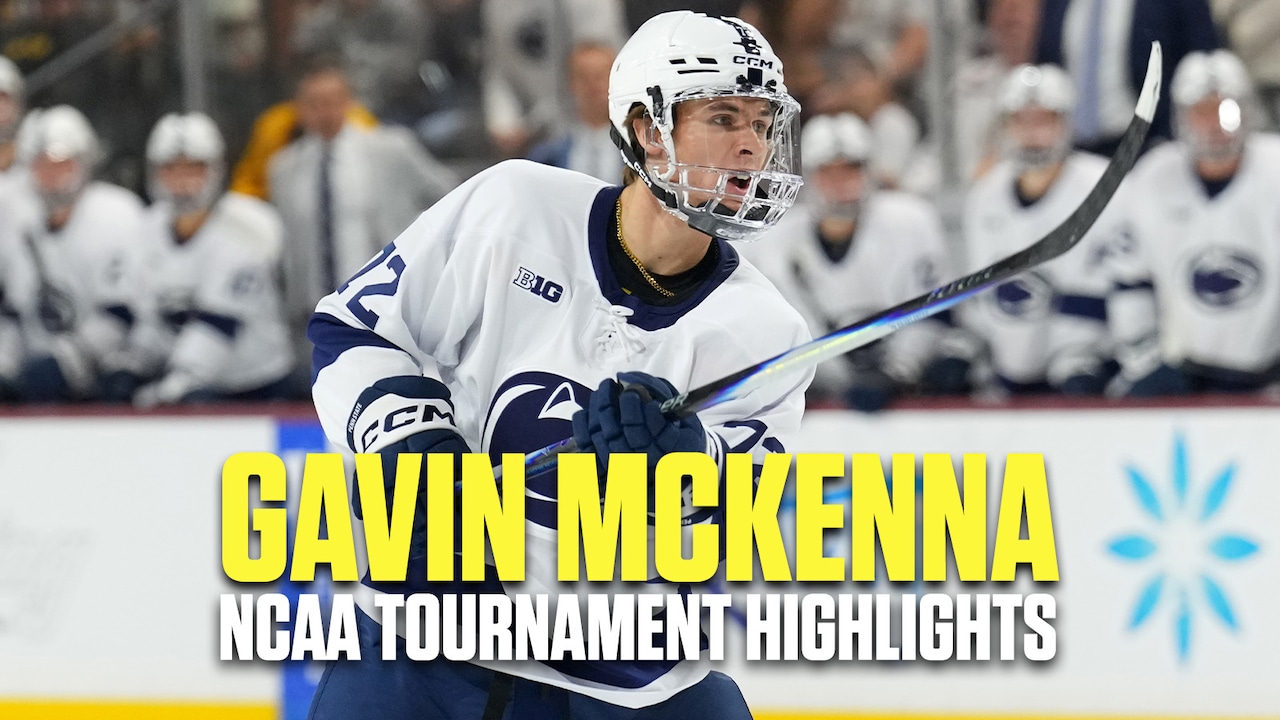
The most consequential decision of McKenna’s young career was not on the ice at all. In the summer of 2025, college hockey changed its rules, ending a long-standing policy that had forced young players to choose between major junior hockey in the CHL and the NCAA college route, with Canadian junior players becoming eligible for Division I teams. McKenna, freshly crowned as the best junior player in the country, became the most significant athlete to test that new doorway. On July 8, 2025, he announced he was committing to Penn State University for the 2025-26 season.
His stated reasoning was developmental. He wanted to test himself against older, heavier, stronger competition as preparation for the professional grind ahead, rather than continuing to dominate players his own age. That logic, a prodigy deliberately seeking a harder environment instead of an easier showcase, is part of what scouts find encouraging about his mentality. But the move also carried an enormous financial dimension. Reports put his name, image and likeness deal with Penn State in the neighbourhood of 700,000 dollars, a figure that should be treated as a reported estimate rather than a confirmed contract. If accurate, it would rank among the largest NIL arrangements ever attached to a college hockey player, dwarfing rival offers that were said to sit in the 200,000 to 300,000 dollar range.
The ripple effects went far beyond one player’s bank account. By choosing the NCAA, McKenna validated a brand-new pipeline from Canadian major junior hockey into American college programs, a shift that could reshape where the sport’s best young talent develops. For a global reader, the cleanest parallel is the way a single marquee transfer can legitimise an entire league or competition overnight. When the best prospect in the world picks a path, every coach, scout and ambitious teenager studies that choice. Penn State, a program without the deep hockey pedigree of traditional powers, suddenly found itself at the centre of the sport’s biggest story.
A Freshman Season of Slow Starts and Loud Finishes
The on-ice results at Penn State told a story of adjustment followed by acceleration. McKenna did not arrive and immediately torch college hockey from the opening whistle. By multiple accounts he endured a slow start to his freshman campaign, adapting to a faster, more physical, more mature level of competition than he had faced in junior. For a teenager who had spent years as the most dominant player on every sheet of ice he stepped onto, learning to be challenged was itself part of the value of the move.
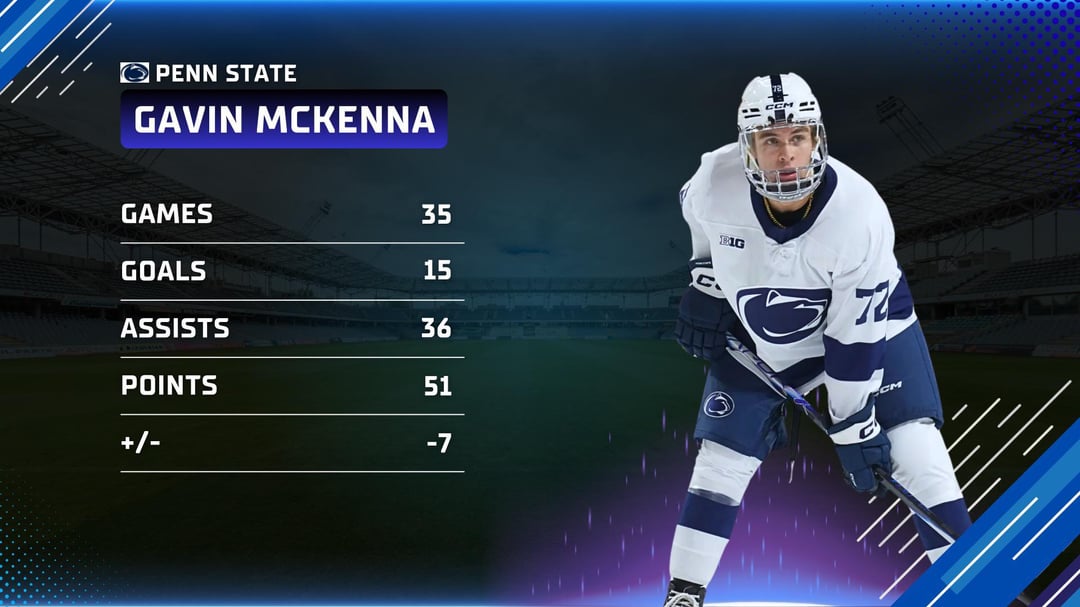
What followed was the kind of finish that quiets doubts. He closed the 2025-26 season on a tear, reportedly piling up 19 points in his final 10 games, including an eight-point explosion against Ohio State in February. Over the full regular season he finished with 51 points in 35 games, made up of 15 goals and 36 assists. That assist total set a Penn State single-season record, and his overall production placed him among a very short list of Nittany Lions ever to reach the 50-point mark in a season. For a freshman, against grown men, in his first year at a new level, it was a statement.
The shape of that season, struggle then surge, arguably did more for his draft stock than a flat, dominant year would have. It showed adaptability. It showed that when the level rose, he rose with it rather than plateauing. Scouts and executives tend to prize prospects who solve problems in real time, and McKenna’s freshman arc gave them a live demonstration. By the time draft night arrived, the questions were not about whether he would go first, but about which franchise would be lucky enough to be picking at the top.
Why a Hockey Prodigy in Buffalo Matters Beyond the Rink
When the Maple Leafs selected McKenna with the first overall pick of the 2026 NHL Draft, the moment carried several layers of meaning stacked on top of one another. He became Penn State’s first-ever number one overall pick, a milestone that cemented the program’s gamble and the broader CHL-to-NCAA experiment. He joined the rarefied group of NCAA-developed players to go first overall, a sign of how the college route is rising in prestige. And he extended a personal story that runs from a hand-built backyard rink in the Yukon to the brightest stage the sport offers.
There is a reason stories like this travel across borders and sports. Hockey may be unfamiliar terrain for most Nigerian and African fans, but the architecture of McKenna’s rise is universal. A child with an unusual gift. A family that sacrifices ordinary comforts to nurture it. A community, in this case both a remote territory and an Indigenous nation with a painful history, that sees its own resilience reflected in one young person’s success. The same emotional currents run through the way a continent rallies behind a teenage footballer breaking into Europe or a young athlete carrying a flag onto a world stage. The scoreboard reads differently, but the meaning lands the same.
What makes McKenna worth watching, even for the uninitiated, is that he sits at the intersection of so many shifts at once: the changing economics of amateur sport through NIL money, the reshaping of player development pathways, the long-overdue spotlight on Indigenous athletes, and the eternal human appetite for a prodigy. The hype since the McDavid era of generational prospects has rarely attached itself this firmly to one teenager. Whether he becomes a true franchise-altering star or settles into being an exceptional NHL talent, the journey from a frozen Whitehorse backyard to the very first pick of an NHL draft is already a remarkable one, and a reminder that the next great sporting story can come from the most unexpected map coordinates on Earth.
Ad SpaceIn-Article - 300x250
Advertisement
Share
Get the recap
Loved this story? Get more like it.
Join readers who get our weekly entertainment recap - the stories worth your time, delivered every Friday.
No spam. Unsubscribe anytime. By signing up you agree to our Privacy Policy.