France vs Senegal: The African Players Caught Between Two Flags and Two Identities
Entertainment

France vs Senegal: The African Players Caught Between Two Flags and Two Identities

Tristan MeloTristan Melo··9 min read
Advertisement

Flags do strange things to people in the seconds before a football match begins. They hang heavy in stadium tunnels, stitched into shoulders and hearts that do not always point the same direction. Watch closely as the two lines of players emerge for a fixture like France against Senegal and you notice something the broadcast graphics never mention. Some of the men wearing blue could just as easily be wearing the green, gold and red of Senegal. Some of the men singing the Senegalese anthem learned their football in the same French academies as the opponents lining up across from them. The line drawn down the middle of that pitch is not a line of birth or blood. It is a line of choice, and that choice is one of the most quietly profound decisions any young footballer of African heritage will ever make.

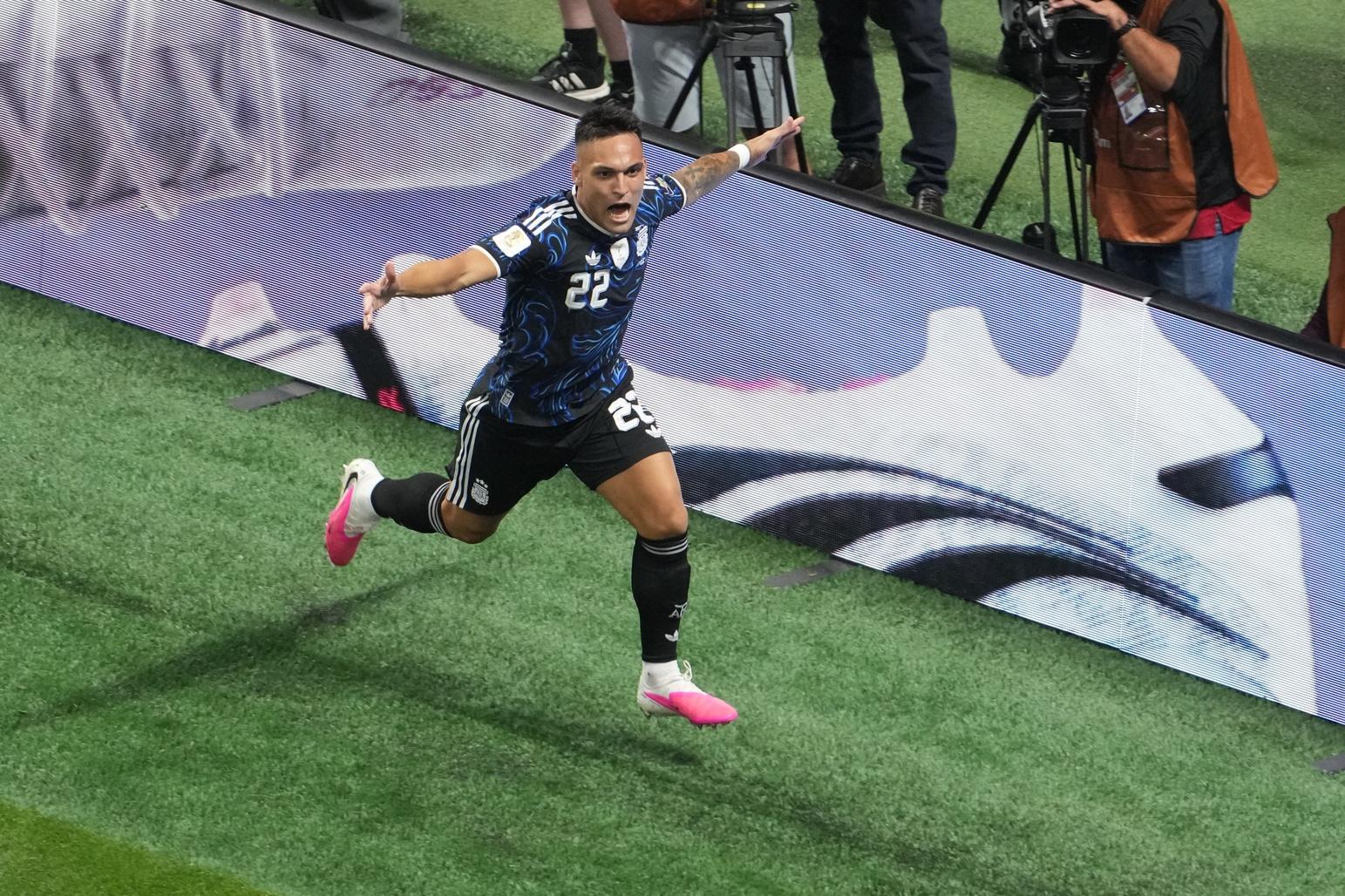
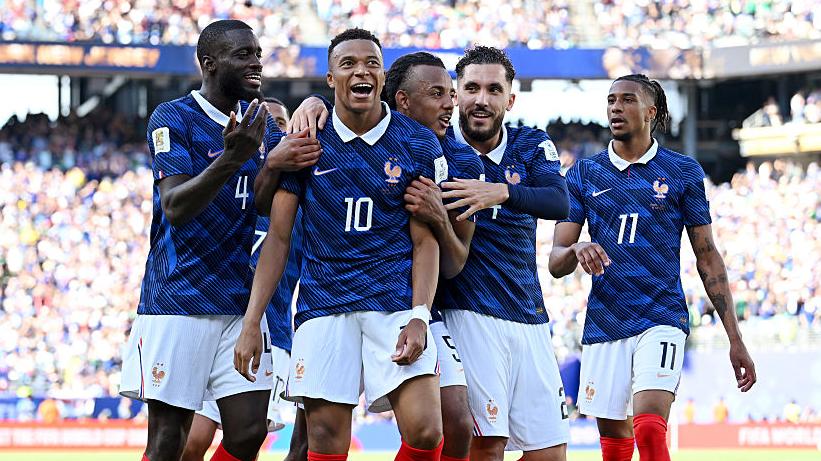
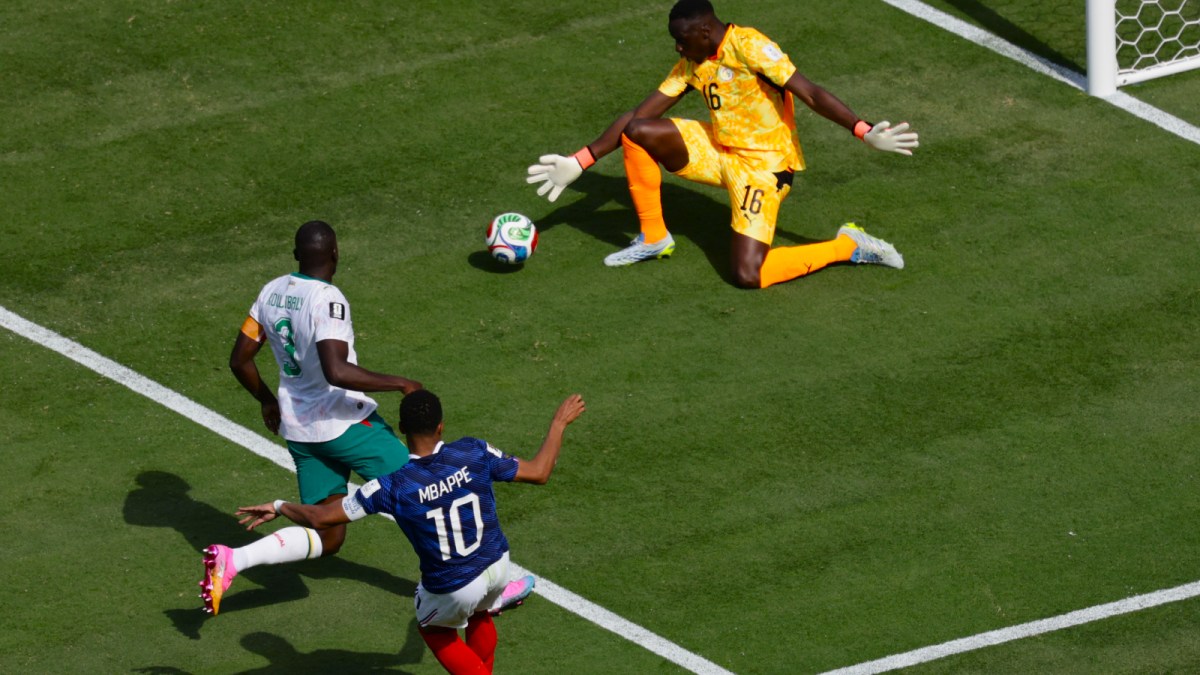
On 16 June 2026, at MetLife Stadium just outside New York, France and Senegal met in Group I of the World Cup. France won 3-1, with Kylian Mbappe scoring twice and Bradley Barcola adding a third, while Senegal’s consolation arrived deep in stoppage time through Ibrahim Mbaye. The scoreline tells you who advanced. It tells you almost nothing about what the fixture actually represented, because the deeper story of France against Senegal is not a story of two nations. It is a story of one diaspora, divided between two shirts.

The ghost of 2002 never really left
France vs Senegal - The ghost of 2002 never really left

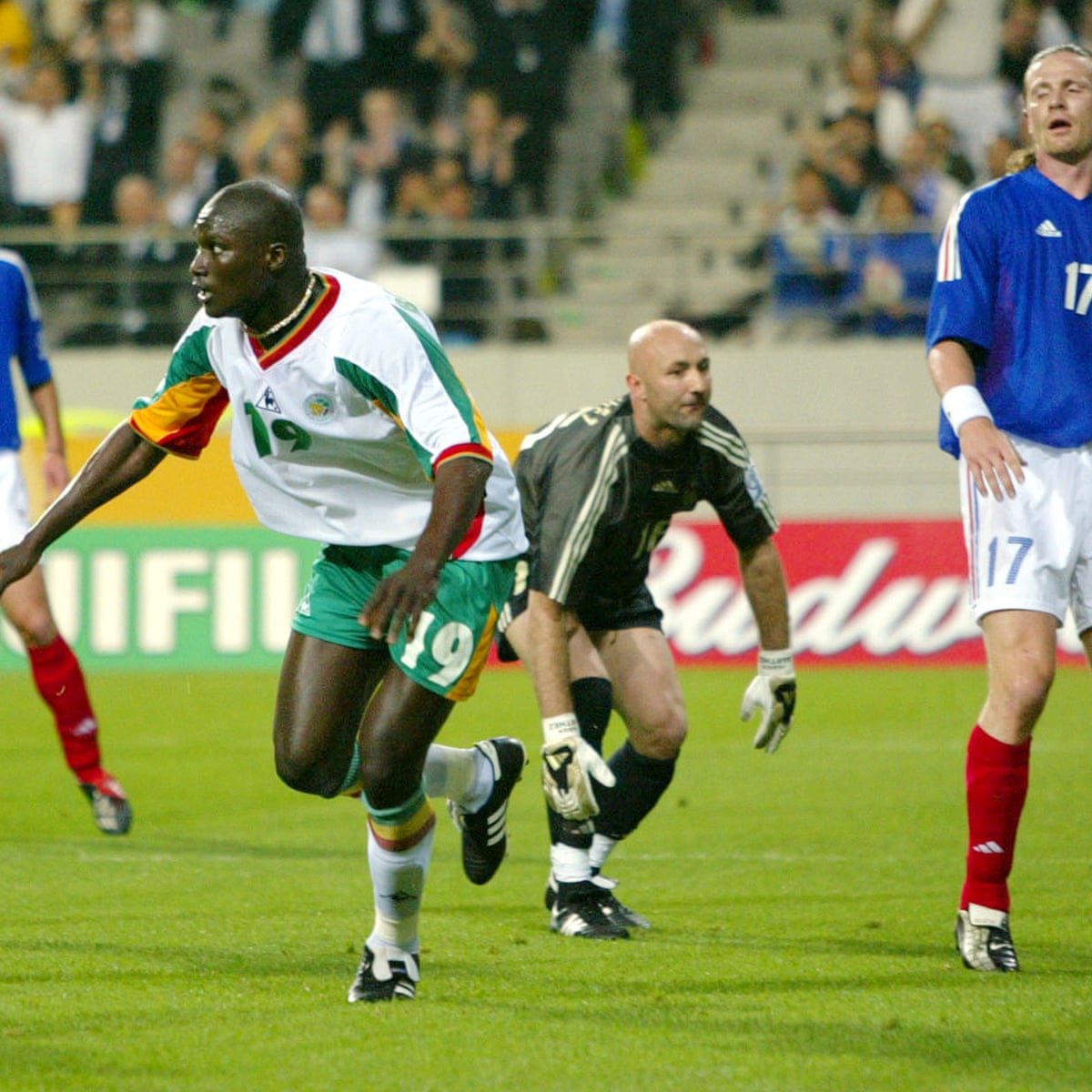
To understand why this fixture carries weight far beyond a group-stage result, you have to go back to a humid evening in Seoul. On 31 May 2002, Senegal opened the World Cup against France, the reigning world champions, the reigning European champions, a squad bristling with names like Zidane, Henry and Thuram. Senegal were tournament debutants. Nobody outside the country gave them a prayer.

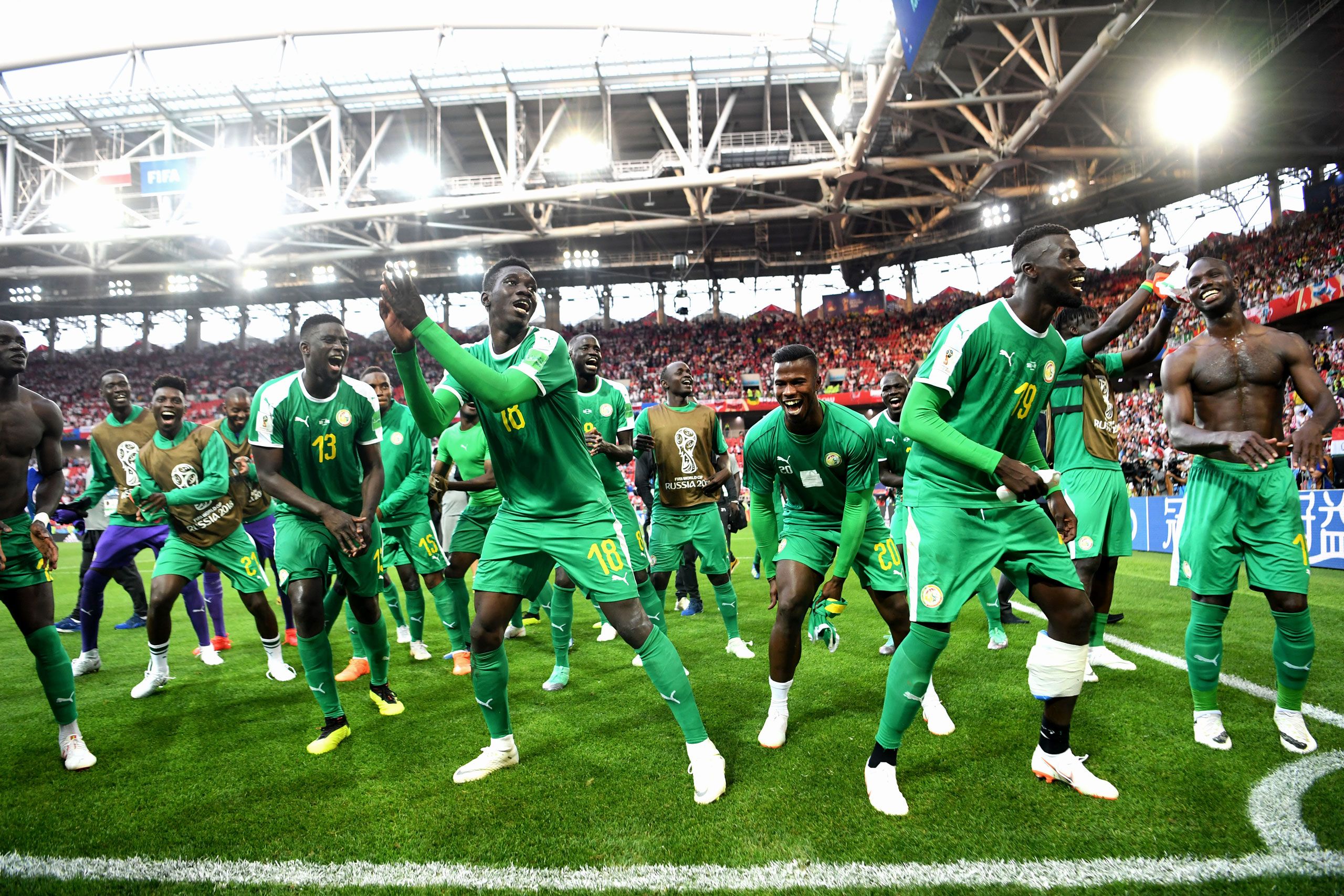
In the 30th minute, El-Hadji Diouf burst down the left and slid a low cross toward the French goal. Fabien Barthez parried it, but Papa Bouba Diop arrived to bundle the rebound over the line. He tore off his shirt, laid it on the corner flag turf, and his teammates danced around it in a circle. Senegal won 1-0. The defending world champions would not score a single goal in the entire tournament and went home after the group stage.

What gave that night its peculiar charge was a detail that has only grown more meaningful with time. Nearly that entire Senegalese squad had been born or raised in France. They had come through French clubs, spoke French as a first language, and several of them had spent their childhoods a metro ride from the Stade de France. Senegal did not beat France with strangers. Senegal beat France with France’s own sons, playing for the country their parents had left. That is the ghost that walks into every France-Senegal meeting, including the one in New Jersey in 2026.

How the pipeline actually works
France vs Senegal - How the pipeline actually works

French football is, among other things, an extraordinary factory. The national academy at Clairefontaine and the youth systems of clubs across the country produce more elite talent per square kilometre than almost anywhere on earth, and a great deal of that talent flows from immigrant families with roots in West and North Africa. A boy born in Bondy or Rouen or Sarcelles to Senegalese, Malian, Algerian or Cameroonian parents grows up technically French, eligible for the French national team, and is coached inside one of the best development pipelines in the sport.

But that same boy is usually eligible for a second country too, the one stamped in his parents’ passports. And there are only so many places in a French squad. France produces far more international-quality players than it can ever field. The arithmetic alone guarantees that hundreds of gifted French-developed footballers will never get the call from Les Bleus, no matter how good they are. For many of them, the African nation of their heritage is not a consolation prize. It is the truer home, the one that asked them first, the one their grandmother prays for.

The ones who chose Africa
France vs Senegal - The ones who chose Africa

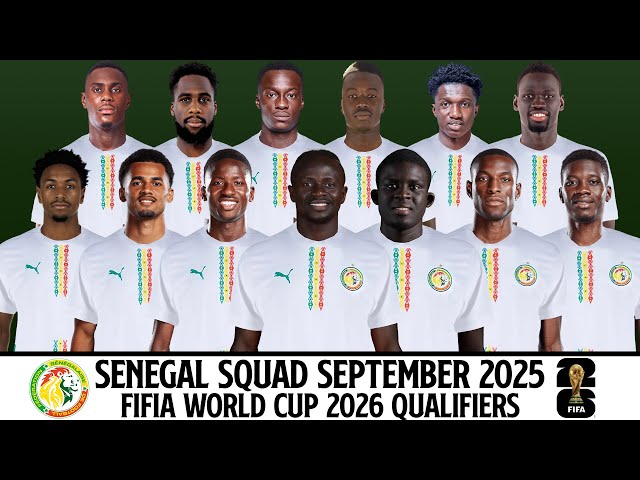
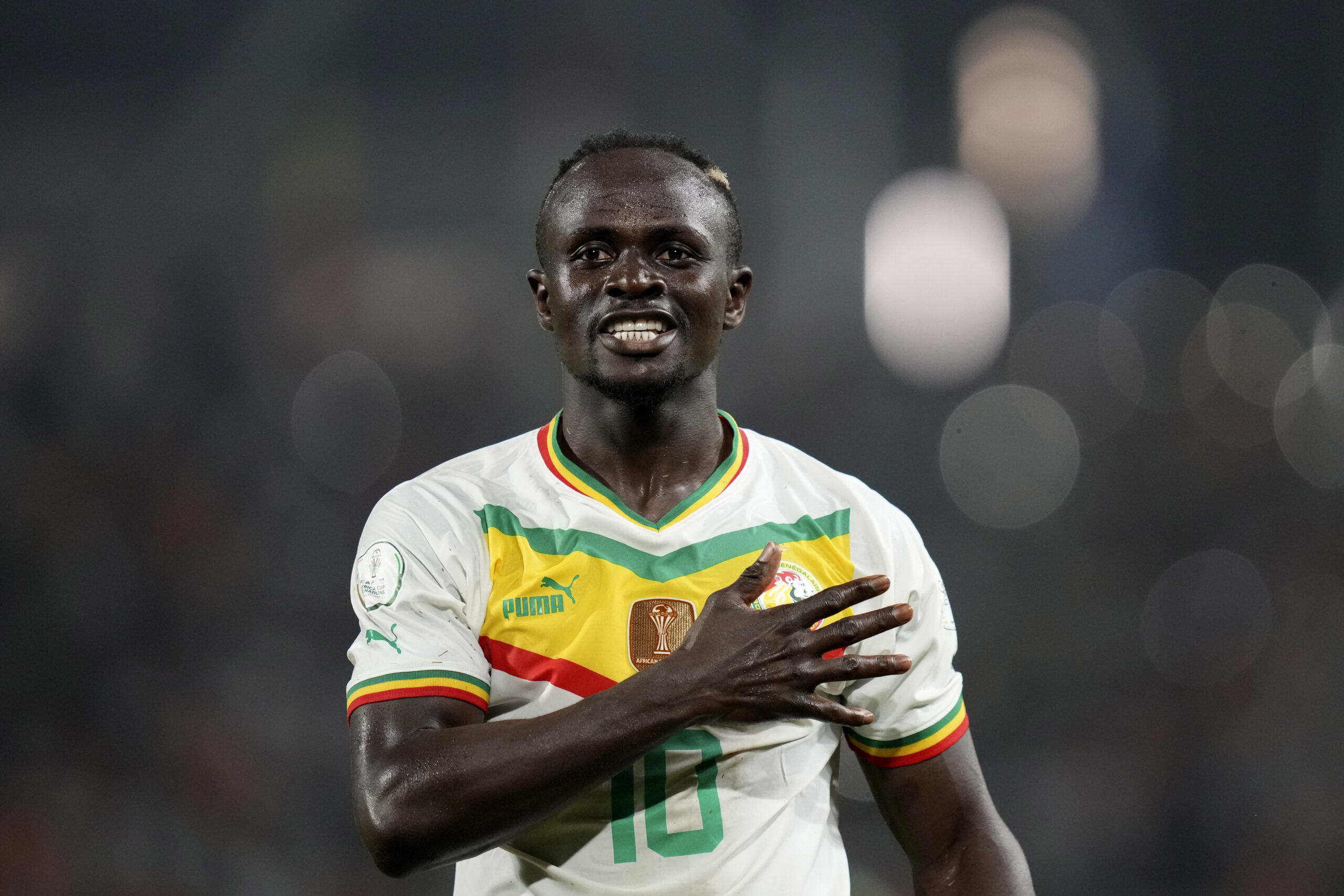
Senegal’s modern squad is the clearest illustration of this. Reporting around the 2026 tournament noted that up to ten of Senegal’s players were born or formed in France. Iliman Ndiaye, one of the team’s most creative forwards, was born in Rouen. The squad blends men raised in Senegal, like the Tottenham midfielder Pape Matar Sarr, who was born in Thiaroye on the edge of Dakar, with men who grew up entirely inside the French system and chose the green of Senegal when the moment came.

This is not a Senegalese peculiarity. It is the defining feature of African football’s relationship with Europe. Across the continent’s strongest teams you find squads stitched together from the diaspora. Algeria’s golden generation was built on it. Riyad Mahrez, born in the Parisian suburb of Sarcelles to Algerian parents, captained Algeria and has said he never once looked back on the decision, choosing his father’s country partly in tribute to him. Morocco, Tunisia, Cameroon, Ivory Coast and Nigeria have all drawn deeply from players born and raised in France, Belgium, the Netherlands, Germany and England.

The decision is rarely simple. It is family at the dinner table, an uncle in Dakar who has waited a lifetime, a grandmother who has never seen her grandson play but knows exactly which anthem she wants to hear him sing. It is also cold pragmatism. A talented winger might wait years for a France call that never comes, while an African federation offers a starting place and a World Cup. Pride and playing time pull in the same direction more often than romantics like to admit, and there is no shame in that. A career is short.

The ones who chose France
France vs Senegal - The ones who chose France

The traffic, of course, runs both ways, and the most famous player on either side of the 2026 fixture is the proof. Kylian Mbappe was born in Paris and raised in Bondy, a working-class suburb shaped by immigration. His father Wilfrid is Cameroonian. His mother Fayza is of Algerian Kabyle descent. Mbappe could plausibly have worn the shirt of Cameroon or Algeria. He chose France, and in doing so became the face of a generation and one of the greatest players of his era.
Advertisement

He is not alone in that choice. Karim Benzema, born in Lyon to a family with Algerian roots, said in his youth that Algeria was his parents’ country and lived “in his heart,” yet he chose France for sporting reasons and went on to win the Ballon d’Or in French colours. Across decades, players such as Samir Nasri and many others have made the same call. For them, France is not a betrayal of heritage. It is the country that raised them, the streets that taught them the game, the only home they have ever truly known. Identity is not a thing you owe to a map.

What makes Mbappe’s two goals against Senegal in 2026 quietly poignant is the symmetry. A French-born son of African parents, scoring against a Senegalese team full of French-born sons of African parents. The same story, sorted into two different shirts by nothing more than a series of personal choices made years earlier in living rooms across the French suburbs.

The Morocco blueprint

France vs Senegal - The Morocco blueprint

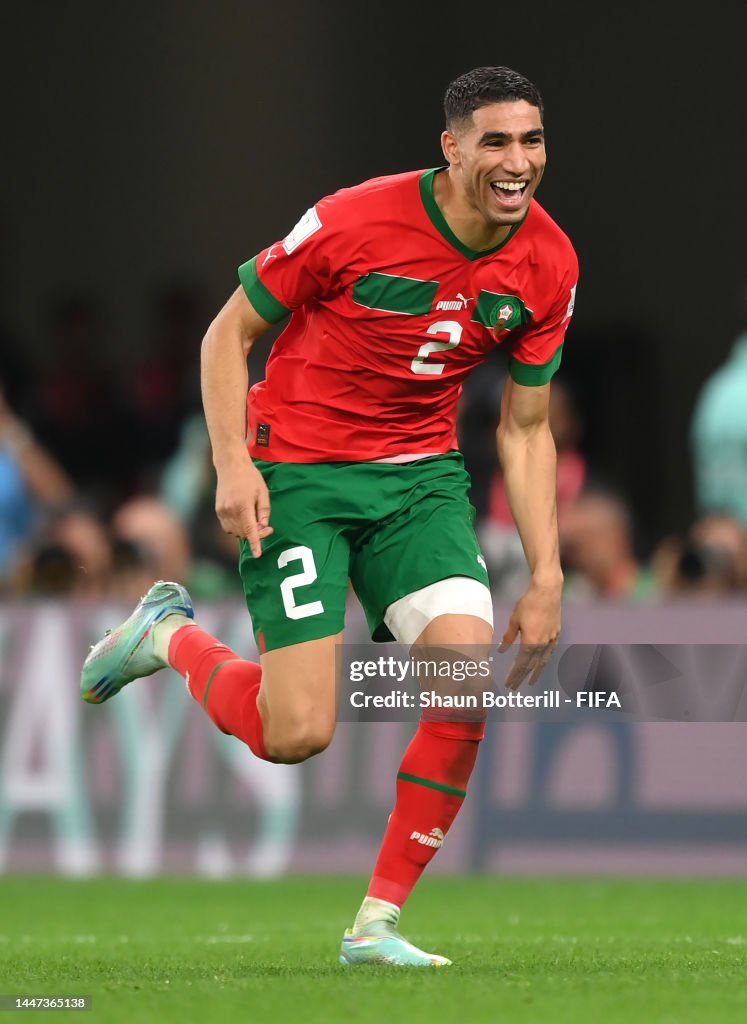
If anyone doubted that the diaspora choice could be turned into a winning strategy, Morocco answered them in Qatar in 2022. The Atlas Lions reached the World Cup semifinal, the first African and first Arab nation ever to do so, and they did it with a squad built deliberately around players born outside Morocco. Fourteen of their twenty-six man squad were born abroad, more than any other team at the tournament.

Achraf Hakimi was born in Madrid. Sofyan Amrabat was born in the Netherlands. Sofiane Boufal was born in France. Hakim Ziyech had represented the Netherlands at youth level before committing his senior career to Morocco. What had once been a haphazard scramble to identify eligible diaspora players, going back to the 1990s, had become a structured, professional recruitment operation spanning Belgium, France, Germany, Italy, the Netherlands and Spain. Morocco treated its five million strong European diaspora not as a footnote but as a talent base, and it built a semifinal team out of it.

The lesson rippled across the continent. The diaspora was no longer the players who could not make it in Europe. The diaspora was the engine. Senegal had already understood this when it won the Africa Cup of Nations in 2022. Morocco simply proved how far the model could go on the biggest stage of all.

The rules that make it possible

France vs Senegal - The rules that make it possible

None of this would function without a specific piece of football law. In September 2020, FIFA significantly loosened its eligibility rules. Under the reformed regulations, a player can switch national associations even after appearing for a senior team, provided he has played no more than three competitive senior matches, all before turning 21, and did not feature at a World Cup or a continental final such as the Euros. A player tied to a country by a single friendly cap in his teens is no longer tied for life.

That change quietly rewired the map of international eligibility. It gave young dual-nationals room to breathe, to develop, even to test the waters with one country before committing fully to another. It is the legal machinery underneath the human drama, the reason a player can grow up inside France’s youth setup, earn a cap or two, and still pull on Senegal’s or Algeria’s shirt at a World Cup without breaking any rule.

The cost and the pride

It would be dishonest to present these choices as painless. They are not. To choose one flag is, in some quiet way, to set the other down, and footballers describe the weight of that for the rest of their lives. There are players who chose France and were never quite forgiven in the country of their parents. There are players who chose an African nation and faced whispers that they had failed to make the grade in Europe. The conversation can turn ugly, shadowed by old questions of belonging and acceptance that European societies have not fully resolved, and African ones answer in their own complicated ways.

Yet the dominant note is not loss. It is pride. There is a particular joy in watching a man who grew up in a French banlieue stand for the Senegalese anthem and mean every word of it, his grandmother somewhere far away finally hearing the song she wanted. There is an equal and opposite joy in a Bondy kid lifting trophies for France while his Cameroonian father watches from the stand. Both are true. Both are real. Neither cancels the other.

What the choice says about modern Africa

Strip away the shirts and the anthems and what the France-Senegal fixture really reveals is the shape of modern Africa and its relationship with the world. Migration scattered families across continents, but it did not sever them. The grandson born in Rouen still belongs, in some essential way, to Dakar. The grandson born in Paris still carries Cameroon and Kabylia in his name and his cooking and his mother’s prayers. Football is simply the most visible arena in which those threads get pulled.

The diaspora choice is, in the end, a story of belonging refusing to be simple. Africa is no longer only the continent. It is a global family, present in the suburbs of Paris and Brussels and Amsterdam, raising children who will one day have to decide which anthem to sing. When Senegal lined up against France in New Jersey in 2026, two versions of that decision faced each other across the halfway line, and the only real difference between them was the color of the cloth on their backs. The flags pointed in opposite directions. The blood did not.

Advertisement
Share
Get the recap

Loved this story? Get more like it.

Join readers who get our weekly entertainment recap - the stories worth your time, delivered every Friday.

No spam. Unsubscribe anytime. By signing up you agree to our Privacy Policy.