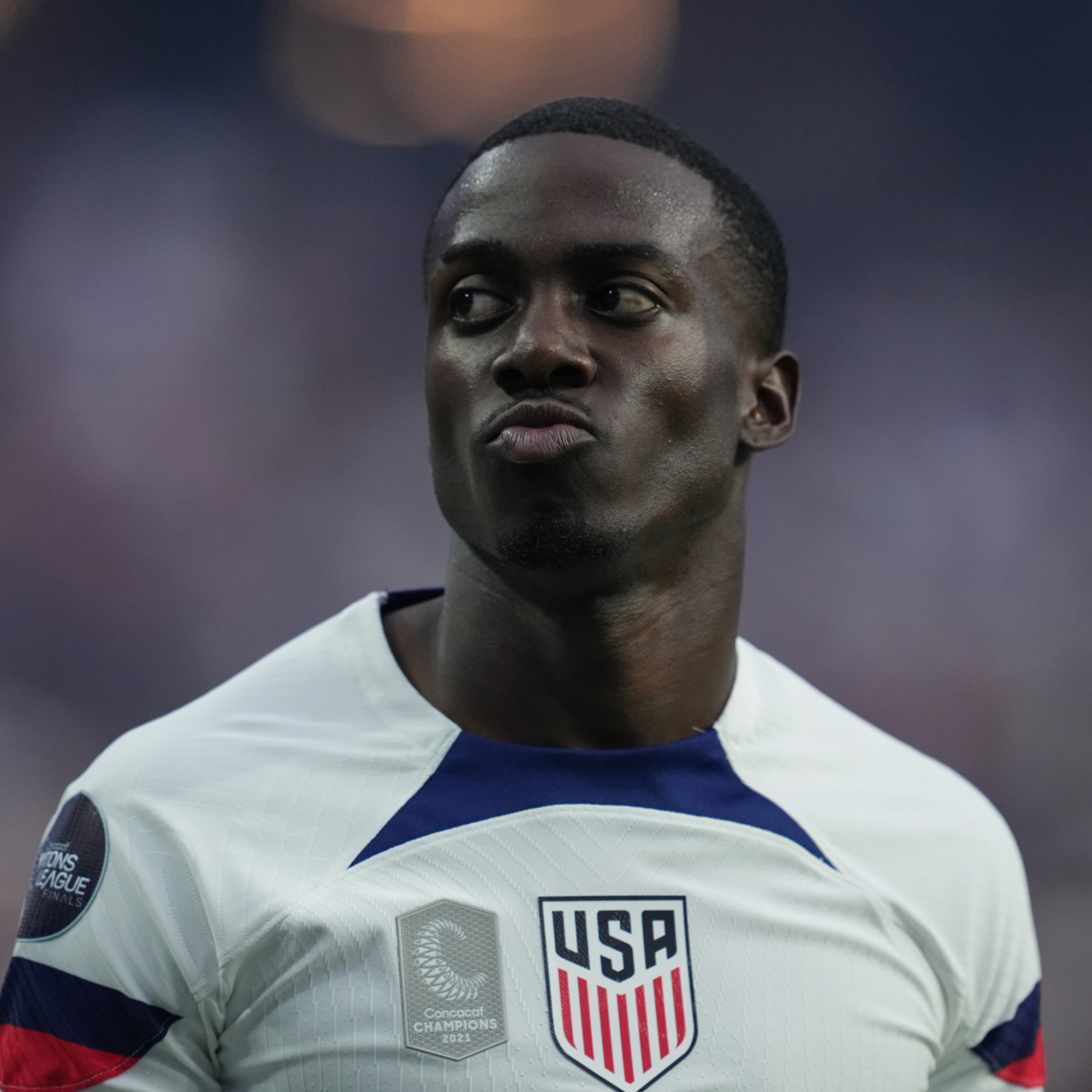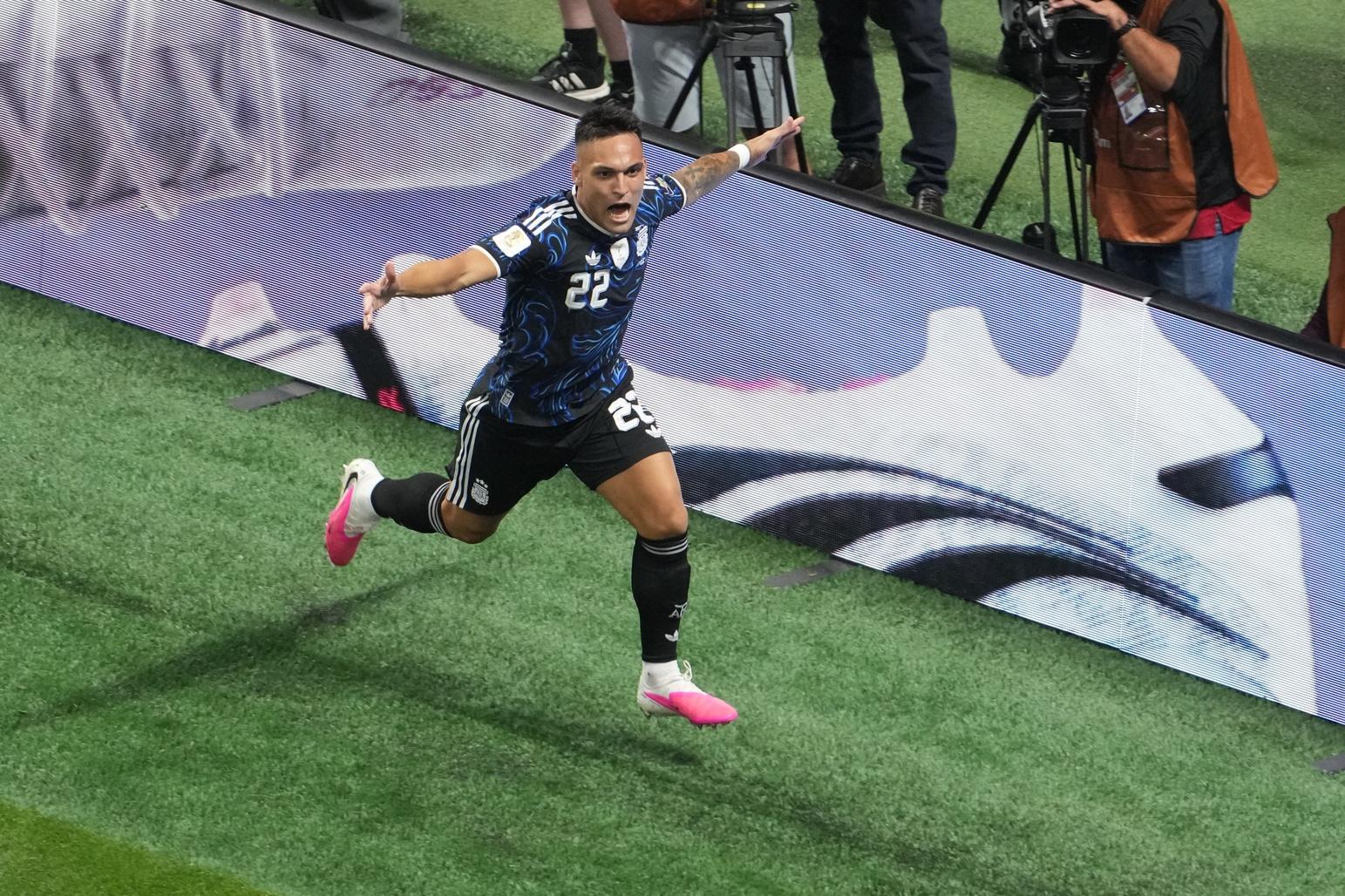
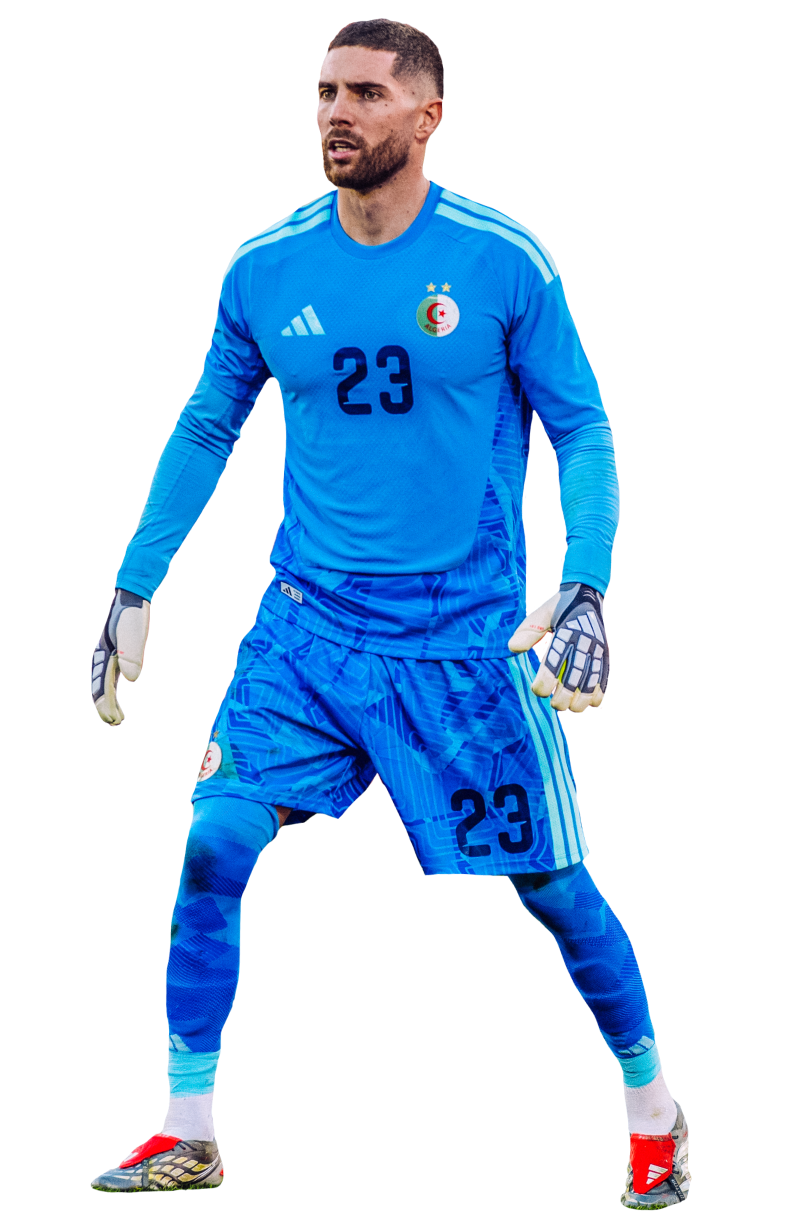
Somewhere in a Granada training session in the spring of 2026, a young goalkeeper pulled on a moulded carbon-fibre mask before stepping between the posts. He had broken his jaw and his chin and suffered a concussion in an aerial collision against Almeria weeks earlier, and the mask was the only way back onto the pitch. The face behind it carried one of the most recognisable surnames in the history of the game. Yet the player wearing it was not chasing the legacy everyone assumed he would inherit. He had already made a choice that surprised much of Europe, and it had nothing to do with the country his father once captained to glory.
That goalkeeper is Luca Zidane, and his decision sits at the centre of a wider story unfolding across world football. A whole generation of sons born to footballing royalty has arrived at the professional level at roughly the same time. Some carry surnames that opponents chant before kick-off. Some have signed for the biggest clubs on earth. All of them face the same strange contradiction: the name that opens every door is the same name that turns every ordinary mistake into a headline. The way each of them is handling that weight says a great deal about ambition, identity, and the quiet pull of heritage.
The weight of a famous name
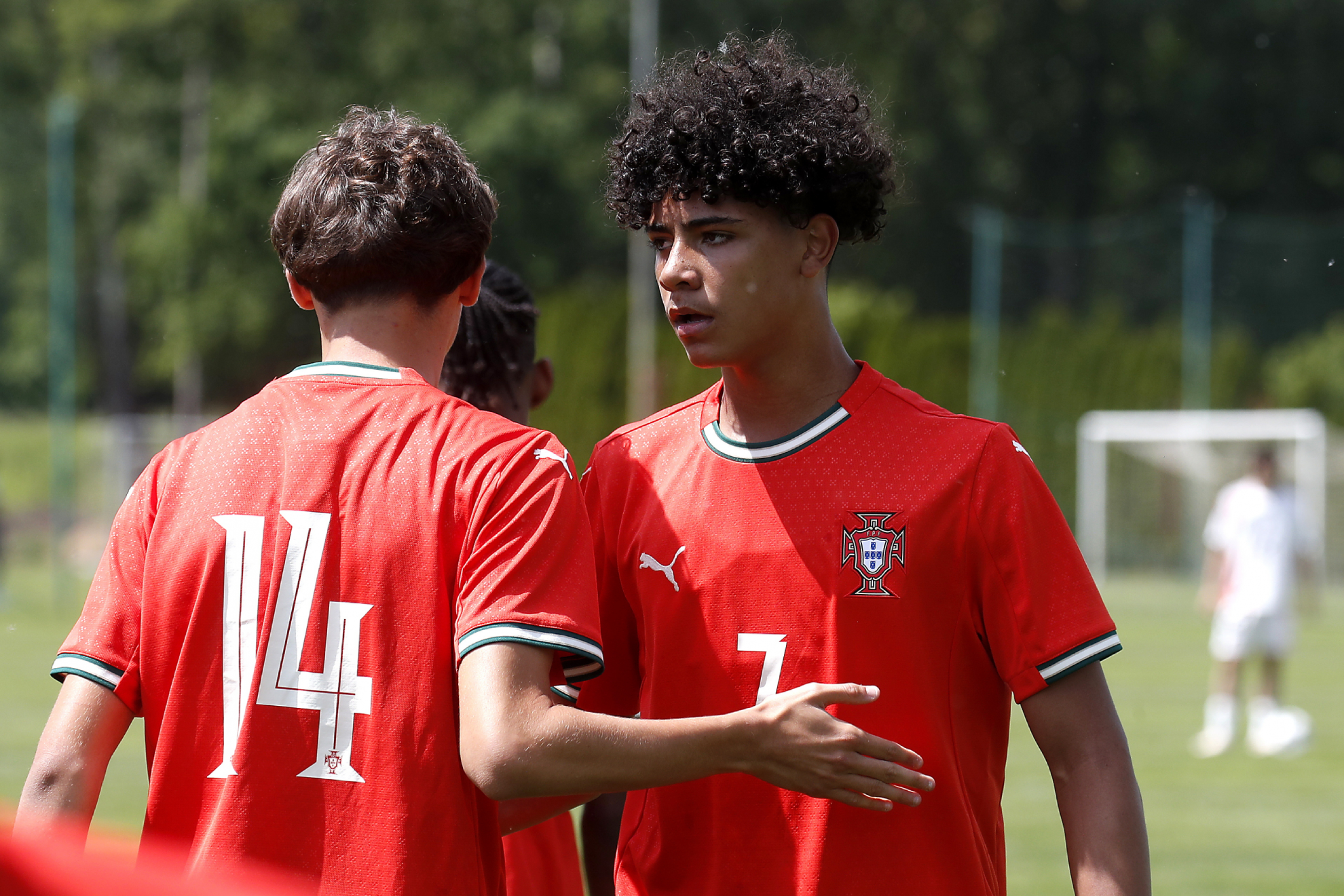
There is a particular kind of pressure that only the children of the truly great ever experience. A young striker who scores on debut is celebrated. The son of a striker who scores on debut is told he did exactly what was expected, and that anything less would have been a failure. The bar is not set at “good professional footballer.” It is set at “your father,” and your father, in these cases, happens to be one of the finest players who ever lived.
Scouts and academy coaches talk openly about this. A famous surname can win a teenager a trial, a contract, even a marketing campaign, long before anyone has seriously assessed whether the talent matches the billing. That is the nepotism charge in its rawest form, and it is not entirely unfair. Doors do open faster. Cameras do arrive sooner. Sponsorship interest does land before a senior appearance is made.
What the cameras tend to miss is the other side of the ledger. The same surname that fast-tracks a trial also guarantees that every dropped ball, every missed tackle, every quiet afternoon is replayed, dissected, and turned into a verdict on the family legacy. A nobody who has a poor game is forgotten by Monday. A legend’s son who has a poor game becomes a talking point for a week. Privilege and punishment arrive in the same envelope.
Luca Zidane and the Algeria choice
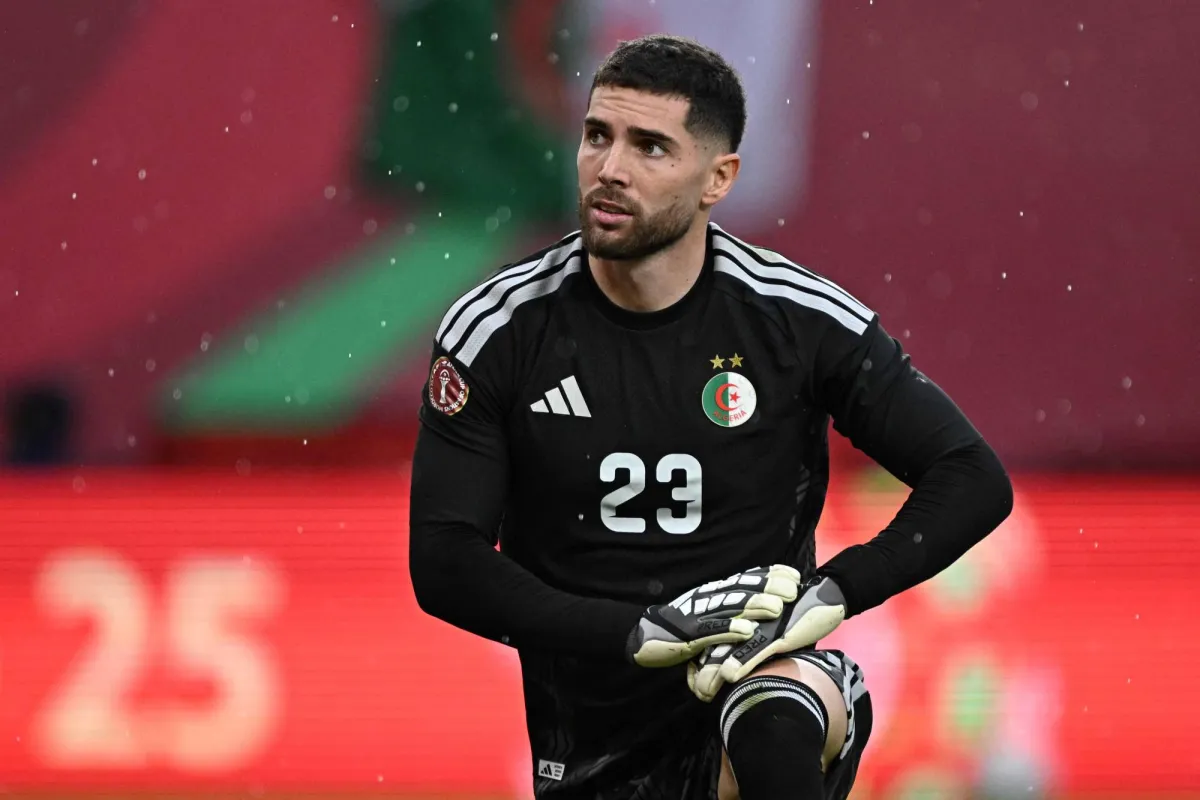
Luca Zidane is the son of Zinedine Zidane, the man who lifted the World Cup with France in 1998 and won three Champions League titles as a coach at Real Madrid. Luca came through the Real Madrid academy as a goalkeeper before building his senior career in Spain, eventually establishing himself as the number one at Granada. A goalkeeper carrying the Zidane name was always going to be a curiosity. Goalkeeping is not the position the surname conjures, which in its own way freed him from the most direct comparisons to his father.
The decision that turned a curiosity into a genuine talking point came at international level. Luca holds triple eligibility. He is French by birth, Spanish through his mother, and Algerian through his paternal line. In September 2025, FIFA formally approved his change of federation, clearing him to represent Algeria. By the start of 2026 he had become the starting goalkeeper for the Fennecs, and he was named in their squad for the 2026 World Cup, where he kept goal behind that protective mask after the jaw and chin fractures he suffered playing for Granada in late April.
He has been clear about why he made the switch. He pointed to his grandfather and the family’s roots, saying the choice was a way of honouring the relatives who left Algeria for France generations ago. For a goalkeeper who could have waited for a France call-up that might never have come, choosing Algeria was both a practical career move and a deeply personal one. It placed him on the same international stage his father once dominated, but in different colours and on his own terms.
The Kabyle line behind the name
To understand why Luca’s decision lands so powerfully, you have to go back to where the Zidane story actually begins. Zinedine Zidane was born in the La Castellane neighbourhood of Marseille, but his parents, Smail and Malika, emigrated from Aguemoune, a village in the mountainous Kabylie region of northern Algeria. Kabylie has a long history of fiercely guarding its own language and customs, and Zidane has never hidden his pride in those origins. He has been widely quoted describing himself as first a Kabyle from La Castellane, then an Algerian from Marseille, and then a Frenchman.
That ordering of identities is the emotional heart of Luca’s choice. The father became the symbol of multicultural France, the immigrant son who delivered the country its greatest footballing moment. A generation later, the grandson has reached back past France entirely, to the village his great-grandparents came from, and pulled on the Algeria shirt. For readers across Africa, it is a story about how heritage does not dissolve across borders and decades. It can resurface in a grandson, in a goalkeeper’s gloves, in a World Cup squad list. The African connection that was always present in the Zidane name has, in 2026, become literal.
The Weah line, from Monrovia to the world
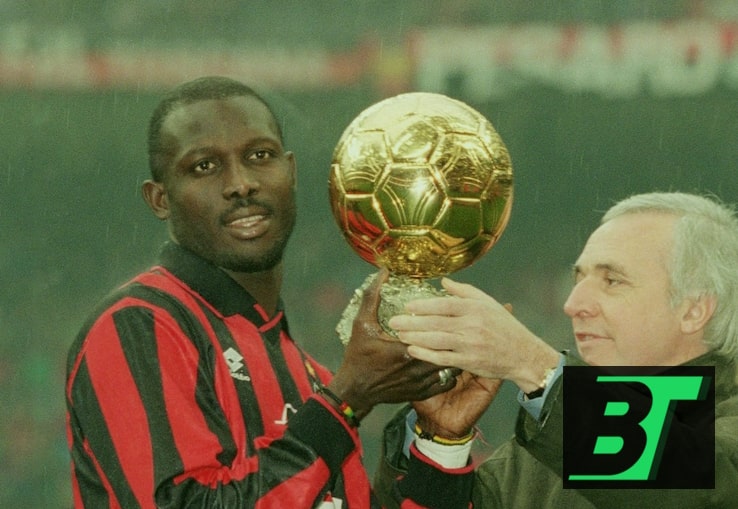
If Luca Zidane’s story is about heritage rediscovered, Timothy Weah’s is about a footballing bloodline that runs straight through African football history. His father is George Weah, the Liberian forward who in 1995 became the only African player ever to win the Ballon d’Or, the award for the best footballer in the world. George Weah’s rise from Monrovia to Monaco, Paris Saint-Germain, and AC Milan remains one of the sport’s great journeys, and after retiring he went on to serve as president of Liberia, a biographical fact that places the family in a category all its own.
Timothy chose a different national path. Born in the United States, he came up through the Paris Saint-Germain academy, the same club where his father once starred, before building a career that has taken him through Lille, Juventus, and a loan to Marseille. A right-sided winger known for his pace and his dangerous crossing, he was named in the United States squad for the 2026 World Cup on home soil, with the tournament co-hosted across North America.
The symbolism is hard to miss. The father carried Liberia’s hopes and won the highest individual honour the game offers. The son, raised in America, carries a different flag while still embodying a footballing dynasty rooted in West Africa. For audiences who grew up watching George Weah, seeing his son on a World Cup roster three decades later is a reminder of how African football talent threads through generations and continents, surfacing in unexpected colours.
The Thuram brothers and the family double act
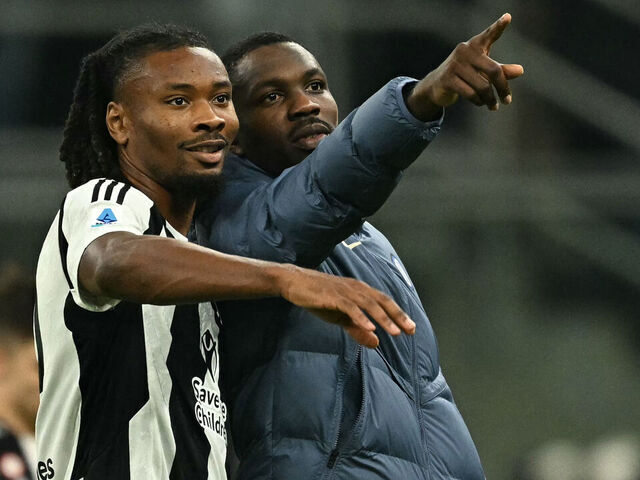
Lilian Thuram was a cornerstone of the France defence that won the 1998 World Cup alongside Zinedine Zidane, a French-Guadeloupean defender admired as much for his intelligence off the pitch as his reliability on it. He produced not one but two professional footballers, and both have made names of their own.