Rising Stars Ready to Shine: The Next Generation Set for FIFA World Cup 2026 Glory
Miki Anderson··6 min read
Ad SpaceArticle Top - 728x90
Advertisement
## Table of Contents
- [The Stage is Set for Football’s New Generation](#new-generation)
- [European Talents Ready to Make Their Mark](#european-talents)
- [African Stars Bringing Continental Pride](#african-stars)
- [South American Sensations on the Rise](#south-american-rising)
- [The Expanded Format Creates New Opportunities](#expanded-format)
- [Legacy in the Making](#legacy-making)
The Stage is Set for Football’s New Generation
The 2026 FIFA World Cup promises to be a watershed moment for football, not just because of its expanded 48-team format or its tri-nation hosting across the United States, Canada, and Mexico, but because it will serve as the grand debut for some of the sport’s most electrifying young talents. While legends like Lionel Messi and potentially Cristiano Ronaldo may be taking their final bows on football’s biggest stage, a new constellation of stars is preparing to announce themselves to the world in the most spectacular fashion possible. These players, who have already dazzled audiences in Europe’s top leagues and international competitions, will finally get their chance to etch their names into World Cup folklore. The tournament represents more than just another competition - it’s a generational changing of the guard that could reshape the landscape of international football for years to come.
Photo by Caio / Pexels
European Talents Ready to Make Their Mark
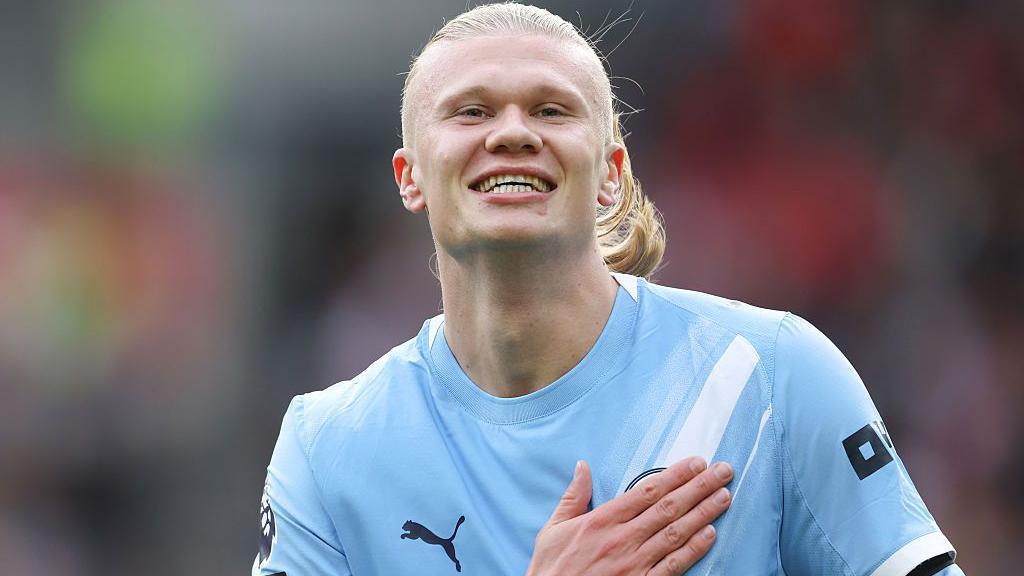
Leading the charge of European newcomers is Norway’s Erling Haaland, whose absence from recent World Cups has been one of football’s greatest tragedies given his phenomenal goal-scoring prowess at Manchester City. The towering striker has redefined what it means to be a modern number nine, combining raw power with clinical finishing that has left Premier League defenders scrambling for answers. Alongside him, England’s Jude Bellingham has emerged as one of the most complete midfielders in world football, his performances at Real Madrid showcasing a maturity and tactical intelligence that belies his age. The duo represents the cream of European talent that missed out on Qatar 2022 for various reasons, whether through their nations’ failure to qualify or their own developmental timeline not quite aligning with tournament cycles.
Image: BBC
Spain’s Pedri and Gavi, despite their young ages, have already shown glimpses of their potential on the international stage, but 2026 could be where they truly explode into global consciousness as the inheritors of Spain’s golden generation legacy. Germany’s Florian Wirtz and Jamal Musiala represent the new wave of German creativity, players who could help Die Mannschaft reclaim their position among football’s elite after recent disappointments. These talents haven’t just impressed at club level - they’ve consistently delivered when representing their countries, suggesting they possess the mental fortitude required to handle the unique pressures that come with World Cup football.
African Stars Bringing Continental Pride
African football is experiencing a renaissance, with several players poised to make their World Cup debuts as standard-bearers for the continent’s growing influence in global football. Victor Osimhen of Nigeria has established himself as one of Europe’s most feared strikers during his time at Napoli, his combination of pace, power, and predatory instincts in the penalty area making him a nightmare for defenders across Serie A and the Champions League. His journey from the streets of Lagos to European stardom embodies the dreams of countless young African footballers, and his World Cup debut could inspire another generation of talent across the continent.
Ghana’s Mohammed Kudus has become Ajax’s creative catalyst, his versatility allowing him to impact games from multiple positions while maintaining the technical excellence and work rate that have made him a fan favorite in Amsterdam. Morocco’s continued development of young talent through their domestic academies and European partnerships means players like Azzedine Ounahi and Sofyan Amrabat, who missed previous tournaments, could finally get their moment to shine. The success of African players in Europe’s top leagues has never been higher, with these individuals not just representing their countries but carrying the hopes of an entire continent that has consistently punched above its weight in recent World Cups.
Ad SpaceIn-Article - 300x250
Advertisement
South American Sensations on the Rise
South America’s football conveyor belt continues to produce exceptional talent, with several players ready to announce themselves on the World Cup stage for the first time. Brazil’s Endrick, who has already made waves with his precocious performances, represents the next chapter in the Seleção’s storied history of producing magical attacking talents who capture global imagination. His emergence comes at a perfect time for Brazil, who will be looking to blend experienced campaigners with fresh faces capable of handling the immense expectations that come with wearing the famous yellow jersey.
Image: Wikipedia
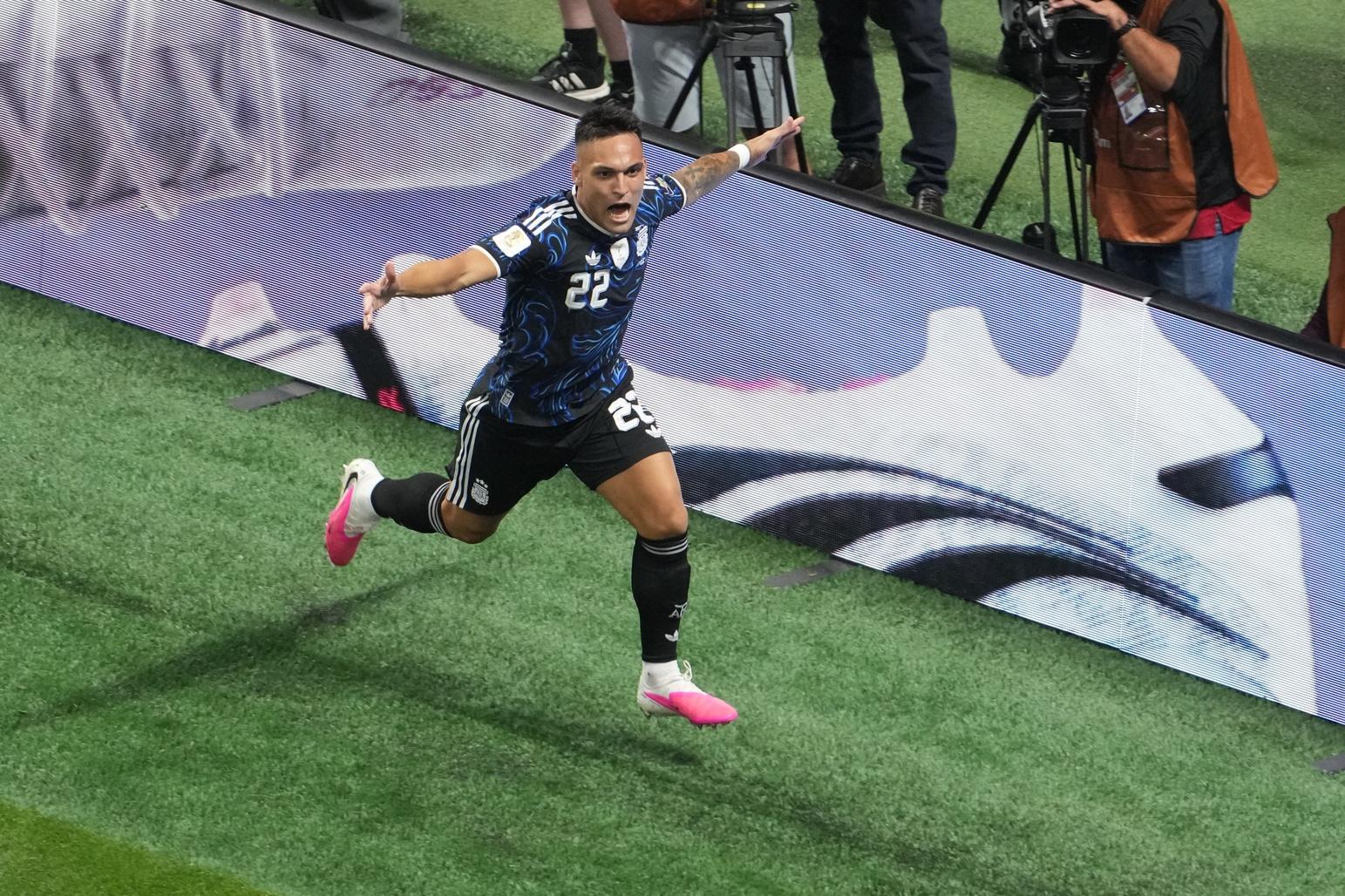
Argentina’s continued production of technically gifted players means that even as they celebrate their recent World Cup triumph, new talents are emerging who could help maintain their status as global powerhouses. Uruguay’s Darwin Núñez has shown flashes of brilliance at Liverpool that suggest he could be ready to step up when his nation needs him most, his physical presence and finishing ability potentially providing the perfect complement to Uruguay’s traditionally robust defensive approach. These South American youngsters haven’t just succeeded domestically - they’ve proven themselves capable of adapting to different tactical systems and cultural environments, skills that will serve them well when navigating the unique challenges of World Cup competition.
The Expanded Format Creates New Opportunities
The expansion to 48 teams fundamentally changes the World Cup landscape, creating opportunities for both nations and individual players who might have previously been denied their moment on football’s biggest stage. This format shift means more African, Asian, and North American teams will qualify, bringing with them players who have been developing their craft in leagues across the globe but haven’t had the platform to showcase their abilities to a worldwide audience. The additional qualification spots could mean breakthrough moments for countries that have been knocking on the door of World Cup participation, potentially introducing fans to entirely new footballing cultures and playing styles.
The tournament’s structure also means that players who might have been considered too young or inexperienced for previous World Cups will now have their chance to compete, as national team managers become more willing to take calculated risks with their squad selections. The group stage format changes mean more meaningful matches, providing additional opportunities for breakout performances that can transform relatively unknown players into global superstars overnight. This expanded format doesn’t just benefit the obvious footballing nations - it creates space for surprise packages and underdog stories that have historically made World Cups so compelling for neutral observers.
Legacy in the Making
The 2026 World Cup represents more than just another tournament - it’s a potential inflection point where a new generation of footballing superstars could establish the narratives that will define the sport for the next decade. These debut players aren’t just participating in a competition; they’re entering a realm where legends are born and careers are defined by moments of brilliance under the most intense scrutiny imaginable. The tournament’s location across North America also means unprecedented global attention, with the massive television audiences and commercial interest ensuring that standout performances will be viewed and remembered by billions of people worldwide.
Image: Amazon.com
For many of these players, 2026 represents their best opportunity to cement their places among football’s elite, as the combination of their peak physical years and the tournament’s expanded format creates ideal conditions for breakout performances. The World Cup has historically been the stage where good players become great and great players become legends, a pattern that seems destined to continue as this new generation gets their first taste of football’s ultimate prize. Their performances won’t just influence their own careers - they could reshape international football’s hierarchy and create new storylines that will captivate fans long after the final whistle blows in the tournament’s concluding match.
Ad SpaceIn-Article - 300x250
Advertisement
Share
Get the recap
Loved this story? Get more like it.
Join readers who get our weekly entertainment recap - the stories worth your time, delivered every Friday.
No spam. Unsubscribe anytime. By signing up you agree to our Privacy Policy.