
Table of Contents
- The Pharaohs Have Officially Arrived
- How Egypt Got Past Australia
- Africa’s World Cup Story Is Just Getting Started
- The Salah Factor - and What It Means Beyond Football
- What Nigeria, Ghana, and the Rest of Africa Are Saying
- Egypt in the Last 16 Is Not Just a Football Moment - It Is a Cultural One
The Pharaohs Have Officially Arrived

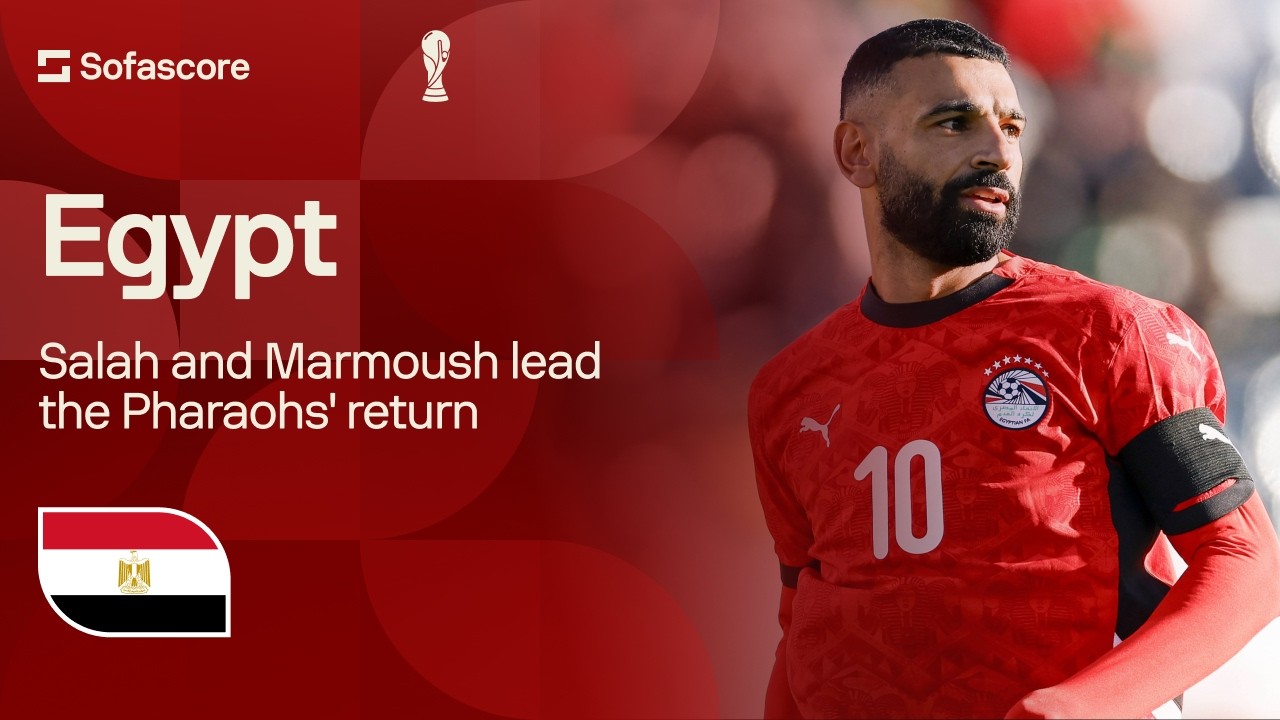
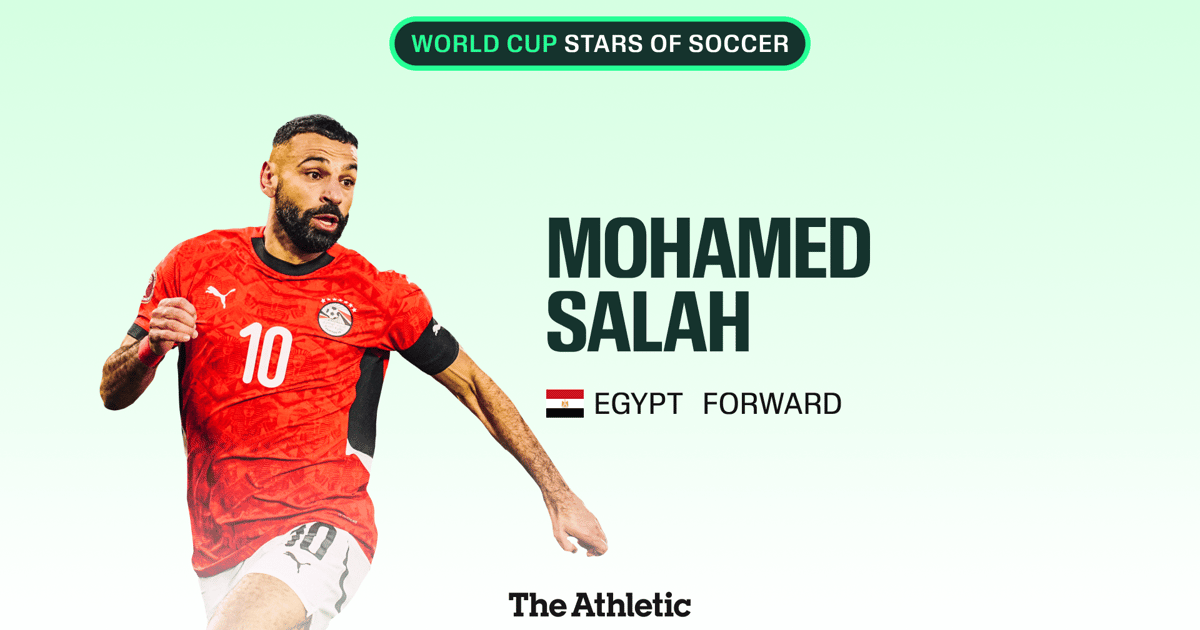
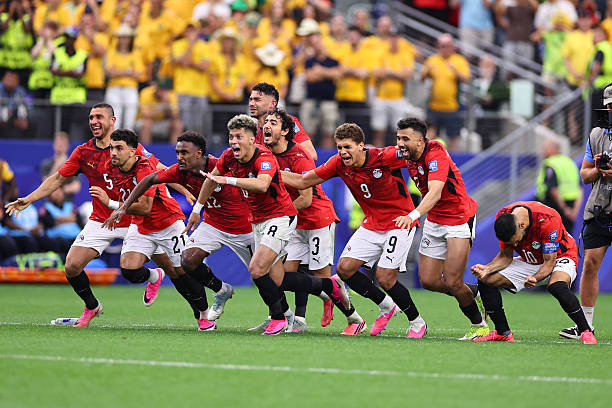
There is a particular kind of electricity that runs through African football whenever one of the continent’s sides does something that forces the rest of the world to sit up and pay attention. Egypt generated exactly that kind of charge when they defeated Australia at the 2026 FIFA World Cup to secure their place in the round of 16, becoming only the second African team in this tournament to make it past the group stage. This is not a minor footnote in the tournament’s storyline. For a country that has dominated African football for decades - seven Africa Cup of Nations titles, a record that no other nation on the continent comes close to matching - finally breaking through at the World Cup’s knockout phase carries enormous symbolic weight. The Pharaohs, as Egypt’s national team is proudly known, have long been considered underachievers on the global stage despite their continental dominance. That narrative is now being rewritten in real time.
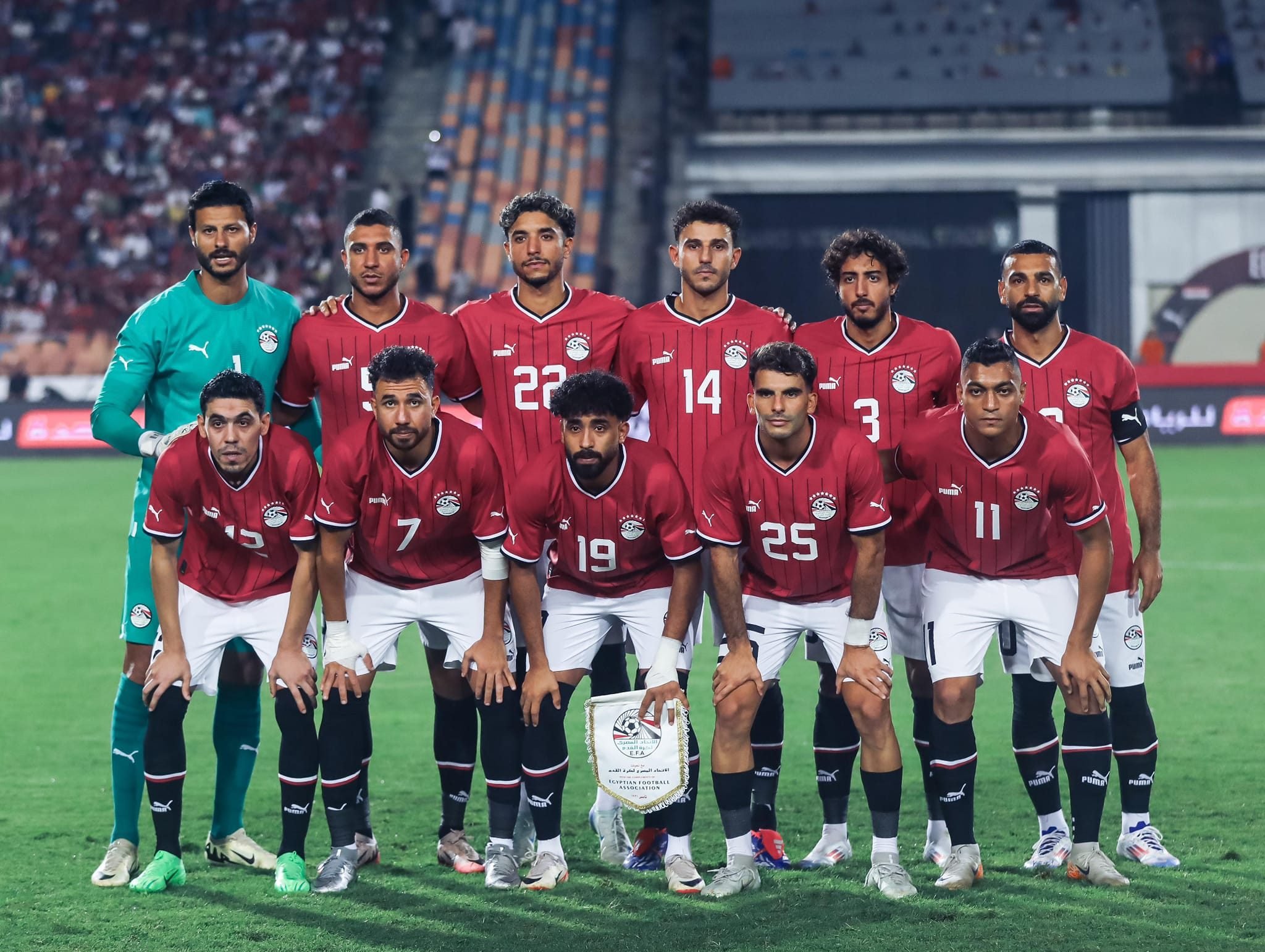
The 2026 World Cup, co-hosted by the United States, Canada, and Mexico, is the first edition to feature an expanded 48-team format - a change that theoretically opened more doors for African nations, who now have nine representatives in the tournament compared to just five in previous editions. But making history still requires more than just showing up. Egypt have done the hard work, navigated a competitive group, and dispatched Australia with enough authority to remind anyone who underestimated them that this squad came to compete seriously. The win is a statement, and the African football community has received it loudly.
How Egypt Got Past Australia
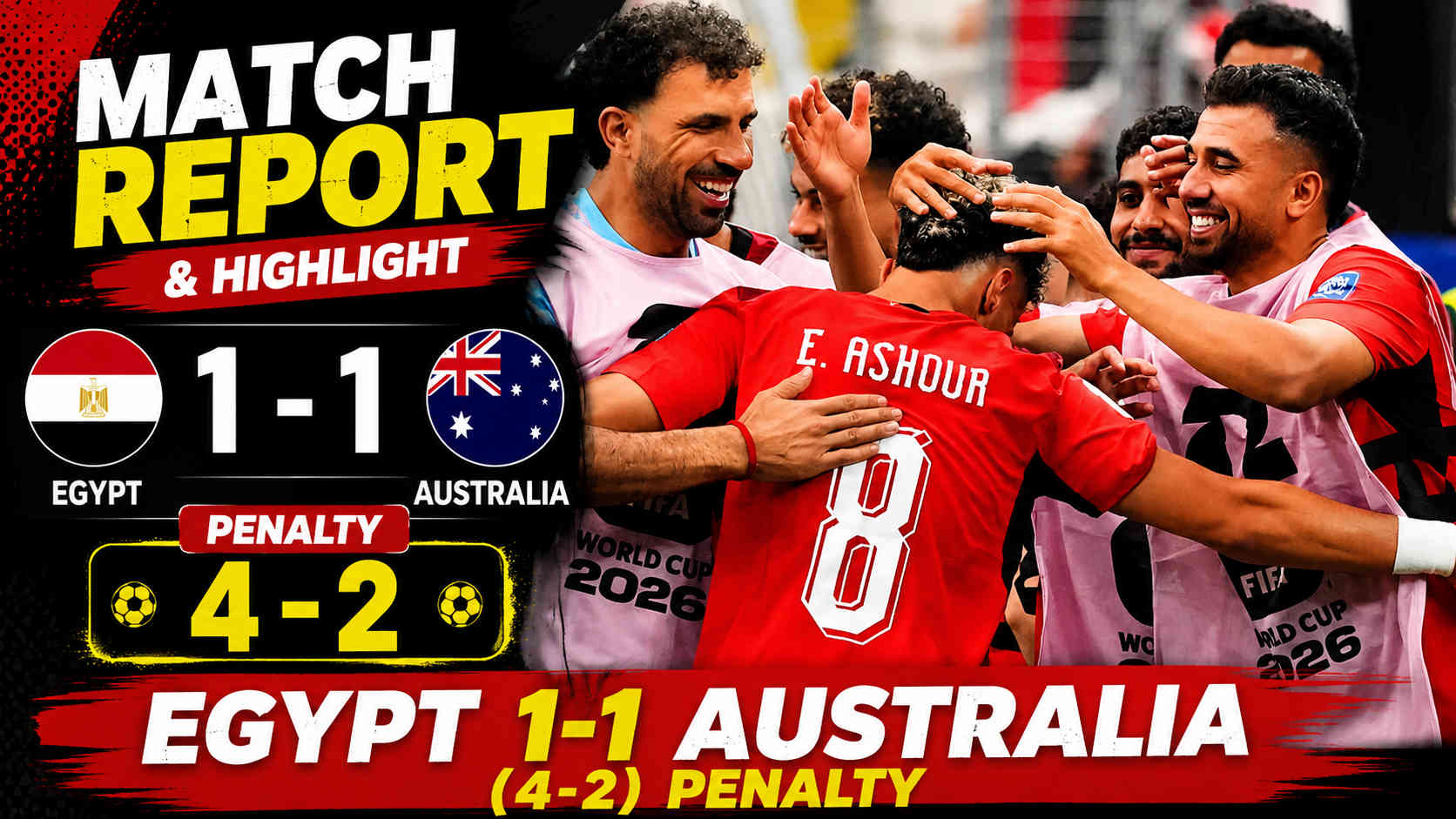
The match itself was the kind of tightly contested affair that World Cup knockout-stage qualifiers tend to produce - both teams knowing exactly what was at stake, neither willing to gift the other an easy route to the next round. Australia, whose Socceroos have historically punched above their weight on the global stage (they reached the quarter-finals in 2006 under Guus Hiddink, a run that remains the stuff of Oceanian football legend), brought genuine quality and tactical discipline. But Egypt’s squad, bolstered by players performing at the highest levels of European club football, proved more clinical when the moments mattered most. Egypt’s pressing game and structured defensive shape were noticeable throughout, reflecting the tactical sophistication that modern African squads have increasingly brought to the international stage.
The result also confirmed what Egypt’s group stage performances had been hinting at - this is a team that has come to the tournament with a clear system, not just individual brilliance. Head coach Hossam Hassan, the legendary former Egypt striker who became the country’s all-time leading scorer and transitioned into management, has built a side that balances defensive solidity with attacking ambition. That transition from individual talent to collective cohesion is often the marker that separates teams that exit at the group stage from those who go deep in tournaments. Egypt have clearly crossed that line.
Africa’s World Cup Story Is Just Getting Started

Egypt’s advancement means two African nations have now reached the last 16 of the 2026 World Cup, and the broader story of the continent’s football trajectory deserves to be told with more nuance than the usual “Africa’s time is coming” cliché. Morocco’s extraordinary run to the semi-finals at the 2022 World Cup in Qatar was not a fluke - it was the product of years of investment, tactical development, and a generation of players raised in European academies who chose to represent their ancestral home. That semi-final run, which saw the Atlas Lions defeat Spain and Portugal before falling to France, fundamentally changed how the world views African football. Morocco’s 2022 performance is still referenced in tactical analysis circles as one of the great collective defensive displays in recent World Cup history. Egypt reaching the round of 16 in 2026 is another data point in that ongoing evolution.
With nine African teams in the expanded 48-team tournament, the chances of at least one - and potentially more - reaching the latter stages were always statistically stronger than in previous editions. But statistics do not win football matches. The fact that Egypt and at least one other African nation have now made it through is evidence that the continent’s football infrastructure, increasingly supported by investment from the Confederation of African Football under President Patrice Motsepe, is producing tournament-ready teams, not just talented individuals. The narrative around African football is genuinely shifting, and 2026 may well be the tournament that locks in that new story permanently.