Disclosure Day: Inside Steven Spielberg's New Alien Thriller With Emily Blunt and Colin Firth
Nova Patricks··10 min read
Ad SpaceArticle Top - 728x90
Advertisement
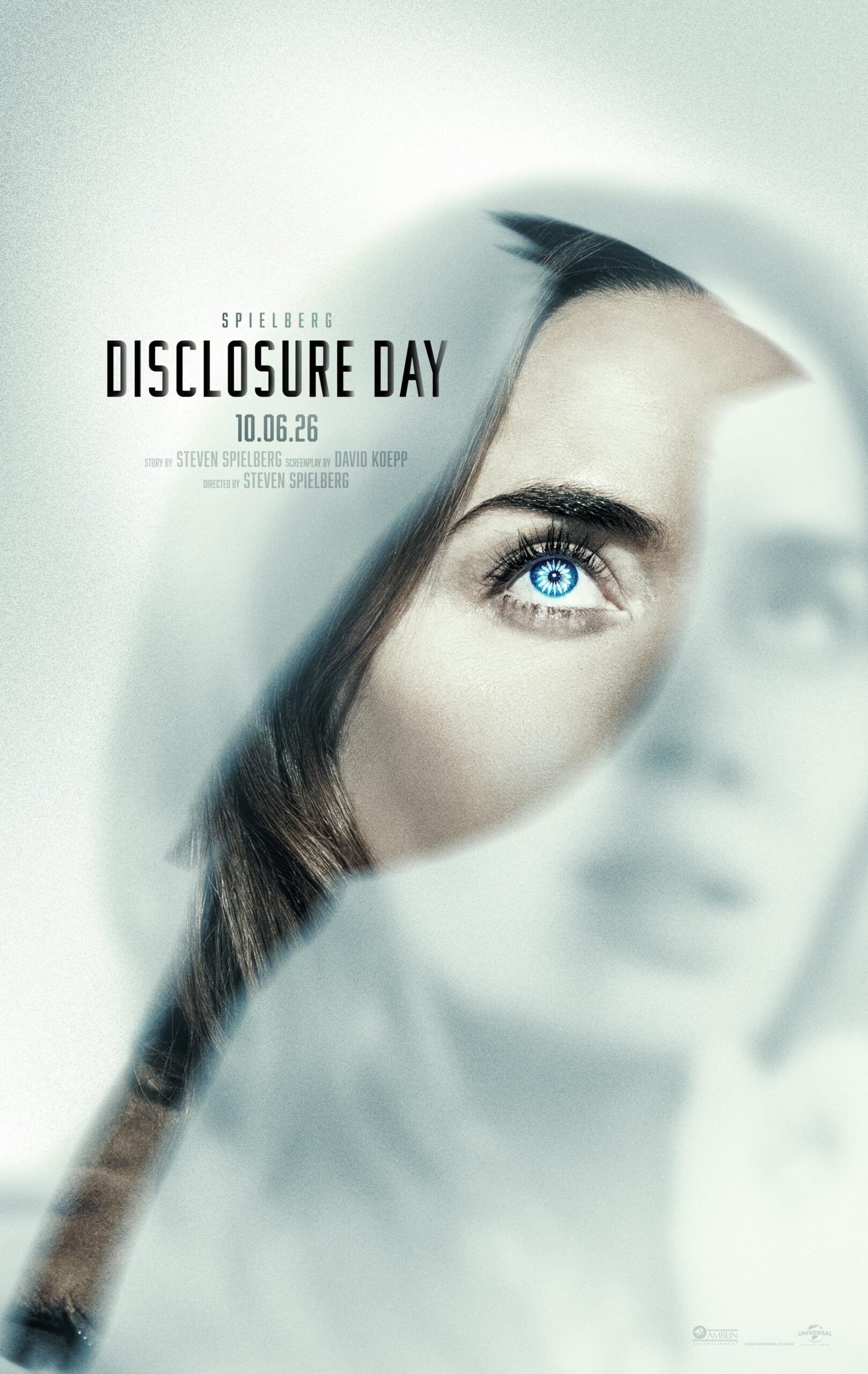
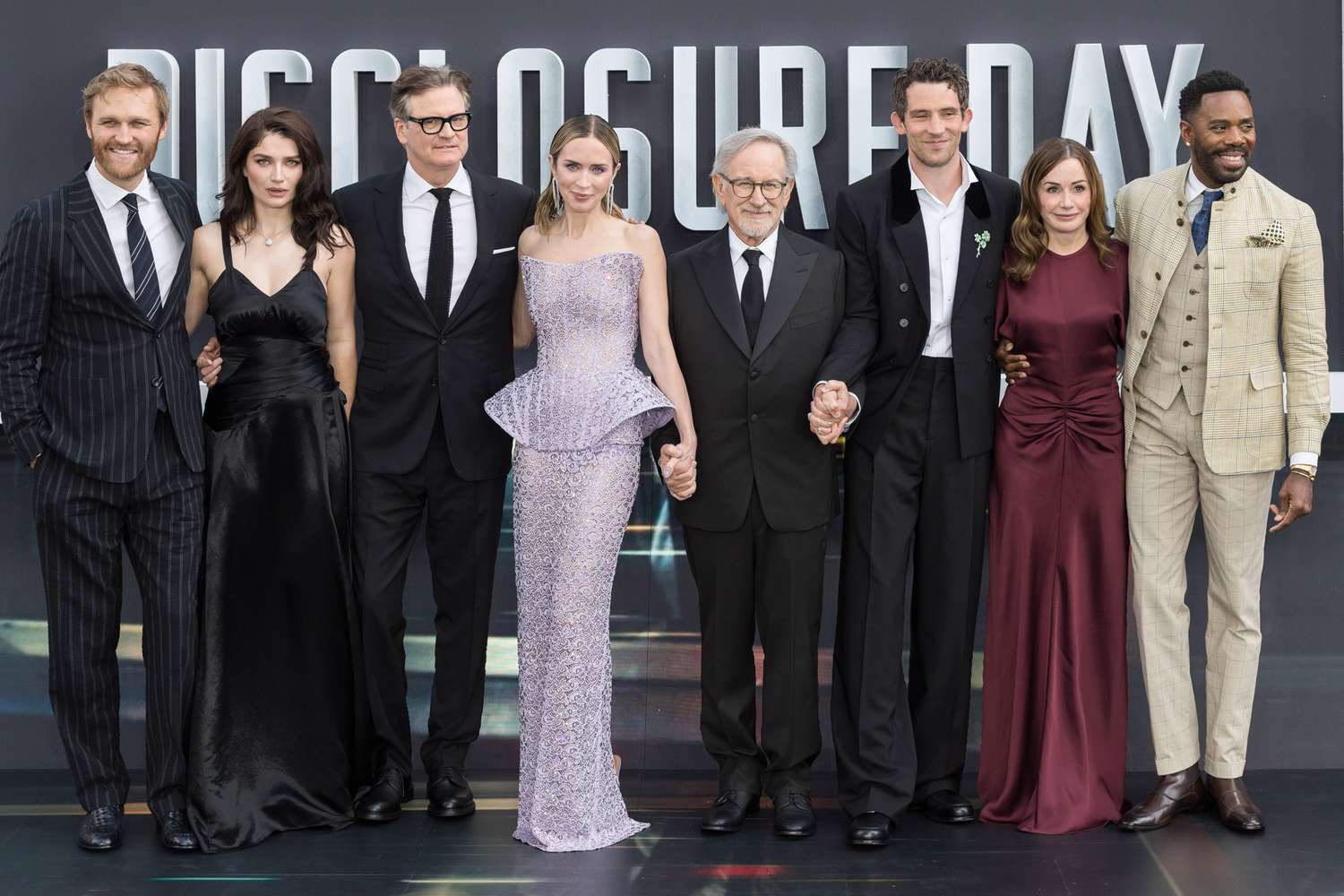
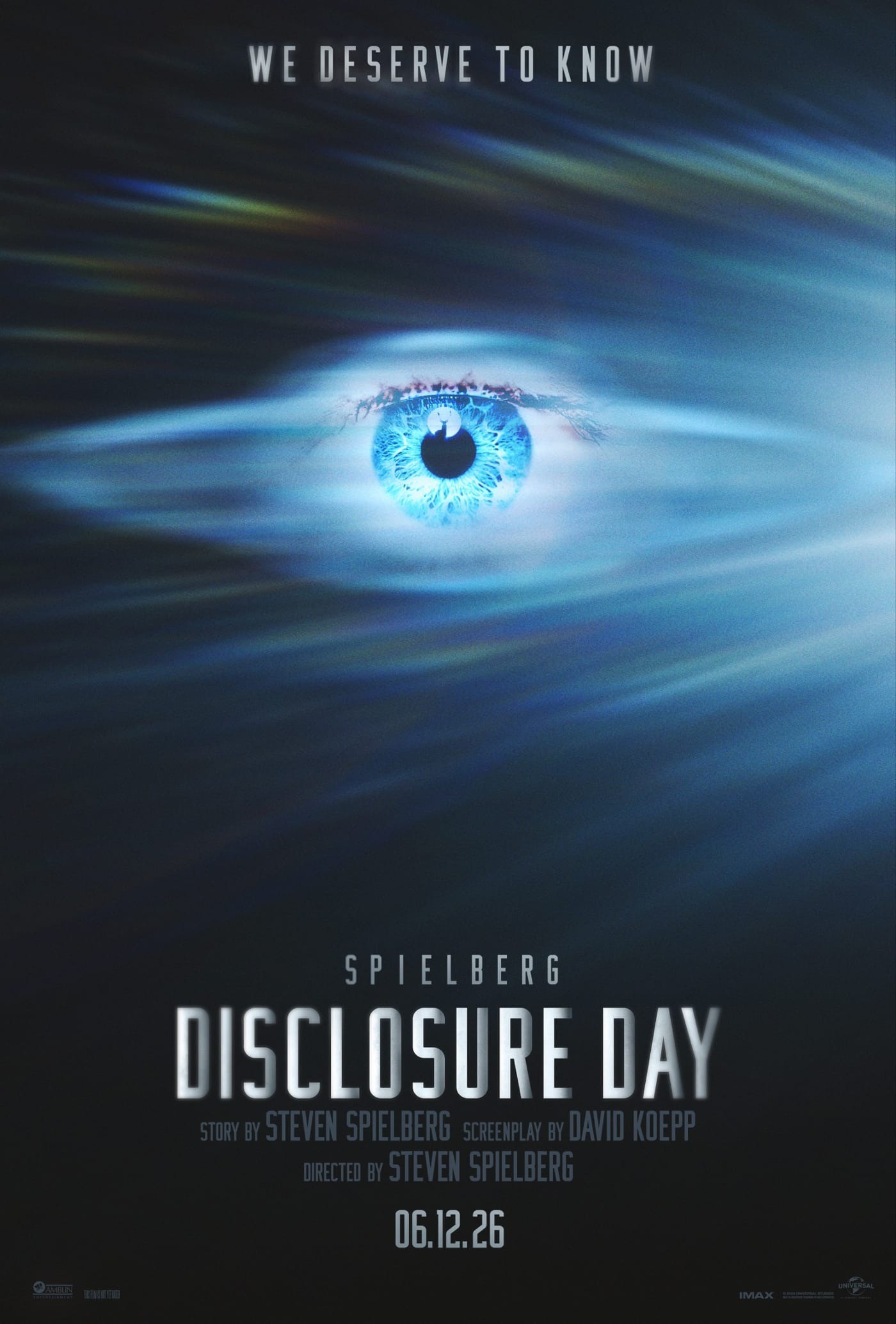
A filmmaker who has spent fifty years asking what waits in the sky does not usually return to that question without a reason. When the lights came up at Le Grand Rex in Paris on June 2, 2026, the audience was looking at the answer. Steven Spielberg had circled back to the subject that built his name, and the film he brought with him, Disclosure Day, arrived carrying both the weight of his history and a sharper, more anxious edge than the wonder of his earlier work.
The movie opened in cinemas across the United States on June 12, 2026, and within hours the title was everywhere. Search traffic spiked into the hundreds of thousands. For a few days, “disclosure day” stopped being a phrase about government transparency and became the name of a summer blockbuster. That is a rare thing for an original story with no comic-book label, no sequel number, and no built-in audience. It happened because of who made it, who is in it, and what it dares to say.
A Return to the Skies, Decades Later
Spielberg is the director who gave the world Close Encounters of the Third Kind in 1977 and E.T. the Extra-Terrestrial in 1982. Those films treated the arrival of the unknown as something close to a miracle. Light spilled from the heavens, children pointed in awe, and the message was gentle: we are not alone, and that might be beautiful.
Disclosure Day is built from the same clay, but the firing is different. Here the unknown is not a wide-eyed visitor wanting to phone home. The premise asks a colder question: what if we discover we are not alone in the universe just as our own world teeters toward destruction? The optimism that defined the director’s early science fiction is still present, but it now has to fight for room against suspicion, secrecy, and the sense that the truth might be too dangerous to hand over freely.
Critics noticed the shift immediately. The consensus that formed around the film described it as a humanistic variation on a theme Spielberg has revisited many times across his career, a breathless pursuit of hope in an age of conspiracy. That framing matters. The director is not repeating himself. He is arguing with his younger self, testing whether the openness of 1977 can survive in a far more cynical decade.
The Story At the Center
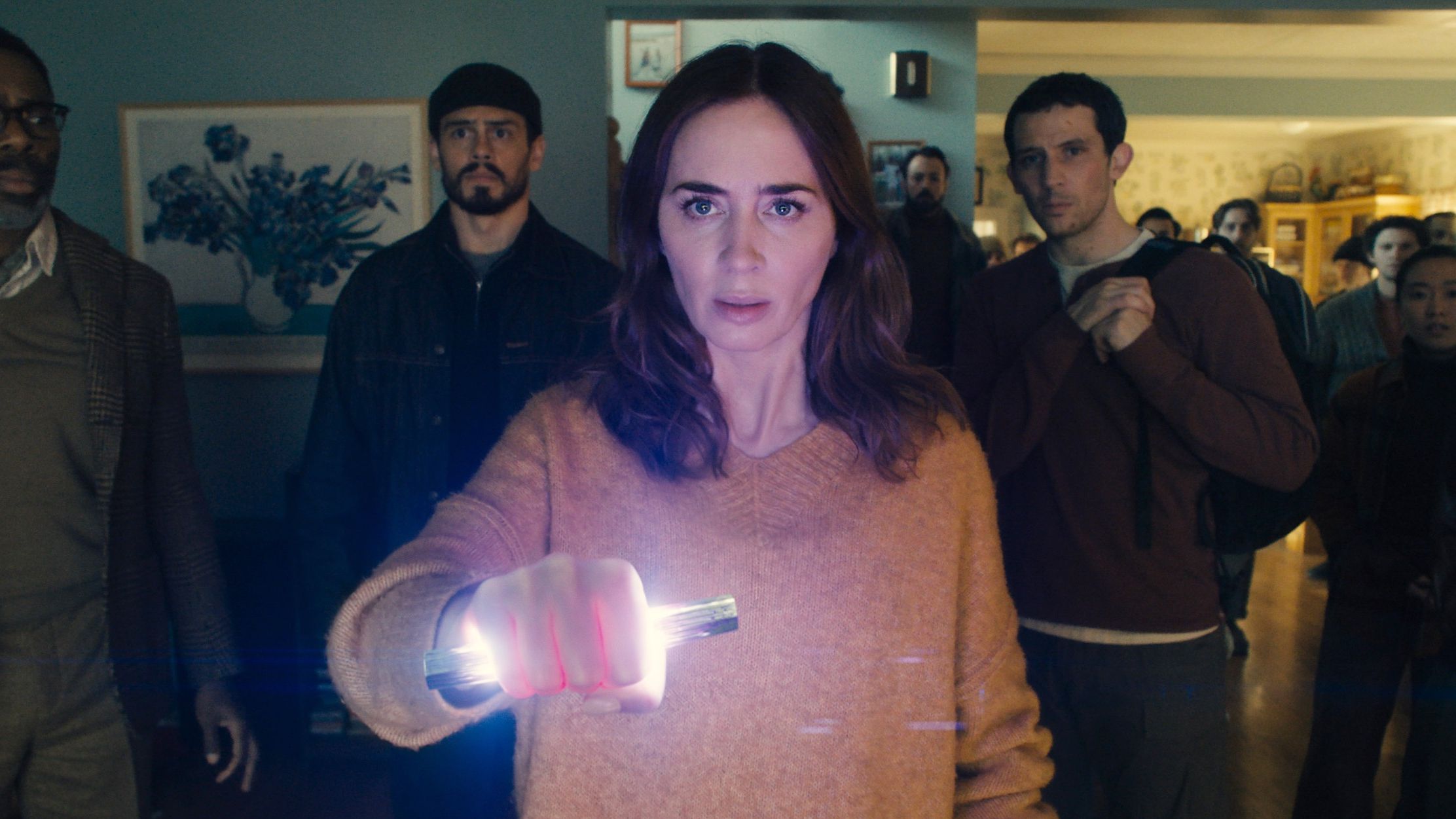
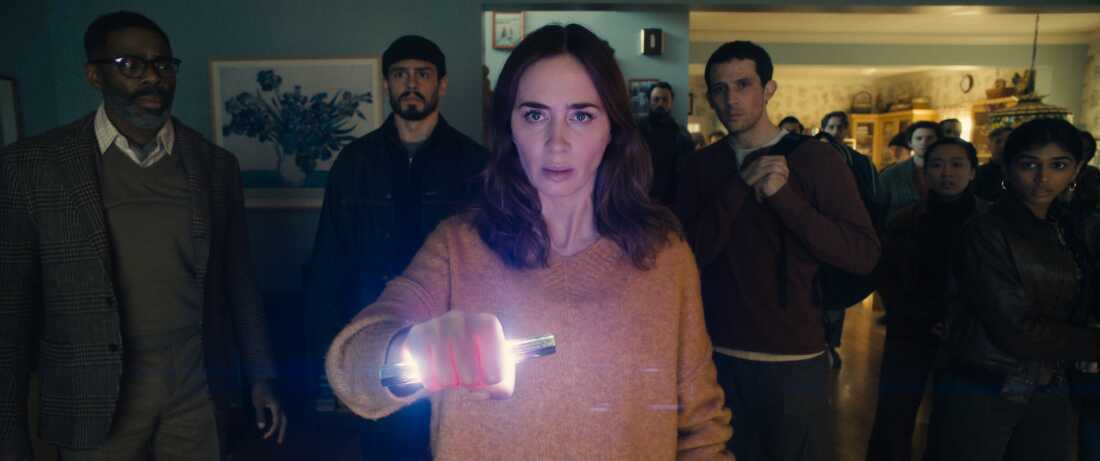
The plot follows two people who have no business being pulled into anything this large. One is Margaret Fairchild, played by Emily Blunt, a television meteorologist in Kansas City who once worked as a journalist. The other is Dr. Kellner, played by Josh O’Connor, a reformed former hacker now employed as a cyber-security expert for a firm called WARDEX.
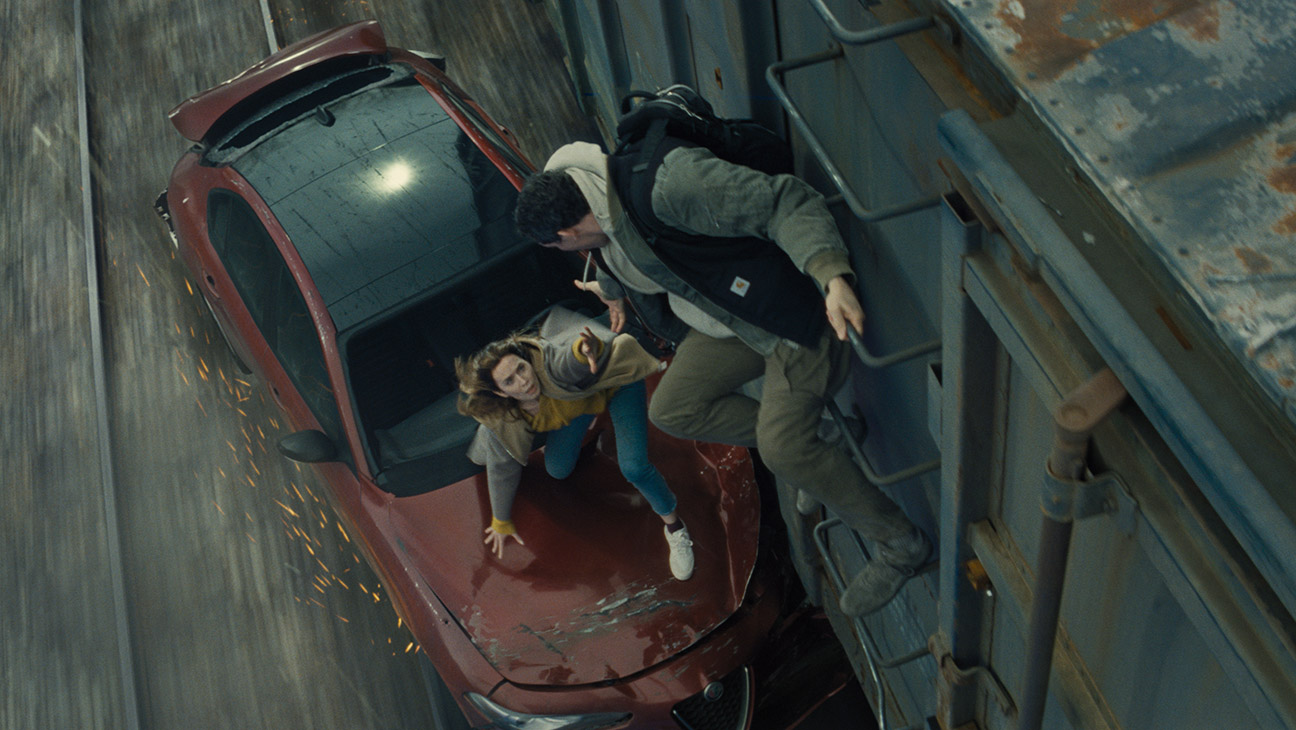
Kellner learns something he was never meant to know: evidence of extraterrestrial encounters exists, and a powerful apparatus has been built to keep it hidden from the American public. He decides to become a whistleblower. Fairchild, the weather presenter who used to chase stories, gets dragged into his orbit, and the two ordinary professionals find themselves running from forces that want the secret buried.
That choice of protagonists is deliberate and very Spielbergian. He has always preferred to filter the extraordinary through ordinary eyes. A suburban father, a lonely boy, a working scientist. In Disclosure Day, the audience does not watch generals and presidents debate first contact in war rooms. It watches a meteorologist and a chastened hacker decide whether the world deserves to know what they know. The stakes are cosmic, but the perspective stays human, and that is the engine that makes the tension land.
A Cast Built for Awards Season
Emily Blunt anchors the film, and early reactions singled her out as its strongest asset. The praise framed her work as a career highlight, the kind of performance that turns a thriller into something people argue about afterward. Within days of release, awards prediction outlets were already floating her as a frontrunner in the conversation that builds toward the next ceremony.
Josh O’Connor brings a frayed, guilt-soaked energy to Kellner, the hacker trying to do one decent thing after a life of doing the opposite. Colin Firth takes the most surprising assignment of the ensemble. He plays against type as the antagonist, though not a cartoon villain. His character chooses to believe he is acting in the country’s best interests, which is the most unsettling kind of opponent: one who is convinced he is the hero of his own version of the story.
Around them, Eve Hewson and Colman Domingo round out an ensemble that gives the film texture and depth on every side of the conspiracy. It is a cast assembled with the confidence of a director who knows exactly the tone he wants and trusts these actors to hit it.
Old Collaborators, New Methods
Part of what makes Disclosure Day feel like an event is the team behind the camera, many of whom have worked with Spielberg for decades. The screenplay comes from David Koepp, the writer who helped shape some of the most successful films of the modern blockbuster era. Koepp built the script from a story by Spielberg himself, and the work was punishing. He developed forty-two drafts of the screenplay, the most of his entire career. That number tells you how hard the filmmakers pushed to get the balance right between thriller momentum and the bigger ideas underneath.
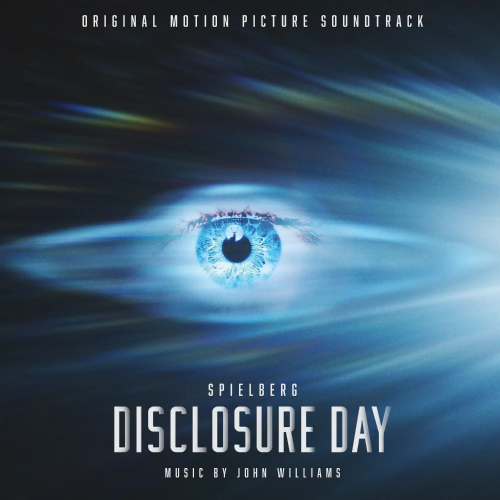
Then there is the music. John Williams, the composer whose themes are stitched into the fabric of Spielberg’s filmography, returned for what marks his thirtieth collaboration with the director. His approach this time was unusual. Spielberg revealed that Williams told him he would not write music to lead the film. Instead he would write music to sit under the film and give it the slightest nudge forward. For a composer famous for soaring, unmissable themes, that restraint is a statement. The score does not announce the wonder. It lets the story carry the weight and only leans in when it needs to.
The film runs two hours and twenty-five minutes, a length that gives the conspiracy room to tighten without losing the human thread.
The Reviews
The critical reception was warm and, in places, glowing. On the major review aggregator, eighty-two percent of more than two hundred critics’ reviews landed positive, with an average rating above seven out of ten. A separate scoring service placed the film in the “generally favorable” band based on dozens of reviews. The praise clustered around Spielberg’s direction, Blunt’s performance, the John Williams score, and the storytelling itself.
Ad SpaceIn-Article - 300x250
Advertisement
Several major outlets framed the film as Spielberg returning to what he does best. One described it as a spellbinding return led by Blunt, O’Connor and Firth. Another called it the director’s beautiful plea to all of us, reading the alien conspiracy as a vehicle for something more urgent about how a society decides what to do with a truth it is afraid of. The reviews that dug into the ending noted that the film is, finally, about far more than aliens. The extraterrestrial mystery is the hook. The real subject is whether people can still trust each other and their institutions enough to face a shared reality.
The Box Office Test
Original films are a gamble. Without a franchise behind them, they live or die on star power, marketing, and word of mouth. Disclosure Day walked into a crowded summer and bet that the Spielberg name still means something at the cinema.
The early signs were strong. Pre-release forecasts pegged a domestic opening somewhere between forty and fifty-five million, with worldwide targets pushing toward sixty-five million for the opening frame. The first global day brought in roughly twelve million. Industry watchers began suggesting the film was outpacing its own projections and that the director might have a genuine original hit on his hands, possibly his biggest original opening in decades. For a movie with no superhero, no prior installment, and no toy line, those are meaningful numbers, and they hint that audiences still show up for a well-made story told by a master of the form.
Why the Title Caught Fire
The phrase “disclosure day” carries a charge of its own. For years it has floated through online conversation as shorthand for a hypothetical moment when hidden truths finally come into the open. By naming the film exactly that, the production tapped a phrase that already lived in people’s minds, then gave it a face and a story. The result was a surge of curiosity that pushed the title into wide search interest the moment tickets went on sale.
It is worth being clear about what the film actually is, because the title invites confusion. Disclosure Day is a work of fiction. The aliens, the cover-up, the cyber-security firm and the chase are invented for the screen. The movie uses the language of conspiracy to tell a human drama, not to make a claim about real events. That distinction is what lets it work as entertainment: it borrows the shape of a real cultural anxiety and turns it into a story about two ordinary people and an impossible choice.
The Two People Who Carry the Weight
The decision to build the film around a meteorologist and a former hacker is not a small one. It shapes everything about how the story feels. Margaret Fairchild reads the weather to a regional audience, a job that demands she stand in front of a camera every night and tell people the plain truth about the sky above them. Spielberg and his writer give her a past in journalism, which means she once chased facts for a living before settling into the safer rhythm of forecasting. When the conspiracy reaches her, it reaches someone who already knows what it costs to dig and what it costs to look away.
Dr. Kellner is her opposite and her match. He spent his earlier life breaking into systems he had no right to enter, and he now spends his days defending the systems of a powerful firm. He is a man who understands secrets from the inside, both how they are kept and how they leak. When he stumbles onto the proof that the public is being kept in the dark, his instinct to expose it collides with everything he has built to stay safe. The film lets that contradiction breathe rather than resolving it quickly, and that patience is part of why the central relationship grips.
Putting these two at the heart of a story about extraterrestrial contact keeps the scale intimate even as the implications grow enormous. The audience is never asked to care about the fate of nations in the abstract. It is asked to care about whether a weather presenter and a reformed criminal will survive the night and whether they will choose to speak. That is the kind of storytelling that has always set Spielberg apart, and Disclosure Day shows he has lost none of his instinct for it.
The Theme Beneath the Spectacle
Strip away the chases and the hidden evidence and Disclosure Day is a film about trust. It asks whether a society that has stopped believing its own institutions can still rise to meet a truth bigger than any of them. The aliens are almost a pretext. The genuine drama lives in the question of what people do when they are handed a reality too large to deny and too frightening to fully accept.
That is why so many reviewers reached past the science fiction label when they described the film. They saw a story that uses first contact as a mirror, reflecting a moment when verified facts and shared reality feel harder to hold onto than ever. The film does not lecture. It dramatizes. It puts the choice in the hands of two ordinary people and lets the audience feel the weight of deciding for the whole world.
There is also something pointed in the title itself. Disclosure Day names the very thing the characters are fighting over, the moment when concealment ends and the public finally sees what was hidden. By making that moment the engine of the plot, the film turns an abstract anxiety into a ticking clock. Will the day come, or will the secret hold? That structure gives the movie its forward drive and keeps the bigger ideas from ever feeling like a seminar.
What the Film Says About Its Maker
Coming back to a subject after almost fifty years is a kind of confession. Spielberg built his career on the idea that the unknown could be a gift. Disclosure Day does not abandon that hope, but it surrounds it with the harder textures of an age that has learned to distrust nearly everything. The wonder is still there in the storytelling, in the score that hums beneath the action, in the choice to follow a weather presenter and a reformed hacker rather than the powerful. Yet the film also accepts that openness is no longer a given. Truth has to be fought for, and the fight is dangerous.
That tension is the heart of the movie and the reason it resonated beyond its opening weekend. The screen filled with a story about two people deciding whether the world is ready for the truth, and a director who has spent a lifetime pointing at the sky asked the audience the same thing he asked them in 1977, only with the lights a little dimmer and the stakes a little higher.
Disclosure Day is in cinemas now. Whether it ends the year as a major awards contender or simply as proof that an original blockbuster can still draw a crowd, it has already done the one thing every Spielberg science fiction film has done since the beginning. It made an entire audience look up and wonder what is really out there, and what we would do if we ever found out.
Ad SpaceIn-Article - 300x250
Advertisement
Share
Get the recap
Loved this story? Get more like it.
Join readers who get our weekly entertainment recap - the stories worth your time, delivered every Friday.
No spam. Unsubscribe anytime. By signing up you agree to our Privacy Policy.