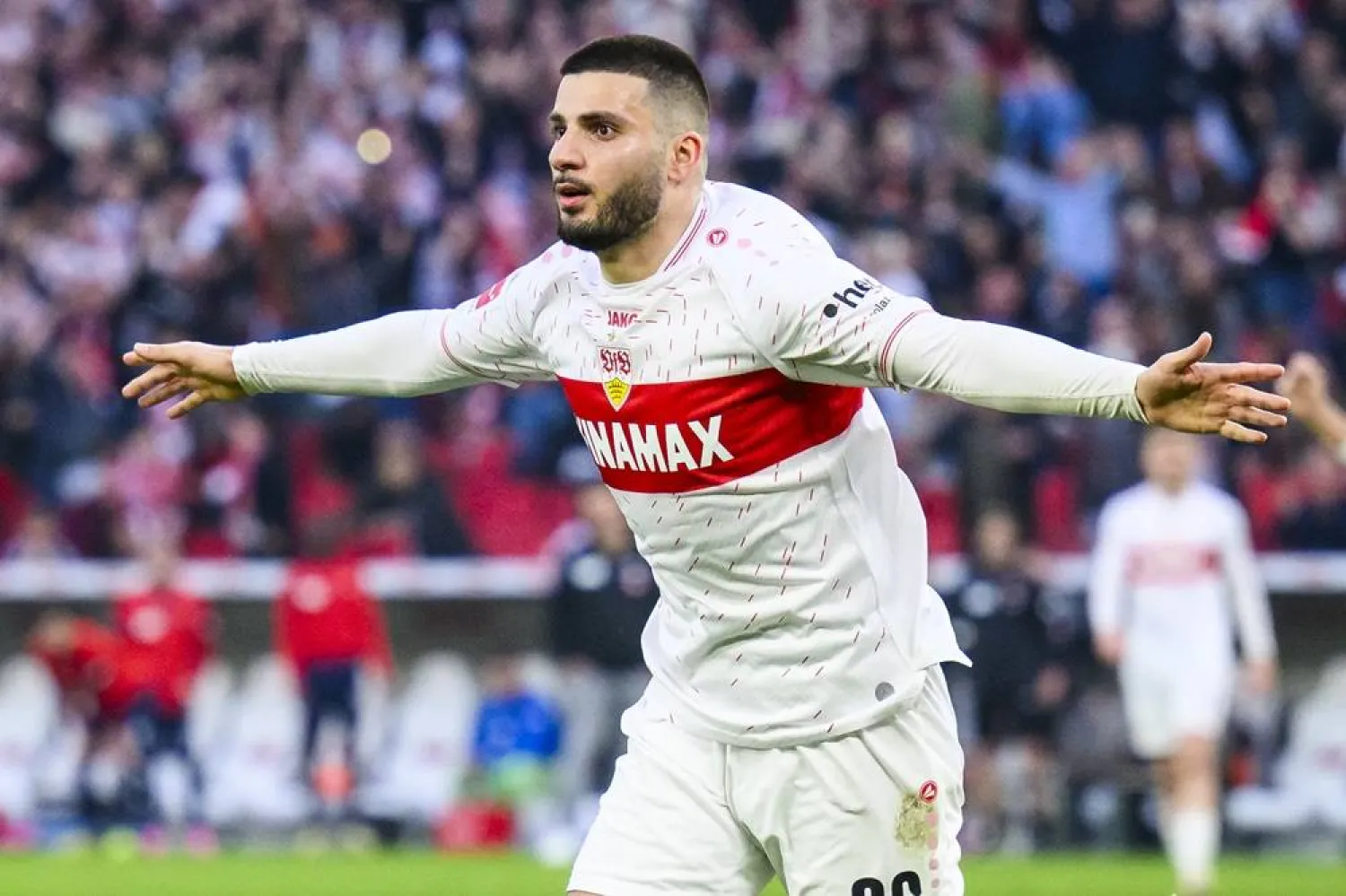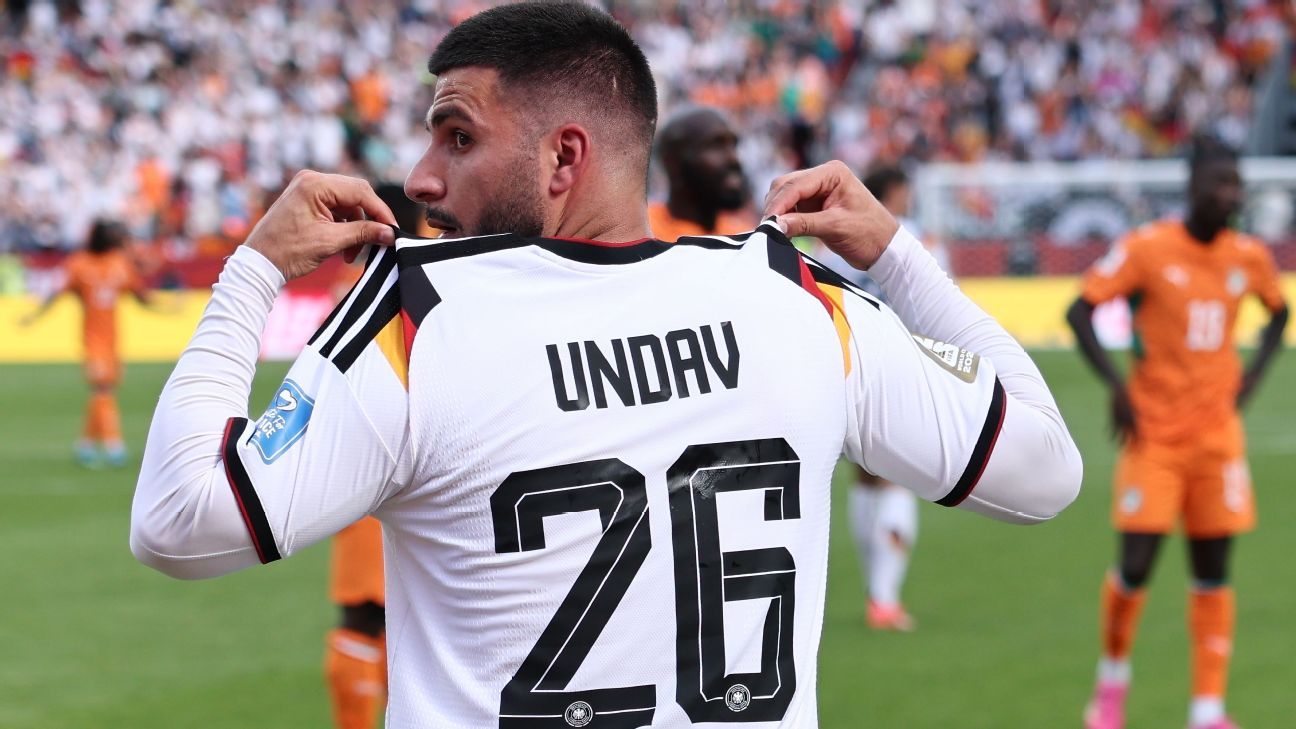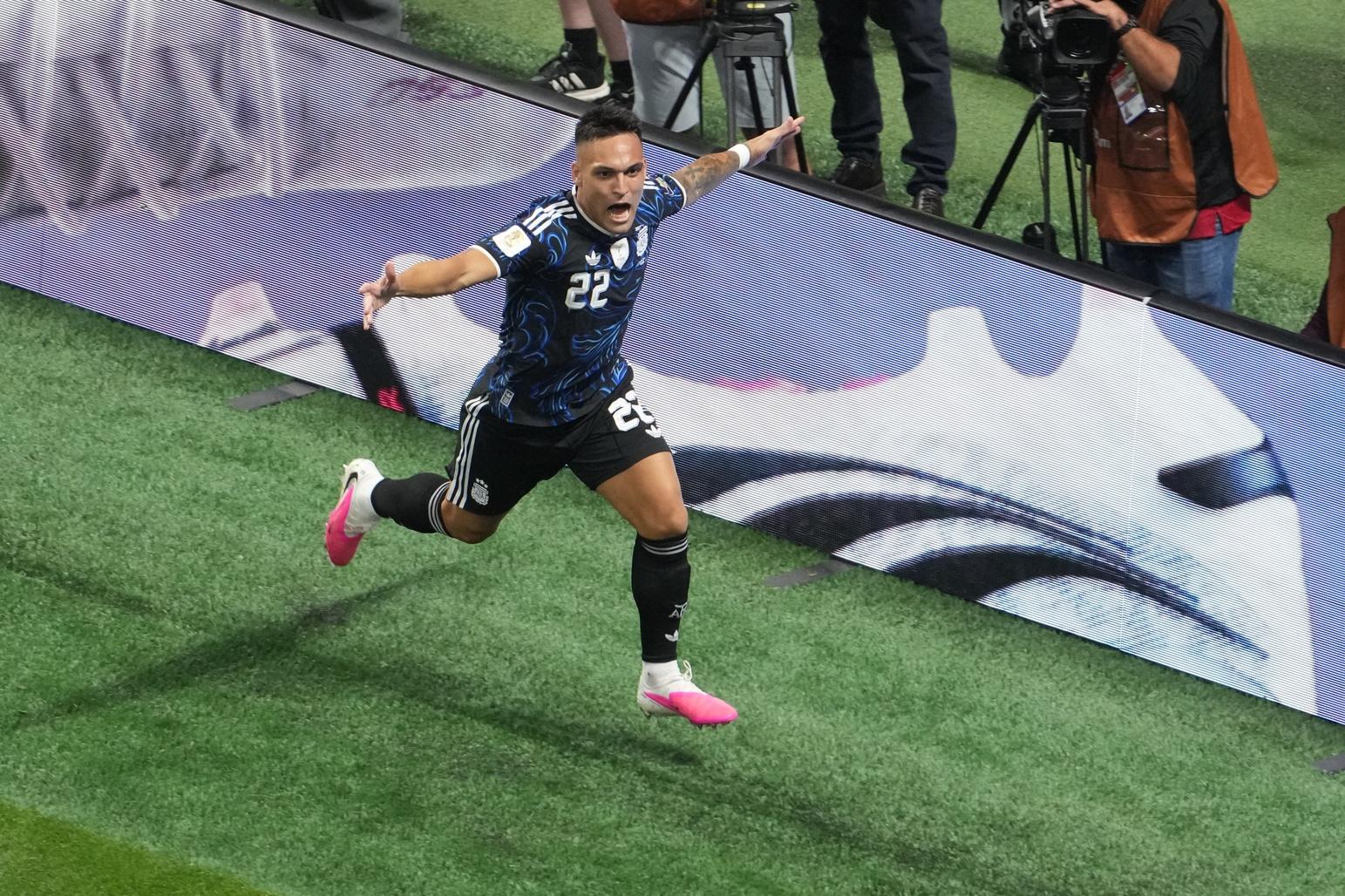
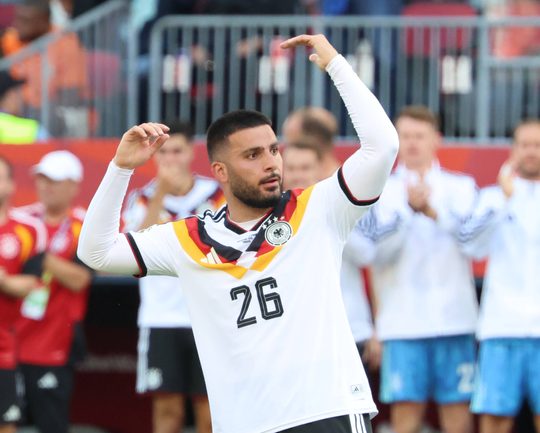
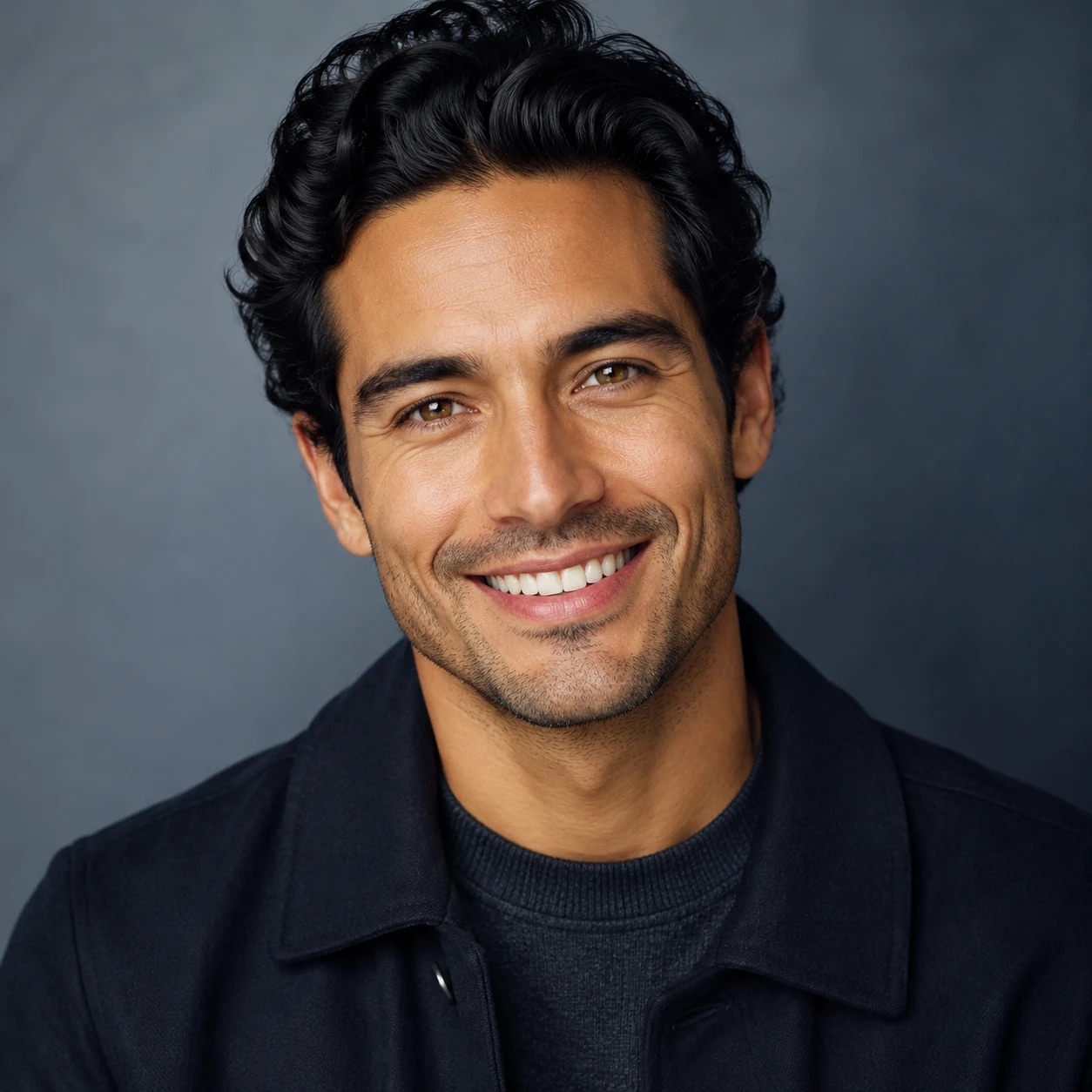
Three goals and two assists in 56 minutes of football. That is the haul Deniz Undav assembled off the bench in two World Cup matches in June 2026, a return so efficient it briefly made him a joint-top scorer at the tournament and a folk hero to anyone who has ever been told they were too short, too slow, or too late to make it. The numbers are absurd on their own. They become almost unbelievable when you trace them back to where they started: a regional German fifth tier where Undav was a teenager scoring against semi-professional defenders, years away from a Bundesliga pitch and a lifetime away from a Germany shirt.
His climb is the kind that does not happen anymore, or so the modern football academy system would have you believe. No early prodigy label, no fast-tracked development pathway, no agent steering him toward a glamour club at sixteen. Undav did it the slow way, the way that breaks most players before they ever get near the top, and the fact that he arrived at the 2026 World Cup as one of Germany’s most dangerous attackers is the payoff to a story that took more than a decade to build.
A Stat That Frames an Unlikely Rise
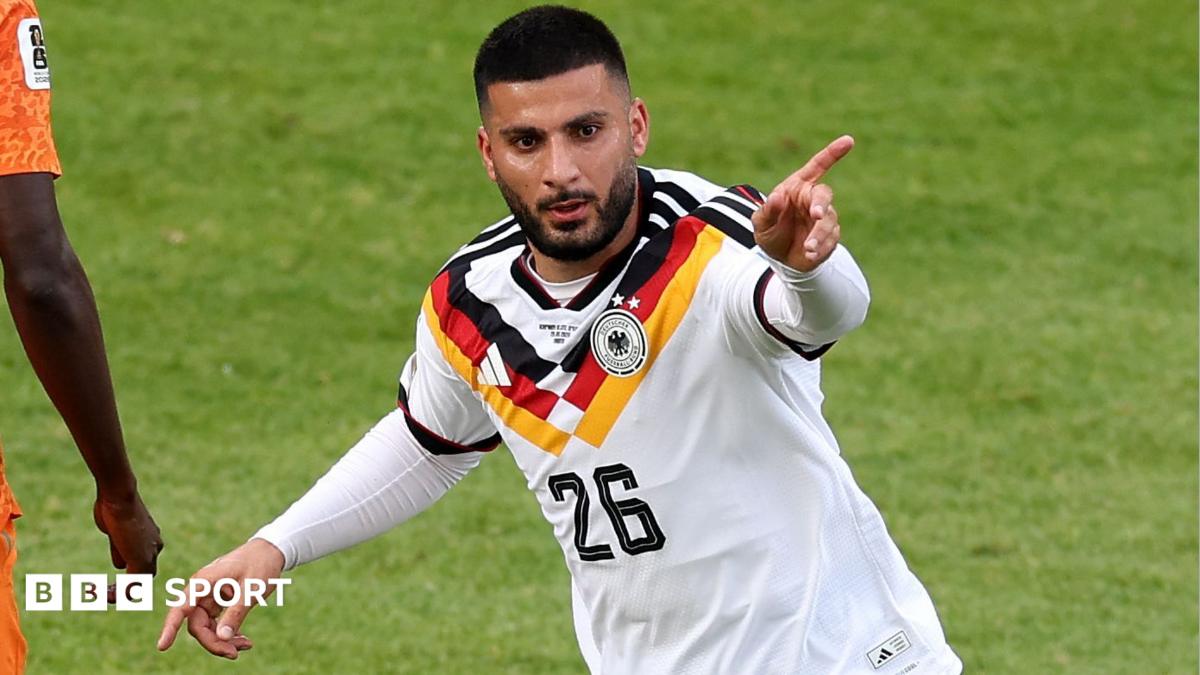
Start with the divisions, because the divisions tell the story better than any quote could. Undav has scored goals in the German Regionalliga (the fourth and fifth tier of German football), the 3. Liga, the Belgian second division, the Belgian top flight, the English Premier League, the German Bundesliga, the UEFA Champions League, and now the FIFA World Cup. That is a player who has put the ball in the net at essentially every level the European game offers, from a windswept regional ground in Lower Saxony to the biggest stage in the sport.
His overall senior career tally sits at well over 150 club goals across more than 360 appearances, assembled across seven clubs in three countries. Most strikers who reach the World Cup were identified young and protected all the way up. Undav was released, overlooked, and rebuilt himself one division at a time, having already made several of those leaps before anyone in the elite game knew his name.
The Varel Beginnings and the Lower-League Years
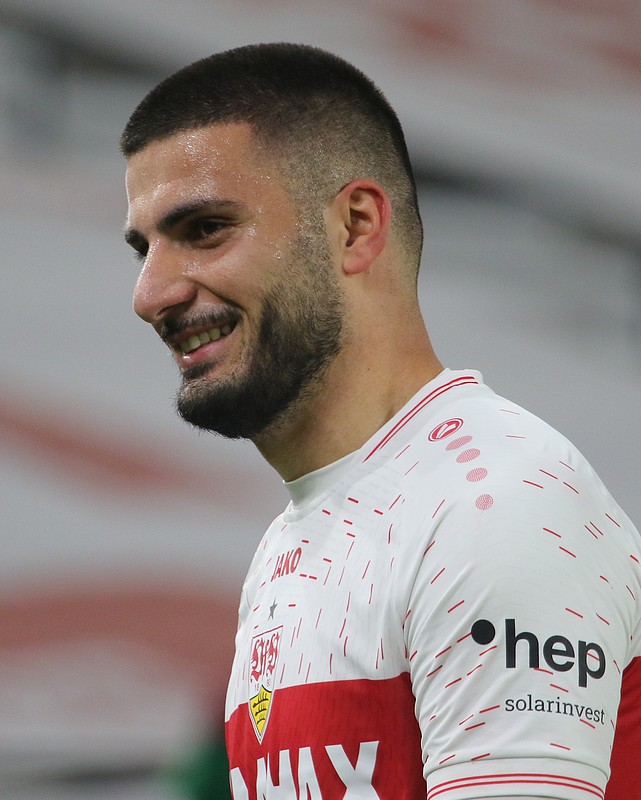
Deniz Undav was born on 19 July 1996 in Varel, a small town in Lower Saxony in northwest Germany, and grew up in nearby Achim, just outside Bremen. He comes from a Kurdish-Yazidi family of five children, with roots in the village of Isikli in the Viransehir district of Sanliurfa Province in Turkey. His grandfather migrated to Germany after pressure that followed the 1980 coup in Turkey, and that heritage would later make Undav eligible to represent either Germany or Turkey at international level, a choice he carried for years before committing.
His football began at local club TSV Achim before he joined the youth department of Werder Bremen in 2007. He spent five years in the Bremen academy and was then released, reportedly because of his lack of height, a verdict that reads almost comically in hindsight given what he went on to do. Standing around 1.79 metres, he was never going to overpower defenders physically, so he learned to play differently, with sharper movement, quicker thinking, and a finishing instinct that did not depend on being the biggest man in the box.
From Bremen he dropped down to SC Weyhe, then moved to TSV Havelse, where he made his senior debut in the 2014-15 Regionalliga Nord. This was lower-league German football in its purest form, small crowds, part-time professionalism, and no safety net. Undav responded by scoring. He netted 32 league goals across his Havelse years, then moved to the reserve side of Eintracht Braunschweig, where he added nine more in a single Regionalliga campaign. Each season he scored, someone slightly bigger noticed, and he climbed another rung.
The move that pushed him into the professional ranks proper came at SV Meppen in the 3. Liga, German football’s third tier. Across two seasons he scored 23 league goals, including 17 in the 2019-20 campaign, a tally that finally turned heads beyond Germany’s lower divisions. By the time his Meppen contract was running down in 2020, he was twenty-three years old and had never played above the third tier. Most players written off at Werder Bremen at that age have long since given up the dream. Undav was just getting to the interesting part.
The Union Saint-Gilloise Breakout
In April 2020 it was announced that Undav would leave Meppen on a free transfer and join Union Saint-Gilloise, then a club in the Belgian second division. It looked, on paper, like a sideways step into a foreign lower league. It turned out to be the launchpad.
In his first season in Belgium, the 2020-21 campaign in the Belgian First Division B, Undav scored 17 goals in 26 league games and fired Union to the title and promotion to the Belgian top flight. The club had not been in the first division for decades. What followed was the season that changed everything. In the 2021-22 Belgian Pro League, Undav scored 26 league goals, including a stunning four-goal haul away at Oostende in a 7-1 win, finished as the division’s top scorer, and was named Belgian Professional Footballer of the Year. Union Saint-Gilloise, newly promoted, stunned the country by challenging at the very top of the table, and Undav was the engine of it.
That kind of season does not stay hidden. On 31 January 2022, Brighton & Hove Albion paid a reported fee of around seven million euros to sign him, making him at the time Union’s record sale. The deal came with an immediate loan back to Union so he could finish the historic season he had started. From the German fifth tier to a Premier League contract, the journey had taken seven years and a willingness to keep proving himself in leagues most ambitious players would never have considered.
The Brighton Chapter
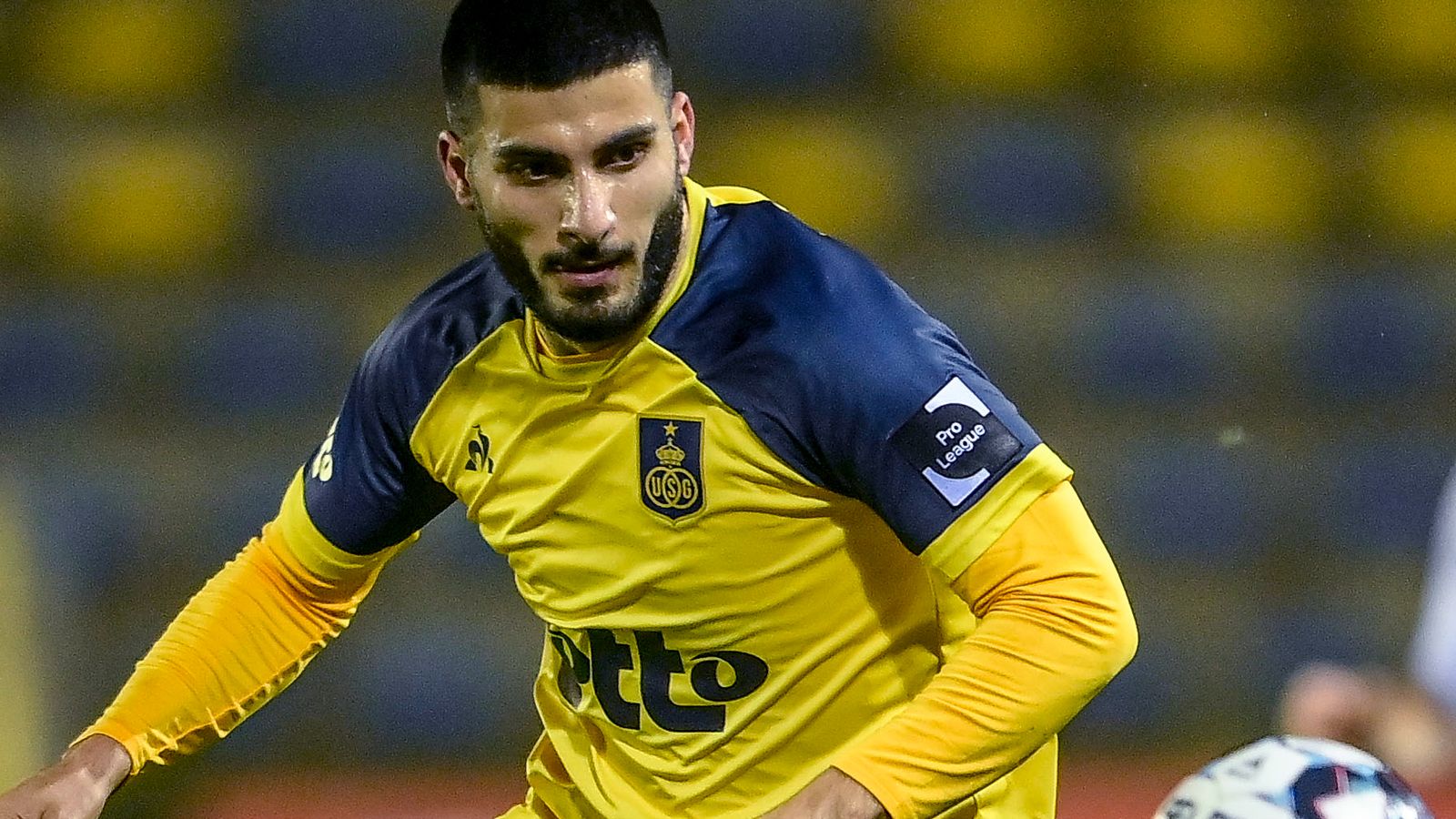
The Premier League is where fairy tales often stall, and Undav’s first season in England was a lesson in patience. He joined a Brighton side under Roberto De Zerbi that was rich in attacking talent and chances were hard to come by. He featured as a late substitute on the opening day as Brighton beat Manchester United at Old Trafford, scored his first goal in a cup tie against Forest Green Rovers, and then waited months between meaningful contributions.
His attitude through that grind became part of his appeal. “If I’m not playing from the start in six months or the first year, it’s nothing to be ashamed of,” he said at the time. “I’m trying to do something that’s really hard. From Belgium to the Premier League is like five, six levels higher.” He eventually broke through with goals against Wolves and Arsenal late in the 2022-23 season, finishing with five Premier League goals from limited starts, but the broader picture was clear. He needed regular football to show what he could do, and Brighton, building toward European qualification with a deep squad, could not always give it to him.