Cape Verde's World Cup Journey: How a Small African Island Nation Became a Global Football Story
Tristan Melo··9 min read
Ad SpaceArticle Top - 728x90
Advertisement
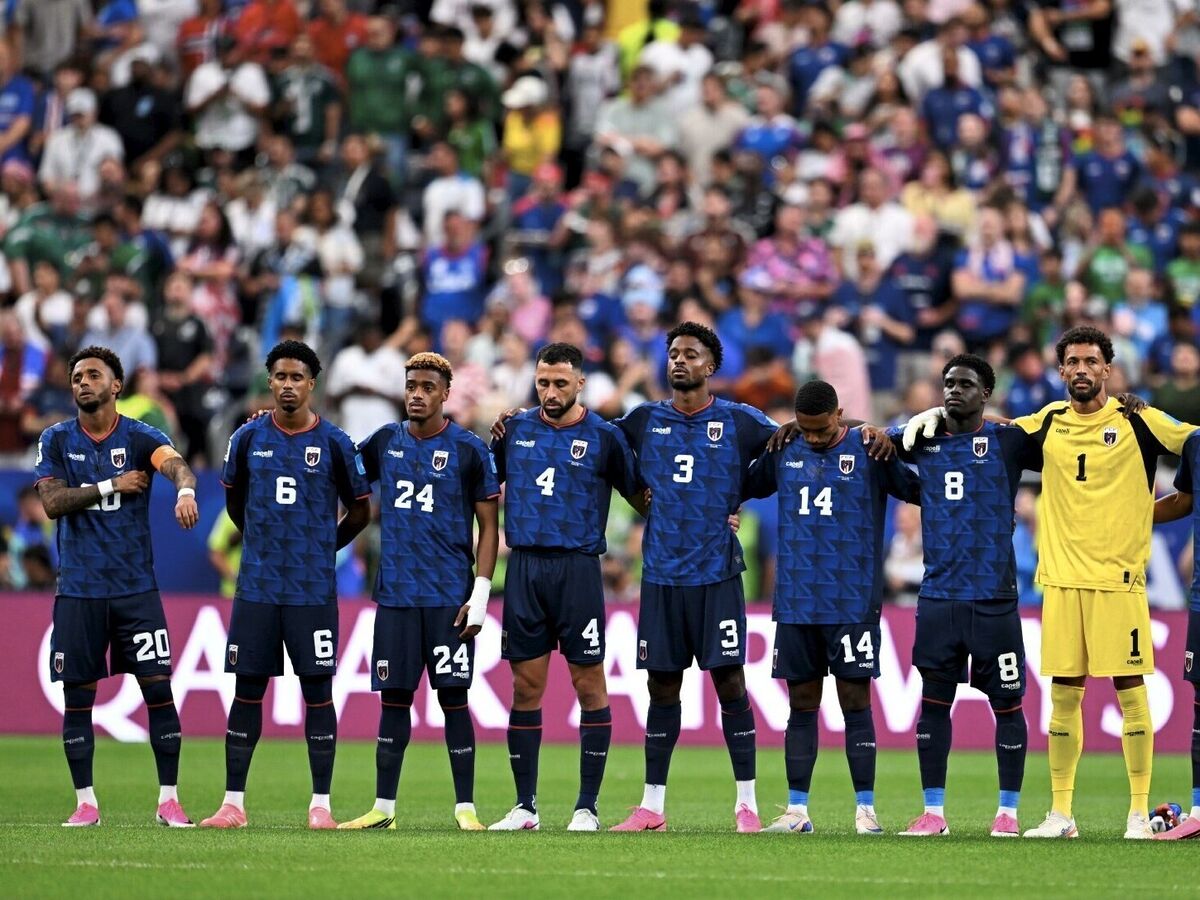
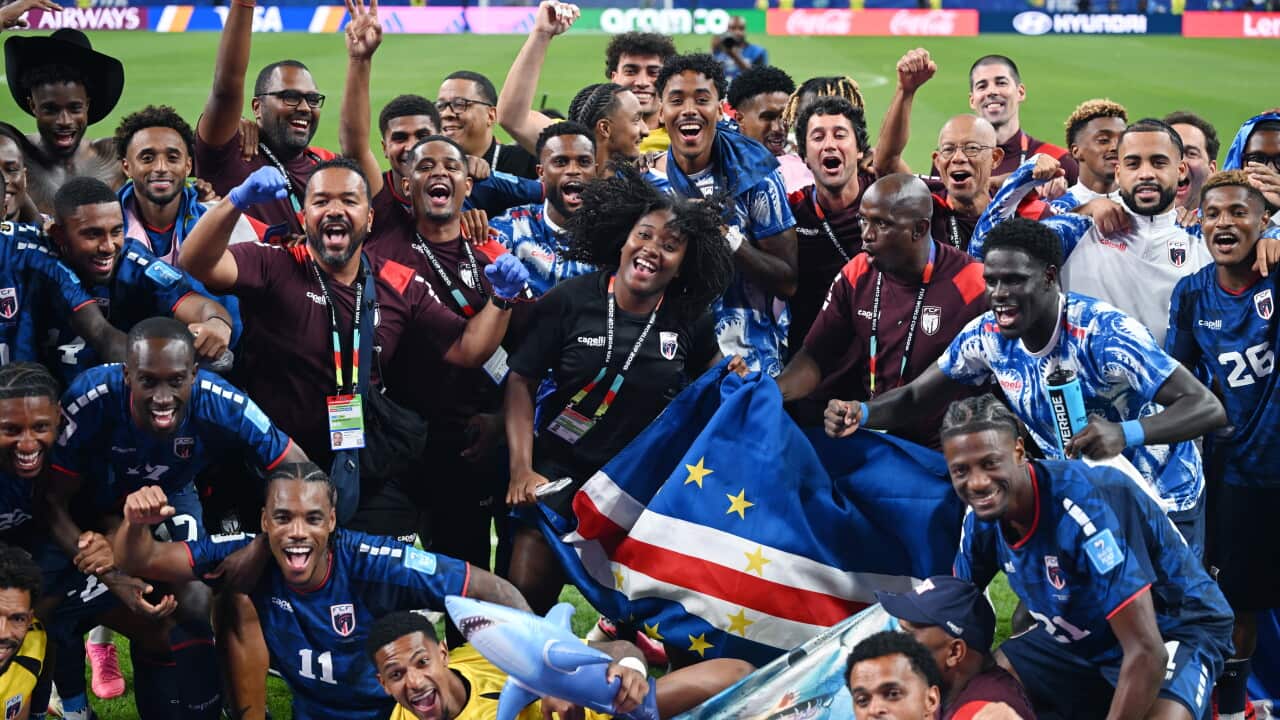
Ten volcanic islands sit scattered in the Atlantic off the coast of West Africa, home to fewer people than a mid-sized European city. On a single night in October 2025, that cluster of islands stopped being a geography quiz answer and became football folklore. A 3-0 win over Eswatini was the final whistle on something that, for most of the country’s history, would have sounded like a fever dream: a place with fewer than 525,000 residents booking a ticket to the biggest sporting event on the planet. The Blue Sharks were going to the World Cup, and they were doing it as one of the smallest nations ever to make the trip.
What followed in the summer of 2026 only deepened the story. This is not a tale about a lucky run or a one-off result that fades by the next qualifying cycle. It is the story of a federation that started from almost nothing, a diaspora that stretches across half of Europe, and a coaching project that turned scattered talent into a team capable of holding the European champions to a goalless draw on the world’s grandest stage. The numbers behind it remain hard to believe even now that they are in the record books.
A Nation Smaller Than the Stadiums It Now Fills
To understand why Cape Verde’s qualification landed with such force, you have to sit with the scale of it. The archipelago covers roughly 4,033 square kilometres of land, much of it dry and mountainous, spread thinly across ten islands. The resident population sits at just under 525,000, which makes the country one of the least populated to ever reach a senior men’s World Cup. Many of the host stadiums across the United States, Canada and Mexico can seat a meaningful fraction of the entire nation in a single afternoon. That contrast is not a gimmick. It is the whole point.
For comparison, the qualification milestone was framed at the time as Cape Verde becoming the second-smallest country by land area to reach the finals, alongside being among the very least populated. When Curacao sealed its own historic spot a month later, the records shuffled slightly, with Cape Verde recalculated as the third-least populated nation to qualify. The exact ranking matters less than the headline it confirms. Tiny places, long treated as footnotes in the global game, were suddenly writing the lead story.
The footballing infrastructure tells the same David-and-Goliath tale. The Cape Verdean Football Federation was formed in 1982 and only joined FIFA in 1986, decades after the established powers had built their academies and leagues. Domestic football here is modest by design, shaped by limited resources and a population that cannot sustain a deep professional pyramid on its own. For a long stretch, that ceiling looked permanent. The path the Blue Sharks eventually found ran straight through the one resource the islands have always exported in abundance: their own people.
The Diaspora That Built a Squad
Cape Verde’s defining advantage is also its oldest wound. For generations, drought, hardship and limited opportunity pushed Cape Verdeans to leave, and they settled in large numbers across Portugal, France, the Netherlands, Luxembourg, the United States and beyond. By most estimates, the global Cape Verdean diaspora is larger than the population that remains on the islands. Those families put down roots in countries with some of the most sophisticated youth football systems on earth. Children of Cape Verdean descent grew up in the academies of Lisbon, Rotterdam and Paris, learning the game inside structures their grandparents could never have accessed back home.
The national team’s modern rise is the story of bringing those players back into the fold. Many of the men who carried the Blue Sharks toward the 2026 finals were born and raised in Europe, eligible for Cape Verde through parentage and proud to choose it. This is not unique to Cape Verde, as plenty of African and smaller nations lean on heritage players, but few have leveraged it so completely or so cleverly. The federation treated its scattered bloodline as a recruiting map, scouting the lower and middle tiers of European leagues for technically polished players who might otherwise never get an international cap.
That approach has its sceptics, who argue heritage selection waters down what a national team is supposed to represent. The counterargument, which Cape Verde embodies, is that identity does not stop at a border. These players speak of the islands as home, return for matches that feel like homecomings, and carry the flag with visible emotion. For a nation built by migration, a team built by migration is not a loophole. It is the most honest possible reflection of who Cape Verdeans actually are and where life scattered them.
From 182nd in the World to AFCON Quarter-Finals
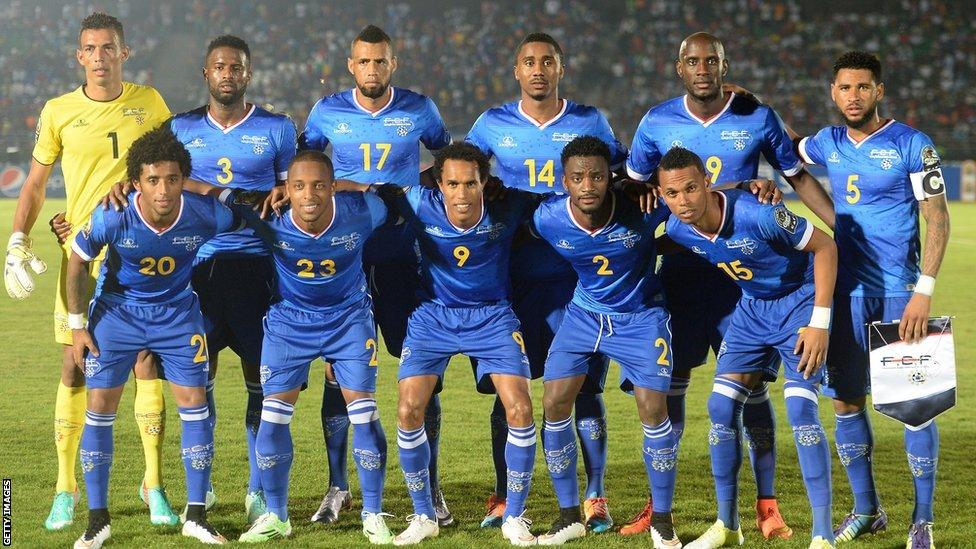
The climb did not happen overnight, and it is worth remembering how low the starting point was. Around the year 2000, Cape Verde’s FIFA ranking sank to roughly 182nd in the world, deep in the company of football’s smallest and least competitive sides. There was little to suggest what was coming. The first real signal arrived in 2013, when the Blue Sharks reached the Africa Cup of Nations for the first time, knocking out a far larger and more storied Cameroon side to get there. For a debut continental campaign, they did not just make up the numbers. They reached the quarter-finals.
That 2013 breakthrough reframed expectations. By February 2014, Cape Verde had climbed to a peak FIFA ranking around 27th, an astonishing position for a country of its size and an indication that the AFCON run was no accident. Further finals appearances followed, with the team qualifying for the tournaments held in 2015, 2021 and 2023. The 2023 edition produced another quarter-final, confirming that the quarter-final run a decade earlier was a foundation rather than a fluke. Across these campaigns, the Blue Sharks earned a reputation as a disciplined, hard-to-beat side that punched far above its demographic weight.
Ad SpaceIn-Article - 300x250
Advertisement
Each cycle added a layer. Players gained tournament experience, the federation refined its scouting and the squad developed a spine of leaders who had now competed against the continent’s heavyweights and held their own. The World Cup, long treated as belonging to a different category of nation entirely, started to feel less like a fantasy and more like the next logical rung. The gap between AFCON quarter-finalist and World Cup qualifier is enormous, but for the first time, Cape Verde was standing close enough to see across it.
Bubista and the Campaign That Made History
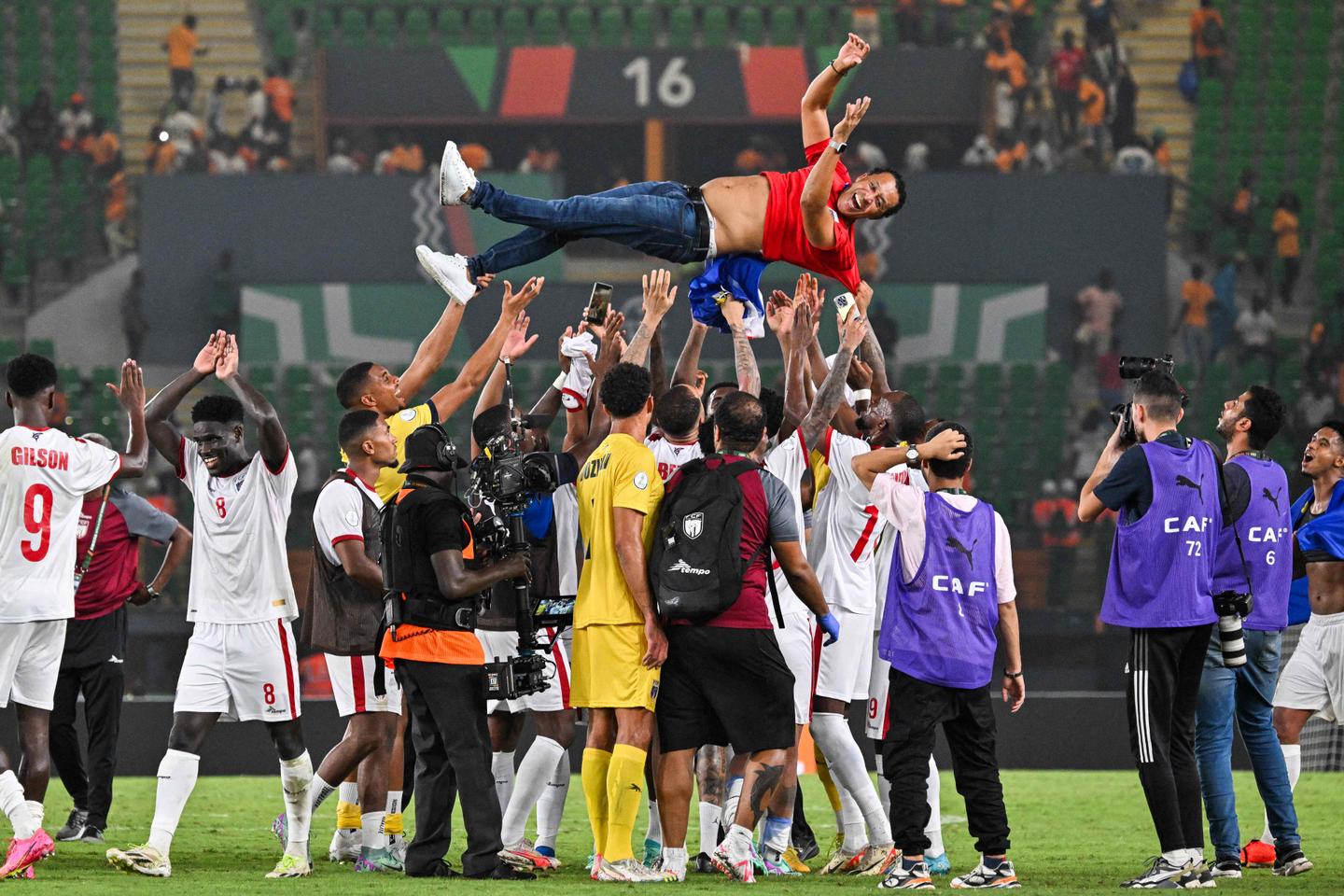
The man most often credited with turning potential into qualification is Pedro Leitao Brito, known to everyone as Bubista. His story mirrors the team’s. A former Cape Verde captain who earned 28 caps as a central defender, he understands the project from the inside, having worn the shirt before he ever drew up a tactic for it. Building from a structured 4-2-3-1, he forged a team identity rooted in organisation, counter-attacking threat and a refusal to be intimidated by bigger names. His work through the qualifying cycle earned him recognition as CAF Coach of the Year in 2025, a fitting marker for the campaign he masterminded.
The qualifying group itself was a genuine test, featuring Cameroon, Angola, Libya, Mauritius and Eswatini. Cameroon, with its history of World Cup appearances and a deep pool of elite players, was the clear favourite on paper. Cape Verde simply outperformed them over the long haul. The Blue Sharks won seven of their ten qualifying matches, scoring 16 goals while conceding only eight, and finished as group winners clear of Cameroon. As the group’s top side, they earned direct qualification rather than being routed into a nervy playoff. The 3-0 win over Eswatini that sealed it on 13 October 2025 was the moment a generation of Cape Verdeans had been chasing.
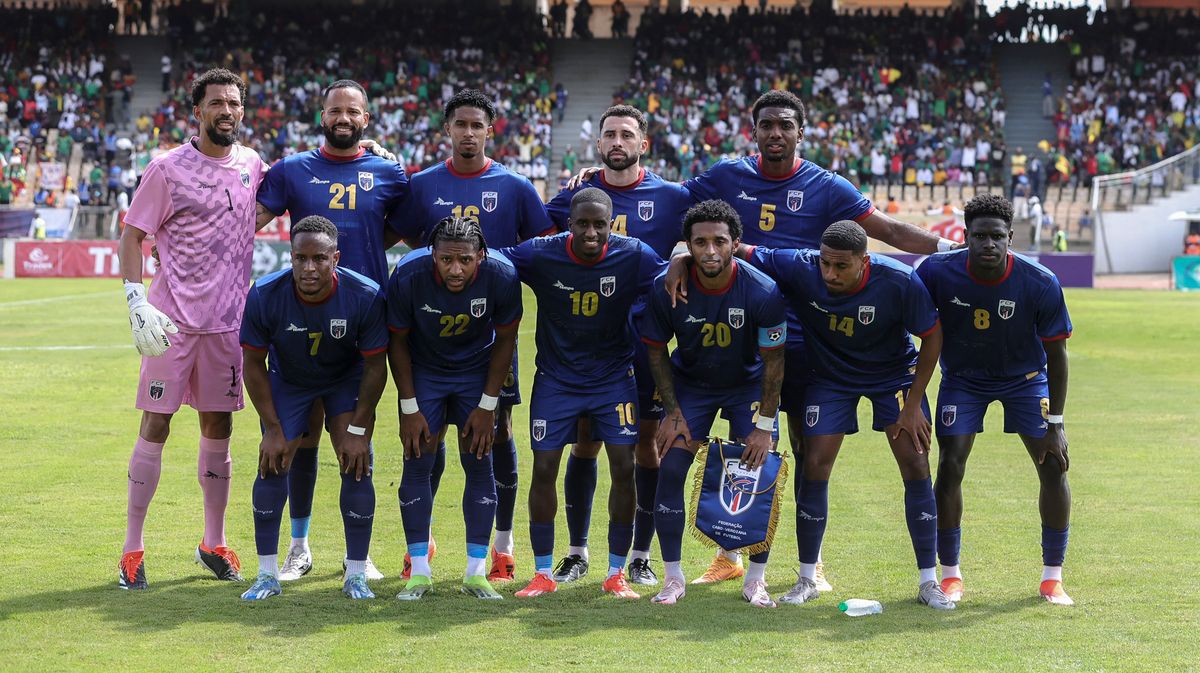
The leadership group reflected the long build. Captain Ryan Mendes arrived at the finals as the nation’s all-time leader in both caps and goals, a veteran winger whose pace and experience anchored the attack inside Bubista’s system. Midfielder Jamiro Monteiro brought European pedigree to the engine room, while attacking talents such as Jovane Cabral and the qualifying campaign’s reliable scorer Dailon Livramento gave the side an end product. In goal, the veteran Vozinha, born Josimar Dias, completed an improbable personal arc by reaching the World Cup deep into his career. These were not household names in the global sense, and that was exactly what made the achievement resonate.
Holding the Champions and Reaching the Knockouts
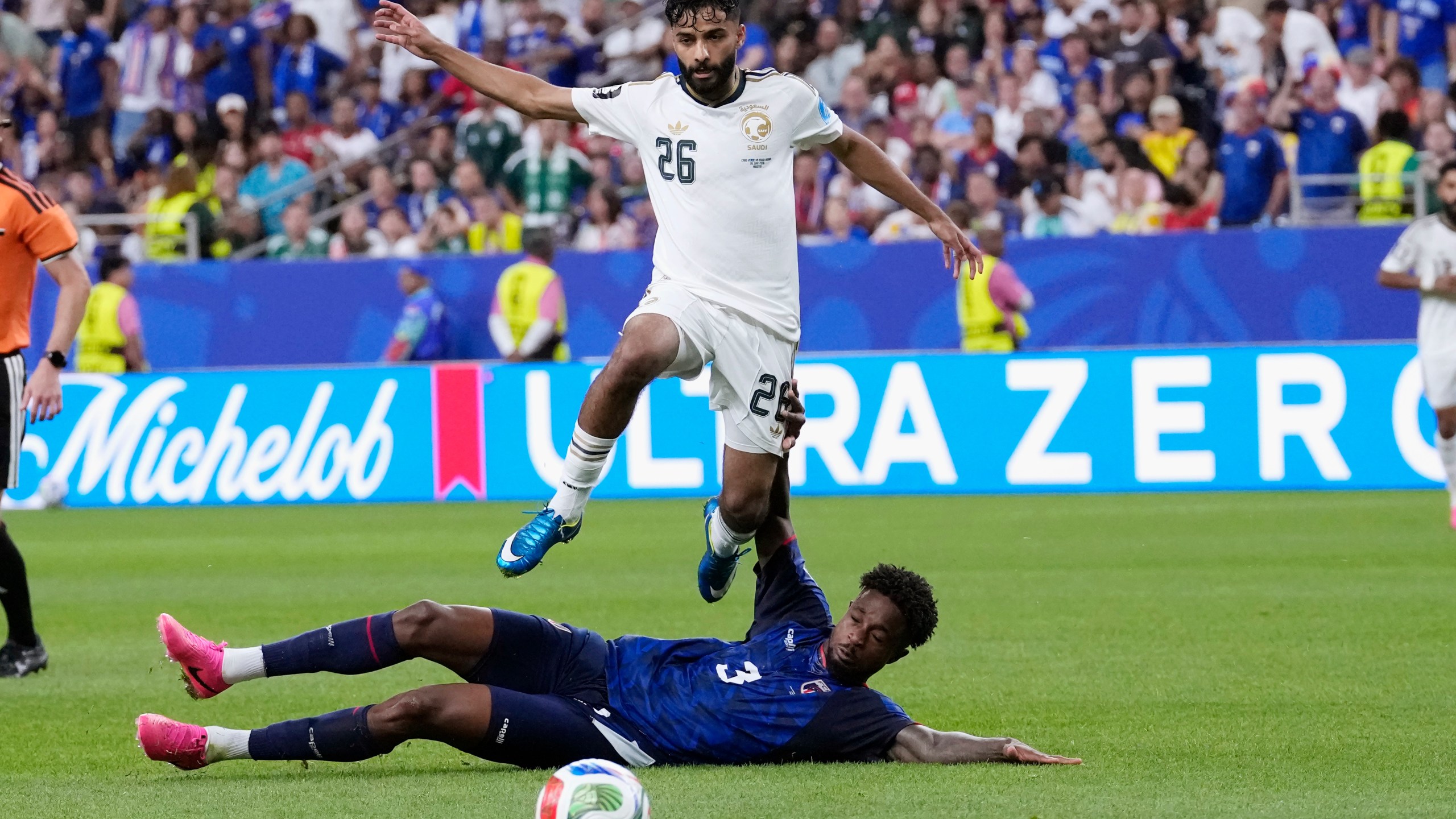
Qualification alone would have been enough to fill the country’s history books. What happened at the tournament pushed the story somewhere few neutrals expected. Drawn into a group alongside Spain, Uruguay and Saudi Arabia, Cape Verde were widely tipped to be the side everyone else collected points against. Instead, the Blue Sharks refused to read the script. In their opening match against Spain, the reigning European champions and one of the most technically gifted teams in the world, Cape Verde defended with nerve and discipline to earn a 0-0 draw and the first World Cup point in the nation’s history.
That result was reported as one of the bigger shocks in the competition’s long history, and it was no isolated act of resistance. Cape Verde went on to draw all three of their group matches, grinding out the kind of stubborn, well-organised performances that Bubista had built the team around. When the group settled, Spain finished top and Cape Verde took second place, edging out more illustrious opposition to advance. By reaching the Round of 32, the Blue Sharks were noted as the smallest nation by population ever to reach the men’s World Cup knockout phase, and the first World Cup debutant to advance to the knockouts since Slovakia in 2010.
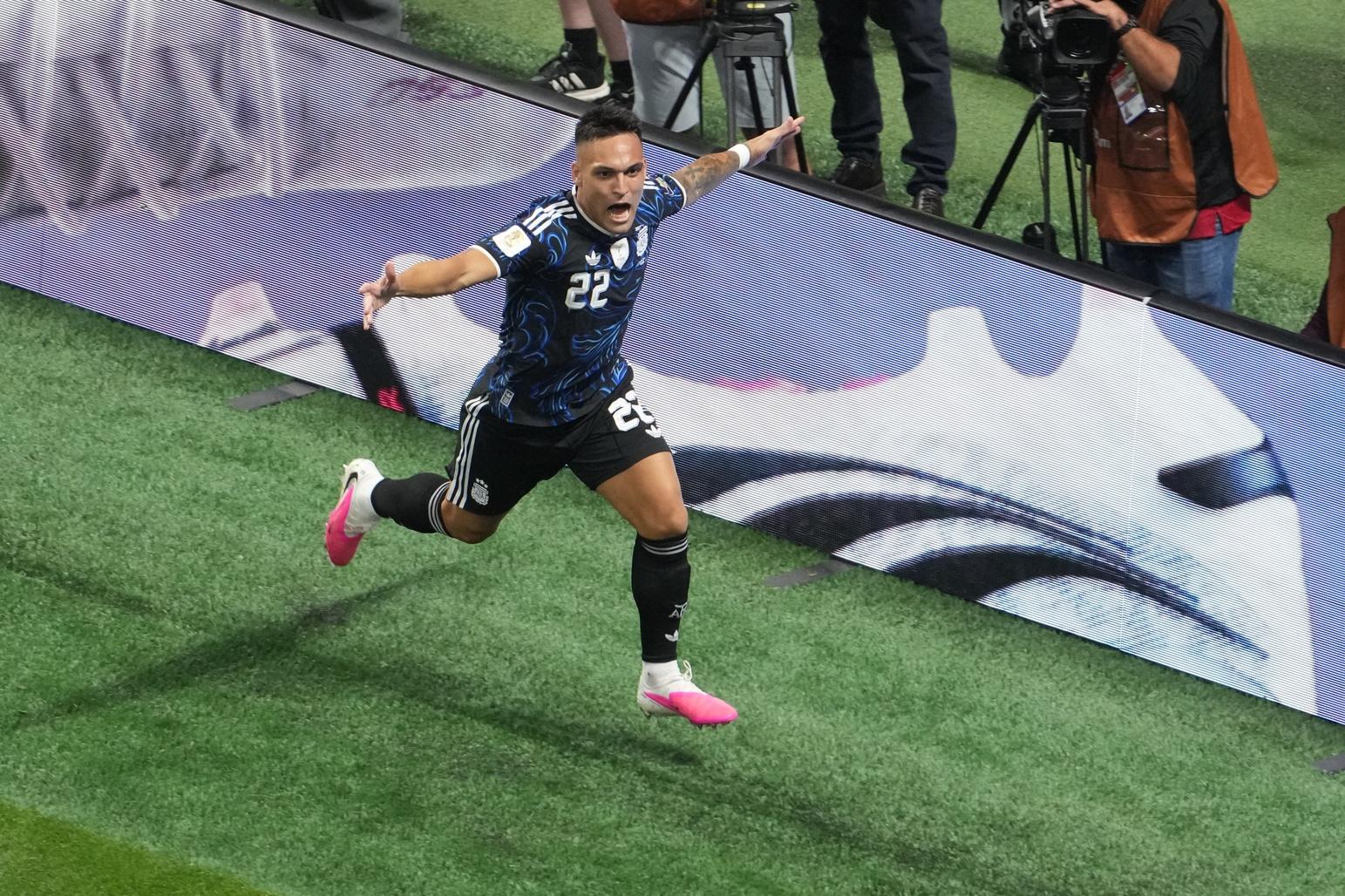
The reward was a fixture that captured the absurd beauty of the whole journey. Cape Verde, a half-million-strong archipelago competing in its first ever World Cup, lined up in the knockout rounds against Argentina, the defending world champions led by one of the greatest players the sport has known. Whatever the outcome of that tie, the symbolism was already complete. A team scouted from the back rooms of European football and the bloodlines of a scattered nation had earned its place among the last thirty-two teams standing, sharing a pitch with the very best on the planet. For Cape Verde, simply being in that conversation was a victory no scoreline could erase.
Why the Blue Sharks Matter Beyond the Result
Strip away the records and the romance, and Cape Verde’s run carries a practical message for the rest of the football world. It is a proof of concept for small nations everywhere, a demonstration that a clear identity, a smart use of diaspora talent and patient, continuous coaching can collapse the distance between a footballing minnow and the global elite. The Blue Sharks did not buy their way to the World Cup or stumble into a soft draw. They built a method over more than a decade, from that first AFCON shock in 2013 to the qualification of 2025, and then trusted it against the best.
For African football, the achievement sits alongside a broader shift. The continent’s representation at the World Cup has grown, and the nations filling those places are no longer only the traditional powers. A country like Cape Verde reaching the knockouts widens the definition of who belongs at this level and quietly raises the ceiling for every other small federation watching from the stands. Somewhere, a tiny nation with a big diaspora and a modest budget is taking notes, because the Blue Sharks just showed the homework can be done.
There is something fitting about a nation forged by departure finding its greatest unity in a team scattered across the globe. The islands sent their people out into the world for generations, and in 2026 the world sent a version of them back, wearing blue, holding the European champions, and standing among the last teams in the tournament. Cape Verde did not just qualify for a World Cup. It turned its own history of distance and migration into the unlikeliest of homecomings, played out in stadiums larger than the country itself.
Ad SpaceIn-Article - 300x250
Advertisement
Share
Get the recap
Loved this story? Get more like it.
Join readers who get our weekly entertainment recap - the stories worth your time, delivered every Friday.
No spam. Unsubscribe anytime. By signing up you agree to our Privacy Policy.