Behind every Nollywood film that breaks through, lands on Netflix, or sparks a national conversation sits a director making thousands of small decisions most viewers never see. Cast a different actress, hold a shot two seconds longer, soften the colour grade, change the ending from triumph to ambiguity. Those decisions add up to a body of work, and a body of work adds up to a voice. The directors below have voices distinct enough to pick their films out of a lineup, and influential enough that the rest of the industry has been shaped by what they choose to put on screen. The selection is a Sidomex editorial judgement, not a ranking, and it is ordered roughly by generation rather than by merit.
Tunde Kelani
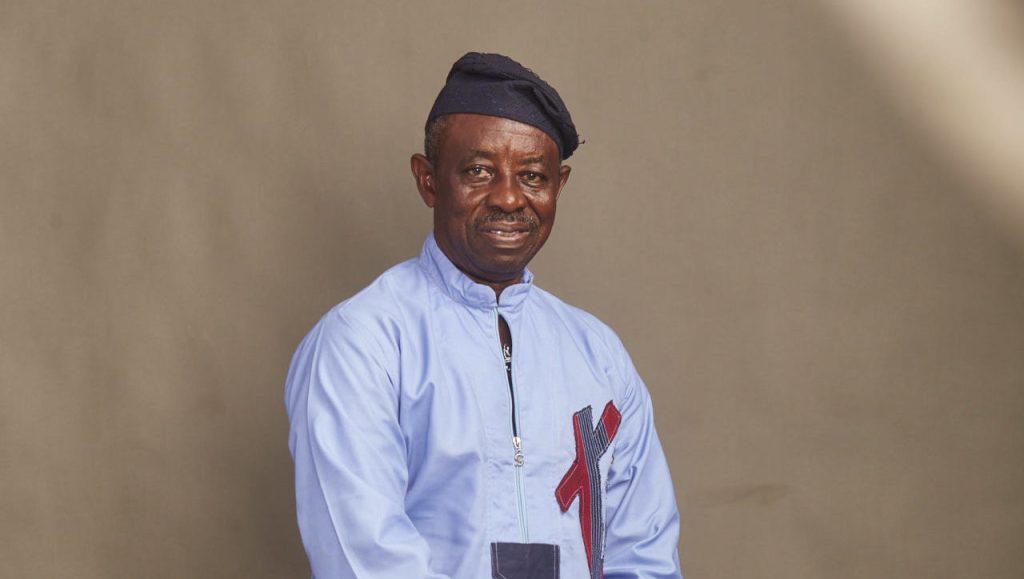
Among the founding fathers of modern Yoruba cinema, Tunde Kelani occupies a place no one else can fill. His Mainframe Productions, established in the early 1990s, treated Yoruba folklore and political satire as serious cinema decades before the rest of the industry caught up. “Saworoide” turned a folktale about a cursed talking drum into a sharp commentary on Nigerian governance, and “Thunderbolt: Magun” wove traditional belief into a story about marriage, mistrust, and a fatal curse that strikes unfaithful women.
What sets Kelani apart is patience. He shoots long takes, lets actors breathe inside scenes, and trusts viewers to follow Yoruba dialogue without rushing to translate. Most Nollywood films of his era were shot in two weeks on VHS. Kelani worked in 16mm, took months on a single project, and built a visual grammar that the current generation of Yoruba-epic filmmakers has drawn on. Without him, the recent boom in Yoruba epics has no foundation.
Mahmood Ali-Balogun
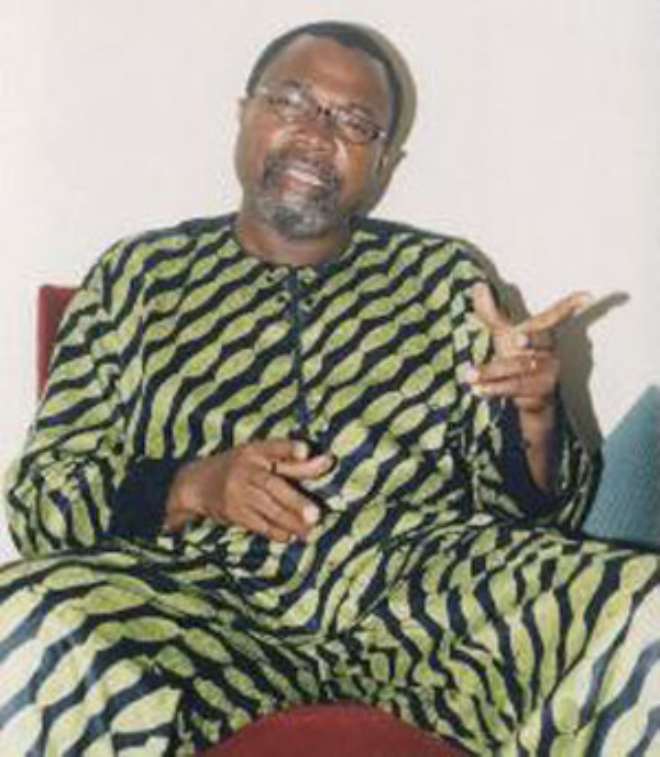
A contemporary of Kelani and one of the architects of Nollywood’s transition from video to celluloid, Mahmood Ali-Balogun has carried the case for serious cinema for over three decades. His feature “Tango with Me” tackled marital rape and sexual trauma with the kind of restraint and emotional weight that Nollywood, then leaning heavily on melodrama, was not used to attempting. The film picked up festival recognition and proved that a Nigerian audience would sit with difficult subject matter if the storytelling earned their attention.
Ali-Balogun has also been a vocal advocate for industry structure, pushing for guilds, copyright enforcement, and government recognition of film as a serious sector. Younger directors making polished Netflix originals are walking on infrastructure he fought to build.
Izu Ojukwu
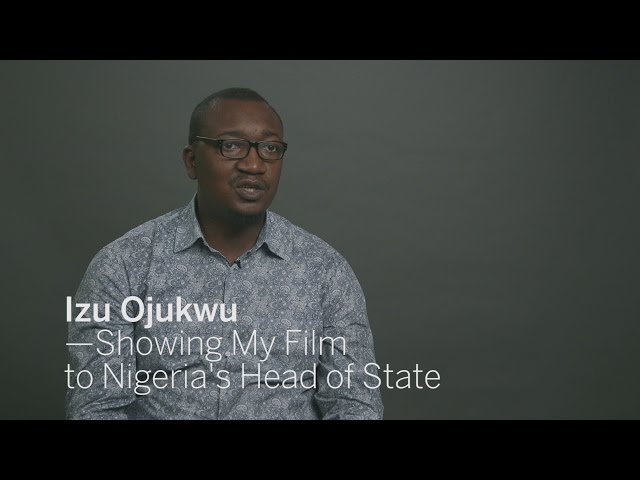
Few directors in Nigeria can match Izu Ojukwu’s eye. Trained as a cinematographer and director, he has spent his career making images that look like paintings. His film “76”, set against the backdrop of the 1976 military coup that killed General Murtala Mohammed, is one of the most visually ambitious Nigerian films ever made. Period costumes, vintage cars, recreated barracks, and Ramsey Nouah and Rita Dominic giving career-best performances combined to produce a war-era love story that earned its scale.
Ojukwu’s reputation inside the industry is that of a craftsman. Other directors call him when they need a second pair of eyes on a tough scene, and his influence runs through younger filmmakers who studied under him or apprenticed on his sets.
Newton Aduaka
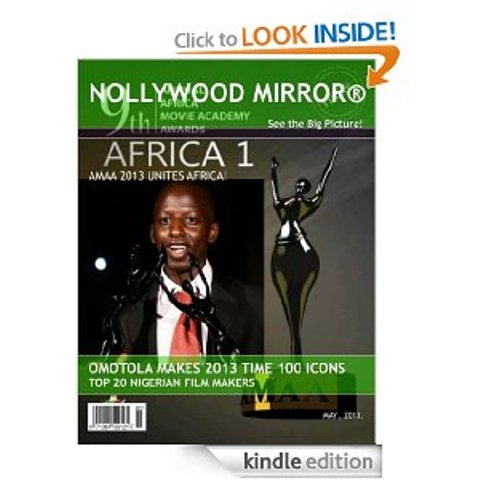
A Nigerian-born, London-based director whose feature “Ezra” won the Grand Prize at FESPACO in 2007, Newton Aduaka represents the international art-house wing of Nollywood. “Ezra” follows a child soldier in Sierra Leone trying to reconstruct his memory of the atrocities he committed and witnessed. It is hard to watch, formally adventurous, and entirely unlike the commercial Nollywood product of its era.
Aduaka has not chased the Lagos studio system. Working across France, the UK, and West Africa, his career is a quiet argument that a Nigerian director can build a serious international filmography without depending on Surulere distribution. Younger art-house filmmakers point to him as proof the path exists.
Kunle Afolayan
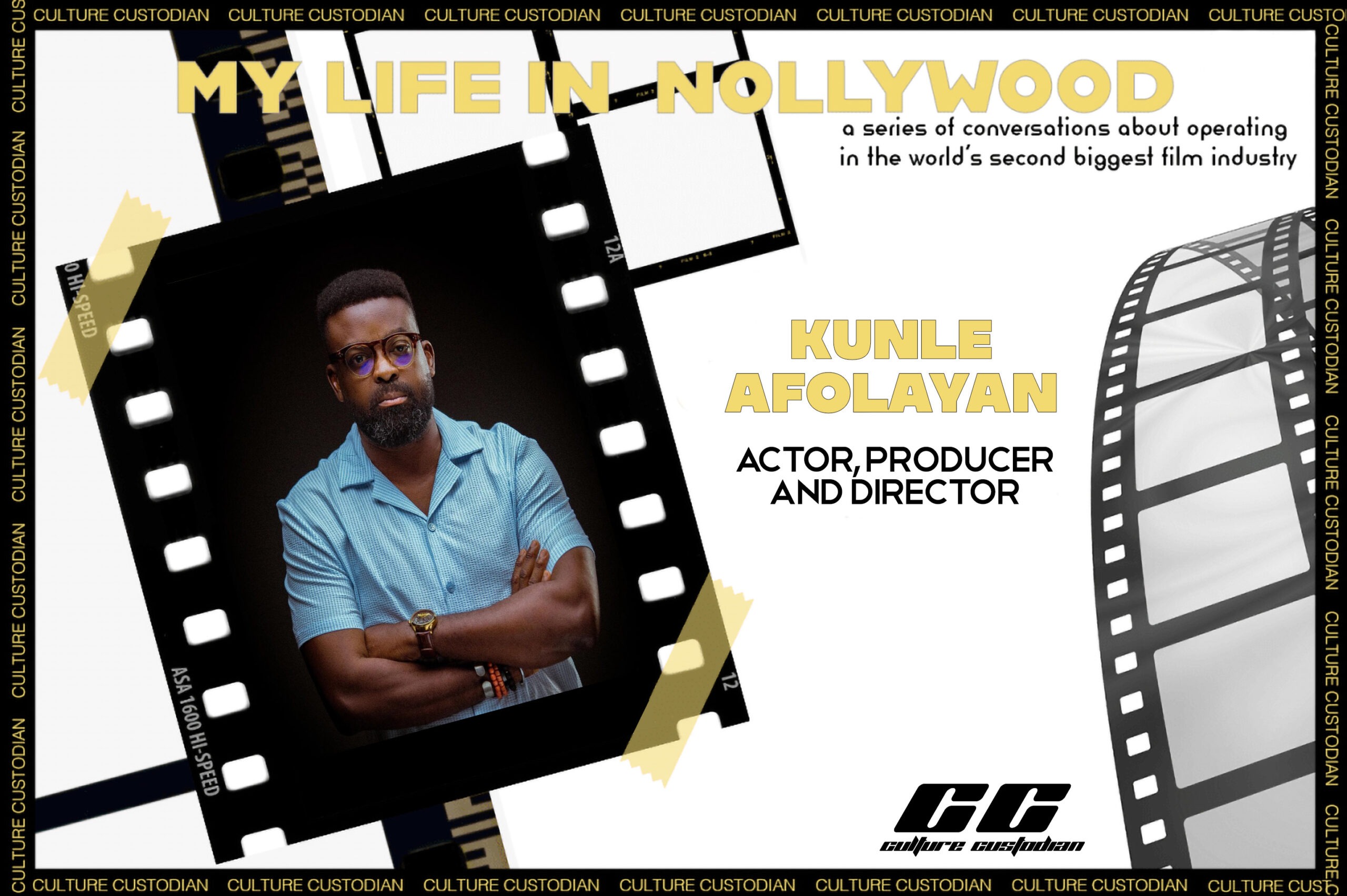
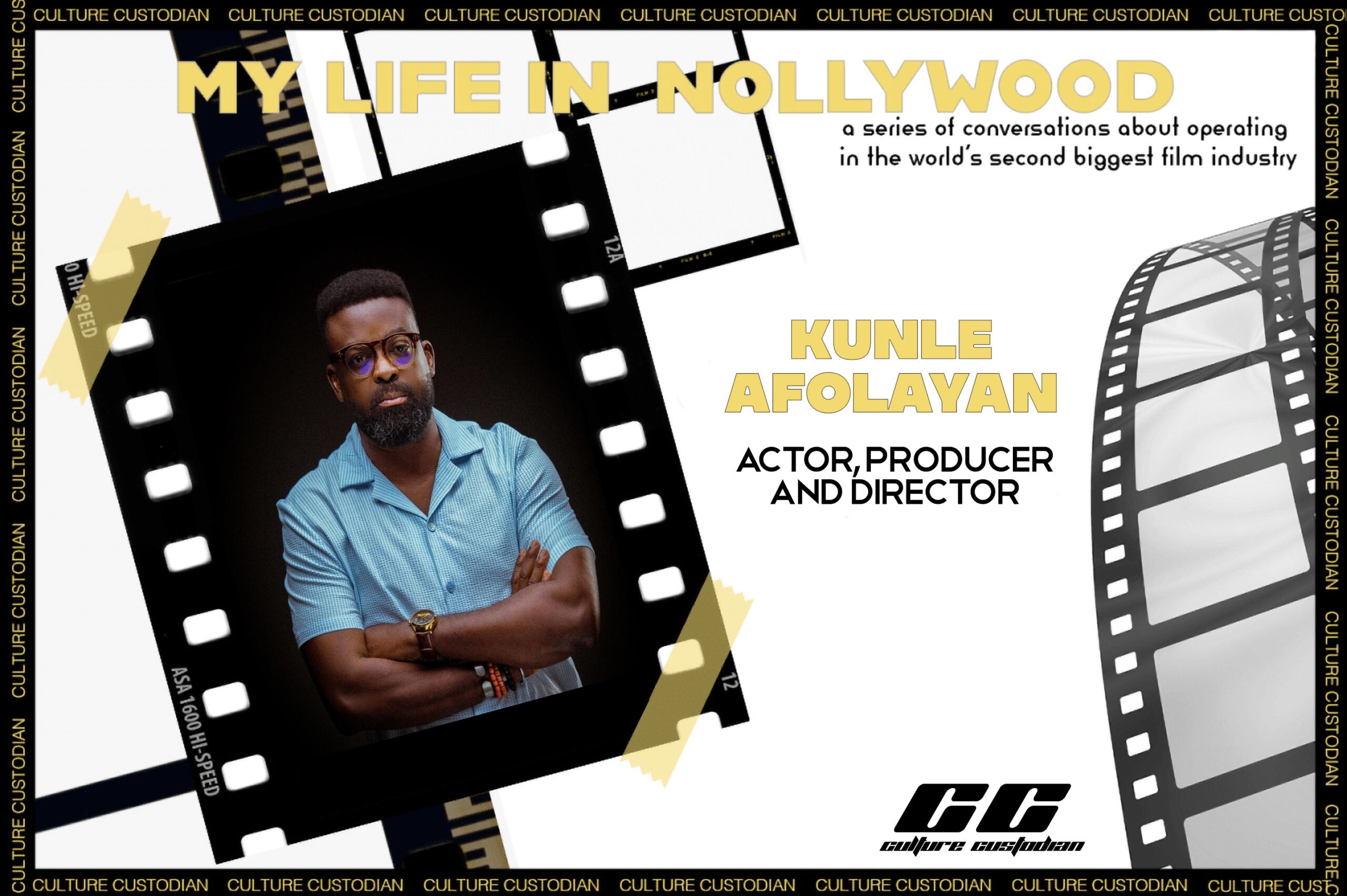
If one director has come to symbolise the Nollywood New Wave, it is Kunle Afolayan. “The Figurine” arrived in 2009 with a thriller plot, supernatural undertones, and production values that made the industry rethink what was possible on a Nigerian budget. He followed with “October 1”, a historical murder mystery set on the eve of Nigerian independence, “The CEO”, “Citation”, which tackled sexual harassment in academia, and “Anikulapo”, a Yoruba mythological epic that pulled crowds to cinemas and then anchored a multi-title Netflix deal.
Afolayan’s signature is ambition married to craft. He shoots on real locations, casts seasoned theatre actors alongside film stars, and refuses to cut corners on production design. The multi-title Netflix partnership he announced in 2021 was among the first deals of its kind for a Nigerian filmmaker and opened the door for the licensing wave that followed.
Kemi Adetiba
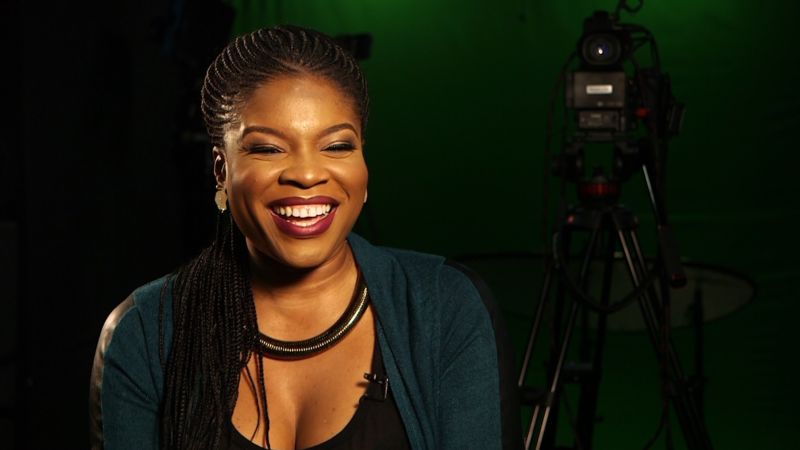
Bringing a music-video sensibility into feature filmmaking, Kemi Adetiba studied at the New York Film Academy and built her name on music videos for artists including Wizkid, Banky W, Tiwa Savage, and Omawumi, playing across MTV Base, Channel O, and Soundcity, before moving into long-form cinema. Her breakthrough was “The Wedding Party”, a romantic comedy that became the highest-grossing Nigerian film at the time and reshaped expectations for what a Lagos-set commercial film could earn at the box office.
Then came “King of Boys”, her crime saga centred on a Lagos businesswoman, played by Sola Sobowale, whose political ambitions and underworld ties collide in a way Nigerian cinema had never put on screen with that polish. The sequel series on Netflix expanded the universe further. Adetiba’s work proves that genre cinema, done with discipline, can carry political weight without losing its audience.
Funke Akindele
A rare case of a major star directing her own commercial films and out-grossing every competitor in the process, Funke Akindele has remade what a self-distributing actor-director can achieve in Nigeria. “Omo Ghetto: The Saga”, “Battle on Buka Street”, and “A Tribe Called Judah” each broke box office records in succession, with “A Tribe Called Judah” becoming the first Nollywood film to cross one billion naira in theatrical earnings.
Critics sometimes underestimate her because she works in broad comedy and family drama. The numbers say otherwise. Akindele understands her audience with surgical precision, knows when to lean into slapstick and when to pull back into real emotion. Other directors study her release strategy as closely as her films.
C.J. Obasi
Calling himself “Fiery” and meaning it, C.J. Obasi is the most committed of Nollywood’s art-house insurgents. A co-founder of the Surreal16 collective alongside Abba Makama and Michael Omonua, Obasi has spent a decade making films that refuse the conventions of mainstream Nollywood. “Hello, Rain”, a short film about a witch who builds wigs that grant supernatural powers, signalled his interests. “Mami Wata”, his 2023 feature shot in glorious black and white in a coastal village in Benin Republic, took a Sundance World Cinema Dramatic Special Jury Award for cinematography, won by his cinematographer Lilis Soares.
Obasi’s work argues that Nigerian filmmakers do not have to mimic Hollywood or Bollywood to find an audience. They can build their own visual language from West African folklore, traditional design, and formally adventurous storytelling. The Sundance recognition gave international festivals a reason to take the Surreal16 movement seriously.
Editi Effiong
A producer-director who arrived at the top of the global Netflix charts in 2023 with “The Black Book”, Editi Effiong runs Anakle Films and was largely unknown to mainstream Nollywood audiences before his thriller about a retired enforcer turned deacon avenging his murdered son spent three weeks inside Netflix’s global top ten for English-language titles, peaking at number three. His distributor described that as a first for a Nigerian film. The film starred Richard Mofe-Damijo in a career-defining performance and, by the distributor’s count, drew more than twenty million views in its opening weeks.
What makes Effiong notable is that he built the film outside the traditional Lagos studio system, financing through his agency network and treating production design and sound mixing as non-negotiable line items. The success of “The Black Book” recalibrated what a single Nigerian director can achieve on a streaming platform without studio backing.