

Table of Contents
- The Visa Nightmare Unfolds
- World Cup Qualifying Campaign at Risk
- SAFA’s Response and Damage Control
- The Broader Impact on African Football
- What’s Next for Bafana Bafana
The Visa Nightmare Unfolds

South African football is facing its most challenging bureaucratic crisis in recent memory as the beloved Bafana Bafana find themselves entangled in a web of visa complications that threaten to derail their 2026 FIFA World Cup aspirations. What should have been a straightforward preparation period for crucial qualifying matches has transformed into an administrative nightmare that has left players, officials, and fans alike in a state of uncertainty. The situation has exposed the fragile nature of international football logistics, particularly for African nations who often face additional scrutiny and barriers when traveling for competitive matches. This isn’t just about delayed paperwork or minor inconveniences - it’s a crisis that could fundamentally alter South Africa’s path to the world’s biggest sporting stage.
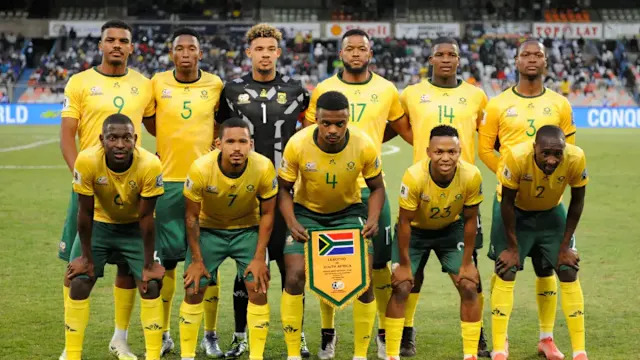
The complexity of modern international travel requirements has created a perfect storm for the South African Football Association (SAFA), with multiple layers of bureaucracy converging at the worst possible moment. Sources close to the situation describe a scenario where routine visa applications have become mired in unexpected delays and additional documentation requirements that weren’t anticipated during the initial planning stages. The timing couldn’t be worse, as the team needs to maintain momentum and rhythm in their qualifying campaign, with every match carrying enormous weight in determining their World Cup fate. What makes this situation particularly frustrating is that similar travel arrangements have been successfully executed in the past, making the current complications feel both surprising and preventable.
World Cup Qualifying Campaign at Risk

The 2026 FIFA World Cup represents a golden opportunity for African football, with the expanded format offering more slots for the continent’s teams to showcase their talent on the global stage. For Bafana Bafana, this tournament holds special significance as it marks a chance to return to World Cup glory after missing out on recent editions, including the disappointment of not qualifying for Qatar 2022. The team has been building momentum under their current setup, with tactical improvements and squad development showing promising signs that South African football is moving in the right direction. However, all of this progress means nothing if they can’t actually travel to play their qualifying matches, turning what should be on-field challenges into off-field catastrophes.
The qualifying format for African teams is already unforgiving, with limited margin for error and every fixture carrying massive implications for final standings. Missing key matches or having to play with depleted squads due to visa issues could create a domino effect that impacts not just immediate results but the entire trajectory of the campaign. The mental toll on players is another factor that can’t be overlooked - professional athletes thrive on routine and predictability, and the uncertainty surrounding travel arrangements creates stress that inevitably affects performance levels. Coach Hugo Broos and his technical team have been working tirelessly to build a cohesive unit capable of competing at the highest level, but their carefully laid plans are now subject to the whims of immigration bureaucracy.
SAFA’s Response and Damage Control
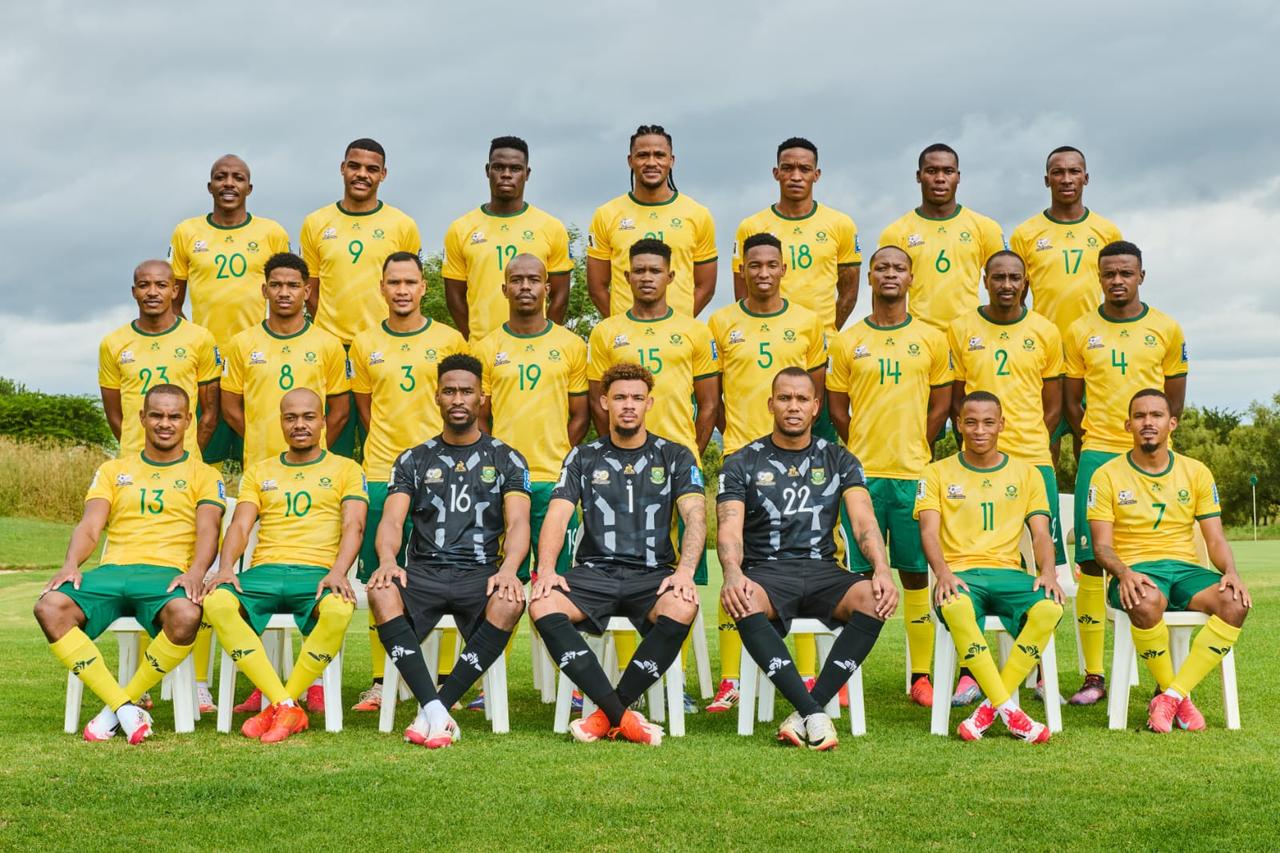
The South African Football Association finds itself in damage control mode, working around the clock to resolve the visa complications while simultaneously trying to maintain team morale and public confidence. SAFA officials have been in constant communication with various embassies and consular services, exploring every possible avenue to expedite the necessary travel documentation. The association’s reputation is on the line, as stakeholders question how such a fundamental aspect of international competition could become so problematic. This crisis has highlighted potential gaps in SAFA’s administrative processes and raised questions about contingency planning for similar situations in the future.