How Afrobeats Changed Global Fashion: From Lagos Street Style to Paris Runways
Miki Anderson··11 min read
Ad SpaceArticle Top - 728x90
Advertisement
Somewhere between the moment Nike put Super Eagles colours on an Air Max and the moment Tems stopped the 2023 Oscars carpet in a towering white hood by Lever Couture, the global fashion conversation quietly shifted its centre of gravity. The new compass needle pointed south, then east of Accra, and finally settled over Lagos. What used to be filed under world music styling by Western editors became, in the space of a few seasons, an actual reference deck for buyers, stylists and runway directors. The Afrobeats wave did not just give pop a new sonic engine. It gave fashion a new look.
That look had been brewing for years on streets between Lekki and Surulere, where tailors in tiny shops cut agbada to fall just so over fresh sneakers, where bead-stacked wrists peeked out from oversized denim, where a gele could sit comfortably above a graphic tee without the wearer feeling any contradiction. Mainstream fashion eventually caught up. The travel was one direction, then both, then a constant exchange. The story of how that exchange happened reads like a long credit list of musicians, designers and a handful of relentless stylists who refused to dress their clients like anyone else.
The Wizkid Effect: When a Tracksuit Becomes a Trade Route
Wizkid did not invent the Lagos-meets-streetwear silhouette. He gave it leverage. His Nike deal, reported in early 2018, produced a Starboy football jersey unveiled that August, stitched with a Surulere motif and a crest that merged his own iconography with the Super Eagles. It was a small object with a large argument inside it, because the reference was now Nigerian and the shirt said so. Nike’s own Naija line, including the Air Max 95 and Air Presto releases of September 2020 that borrowed from the Nigeria national kit, were in-house projects rather than artist collaborations, but they landed in the same cultural slipstream and resold for multiples of retail. For a generation of African kids who grew up watching their idols borrow American hip-hop iconography, the reversal was worth marking.
The sportswear brands circled quickly after that. Wizkid fronted a Puma campaign with JD Sports for the Suede Classics in October 2020. Davido became a Puma global brand ambassador in December 2021, a full endorsement rather than a one-off campaign, and later fronted a Puma Sportstyle collection. Rema has worked with Jordan Brand, Ayra Starr with New Balance, and Burna Boy signed with On in 2025. The pattern is the point. Afrobeats artists stopped being regional ambassadors and started being global faces. What Wizkid did, more than any single look, was prove that an Afrobeats artist could move product at the same scale as an NBA star. That economic argument unlocked the rest of the room. Stylists in London and New York started clipping his looks for mood boards, and the layered Lagos uniform of luxury tees, relaxed denim, clean sneakers and casual gold began showing up on artists who had never been within three thousand miles of Victoria Island.
Burna Boy, Davido and the Maximalist Stage Vocabulary
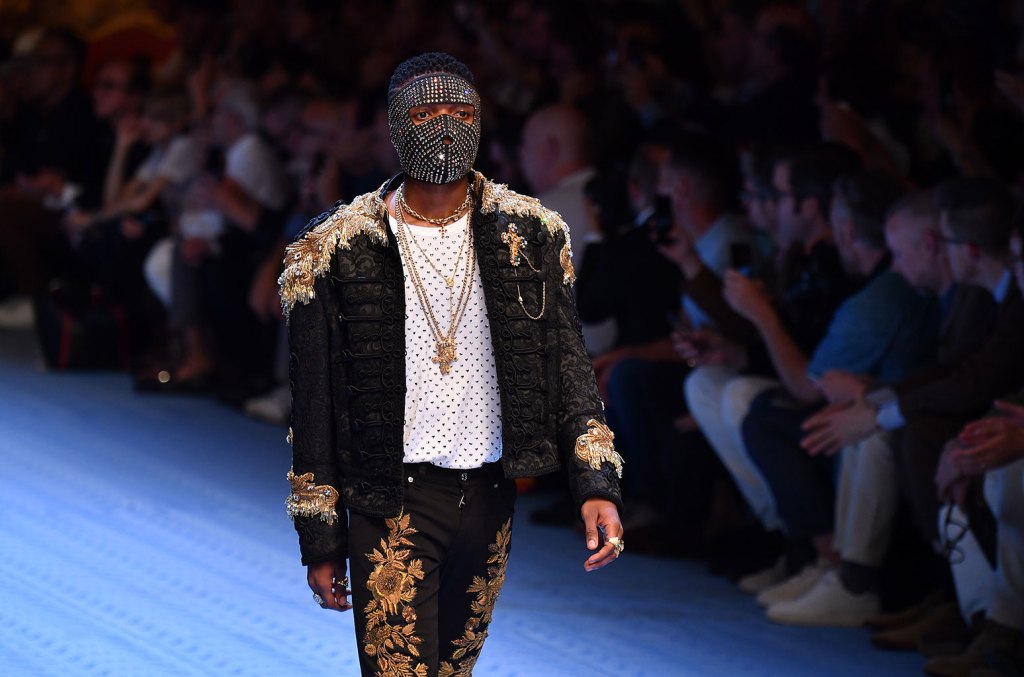
If Wizkid is the cool minimalist of this story, Burna Boy and Davido are the maximalists who made luxury houses pay attention to volume. Burna Boy’s stage rotation leans on Italian baroque print and the industrial streetwear language of the Virgil Abloh years at Off-White, worn open, worn big, worn glossy. He wore it at Madison Square Garden in 2022. He wore it at his sold-out London Stadium show in 2023. He wore it at the Grammys. Davido has leaned harder into Versace than almost any contemporary touring artist, in full-print silk and gilded Mediterranean overload that used to feel anchored to a specific 1990s rap visual and found a second life on his shoulders. He wears the brand as both armour and joke, knowing exactly how loud it reads.
Both artists do something easy to miss if you only watch the runway. They wear the clothes hard. They sweat in them, dance in them, sit on speakers in them, get them rained on at outdoor festivals. The garments do not stay precious. That treatment, broadcast to millions through concert clips, made luxury feel usable again. After years of campaigns that turned designer pieces into museum artefacts, Afrobeats put them back on bodies in motion, which is a more persuasive advertisement than any lookbook.
Tems, Tyla and the New Red Carpet Grammar
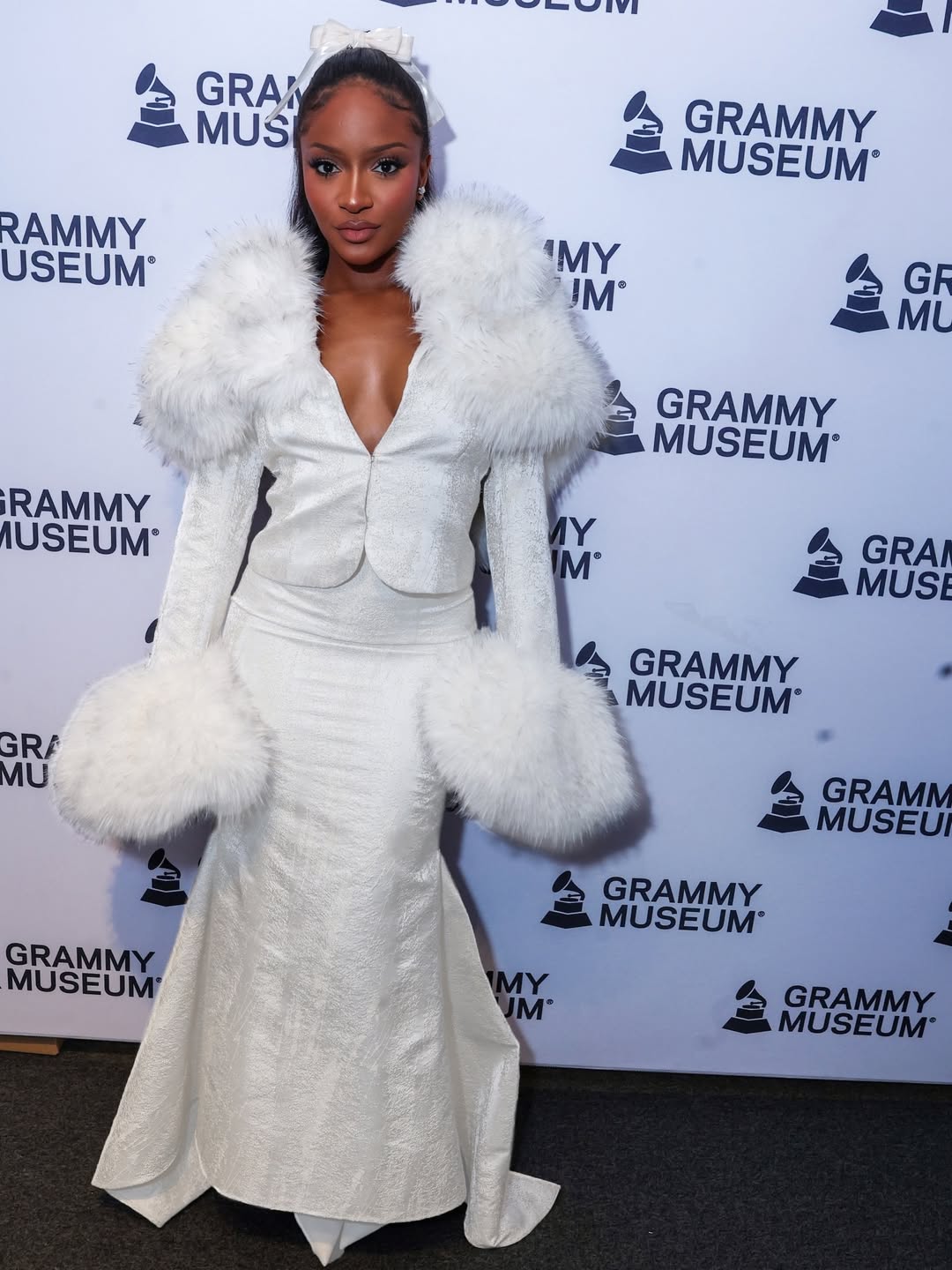
The women of the wave wrote a different chapter, one that played out on red carpets rather than tour stages. Tems arrived at the 2023 Oscars in a white sculptural hooded gown by Lever Couture, the label of the Ukrainian-born designer Lessja Verlingieri, a piece that had first shown in Tokyo the previous September rather than being cut for the night. It broke the internet anyway, largely because of how she carried it. She returned to the carpet at the 2023 Met Gala, her debut there, in Robert Wun, and wore Schiaparelli to a Billboard event in London in 2025. The combination works because Tems does not perform on a carpet. She stands. She lets the dress speak.
Tyla is the louder counterpoint. The South African amapiano-to-pop crossover star turned her 2024 Met Gala appearance into a thesis statement, in a custom Balmain sand dress by Olivier Rousteing cast from a mould of her bodice and cut down to a mini before the night was over. Custom Versace at the 2024 Grammys pushed the same argument with more ornament. Where Tems treats her gowns as architecture around her, Tyla treats hers as an extension of her. Both approaches are now visible all over the imitations that follow them, from emerging pop acts to stylists building lookbooks off their reference images.
What both women share is a refusal to be flattened into a single regional category. Tems is read globally, not just as African. Tyla the same. Tems has worked consistently with the stylist Dunsin Wright, while Tyla has moved between stylists depending on the look, with Katie Qian on the 2024 Met Gala and Law Roach on her 2025 appearance. In each case the brief seems to be the same, sourcing from heritage houses and emerging designers in the same fitting, mixing references until the final image cannot be reduced to a press-release headline. The red carpet, long resistant to anything outside its narrow template, learned to make room.
Kenneth Ize and the LVMH Stamp
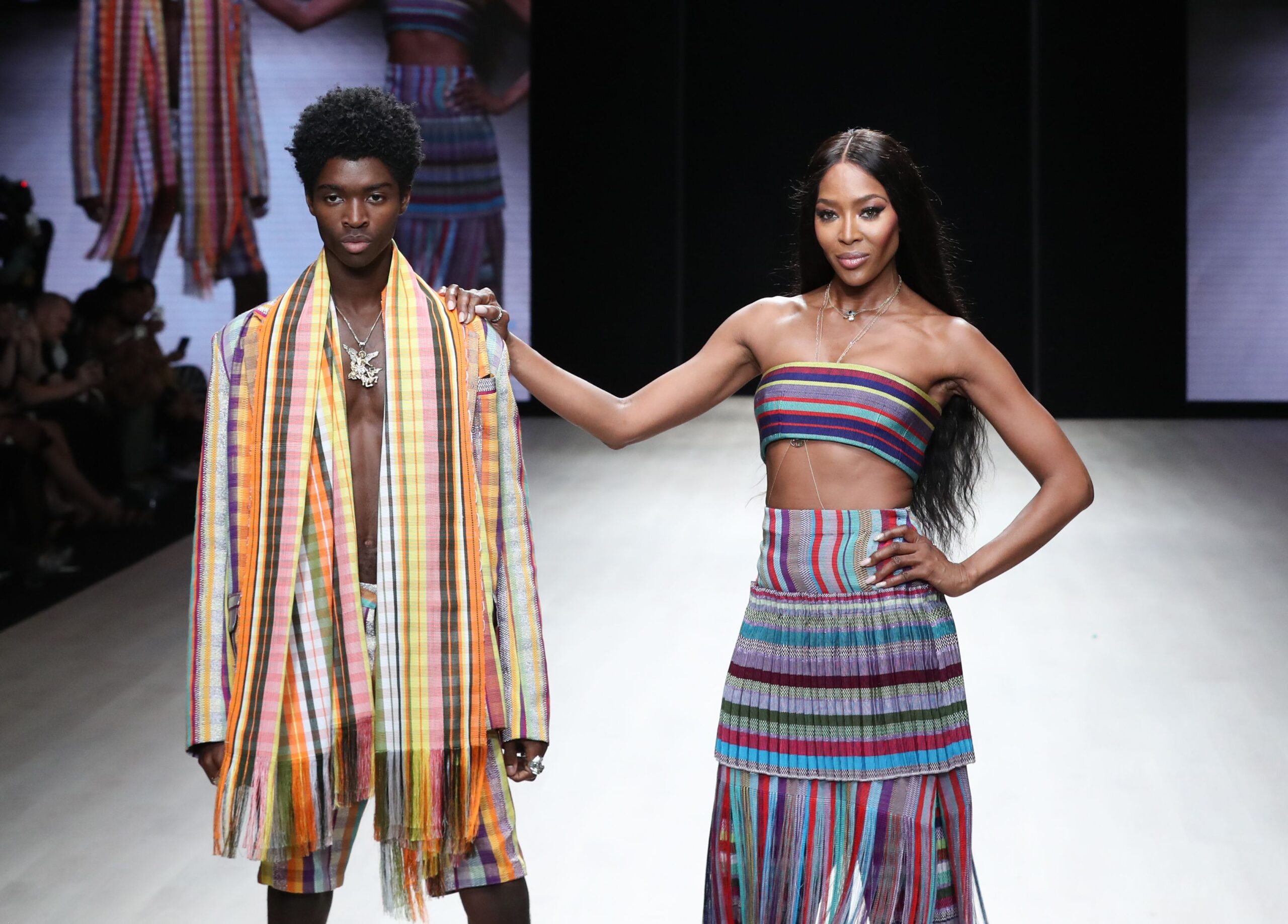
Music opened the door. Designers walked through it. Kenneth Ize, the Lagos-raised, Vienna-trained designer whose hand-woven aso oke fabrics became his signature, was one of eight finalists for the LVMH Prize in 2019, the year Thebe Magugu won it. The recognition mattered less than the show that followed. When Ize debuted at Paris Fashion Week on 24 February 2020, Naomi Campbell walked the closing look. Campbell, who has spent years actively building runway space for African designers, did not just appear as a guest. She walked. The image of her in Ize’s hand-woven cloth, moving down a Parisian runway with the slow deliberateness of someone making a point, did more for African design’s positioning than a thousand trend pieces.
Ad SpaceIn-Article - 300x250
Advertisement
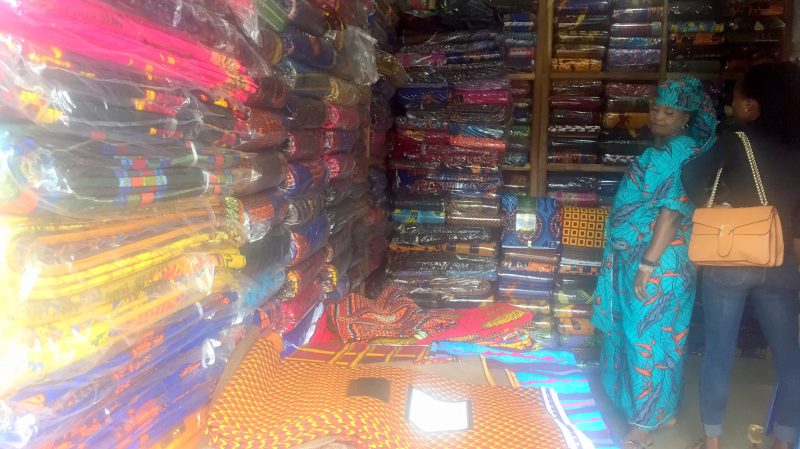
Ize’s aesthetic is specific. He works with weavers in Nigeria, building a supply chain that keeps craft income inside the country rather than exporting cheaper imitations. His silhouettes lean elegant rather than referential, suits and coats and column dresses that treat aso oke as a luxury textile rather than an ethnographic curiosity. Retailers including Net-a-Porter, Dover Street Market and Browns put him on order sheets, which is the part of the story that actually pays the weavers. Lisa Folawiyo had already plowed similar ground for Ankara, building a label whose embellished prints landed at Moda Operandi and Selfridges alongside a roster of regional stockists. Maki Oh, the label from Amaka Osakwe, has dressed Michelle Obama, Solange and Lupita Nyong’o over the years, each appearance setting off the next wave of editorial coverage. The cumulative effect of these wins, stacked over a decade, was a quiet but firm rewriting of who counts as a luxury designer worth carrying.
A Generation of Stylists Doing the Translation
None of the runway momentum would have hit the way it did without the stylists building bridges in both directions. Dunsin Wright styles Tems, and the Lever Couture Oscars look was credited to her. Ugo Mozie, the Nigerian-American stylist and creative director, has worked with Beyonce and with Nigerian artists including Adekunle Gold, moving between American pop production and Lagos aesthetics with unusual fluency. A wider bench of Lagos-born, London-based stylists now works the same corridor, pulling from continental labels for clients who a decade ago would have been dressed entirely out of European showrooms. These stylists know what most outside-the-loop editors miss. The Lagos look is not a single thing. It is a long menu of options, and choosing well requires understanding context. The agbada that reads as wedding finery in Ikoyi might read as a runway statement in Paris when paired with the right trouser cut and footwear. Translation is the entire job, and the best stylists do it without losing the source.
Street Style as Source Code
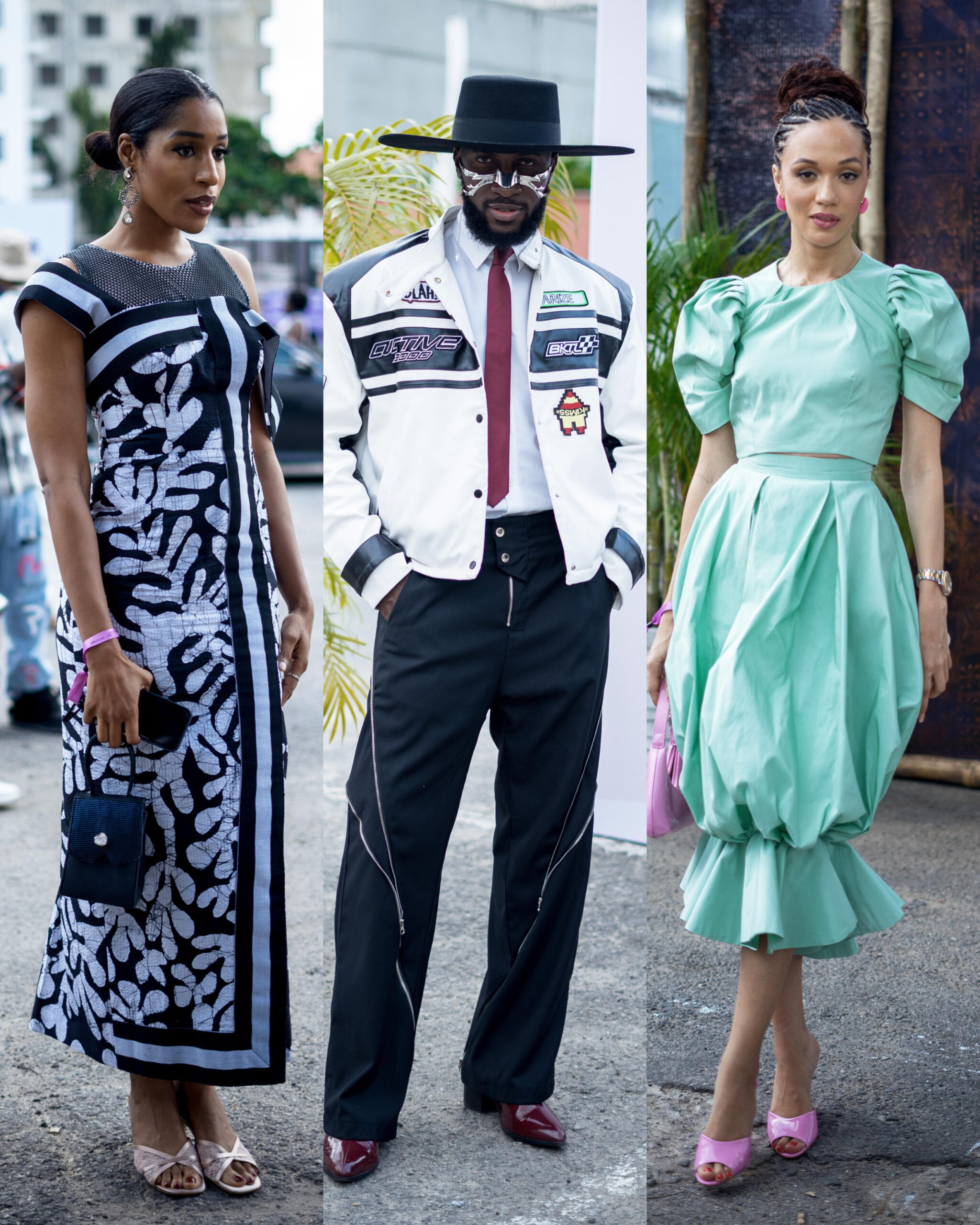
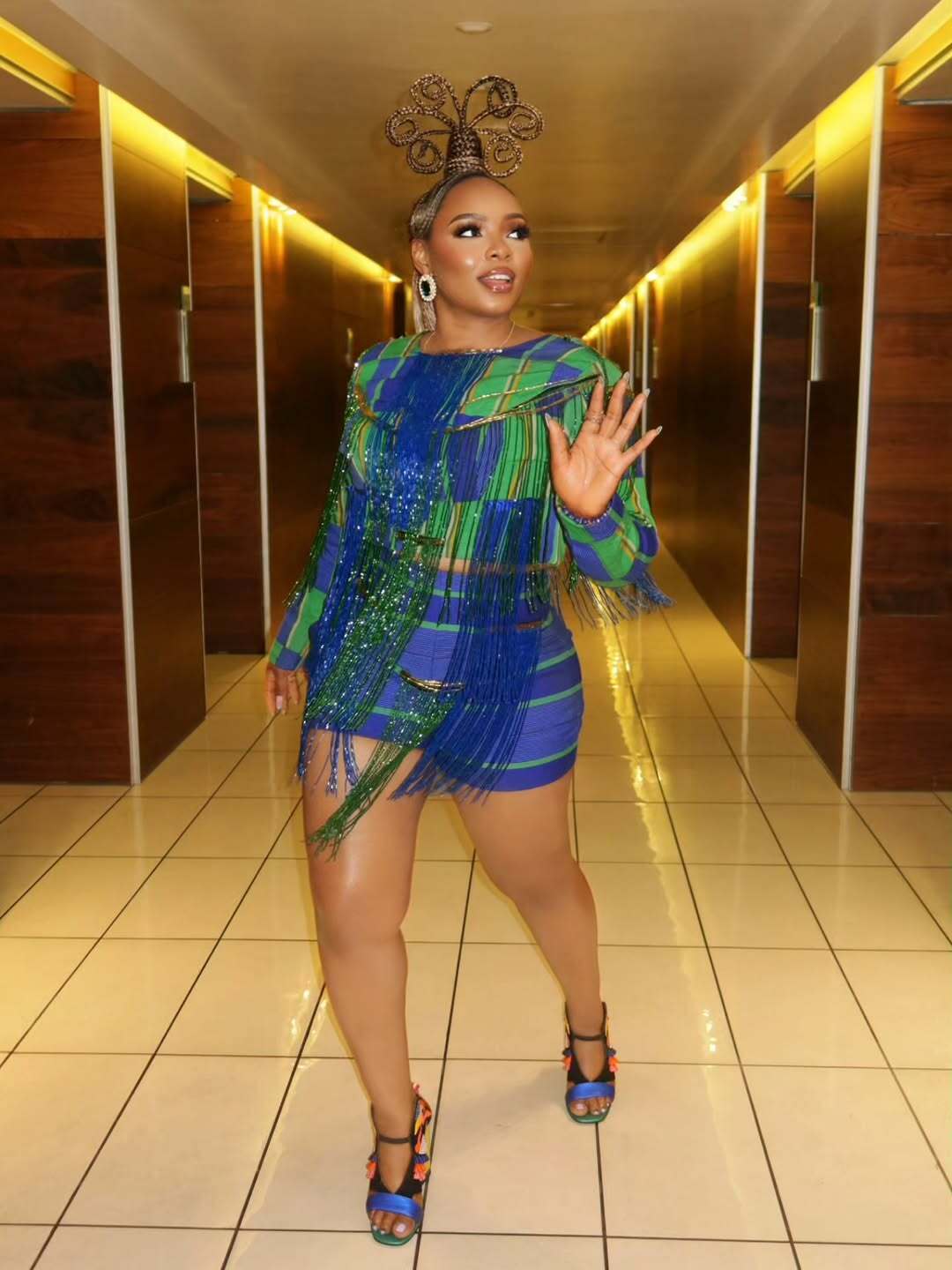
Walk any Lagos neighbourhood on a weekend evening and the future show notes are already written. Oversized agbada paired with low-top sneakers. Gele headwraps stacked above denim jackets. Bead bracelets sliding up the wrist. Custom-tailored shirts in fabrics that change print every few inches. None of this is being staged for an audience. It is what people wear to go and see friends. Foreign visitors used to photograph these looks for their own moodboards and head home to file them under ethnic inspiration. That framing has aged badly. The same looks now surface, sometimes credited and sometimes not, in collections from European houses running what they like to call global craft capsules. The credit gap is its own ongoing fight, one that designers including Ize and Folawiyo have been vocal about. Translation is fair. Lifting is not. The line between them is where the next round of conversations will happen, and it will be argued over contracts rather than mood boards.
What the Lagos street has given fashion, beyond specific garments, is an attitude toward layering. Western fashion at its most reductive treats one bold piece as the statement and everything else as supporting cast. Lagos style treats every piece as the statement. The agbada is loud. The sneakers are loud. The bracelet is loud. The headwrap is loud. They coexist because the wearer commits. That commitment, broadcast through Afrobeats videos shot on Victoria Island rooftops and in Lekki nightclubs, has trained a generation of viewers to read maximalism not as costume but as default.
The Runway Catches Up, Slowly
The New York, London and Paris schedules have spent the last several seasons opening more slots for designers from the continent, though the maths is still uneven. Lagos Fashion Week, founded in 2011 by Omoyemi Akerele and produced by her agency Style House Files, has become a serious feeder show, with international press booking flights for it rather than treating it as optional. Buyers who used to wait for African designers to relocate before placing orders now fly in. The trip used to feel like a detour. It became part of the calendar.
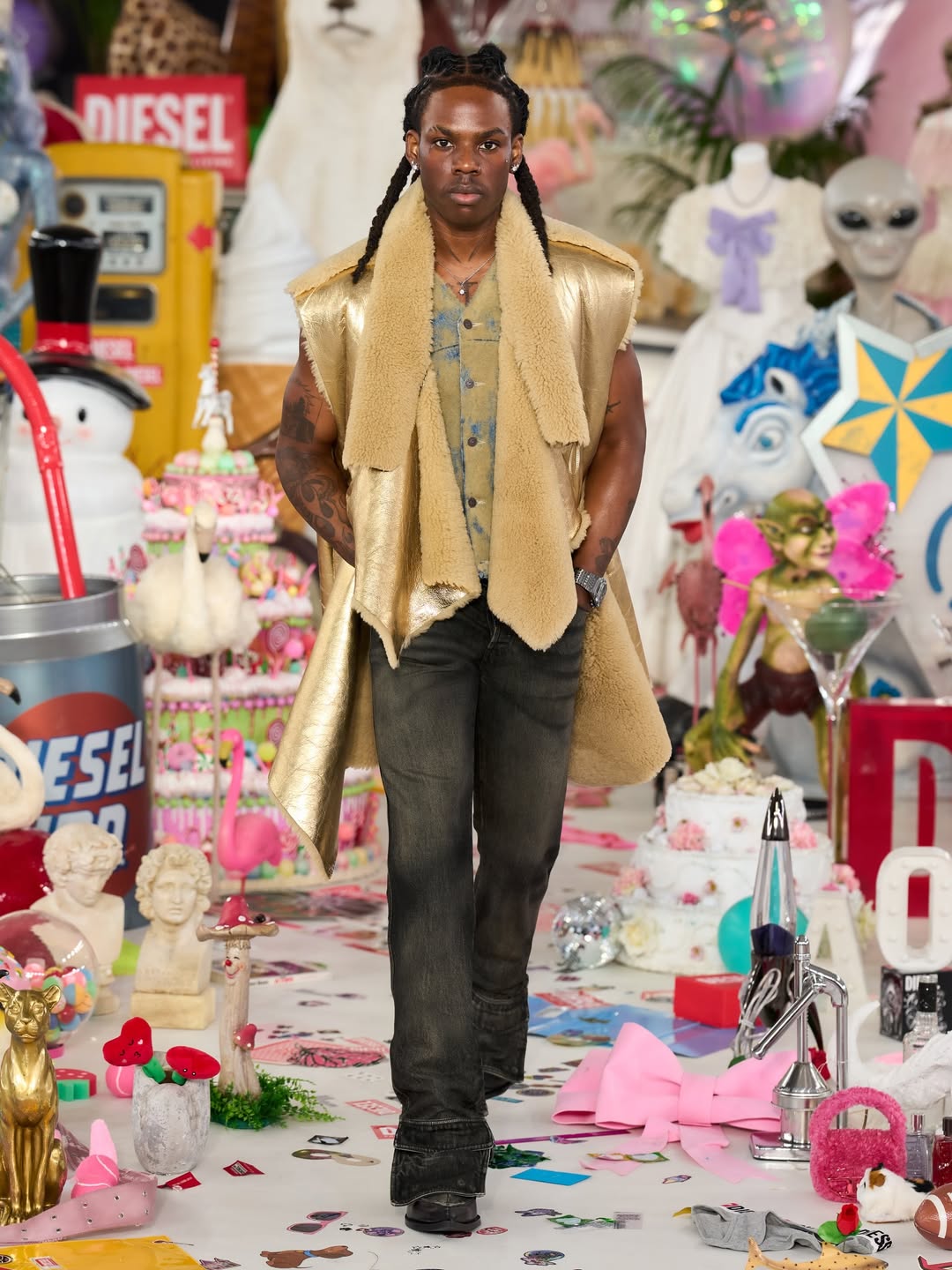
At the houses, the shift shows up in casting and reference more than in headline appointments. Daniel Lee’s Burberry has flirted with Afro-diasporic references. Loewe under Jonathan Anderson, before his move to Dior in 2025, cast more African models and commissioned work from continental artists. Maximilian Davis at Ferragamo has brought Trinidadian-British references that share aesthetic DNA with the Lagos approach. The runways are not transforming overnight, but the share of column inches and casting decisions tilting toward African design has grown season over season in a way nobody in the early 2010s would have predicted with confidence. Naomi Campbell has been the loudest voice in this shift and the most consistent. Her Arise Fashion Week appearances in Lagos, her advocacy for Kenneth Ize and others, her physical presence at shows that would not otherwise have drawn international photographers, all of it adds up to a sustained institutional push few other figures in fashion have matched. She does not narrate it. She walks it, which is louder.
Sneakers, Beads and the New Luxury Stack
Look closely at any Afrobeats artist on a red carpet now and the rules of luxury layering have been redrawn. The sneaker stays. Burna Boy treats his Off-White and Nike rotation as eveningwear. Younger Nigerian and South African acts pair tailoring with trainers as a matter of course. The Lagos refusal to swap comfort for occasion has moved into the most monitored visual spaces in entertainment, and nobody is treating it as a faux pas any more. The bead is another tell. Waist beads, wrist beads, ankle beads. Pieces that traditional West African dressing has carried for centuries are now visible accents on global pop stars whose audiences include teenagers in Seoul, Sao Paulo and Stockholm. The market for them, both heritage and contemporary interpretation, has grown accordingly, with independent Lagos studios and diaspora jewellers selling into the same demand that the carpets created.
The agbada has gone the same route. What used to read as ceremonial dress for Yoruba weddings now turns up at the BET Awards, the Grammys, the AFRIMA ceremony and on carpets where the wearer is making a deliberate visual argument about heritage and contemporaneity coexisting on the same body. The garment did not change. The reading did.
Lagos Is the Studio Now
The centre of gravity question has an answer, and Paris is no longer the only one. Lagos is a city where photographers like Stephen Tayo build international careers shooting the same streets they grew up on, where labels like Orange Culture, Emmy Kasbit and Tokyo James build collections that get pulled by celebrity stylists in Los Angeles, where Lagos Fashion Week fills with editors who used to skip it.
The Afrobeats artists who travel out of Lagos carry the city’s visual vocabulary into every venue they play, and the cumulative reach of those visits has produced a quiet but durable shift. Fashion now looks to Lagos the way it once looked to Tokyo in the Comme des Garcons years, or to Antwerp during the Six. Not as a curiosity. As a source. The clearest evidence is not on a runway at all. It is in the crowd at any Afrobeats show outside Nigeria, where fans turn up in beaded fila, denim and pristine sneakers, having assembled the entire argument themselves without needing it explained.
Ad SpaceIn-Article - 300x250
Advertisement
Share
Get the recap
Loved this story? Get more like it.
Join readers who get our weekly entertainment recap - the stories worth your time, delivered every Friday.
No spam. Unsubscribe anytime. By signing up you agree to our Privacy Policy.