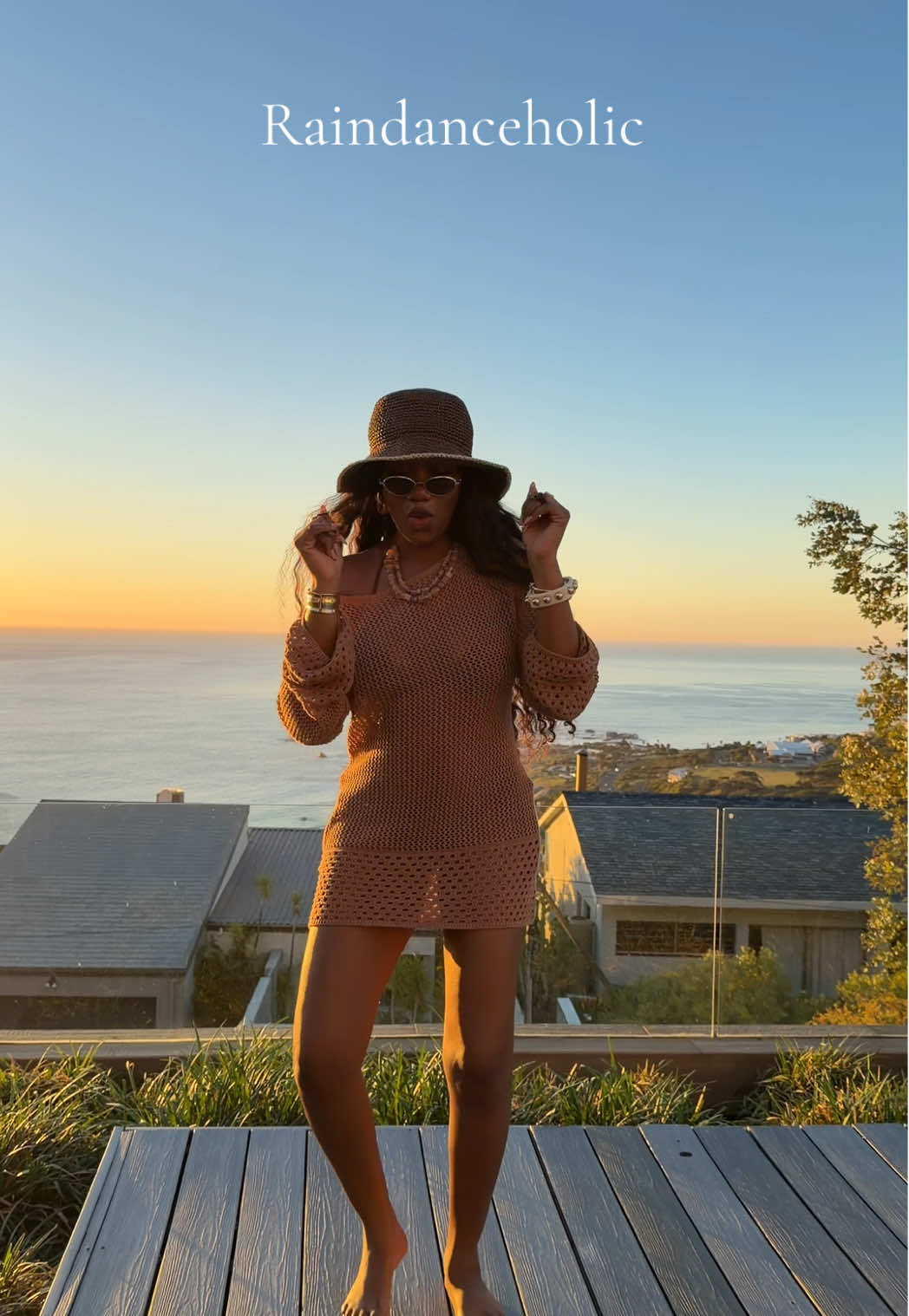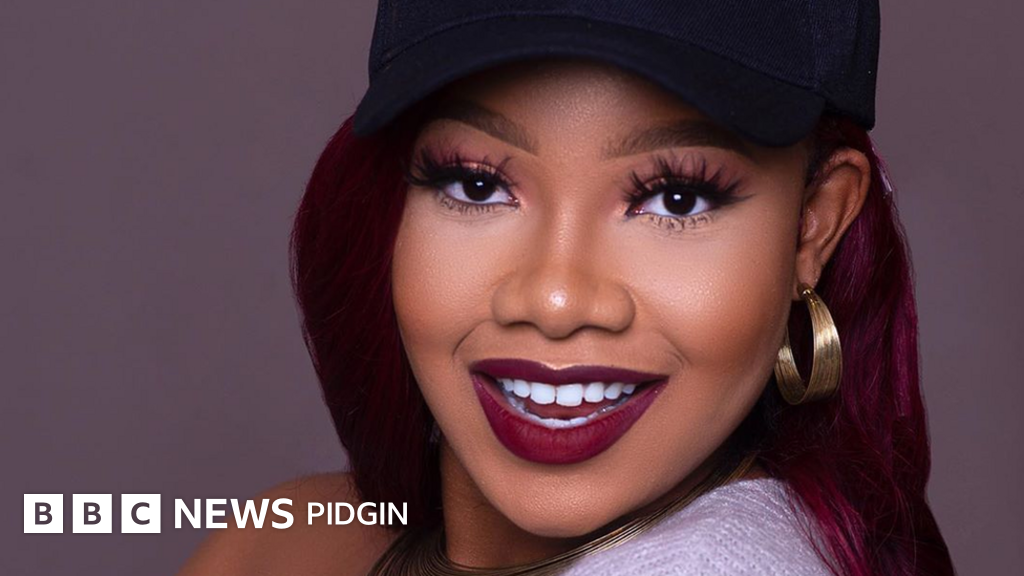
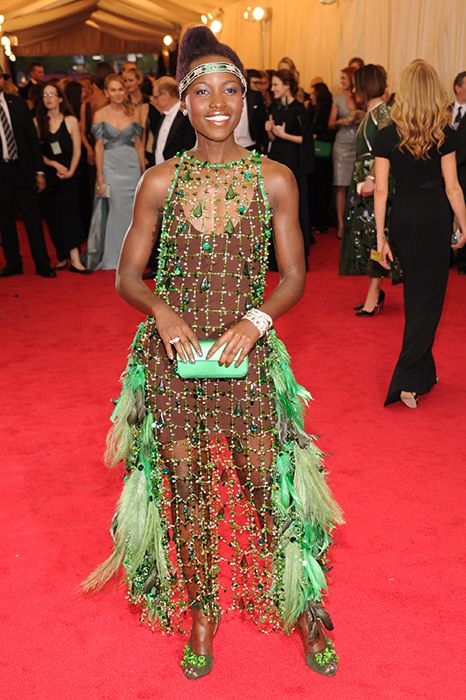

Somewhere between Beyoncé pulling on a Tongoro mini-dress for the “Spirit” music video in 2019 and Tems gliding across the Met steps in 2024, a quiet shift in global fashion power locked into place. The first Monday in May, once the exclusive playground of European maisons and a handful of American legacy houses, started making room. Not as a gesture. Not as a one-off diversity moment. As a structural rearrangement.
The Costume Institute Gala has always been a barometer. Whoever dresses whom signals which designers carry weight, which celebrities have taste capital, and which stylists have done the unglamorous work of building real relationships. For decades, that barometer read overwhelmingly Paris, Milan, New York. Lagos and Dakar and Johannesburg were not on the map. Now they are, and the path from there to here runs through specific people, specific stylists, specific magazine editors, and specific viral moments that compounded faster than the industry realized.
The Tongoro Studio Turning Point
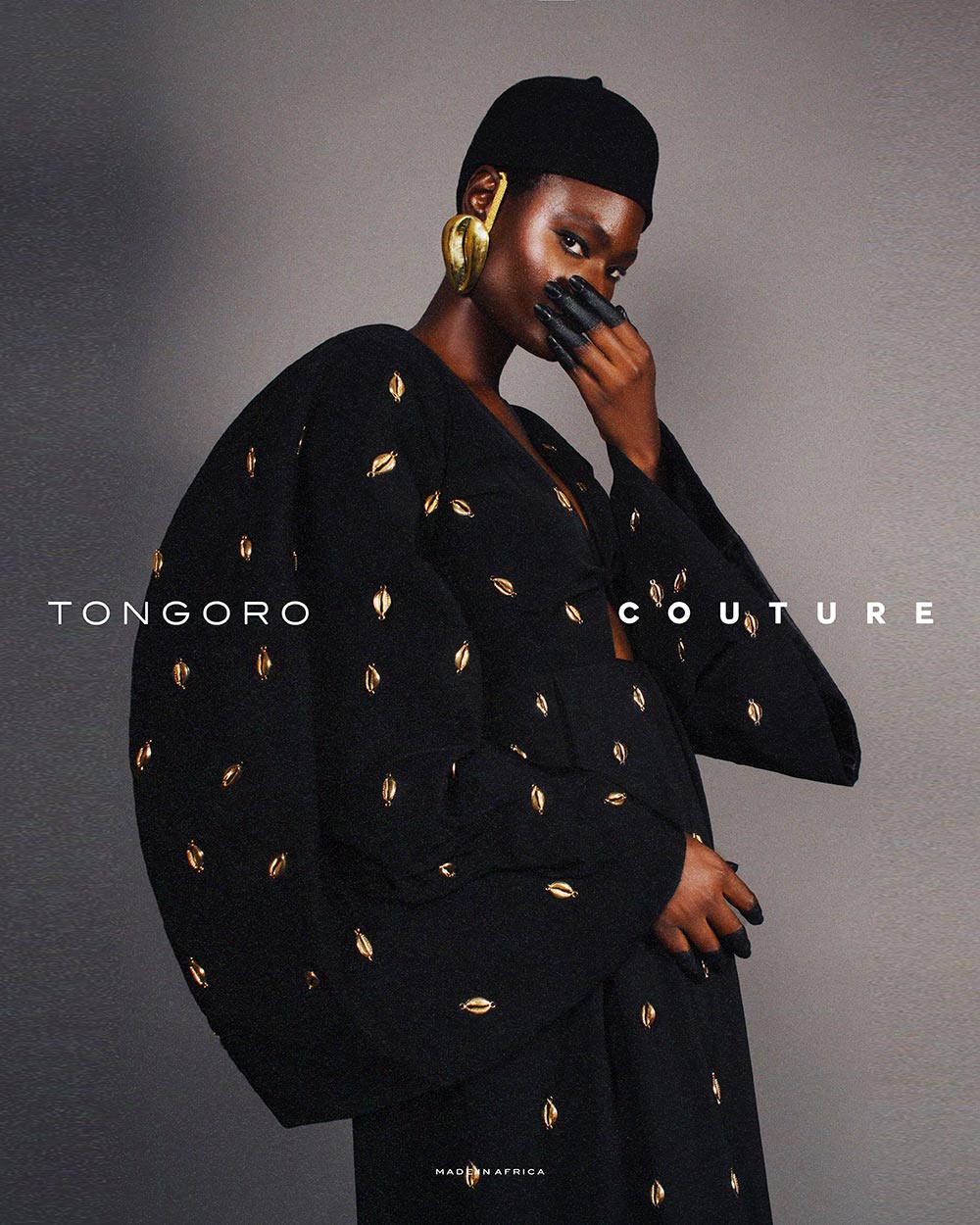
Sarah Diouf founded Tongoro in 2016 with a deceptively simple thesis. Senegalese tailors, working in Dakar, producing high-fashion silhouettes priced for the global market. No European production. No outsourcing to factories in Asia. Everything cut and sewn locally, with the made-in-Africa label treated as a feature, not a workaround.
Three years later, Beyoncé Knowles-Carter wore Tongoro in the “Spirit” video from The Lion King soundtrack. The dress, a yellow ruched piece, sold out within hours. Beyoncé’s stylist Zerina Akers had been quietly studying the African designer landscape for months, and Tongoro was on her radar long before the rest of the industry caught up. That single styling decision did more for African fashion’s commercial credibility than a decade of magazine editorials.
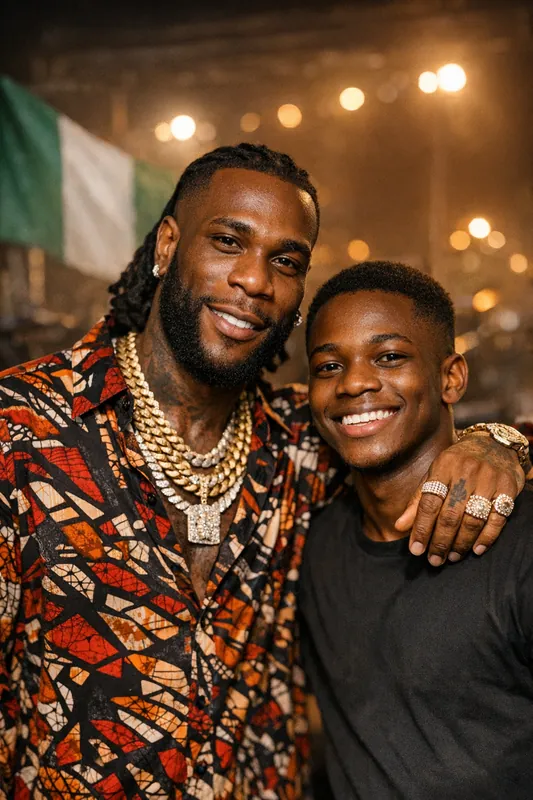
By the time the Met Gala 2024 cycle began, Diouf had built Tongoro into a genuinely scalable house. The studio dresses Naomi Campbell regularly. Burna Boy has worn the menswear capsule. Akers continues to pull Tongoro pieces for her A-list roster, and the brand now operates with the kind of pull-list status usually reserved for Paris ateliers with sixty-year histories.
Thebe Magugu and the LVMH Validation
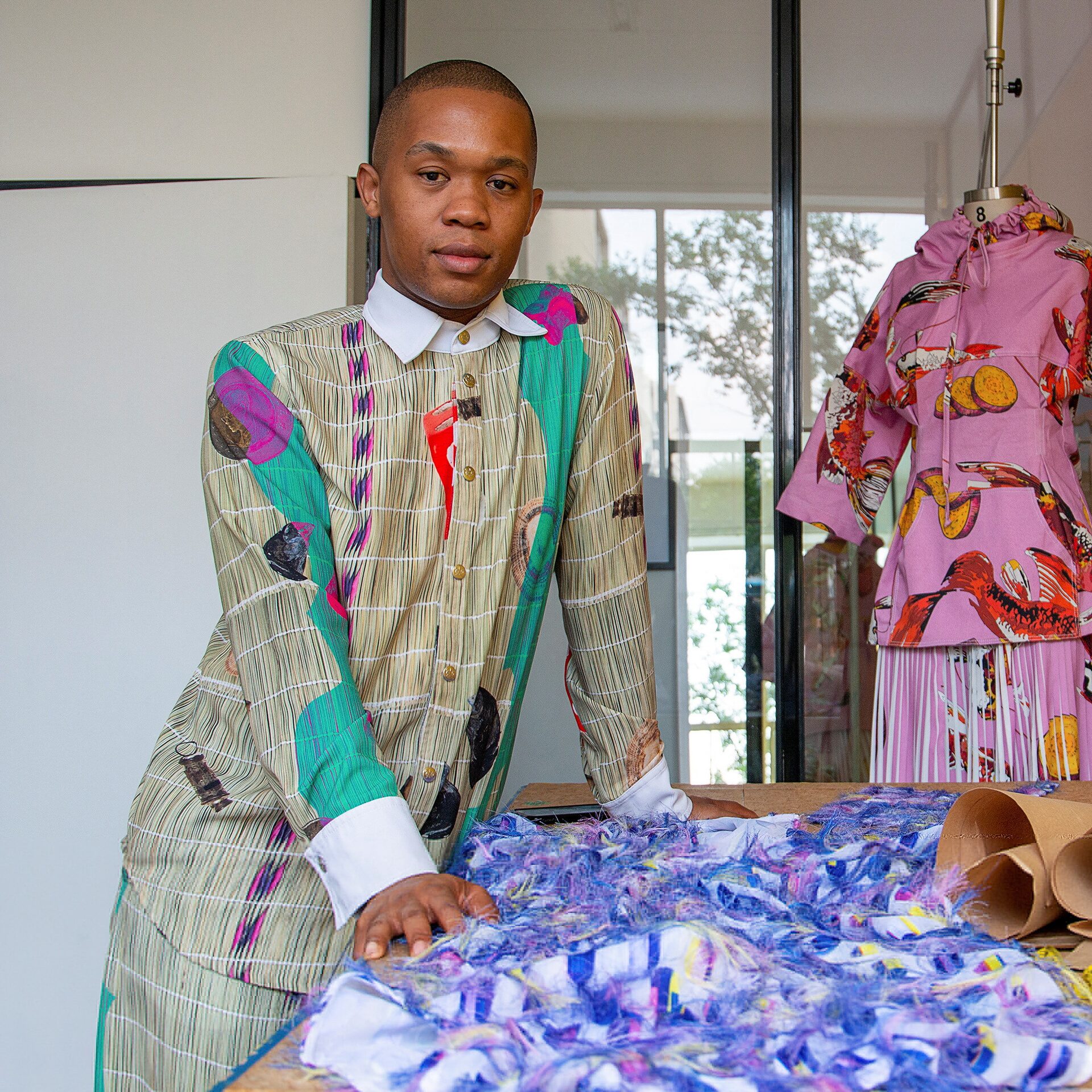
South African designer Thebe Magugu won the LVMH Prize in 2019 at twenty-six years old. The award, founded by Delphine Arnault, comes with a 300,000 euro cash injection and a year of mentorship from the most powerful luxury conglomerate on earth. Magugu was the first African designer to take the prize, and the win functioned as institutional validation that the industry could no longer pretend had not happened.
His work draws from Johannesburg in a way that does not flatten the city into a postcard. Tailoring references apartheid-era archives, espionage motifs, and African feminism scholarship. The clothes are precise. The Met Gala connection runs through stylist Law Roach, through Edward Enninful at British Vogue, and through the steady trickle of celebrities who have started requesting Magugu specifically because of how seriously fashion criticism treats him.
Adwoa Aboah has worn Magugu. So has Tracee Ellis Ross. The path from the LVMH Prize stage to the Met Gala carpet is rarely direct, but for Magugu it has been steady, and the 2024 cycle saw more of his pieces moving through editorial shoots tied to the Costume Institute’s promotional rollout than at any point prior.
Hanifa and the Virtual Runway That Changed Everything
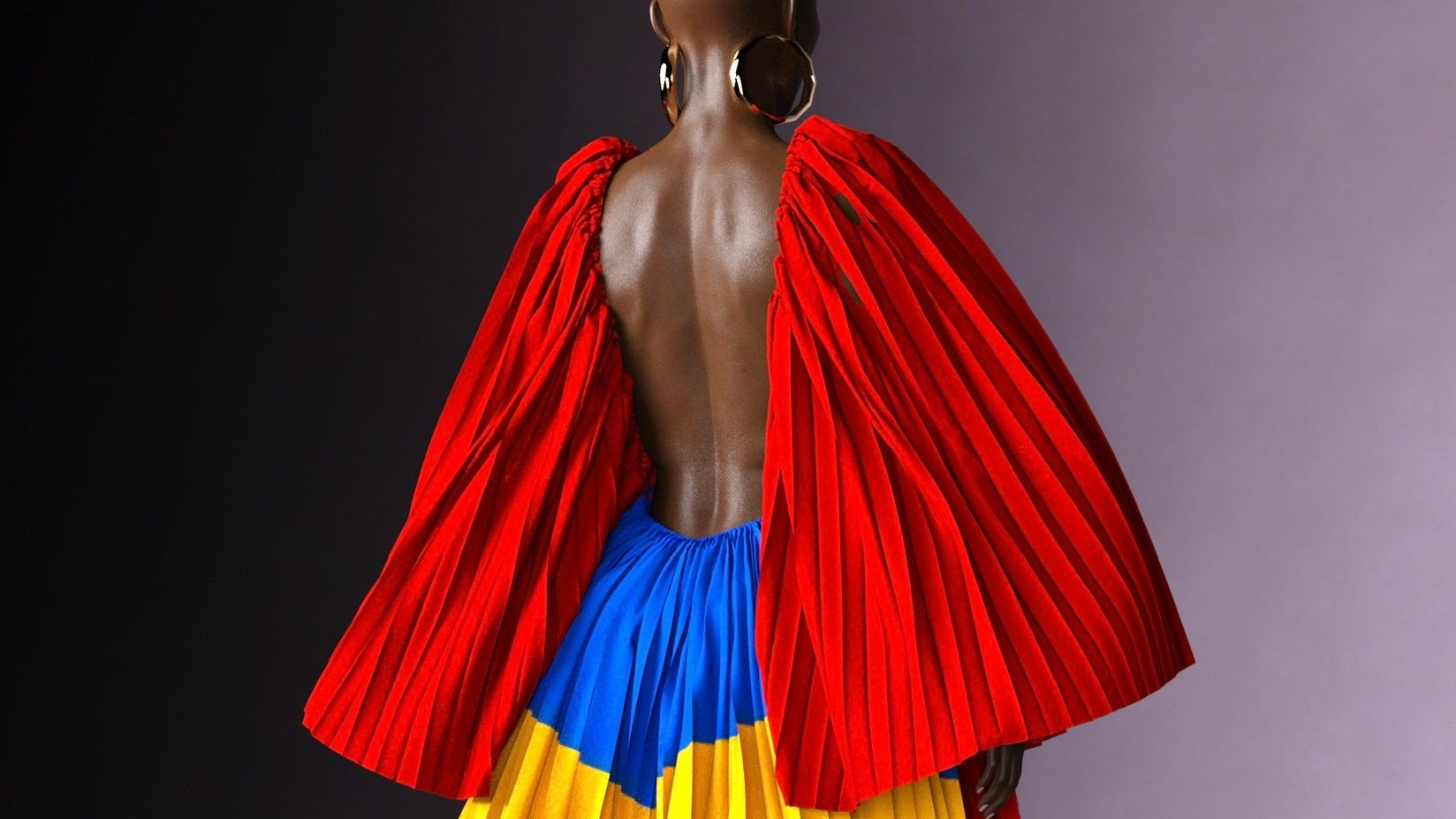
Anifa Mvuemba, the Congolese-American designer behind Hanifa, ran a virtual 3D runway show in May 2020 that broke the internet. With physical fashion weeks shut down by the pandemic, Mvuemba projected her Pink Label Congo collection onto invisible bodies, the garments moving on their own across the screen. The show pulled in millions of views and forced the entire industry to reckon with what a fashion presentation could even be.
The collection itself honored Congolese women and confronted the conflict mineral trade that has devastated her country of origin. Hanifa’s pieces, particularly the bodycon dresses cut with architectural precision, became favorites of celebrities who wanted to wear something with both visual impact and a story. Zendaya, Cardi B, Tracee Ellis Ross, and Lizzo have all worn Hanifa. The Met Gala appearances have followed naturally, with Mvuemba’s silhouettes appearing on the carpet and at the surrounding parties that orbit Anna Wintour’s event.
Kenneth Ize and the Louis Vuitton Co-Sign
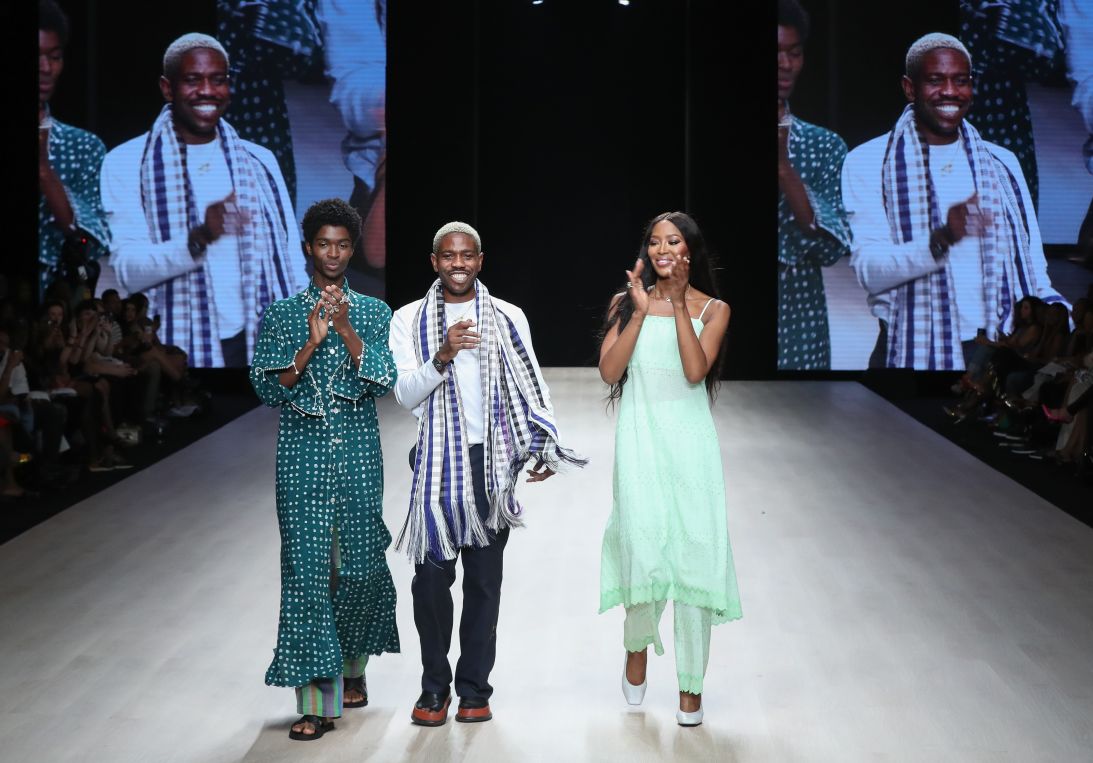
Nigerian designer Kenneth Ize broke through with his aso-oke work, the traditional Yoruba handwoven cloth reimagined as tailored menswear and women’s pieces with sculptural cuts. The late Virgil Abloh, then artistic director of Louis Vuitton menswear, brought Ize into his orbit in 2019, and the mentorship that followed compressed years of typical industry climbing into months.
Ize showed at Paris Fashion Week. Naomi Campbell walked his runway. The combination of authentic Nigerian craft technique and Parisian-level production values made Ize a stylist favorite for the kind of red carpet moment where a celebrity wants to wear something that reads as both globally fluent and rooted in actual heritage. His pieces have moved through Met Gala adjacent appearances repeatedly, and the Lagos-based weaving cooperatives that supply his fabric have seen direct economic uplift from every editorial placement.
Imane Ayissi and the Couture Calendar Breakthrough
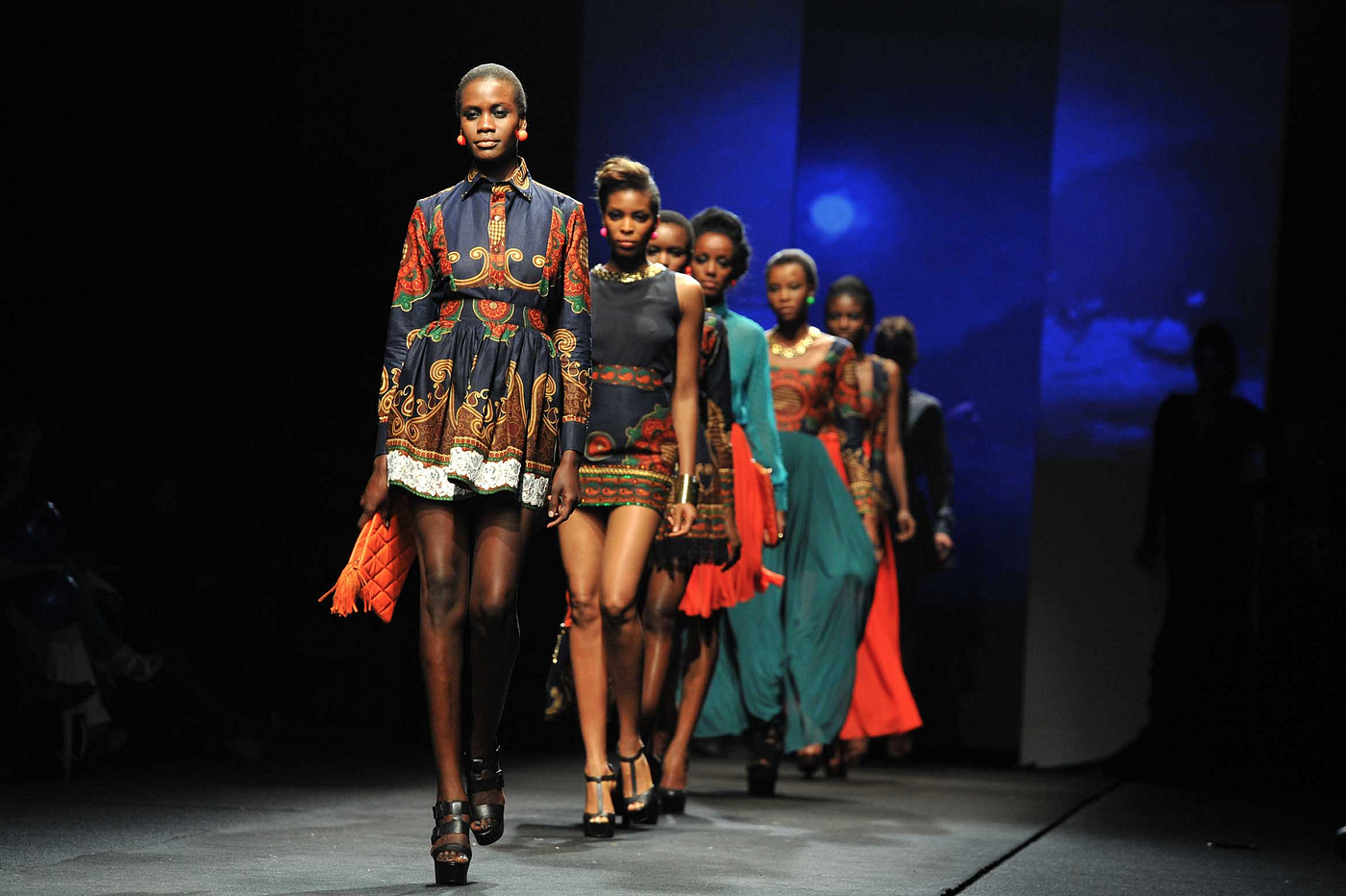
Cameroonian designer Imane Ayissi made history when the Fédération de la Haute Couture et de la Mode accepted his house onto the official Paris Couture Week calendar in 2020. He became the first Sub-Saharan African designer to show as a guest member of the federation, a structural distinction that matters far more than it sounds.
Couture Week is not Fashion Week. The barrier to entry is brutal. Houses must demonstrate ateliers, hand-finishing, and a level of artistic rigor that most ready-to-wear brands cannot meet. Ayissi’s work combines French haute couture training with West African textiles, including obom bark cloth from Cameroon, raffia, and faso dan fani from Burkina Faso.
His pieces command couture pricing and couture access. Met Gala stylists working with clients who want a genuinely unique look have increasingly turned to Ayissi precisely because the silhouettes do not appear anywhere else, and the textiles cannot be replicated by larger houses trying to imitate the aesthetic.
Lisa Folawiyo and the Ankara Revolution
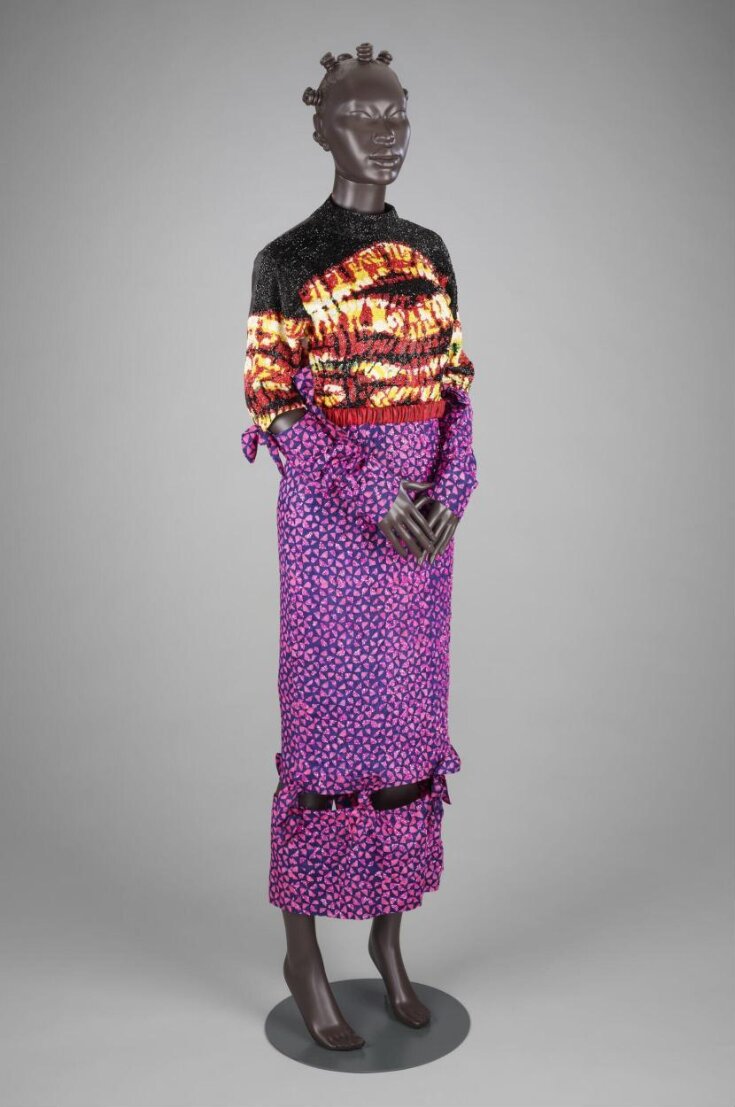
Lisa Folawiyo started Jewel by Lisa in 2005 in Lagos, transforming Ankara prints from association with traditional occasion wear into modern, hand-embellished pieces that ended up in Vogue, in Net-a-Porter’s rotation, and on Solange Knowles. She was arguably the first Nigerian designer to crack the international fashion press in a sustained way, and the trail she cut made every subsequent breakthrough possible.
Her embellishment work, sequins and beads applied by hand by artisans in Lagos, takes hundreds of hours per garment. The economic model deliberately funds craftspeople in Nigeria rather than outsourcing for margin. Celebrities including Lupita Nyong’o, Thandiwe Newton, and Solange have worn Jewel by Lisa to high-visibility events, and the relationships built across fifteen years of consistent quality have positioned Folawiyo as a designer who gets the call when a major moment requires a major dress.