
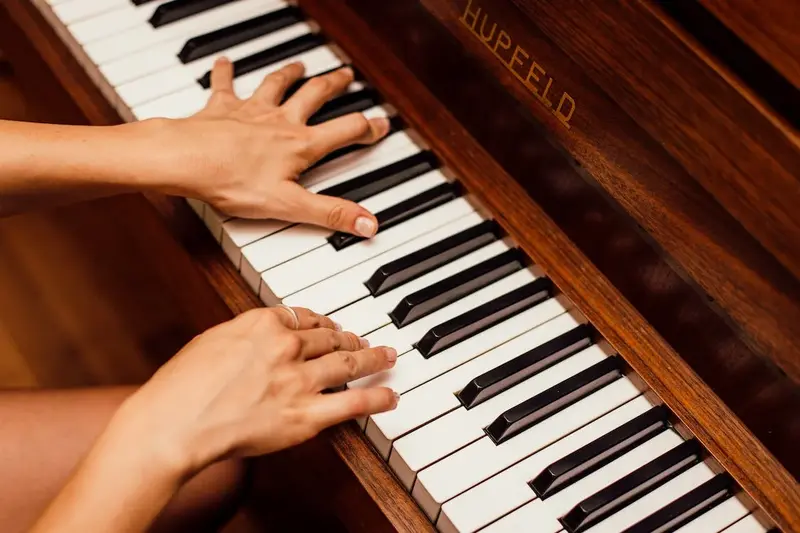
The sound of the piano is more than just music - it is a journey that is unique to every player. Piano lessons are an enriching experience that can offer numerous benefits that last a lifetime. From improving cognitive function to reducing stress levels, learning the piano is a fulfilling activity that can bring joy to both the piano player and their audience. Let’s explore five benefits of piano lessons.
1. Improves Cognitive Functioning
Research has shown that piano lessons can enhance cognitive functioning, particularly in the developing minds of children. Playing the piano engages both hemispheres of the brain, which promotes communication between the two halves. This, in turn, strengthens the neural connections in the brain, leading to improved memory, concentration, and problem-solving skills.
Additionally, playing the piano can improve spatial-temporal skills, which are essential in fields such as mathematics, science, and engineering.
2. Enhances Motor Skills
Playing the piano requires the coordination of both hands, which can improve fine motor skills. Children who take piano lessons develop better hand-eye coordination, finger dexterity, and finger strength. This can translate into improved performance in other activities such as sports and writing.
Piano playing can also help with hand and wrist flexibility, which is particularly beneficial for older adults who may experience stiffness and reduced mobility.
3. Boosts Self-Esteem and Confidence

Do you need a self-confidence boost? Playing the piano can be a rewarding experience that boosts self-esteem and confidence. As players progress in their lessons, they achieve a sense of accomplishment and pride in their achievements.