

Why TV Shows Get Cancelled: The Hidden Business Forces Behind Network Decisions
Movies

Why TV Shows Get Cancelled: The Hidden Business Forces Behind Network Decisions

Tristan MeloTristan Melo··11 min read
Advertisement

Viewers mourn a cancelled series the way they mourn a friendship. The company that made it closes the file the way a bank closes a non-performing loan. That gap between how audiences experience television and how executives account for it explains nearly every cancellation that has ever felt senseless from the couch, and it explains why a show with millions of devoted fans can die in an afternoon while a quieter, cheaper one sails on for a decade.

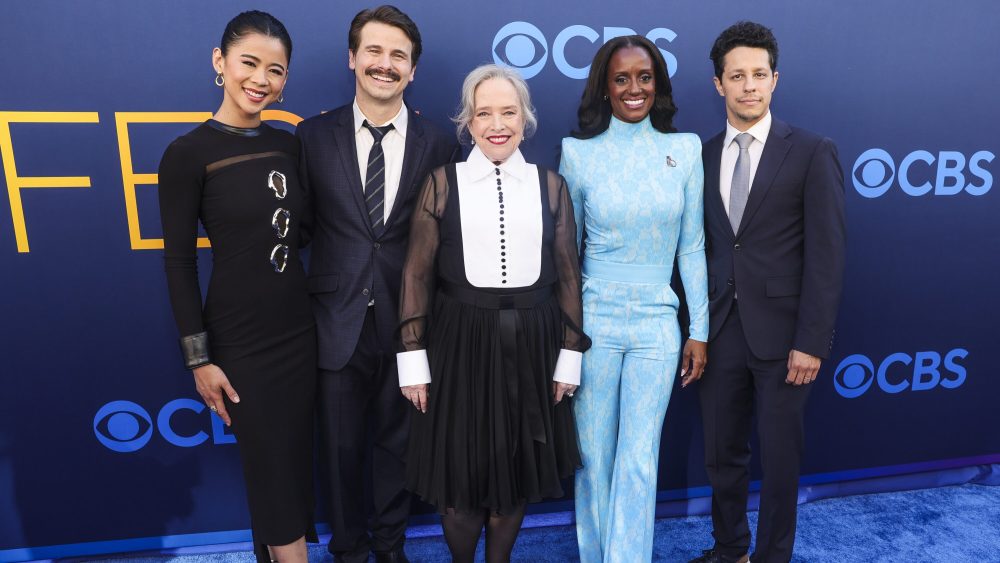
The decisions CBS handed down in the spring of 2026 make an unusually clean case study. Ahead of its upfront presentation in mid-April 2026, the network settled the fate of 21 scripted series for the 2026-27 season. Watson was cancelled after two seasons. The workplace comedy DMV was axed after one. The Neighborhood was given a farewell after eight years. Meanwhile NCIS rolled into a remarkable 24th season, Ghosts locked a sixth, and NCIS: Sydney, a show pulling barely 2.7 million live viewers, was renewed without much fuss. None of that pattern makes sense through the lens of popularity alone. All of it makes sense through the lens of money, and the forces involved are worth understanding properly, because they decide what reaches your screen whether you live in Los Angeles or Lagos.

The First Rule: Networks Kill What They Do Not Own
Why TV - The First Rule: Networks Kill What They Do Not Own

Since US regulators scrapped the old financial interest and syndication rules in the 1990s, the major networks have been allowed to own the shows they broadcast, and most of them merged with studios to do exactly that. The result is a two-tier system. A show produced by the network’s sister studio earns the company twice, once from advertising and again from the long tail of streaming rights, international licensing and library sales. A show produced by an outside studio earns the network only the first part, while a rival banks the rest.

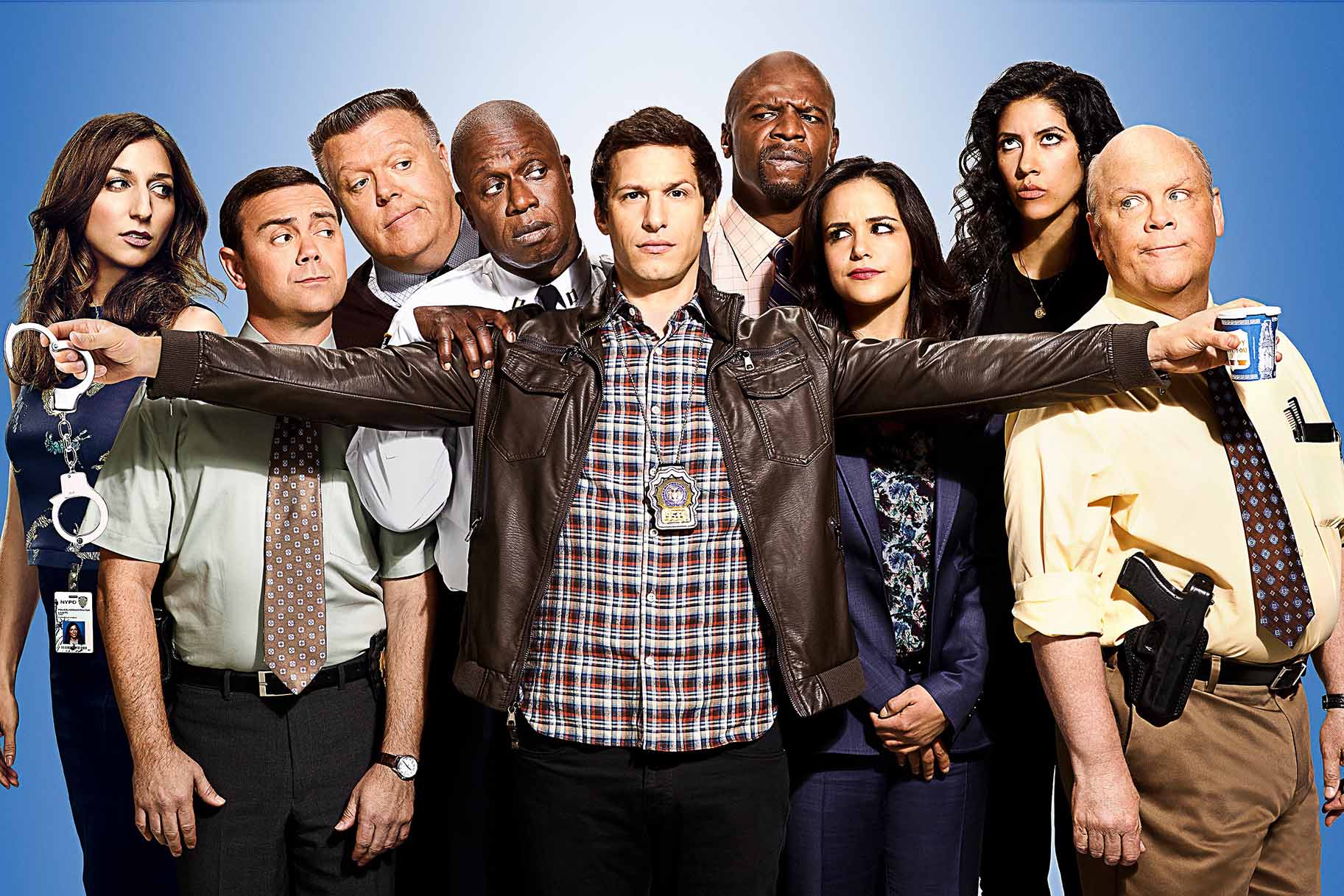
When budgets tighten, the outside shows die first, and the history is blunt about it. In 2017, ABC cancelled Last Man Standing while it was the network’s second most watched comedy, pulling north of six million viewers a week. The catch was that 20th Century Fox Television owned it, meaning ABC was paying licence fees to enrich a competitor’s library. Fox revived the show a year later on its own air and ran it for three more seasons. Brooklyn Nine-Nine travelled the same road in reverse: Fox dropped it in May 2018, and NBC scooped it up roughly a day later, with NBC entertainment chairman Robert Greenblatt openly explaining that it was a show their own studio, Universal Television, produced.

The 2026 CBS slate follows the same gravity. Nearly everything renewed comes from CBS Studios or from co-productions that split the bill. NCIS: Sydney survives on a 0.15 demo rating precisely because its Australian co-production structure makes it far cheaper than anything else on the schedule. Whenever a cancellation looks baffling, the first question is never how many people watched. It is who owns the negative.

The Cost Curve Nobody Escapes
Why TV - The Cost Curve Nobody Escapes

Every scripted series gets more expensive each year it stays alive. Standard cast contracts run six or seven seasons with built-in raises, and the real shock arrives at renegotiation time, which typically lands somewhere between seasons four and six, exactly when a successful actor’s market value has risen and the show’s linear audience has begun its natural decline. A series can be a hit and still cross the line where its licence fee no longer covers its cost.

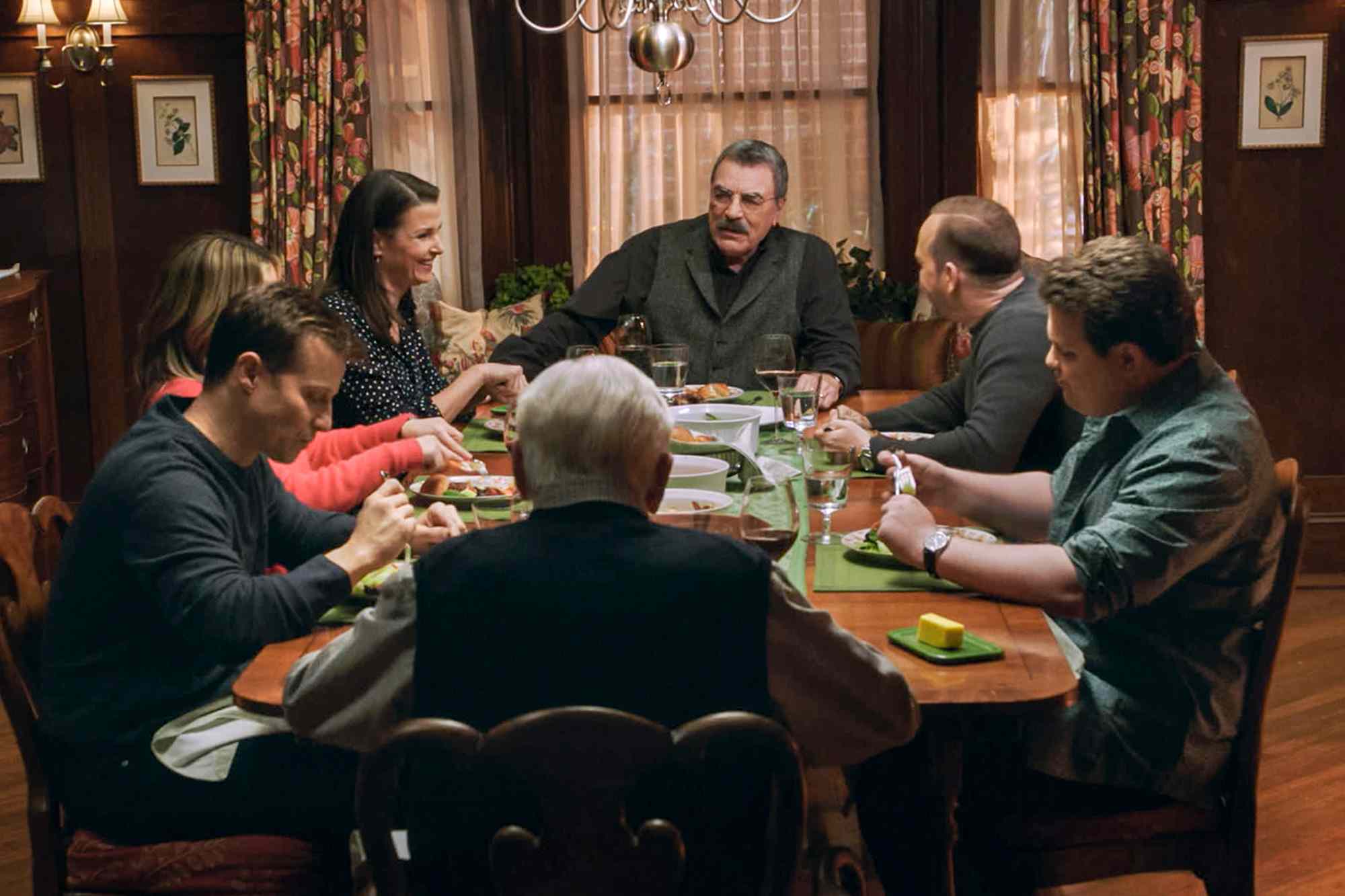
CBS has lived this repeatedly. The Blue Bloods cast, including Tom Selleck and Donnie Wahlberg, accepted reported pay cuts of around 25 percent just to secure a fourteenth season, and the network still ended the show in 2024. SEAL Team was shifted off broadcast to Paramount+ in 2021 in part because an ageing military drama’s economics worked better behind a paywall than against falling ad rates.

The 2026-27 slate shows the modern version of the same lever. Rather than cancel outright, CBS trimmed: Fire Country and Matlock were renewed with roughly 13-episode orders, while NCIS: Origins and NCIS: Sydney were set for about 10 apiece. The Neighborhood’s exit after eight seasons fits the curve too, because an eight-year-old comedy cast is among the most expensive things in television. And the renewals reward cheap structures. Tracker, built almost entirely around one lead with minimal fixed supporting cast, draws 8.85 million multiplatform-boosted viewers and got an early pickup. Marshals: A Yellowstone Story became the network’s highest rated scripted series at a 0.53 demo while costing, as trade coverage put it, a fraction of Yellowstone. Lean shows live longer.

What Ratings Actually Mean Now
Why TV - What Ratings Actually Mean Now

The overnight Nielsen number, once the entire scoreboard, is now a fragment of it. Live viewing has collapsed across broadcast television, so advertisers buy on commercial-minute metrics measured days after airing, and networks make renewal decisions on 35-day multiplatform totals that fold in DVR playback and streaming on their own apps. Nielsen itself has rebuilt its currency around big data blended with its traditional panel.

That shift explains several 2026 calls that look strange on paper. Elsbeth was renewed for a fourth season with just 3.62 million live viewers and a 0.19 demo because it is, by CBS’s own telling, a powerhouse in delayed viewing. Boston Blue earned a second season at a 0.17 demo, the very same number Watson was cancelled with, because the Blue Bloods spinoff’s total audience across platforms ran much higher and the brand carries library value. FBI was renewed for a ninth season despite shedding nearly 40 percent of its young-adult demo year over year, because franchise infrastructure is worth protecting. The starkest illustration of the new arithmetic sits in late night: CBS announced in 2025 that The Late Show with Stephen Colbert would end in May 2026, calling it a purely financial decision, with industry reporting putting the program’s annual losses around 40 million dollars even as it led its timeslot. A show can win its hour and lose its budget. Ratings still matter, but as one input into a profit model, not as the verdict.

The Syndication Math That Built Television, Then Quietly Died
Why TV - The Syndication Math That Built Television, Then Quietly Died

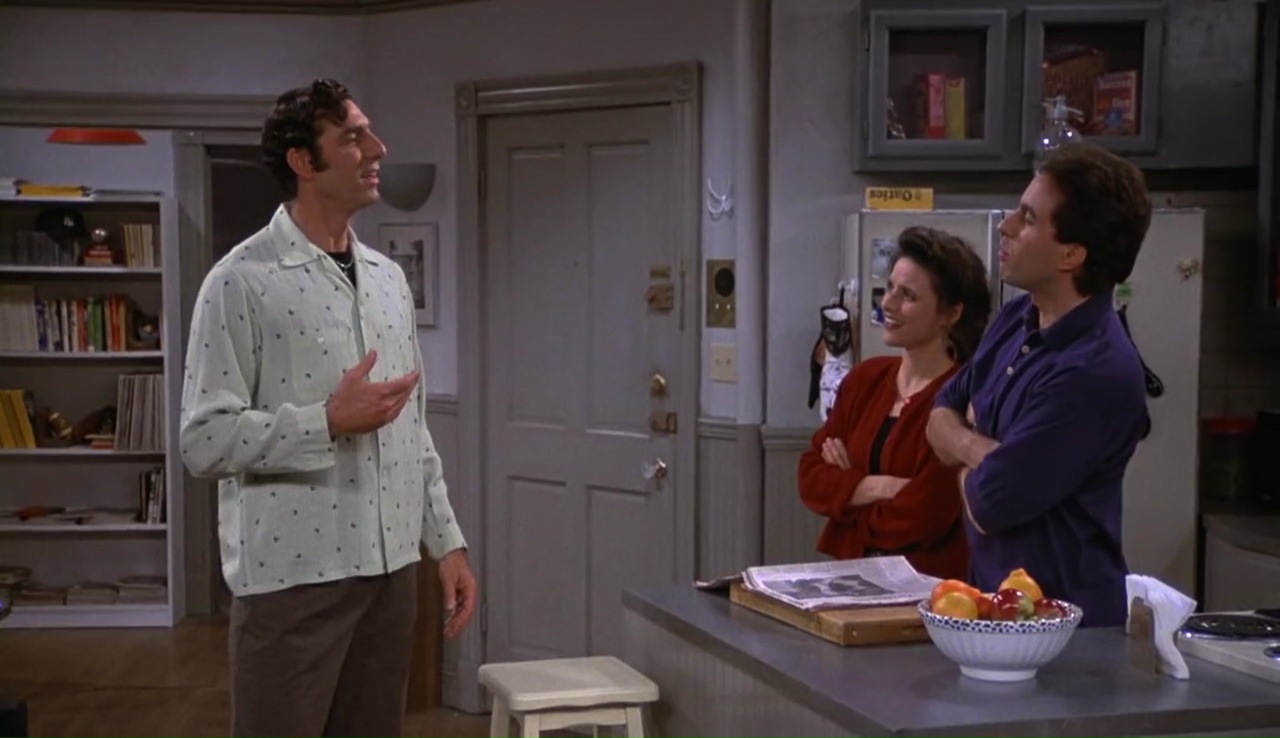
For half a century, the engine underneath American TV was deficit financing. Studios lost money on every episode during a show’s network run, then made it back many times over by selling reruns to local stations and cable. The magic threshold was around 100 episodes, later compressed to roughly 88, the four-seasons-of-22 minimum that made a daily rerun package viable. This is why shows historically became safest after season three: the studio needed two more years to reach the payday, so it would fight to keep the lights on.

The payday was real. Seinfeld has generated a reported three billion dollars and counting in syndication revenue since leaving the air. The Big Bang Theory minted comparable fortunes for Warner Bros. But streaming dismantled the rerun economy that made those numbers possible. Local stations and cable channels pay less for off-network packages because audiences now binge libraries on demand instead of catching strips at 7 pm. The replacement back end is a streaming licence, and that cheque goes to whoever owns the show, which loops straight back to the first rule. The practical consequence for viewers is harsh: the old structural incentive to push a bubble show toward episode 88 has largely evaporated, and with it went one of cancellation’s few natural brakes.

Advertisement

Streaming’s Silent Metrics

Why TV - Streaming's Silent Metrics

Streamers killed the public scoreboard altogether. Netflix does not answer to advertisers week by week; it answers to subscriber retention, and its renewal decisions rest on metrics most viewers never see. The two that reporting has surfaced again and again are the 28-day viewing window and the completion rate, meaning the share of people who start a season and actually finish it.

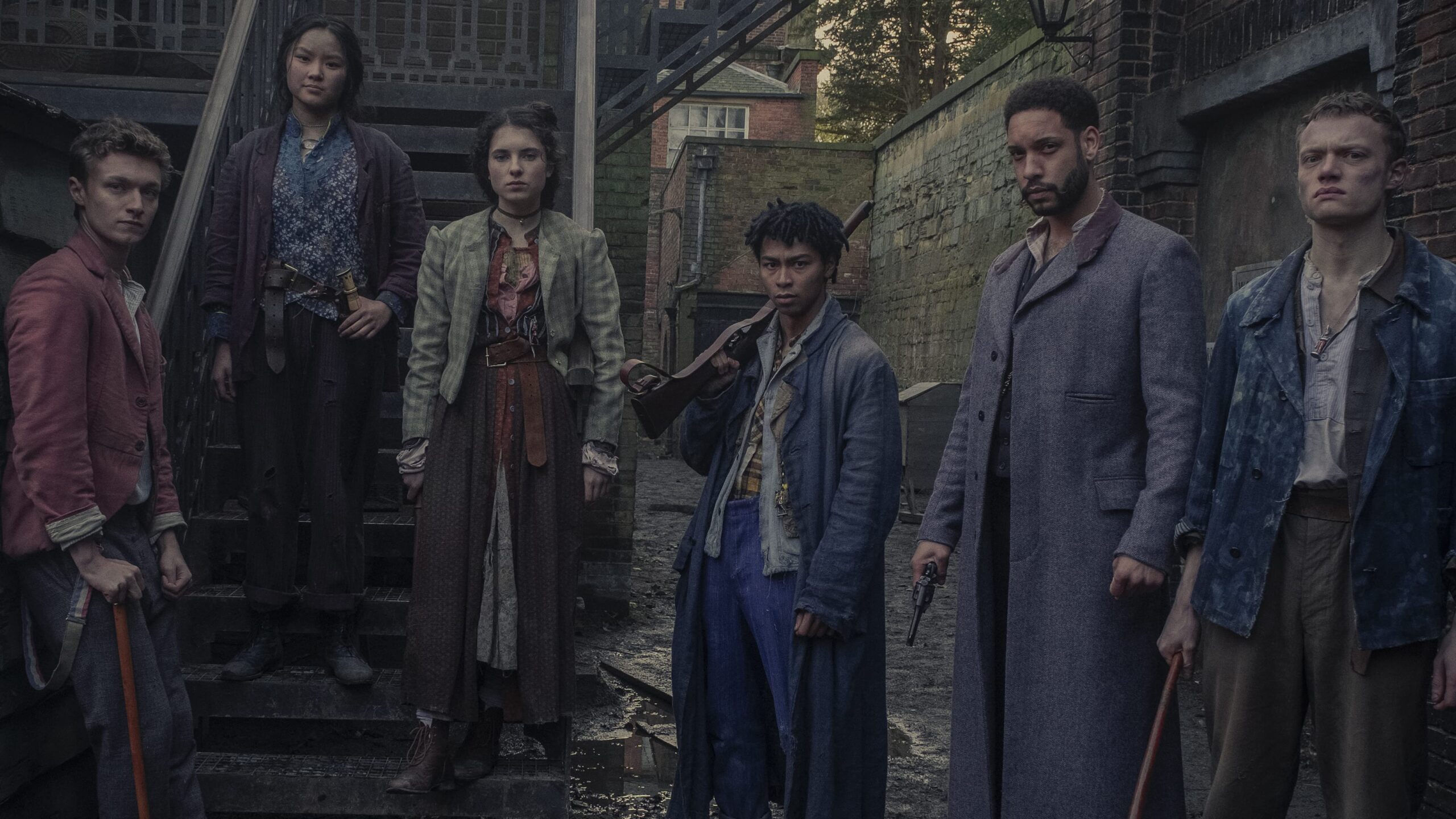
Leaked internal data reported in 2021 gave the world rare hard numbers: 87 percent of viewers who started Squid Game finished it, while the cancelled mystery The Irregulars saw only 41 percent reach the end of its single season despite charting in Netflix’s top ten. Industry reporting has consistently placed the danger zone below roughly 50 percent completion, with about 70 percent considered healthy. The logic is cold but coherent: a series that 30 million accounts sample and abandon at episode five has told the algorithm it is not worth a second season, regardless of how loud its fans are online. Layer in cost-per-view efficiency, where a modest show people finish beats an expensive one they quit, and the pattern of streaming cancellations stops looking random. One analysis of Netflix output from 2016 onward found roughly one in five of its original series gets cancelled, with the jump from season two to three the most dangerous crossing. And because there is no upfronts calendar to obey, those cancellations arrive in any month, usually announced quietly weeks after a finale.

The Write-Off Era

Why TV - The Write-Off Era

The newest force in cancellation is the strangest: accounting that prefers a dead project to a finished one. In August 2022, Warner Bros. Discovery shelved Batgirl, a 90 million dollar film deep in post-production, choosing never to release it on any platform because writing it off delivered more certain value under post-merger purchase accounting than betting on its performance. Scoob! Holiday Haunt went the same way. In November 2023, the studio did it again to Coyote vs. Acme, a completed live-action and animation hybrid, in pursuit of a reported 30 million dollar tax write-off. That time the backlash was fierce enough that the company allowed the film to be shopped, and Ketchup Entertainment bought it for a reported 50 million dollars in March 2025, scheduling a theatrical release for August 2026.

Television got its own version. Finished or recently concluded series, Westworld among them, were pulled from the very platform that commissioned them so their costs could be written down and the titles licensed elsewhere for new revenue. The lesson for anyone trying to read cancellations: sometimes there is no audience explanation, because no audience metric was consulted. The decision lived entirely on a balance sheet.

Why May Became the Killing Month

Broadcast cancellations cluster in late spring for a mechanical reason. Every May, the US networks stage their upfront presentations in New York, selling the bulk of the coming season’s advertising in advance, tens of billions of dollars committed against a schedule grid with a fixed number of slots. Before executives can sell the grid, they must clear it, which is why the days before upfront week have long been nicknamed the May massacre.

The 2026 CBS cycle, which ran slightly early, shows the machine in motion. DMV was cancelled in March 2026 after a single season, despite averaging 3.05 million viewers, numbers comparable to shows that survived; the tell, as trade watchers noted, was the early renewal that never came. Watson, down 55 percent in total viewers year over year, was cancelled with a finale dated May 3, 2026. The Neighborhood took its bow on May 11, 2026. Around them, CBS renewed NCIS, FBI, Ghosts, Fire Country, Tracker, Elsbeth, Matlock, Georgie and Mandy’s First Marriage, NCIS: Origins, NCIS: Sydney, Marshals, Sheriff Country, Boston Blue and CIA. Then it filled the cleared slots with new bets: the Mike Colter legal drama Cupertino, the vampire comedy Eternally Yours from the Ghosts creative team, and NCIS: New York for fall 2026, with Einstein held for 2027. Every cancellation opened a space a new wager now occupies. That is not cruelty. That is the calendar doing what it was built to do.

When Fans Actually Save Shows

Campaigns to rescue cancelled shows almost always fail, and the rare wins prove the rule, because each one succeeded by aligning with the business logic rather than overriding it. When Fox cancelled Lucifer in May 2018, the SaveLucifer campaign generated enormous noise, but what actually revived the show within a month was that Warner Bros. Television owned it and Netflix could see, in its own viewing data, an audience worth buying; the series ran three more seasons there. Brooklyn Nine-Nine’s rescue was even faster, with NBC stepping in about a day after Fox’s cancellation, and the deciding factor was again ownership, since Universal Television produced the show for its rival.

Fan outrage is a signal. Ownership and data are the mechanism. A campaign that points a motivated buyer toward a show it already owns, or can acquire cheaply, occasionally works. A petition aimed at a network that has already resold the timeslot to advertisers almost never does.

What It Means for Viewers Outside America

For Nigerian and wider African audiences, every one of these forces arrives through the licensing pipeline. When a US show dies, its library stops growing, future seasons never reach the local platforms that would have carried them, and write-down decisions taken in Burbank can pull titles from services continents away. The economics travel; only the currency changes.

The continent got its own demonstration of platform arithmetic in 2026. Showmax, the streamer MultiChoice built as Africa’s answer to Netflix, shut down on April 30, 2026, after losses ballooned from a reported 71 million dollars in 2023 to 155 million in 2024 and 293 million in 2025. Canal+, which now controls MultiChoice, stopped new sign-ups at the end of March 2026, and its chief executive Maxime Saada described the platform bluntly as an expensive failure. Selected Showmax originals migrated to a section of the DStv Stream app, ahead of a planned Canal+ streaming service for sub-Saharan Africa. The forces that ended an American procedural ended a continental platform: cost per subscriber, completion of the content people paid for, and ownership of whatever upside remained.

The takeaway for viewers anywhere is unglamorous but useful. Shows survive when the company that owns them profits from them, when their costs bend before their audiences do, and when people actually finish watching on the platforms that count the watching. Outrage after the axe falls rarely moves the spreadsheet; sustained, measurable viewing before it falls sometimes does. The cartoon coyote a studio once erased for a tax deduction is booked into cinemas for August 2026, proof that on a long enough ledger even the cancelled can get a second run. The grid, as ever, goes to whoever pays for it.

Advertisement
Share
Get the recap

Loved this story? Get more like it.

Join readers who get our weekly entertainment recap - the stories worth your time, delivered every Friday.

No spam. Unsubscribe anytime. By signing up you agree to our Privacy Policy.

Why TV Shows Get Cancelled: The... | Sidomex Entertainment