Tom Brady's Second Act: Broadcasting, Business, and Life After the NFL
Entertainment

Tom Brady's Second Act: Broadcasting, Business, and Life After the NFL

Miki AndersonMiki Anderson··9 min read
Advertisement

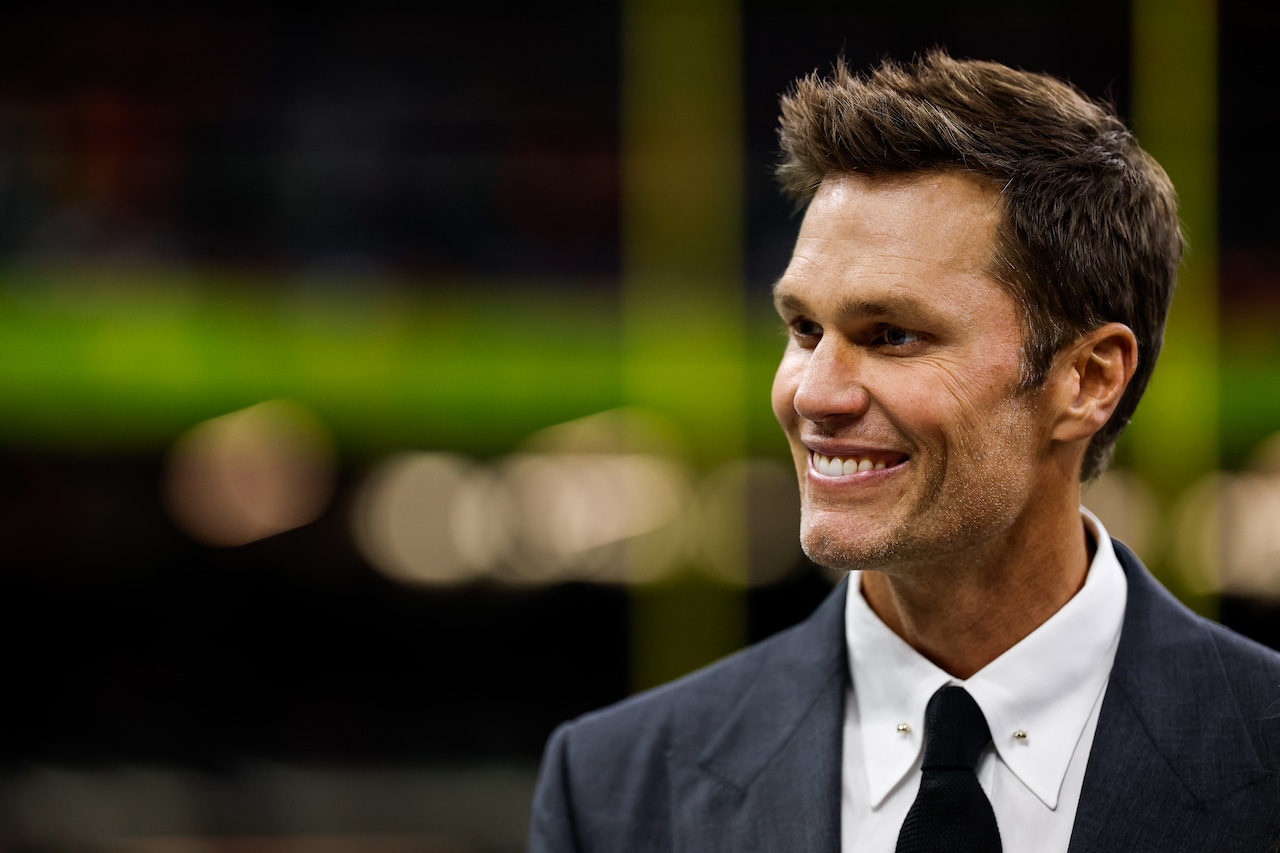
Ten years and a reported $375 million. That is the figure FOX Sports committed to a man who had never called a single professional football game. The contract, signed in 2022 and described across outlets including Fortune and the Associated Press as the richest deal in sports broadcasting history, pays Tom Brady roughly $37.5 million a year to sit in a television booth. For context, Fortune noted in February 2026 that he now earns several times more annually as a commentator than he averaged across his playing career, where total earnings over 23 NFL seasons sat near $333 million. That single comparison frames the entire story of what the greatest quarterback of all time chose to do with the rest of his life.

Brady, born in 1977, retired for good in early 2023 after walking away, briefly unretiring, and then closing the book a second time. He left the field holding seven Super Bowl rings, more than any player in the sport’s history and more than any single franchise has won. Most athletes who reach that summit fade into golf courses, charity dinners, and the occasional autograph signing. Brady did something stranger and more deliberate. He built a portfolio. Broadcasting, team ownership on two continents, a wellness brand, an apparel label, a film studio, and a sprawling set of investments now sit under his name. The retirement looks less like an ending and more like a pivot into a different kind of competition.

From the Field to the Booth
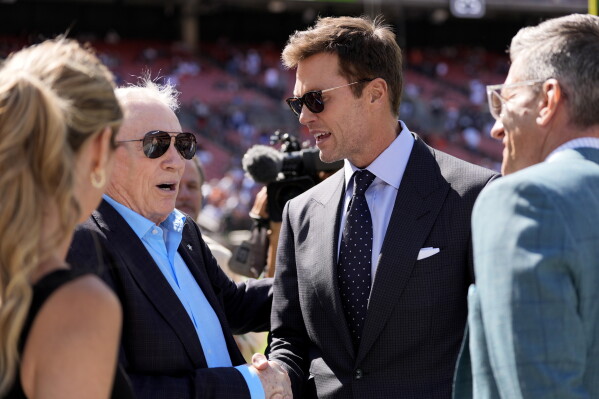
Tom Brady Second Act - From the Field to the Booth

The FOX deal was the loudest signal of intent. Brady originally planned to begin in 2023 but pushed his start to the 2024 season, giving himself a year of distance from playing. He made his broadcasting debut on September 8, 2024, calling a Dallas Cowboys game against the Cleveland Browns as the network’s lead NFL analyst. The early reviews were mixed. Critics found him cautious, reluctant to criticize, and still finding his voice in a job that rewards sharp opinion over diplomacy.

By his second season, the tone shifted. During the 2025-26 regular season, FOX reported a roughly 6 percent jump in NFL viewership, averaging around 18.7 million viewers per game across its windows. Media critics who had been lukewarm warmed up. Richard Deitsch, among the most respected voices covering sports television, noted that Brady grew more lucid and more confident, leaning into the instincts of a quarterback rather than the polish of a broadcaster. One widely cited example had him breaking down how receivers track a deep ball by reading the movement of a defender’s shoulder pads, the kind of detail only someone who lived the position could offer. The early skeptics did not vanish entirely, but the second-year arc bent toward the network getting what it paid for.

The Owner-Broadcaster Tightrope
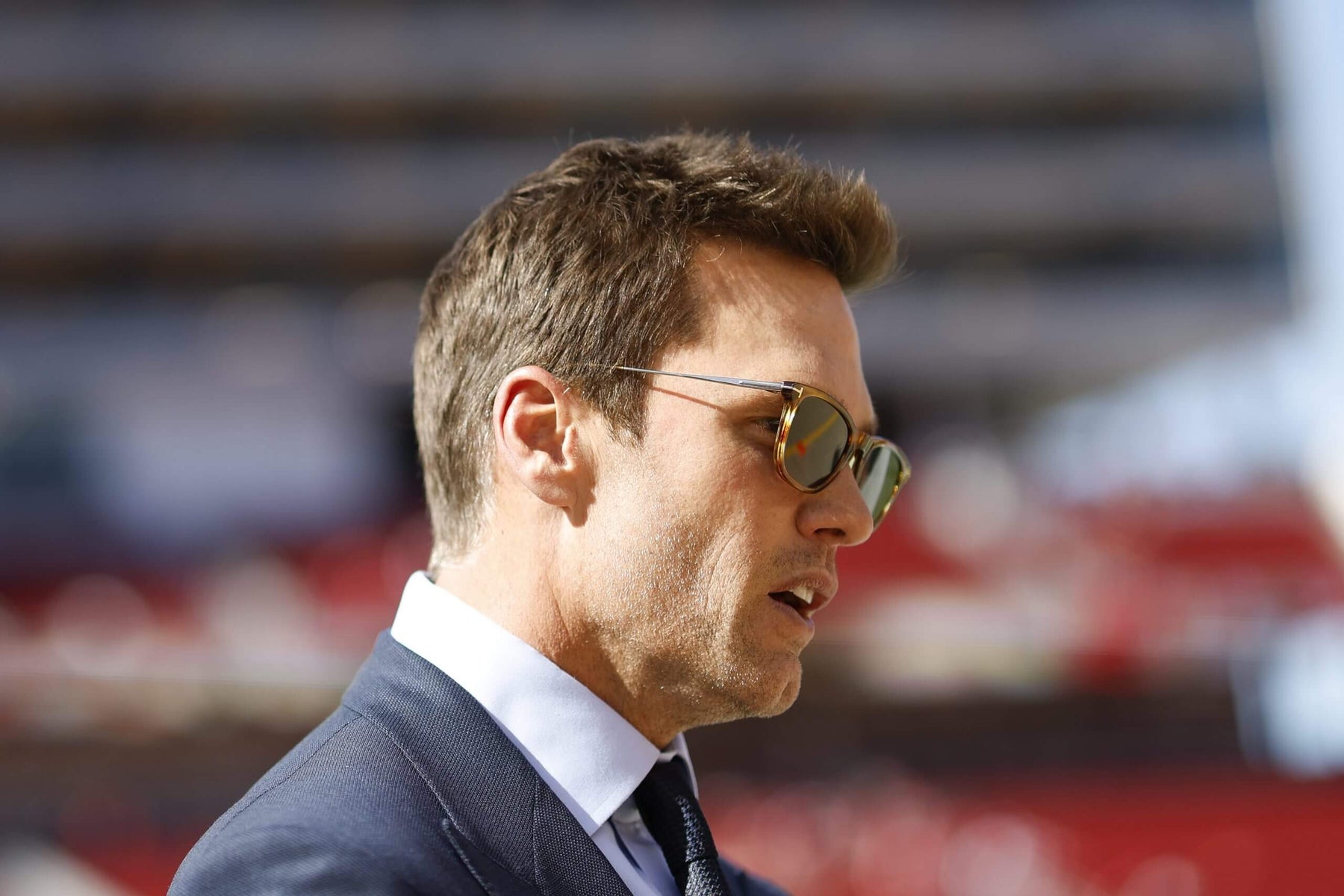
Tom Brady Second Act - The Owner-Broadcaster Tightrope

What complicates Brady’s television job is that he is no longer just a former player with opinions. He is, since October 2024, part owner of an NFL franchise, and that creates a conflict the league had to legislate around.

In October 2024, NFL owners voted unanimously, 32-0, to approve Brady as a limited partner of the Las Vegas Raiders. He acquired a roughly 5 percent stake, part of a larger package that brought his ownership group a combined 10 percent of the team. The approval carried strict conditions. As reported by Deadline, NBC, and Sportico, Brady cannot attend broadcast production meetings, whether in person or online, and he has no access to team facilities, players, or coaches that the rest of the FOX crew enjoys freely. He is also bound by the NFL constitution’s rules barring owners from publicly criticizing officials or rival teams, meaning he cannot openly second-guess a referee’s call on air the way an ordinary analyst might.

The restrictions softened slightly heading into his second broadcasting year, but the core tension remains. Brady occupies a seat no broadcaster has held before: a man paid hundreds of millions to analyze a league in which he holds an ownership stake. He is permitted to call Raiders games, which only sharpens the oddity. The arrangement is a live experiment in how far a sports network and a league will bend their own rules for a singular name.

The Raiders Stake
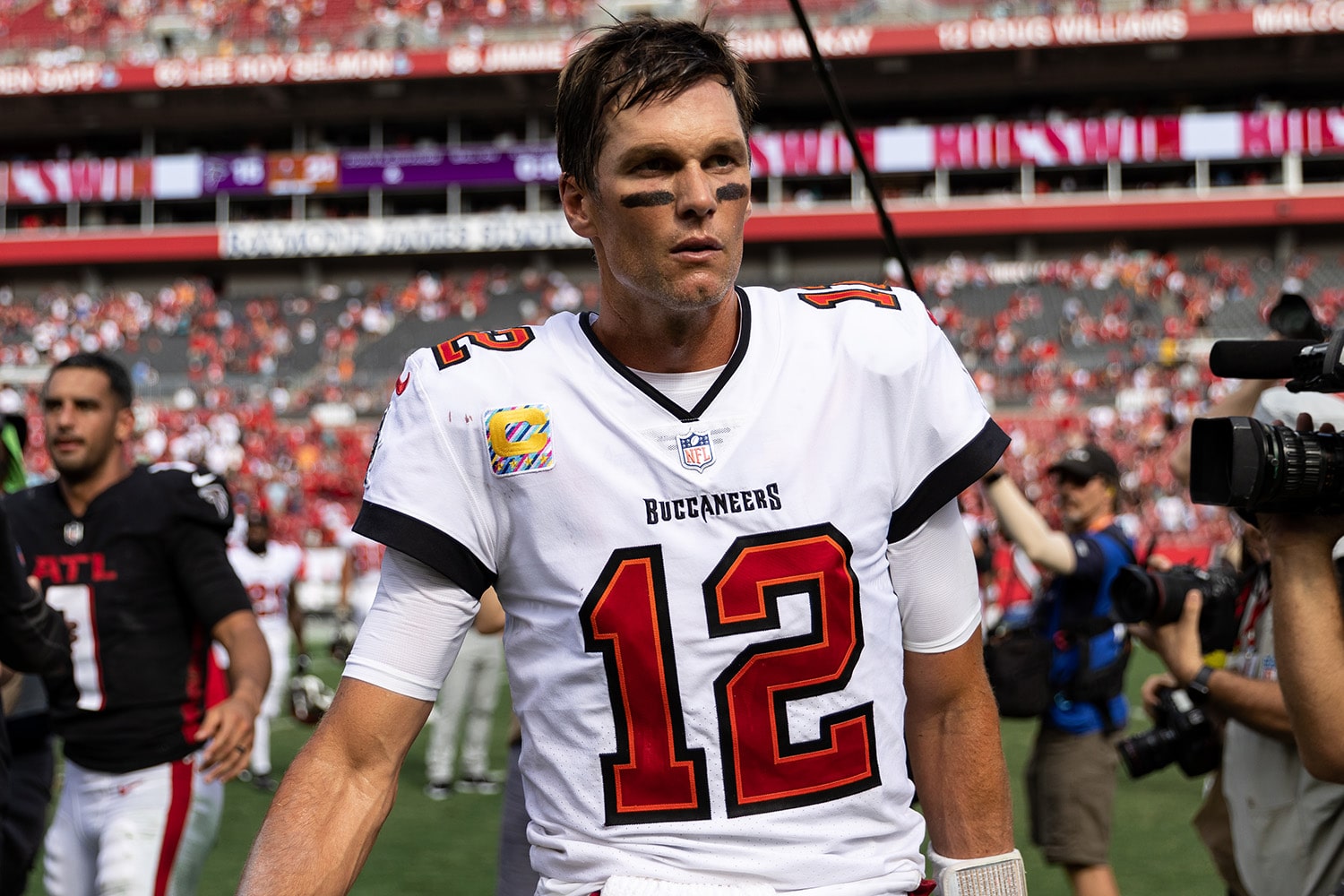
Tom Brady Second Act - The Raiders Stake

The Raiders investment is more than a vanity badge. It places Brady inside the ownership class of American sports, a tier that has historically been closed to former players who lacked either the capital or the connections to buy in. His partnership with Raiders owner Mark Davis gives him a foothold in a franchise valued in the billions, and the equity itself, separate from any salary, is the kind of asset that appreciates quietly over decades.

Ownership also reframes how Brady is positioned in the sport. A retired quarterback is a celebrity. An owner is an executive with a vote in how the league runs. For a competitor who spent two decades obsessing over winning, the move from playing the game to helping govern it reads as the logical next rung rather than a sentimental keepsake. It also signals a longer game. Minority stakes in major franchises rarely come up for sale, and the buyers who acquire them tend to hold for the long appreciation rather than a quick flip. Brady, still in his forties, has time on his side, and the value of an NFL franchise has historically climbed faster than almost any conventional asset class, turning a single approval vote into a quiet engine of generational wealth.

The Business Empire
Tom Brady Second Act - The Business Empire

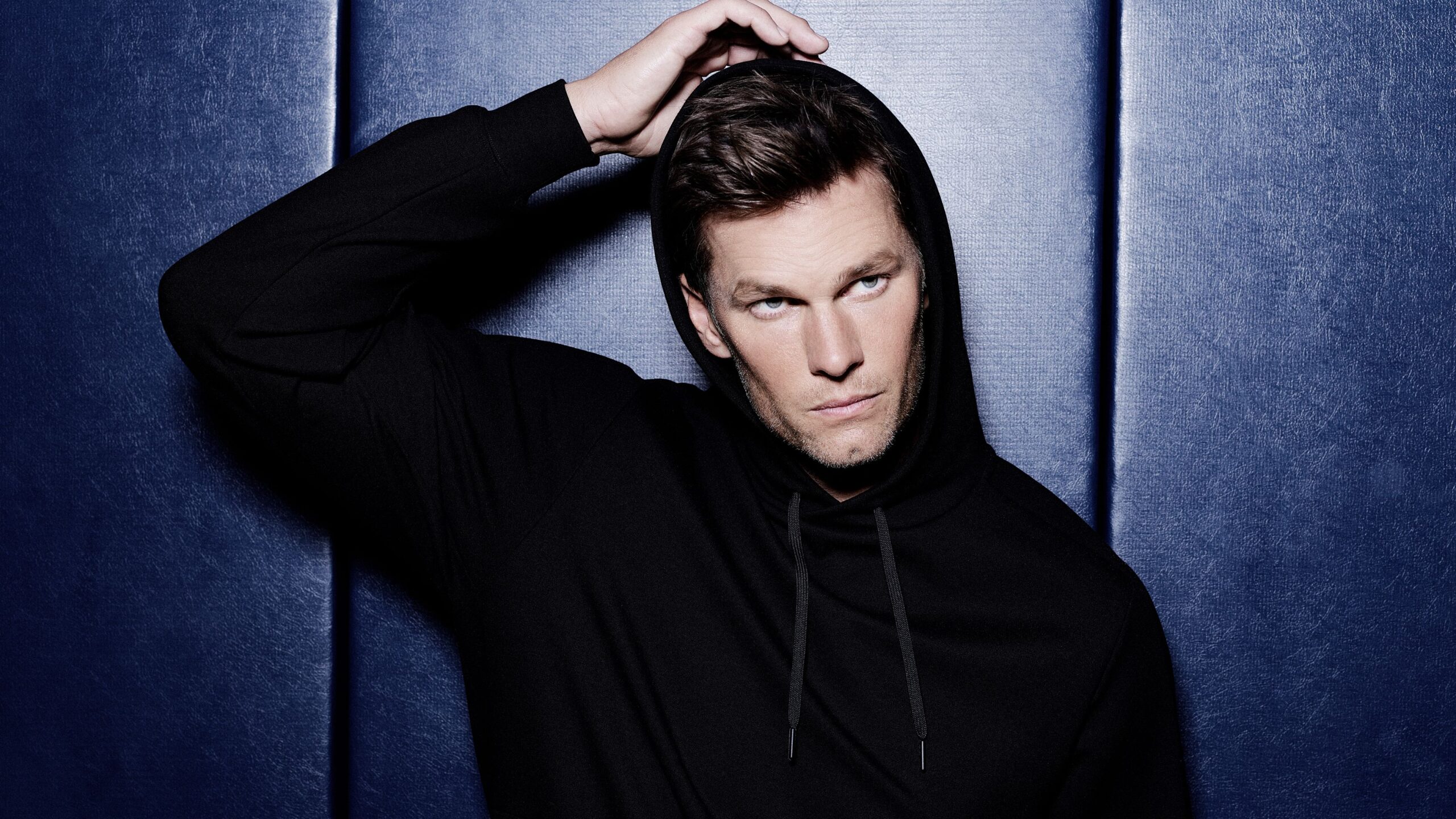
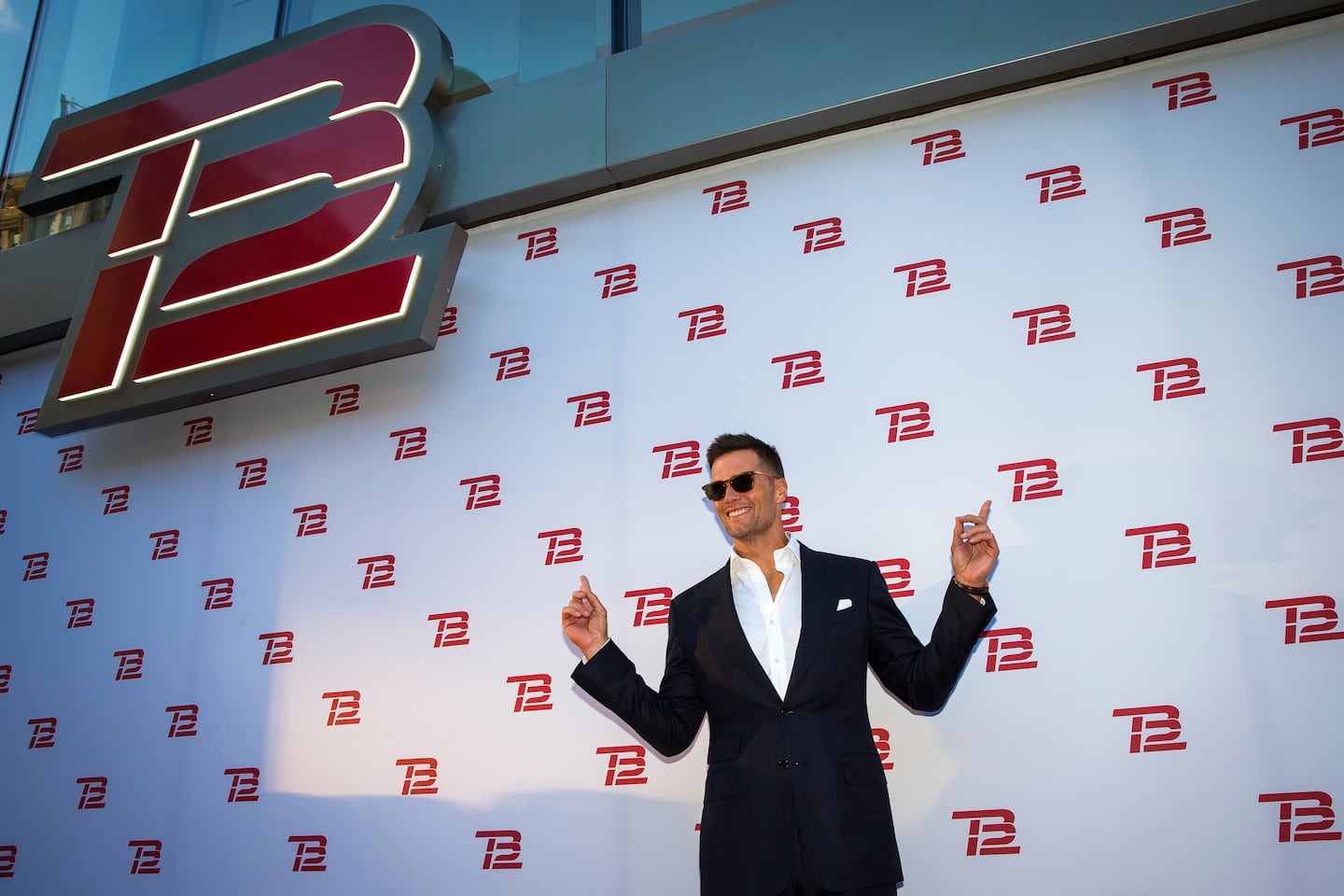
Long before the FOX cameras, Brady was building companies. TB12, launched in 2013, is the wellness and longevity brand built around his much-discussed training philosophy of pliability, hydration, and recovery. It grew into supplements, equipment, and coaching, and was later absorbed into the athletic brand NOBULL, giving Brady equity in a larger company rather than a standalone operation.

His apparel line, BRADY, launched as a menswear label spanning athletic and casual wear, extending his name into fashion the way other athletes have done with sneakers and streetwear. Then there is 199 Productions, his film and media company named after his draft position. Famously, Brady was the 199th overall pick in the 2000 NFL Draft, a slight he turned into a career-long motivator. The studio focuses on documentaries and films, and it sits at the center of how he now shapes his own narrative on screen.
Advertisement

The investment side runs wider still. Brady has put money into a range of startups and ventures, and he co-founded the digital collectibles platform Autograph in 2021, a company that raised significant outside capital. In 2025, Autograph merged with the digital fitness company Future, with Brady taking a board co-chair role in the combined entity. Estimates of his overall net worth vary widely by methodology. Several 2026 figures cluster around $350 million, while more aggressive accountings that weight his equity and team stakes push the number toward $500 million. Forbes and other financial outlets have long flagged that, with the full $375 million FOX deal paying out through 2034 and his franchise equity appreciating, billion-dollar status is a plausible endpoint rather than a fantasy.

The Birmingham City and Global-Sports Plays

Tom Brady Second Act - The Birmingham City and Global-Sports Plays

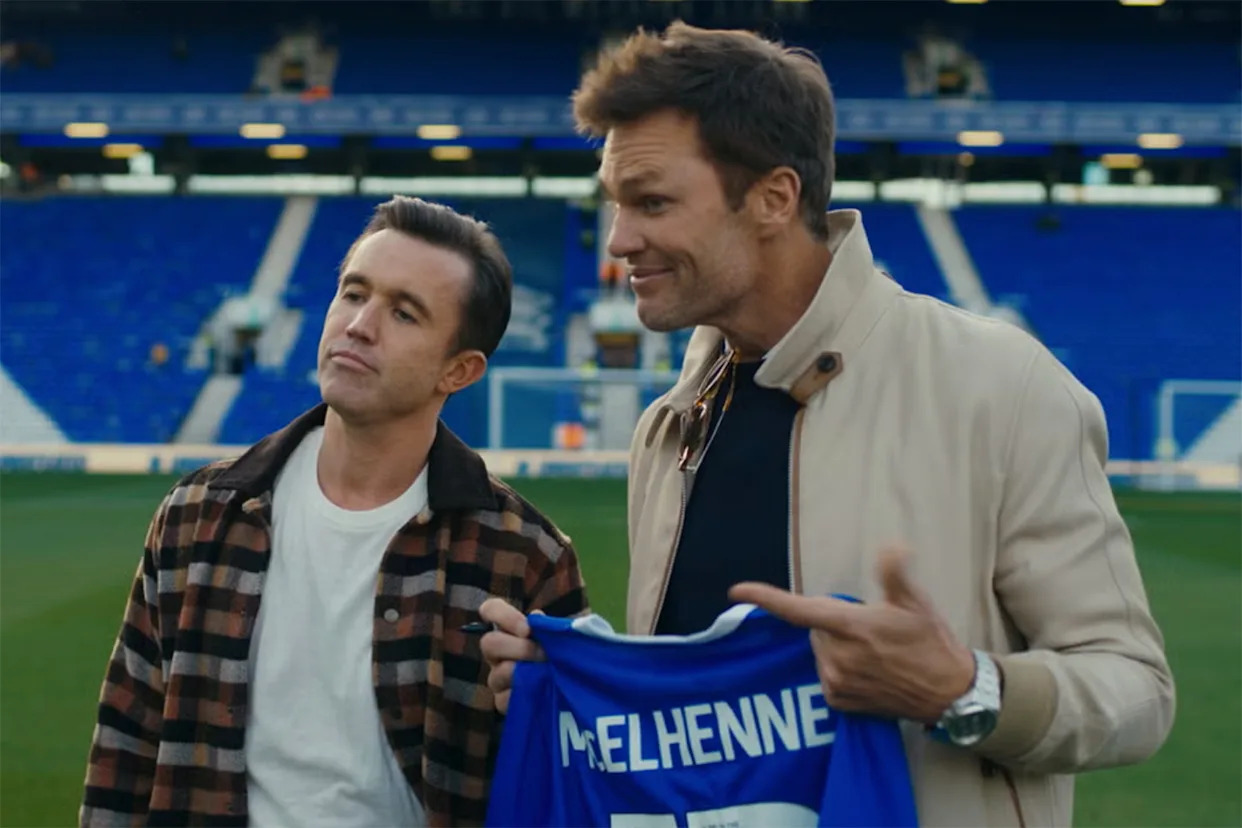
The venture most relevant to a global audience sits in English football. In August 2023, on his 46th birthday, Brady announced a minority ownership stake in Birmingham City Football Club, a storied but long-struggling English club. He partnered with American investment firm Knighthead Capital, taking a stake reported at around 3.3 percent and the role of chairman of a newly formed advisory board.

His remit there is specific. Brady leads on sports science, player health, nutrition, and recovery, the exact domains his TB12 philosophy is built on. The bet drew global attention to a club that had spent years outside England’s top flight, and it folded into a five-episode Amazon Prime docuseries, “Built in Birmingham: Brady and the Blues,” following the 2024-25 season. Reviews of the series were notably measured, with Boston-based critics observing that the documentary did not cast Brady as a conquering savior so much as one investor among many in a slow rebuild.

The ownership picture shifted in November 2025, when Knighthead completed a full takeover of Birmingham City, buying out the remaining stake held by its other backers and consolidating control of the club at roughly 96.6 percent. Brady remained the public face and advisory chair through the transition. For readers who follow the Premier League and the English football pyramid, the Birmingham project is the clearest case of an American gridiron icon trying to translate his name into credibility in a sport he never played, joining a wave of celebrity owners that includes Ryan Reynolds at Wrexham.

The FTX Chapter, Factually

Tom Brady Second Act - The FTX Chapter, Factually

Not every venture aged well. Brady was one of several celebrities who promoted FTX, the cryptocurrency exchange that collapsed spectacularly in November 2022 amid fraud allegations against its founder. Court filings indicate Brady and his then-wife Gisele Bundchen received substantial compensation packages tied to the deal, reported to include multimillion-dollar payments along with equity, cryptocurrency, and NFTs. When FTX imploded, that equity was effectively wiped out, and Brady was named alongside figures such as Stephen Curry and Shaquille O’Neal in class-action litigation brought by burned investors.

The legal exposure narrowed sharply in May 2025. On May 7, 2025, U.S. District Judge K. Michael Moore of the Southern District of Florida dismissed 12 of the 14 claims against the celebrity endorsers. As reported by Sportico and legal trade outlets, the judge concluded the stars could be described as uninformed, negligent, or even reckless in promoting FTX, but found no evidence they knew of the underlying fraud, which is the standard required to hold them liable. The ruling was a significant win for Brady and his co-defendants, though it does not erase the reputational dent or the value he lost when the exchange failed. Handled honestly, the FTX episode is a reminder that the same appetite for early-stage bets that built his portfolio also exposed him to one of the era’s largest financial collapses.

The Celebrity and the Brand

Underpinning all of it is a level of fame that few retired athletes sustain. Brady remains a fixture in advertising, partnering with major brands and lending his name to campaigns that treat him less as a former quarterback and more as a symbol of disciplined excellence. His personal life draws coverage too. His 2022 divorce from supermodel Gisele Bundchen, after 13 years of marriage, was among the most discussed celebrity separations of its year. Both have spoken about co-parenting their children, and the split is best treated as a documented fact of his biography rather than fodder for speculation.

The cultural reach extends through his media work. Beyond the FOX booth and the Birmingham documentary, Brady has continued to position himself at the intersection of sport and celebrity, including a 2026 conversation with Zlatan Ibrahimovic framed around the meaning of greatness ahead of that year’s World Cup. His name still moves ratings, sells products, and headlines projects, which is precisely what makes the broadcasting and ownership deals commercially rational rather than indulgent.

What the Second Act Says About Modern Athlete Retirement

The old model of athletic retirement was subtraction. The income stopped, the spotlight dimmed, and the former star managed a slow fade. Brady’s blueprint is the opposite. By stacking a record broadcasting contract on top of team ownership on two continents, equity in wellness and apparel brands, a production studio, and a venture portfolio, he has built a second career that may ultimately out-earn the first.

The lesson for the generation of athletes watching is that the playing career can function as the launch capital, not the destination. Brady converted seven rings and global name recognition into ownership stakes, board seats, and media leverage that compound long after the body can no longer compete. The FTX setback shows the strategy carries real risk, and the owner-broadcaster tightrope shows that not every part of it fits neatly together. But the durable point stands. The greatest quarterback of all time decided that retirement was not a finish line but a starting position, and the figures attached to his name since he left the field suggest the second act may prove every bit as defining as the first. The booth, the boardroom, and the locker rooms in Las Vegas and Birmingham are now his arenas, and he is playing all of them at once.

Advertisement
Share
Get the recap

Loved this story? Get more like it.

Join readers who get our weekly entertainment recap - the stories worth your time, delivered every Friday.

No spam. Unsubscribe anytime. By signing up you agree to our Privacy Policy.

Tom Brady's Second Act: Broadcas... | Sidomex Entertainment