
Table of Contents
- What Happened on the Anka-Bagega Road
- Zamfara State and the Northwest Security Crisis
- The Human Cost: Honoring Those Who Serve
- The Growing IED Threat Across Nigeria
- Government and Security Response
- What Needs to Change
What Happened on the Anka-Bagega Road
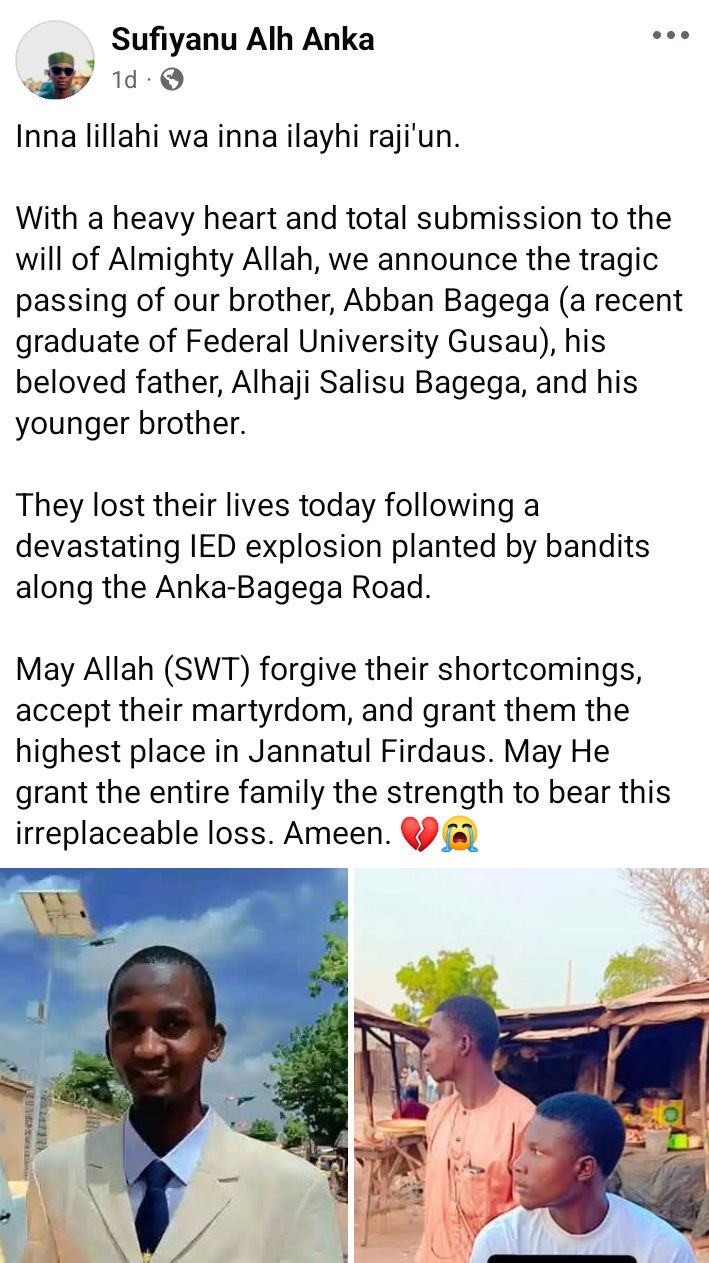
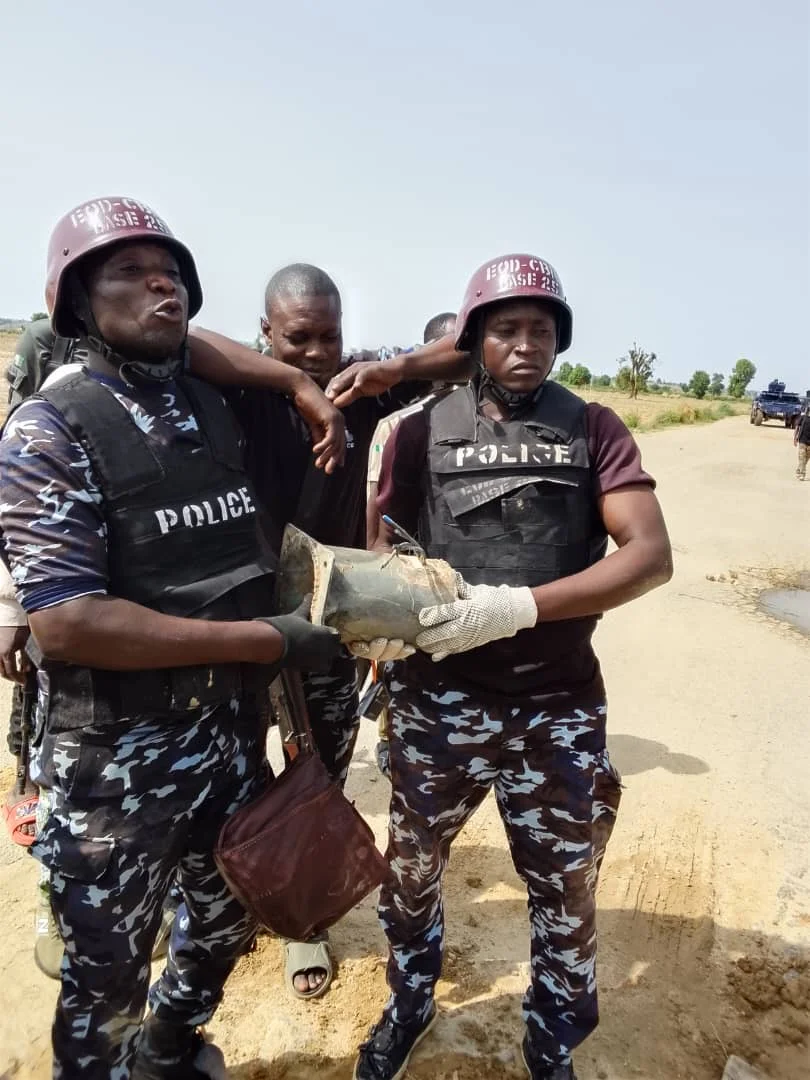
Nigeria woke up to yet another devastating piece of news from its troubled northwest region, as three police officers were confirmed dead following an improvised explosive device (IED) attack on the Anka-Bagega road in Zamfara State. The explosion, which targeted the officers while they were on duty along this notoriously dangerous stretch of road, has once again thrown a harsh spotlight on the deepening security crisis plaguing the region. Details of the attack point to a calculated and deliberate targeting of law enforcement personnel, a grim pattern that has become increasingly common in a state that has endured years of banditry, kidnappings, and armed violence. For the families of those three officers, what began as an ordinary working day ended in irreversible tragedy.
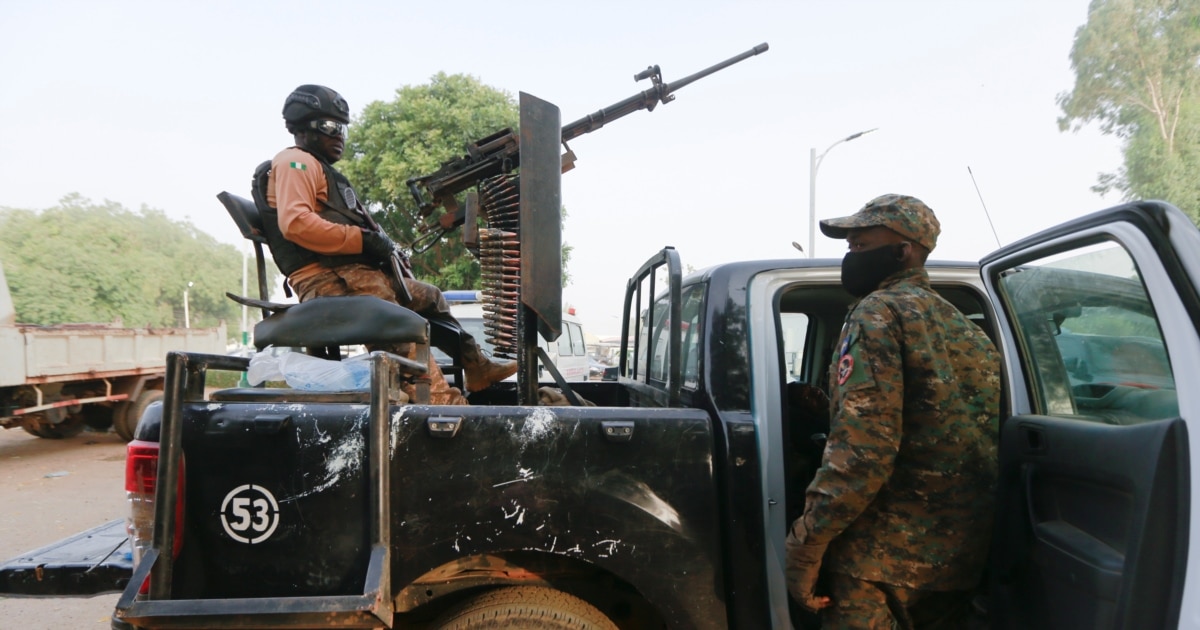
The Anka-Bagega road has long been considered one of the more precarious routes in Zamfara State, cutting through terrain that armed groups have exploited for years to launch ambushes and extort travelers. The use of an IED, rather than a straightforward armed ambush, signals a troubling evolution in the tactics being employed by criminal and insurgent elements in the area. Explosives of this nature require a degree of planning and logistics that suggests these groups are becoming more organized and more dangerous. Nigerians following the news from afar may find the geography unfamiliar, but for residents of Zamfara, such reports carry the weight of lived, daily fear.
Zamfara State and the Northwest Security Crisis
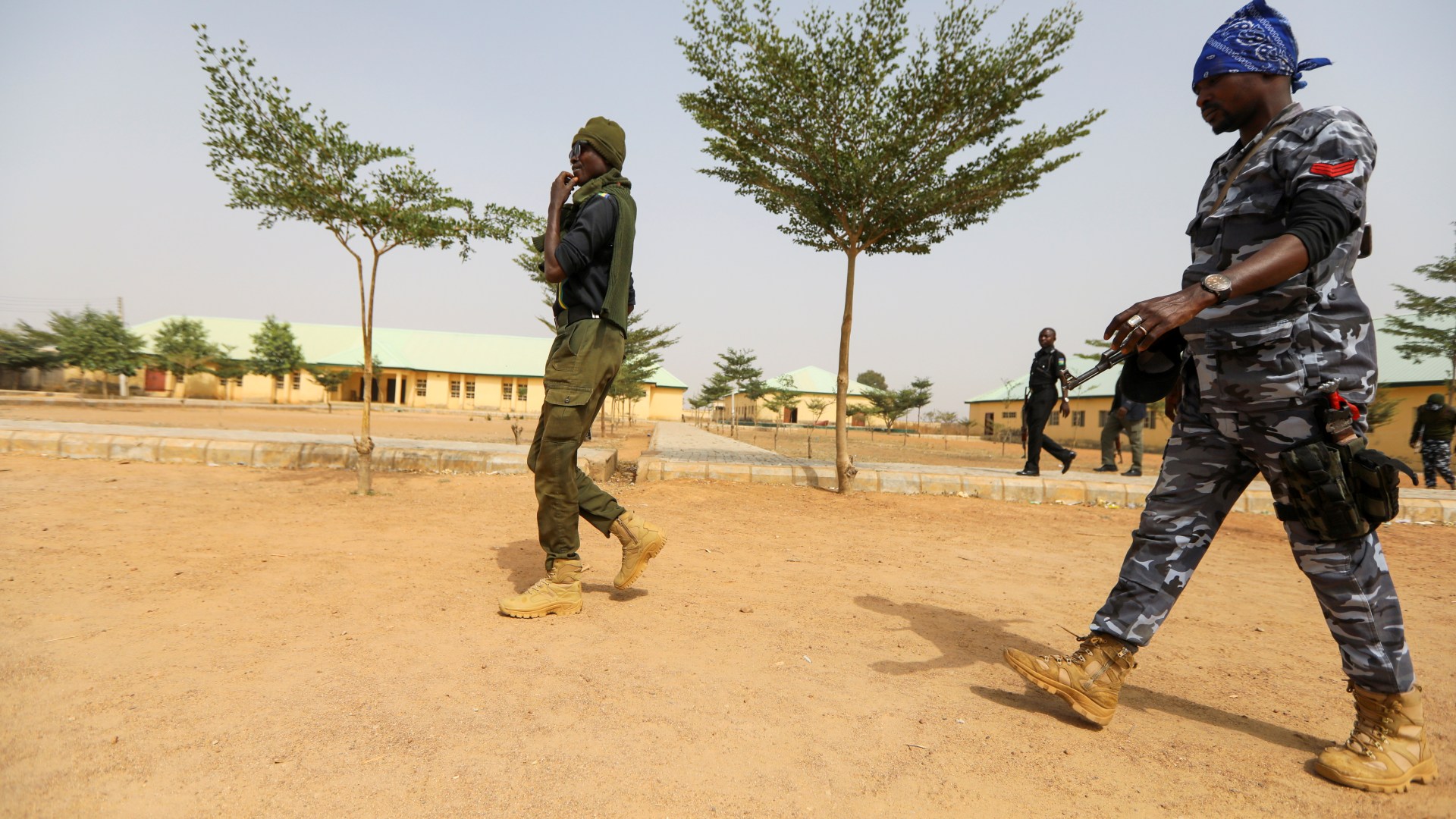
To understand the gravity of this latest attack, it is important to situate it within the broader context of what Zamfara State has endured over the past several years. The state, located in Nigeria’s northwest geopolitical zone, has consistently ranked among the most affected by what authorities often describe as banditry - a term that, critics argue, understates the organized, militarized nature of the armed groups operating there. Mass kidnappings of schoolchildren, large-scale cattle rustling, attacks on villages, and the displacement of hundreds of thousands of people have made Zamfara a humanitarian flashpoint that rarely receives the international attention it deserves. The Nigerian government declared a state of emergency in Zamfara at various points in recent years, and military operations have been conducted in the region, yet the violence has proven stubbornly persistent.
The northwest security crisis is distinct from the Boko Haram insurgency that has dominated international headlines for over a decade, though there are growing concerns among analysts that lines between banditry networks and jihadist organizations are beginning to blur. Armed groups in Zamfara and neighboring Sokoto, Katsina, and Kebbi states have demonstrated increasing sophistication in their operations, including the reported acquisition and use of explosive devices. The use of IEDs, historically more associated with the northeast insurgency, appearing on a road in Zamfara is the kind of tactical shift that security analysts will be watching with grave concern. It suggests these groups may be sharing knowledge, resources, or personnel with more ideologically driven extremist networks.
The Human Cost: Honoring Those Who Serve
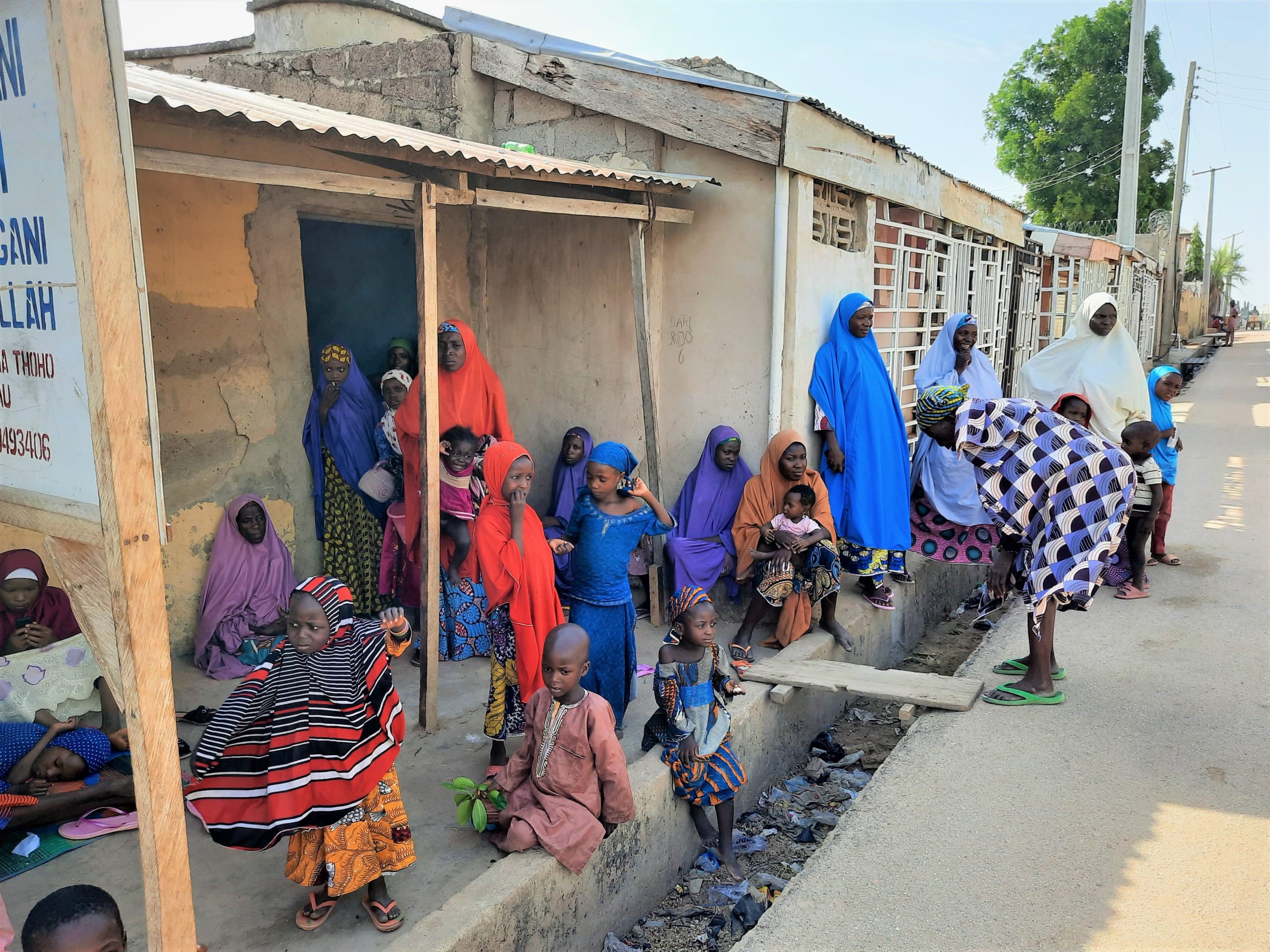
Beyond the geopolitical analysis and security briefings, it is worth pausing to acknowledge the very real human cost of what happened on that road. Three police officers - men who put on their uniforms and reported for duty in one of the most challenging environments a law enforcement officer can face in Nigeria - did not come home. They join a long and painful list of Nigerian security personnel who have made the ultimate sacrifice in a conflict that receives far too little sustained attention from the public. Their families now face the grief of sudden, violent loss, and their colleagues continue to serve in conditions that would test the resolve of anyone.
The Nigeria Police Force has faced significant criticism over the years regarding its capacity, training, and equipment - criticisms that are often fair and necessary. But it is equally important to recognize that individual officers working in volatile states like Zamfara operate under conditions of extraordinary risk, often with inadequate protective gear, insufficient intelligence support, and in environments where the enemy has demonstrated a willingness to deploy lethal force without hesitation. Honoring the fallen officers means not only mourning their loss but also demanding that the institutions they served invest more meaningfully in the safety and preparedness of those still in the field. Their deaths should not simply be absorbed as another statistic in an ongoing crisis.