Strawberry Moon 2026: What the June Full Moon Means Across African Traditions
Arianne Cole··9 min read
Ad SpaceArticle Top - 728x90
Advertisement
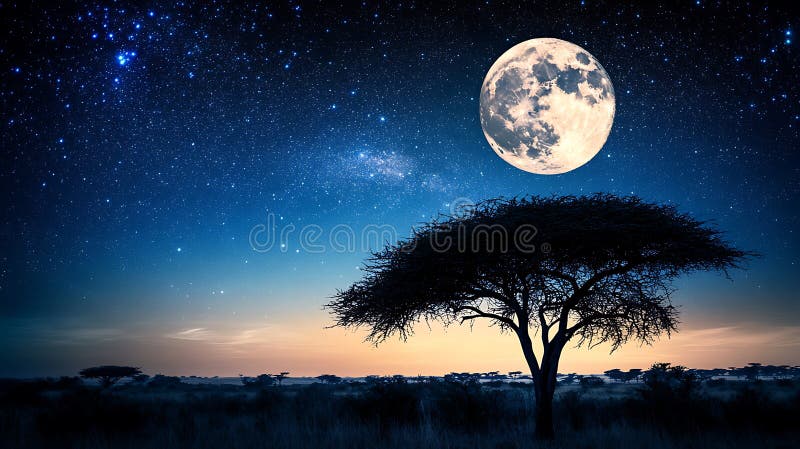
Every June, the last full moon of spring or the first of summer rises with a name that sounds far sweeter than the science behind it. Sky-watchers from Lagos to Los Angeles look up and call it the Strawberry Moon, and the name travels faster than the explanation. There is a lot of quiet misunderstanding wrapped up in those two words, and there is also a much older, richer conversation about the moon happening across the African continent that rarely makes it into the headline. Both are worth sitting with, especially in a year when the internet turns every full moon into a viral event.
For readers across Nigeria and the wider African diaspora, the more interesting story is not the almanac label imported from elsewhere. It is how the moon itself, in its slow wax and wane, has organised farming, faith, festivals and family life across the continent for centuries, and in many places still does. The Strawberry Moon is a good doorway. What lies on the other side of it is a set of living traditions that deserve to be described accurately rather than romanticised.
Where the Name “Strawberry Moon” Actually Comes From
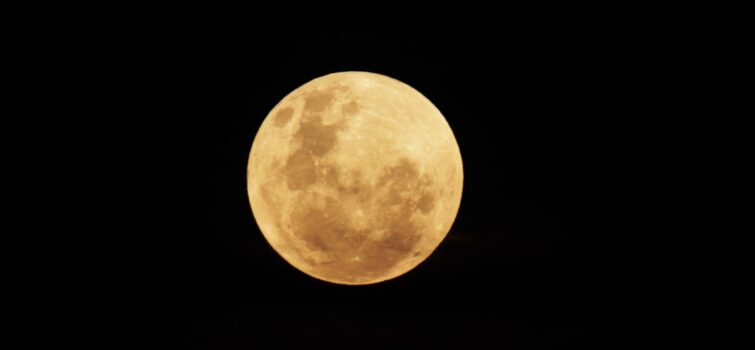
Start with the most common myth, because it needs clearing up. The Strawberry Moon is not pink, red, or strawberry-coloured in any special way. The name has nothing to do with the moon’s hue. According to The Old Farmer’s Almanac, which began popularising traditional full moon names in the 1930s, the label points to a harvest, not a colour.
The name is generally traced to Native American peoples, including Algonquian, Ojibwe, Dakota and Lakota communities, who used it to mark the short stretch in June when wild strawberries ripen and are ready to be gathered in parts of North America. The June full moon simply fell in the middle of that gathering window, so the moon took the crop’s name. It is an agricultural marker, a way of keeping time by what the land was doing, rather than a description of what the sky looked like.
Europe attached its own names to the same moon. The Almanac notes it was sometimes called the Honey Moon or the Mead Moon, tied to the season of harvesting honey and brewing mead. Other Indigenous North American names for this moon include the Haida “Berries Ripen Moon,” the Anishinaabe “Blooming Moon,” and the Tlingit “Birth Moon.” What all these names share is a habit that runs through human cultures everywhere: naming the months after the visible work of the season. That habit is the real bridge to the African traditions, because the continent has been doing exactly the same thing, in its own languages, for a very long time.
The Astronomy, Kept Simple and Honest
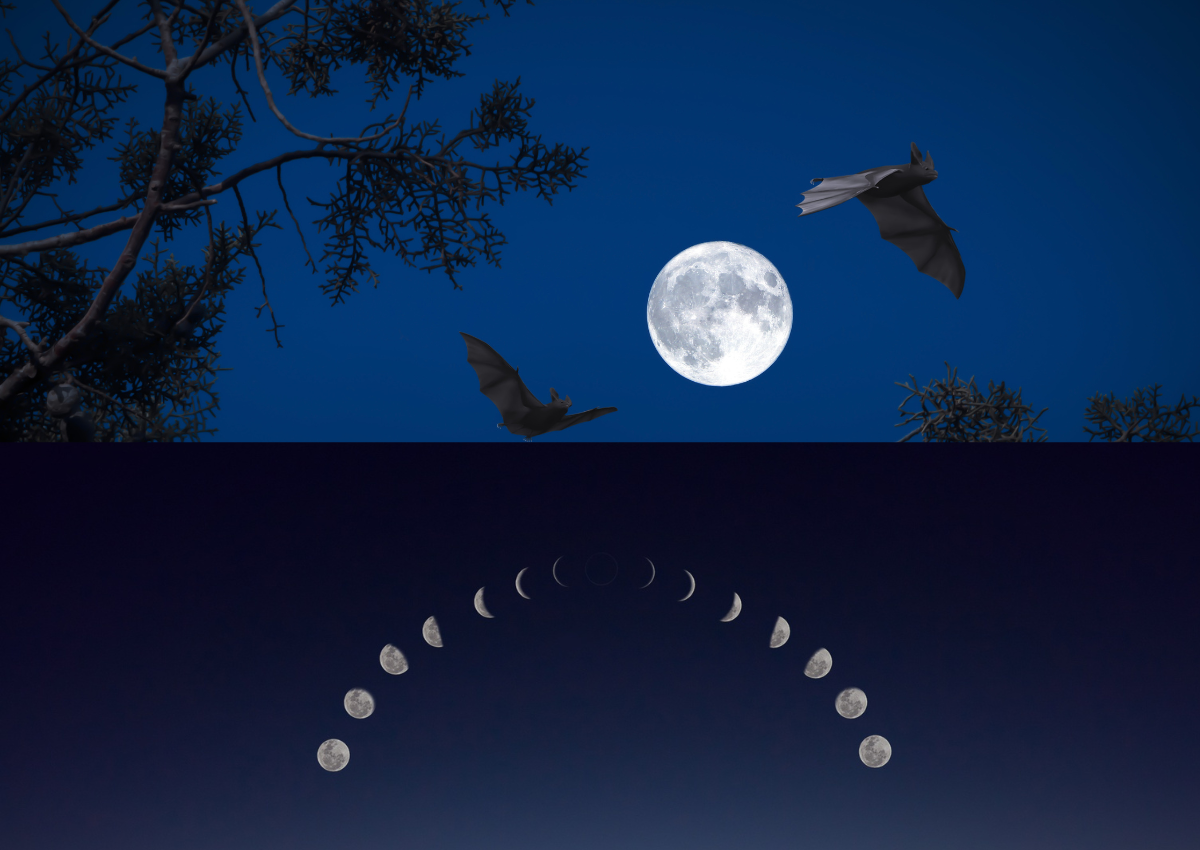
The moon does not change substance in June. A full moon happens when the Earth sits between the sun and the moon, and the face of the moon turned toward us is fully lit. That happens roughly once every 29.5 days, the length of a lunar cycle, which is why full moons drift a little earlier or later on the Gregorian calendar each year.
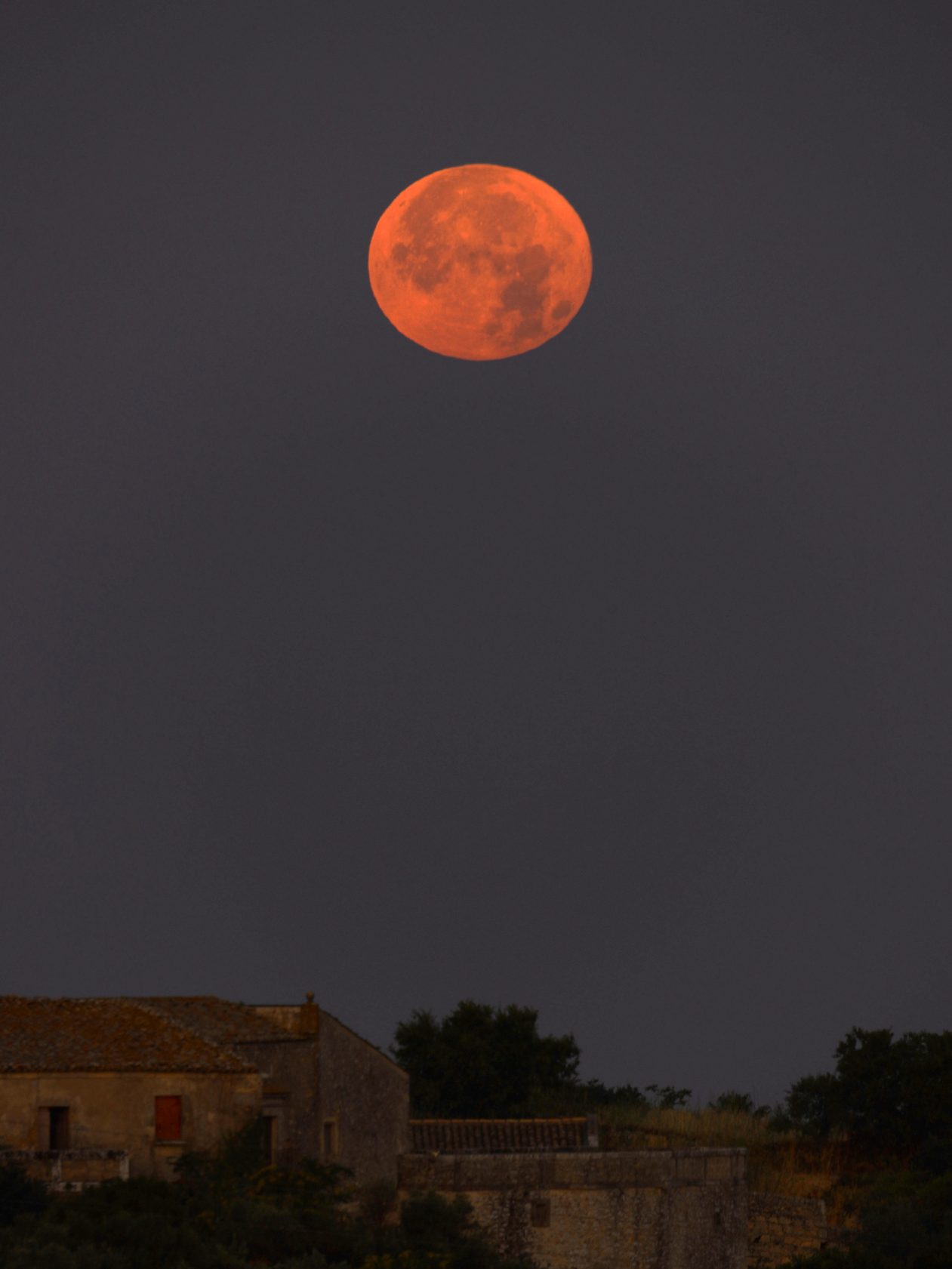
There is one genuine visual detail worth knowing, and it is easy to overstate, so here it is carefully. Around June, the full moon tends to ride low across the sky for viewers in the Northern Hemisphere, because it sits opposite a high summer sun. A low moon is often seen through more of the Earth’s atmosphere near the horizon, which can lend it a warmer, golden or amber tone. That is an atmospheric effect that can happen with any low-hanging moon, not a special property of June, and it is not why the moon is called the Strawberry Moon. Anyone who tells you the moon turns strawberry-red on cue is selling a better story than the sky delivers.
None of this makes the moment less worth watching. A warm, low full moon over a Lagos skyline, a Nairobi hillside or a quiet village in the north is a genuinely beautiful thing. It just is not magic, and it does not need to be. The value in getting the facts right is that it lets you appreciate the sky for what it truly is, and it protects you from the flood of exaggerated posts that promise a rare cosmic spectacle every single month.
The Moon as Africa’s Oldest Calendar
Long before printed almanacs, communities across Africa read time directly from the moon. The pattern is remarkably consistent across very different cultures: a new month begins when the thin crescent first becomes visible in the evening sky after the dark of the new moon. That single, shared observation, the sighting of the crescent, anchors calendars from West Africa to the south.
The Igbo calendar of southeastern Nigeria, known as ??g??àf?? ??gbò, is one clear example. It is built around the lunar month, called ?nwa, with each month beginning at the sighting of the new moon. Historically, the Nri Kingdom, the spiritual heart of Igbo culture, held the authority to count the months and proclaim the beginning of the year, giving scattered communities a shared sense of time. The Igbo word for month and the word for moon are bound together, which tells you how deeply the two ideas were fused.
The Yoruba calendar, K??j??dá, works on similar lunar logic, with its traditional new year falling around the last moon of May or the first moon of June and tied to the Ifá festival cycle. Across rural West Africa more broadly, communities including Fulani, Dogon and Mandinka developed detailed systems of naming each moon cycle after the season’s dominant activity or weather. The Dogon of Mali, long noted for their attention to the sky, are among those whose lunar naming pointed directly at survival, with moons associated with planting and with harvest.
This is the same instinct that produced the Strawberry Moon, expressed in different languages and different crops. A month is not an abstract box on a grid. It is the moon telling you what to do next.
Ad SpaceIn-Article - 300x250
Advertisement
Faith, the Crescent and the Rhythm of the Year
For millions of Africans, the moon is not folklore at all. It is the working machinery of the religious year. The Islamic calendar, followed across North Africa, the Sahel, much of West Africa and communities down the east coast and beyond, is purely lunar. Each month begins with the first sighting of the new crescent, and the great markers of the year move with it.
Ramadan begins when the crescent is sighted, and Eid al-Fitr arrives at the sighting of the next one. Because the observation depends on the eye, the weather and local moon-sighting committees, the exact start can differ from one country to the next, and even shift at short notice. Cloud cover has delayed the announcement of Eid before, including documented cases in South Africa where the moon could not be seen. Communities in places like Cape Town have long practised communal moon-sighting, gathering to look for the thin sliver that signals the change of month.
That is worth pausing on. In a smartphone age, tens of millions of people still organise the most important weeks of their spiritual year around whether a human being can physically see a crescent in the evening sky. The moon is not a symbol there. It is the clock, the calendar and the call to gather, all at once.
Planting, Harvest and Reading the Sky
The link between the moon and the farm runs through African agricultural life in ways both practical and traditional. Across many communities, lunar phases have long guided the timing of work, with new-moon periods favoured for certain planting and full-moon periods associated with harvest and gathering.
In parts of Mali and Senegal, a traditional guideline holds that crops growing above the ground, such as millet, maize and groundnuts, are planted during the waxing moon as its light increases. Whether or not modern agronomy endorses every version of this practice, it reflects generations of close observation and a deep cultural logic that treated the sky as a farming almanac.
Southern Africa offers one of the most precise examples, and it pairs the moon with the stars. Among Zulu, Xhosa and other communities, the appearance of the Pleiades star cluster, known as isiLimela or the “digging stars,” signals that the planting season has arrived. Once the cluster becomes visible in the early morning sky around June, farmers know it is time to prepare the soil. The Zulu, along with many other Bantu-speaking peoples and the Khoisan, marked the start of each new month at the evening when the crescent reappeared after the new moon. The moon set the month; the stars set the season; together they told the community when to dig. That is a sophisticated, home-grown system of reading the sky, and it functioned without a single printed page.
Festivals, Folklore and the Stories Told Under a Full Moon
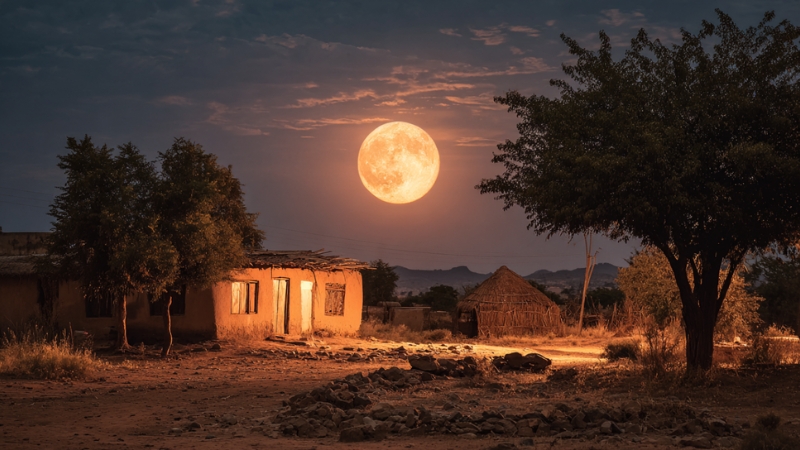
Beyond the practical calendar, the full moon has long been a social and storytelling occasion across the continent. In many communities, the bright nights of the full moon were the natural time for gatherings, music, dance and the telling of moonlight tales, when children old enough to stay up would sit and absorb the stories, proverbs and moral lessons that oral tradition passed from one generation to the next. The moon was, in the most literal sense, the light people gathered under before there was any other. A bright full-moon night extended the day, turning an ordinary evening into a window for shared work, courtship, wrestling matches, and the long-form storytelling that no daytime schedule could accommodate.
African folklore holds a wide range of moon figures and stories, and here honesty matters more than tidiness. The traditions are genuinely diverse, and it would be wrong to flatten them into a single “ancient African belief,” because there is no such single belief. Different peoples told different stories, gave the moon different genders and roles, and drew different lessons. In Yoruba tradition, for instance, deities associated with rivers, fertility and abundance carry their own rich mythologies, and popular retellings sometimes link them loosely to the moon. Where the specific attributions get fuzzy in casual sources, the responsible thing is to say plainly that the details vary by community and by teller, rather than to invent a neat continental myth that never existed.
What can be said with confidence is that the full moon was, and in many places still is, a marker of communal life. It has timed initiations, weddings and rites of passage. It has lit harvest celebrations that thanked the land for its yield. Among the Mende of Sierra Leone, lunar cycles have helped guide the timing of initiation into the Poro and Sande societies, institutions that carry real weight in community governance and moral education. Across these examples, the pattern is not superstition for its own sake. It is a community using the most reliable public clock it had, the moon, to decide when to come together.
Watching June’s Moon With Clearer Eyes
Knowing all of this changes how the June full moon feels when you finally stand under it. The Strawberry Moon name is a borrowed one, honest about its origins once you look past the marketing: a North American harvest label, spread worldwide by an almanac, now floating free of the strawberries that gave it meaning. There is nothing wrong with enjoying it. It is a lovely name for a warm, low, golden moon on a June night.
The deeper resonance, for readers on and from the continent, is that Africa never needed an imported name to make the moon meaningful. The crescent that opens the Igbo month, the sighting that begins Ramadan, the waxing light that told a Malian farmer to sow, the digging stars that rose alongside the moon over a Zulu field, the full-moon night when elders told the stories that raised a generation, all of it says the same thing in a dozen languages. The moon has always been Africa’s calendar, its congregation bell and its storyteller’s lamp. So this June, look up, enjoy the borrowed name if you like, and know that the sky above you has been keeping time for your ancestors far longer than any almanac has been in print.
Ad SpaceIn-Article - 300x250
Advertisement
Share
Get the recap
Loved this story? Get more like it.
Join readers who get our weekly entertainment recap - the stories worth your time, delivered every Friday.
No spam. Unsubscribe anytime. By signing up you agree to our Privacy Policy.