
Solo Leveling's Chart Domination Proves Manhwa Has Officially Outgrown Its Underdog Status
Entertainment

Solo Leveling's Chart Domination Proves Manhwa Has Officially Outgrown Its Underdog Status

Miki AndersonMiki Anderson··8 min read
Advertisement

Table of Contents

A Manhwa Moment That Rewrites the Chart Conversation
Solo Leveling Chart Domination Proves - A Manhwa Moment That Rewrites the Chart Conversation

For years, Japanese manga operated as the undisputed king of illustrated serialized fiction – a cultural monolith so entrenched that even suggesting anything could challenge it at the top of a Japanese chart would have earned you a polite but firm dismissal. That conversation has officially changed. The latest volume of Solo Leveling, the Korean manhwa adapted into a global anime phenomenon, has claimed the No. 1 spot on Billboard Japan’s Book Hot 100, pushing aside long-established competition to sit at the very summit of one of the most prestigious book charts in Asia. This is not a fluke or a one-week novelty – it is the clearest signal yet that Korean storytelling, once consumed quietly on mobile screens by a niche audience, has muscled its way into mainstream publishing royalty.
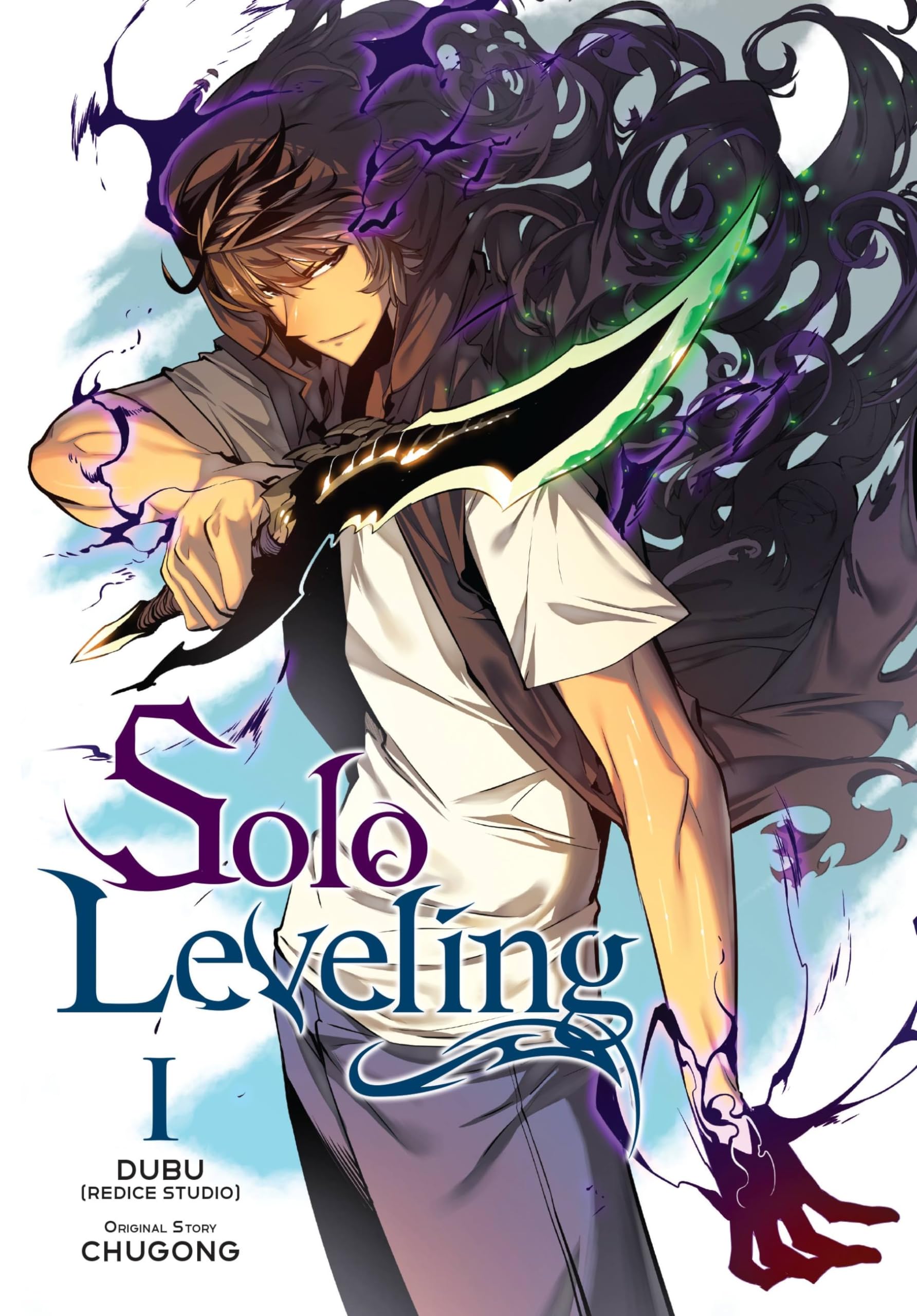
Solo Leveling Vol. 25 manhwa book cover
Image: Amazon.com

The significance of a Korean manhwa topping a Japanese book chart cannot be overstated. Japan’s publishing industry is fiercely protective of its own cultural output, and its charts typically reflect an audience that has an almost devotional loyalty to homegrown titles. The fact that Solo Leveling – originally a Korean web novel by Chugong that was adapted into a webtoon illustrated by DUBU (Gi So-Ryeong) and later into a manga-format print edition for Japanese readers – has broken through that ceiling says everything about the anime adaptation’s commercial firepower. When A-1 Pictures brought the series to screens in January 2024, it did not simply adapt a story. It launched a global franchise that has been converting casual viewers into book buyers at a remarkable rate.

How Solo Leveling Climbed to the Top
Solo Leveling Chart Domination Proves - How Solo Leveling Climbed to the Top

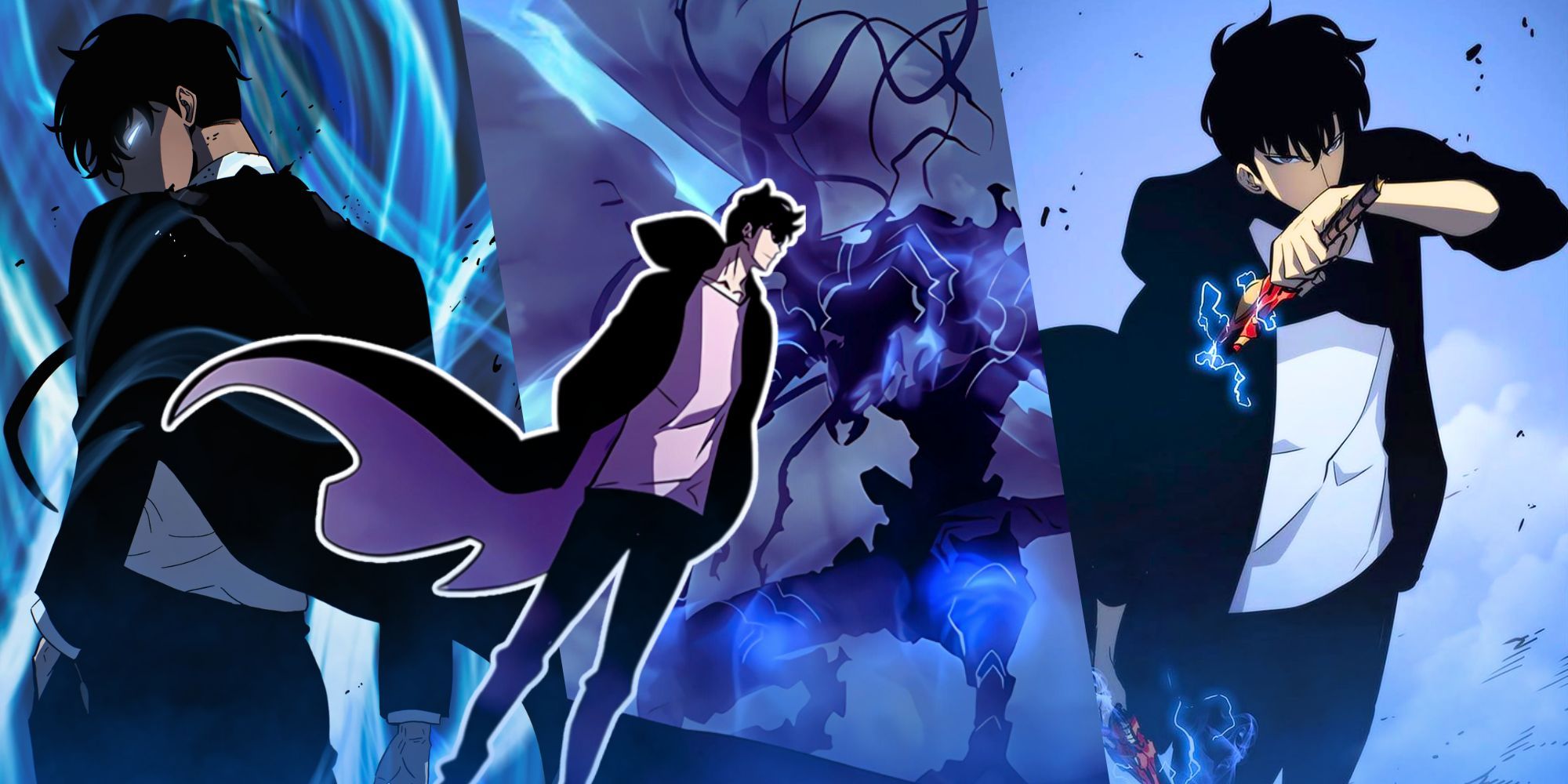
The journey of Solo Leveling from a Korean web novel serialized on KakaoPage starting in 2016 to the top of a Japanese chart in 2025 is one of the more fascinating trajectories in contemporary pop culture publishing. Chugong’s original story – centered on Sung Jin-Woo, a rank-E hunter considered the weakest in a world where humans battle monsters in supernatural dungeons – struck a nerve with readers precisely because of its underdog-to-overpowered narrative structure, a formula that sounds familiar but was executed with a propulsive energy that kept readers hooked chapter after chapter. The webtoon version, illustrated by DUBU, expanded the story’s visual reach considerably, and when Yen Press licensed the English-language manga adaptation for Western markets, it confirmed that the appetite for this title extended far beyond Korea’s borders.
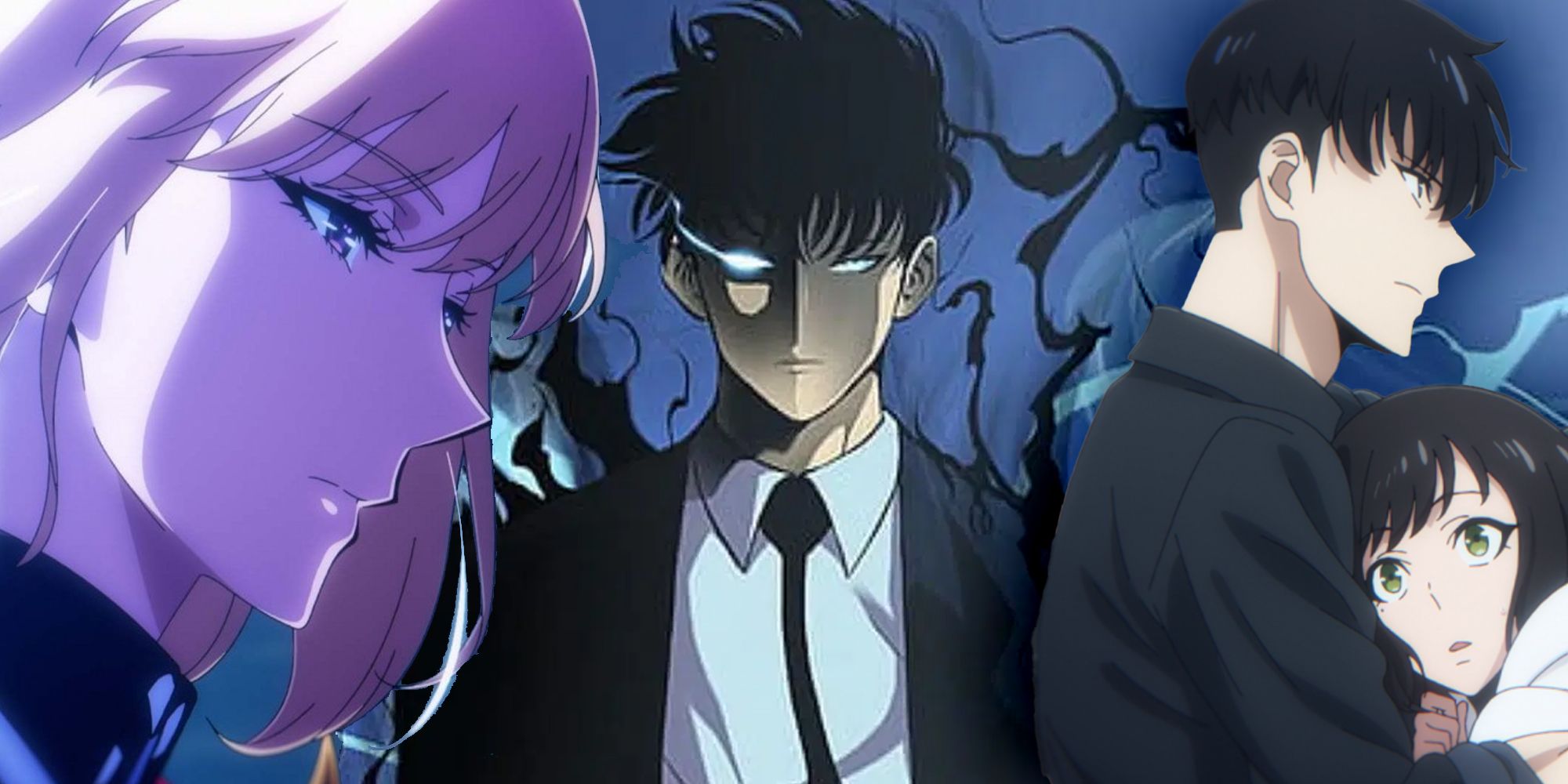
Solo Leveling anime series promotional art by A-1 Pictures
Image: IMDb

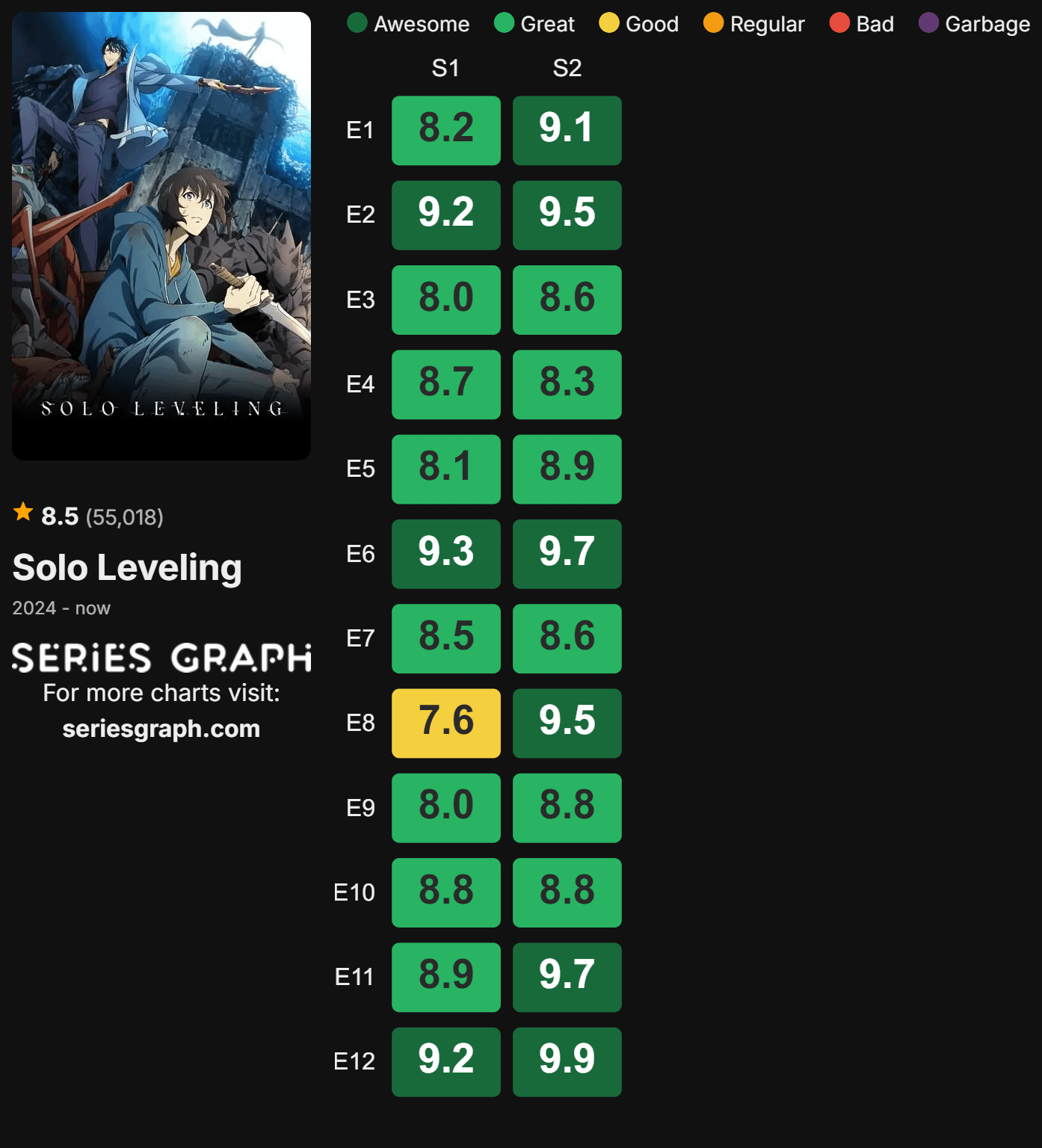
The anime adaptation, produced by A-1 Pictures and directed by Shunsuke Nakashige, premiered on Crunchyroll in January 2024 as one of the most anticipated debuts of that year, and it delivered. Season one generated enormous streaming numbers and placed Solo Leveling into the same cultural conversation as legacy titles like Attack on Titan and Demon Slayer. Season two, subtitled Arise from the Shadow, continued that momentum into 2025, and it is no coincidence that Vol. 25 of the print series is topping charts at the same time the anime is capturing fresh audiences every week. The animated adaptation is functioning as the ultimate marketing engine for the books – each episode pushing new fans to the source material, and those fans buying volumes in enough volume to rearrange a chart that has historically been dominated by Japanese titles.

Naruse and Apothecary Diaries Hold Their Ground
Solo Leveling Chart Domination Proves - Naruse and Apothecary Diaries Hold Their Ground

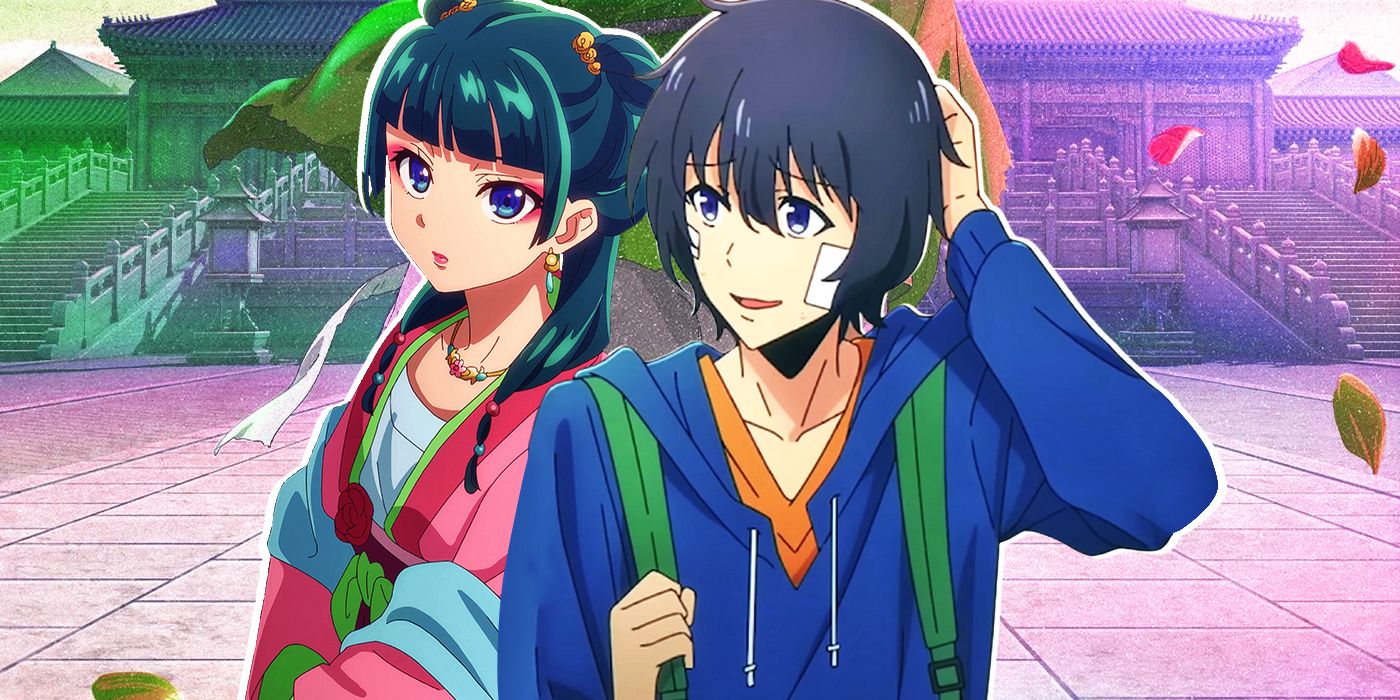
While Solo Leveling grabs the headline, the story of this particular chart snapshot is really a three-title drama worth unpacking in full. Sitting at No. 2 is a title from the Naruse series, which received a paperback release that pushed it up the rankings – a reminder that physical format still moves the needle considerably in Japan’s book market, where readers maintain a strong preference for holding something tangible. The paperback bump is a tried and tested phenomenon in publishing, and it is interesting to see it play out on a live chart in real time. A new format release does not mean a new readership; it means an existing fanbase that had been waiting for a more affordable or convenient edition finally spending their money, and the chart reflects that accumulated demand in a single concentrated surge.
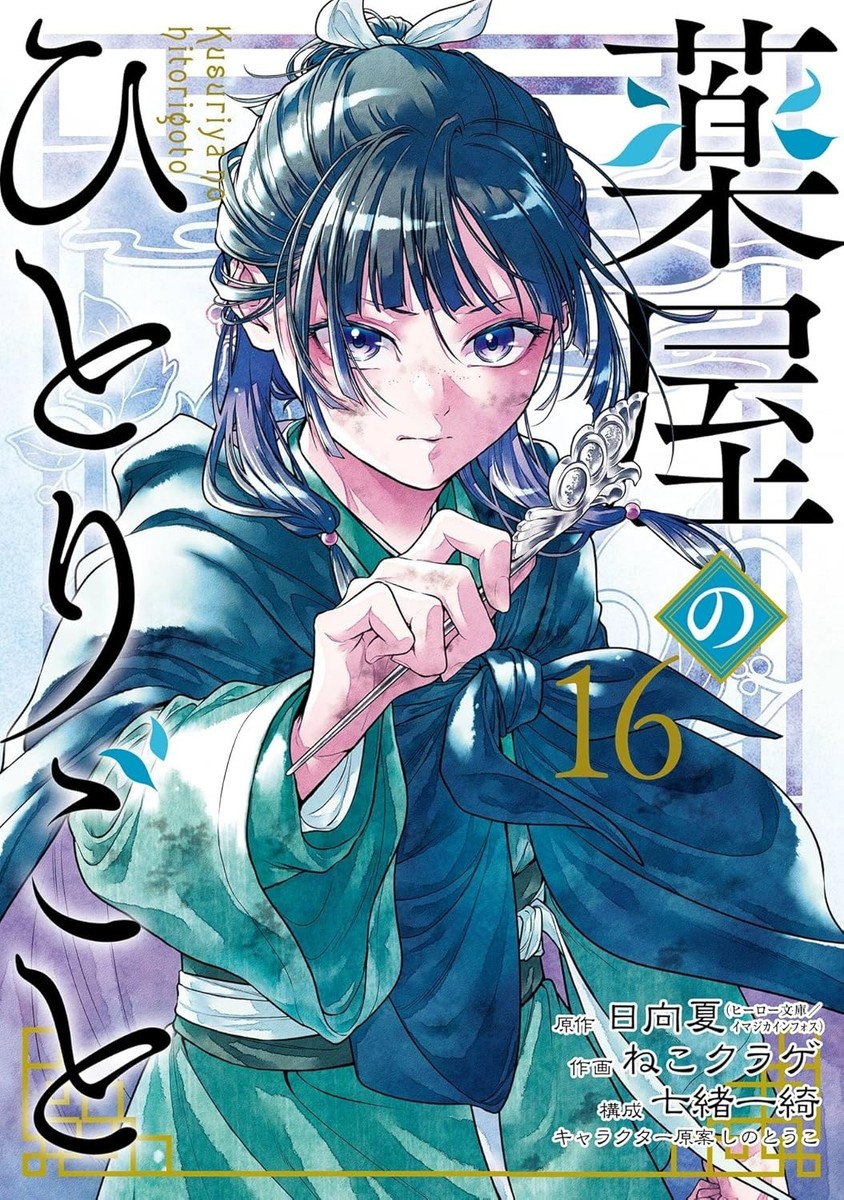
The Apothecary Diaries manga volume cover
Image: eBay.de

Dropping from No. 1 last week to No. 3 this week is Kusuriya no Hitorigoto, better known internationally as The Apothecary Diaries – the Sunday GX manga adaptation of the light novel series by Natsu Hyuuga. The series follows Maomao, a young woman with an encyclopedic knowledge of medicine and poisons who finds herself working in the imperial court and untangling deadly mysteries. Its slide to No. 3 is not an indictment of its popularity; if anything, the fact that it held No. 1 last week and remains in the top three this week speaks to the depth of its audience. The Apothecary Diaries has been one of the standout manga titles of the last two years, with its anime adaptation on Netflix and Crunchyroll earning critical praise for its detailed historical setting and unusually nuanced female protagonist. Three strong titles trading top positions is a sign of a healthy, competitive market – not a casualty story.

Advertisement

Why This Chart Battle Matters to African Anime Fans

Solo Leveling Chart Domination Proves - Why This Chart Battle Matters to African Anime Fans

It would be easy to file this story under “interesting but distant” if you are reading from Lagos, Nairobi, Accra, or Johannesburg – but that framing misses something important about what is actually happening here. The African anime fanbase is one of the fastest-growing in the world, and Nigeria in particular has a young, digitally native population that has embraced anime with the same intensity it brought to Afrobeats a decade ago. Social media communities like AnimeNG on Twitter/X, local anime clubs in universities across Lagos, Abuja, and Enugu, and the explosion of anime-focused Nigerian YouTube channels have created an ecosystem where titles like Solo Leveling are not niche conversation – they are mainstream topics debated with the same passion as the latest Burna Boy album or a Nollywood box office weekend.

African anime fans watching anime together
Image: Euronews

The commercial relevance is also growing. Crunchyroll, which streams Solo Leveling globally, expanded its African market access significantly in recent years, making legal streaming of these titles more accessible to Nigerian and Ghanaian fans who previously relied on third-party sites. Merchandise, a market that barely existed for anime in Nigeria five years ago, is now a genuine business segment with local vendors importing figures, art prints, and clothing. When Solo Leveling Vol. 25 tops a Japanese chart, it is not irrelevant data for an African audience – it is a signal of how much commercial and cultural weight this title carries globally, and that weight has real implications for how streaming platforms, publishers, and even Nollywood-adjacent content creators think about animated storytelling and its audience. The intersection of anime fandom and African youth culture is a story that mainstream entertainment media consistently underestimates.

Webtoon vs. Manga: The Format War Nobody Expected

Solo Leveling Chart Domination Proves - Webtoon vs. Manga: The Format War Nobody Expected

There is a broader industry conversation embedded in Solo Leveling‘s chart performance, and it centers on the ongoing tension between Korean webtoons and Japanese manga as competing formats fighting for the same global readership. For most of the 20th century, manga was the dominant form of illustrated serialized fiction exported from Asia. The digital revolution changed that calculus. Korean webtoons – designed from the ground up for vertical scrolling on smartphones – were built for the way the internet generation actually reads, and platforms like Webtoon (LINE Webtoon) brought that format to a global audience without requiring readers to visit a comic book shop or import physical volumes. The result is that an entirely new generation of illustrated fiction fans came of age reading Korean content before they ever picked up a traditional manga tank?bon.

Solo Leveling sits at an interesting intersection of these two worlds. It originated as a Korean web novel, became a webtoon, and was then adapted into a manga-format print release specifically for the Japanese market – meaning it has essentially translated itself across every major format the industry offers. The fact that this print adaptation is now outselling native Japanese titles on a Billboard Japan chart is the kind of data point that publishing executives and content strategists will be studying carefully. It suggests that format loyalty is weakening among younger readers, and that a compelling enough story can cross cultural and commercial borders that would have seemed impenetrable ten years ago. Webtoon’s parent company, Naver, has clearly demonstrated that Korean IP can be industrialized into a global entertainment machine. Solo Leveling is the clearest proof of concept they have.

Sung Jin-Woo’s Unlikely Grip on Global Pop Culture

Solo Leveling protagonist Sung Jin-Woo anime character art
Image: Solo Leveling Wiki – Fandom

Strip away the chart numbers and industry analysis for a moment, and what you are left with is the story of a fictional character who has genuinely captured something universal. Sung Jin-Woo – the scrawny, underestimated hunter who acquires a mysterious leveling system and systematically becomes the most powerful being in his world – resonates because he represents a specific kind of fantasy that cuts across cultures and continents. He is not a chosen one by birth. He earns everything through grinding, through showing up when others would quit, through a quiet, relentless refusal to accept the ceiling the world placed on him. That is a narrative that plays in Seoul just as cleanly as it plays in Lagos or Johannesburg, which is precisely why the character has developed such passionate fandoms in markets that traditional anime IP rarely penetrated with this kind of depth.

The Vol. 25 chart position is not just a publishing milestone – it is evidence that the character’s cultural gravity is still pulling new readers in two years after the anime launched. Most serialized titles see their chart performance peak in the first weeks after an anime debut and gradually normalize. Solo Leveling continues to generate enough commercial energy to take No. 1 on an international book chart during its second anime season, which speaks to the quality of the source material as much as any marketing effort. The books are converting viewers because the story holds up on the page. In a media landscape overflowing with IP-to-anime adaptations that flatten their source material, that distinction matters – and it is exactly why Sung Jin-Woo’s grip on global pop culture, from Tokyo bookshops to Nigerian fan art accounts, shows no sign of loosening.

Advertisement
Share
Get the recap

Loved this story? Get more like it.

Join readers who get our weekly entertainment recap - the stories worth your time, delivered every Friday.

No spam. Unsubscribe anytime. By signing up you agree to our Privacy Policy.

Solo Leveling's Chart Domination... | Sidomex Entertainment