
Table of Contents
- The Squad Announcement That Shocked Fans
- Notable Omissions Raise Eyebrows
- Cissé’s Vision for World Cup Success
- Fresh Faces Ready to Shine
- Fan Reactions and Social Media Buzz
- The Road to World Cup Glory
The Squad Announcement That Shocked Fans

The football world was left buzzing when Senegal’s national team coach Aliou Cissé unveiled his squad for the 2026 FIFA World Cup, with several high-profile omissions sending shockwaves through the African football community. The Teranga Lions, who have established themselves as one of Africa’s most formidable football forces in recent years, are clearly embracing a bold new direction as they prepare for football’s most prestigious tournament. Cissé’s selection choices reflect a calculated gamble that prioritizes form, fitness, and tactical fit over reputation and past achievements. The announcement has sparked intense debate among fans, analysts, and former players about whether these controversial decisions will prove to be master strokes or costly mistakes on the world’s biggest stage.
The squad selection process for any World Cup is never straightforward, but Senegal’s approach this time around has been particularly ruthless in its focus on current performance levels rather than historical contributions. This methodology represents a significant shift from traditional team selection approaches that often reward loyalty and experience over immediate form. The coaching staff has clearly prioritized players who they believe can execute their specific tactical vision, regardless of their star power or social media following.
Notable Omissions Raise Eyebrows
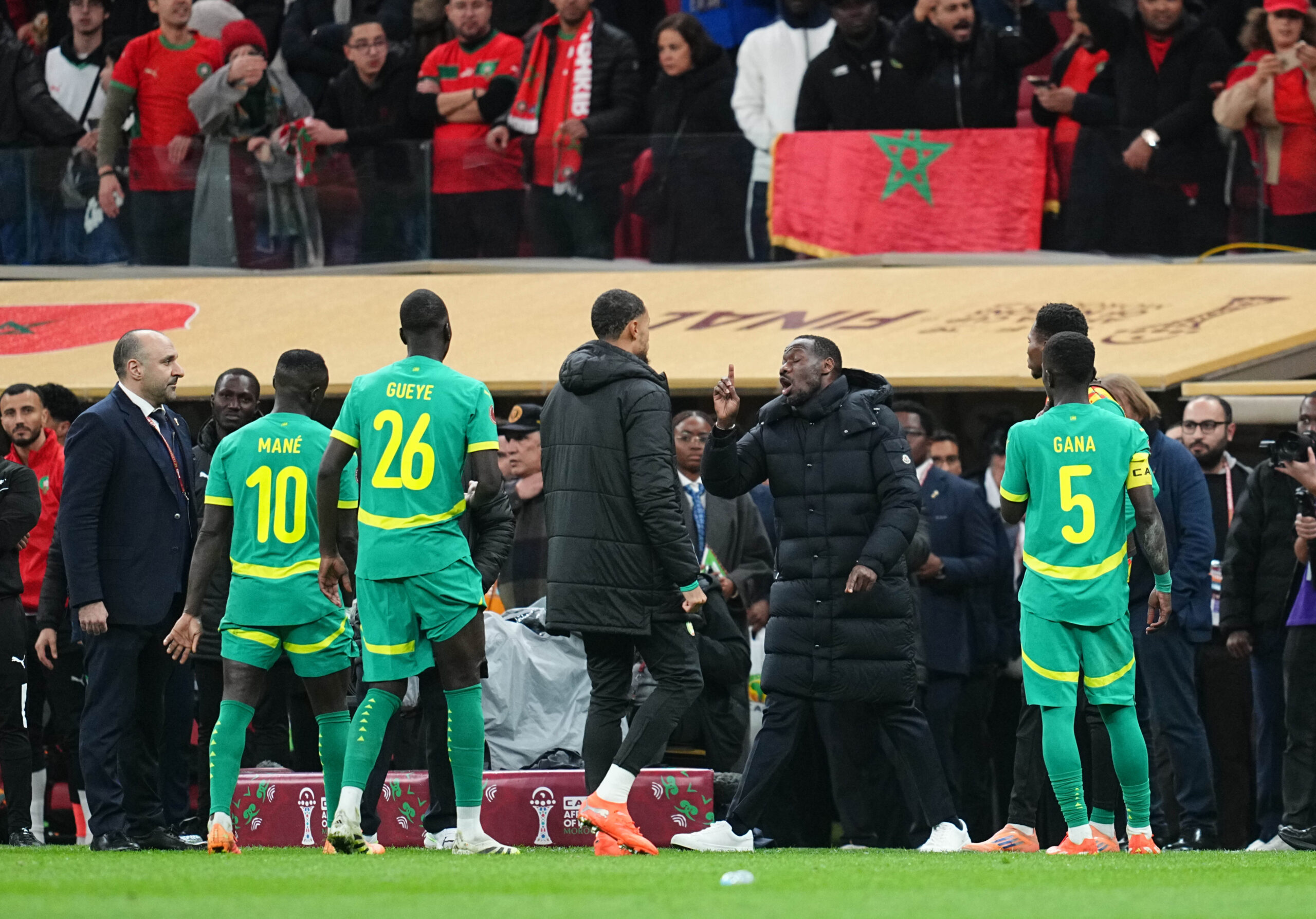
While the official squad list showcases an intriguing blend of established internationals and emerging talent, it’s the players who didn’t make the cut that have dominated headlines and social media discussions. Several players who were considered automatic selections just months ago find themselves watching from the sidelines, victims of either injury concerns, declining form, or tactical incompatibility with Cissé’s evolving game plan. The omissions have sparked passionate debates across West Africa, with supporters divided between those who applaud the coach’s courage to make difficult decisions and others who question whether experience should trump current form in such a high-stakes tournament. These exclusions also highlight the incredible depth of talent that Senegal now possesses, a luxury that many other African nations would envy.
The decision-making process behind these omissions reveals much about modern football’s unforgiving nature, where past glories cannot guarantee future opportunities. Players who once seemed untouchable in the national setup now find themselves needing to fight for their places, demonstrating the healthy competition that exists within Senegalese football. This competitive environment has undoubtedly raised the overall standard of the national team, even if it means some fan favorites won’t be representing their country at the World Cup.
Cissé’s Vision for World Cup Success
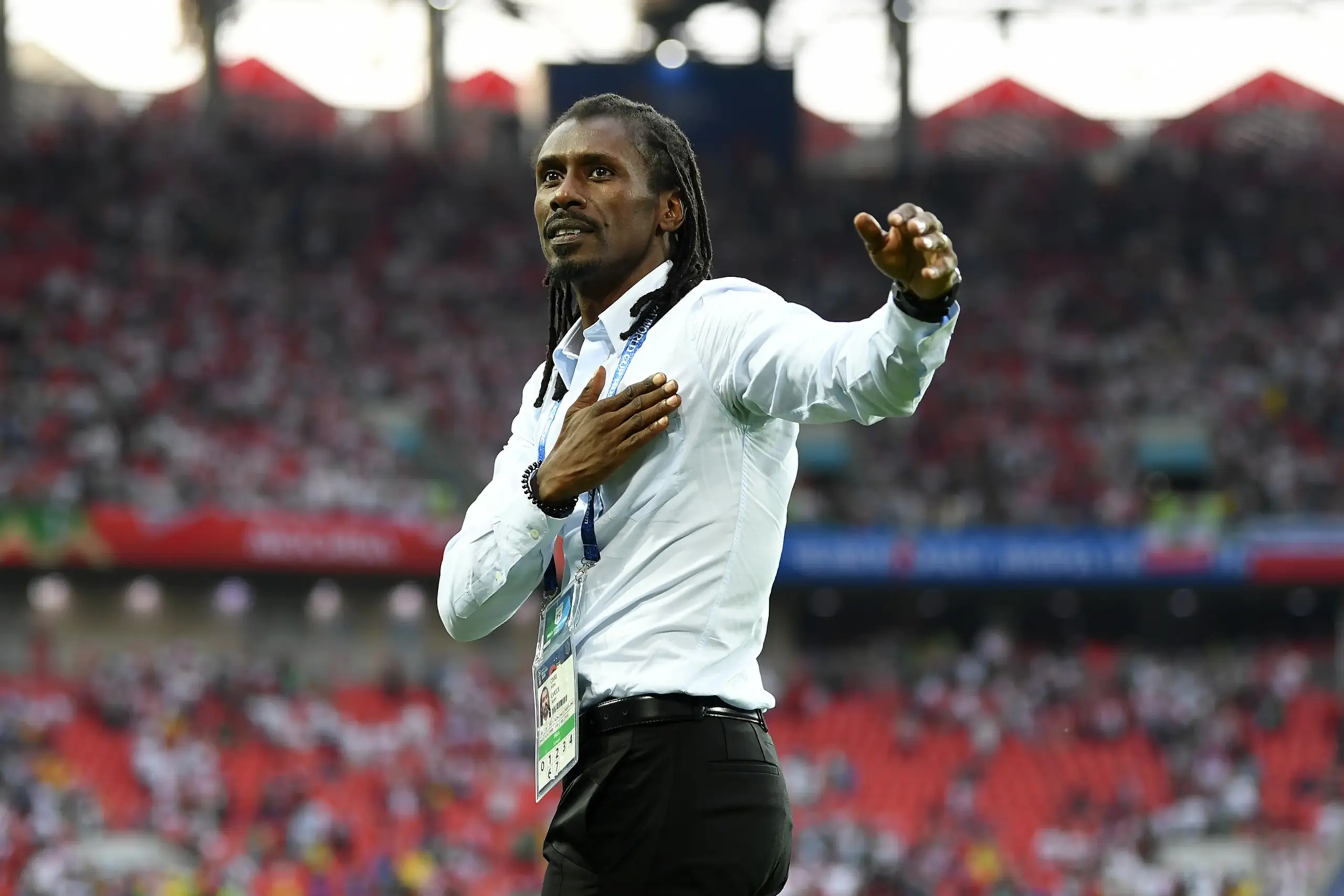
Aliou Cissé’s tenure as Senegal’s head coach has been marked by a steady evolution in tactical philosophy and squad management approach. The former captain, who played in the 2002 World Cup where Senegal reached the quarter-finals, understands better than most what it takes to succeed at the highest level of international football. His coaching philosophy has always emphasized collective strength over individual brilliance, though he’s never been afraid to accommodate exceptional talent when it serves the team’s broader objectives. The current squad selection represents the culmination of years of careful planning and development, with Cissé demonstrating his willingness to make unpopular decisions if he believes they serve the team’s long-term interests.
Under Cissé’s guidance, Senegal has transformed from a team heavily dependent on individual moments of brilliance to a cohesive unit capable of adapting their playing style based on opposition and circumstances. This tactical flexibility has been evident in their recent performances, where different players have stepped up in crucial moments. The coach’s emphasis on mental strength and team unity has created a culture where players are willing to sacrifice personal glory for collective success, a mentality that could prove crucial in the pressure-cooker environment of a World Cup.