Somewhere in the last decade, the job description of a prizefighter quietly expanded. Winning was no longer the whole assignment. The modern fighter is also a broadcaster, a streamer, a meme generator, a one-person content studio whose phone earns nearly as much attention as his fists. The cage is the proving ground, but the camera is where careers are built, audiences are captured, and reputations are made or wrecked between fights. Few athletes embody that strange new economy more completely, or more uncomfortably, than the man who currently holds the UFC middleweight title.
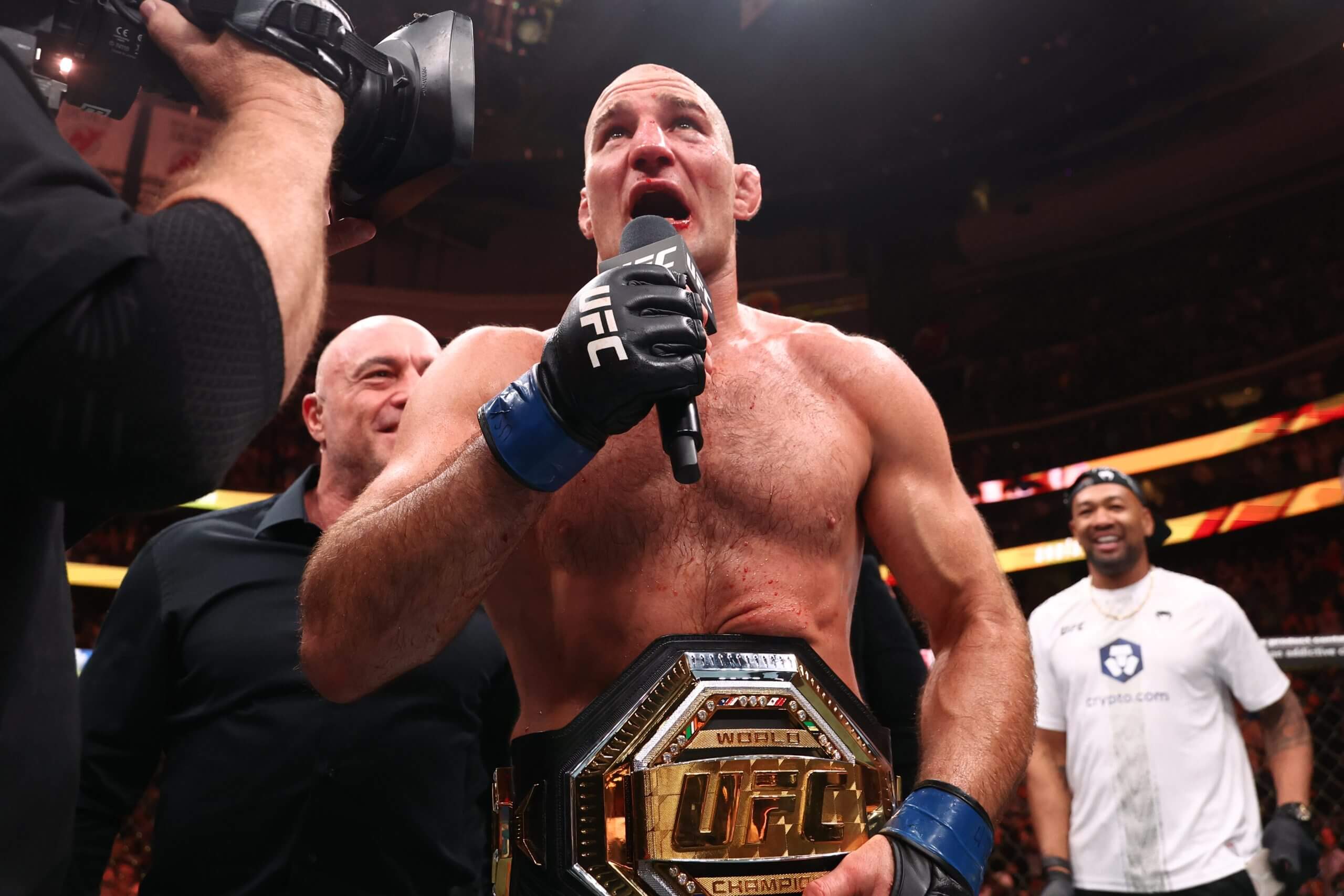
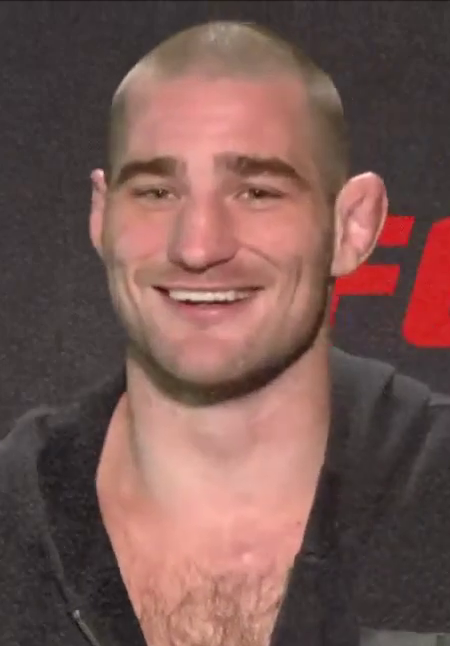
Sean Strickland is, depending on who you ask, the most honest man in mixed martial arts or its most exhausting. He is a two-time middleweight champion with a professional record of 31 wins and 7 losses, a fighter who has twice walked into a cage as a heavy underdog and walked out with a belt nobody expected him to win. He is also a figure whose name trends as often for what he says into a microphone as for what he does inside the octagon. Both things are true at once, and the tension between them is the entire story.
A Childhood He Has Never Stopped Talking About
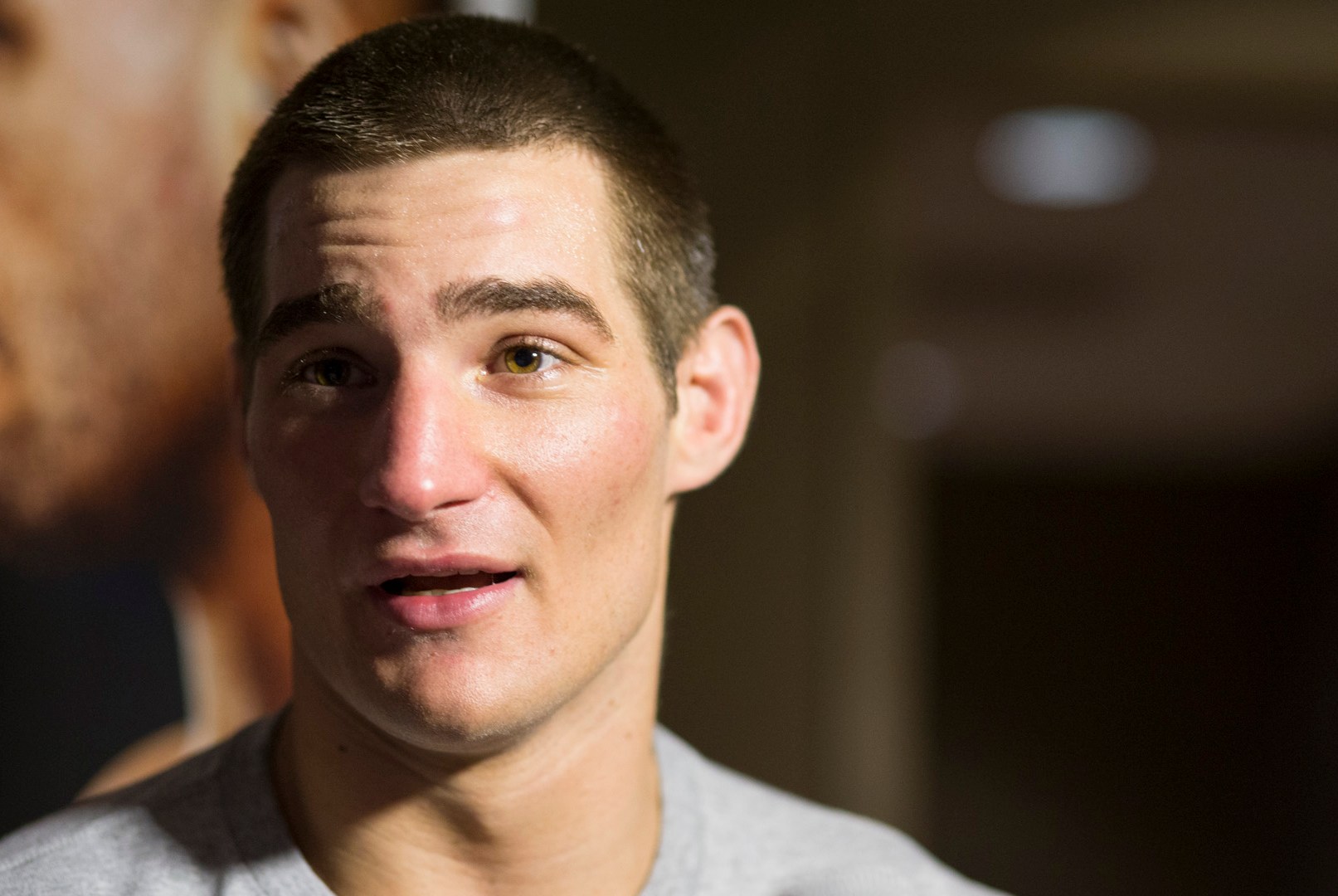
To understand the fighter, you have to start with the version of his past that Strickland himself has put on the record, repeatedly and tearfully, in interviews and on podcasts. He has described growing up in Southern California in a home shadowed by an abusive, alcoholic father. He has spoken about mental and physical abuse, about nights spent afraid for his mother, about a household where fear was the baseline temperature.
In one widely circulated podcast appearance, he broke down recounting how he intervened during a violent episode, describing himself as a child reaching for whatever was nearby to protect his mother. He has said, in his own framing, that the way he grew up filled him with so much anger that he needed something to hate. He has been candid that the rage carried into his adolescence, that he bounced between schools and stayed in trouble, and that fighting eventually became the place where all of it had somewhere to go.
These are his accounts, told in his words, and they matter here for one reason. They are the lens through which Strickland explains nearly everything about himself, including the parts that draw the most criticism. He presents his hardness as a survival mechanism, his bluntness as the opposite of the dishonesty he says surrounded him as a kid. Whether that explains the man or merely excuses him is a debate that follows him everywhere. The childhood is not a footnote to the persona. He has made it the foundation of it.
The Climb Nobody Charted
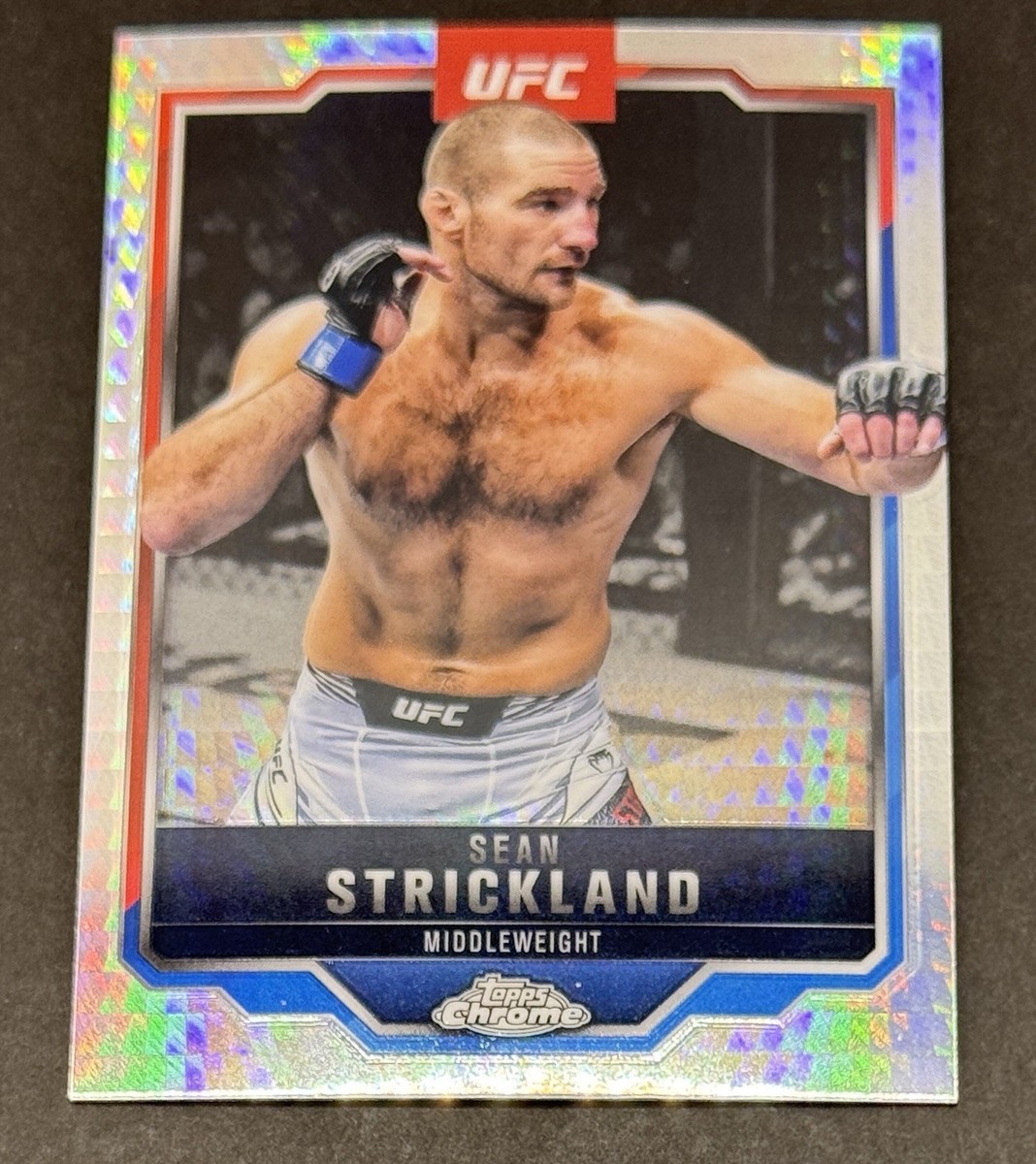
Strickland’s rise was not the polished, marketing-department arc that the UFC usually builds its champions around. Born in June 1991, he turned professional young and grinded through the regional circuit before reaching the sport’s biggest stage. He found his home at Xtreme Couture in Las Vegas, the gym that became his base and his identity, a place where the war stories about his sparring sessions became part of the legend. The reputation that trailed him was simple and a little frightening: a man who would fight anyone, anytime, and who treated training as something close to actual combat.
That “do it for free” ethos, the idea that he fought because he needed to rather than because of the paycheck, became central to how fans understood him. In a sport increasingly populated by carefully managed brands, Strickland sold himself as the opposite. No image consultant. No filter. Just volume, pressure, and a willingness to take damage that bordered on indifference. For years that made him a respected gatekeeper, a tough out, a fighter ranked among the best at 185 pounds who never quite seemed destined for a belt.
Then came the night that rewrote the assumption.
The Upset That Changed Everything
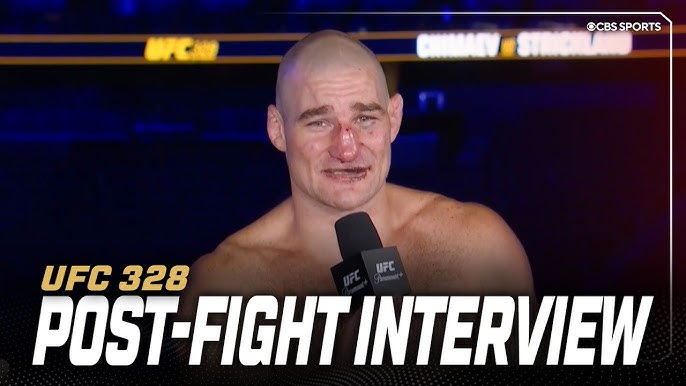
At UFC 293 in Sydney in September 2023, Strickland faced Israel Adesanya, the dominant middleweight champion and one of the most gifted strikers the division had ever seen. Adesanya, born in Nigeria and a global star whose ascent had been treated as something close to inevitable, was a heavy favorite. The fight was widely expected to be a showcase.
It was a showcase, just not the one anyone predicted. Strickland walked Adesanya down for five rounds, dropped him in the opening frame, and smothered the champion’s rhythm with relentless, suffocating pressure. The judges scored it a clean sweep, 49-46 across all three cards. It stands as one of the largest upsets in the history of the promotion, and it announced that the man treated for years as a tough gatekeeper had a championship gear nobody had bothered to look for.
For Nigerian fight fans in particular, the result stung, because Adesanya had carried the flag onto MMA’s biggest platform. That connection is part of why Strickland’s name still resonates across the continent’s combat-sports audience. He took the belt from one of Africa’s most celebrated athletes, and he did it by being everything Adesanya’s polished superstardom was not.
The du Plessis Chapters
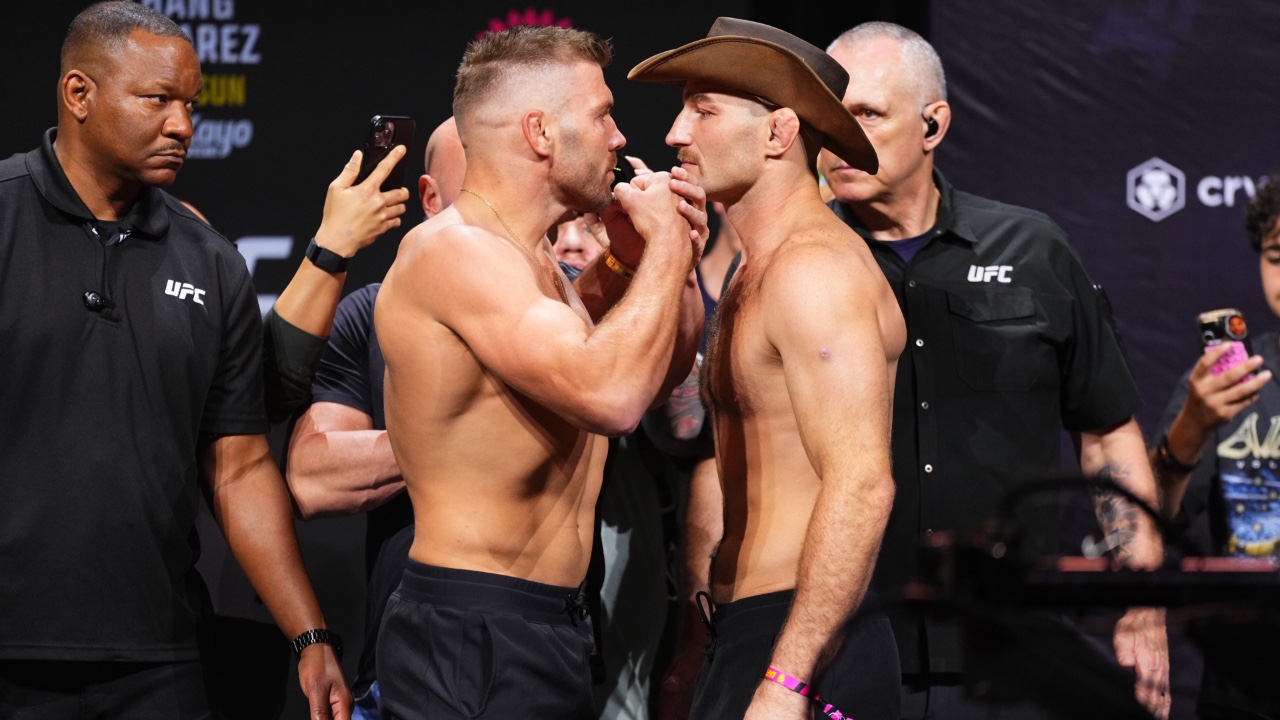
Holding a title and keeping it are different problems, and Strickland’s reign ran into a specific obstacle named Dricus du Plessis. At UFC 297 in January 2024, in his first defense, Strickland lost the belt to the South African by split decision. It was razor close, the kind of result that splits a fan base down the middle, with many observers convinced Strickland had done enough. The judges disagreed, and the title was gone in his very first attempt to hold it.
The rematch came at UFC 312 in February 2025 in Australia, and it went differently. Du Plessis controlled the trade-offs across twenty-five minutes, broke Strickland’s nose in a bloody, grinding fight, and won a unanimous decision. There was no controversy this time. Strickland, twice, had run into the one man who could solve the pressure that overwhelmed everyone else. It looked, for a while, like the title window had closed for good.